
Substituting Seasonally: Localizing Global Recipes for Fresh, Regional Flavor
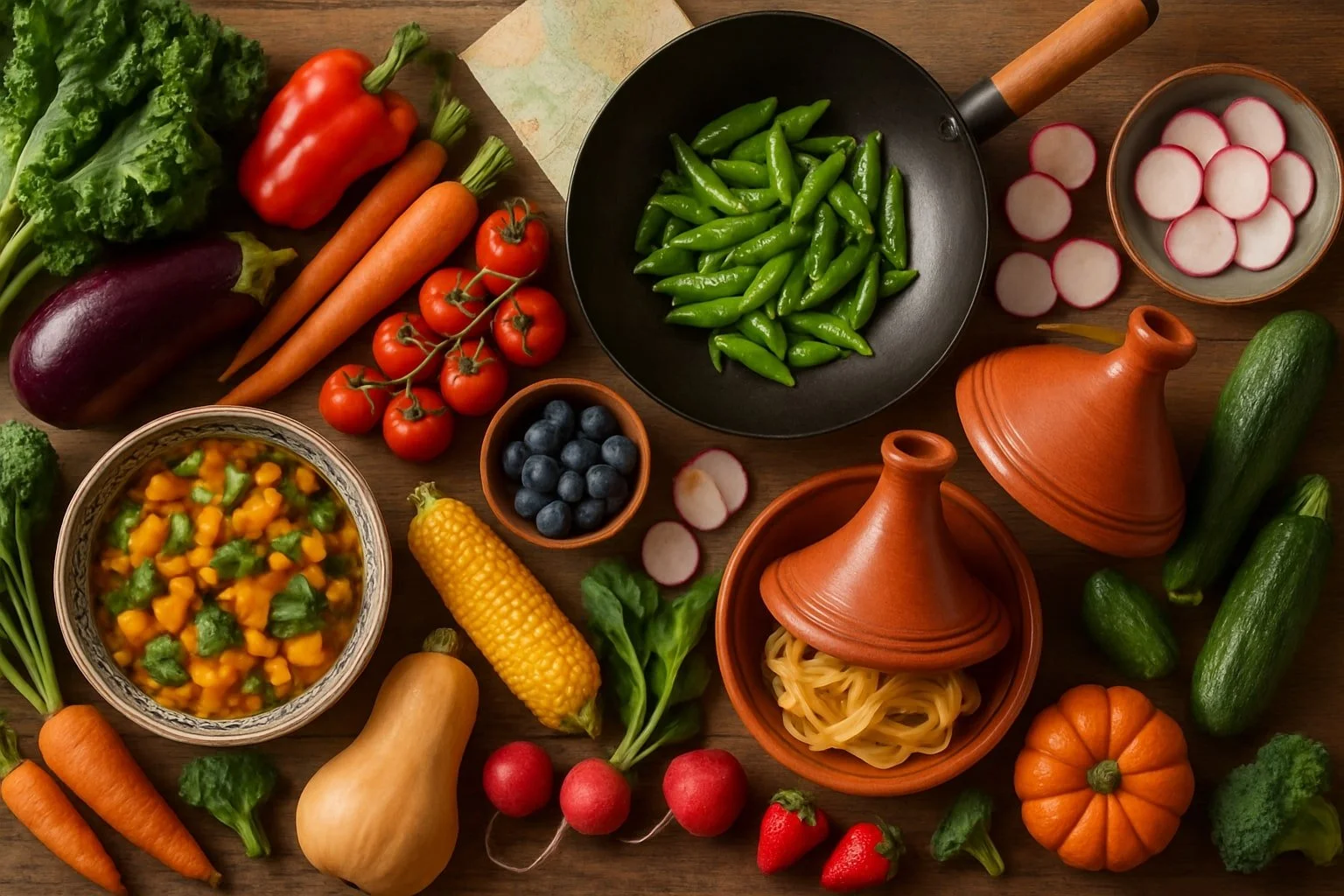
Bringing global recipes into the home kitchen often requires flexibility, especially when certain ingredients are out of season or unavailable locally. Substituting seasonal, local produce for original ingredients allows cooks to enjoy the essence of global dishes while supporting freshness and sustainability. This approach can offer both practical and flavorful results, making meals more accessible and connected to the region.
By thoughtfully adapting recipes to match what’s readily available, home cooks can maintain the core flavors and spirit of international cuisine. Exploring these substitutions also encourages creativity and can lead to unique variations that feel both authentic and personal.
Understanding Seasonal and Local Ingredients

Choosing seasonal and local ingredients can greatly influence the taste, sustainability, and affordability of any dish. Knowing how ingredients fit into their natural cycles and where they come from is essential for anyone looking to adapt global recipes for local contexts.
What Makes an Ingredient Seasonal or Local
A seasonal ingredient is grown and harvested at its peak during a specific period of the year. For example, asparagus is abundant in spring, while tomatoes thrive in summer. These items are typically fresher and require less transport or storage.
A local ingredient is produced within a nearby region or community. This can vary by location, but usually means the ingredient comes from within a short distance, such as a local farm or producer rather than another country.
The combination of local and seasonal means the product was grown in its natural conditions without heavy reliance on artificial environments. This enhances taste and often reduces the environmental impact associated with long-distance transportation.
Benefits of Using Seasonal Ingredients
Cooking with seasonal ingredients often results in better flavor and texture because the produce is harvested at its ripest. Nutritional value can also be higher, as foods lose nutrients during extended shipping and storage.
Buying what is currently in season can lower costs since these products are more plentiful and do not require importation. For consumers, it also brings culinary variety and can encourage experimenting with new recipes based on what’s available.
Seasonal eating supports the local economy and typically involves fewer chemicals and preservatives, since local produce doesn't have to withstand long transport. This makes it a practical choice for both sustainability and health.
Sourcing Locally: Tips and Resources
The first step to finding local, seasonal ingredients is to visit farmers’ markets. These venues offer direct access to what’s being harvested in the area and allow questions about farming practices.
Community Supported Agriculture (CSA) programs also connect consumers with growers and deliver a variety of local produce regularly. Many resources exist to help identify what is in season, such as online seasonality charts or apps tailored to specific regions.
Grocery stores will sometimes label produce by source, making it easier to identify local items. Joining food cooperatives or talking with local chefs can offer further insights into how to source and use regional ingredients effectively.
The Art of Localizing Global Recipes

Localizing global recipes means thoughtfully adapting traditional dishes to regional produce, flavors, and resources. This process requires attention to balancing authenticity, innovative substitutions, and meaningful respect for culinary heritage.
Preserving Authentic Flavors with Local Substitutes
When adapting recipes from around the world, flavor is the most critical element to preserve. Successful substitution starts with understanding the purpose of each original ingredient—whether it brings sweetness, acidity, umami, or texture.
For example:
Original Ingredient Local Substitute Flavor Function Kaffir lime leaves Lemon zest + basil Bright, citrus aroma Fish sauce Soy sauce + anchovy Salty, umami depth Manchego cheese Local aged cheese Nutty, firm texture
Finding fresh, in-season ingredients supports both taste and sustainability. Shoppers can often ask local markets about suitable options or experiment with blends to emulate exotic notes. This approach helps maintain the essence of authentic recipes, creating a vibrant culinary journey using regional bounty.
Balancing Tradition and Innovation
Adapting recipes is about more than simple swaps—it's about thoughtful balance. Cooks should identify which elements are central to the dish's identity and which can be adjusted without losing its character.
Some classic global recipes, like Italian caprese salad or Japanese miso soup, rely on a few core ingredients. If a specific herb or cheese isn't available, using a local alternative requires testing for flavor harmony. Lists or charts outlining ingredient properties can be helpful:
Checklist for Innovation:
Core ingredients (keep or substitute)
Flavor profile maintained?
Texture and appearance similar?
Chefs often discover that small changes—adjusting herbs or proteins—can lead to new, regionally inspired dishes while honoring the spirit of the original. This approach respects the culinary journey and fosters meaningful food traditions at home.
Cultural Sensitivity in Adaptation
Adapting global recipes also requires cultural awareness. Each authentic recipe carries context tied to its place of origin, from celebration dishes to daily meals. Changing a dish for local tastes should be done with recognition of its cultural value.
Paying attention to names, customs, and presentation shows respect for the cuisine. For instance, crediting the original country or chef provides recognition and deepens understanding. When sharing adaptations, transparency about substitutions and reasons for changes can foster appreciation instead of erasing cultural identity.
Consider the following cultural questions before adapting:
Is the recipe linked to significant events or traditions?
Does the dish use local, ceremonial, or religious ingredients?
How does the community view adaptation or fusion?
This mindful approach helps maintain a connection to the origins of recipes from around the world, turning every meal into a respectful part of a wider culinary journey.
Techniques for Substituting Seasonal Ingredients

Successfully localizing global recipes depends on selecting appropriate seasonal ingredients, adjusting cooking techniques, and improving one’s overall cooking skills. Making these swaps can help home cooks maintain both flavor and texture while making the most of what is locally available.
Identifying Suitable Local Replacements
Home cooks should start by analyzing the original ingredient’s function within the dish—flavor, texture, aroma, and color all affect the outcome. When a common ingredient isn’t in season, seek alternatives with similar properties. For example, replace imported spinach with Swiss chard or local beet greens.
Organize potential substitutes using a table for quick reference:
Original Ingredient Possible Local Substitute Eggplant Zucchini, winter squash Lemon Vinegar with local citrus Basil Cilantro, parsley
Consider the seasonality and availability of each substitute. Taste-testing small quantities before scaling up helps ensure compatibility with the dish’s flavors.
Adapting Cooking Methods for Different Ingredients
Different ingredients sometimes require changes in technique. Root vegetables like turnips or parsnips, used in place of potatoes, will need shorter or longer cooking times depending on their density and moisture content.
Alter the cooking time and temperature to match the water content and texture of the substitute. For example, leafy greens such as kale may need to be cooked for a few extra minutes compared to spinach to achieve a tender consistency.
Sometimes, a change in method—like roasting instead of sautéing—can enhance a seasonal substitute’s flavor. Adjust seasoning or add extra herbs to balance minor differences created by the ingredient swap.
Enhancing Cooking Skills Through Substitution
Experimenting with replacements is an opportunity to build cooking skills and adaptability. Cooks learn to recognize ingredient functions and make educated guesses for future swaps.
Practicing substitutions sharpens a cook's tasting abilities and helps them understand how ingredients interact in complex dishes. Keeping notes on what works (and what doesn't) creates a personal reference for future recipes.
Making use of ingredient substitutions regularly boosts confidence, leading to better results and a broader repertoire in the kitchen. Over time, substitutions become less intimidating and more intuitive.
Step-by-Step Guides: Localizing Popular Global Dishes
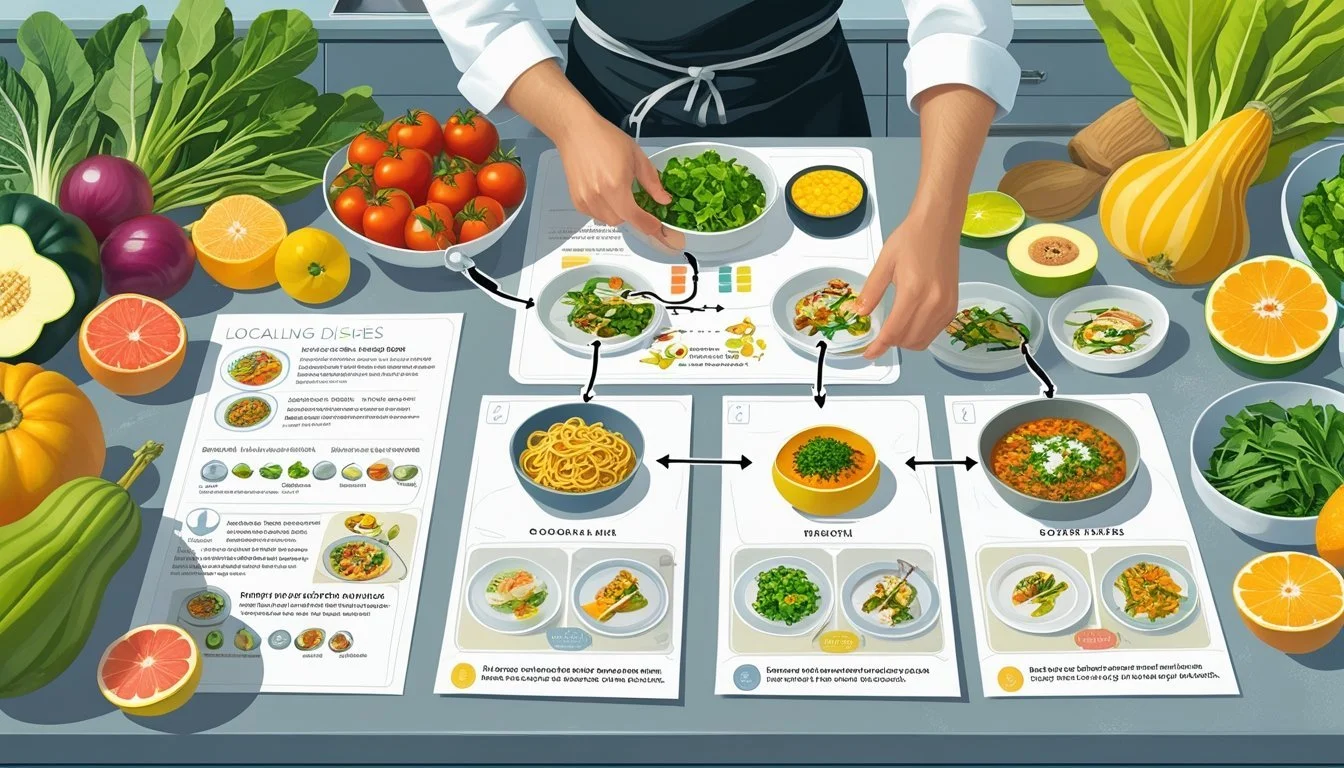
Adapting international recipes for local kitchens often requires smart substitutions and a clear understanding of both flavor and technique. Seasonality, ingredient availability, and dietary preferences can guide the process of recreating classics without losing their core character.
Substituting in Pad Thai
Pad Thai’s signature flavor depends on ingredients like tamarind paste, fish sauce, and rice noodles. In areas where tamarind paste is unavailable, a mix of lime juice and a small amount of brown sugar provides a sour-sweet alternative. Fish sauce can be substituted with a combination of soy sauce and a dash of vinegar or even a light miso for umami depth.
Instead of rice noodles, locally available wheat noodles or even spiralized vegetables can work. Common proteins like chicken or tofu adapt easily. Local vegetables, such as cabbage or snap peas, replace traditional bean sprouts or chives for a fresh crunch. Garnish remains key: peanuts, lime wedges, and fresh herbs are often found in various regions and should be included if possible.
Example Substitution Table:
Traditional Ingredient Local Substitute Tamarind Paste Lime juice + brown sugar Fish Sauce Soy sauce + vinegar/miso Rice Noodles Wheat noodles/veg noodles Bean Sprouts/Chives Cabbage/Snap peas
Regional Takes on Swedish Meatballs
Swedish meatballs traditionally use a blend of beef and pork, cream, breadcrumbs, and spices like allspice. If pork is scarce or avoided, all-beef or a mix of beef and chicken can be used. For breadcrumbs, torn pieces of local bread—sourdough or whole wheat—make an easy swap.
The cream sauce can be lightened with local dairy, such as yogurt or half-and-half. Lingonberry jam, often served on the side, may be replaced with a tart cranberry sauce or a spoonful of any locally available berry preserve. Nutmeg and allspice are important; when unavailable, a pinch of clove or cinnamon blended with pepper gives warmth.
Key adaptation steps:
Use available ground meats
Substitute local bread for breadcrumbs
Choose regional berry preserves for garnish
Adjust seasonings based on local spice cabinet
Creative Appetizers and Light Meals
Substituting seasonal ingredients allows familiar appetizers to reflect local flavors and produce availability. Using fresh, local vegetables and herbs brings new character to global favorites while supporting regional agriculture.
Reimagining Lettuce Wraps
Instead of traditional iceberg or butter lettuce, cooks can use whatever crisp greens are growing in their area. In spring, tender mustard greens or radicchio provide a spicy edge, while autumn might suggest cabbage or endive.
Filling options adapt too. Local mushrooms, seasonal julienned root vegetables, or quickly blanched asparagus offer fresh flavor. For protein, try grilled chicken, lentils, or even duck confit depending on availability and tradition.
Common condiments can be swapped for regional alternatives. Replacing hoisin sauce with a plum or berry compote, or adding a miso dressing with local herbs, updates lettuce wraps without losing their appeal.
Examples of greens and fillings:
Season Greens Filling Ideas Spring Mustard greens Blanched asparagus, tofu Summer Romaine Grilled chicken, sweet corn Autumn Cabbage Pulled pork, root veggies
Making Scallion Pancakes with Local Greens
Scallion pancakes are traditionally made with green onions, but any tender allium or leafy green can be used. Chives, wild garlic, ramps, or finely sliced young leeks fit well and grow in many regions.
Dough can be prepared using local flours if available, such as spelt or whole wheat. Pan-frying in local, cold-pressed oils, like sunflower or canola, provides added regional character.
Serve with dipping sauces made from pantry staples—soy and vinegar may be classic, but adding apple cider or a herb-infused oil brings a personalized touch. Scallion pancakes become a showcase for whatever greens and flavors are at their seasonal best.
Seasonal Chilaquiles Variations
Chilaquiles, a staple Mexican dish, easily adapts to seasonal substitutions. Instead of traditional tomato or tomatillo sauces, cooks can blend in roasted peppers, squash, or even leafy greens for the base.
Key substitutions:
Tortilla alternatives, such as crisped-up pita or local flatbread pieces
Cheeses from local producers or fresh crumbled farmers' cheese
Seasonal salsas: try peach or corn salsa in summer, or roasted pumpkin seed sauce in fall
Toppings vary as well. Sautéed wild mushrooms, pickled radishes, or quick-pickled local vegetables offer contrasting textures and flavors. Experimenting with regional chiles or herbs ensures every batch of chilaquiles has a distinct, local twist.
Adapting Main Courses for Local Availability

Adjusting traditional main courses to use locally available ingredients can result in vibrant new flavors and support regional food systems. This approach gives chefs more flexibility and allows diners to experience familiar dishes in fresh ways.
Chicken Tikka Masala with a Local Twist
When making chicken tikka masala, using local poultry ensures freshness and supports area farms. The spice blend can be adjusted based on what is accessible, such as substituting ground local chili or even a regional spice mix for imported garam masala.
Sauces can be enhanced with locally produced dairy or alternatives like coconut cream if fresh cream is scarce. Roasted seasonal vegetables—such as squash, carrots, or broccoli—can be stirred in for extra depth and nutrition.
Serving with local grains, such as barley or heirloom rice, offers a unique contrast to standard basmati.
This method enhances the familiar flavors of chicken tikka masala while keeping the dish rooted in the culinary landscape of its location.
Pozole with Regional Vegetables
Traditional pozole uses hominy, pork or chicken, and a chili broth. Localizing this dish means choosing vegetables that are in season and indigenous to the region. For example, adding roasted root vegetables in cooler months brings extra texture and flavor.
Leafy greens like kale or chard, which may be less traditional, can complement the dish and absorb the broth’s flavors. If local chilies are milder or spicier, adjust quantities to maintain balance.
For those unable to source hominy, other local grains—like cracked corn or farro—can offer similar body and texture. Customizing pozole in this way makes it adaptable year-round and accessible in areas outside its origin.
Coq au Vin Using Local Wine and Produce
Coq au vin depends on robust flavors from red wine, poultry, and vegetables. Substituting the wine with a local vintage, such as a regional pinot noir or merlot, personalizes the aroma and depth.
Seasonal root vegetables, wild mushrooms, or heirloom onions stand in for classic choices. Using local chicken or game, like pheasant, also fits regional tastes.
Small adjustments—like adding local herbs or changing the cooking fat to regional butter or oils—integrate the dish into its surroundings. These strategies maintain coq au vin’s essence while enhancing its sense of place.
Integrating Local Flavors into Comfort Foods

Blending local ingredients with established comfort foods creates new, regionally resonant dishes. This approach adapts global recipes in ways that highlight freshness and seasonality.
Filipino Spaghetti: A Seasonal Spin
Filipino spaghetti is known for its sweet tomato sauce, hot dogs, and ground meat, offering a unique twist on the Italian classic. Substituting seasonal local produce can add freshness and depth to the dish while keeping its signature sweetness.
For example, cooks may swap canned tomato sauce with fresh, ripe local tomatoes blended with a touch of sugar or honey during harvest season. Sliced local sausages or mushrooms can replace standard hot dogs or add to the mix, allowing for flexibility based on market availability.
A simple table shows common substitutions:
Traditional Ingredient Local/Seasonal Alternative Canned Tomato Sauce Fresh local tomato purée Hot Dogs Local sausage, mushrooms Sugar Honey, muscovado sugar
These adjustments maintain Filipino spaghetti’s distinctive flavor profile, while emphasizing local harvests and supporting regional producers.
Seasonal Approaches to Global Desserts

Adapting global desserts with in-season local produce highlights unique flavors and supports local agriculture. Traditional sweets take on new characteristics that reflect the region while maintaining familiarity.
Innovative Ways to Use Local Fruits
Many classic desserts depend on specific fruits which may not always be available or optimal in every region. Chefs and home bakers often substitute local, seasonal fruits in place of ingredients found in global recipes. For example, mango might replace peach in a crisp or cobbler, or gooseberries might stand in for cherries in clafoutis.
Using local fruit at peak ripeness ensures bold flavor and vibrant color. It also lets desserts stay affordable and environmentally friendly. Some bakers present fruits raw, preserving freshness, while others cook down or roast fruit to intensify sweetness. Pickling, poaching, or quick jams are also used to extend shelf life and add distinct flavors.
A small table summarizes common substitutions:
Global Fruit Local Substitute Strawberry Mulberry, Wild Raspberry Apricot Pluot, Loquat Apple Asian Pear, Crabapple Plum Damson, Blackcurrant
Balancing Sweetness with Regional Ingredients
The level and type of sweetness in a dessert usually reflects local tastes and ingredient availability. In some areas, honey or date syrup might be used instead of refined sugar for an earthy sweetness. Jaggery, agave, and maple syrup are also options, each affecting the dessert's depth of flavor.
Using regional dairy such as sheep’s milk yogurt or goat cheese can enrich puddings, parfaits, and tarts. Local nuts—like pistachio, hazelnut, or pecan—can add texture and more complexity to desserts such as baklava, biscotti, or truffles.
Spices also shift sweetness perception. Cardamom, cinnamon, and even chili powder are sometimes paired with fruit to achieve a regional flavor balance that complements local ingredients and reduces the need for extra sugar. This approach lets desserts appeal to a broader range of palates.

