
Simulating Grill Flavor Without a Grill: Effective Indoor Techniques for Authentic Taste
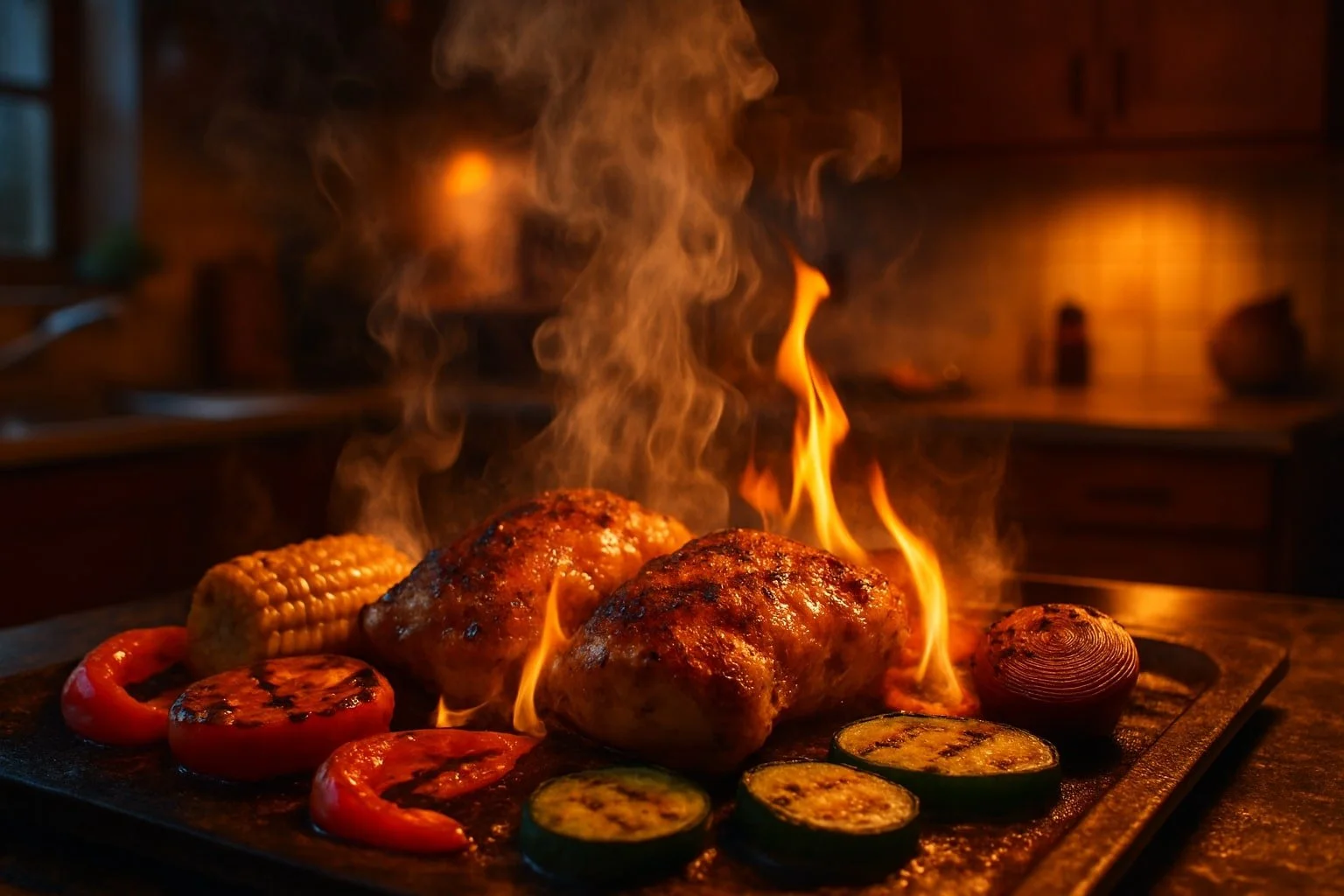
Not everyone has access to a backyard grill, but enjoying smoky, charred flavors at home is still possible. Grill flavor can be simulated in the kitchen by using high heat, smoky seasonings, and certain techniques that mimic the sear and taste of outdoor cooking. A hot broiler, cast iron pan, or even a blowtorch can create that signature crust and color.
Adding elements like smoky spices, liquid smoke, or a marinade rich in vinegar and brown sugar helps bring out those classic BBQ notes. These methods are straightforward, and they allow anyone to achieve grilled-style results, even without any special equipment.
Understanding Grill Flavor
Grilled food has unique characteristics that come from a combination of specific chemical reactions, the development of browning on the surface, and the presence of certain flavors like smoke and char. Achieving these elements is crucial when simulating authentic grill flavor without outdoor equipment.
Chemical Reactions Behind Grilled Taste
Grilling food triggers several complex chemical changes. The most prominent of these are the Maillard reaction and caramelization, which create an array of rich, savory notes. Combining high heat and low moisture, grilling quickly browns the exterior of foods.
Burning wood or charcoal adds extra layers of flavor by releasing aromatic compounds that settle on the food's surface. These contribute to the classic smoky flavor many associate with barbecue and grilled dishes.
High temperatures also break down fats in meat, leading to further reactions that enhance aroma. These unique changes are difficult to achieve with standard kitchen methods, making them key to simulating grilled taste.
Maillard Reaction and Caramelization
The Maillard reaction occurs when amino acids and reducing sugars in food interact under intense heat, typically above 300°F (150°C). This process produces new flavor compounds, resulting in a browned, savory crust on meats, vegetables, and bread.
Caramelization is a separate process where sugars break down due to heat, giving foods a slightly sweet, nutty profile. Both reactions happen rapidly during grilling.
These browning processes not only influence the food’s appearance but also deepen its flavor complexity. Foods cooked indoors can still experience these reactions under a broiler or in a hot pan, especially when using minimal moisture.
Key Flavor Components in Grilled Food
Grilled foods have a distinctive flavor profile that comes from a combination of smoke, char, fat rendering, and browning. Table: Major Flavor Contributors
Flavor Source Description Smoke Adds depth, complexity, and signature “bbq” notes Char Provides subtle bitterness and roasted qualities Rendered Fat Carries seasoning and enhances richness Browning Produces savory, umami-packed surface flavors
Liquid smoke, smoked salts, and grill-flavored seasonings can be used to replicate the smoky flavor. Proper browning, searing, and seasoning are essential to building flavor and getting as close as possible to the taste of real grilled foods.
Cooking Methods for Simulating Grilling
Achieving authentic grill flavor indoors relies on high heat, caramelization, and surface contact. By mimicking these elements, home cooks can recreate seared, smoky tastes and the signature grill marks without outdoor equipment.
Oven Broiling and Broiler Techniques
The oven broiler is one of the closest indoor substitutes for traditional grilling. Located at the top of the oven, the broiler uses direct, intense heat to quickly caramelize the surface of foods. Positioning food on the top rack just a few inches below the broiler allows for rapid browning and charring, similar to a grill's effect.
For best results, preheat the broiler and use a heavy-duty broiler pan or a wire rack set over a baking sheet. This setup ensures that juices drain away, which helps food sear instead of steam. Meats, vegetables, and even fruit can develop flavorful char and crispy edges.
Turning foods halfway through cooking is important to create even browning and mimic grill marks. Keeping a close eye on food is crucial because broiling can quickly shift from browned to burnt. To enhance the smoky flavor, brushing foods with a small amount of liquid smoke before broiling can further approximate that classic grilled taste.
Searing with Cast Iron Skillets
A cast iron skillet can retain and distribute high heat more evenly than most cookware, making it ideal for simulating the sear of outdoor grilling. When preheated until nearly smoking, a cast-iron skillet achieves a flavorful crust through the Maillard reaction—a process essential for grilled flavors.
Start by patting food dry. Add a thin coating of high-smoke-point oil, such as canola or grapeseed, to prevent sticking and boost browning. Sear proteins for 1-2 minutes per side without moving them to develop a deep crust, then finish the cooking process at a lower heat or in the oven as needed.
Vegetables, burgers, and even tofu benefit from the intense direct contact and high surface temperature. For extra flavor, finish with a dash of smoked paprika or a drizzle of a balsamic reduction, which complements the seared exterior.
Using Grill Pans and Griddle Pans
Grill pans are designed with raised ridges that create the familiar grill marks and allow fat to drain away, closely mimicking an actual grill surface. Cast iron grill pans work especially well due to their ability to maintain high, even heat, which is essential for those distinctive seared lines.
To use a grill pan, preheat it thoroughly before adding food. Place items at a 45-degree angle to the ridges for defined marks, then rotate halfway through searing for a crosshatch pattern. Griddle pans, while flat, can still provide plenty of caramelization and surface browning, though they won't leave ridges.
Both grill pans and griddle pans should be lightly oiled before cooking to minimize sticking and to help conduct heat. With proper seasoning and technique, these pans produce satisfying results for indoor grilling, especially for foods like steaks, chicken breasts, and sliced vegetables.
Incorporating Smoky Flavors
Adding smoky notes to food indoors is possible using a few targeted ingredients. Specific products like liquid smoke, smoked paprika, and chipotle can deliver distinctive aroma and depth to dishes without requiring a grill.
Liquid Smoke for Authentic Notes
Liquid smoke is a concentrated seasoning made by condensing real smoke from burning wood, typically hickory or mesquite. It works well when used in small amounts, as excessive use can create a chemical taste. Most commonly, it’s added to marinades for meats or vegetables, blended into barbecue sauces, or stirred into beans and stews.
Just a few drops can impart a genuine grilled aroma. Pairing liquid smoke with other ingredients, such as smoked salt or smoked gouda, amplifies the overall effect. For best results, whisk it into wet mixtures or sprinkle it into slow-cooked dishes, allowing the aroma to permeate the food evenly.
Liquid smoke is gluten-free and suitable for both vegetarian and vegan diets, making it versatile for a wide range of meals. Always store it tightly sealed, as its potency diminishes with prolonged exposure to air or light.
Smoked Paprika and Chipotle
Smoked paprika is made by drying peppers over wood fires before grinding, resulting in a vibrant red powder with a robust smoky flavor. It comes in sweet and hot varieties and is ideal for seasoning roasted vegetables, rubbing onto meats, or blending into soups. Its color also makes finished dishes more visually appealing.
Chipotle peppers are smoke-dried jalapeños. They are sold whole, as a powder, or canned in adobo sauce. Chipotle lends a rich, earthy heat with unmistakable smokiness. It is especially effective in chilis, salsas, and stews.
Both smoked paprika and chipotle complement other smoky ingredients, such as smoked salt or lapsang souchong, for layered complexity. They offer an easy, shelf-stable option for infusing food with grill-like character indoors.
Flavor-Boosting Ingredients and Marinades
Building authentic grilled flavors begins with thoughtful ingredient selection. Using the right marinades and condiments can transform stovetop or oven-cooked food by infusing smoky, charred, and umami notes similar to flame-grilled dishes.
Crafting Marinades for Grilled Taste
Homemade marinades play a central role in developing deep flavor. A typical grill-inspired marinade balances acid (like vinegar or citrus), oil, and a blend of spices.
Key spices for simulating grilled notes include smoked paprika, garlic powder, onion powder, black pepper, and a hint of cayenne. Liquid smoke is a useful addition, giving meats and vegetables an authentic wood-fired aroma.
A good marinade should soak proteins for at least 30 minutes. Heavier cuts can marinate for up to 24 hours for improved tenderness and richer flavor. For vegetables or tofu, 15-30 minutes is often enough.
Marinade Base Added Flavors Function Olive oil Smoked paprika, garlic Fat, carry flavors Soy sauce Black pepper, liquid smoke Umami, smokiness Vinegar/citrus Onion powder, brown sugar Acid, mild sweetness
Molasses and Barbecue Sauce
Molasses can imitate the caramelized, slightly charred flavor found in grilled foods. Its deep sweetness forms the backbone of many classic barbecue sauces, which are often brushed on during or after cooking for a sticky, savory-sweet crust.
Barbecue sauce blends ingredients like tomato paste, vinegar, molasses, mustard, and spices. Adding a small amount of liquid smoke intensifies the grilled effect. For optimal results, apply sauce during the final stages of cooking and briefly broil dishes to produce a concentrated, caramelized surface.
A light glaze of molasses or thick barbecue sauce enhances both meats and vegetables. Be mindful of sugar content, as these can burn easily at high heat.
Bacon for Umami and Smoke
Bacon delivers both salinity and smoke, making it an effective way to impart grilled complexity. Cooking food with chopped or rendered bacon allows fats and smoky notes to infuse the dish.
For vegetables, wrapping them in bacon or layering bacon strips over before roasting adds richness and a subtle smokiness. Bacon fat can be used to saute proteins or mix into marinades, lending depth without overpowering other flavors.
Crisped chopped bacon also works as a garnish for meats, enhancing both texture and taste. For vegetarian options, smoked salts or smoked paprika may substitute for bacon's signature notes, though the result is milder.
Tools and Appliances for Indoor Grilling
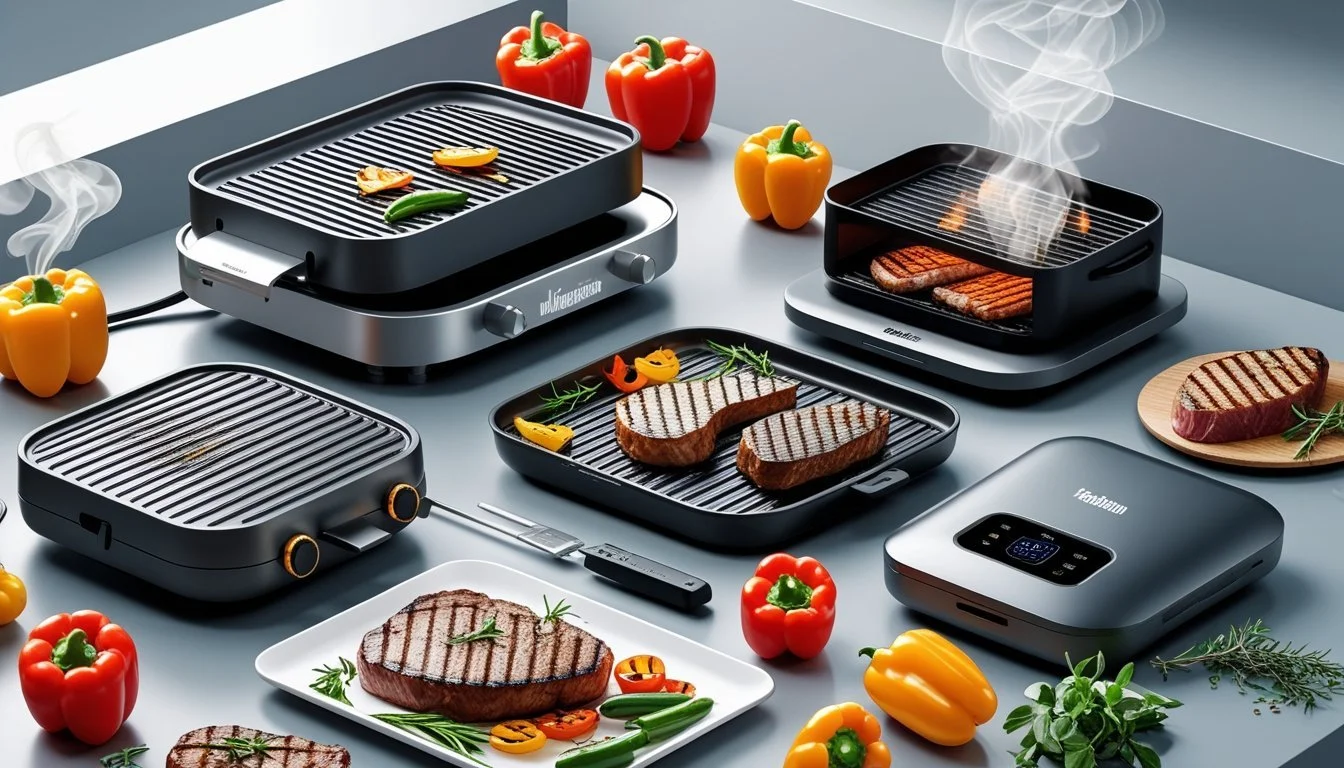
Replicating the smoky, grilled taste at home is possible with specialized appliances. A mix of electric and stovetop equipment—along with modern smoking gadgets—can deliver satisfying results indoors.
Countertop and Electric Grills
Countertop and electric grills are among the most direct replacements for outdoor grilling. Models like George Foreman and similar appliances offer nonstick grill plates and adjustable heat controls. They can sear meats, fish, and vegetables, leaving visible grill marks and helping render fat for flavor and texture.
These grills have several advantages:
Feature Benefit Nonstick plates Easy food release, fast cleaning Adjustable temperature Precise heat for different foods Compact size Fits most kitchens
Many versions have a drip tray for fat runoff. While they lack the flame of outdoor grills, preheating the plates can help brown and lightly char food surfaces.
Using Stovetop and Indoor Smokers
A stovetop smoker consists of a metal box or pan, a rack, and a lid. Add wood chips to the bottom, place the food on the rack, and heat gently on the stove. Smoke fills the chamber and infuses the food.
These smokers work well for meats, fish, and hardy vegetables. Ventilation is essential because they can produce noticeable smoke. Popular brands often include detailed instructions for wood chip amounts and cooking times to prevent overpowering flavors.
Indoor electric smokers are also available. These are typically larger but offer programmable settings and better control over smoke density and cooking duration.
Smoking Guns Techniques
Smoking guns are handheld devices designed to infuse smoke directly onto food. They burn small amounts of wood chips or sawdust, releasing smoke through a hose or nozzle.
This tool is often used after cooking to add a finishing layer of smoke to meats, cheeses, or even cocktails. Operation is simple:
Load wood chips into the chamber.
Ignite the smoker and aim the hose at food under a cover.
Let the smoke settle for 1-5 minutes, then vent.
Smoking guns impart aroma without excessive heat, making them safer and faster for indoor use. Users should experiment with different woods, such as apple or hickory, to find their preferred flavor intensity.
Creating Grill Marks and Texture
Simulating a grilled finish indoors depends on two core elements: the appearance of charred grill marks and the development of a crisp, seared surface. With the right cookware and techniques, it is possible to achieve both at home.
Techniques for Iconic Grill Marks
To replicate grill marks, he or she should use pans with ridges, such as a grill pan or a cast iron griddle. These ridges press lines into the food as it cooks, giving a distinctive appearance similar to that produced by outdoor grilling.
The pan should be preheated on high until very hot before any food touches the surface. Lightly oiling the food, rather than the pan, helps prevent sticking and encourages well-defined marks.
For best results, place food at a 45-degree angle to the ridges, sear without moving for a few minutes, then rotate 90 degrees to create crosshatch patterns.
This approach works well with meats, sturdy vegetables, and even firm tofu. A hot metal skewer can also be pressed into food to create lines when a grill pan is unavailable.
Mastering Searing and Browning
Searing is essential for a grilled texture and enhanced flavor. They must use high heat, which quickly browns the surface and creates the Maillard reaction for savory depth. Cast iron or heavy stainless steel pans excel here due to their ability to hold steady, intense heat.
To achieve effective browning, pat ingredients dry with paper towels before cooking, as excess moisture prevents searing. Avoid crowding the pan, which can trap steam and hinder crust development.
When ready, cook food undisturbed until a crust forms, then flip once for even browning.
Let the surface sit on the hot metal long enough to darken and crisp; this recreates the grilled texture and complex flavor usually found with open-flame grilling.
Grilling Without a Grill: Recipe Applications
Cooking methods like the broiler, cast-iron pans, and adding smoky ingredients make it possible to closely replicate grilled flavors indoors. Practical approaches and specific tools can help deliver results similar to those achieved with traditional outdoor grilling.
Mimicking Grilled Steak Indoors
A cast-iron skillet is highly effective for cooking steak with a grilled-like crust. Preheating the skillet until very hot allows for quick searing, which mimics grill marks and caramelization. For optimal results, it’s best to pat the steak dry, season well, and press firmly into the hot surface.
Broiling is another method that replicates top-down grill heat. Placing the steak on a wire rack near the oven’s broiler element ensures even browning. For a smoky taste, a small amount of liquid smoke or smoked salt can be added before cooking.
Key Tips:
Use high heat for searing
Finish thicker cuts in a 400°F oven after initial sear
Add butter and herbs for flavor during the resting period
Cooking Grilled Vegetables Without a Grill
Vegetables like bell peppers, zucchini, and asparagus respond well to stovetop grilling in a grill pan with raised ridges. These ridges leave char marks and help vegetables brown while letting excess moisture escape.
Roasting vegetables under the broiler also produces pleasing caramelization. Tossing cut vegetables with olive oil, salt, and any smoked spices boosts the grilled flavor profile. Using a sheet pan lined with foil allows for easy cleanup and can help prevent sticking.
Suggested Vegetables:
Bell Peppers Zucchini Asparagus Eggplant
For additional smokiness, a pinch of smoked paprika or a drizzle of balsamic mixed with a drop of liquid smoke can be used before broiling. This brings a subtle but noticeable grilled character even without open flames.
Enhancing Barbecue Flavor in Diverse Dishes
Replicating BBQ flavor at home is possible without an outdoor grill. Using the right techniques and seasonings, cooks can achieve that backyard barbecue taste in both classic comfort foods and Crock Pot recipes.
Grilled-Inspired Comfort Foods
Many comfort foods benefit from a smoky, grilled touch. Adding smoked paprika, chipotle powder, or a dash of liquid smoke can mimic the grilled taste in dishes such as macaroni and cheese, baked beans, or meatloaf.
Suggested flavor boosters:
Smoked seasonings (paprika, chipotle, cumin)
Liquid smoke
Smoke-infused oils
Brushing meats or vegetables lightly with a mixture of oil and smoked spices before roasting them in the oven helps develop a similar depth of flavor found in traditional barbecue. Broiling offers additional browning and char, further enhancing appearance and taste.
For vegetarian comfort dishes, charred corn or smoked cheese provides a barbecue-like quality. A combination of these strategies ensures the dish retains richness and subtle smokiness throughout.
Incorporating Grilled Elements in Crock Pot Meals
Slow cookers are ideal for infusing foods with long-lasting BBQ flavor. Mixing in BBQ sauce, pre-soaked wood chips (wrapped in foil and placed beside the pot), or a small amount of liquid smoke can make pulled pork, chicken, or beans reminiscent of a backyard barbecue.
Tips for maximizing flavor in Crock Pot dishes:
Use smoked meats or add a smoked sausage
Stir in BBQ rubs or sauces while cooking
Add smoked paprika or cumin at the start for depth
Brown meats in a skillet before adding to the slow cooker for extra charred notes. This short step ensures the finished meal carries hints of grill flavor, even without outdoor equipment. Combining several of these tactics helps transform simple Crock Pot recipes into dishes that capture authentic barbecue essence.
Advanced Tips for Home Cooks
Cooks can use restaurant-level techniques to create smoky, charred flavors without a grill. Achieving an authentic grilled taste is possible with specialized tools and thoughtful ingredient combinations.
Using Culinary Torches for Char
A culinary torch offers direct control over char and caramelization. It can create a crisp, charred layer on meats, vegetables, and even fish. For best results, they should sear prepared food after cooking with other methods, like broiling or pan-frying.
Home cooks should cautiously pass the torch flame across the surface, keeping the flame moving to avoid burning. This technique is especially useful for adding a smoky note to foods like steak, bell peppers, or chicken. For an extra grilled essence, foods can be lightly sprinkled with smoked paprika or a small amount of liquid smoke before torching.
Safety is important—cooks should keep flammable items away and ensure the torch is used in a well-ventilated area. A culinary torch can also be used creatively for adding char to garnishes, bread, or even cheese toppings.
Blending Flavors for Ultimate Results
Layering flavors before and after cooking enhances the impression of grilled food. Marinades with ingredients like soy sauce, garlic, smoked paprika, and brown sugar mimic some grilled profiles. These can be paired with a dry rub of spices such as cumin, chili powder, and black pepper.
After cooking the main dish, finishing with a homemade or store-bought barbecue sauce brings depth. Adding drops of liquid smoke or a dash of smoked salt can enhance smokiness without overpowering the dish.
Cooks may experiment by combining these flavoring methods with a torching technique to achieve both a smoky taste and charred look. The table below offers a basic example of pairings:
Food Type Marinade/Rub Example Finishing Touch Chicken Smoked paprika, garlic, salt BBQ sauce, torch char Vegetables Olive oil, cumin, chili powder Smoked sea salt Steak Soy sauce, black pepper, sugar Liquid smoke, torch

