
How Food Substitutes Affect Meal Presentation
Visual Impact and Serving Considerations
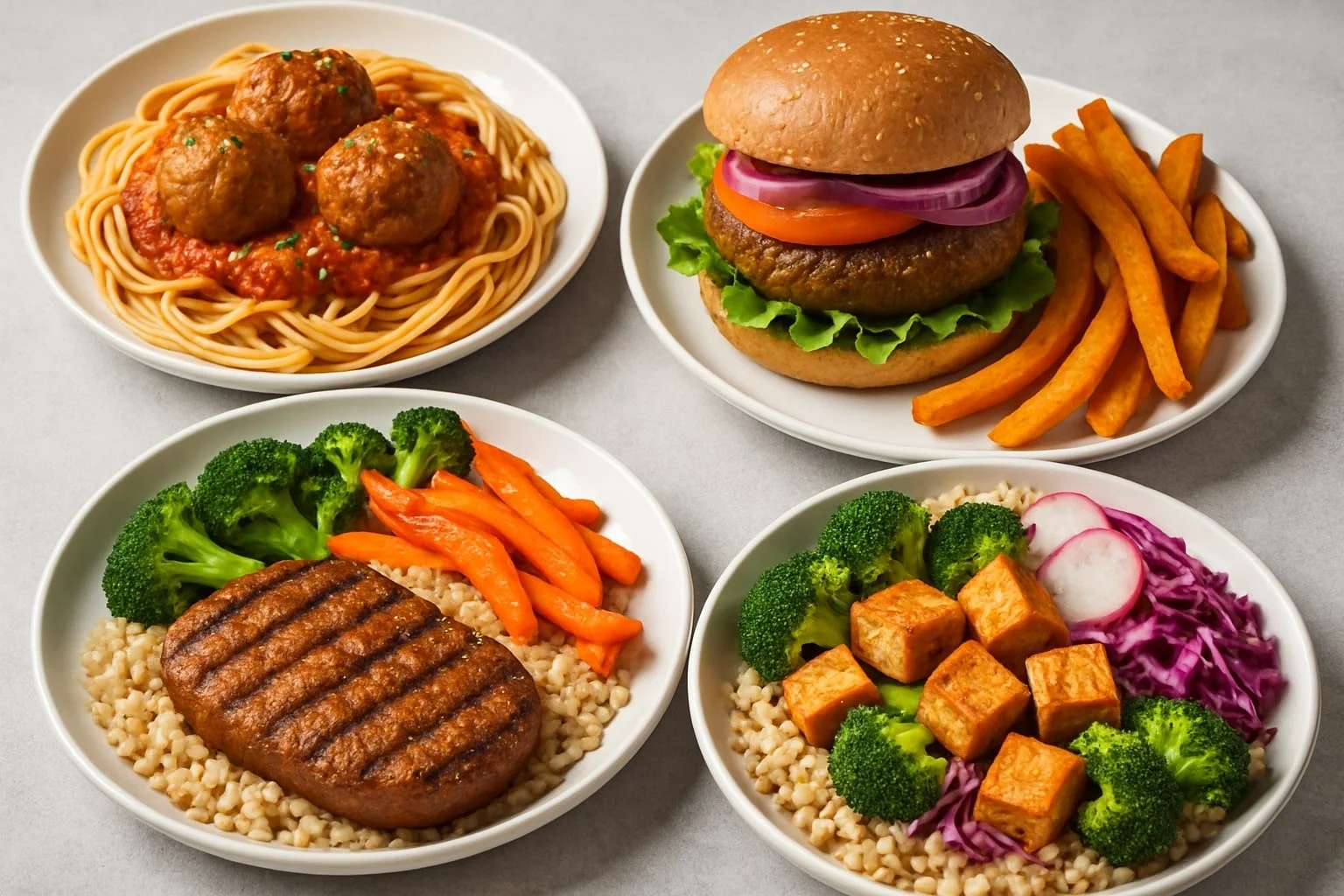
Meal presentation can play a key role in how appealing and enjoyable a meal is, often influencing not just appetite but actual food intake. As people explore food substitutes for reasons such as dietary needs, sustainability, or personal preference, the impact of these changes on appearance, color, and plating becomes more noticeable. Choosing substitutes can either enhance or reduce the visual appeal of a meal, affecting how likely someone is to eat and enjoy their food.
Visual differences may arise when swapping ingredients, such as plant-based proteins replacing traditional meats or dairy alternatives standing in for conventional milk products. These changes can influence texture, color vibrancy, and how ingredients blend or stand out on the plate. Understanding how food substitutes alter meal presentation helps people make informed choices for both nutrition and enjoyment.
Understanding Food Substitutes in Meal Presentation
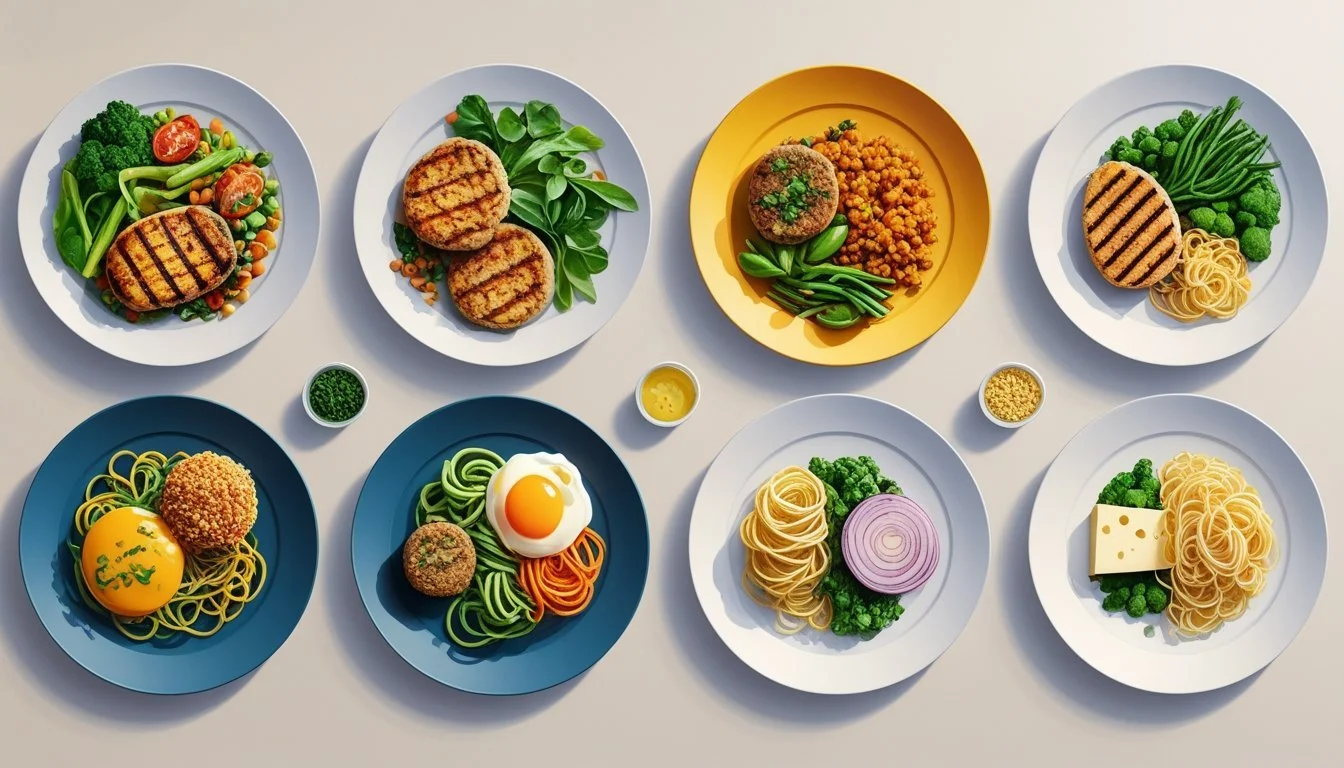
Food substitutions play a key role in how meals both look and taste. They influence everything from the color and texture of a dish to its nutritional value.
Defining Food Substitutions
Food substitutions involve replacing one ingredient in a recipe with another. The goal can be to address dietary restrictions, health concerns, or ingredient availability.
Substitutes are often selected to mimic the original item’s role in a dish. For example, egg whites can take the place of whole eggs to reduce cholesterol, while non-dairy milks can replace cow's milk for those with lactose intolerance.
The effect on meal presentation depends on how closely the substitute matches the original in color, texture, and ability to hold shape or volume during cooking. Successful substitutions preserve the appeal of the plate, while less compatible choices can noticeably alter the visual outcome.
Common Types of Food Alternatives
Common food alternatives are used to modify recipes for nutrition, preference, or accessibility. Some widely-used substitutions include:
Original Ingredient Common Substitute Purpose / Reason White rice Brown rice Boost fiber, nutrients Butter Olive or coconut oil Lower saturated fat Whole eggs Egg whites Reduce cholesterol Heavy cream Plant-based cream Vegan, lactose-free Wheat flour Almond or oat flour Gluten-free options
These changes impact meal presentation. For instance, brown rice creates a darker, earthier base in a dish compared to white rice. Egg whites can produce a paler color in baked goods or omelets.
Careful selection of substitutes helps maintain the intended look and feel of a meal while meeting other cooking goals.
Reasons for Using Substitutes in Cooking
Many cooks turn to food substitutes for health, allergy, or diet reasons. Healthy eating drives the replacement of ingredients high in saturated fat, sugar, or calories with lighter, nutrient-rich options.
Culinary creativity also plays a significant role. Chefs and home cooks use alternatives to experiment with flavors, textures, and presentations, such as using spiralized vegetables instead of pasta.
Food substitutions may be necessary when certain ingredients are unavailable. Being able to adapt ensures dishes can still be presented attractively, even when improvisation is involved. This flexibility is essential for both home cooking and professional kitchens.
Impact of Food Substitutes on Visual Appeal
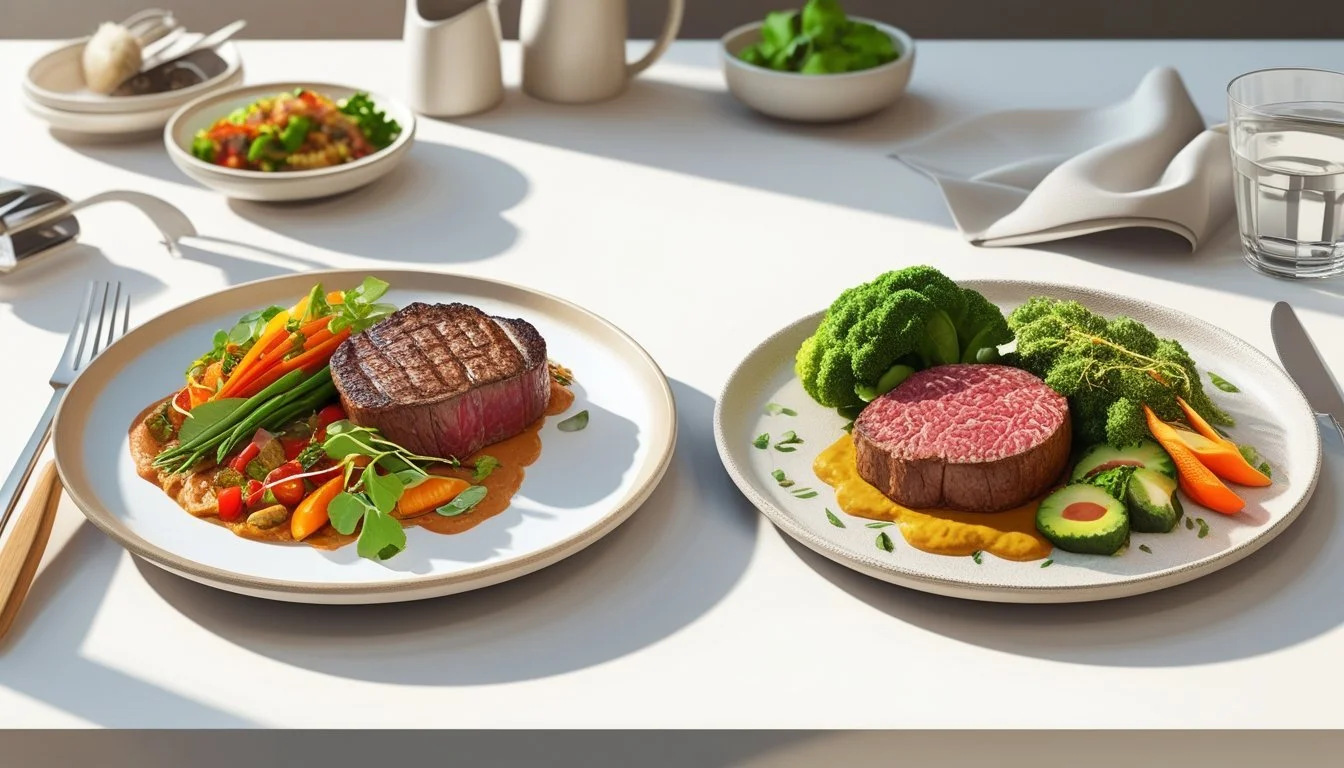
The use of food substitutes can change how a meal looks by affecting its colors, textures, and overall plating. Every choice in ingredient replacement introduces differences in visual contrast, arrangement, and the creative opportunities available to cooks and chefs.
Color Contrast and Creativity
Food substitutes can alter the natural hues found in traditional dishes. For instance, cauliflower rice is pale compared to the vivid yellow or brown of conventional fried rice. Plant-based meats might lack the natural marbling or caramelized edges of beef, influencing both the vibrancy and depth of color on the plate.
To maintain strong color contrast, chefs often incorporate colorful ingredients like bell peppers, carrots, or microgreens. Substitutes made from legumes or grains also provide new shades, allowing for creative arrangements and bolder presentations. Using a mix of bright and subtle tones, cooks can highlight healthfulness and freshness, which are features valued by many consumers.
A distinct color palette is also a tool for visual storytelling, signaling flavors and ingredients at a glance. Creative presentation becomes essential, not only compensating for muted shades in some substitutes but turning limitations into visually interesting dishes.
Texture and Plating Arrangement
Texture is immediately visible and shapes a diner’s first impression. Food substitutes, such as tofu or jackfruit, have different surface qualities and can result in softer, smoother, or stringier looks compared to original proteins or grains.
When plating, cooks adjust how they cut, stack, or scatter ingredients to showcase the textural contrast between soft substitutes and crunchy accompaniments like nuts or seeds. For example:
Protein Substitute Textural Impact Plating Suggestion Tofu Smooth, uniform Sear for golden edges Jackfruit Shreds, looks like meat Pile for volume Lentil Patties Coarse, grainy Serve with fresh greens
Balancing these substitute textures with visually crisp sides or garnishes enhances the meal’s appearance. Careful arrangement helps avoid monotony, making the plate look more inviting and composed.
Aesthetically Pleasing Plates
Aesthetically pleasing presentation is influenced by both the visual quality of substitutes and how they are set on the plate. The loss of traditional cues, such as grill marks or browned crusts, means chefs must find new focal points for visual appeal.
Layering and arranging substitutes alongside colorful vegetables, sauces, or edible flowers draws the eye and adds dimension. Selection of plateware and the negative space left around ingredients are also important.
Small details, like arranging plant-based slices in a fan or creating contrast with vibrant purees, make meals look sophisticated. By thoughtfully combining substitute ingredients and garnishes, meals become visually appealing, even if the items themselves differ from classic versions.
Sensory Experience and Meal Presentation
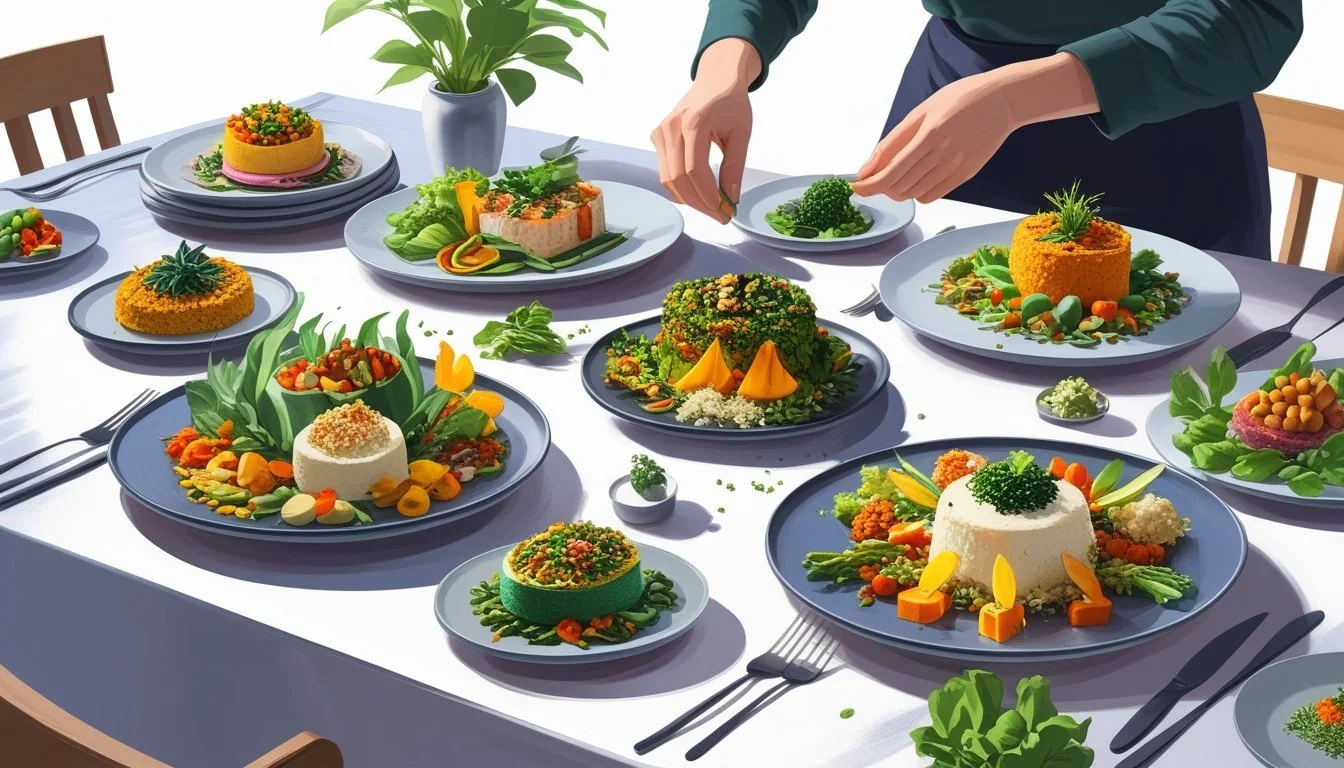
Meal presentation directly influences the sensory experience by shaping how diners perceive, feel, and interact with food. Substitutes, while practical, can alter expectations, impact visual appeal, and change the overall sensory enjoyment of a meal.
First Impressions and Visual Cues
Visual cues are the first filters through which meals are assessed. Plate color, arrangement, and ingredient texture all send instant messages about freshness and quality. When food substitutes are used, differences in appearance—such as color or texture variations—can be noticeable.
For example, replacing real cheese with plant-based alternatives may affect the way a dish melts or browns. Substitutes for meat, like plant-based patties, might have a different thickness or lack the characteristic marbling seen in beef. These shifts can influence diners' perception before the first bite.
A simple table demonstrates some common visual differences:
Ingredient Traditional Substitute Visual Impact Cheese Golden, melts Plant-based, often stiff Less browning, duller color Meat Marbled Plant-based Uniform texture, no marbling Cream Smooth, glossy Nut-based Slight graininess, less shine
First impressions from these cues may set expectations about taste and quality, influencing acceptance and enjoyment.
Emotional Connection Through Food
Food presentation is closely tied to emotional responses. The sensory appeal of a well-presented plate can evoke nostalgia, comfort, or excitement. When substitutes are used, there may be subtle shifts in these emotional connections.
Dishes traditionally served on special occasions may lose some of their emotional appeal if a key ingredient is visually different or less aromatic. For instance, the appearance of eggless custards or dairy-free whipped toppings can change how a familiar dessert is received at a family gathering.
Nonetheless, thoughtful plating, color choice, and mindful arrangement can bridge this gap. Creative garnishes or familiar shapes help maintain emotional resonance, even when the base ingredients differ from tradition. Maintaining emotional satisfaction requires attention to details that matter to diners’ memories and preferences.
Multi-Sensory Experience at the Table
The sensory experience of food extends beyond sight, involving smell, touch, and hearing. Substitutes can alter more than just flavor—they may also change aroma, mouthfeel, and even the sound food makes when bitten or served.
For example, vegetable-based seafood alternatives might lack the specific scent of ocean-fresh fish but offer their own herbal or spice profile. Gluten-free breads tend to feel denser or more crumbly, which diners notice when slicing or chewing.
A successful meal presentation engages more than the eyes. Aroma, crunch, and texture inform diners whether a substitute fits naturally into a dish, or stands apart. Balancing these qualities is essential for a seamless multi-sensory experience, ensuring substitutes feel inviting and authentic within the meal setting.
How Meal Presentation Influences the Dining Experience
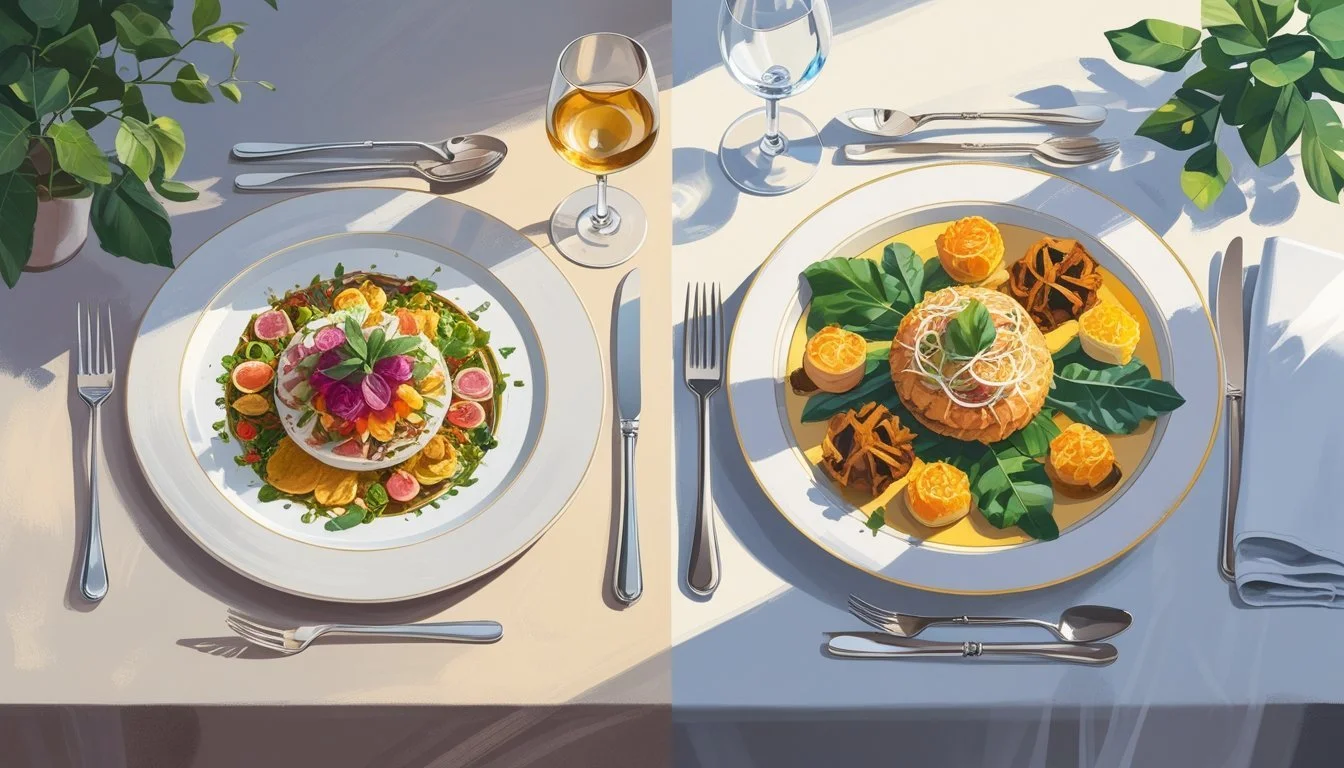
Meal presentation directly impacts how guests perceive their meal, from the first impression to the final bite. The arrangement, colors, and composition of a dish can set the stage for a more engaging culinary experience and a higher perceived value.
Influence on Culinary Experience
A thoughtfully presented dish signals attention to detail and care from the kitchen. Visually appealing plates often lead diners to expect higher quality and better taste, even before tasting the food. Research has indicated that people tend to rate attractively plated food higher in taste and overall satisfaction, compared to messier presentations.
Meal presentation can also highlight premium ingredients and culinary techniques. For example, a neatly stacked entrée with complementary garnishes can showcase the chef’s skill and elevate a simple recipe. Strategic use of color and plate arrangement can make a dish appear fresher and more appetizing.
Elements that commonly affect presentation:
Symmetry and balance on the plate
Precise portioning
Use of edible garnishes
These aspects signal professionalism and can make a significant difference in diners’ perceptions of value.
Immersive Dining Experience in Fine Dining
In fine dining, meal presentation is part of the immersive experience. Chefs treat plating as an aspect of culinary art, using the plate as a canvas to convey their vision. The visual presentation sets expectations for flavor, texture, and overall enjoyment.
Lighting, tableware, and plating style work together to create a sensory journey. For guests, presentation is not just aesthetic; it enhances anticipation and emotional response. In many fine dining establishments, servers will present the dish at the table to emphasize artistic efforts and craftsmanship.
Fine dining presentation often involves:
Coordinated use of colors, textures, and heights
Minimalist designs that highlight main ingredients
Attention to flow and harmony in arrangement
These methods contribute to a more memorable dining experience, increasing guest satisfaction and reinforcing the unique identity of the restaurant.
Adjusting Plating Techniques for Substituted Ingredients
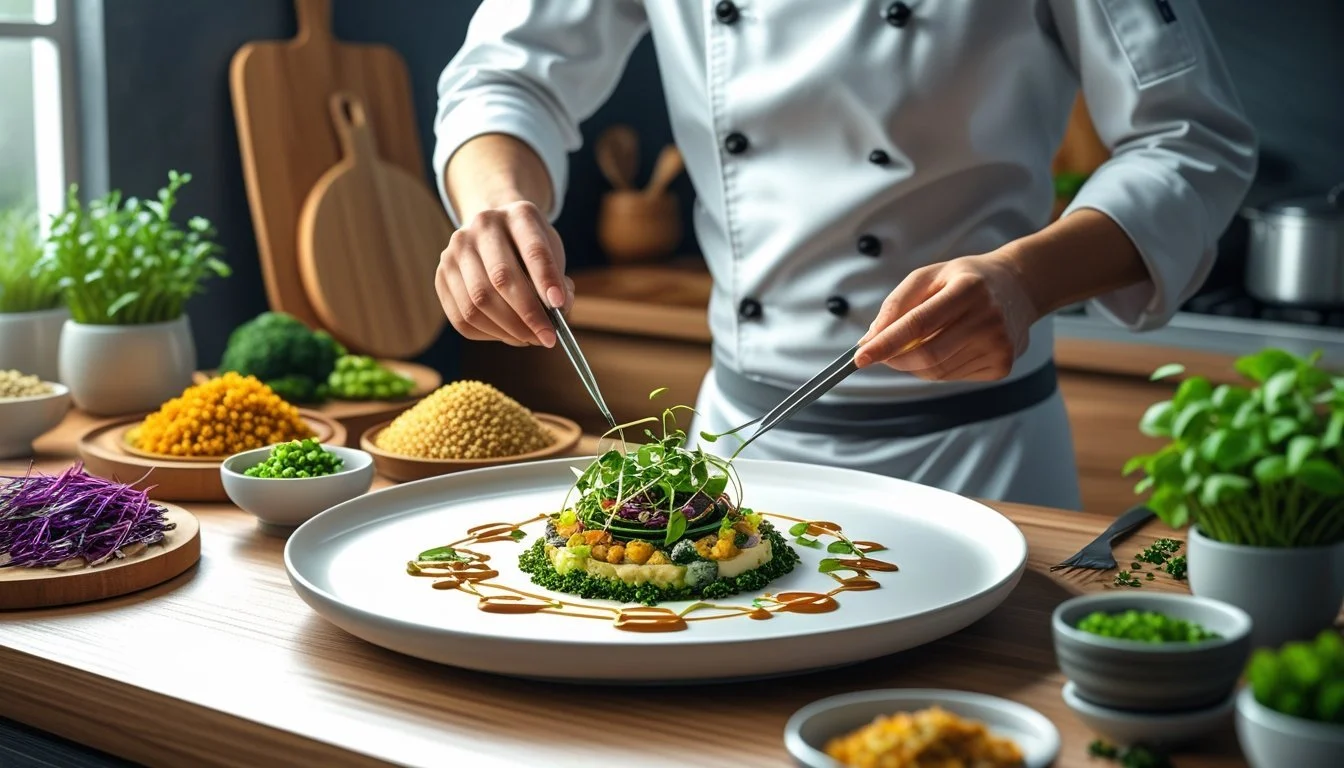
Swapping ingredients can change both the flavor and appearance of a meal, requiring careful consideration during plating. A well-presented dish still depends on mindful balance and portioning, even when substitutes take the place of original components.
Balancing Components on the Plate
When using food substitutes, visual harmony may shift. For example, a cauliflower mash used instead of mashed potatoes is paler and smoother, affecting the contrast on the plate. Chefs should add colorful vegetables or sauces to maintain visual interest and avoid a monotonous look.
A key strategy is to organize food by texture and color. Combining crunchy vegetables with softer substitutes preserves variation and prevents the plate from looking flat. Arranging substituted proteins or starches with bright garnishes helps the meal look appealing, even if the shapes or colors differ from the original ingredients.
If a substitute ingredient lacks structure—such as a bean patty replacing a beef patty—using a mold or ring can give a cleaner presentation. Dividing space evenly among protein, starch, and vegetables creates a sense of order and balance, regardless of what ingredients are used.
Maintaining Portion Control
Portion size can be affected when substituting ingredients because items like spiralized vegetables often take up more space but have less density compared to traditional pasta or grains. Chefs should use measuring tools or portion scoops to keep servings consistent.
Some substitutes, such as dairy-free cheeses or meat alternatives, can differ in weight and appearance compared to their traditional counterparts. Balancing the visual presence of these components ensures no part of the plate dominates or appears lacking.
A helpful approach is to keep a visual ratio, for example:
Component Percentage of Plate Protein 40% Starch 30% Vegetables 30%
Adjusting portion sizes based on the substitute's texture or shape maintains a professional presentation style and supports an appetizing plate, independent of ingredient type.
Challenges and Common Mistakes When Using Food Substitutes
Substituting ingredients in recipes can lead to differences in how dishes look and taste. These differences often create challenges if the chosen substitute doesn't match certain qualities of the original ingredient. Mistakes are common when visual presentation and sensory experience are not carefully considered.
Visual Consistency Issues
Food substitutes can cause a meal's appearance to change. The color, shape, and shine of substitutes may differ from that of original ingredients. For example, using cauliflower instead of potatoes in mashed dishes results in a lighter color and less creamy surface.
A common mistake is failing to anticipate these changes, which may reduce a dish’s appeal. Culinary skills are needed to adjust plating and garnishes for visual balance. Some vegetables release more water or have uneven sizes after cooking, which can give the final plate a messy or unrefined look.
To address this, cooks should compare the visual properties of both original and substitute ingredients. For reference:
Ingredient Common Substitute Notable Visual Change Whole milk Oat milk Less gloss, thinner texture Eggplant Zucchini Paler color, watery finish Beef burger Plant-based patty Different searing, drier top
Maintaining familiar visual cues in a meal usually requires minor adjustments in method or presentation.
Texture and Flavor Imbalances
Texture is just as vital as appearance in meal satisfaction. Ingredients such as gluten-free flours or gelatin substitutes can alter the chewiness or firmness of baked goods or desserts. When using a plant-based burger patty instead of beef, the texture and juiciness are often different, sometimes making the product feel dry or dense.
Flavor differences are another common challenge. Plant-based milks offer a distinct taste that may clash with certain recipes. Inexperienced cooks may overcompensate with extra seasonings or overly depend on a substitute, resulting in off-flavors or masking the intended taste of the dish.
Key pitfalls include ignoring water content, not accounting for fat content, or not tasting and adjusting as the dish comes together. Developing culinary skills in balancing flavor and texture, along with careful ingredient measurement, helps minimize negative effects of substitutes on the dish’s final result. Frequent tasting and minor recipe adjustments are essential steps for optimal outcomes.

