
Textural Tricks: Fooling the Brain with Substitutes in Modern Food Innovation
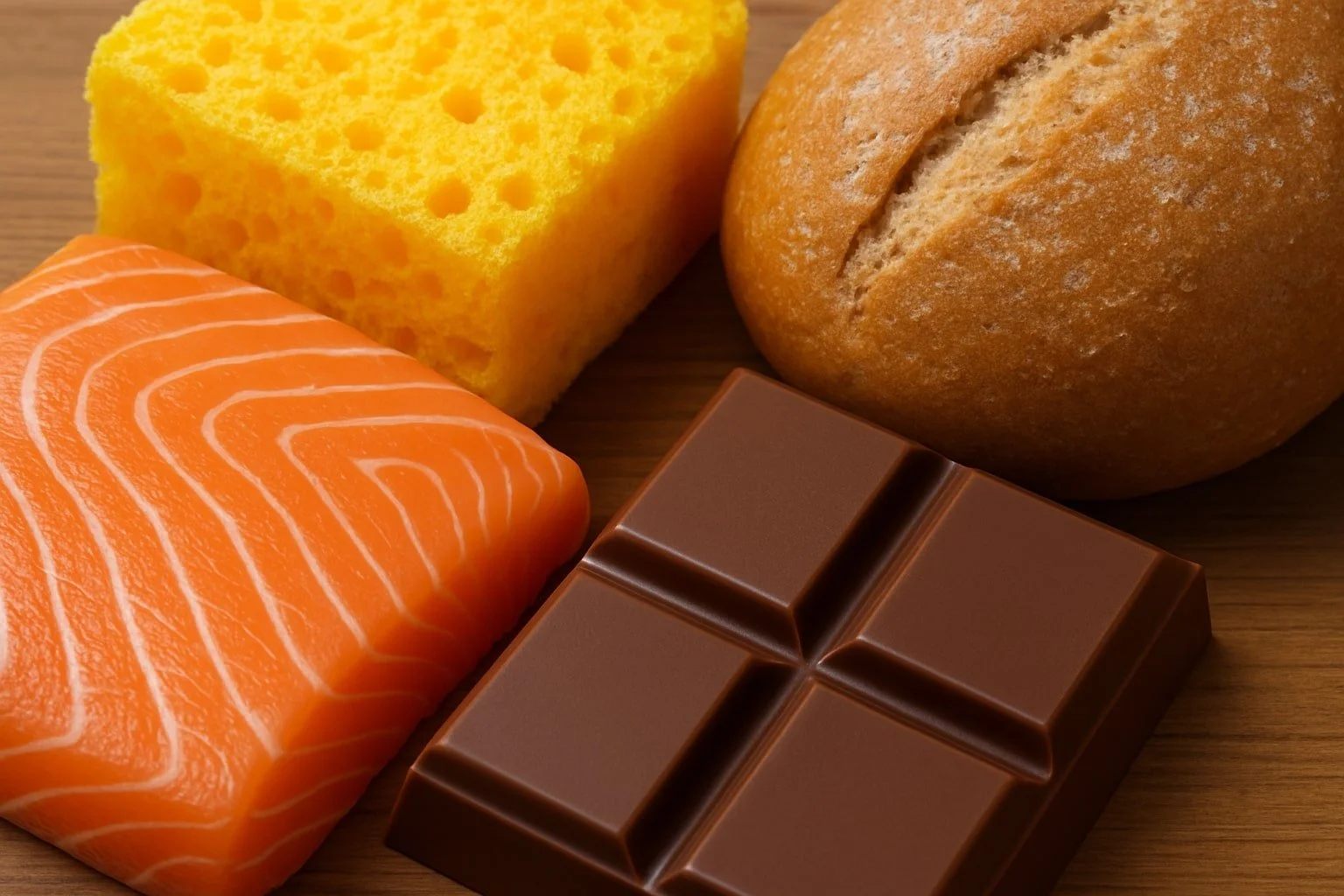
Textures in food and other products play a crucial role in how the brain perceives flavor, satisfaction, and overall experience, even when the main ingredients have been replaced with substitutes. Advances in food science have led to a wide variety of substitutes designed to mimic the mouthfeel and texture of traditional ingredients, from dairy alternatives to low-calorie sweeteners and fat replacers.
Research suggests that while these substitutes can replicate certain sensory qualities, they may also cause the brain to react differently than expected. Artificial sweeteners, for example, can confuse hunger signals and influence appetite, showing that texture alone isn't always enough to fully trick the brain. Understanding how texture manipulates perception offers consumers a clearer view of what they're really tasting and craving.
Understanding Textural Tricks
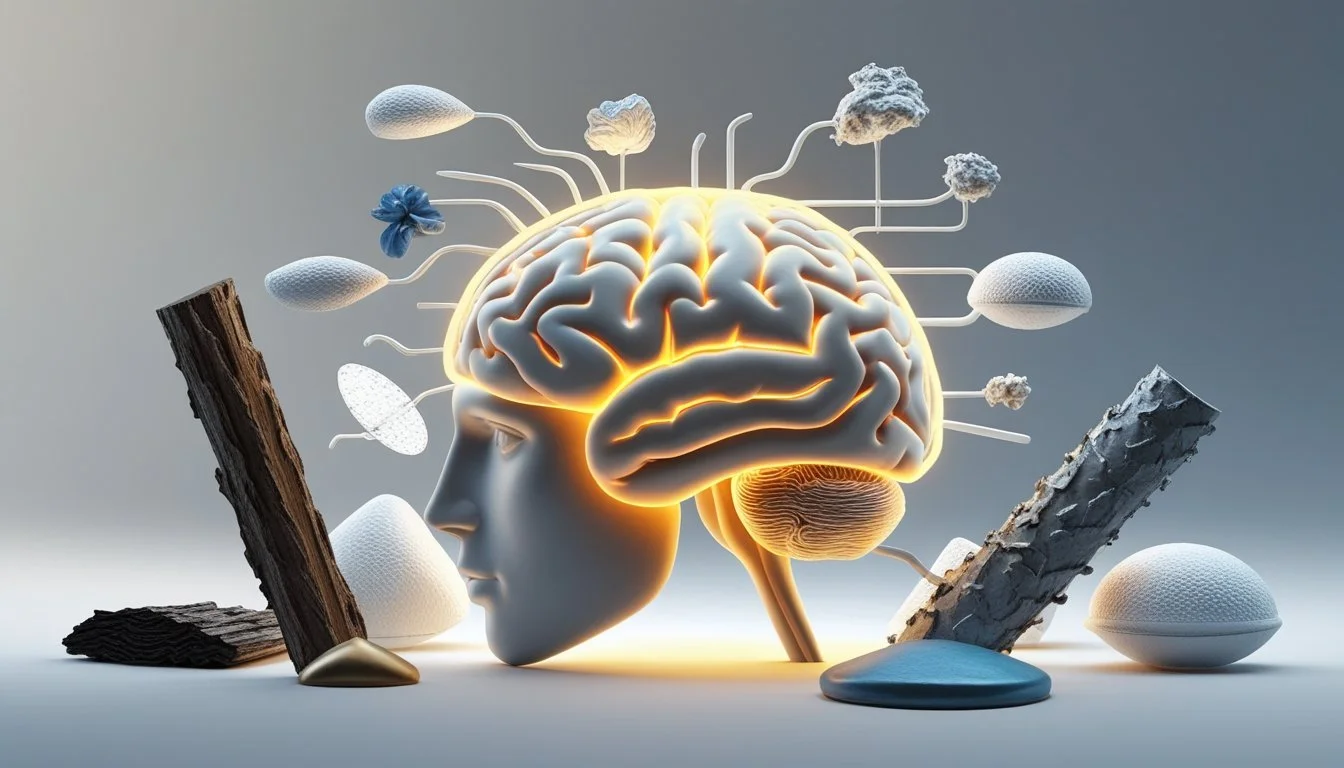
Textural tricks rely on exploiting how the brain interprets different surface qualities. These illusions often use substitution to make one texture feel or appear like another, creating a convincing but artificial sensory experience.
The Science Behind Textural Substitution
Textural substitution works by engaging the brain’s somatosensory system, which processes input from touch. When a substitute material mimics the surface characteristics of another—such as smoothness, roughness, or grain—it fools neurons into sending similar signals to those produced by the real source.
In scientific studies, arrays of electrodes implanted in the somatosensory cortex have been shown to simulate a range of sensations, even replicating the feeling of distinct materials. Researchers use this knowledge to develop prosthetics and tactile surfaces that offer realistic feedback.
Important variables include pressure, vibration, and temporal patterns. These details help determine how closely the substitute replicates the target texture’s sensory “signature.” The brain’s adaptability is what allows for accurate (or sometimes deceptive) perception when engaging with these substitutions.
Role of Visual Perception
Visual perception contributes significantly to the success of textural tricks. The brain uses visual cues—like textural gradients, shadows, and color changes—to estimate depth and surface qualities. These cues help determine if a texture appears rough, smooth, or patterned, even before touching it.
Optical illusions often exploit this by presenting visual information that encourages the brain to perceive one texture as another. For example, a surface painted with a fine-grain pattern may seem rough, despite being physically smooth. This combination of visual and tactile deception is especially effective when the visual cue supports the expected tactile sensation.
Key elements in visual perception for textural tricks:
Visual Cue Effect Textural gradient Suggests distance/depth Luminance changes Implies surface variations Shadow placement Creates 3D appearance
By leveraging these cues, designers and scientists refine their ability to create convincing textural substitutions.
Psychological Foundations of Textural Deception
The brain combines sensory information and past experience to interpret surface details. Subtle manipulations in texture can profoundly alter perception and contribute to convincing illusions.
How the Brain Interprets Texture
The human brain uses texture as a fundamental cue to assess depth, shape, and distance. It automatically analyzes the fineness or coarseness of surfaces, a phenomenon known as texture gradient, to determine how far objects appear to be. For example, a rough texture that appears finer as it recedes helps the brain estimate spatial relations.
Surface patterns inform object recognition. When a familiar texture is replaced by a similar-looking substitute, the brain’s expectations may override direct sensory input, leading it to accept the fake as real. This reliance on expectation can be exploited in visual tricks, stage magic, or product design.
Researchers have found that top-down processing—in which the mind applies knowledge and expectations—plays a key role in interpreting ambiguous or unfamiliar textures. As a result, carefully crafted substitutes can fool even a trained eye when they align with those expectations.
Influence of Optical Illusions
Optical illusions rely on misapplied visual processing, often manipulating textures and patterns to produce misleading perceptions. These illusions exploit how the brain interprets contrast, shading, and repetitive motifs to infer structure where there may be none.
For instance, when artists mimic the texture of metal or glass with paint, the illusion appears convincing because the brain processes visual information rapidly, filling gaps with assumptions based on context. In some cases, texture deception is central to the illusion—such as trompe-l'œil art, which gives flat surfaces the appearance of three-dimensional depth through expertly rendered textures.
Magicians and designers may use these techniques to direct attention, create false impressions of material or size, or hide flaws. By understanding how the brain processes texture in optical illusions, creators can design more convincing substitutes and experiences.
Common Substitutes that Trick the Senses
The use of food substitutes can alter perception and texture, shaping how people experience flavor, satisfaction, and satiety. Differences between natural and artificial choices, along with the brain’s adaptation to these textures, play a critical role in how well substitutions work.
Natural Versus Artificial Textures
Natural substitutes such as pureed fruits (like dates or apples) and vegetables often deliver fibrous and moist textures that closely mimic sugar in baking or fat in spreads. These options provide soluble fiber, influencing absorption rates and mouthfeel. For example, mashed avocado is frequently used as a butter substitute in baking, offering creaminess with healthy fats.
Artificial substitutes, including substances like sucralose or certain hydrocolloids (e.g., xanthan gum), attempt to replicate the texture of sugar or fat using chemical processes. While effective at creating similar viscosity or crunch, some artificial options may be perceived as less satisfying due to aftertastes or minor differences in mouth-coating properties.
Substitute Type Common Example Mimicked Texture Key Benefit Natural Medjool Dates Moist, chewy Added fiber Artificial Sucralose Sweet, neutral Zero calorie Natural Avocado Creamy, rich Healthy fats, nutrient Artificial Xanthan Gum Thick, cohesive Stabilizes & thickens
Sensory Adaptation and Substitution
The brain adjusts to new textural cues over time, which influences whether a substitute becomes satisfying or falls short. Sensory adaptation explains why repeated exposure to an artificial mouthfeel or a sugar alternative can eventually seem more normal or satisfying, even if initially unfamiliar.
Recent studies indicate that some artificial substitutes, such as sucralose, may impact neural pathways related to hunger and craving. This can lead certain individuals, especially those with obesity, to experience an increased appetite. In contrast, substitutes with more natural textures — for instance, those rich in fiber — tend to promote greater satiety and can help stabilize appetite.
Substitutes must not only resemble the target ingredient but also convince the brain and palate that the sensory experience is authentic. The interplay between taste, smell, and touch determines overall perception, and even small variations can tip the balance between satisfaction and disappointment.
Emotional Impact of Textural Illusions
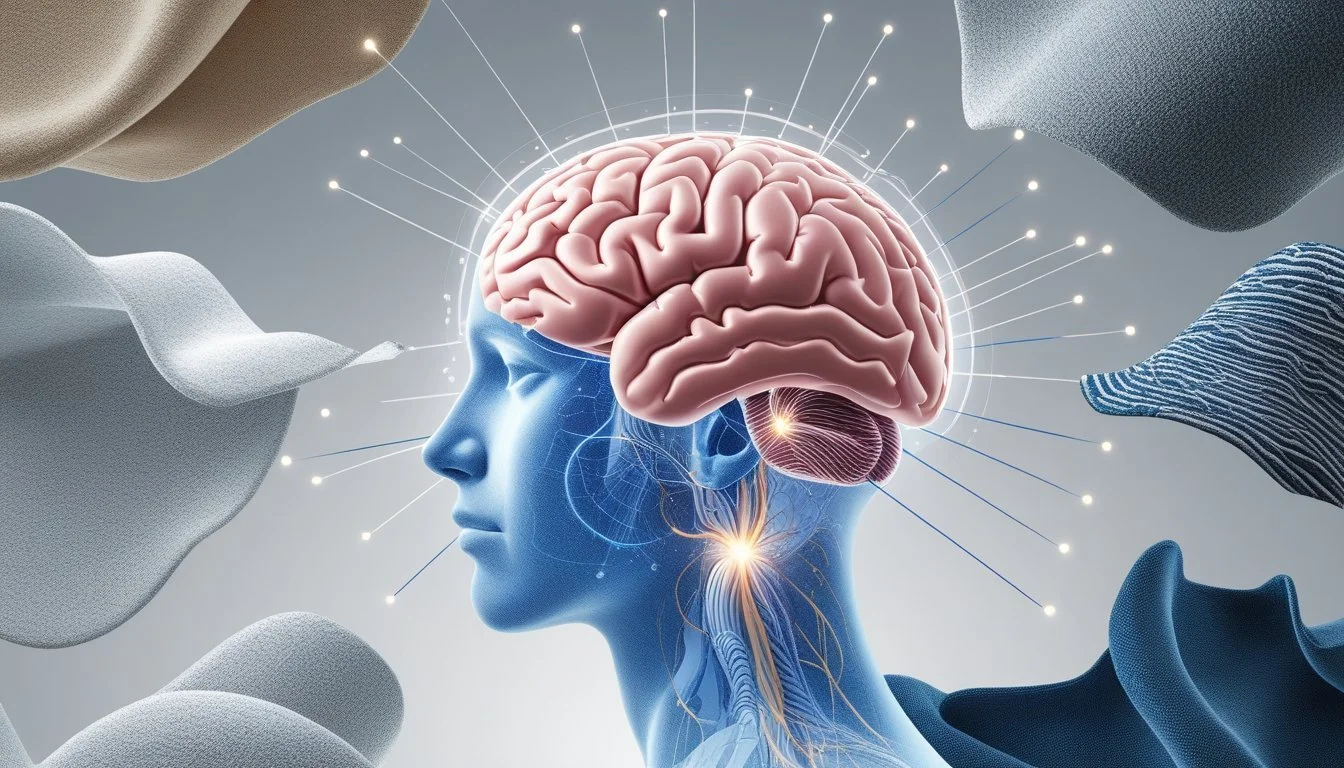
Textural illusions can shape a person’s feelings towards surfaces, objects, and spaces by playing with their expectations. The effects can be both beneficial and problematic, depending on whether the illusion creates delight or discomfort.
Eliciting Positive Emotions through Texture
Many textural illusions are intentionally designed to evoke positive emotions like curiosity, amusement, or even relaxation. For example, a wall covering with a dynamic repeating pattern may create a sense of movement, which can be engaging or calming for viewers.
Certain textures that mimic materials like velvet or wood can make environments feel warmer or more inviting, without the expense or maintenance of the real thing. This approach is often used in public spaces, hotels, or retail environments to put people at ease or encourage positive first impressions.
Interactive displays and tactile illusions, such as soft-touch coatings that feel like suede, can also trigger pleasant surprise. Research suggests that positive associations with texture substitutes may improve satisfaction and increase dwell time in commercial spaces.
Managing Negative Emotions Caused by Deception
However, not all responses are positive. When a person realizes that a texture is not as it seems—such as faux brick that looks real but feels hollow—negative emotions like disappointment or mistrust may follow.
Repeated exposure to deceptive textures can also result in discomfort or irritation, especially if the faux material is encountered in unexpected ways. For example, a seat that looks plush but feels hard may lead to frustration.
Managing these negative reactions often involves transparency and appropriate context. Clear labeling, subtle cues, or limiting the use of textural deception in essential touchpoints can help minimize backlash or emotional discomfort. This ensures that people do not feel tricked or dissatisfied by surfaces that don’t match their expectations.
Implementing Textural Tricks in Everyday Life
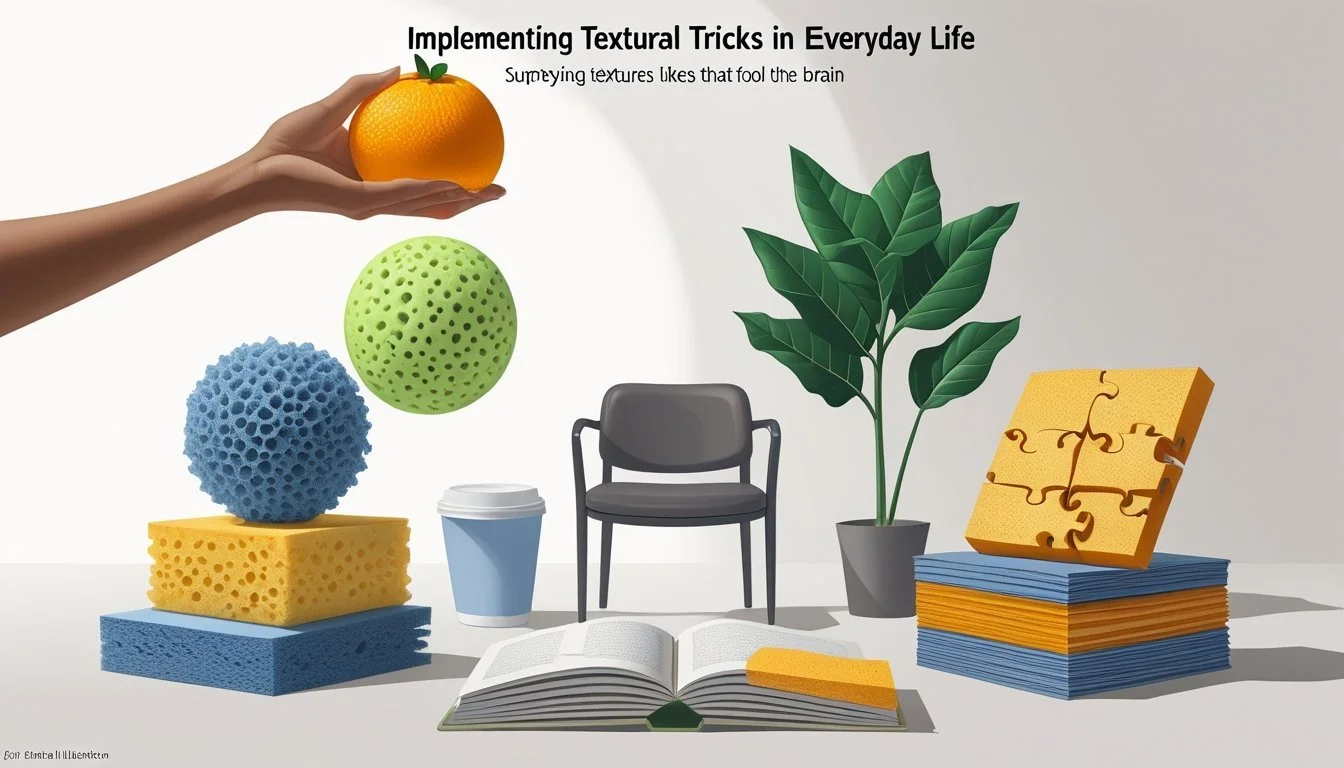
Incorporating substitute textures can alter perceptions and experiences in subtle but powerful ways. These adjustments can have a direct impact on comfort, satisfaction, and even enjoyment in daily routines and environments.
Lifestyle Changes for Enhanced Sensory Experience
Changing textures in the home or wardrobe can immediately influence mood and comfort. For example, choosing soft fleece instead of rough wool in clothing can improve daily comfort for people with sensitive skin. Using textured wallpapers or rugs can also help create specific atmospheres in living spaces, such as calm or energy.
Small swaps, like grip-enhancing utensils or ergonomic handles, can make daily tasks easier for those with limited dexterity. Even bedding choices, such as high-thread-count sheets or memory foam pillows, directly affect sleep quality.
Table: Examples of Textural Swaps
Old Texture Substitute Benefit Rough towels Microfiber towels Softer feel, quicker dry Hard chair surface Padded cushion Greater comfort Metal utensils Silicone grip Improved control
These targeted changes often require minimal investment but can offer lasting improvements in daily life.
Practical Applications in Design and Food
In interior design, manipulating textures with materials like glass, wood, or fabric helps shape how a space feels—smooth textures create sleek, modern looks, while varied textures introduce warmth or interest. Mirroring techniques, as suggested by some psychological research, can even extend to room layout, promoting relaxation or alertness.
In food, chefs use textural substitutes to mimic sensory experiences. For example, pureed cauliflower can take the place of mashed potatoes, providing a similar mouthfeel with fewer carbohydrates. Gluten-free baking often uses alternative flours and gums to restore the chewiness of traditional recipes.
List: Common Food Texture Swaps
Cauliflower for rice or mashed potatoes
Almond flour for wheat flour
Gelatin or agar for thickening without gluten
Choosing the right substitutes delivers familiar enjoyment while addressing health needs, dietary restrictions, or preferences. These strategies enable people to maintain satisfaction without sacrificing comfort or flavor.
Ethical Considerations and Safety
Using textural substitutes raises questions about honesty in food labeling, consumer trust, and potential risks. Companies and researchers must address not only safety concerns, but also the social impact of manipulating food textures.
Transparency and Consumer Trust
Clear labeling of texture-altering ingredients is essential for consumer confidence. If products mimic textures using substitutes, accurate ingredient lists help people make informed choices. Undisclosed changes can undermine trust and may cause issues for those with allergies or dietary restrictions.
Common expectations for transparency include:
Listing all textural agents
Disclosing possible allergens
Highlighting non-traditional ingredients
Regulatory agencies, such as the FDA and EFSA, have set guidelines for labeling food additives and substitutes. Ethical companies go beyond minimum requirements, offering detailed descriptions on packaging or through QR codes. Keeping consumers informed supports their autonomy and reduces potential backlash against both brands and the broader industry.
Future Trends in Textural Manipulation
Advancements in food technology continue to expand the use of textural substitutes, from plant-based gels to engineered fibers. These innovations aim to improve sensory appeal without compromising nutrition or safety. Ongoing research focuses on natural, sustainable alternatives and on minimizing the use of synthetic chemicals.
Safety remains a top concern as new products enter the market. Developers conduct rigorous testing for toxicity, allergenicity, and long-term effects. Emerging trends include:
Bio-based texturizers
Consumer-driven demand for “clean labels”
Enhanced digital traceability of food ingredients
Close collaboration between food scientists, industry, and regulators is vital to ensure that these textural advances are safe and widely accepted.

