
Ingredient Substitution in 3D Food Printing
Practical Approaches and Considerations

Ingredient substitution in 3D food printing allows for greater flexibility in creating customized, nutritious meals using alternative components like plant-based proteins and novel food sources. As 3D food printing technology advances, the ability to swap traditional ingredients for sustainable or health-focused alternatives is improving, meeting dietary needs and consumer preferences more effectively.
This approach not only broadens the range of available foods but also addresses concerns about food security, resource distribution, and environmental impact. By incorporating various alternative proteins and ingredients, individuals and manufacturers can reduce food waste and personalize recipes without sacrificing taste or nutrition.
3D food printing relies on materials that can be extruded, so ingredient substitutions must meet specific texture and flow requirements. As more ingredient options are tested and validated, the technology is opening up new opportunities for innovation and personalized nutrition.
Understanding Ingredient Substitution in 3D Food Printing
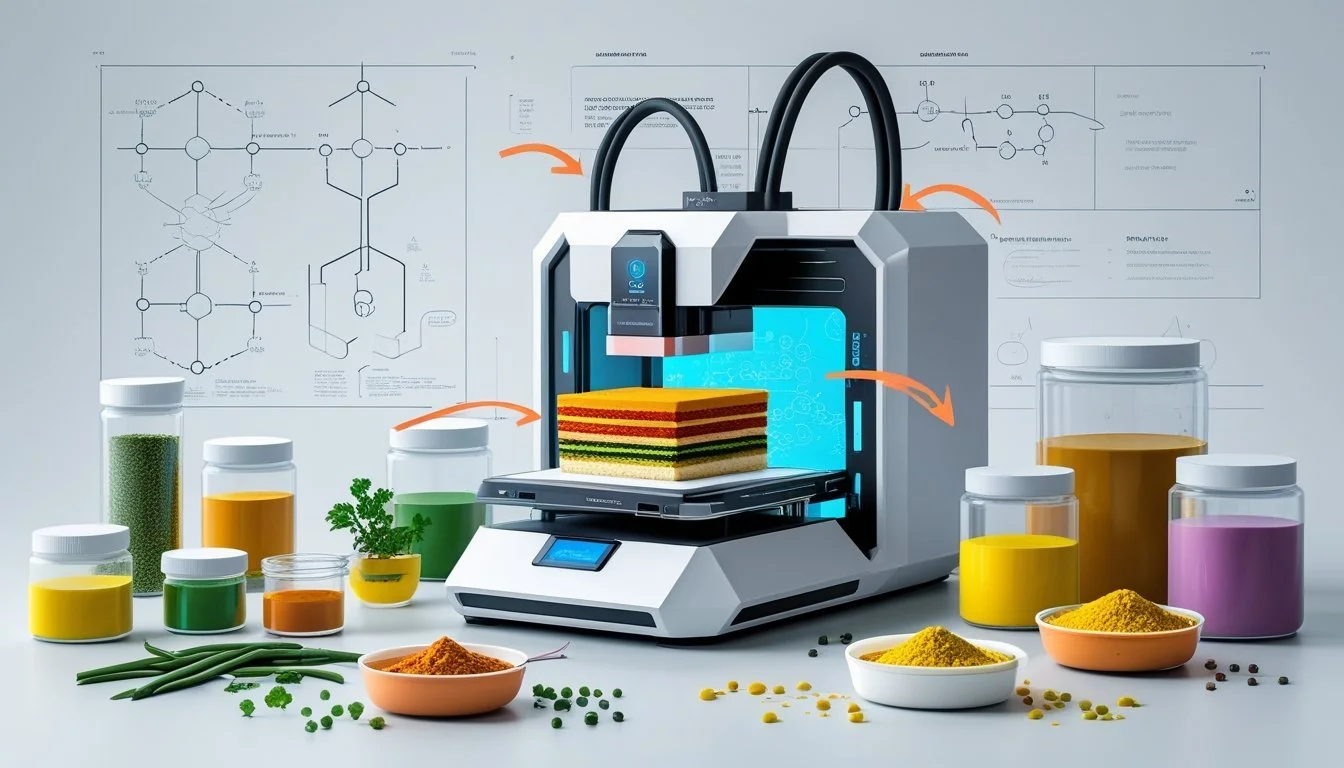
In 3D food printing, ingredient substitution is not only common but essential for function, nutrition, and innovation. Selecting or replacing certain raw ingredients impacts food science outcomes, texture, taste, and suitability for various diets.
Defining Ingredient Substitution
Ingredient substitution in 3D food printing refers to the process of replacing one or more raw ingredients in a formulation with alternatives. This can be driven by dietary preferences, allergies, cost, or the need for specific material properties.
For example, using plant-based proteins instead of animal-derived ingredients is common for vegan or allergen-free products. Substitutions are often made due to the requirements for printability, such as adjusting viscosity and adhesion, which are critical for successful extrusion and shape retention.
The effectiveness of a substitute depends on its compatibility with the 3D printer, ability to create desired textures, and impact on final product flavor. Food science plays a central role in determining suitable substitutes by analyzing their physicochemical properties and performance during printing.
Significance in Food Printing
The ability to substitute ingredients empowers designers to tailor printed foods for personal nutrition, allergy management, and cultural preferences. It also opens opportunities for addressing supply issues or cost constraints by using locally available or sustainable ingredients.
In food printing, substitutes can influence texture, structure, and nutrient content. For instance, replacing wheat flour with gluten-free flours demands consideration of binding agents and hydration needs to maintain print quality. Substitution can also affect post-processing, such as cooking or drying, which in turn impacts final taste and shelf-life.
This practice is especially relevant in developing personalized diets or medical foods where traditional ingredients might not meet specific requirements. The ongoing evolution of ingredient substitution is closely linked to advances in material science and printing technologies.
Types of Ingredients Used
Ingredients used in 3D food printing fall into several categories, with each having potential alternatives for substitution. Common ingredient types include:
Category Examples Substitution Alternatives Proteins Egg, milk, soy, pea protein Lentil, chickpea, algae proteins Carbohydrates Wheat flour, rice flour, cornstarch Potato flour, oat flour, tapioca, gluten-free Fats and Oils Butter, animal fat, vegetable oil Margarine, coconut oil, avocado oil Binders and Thickeners Gelatin, xanthan gum Agar, pectin, guar gum
Printability requirements dictate ingredient selection since printable pastes must have the right viscosity and stability. Advances in food science allow more effective matching of alternative ingredients to specific functional needs, improving the reliability and diversity of 3D printed foods.
Challenges and Considerations for Ingredient Substitution
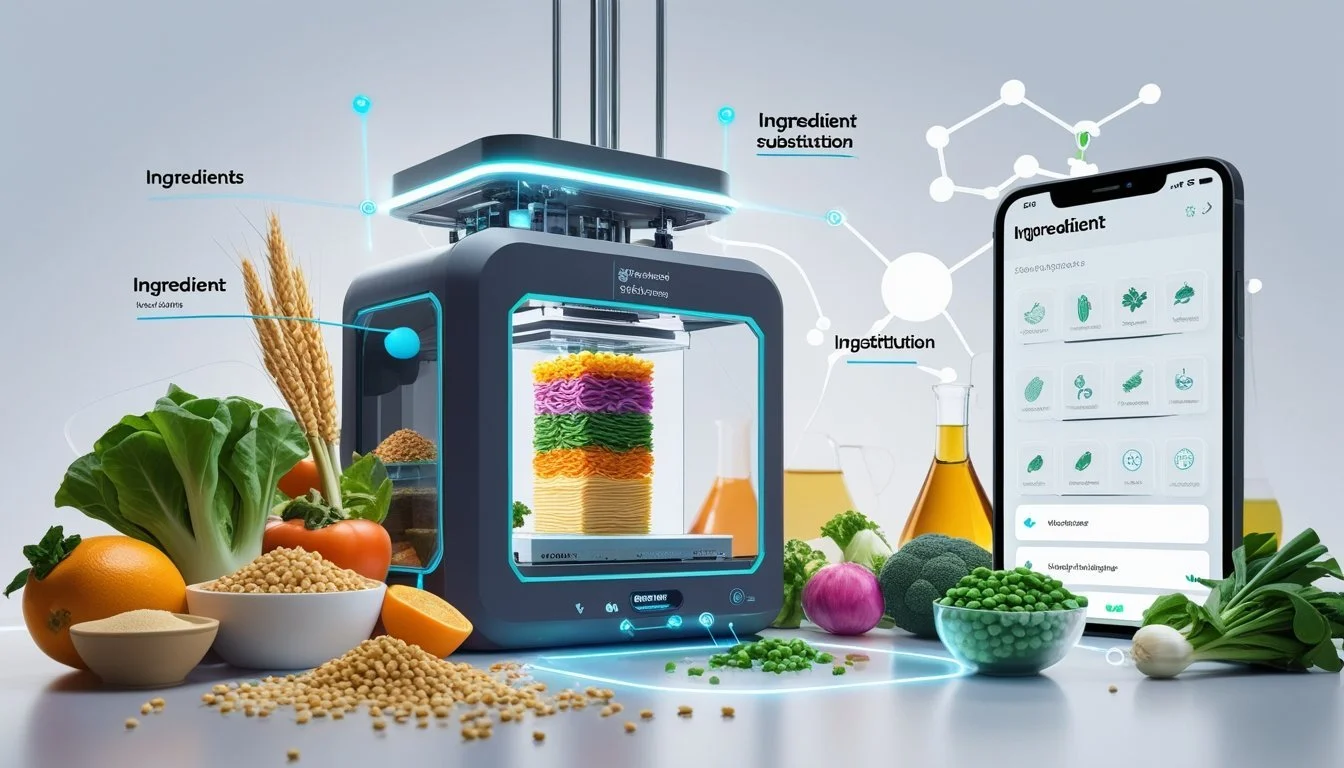
Ingredient substitution in 3D food printing impacts multiple factors, from nutritional quality to physical performance during and after printing. The choice of alternative ingredients alters texture, printability, and nutritional profile, directly affecting consumer acceptance and the practical use of printed foods.
Nutritional Implications
Substituting ingredients changes the nutritional value of printed foods. Switching from animal proteins to plant-based alternatives can reduce saturated fat and cholesterol, but may lower levels of essential amino acids. New ingredients must be evaluated for nutrient density, bioavailability, and the ability to meet specific dietary needs.
Alternative ingredients can introduce functional foods—such as probiotics, added fiber, or micronutrients—without compromising basic nutritional requirements. However, the challenge lies in balancing fortification with taste and safety. Ingredient interactions can also affect vitamin stability and nutrient retention during processing and printing.
Food manufacturers must also ensure accuracy in nutrition labeling and consider consumer demands, such as gluten-free or allergen-free requirements. Table 1 below summarizes common substitution impacts:
Ingredient Type Nutritional Concern Example Adjustment Animal to Plant Amino acid profile Blend legumes, cereals Wheat to Gluten-free Lower protein, fiber Add pulses, fortify fiber
Texture and Sensory Properties
Ingredient substitution directly influences food texture and sensory properties like mouthfeel, appearance, and aroma. Replacing common thickeners or gels with alternatives can result in changes in elasticity, chewiness, or firmness, as measured through texture analysis and rheological properties.
For example, switching from gelatin to agar or other hydrocolloids alters gelling temperature and creates a different bite and appearance. Plant-protein-based materials often lack the fat content of traditional ingredients, affecting creaminess or succulence. Proper formulation and pre-testing are crucial to achieve the desired structural properties in printed foods.
Consumer acceptability depends on texture consistency and familiarity. Even with health benefits, abrupt changes in appearance or mouthfeel tend to lead to lower consumer acceptance, making iterative optimization vital.
Printability and Processability
Alternative ingredients can affect 3D printability and processability, as material properties must match printer capabilities. Successful extrusion or layering requires the right viscosity and flow, heavily dependent on the rheological properties of the substitute materials.
Protein sources like soy or pea may exhibit different viscosity or setting behavior during printing compared to animal products, which may cause incomplete structures or print failures. The incorporation of dietary fibers or by-products as ingredients introduces additional challenges, such as nozzle clogging or inconsistent layer formation.
Controlling these variables is critical for maintaining the desired shape, resolution, and structural integrity of the printed product. Adjustments in pre-processing, such as particle size reduction or ingredient pre-hydration, are commonly required to achieve optimal printing results.
Technologies Enabling Ingredient Substitution
Advancements in 3D food printing technology are enabling manufacturers to use alternative ingredients and optimize recipes for nutrition, taste, and texture. Precision tools and methods ensure accurate deposition and integration of various components, even with unconventional inputs.
3D Food Printers and Extrusion Methods
Modern 3D food printers use extrusion-based systems to deposit layers of food-grade material with controlled precision. These printers often leverage syringe-based or screw-based extruders to accommodate diverse ingredient consistencies, from purees to pastes.
By varying nozzle size, extrusion force, and speed, manufacturers can process ingredients with different rheological properties, like plant proteins or food waste derivatives. Computer-aided design (CAD) software guides the deposition, allowing exact placement and intricate patterns that would be hard to achieve manually.
With specialized multi-material extrusion systems, several ingredients can be combined simultaneously or in sequence within a single print job. This flexibility is vital when substituting fats with plant-based gels or when integrating novel proteins, maintaining both structure and palatability.
Novel Printing Technologies
New approaches, such as inkjet, binder jetting, and selective laser sintering, expand possibilities for ingredient substitution. These technologies can deposit powdered forms or liquid suspensions, broadening the range of usable food materials.
For example, inkjet printing enables layering of micronutrients or flavor agents without ruining the texture of the base food. Selective laser sintering can fuse powdered alternative proteins or carbohydrates with precision, helping create complex textures and stable structures.
These technologies also improve printing accuracy and consistency. Integration with sensor systems ensures each layer's quality. Additive manufacturing workflows, monitored in real time, support gentle handling of sensitive or non-traditional ingredients.
Cold Plasma Technology
Cold plasma technology is increasingly used to modify the surface properties of food ingredients before printing. Non-thermal atmospheric plasma treatments can alter wettability, bonding, or microstructure, making previously incompatible ingredients suitable for use in extrusion-based systems.
For instance, this technique can improve the adhesion between plant-based substitutes and fat-mimicking gels. It can also enhance antimicrobial stability, extending the shelf-life of printed foods that incorporate unconventional or recycled components.
Additionally, cold plasma can be applied inline as part of the additive manufacturing process, reducing the need for additives or processing aids. This allows for safer, cleaner ingredient substitution, preserving the sensory and nutritional qualities of alternative foods.
Popular Ingredient Alternatives in 3D Food Printing
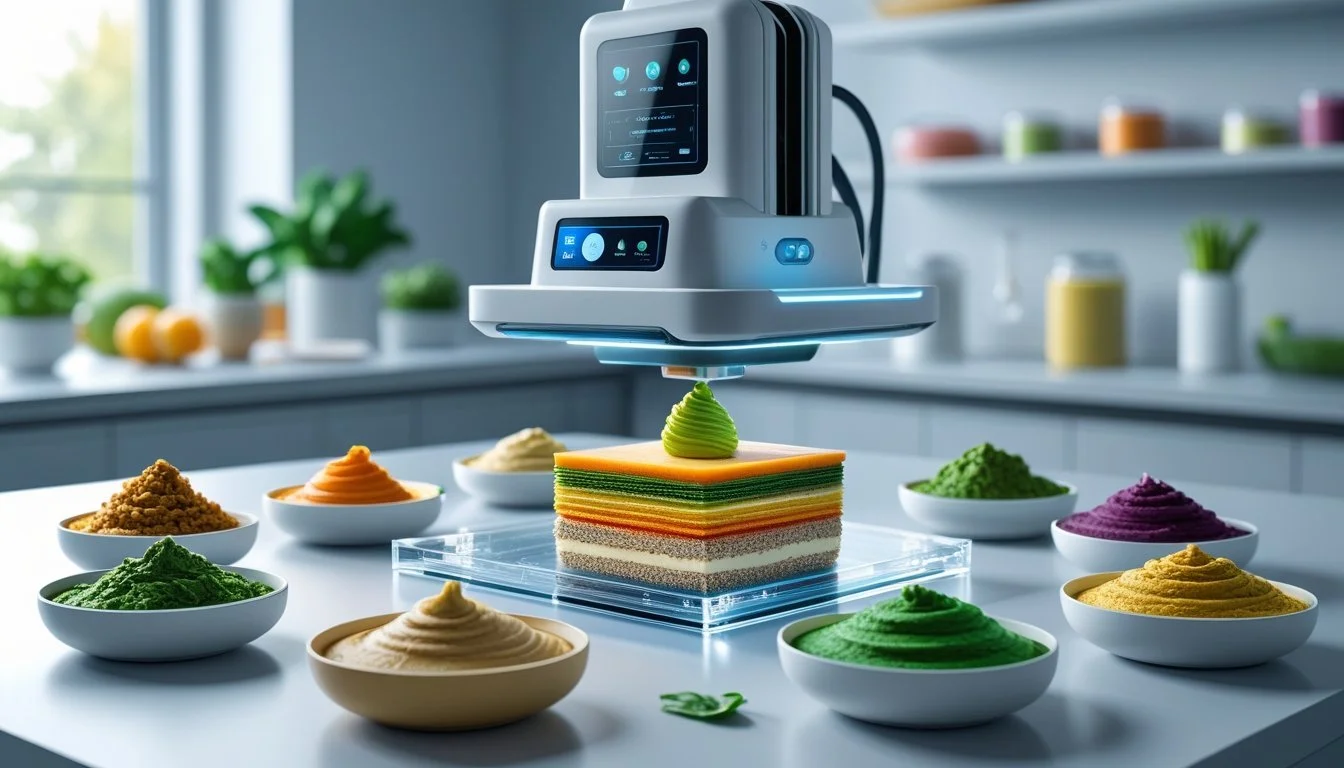
3D food printing increasingly relies on alternative ingredients to replace traditional animal-based or processed components. These substitutions support dietary needs, sustainability, and new food experiences by employing innovations in plant-based, alt-meat, and dairy alternatives.
Plant-Based Ingredients
3D printers often use plant-based ingredients as primary food ink due to their versatility, availability, and nutrient content. Popular bases include purees from vegetables, fruits, and legumes such as peas, beans, and lentils.
Pea protein is widely used for its neutral taste and functional properties, although its printability can require treatments like plasma modification for better results. Algae, fungi, and seaweed purees are common for sustainable, protein-rich, and fiber-rich food products.
Plant proteins serve as both structure and nutrient enhancers, helping to stabilize printed foods. Blends of starches, fibers, and alternative fats (like coconut or canola oil) are also mixed into the formulations to adjust texture and mouthfeel.
Ingredient Common Function Example Product Pea protein Structure, protein Meat-free burger patty Algae/seaweed Fiber, micronutrients Plant-based snacks Lentil flour Bulk, texture Nutrient-dense bread
Meat Substitutes and Alt-Meat
Meat substitutes in 3D food printing typically use plant-derived proteins to emulate the texture and flavor of real meat. Pea protein is a leading choice, supported by others such as soy, wheat gluten (seitan), and mushroom proteins.
These ingredients are combined with alternative fats and binding agents to replicate the fibrous structure and appearance of traditional meats. Layer-by-layer printing allows for the recreation of marbling and complex muscle textures, creating plant-based steaks, nuggets, or deli slices.
Flavorings, colorants from beetroot or paprika, and enhancers are added for authenticity. Some research also explores the use of insect proteins or by-products for a unique protein boost, though these are less mainstream.
Dairy and Plant-Based Dairy Alternatives
Dairy alternatives play a crucial role in 3D food printing, enabling lactose-free and vegan food creation. Traditional dairy components such as milk powders, cheese, and yogurt are replaced with plant-based options from soy, almond, oat, rice, or coconut.
Plant-based dairy products mimic the texture and mouthfeel of real dairy using emulsifiers and alternative fats. These alternatives are often fortified with calcium and vitamins to match the nutritional value of cow's milk products.
Using new blends, printers can produce shredded cheese analogues, yogurt snacks, or even custom-shaped desserts. The focus is on achieving meltability, creaminess, and flavor without animal-derived ingredients.
Specialized Sources and Advanced Materials
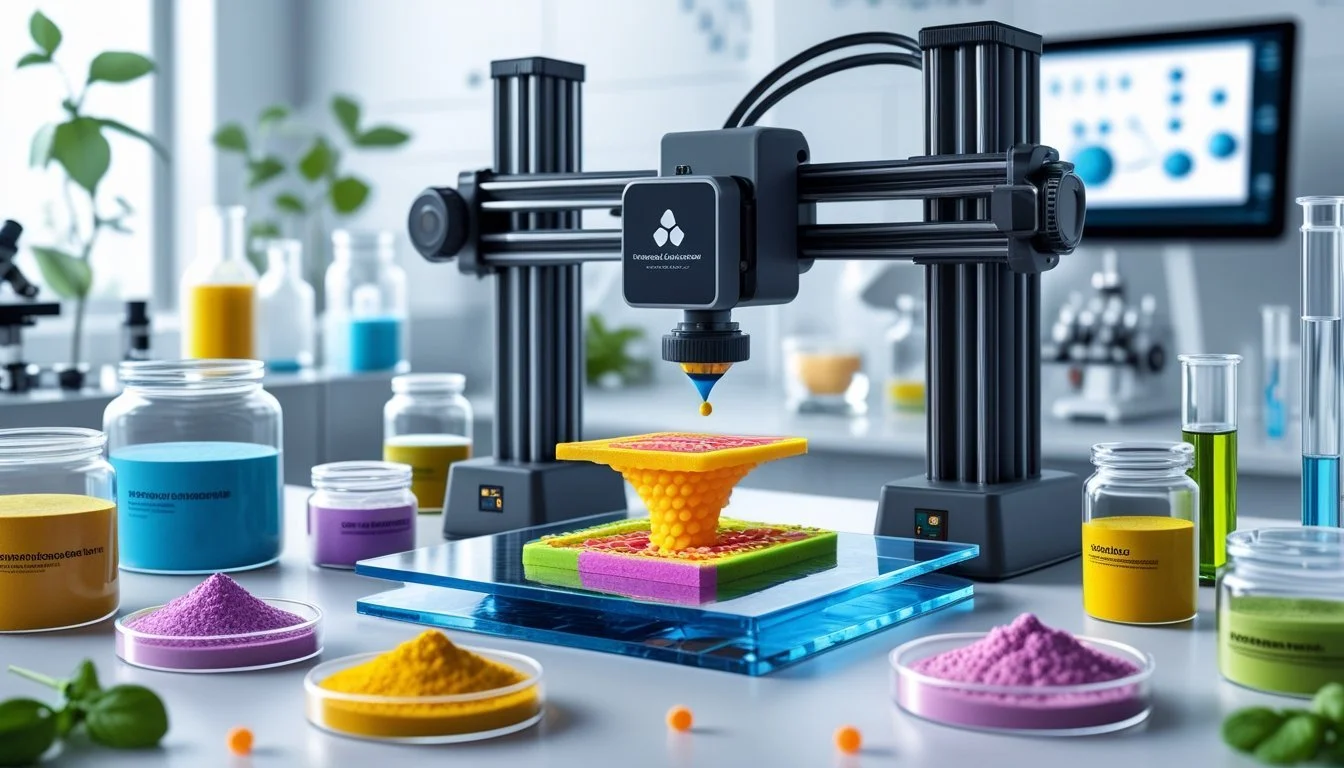
Ingredient substitution in 3D food printing increasingly draws on new biological resources and advanced formulations. These sources not only offer sustainability and nutrition but also expand the possibilities for customized and functional foods.
Algae and Mycoprotein
Algae, such as spirulina and chlorella, are being explored for high-protein and micronutrient content. These organisms are appealing due to their rapid growth, minimal land use, and customizable nutritional profiles. Algae paste can be used directly in printing or blended with other plant-based ingredients for enhanced color and nutrient levels.
Mycoprotein, derived from fungi like Fusarium venenatum, provides a fibrous, meat-like texture suitable for replacing animal proteins. It is rich in essential amino acids and low in saturated fats. For 3D printing, mycoprotein can be extruded or formulated as a printable hydrocolloid, making it adaptable for different culinary applications.
Both algae and mycoprotein support allergen-conscious diets and reduce reliance on conventional livestock. They also integrate well with personalized nutrition, allowing for precision in macro- and micronutrient delivery.
Pulses, Grains, and Cereals
Pulses such as fava beans, chickpeas, and lentils are valuable for their protein, fiber, and functional properties. Their flours or purees can be optimized for extrusion in 3D food printing, enabling diverse textures and nutritional enhancements. These plant-based sources also contribute to cost-effectiveness and sustainability.
Grains and cereals—like oats, wheat, and maize—are traditional staples adapted for modern printing. They serve as carriers for vitamins and minerals in fortified products. Their natural starches improve printability and structural integrity of finished foods.
Combining pulses with cereals increases protein quality through complementary amino acid profiles. This approach benefits both specialized dietary needs and the creation of gluten-free, high-fiber, or allergen-free foods.
Unique Innovations and Startups
Startups now drive innovation in the use of unconventional ingredient sources. Revo Foods, for example, has developed a 3D-printed vegan salmon filet using pea protein, algae extracts, and plant-based oils. This product demonstrates how tailored ingredients and technology can closely mimic animal-derived foods both nutritionally and texturally.
PAMB and similar companies work with crop producers to introduce new pulses and grains into 3D printing. These efforts encourage local sourcing, reduce ingredient miles, and diversify food options. New blending technologies and hydrocolloid systems allow these companies to fine-tune product properties for specific applications.
Emerging collaborations between research institutions and food tech firms further expand the available materials. By focusing on ingredient functionality, startups can meet diverse consumer needs, from allergen-free diets to enhanced sustainability.
Functional and Structural Aspects of Ingredient Substitution
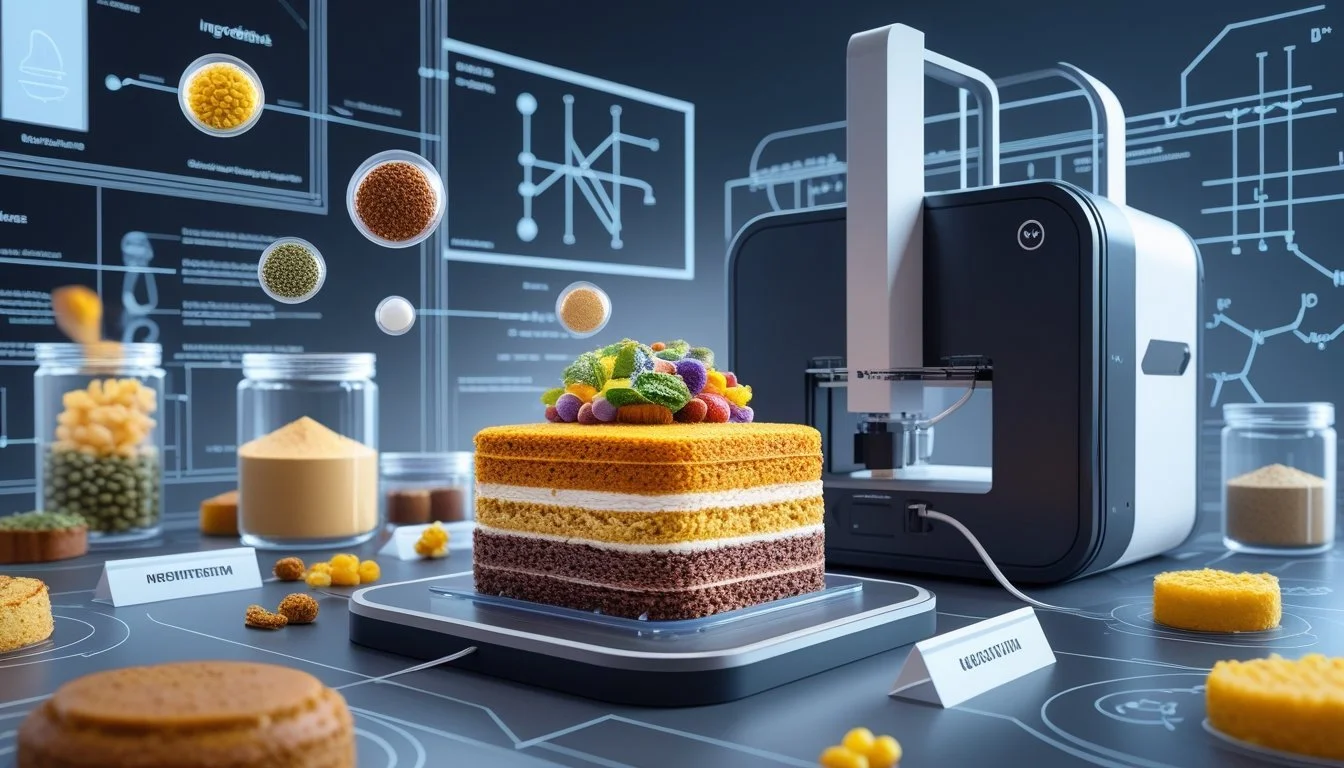
Ingredient substitution in 3D food printing involves more than swapping one component for another. Mechanical properties, texture, and stability are highly dependent on the functional role of each ingredient, directly affecting the printability and final quality of the product.
Gelation and Emulsion Preparation
Effective gelation is crucial for forming printable pastes and maintaining object shape during and after printing. Substitutes such as agar, alginate, and xanthan gum are often used to replace gelatin, each showing distinct gel strengths and melting behaviors.
For emulsion preparation, ingredient substitution can change particle stability and droplet size. Replacing traditional fat emulsifiers with plant proteins or hydrocolloids can influence viscosity and print fidelity. Table 1 below lists common substitutes and their key effects:
Ingredient Substitution Gelation Impact Emulsion Stability Agar Strong, brittle Fair Alginate Moderate, elastic Good Plant Proteins Variable Variable
Emulsions often include microbubbles created by air, argon, or other gases to adjust texture, requiring careful selection of stabilizers.
Texture and Hardness Modulation
Texture and hardness are adjusted by modifying the ingredient composition and processing parameters. Substituting animal fats with structured plant oils, or incorporating microbubble water, can decrease hardness and improve mouthfeel.
Polysaccharides like carrageenan or modified starches help control gel texture, while proteins such as soy or pea protein can enhance hardness due to their network-forming ability when heated or acidified. Hardness is measured objectively using mechanical testing, with substitution affecting resistance to deformation and overall consumer perception.
Use of air or gas-enriched pastes, like argon mixes, enables the creation of aerated structures, providing softer bites and a lighter texture when desired in food design.
Maintaining Structure and Resistance
Preserving structure and resistance to deformation is essential for functional 3D-printed foods. Ingredient substitutions can impact how well an object retains its shape both during printing and after cooling or storage.
Hydrocolloid blends and protein-based matrices are common strategies to enhance structure retention. They form networks capable of supporting self-weight and external loads. Resistance to mechanical stress is influenced by the balance of continuous and dispersed phases within the paste, determined by both the type and amount of each substitute.
The choice of microbubble formers, liquid-to-solid ratios, and fiber additions can further modify the structural stability for intricate or load-bearing food designs. Correctly calibrated substitutes help maintain fine details and prevent collapse, ensuring reliable print outcomes.
Quality Control and Safety in Ingredient Substitution
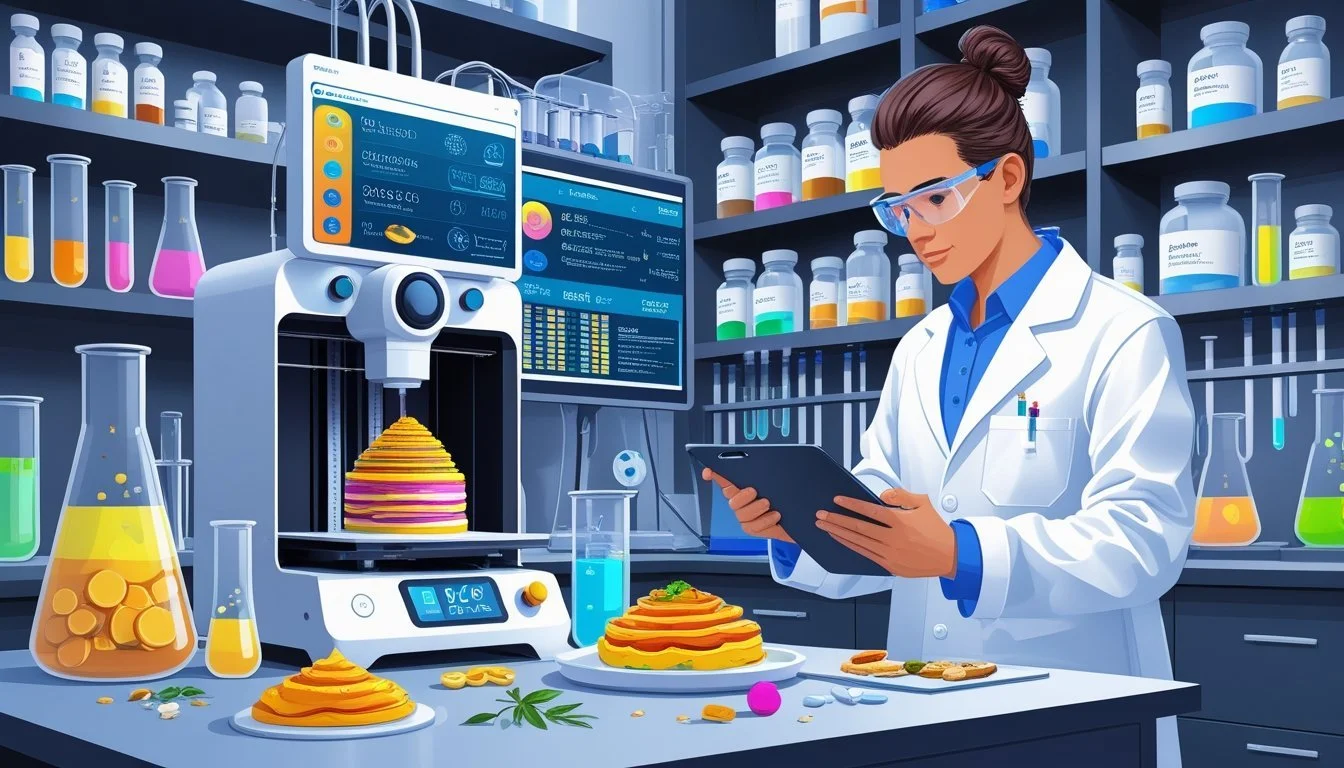
Ensuring the reliability of ingredient substitution in 3D food printing requires structured quality control measures, close attention to food safety, and awareness of intellectual property and regulatory requirements. Each of these areas directly impacts product outcome, consumer acceptance, and legal compliance.
Quality Assurance Tools
Quality control in 3D food printing with substituted ingredients depends on precise tools and methodologies. Common instruments include texture analysers, which objectively assess mechanical properties such as firmness, cohesiveness, and elasticity of printed foods. These measurements are essential when different ingredients are swapped in, as the final product’s texture can shift markedly.
Routine sensory evaluation panels can add a layer of quality feedback by identifying subtle changes in appearance, taste, and consistency. Additionally, robust standard operating procedures (SOPs) help ensure consistency in ingredient handling, printer calibration, and print settings. Documenting each parameter in a traceable manner allows for reproducibility and troubleshooting if deviations arise.
Batch sampling and laboratory analyses—such as moisture content or microbiological assays—offer further checks. A quality checklist used after each print evaluates print accuracy, surface finish, and structural stability against benchmarks.
Food Safety Considerations
Food safety is closely tied to ingredient choice and handling, especially when unfamiliar substitutions are used in 3D food printing. The Food and Agriculture Organization (FAO) emphasizes the need for strict oversight of new ingredients or novel processing methods. Some substitutions can shorten shelf life or introduce unexpected microbial risks; for example, product pastes may become unsafe within hours if temperature controls lapse.
Hygiene protocols must address every step, from sourcing and storing ingredients to post-processing the final print. Traceability systems are vital for tracking ingredient origins and recalling batches if hazards arise. Food printers must be regularly sanitized, and cross-contact issues should be documented, as allergens or contaminants can be introduced through shared equipment.
Labels should detail substituted ingredients and known allergens. Final products often require rapid analysis for microbial stability and spoilage rates, especially with shorter shelf life or modified textures.
Regulatory and Copyright Issues
Ingredient substitution in 3D food printing is subject to a range of regulations covering both food safety and intellectual property. Many countries require substitutions to be listed on labels, and new ingredients may require safety assessment or pre-approval. Foods intended for sale must comply with local laws regarding additives, nutritional claims, and shelf life.
Copyright can also be relevant, particularly if a company’s print files, recipes, or digital models are proprietary. Unauthorized copying or using protected ingredients/formulations can lead to legal disputes. Operators should verify ingredient sources, obtain necessary licenses for digital print files, and ensure that substituted ingredients do not infringe on patent or copyright laws.
Regular reviews of regulatory updates and intellectual property guidelines help keep product development both compliant and innovative. Employing internal audits or legal counsel can reduce the risk of unintentional violations.
Sustainability and Market Trends
Ingredient substitution in 3D food printing plays a direct role in sustainable practices and is closely tied to market dynamics. Key aspects include reducing environmental impacts, responding to changing consumer preferences, and offering individualized nutrition solutions.
Environmental Impacts of Substitution
Substituting traditional animal-based ingredients with plant-based or alternative proteins is central to minimizing the carbon and water footprint in 3D printed foods. This step supports sustainability engineering by using ingredients that often require fewer resources to produce.
3D food printing enables precise portion control, which directly reduces food waste. The technology can utilize byproducts or surplus ingredients that would otherwise be discarded, contributing to a more environmentally friendly food chain.
Efforts to optimize ingredient usage through AI-driven 3D food printing have shown promise in further reducing resource consumption. Ingredient substitution, thus, not only supports a sustainable future but also aligns with circular economy principles in food production.
Market Share and Consumer Demand
3D food printing is experiencing significant market growth, driven by rising consumer interest in eco-friendly foods and innovative dining experiences. The industry is estimated to reach a value of $400 million by 2024, with a compound annual growth rate of 50% from 2017 to 2024.
Niche segments—such as plant-based meat and personalized meal services—are expanding as consumers prioritize sustainability and ethical considerations. Restaurants and patisseries are early adopters, benefiting from small batch production and customizable offerings.
Increasing awareness of environmental impacts is also influencing purchasing decisions. Ingredient substitutions reinforce a product’s appeal to vegetarian, vegan, and environmentally conscious consumers, boosting both market share and brand reputation.
Personalized Nutrition and Future Directions
Personalized nutrition is a leading trend in 3D food printing, leveraging ingredient substitution to meet unique dietary needs. Printers can tailor the nutritional profile, texture, and flavor of meals to individual health requirements and preferences.
Advancements in multi-ingredient printing allow precise control over nutrient content, supporting specific goals, such as low-sugar or high-protein diets. This flexibility extends to accommodating allergies and sensitivities more effectively than traditional mass food production.
Continued growth in this sector is expected as technology improves, with a focus on real-time customization, traceability, and integration with digital health platforms. Ingredient substitution enables the delivery of targeted nutrition, accelerating progress toward a more sustainable and consumer-responsive food industry.
Applications, Limitations, and Case Studies
Ingredient substitution in 3D food printing supports advances in functional foods, enables high levels of product customization, and highlights differences in adoption by region and regulatory environment. These developments address both consumer demand and industry requirements for novel structures and alternative ingredients.
Functional Food Applications
3D food printing enables the integration of ingredients such as fiber, plant proteins, or micronutrients directly into foods like bread or meat alternatives. For example, dietary fiber from food processing by-products can be blended into printable dough, enhancing health benefits without sacrificing texture.
Alternative proteins, including those used in alt-meat or products by companies like Redefine Meat, rely on careful ingredient substitution to achieve desired structure retention and mouthfeel. Using hydrocolloids and emulsifiers, printed foods can better replicate traditional textures even when made with non-standard ingredients.
A key limitation is the need to balance printability with nutritional improvement. Some substitutes impact viscosity or structure, which can cause flow issues or poor final product quality. Ongoing research aims to overcome these technical obstacles using tailored ingredient blends.
Customization in 3D Food Printing
One of the core advantages of 3D food printing is personalized nutrition. Ingredient substitution allows for precise control of macronutrient and micronutrient profiles for individual consumer needs. For patients with dysphagia or food allergies, texture-modified or allergen-free foods can be produced efficiently.
Customization Enablers:
Adjustable recipes for protein, fiber, or sugar content
Shape and structure modification for aesthetics or ease of consumption
Integration of functional additives (e.g., vitamins, probiotics)
Limitations include ingredient compatibility and the complexity of achieving consistent product quality across unique formulations. Additionally, the range of printable ingredients remains narrower than in traditional methods due to machine and formulation constraints.
Regional Differences and Global Adoption
Europe has emerged as a leader in adopting 3D food printing for ingredient substitution, supported by research incentives and regulatory clarity. Many European bakeries and food producers are experimenting with fiber-enriched bread and protein-fortified snacks, showcasing practical applications for improved nutrition.
Adoption in other regions, such as Asia and North America, is influenced by local dietary preferences, ingredient availability, and food safety regulations. Global companies in the food industry face challenges scaling ingredient-substitution technologies due to regional standards for additives and novel foods.
Variation in consumer acceptance also affects adoption. While tech-driven markets may favor customized alt-meat or enhanced bakery items, other regions prioritize traditional taste and cost over innovation. Market studies suggest growth is fastest where public awareness aligns with health-oriented food technology trends.

