
Mapping Substitution Families: From Creams to Oils for Effective Ingredient Swaps
Understanding which ingredients can be substituted in creams and oils is essential for anyone interested in skincare or formulation. Mapping substitution families helps people swap out oils, butters, and emollients with confidence while maintaining the desired properties of their product. These substitution guides are particularly useful when common ingredients like olive oil, coconut oil, or different emollients aren’t available.
Each family—such as carrier oils, butters, or synthetic emollients—has its own characteristics, but their members often share similar textures and absorbency profiles. This makes it easier to select suitable alternatives that still work within a recipe’s demands and user expectations. With a clear understanding of these ingredient families, crafting or customizing skincare products becomes much more approachable.
Understanding Substitution Families

Substitution families group creams and essential oils (EOs) by their chemical or botanical similarities, making it easier to find alternatives for blending or formulation. Recognizing these relationships helps users make informed choices when a specific oil or cream is unavailable.
Definition and Overview
A substitution family is a collection of products—like creams or essential oils—that share similar characteristics, such as plant family, therapeutic properties, or fragrance profile. For essential oils, these groups often align with botanical families, such as Asteraceae (chamomile, yarrow) or Rutaceae (citrus oils).
When choosing a substitute, it is important to consider:
Primary constituents (e.g., linalool, limonene)
Therapeutic effects (anti-inflammatory, relaxing)
Aromatic profile (e.g., floral, citrus, spicy)
Table: Example of Substitution Families
Family Example EOs Common Uses Rutaceae Lemon, Orange Uplifting, cleansing Asteraceae Chamomile, Yarrow Calming, soothing skin Lamiaceae Lavender, Thyme Antiseptic, relaxing, tonic
For creams, substitution may emphasize texture, absorption rate, and skin compatibility, but the principle remains: group products with similar functional or sensory qualities.
Historical Context of Substitutions
The use of substitutions in blending and formulation dates back centuries. Early practitioners in herbalism and perfumery often swapped one botanical for another based on availability or regional differences.
In aromatherapy, healers recognized similarities between species. For example, both German chamomile and blue tansy—members of the Asteraceae family—were used for their calming and anti-inflammatory properties.
Modern substitution practices have formalized these instincts with charts and guides, linking chemistry, safety, and tradition. Today, referencing substitution families allows formulators to tailor blends while maintaining intended effects, even when certain ingredients are scarce or regulated.
Mapping the Range: From Creams to Oils
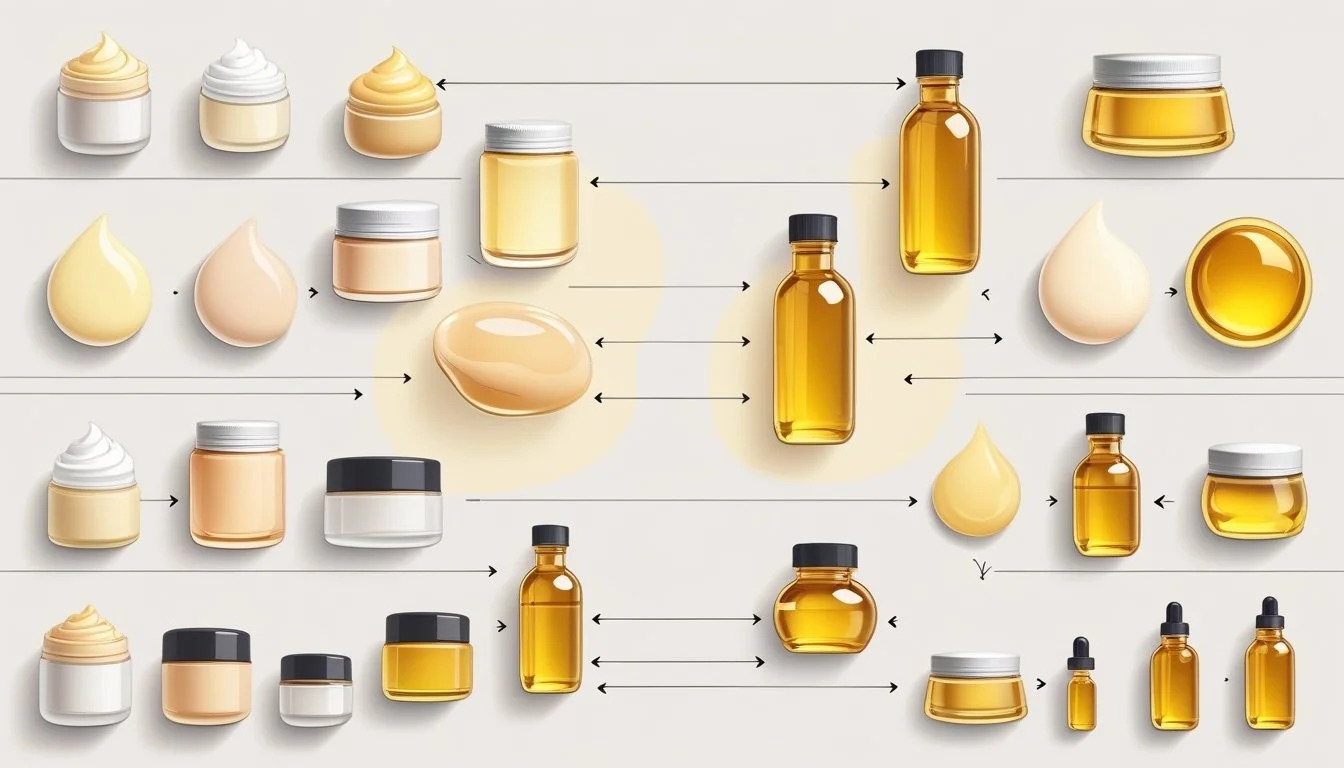
Creams and oils each play distinct roles in cosmetic and personal care formulations. Understanding their unique traits and the main ways they substitute for one another clarifies formulation choices and ingredient swaps.
Differences Between Creams and Oils
Creams are typically emulsions containing both water and oil phases. They combine moisturizers like glycerin and occlusive agents such as lanolin or cetyl alcohol with water, leading to a lightweight, hydrating texture.
Oils, on the other hand, are anhydrous. They may contain natural triglycerides (like coconut or avocado oil), synthetic esters, or other solvents, providing richer emollience and a more occlusive layer on the skin. Oils absorb at various rates, from very light (e.g., caprylic/capric triglyceride) to heavy (e.g., olive oil).
Creams usually offer easier spreadability and faster absorption due to their water phase, while oils are valued for their protective effects and long-lasting moisture. The end use—face, body, or hair—often dictates the preference. The surface affinity of oils and their ability to dissolve certain actives or UV filters also influence their use in cosmetic formulas.
Identifying Key Substitution Patterns
Substituting creams with oils typically involves adjusting for texture, absorption, and function. For example, in moisturizing products, oils can replace the oil phase in creams but will not provide the water content that contributes to creams’ lighter feel.
Key substitution patterns include:
Vegetable oils (like avocado or coconut) replacing mineral oils in emollient blends.
Fatty esters used instead of heavier plant oils in lightweight formulas.
High-polarity oils chosen to mimic the feel and absorption of certain triglycerides when formulating products for sensitive or oily skin.
A simple comparison table shows common substitutions:
Function Cream Ingredient Oil Substitute Moisturizer Glycerin, Lanolin Coconut oil, Avocado oil Texture modifier Cetyl alcohol Light esters, Jojoba oil Solvent for actives Water-based solvents Medium-chain triglycerides
When substituting, formulators consider the polarity and spreadability of each oil and its compatibility with other eos to maintain performance and skin sensorial properties.
Types and Properties of Creams
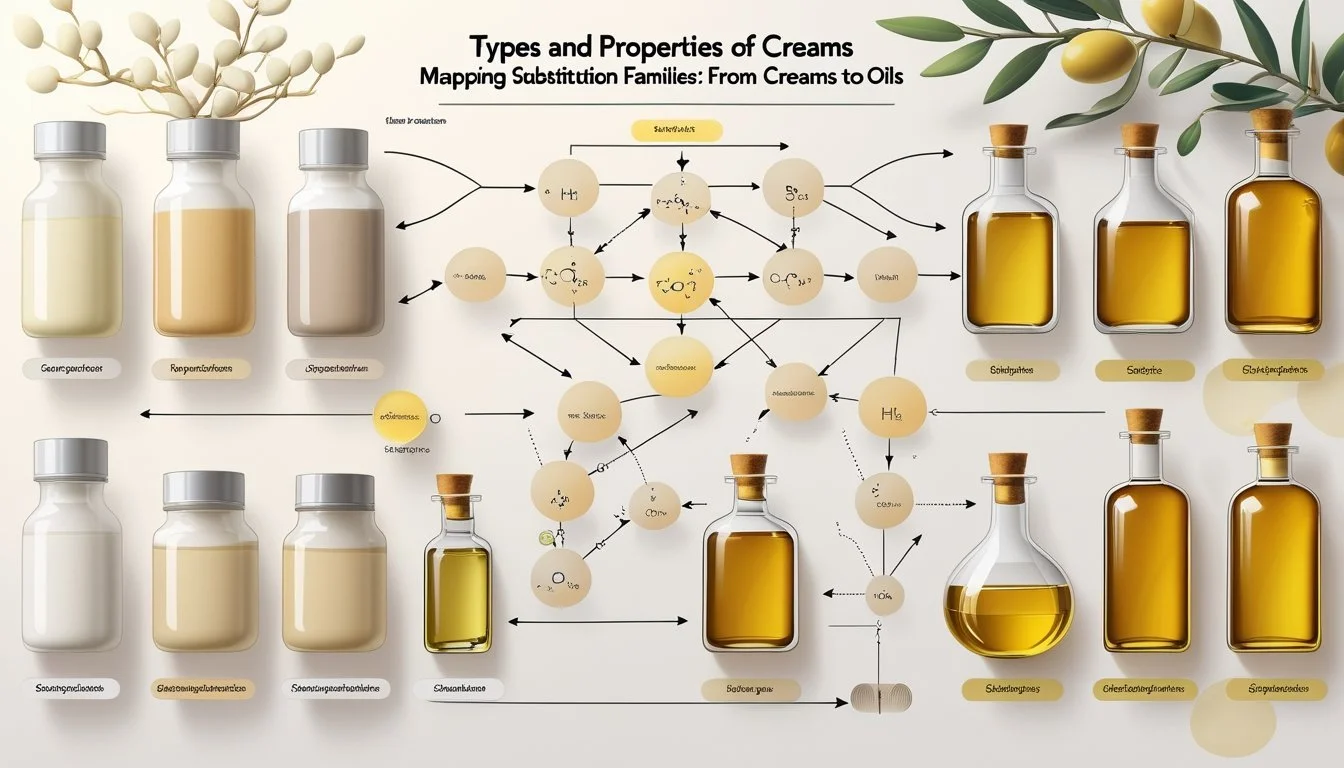
Creams are semisolid emulsions designed for skin application and differ by their internal structure, sensory feel, and intended use. Each type has unique characteristics driven by its emulsion type and the specific selection of ingredients.
Emulsions and Texture Variations
Creams typically fall into two main emulsion categories: oil-in-water (o/w) and water-in-oil (w/o). Oil-in-water creams, such as vanishing creams, have water as the continuous phase and absorb easily without leaving a residue. These are often chosen for daytime facial or body use due to their light texture.
Water-in-oil creams, like cold creams, contain oil as the continuous phase. They feel greasier and provide stronger occlusive and emollient effects. This makes them suited for dry skin or nighttime application when prolonged moisturization is necessary.
The choice of emulsion type strongly influences spreadability, absorption rate, and tactile sensation. Emulsion stability, governed by emulsifiers and formulation technique, impacts shelf life and performance.
Common Ingredients and Additives
Most creams are composed of water, oils, and emulsifiers, which create the primary structure. Common oils include mineral oil, silicone oils, and natural esters. Emulsifiers such as cetyl alcohol or glyceryl stearate stabilize the blend of water and oil phases.
Additives like humectants—glycerol, sorbitol, or propylene glycol—enhance moisture retention. Thickeners and stabilizers control consistency, while preservatives prevent microbial growth. Some creams also contain active ingredients: medications in therapeutic creams or botanical extracts and vitamins in cosmetic varieties.
A typical cream might include the following core components:
Component Purpose Example Substances Oil Phase Emolliency, occlusion Mineral oil, silicone oil, esters Water Phase Hydration, spreadability Purified water Emulsifier Stability, texture Cetyl alcohol, stearic acid Humectant Moisture retention Glycerol, propylene glycol
Types and Properties of Oils
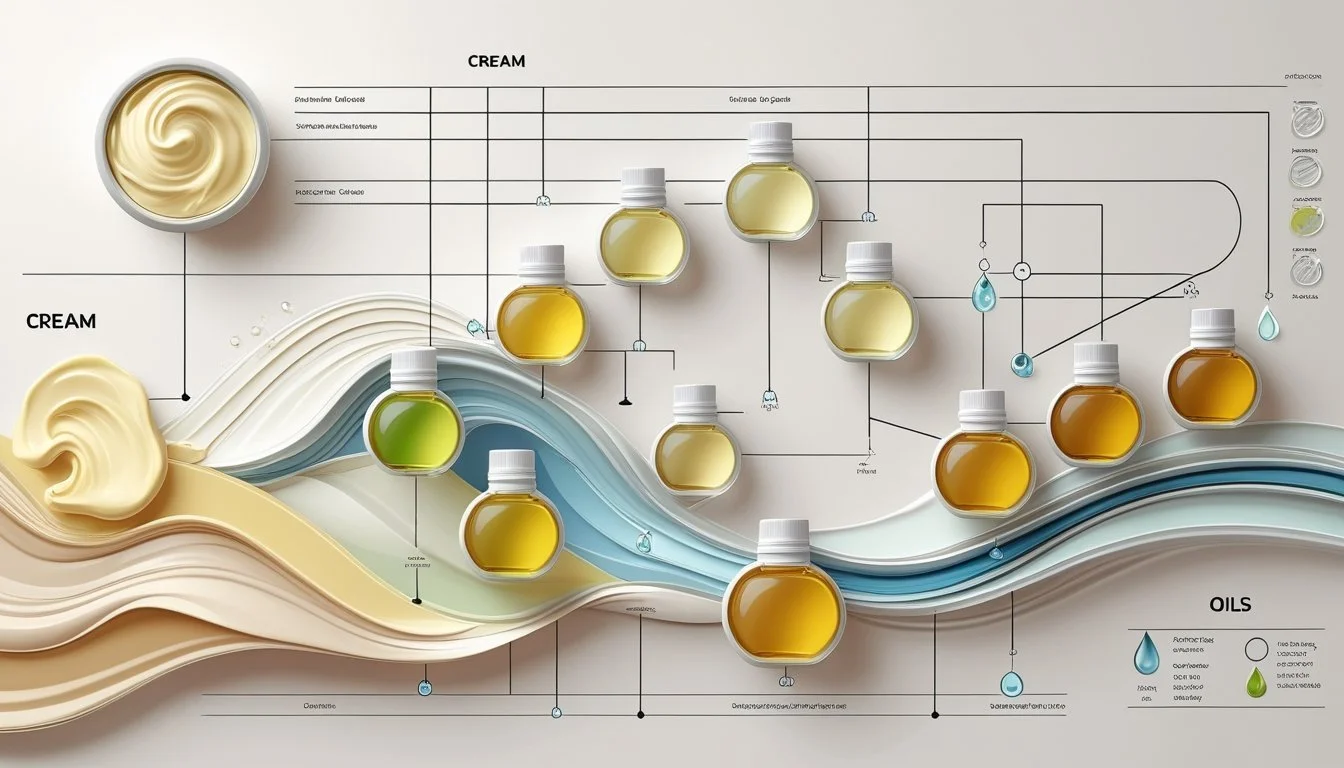
Oils serve distinct roles in skincare and soapmaking, impacting both the formulation and final characteristics of products. Understanding classification and shelf stability helps formulators make informed decisions for product performance and longevity.
Carrier Oils versus Essential Oils
Carrier oils are typically plant-based and extracted from nuts, seeds, or fruits—examples include grapeseed, olive, and apricot kernel oil. They are often used in larger quantities and serve as the primary base in creams and oils, providing emollience, conditioning, and dilution for stronger ingredients.
Essential oils, by contrast, are concentrated aromatic compounds obtained from flowers, leaves, or peels. They are added in small amounts for scent or targeted effects rather than bulk or texture. Unlike carrier oils, essential oils have potent chemical properties and require careful dosing to avoid irritation.
The following table summarizes differences:
Carrier Oils Essential Oils Typical Use Base, dilution, emollient Fragrance, active ingredient Quantity 5-100% of formula <1-3% of formula Texture Oily, mild, non-volatile Potent aroma, volatile Safety Generally safe undiluted Must be diluted for safe use
Stability and Shelf Life
Shelf life among oils varies sharply based on factors such as fatty acid composition and presence of natural antioxidants. For example, grapeseed oil and hemp oil provide lightweight feel and skin conditioning but may oxidize within 6 to 12 months, especially when exposed to heat or light.
Oils rich in saturated fats, such as coconut or shea butter, resist rancidity and can last up to two years. Oils with high polyunsaturated content, like safflower or hazelnut, should be used quickly and stored in cool, dark environments to extend usability.
A simple list for reference:
Short shelf life (6-12 months): grapeseed, hemp, hazelnut
Moderate shelf life (1-2 years): olive, sweet almond, apricot kernel
Long shelf life (2+ years): coconut oil, shea butter
Regularly checking oils for off smells or cloudiness helps prevent spoilage in finished products. Antioxidants like vitamin E may be added to slow down oxidation for more sensitive oils.
Practical Applications of Substitutions
Substituting creams with oils or other alternatives impacts product texture, stability, and functionality. Selection often depends on the intended use—be it topical, culinary, or therapeutic—and the specific properties required, such as emollience, taste, or volatility.
Cosmetic Formulations
In cosmetics, substitutions of creams with oils can alter absorption rate, skin feel, and ingredient compatibility. Lightweight oils like jojoba and squalane often replace heavier creams for facial serums and moisturizers due to their non-comedogenic properties.
A breakdown of common substitutions:
Cream Type Common Oil Substitute Notable Property Emollient Jojoba, squalane Mimics skin sebum Occlusive Shea butter, coconut oil Barrier protection Humectant Glycerin, aloe oil Moisture retention
Manufacturers consider the end-user’s skin type and formulation goals. Substitution impacts product spreadability, longevity, and even regulatory considerations for formulations under eos (European Organic Standards).
Food and Culinary Uses
Swapping solid fats or creams for oils is common in baking, spreads, and processed foods. For instance, margarine and shortenings are often replaced with canola or sunflower oil to reduce saturated fat content. According to research, such substitutions can affect texture, crumb structure, and flavor of final food products.
Liquid oils are blended or structured (e.g., as oleogels) to mimic solid fat behaviors in pastries and baked goods. In ice cream and dairy alternatives, plant oils replicate mouthfeel without altering the base formula significantly. Choices depend on desired nutritional profile, stability at different temperatures, and compliance with dietary standards like eos.
Therapeutic and Aromatherapy Applications
In aromatherapy and therapeutic products, base creams are sometimes substituted with vegetable oils for better solubility of essential oils and faster skin absorption. Popular oils include sweet almond, grapeseed, and fractionated coconut oil.
Substitution tables often look like:
Base Cream Use Oil Replacement Reason for Substitution Massage base Sweet almond oil Light, good slip Carrier in blends Jojoba or grapeseed Neutral scent, stable Ointment base Beeswax + olive oil Enhanced barrier effect
Practical considerations include potential allergens, shelf life, and regulatory compliance under standards like eos for organic therapeutic goods. The choice of oil impacts both delivery of active ingredients and the user’s sensory experience.
Advantages and Challenges in Substituting Creams for Oils
Substituting creams with oils offers both distinct benefits and potential drawbacks. These changes affect product performance, user experience, and sometimes even skin sensitivity.
Texture and Absorption Differences
Creams are typically emulsions, using both water and oil to create a lighter, often smoother texture. This makes them easy to spread and quick to absorb, which is especially important for those who prefer a non-greasy finish.
Oils, by contrast, are pure lipids. They can provide deeper hydration for dry or aging skin and tend to form a protective layer that locks in moisture. However, oils may sometimes leave a residue or a heavier feel, which is not always ideal for daytime use or for people with oily skin.
For individuals going through stressful events like divorce, where self-care routines might change, the simplicity and purity of oils may seem more appealing. Below is a comparison table of texture and absorption features:
Feature Creams Oils Main Components Water + Oil Oil Only Feel on Skin Light, non-greasy Rich, can be greasy Absorption Speed Fast Slow to moderate Best use Daily, all skin Night, dry/mature
Allergenic Potential
Creams often contain preservatives, stabilizers, and fragrances, increasing the risk of allergic reactions for sensitive users. Synthetic additives and water-based ingredients can sometimes trigger dermatitis or other issues.
Oils, especially if cold-pressed and pure, usually have fewer ingredients, which may lower the risk of allergies. However, certain natural oils—such as nut-derived oils—can still cause reactions in those with specific allergies.
For individuals experiencing heightened stress, such as after a divorce, the skin may become more reactive. In these cases, it is critical to choose products with minimal additives and to perform patch tests before regular use. Hydration needs and allergenic potential both demand careful consideration when switching from creams to oils.
Choosing the Right Substitute
Selecting an appropriate substitute requires attention to both ingredient compatibility and the intended application. Different skin types and final product goals influence which swaps will work effectively.
Assessing Ingredient Compatibility
When choosing a substitute, it is important to compare properties such as texture, absorption rate, comedogenic rating (potential to clog pores), and scent. For example, oily skin benefits from light oils with lower comedogenic ratings like grapeseed or jojoba, while dry skin may require richer oils such as avocado or evening primrose.
A quick reference for oil substitutions:
Skin Type Suitable Substitutes Avoid Oily Jojoba, Rosehip, Grapeseed Heavy butters Dry/Flaky Avocado, Wheat Germ, Soybean Coconut (if sensitive) Normal Almond, Sunflower, Olive Very heavy oils
Consider allergen risk, emulsion stability, and the pH requirements of your formula. If replacing water in lotions, flower waters or hydrosols are common, but not all substitutes will maintain stability or texture, so testing is needed.
Considerations Based on Application
The context of use—face, body, hair, or specialty creams—shapes which substitutions make sense. Facial products often require non-comedogenic, lightly-scented oils for fast absorption, while body lotions can accept richer emollients or heavier oils.
For day creams or products meant for oily skin, lightweight oils such as jojoba or sunflower help prevent congestion. In contrast, night creams for dry skin can benefit from dense oils and butters like avocado or shea. Spritzers or toners mainly use water or hydrosols, so substituting with suitable flower waters keeps the formula balanced and gentle for frequent use.
Balance the functional role (moisturizer, barrier, carrier) against aesthetic goals (feel, scent, finish). Avoid substitutions that alter spreadability, absorption, or shelf life in ways that could limit the product’s effectiveness. Always patch-test new combinations to ensure performance and skin compatibility.
Trends and Innovations in Substitution Families
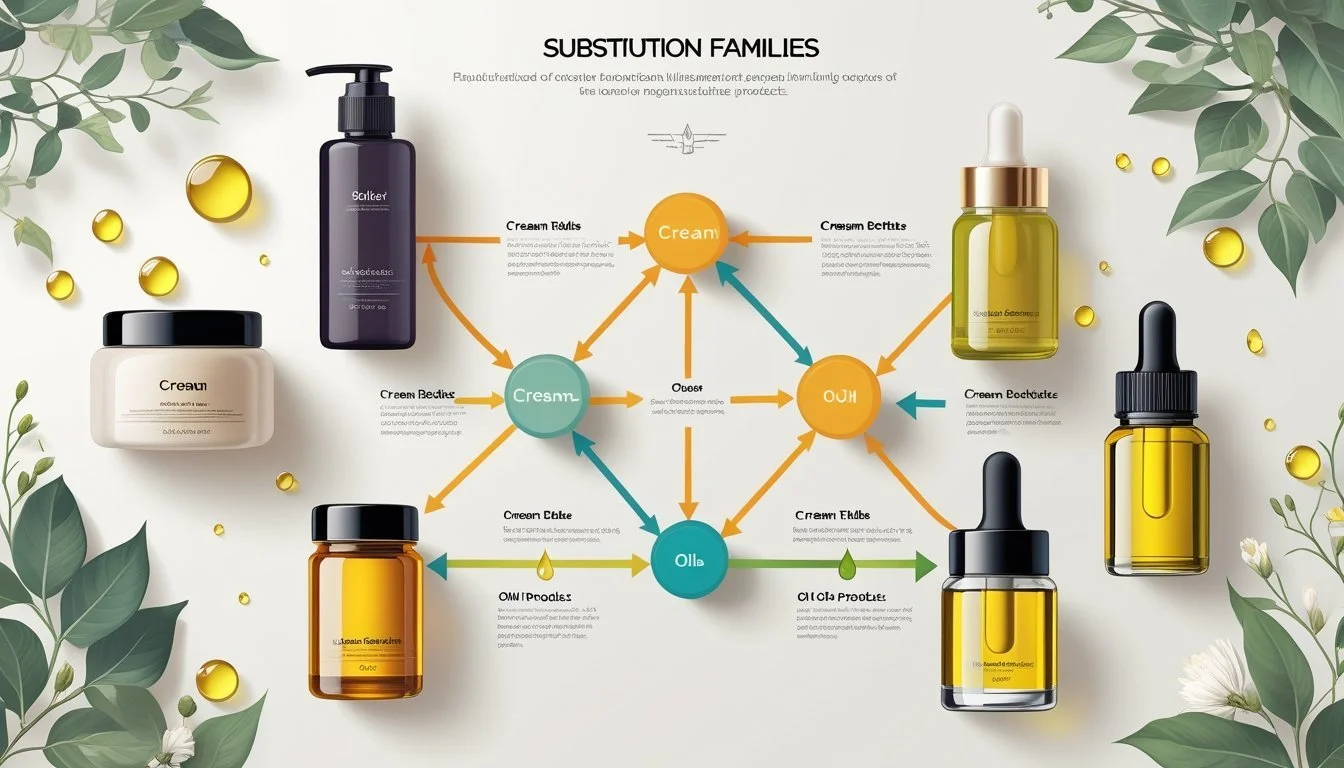
Recent years have seen a marked shift in the types of substitutions used in creams and oils. Both consumer demand and advances in ingredient processing have shaped these trends.
Plant-based alternatives are now common replacements for animal-derived ingredients. For example, coconut oil and shea butter often substitute for traditional animal fats. This reflects a broader movement toward vegan and allergen-free formulations.
New technologies allow for the development of emulsifiers and stabilizers derived from natural sources. Sunflower lecithin and oat-based emulsifiers are frequently used to maintain texture and extend shelf life.
Traditional Ingredient Common Substitution Rationale Animal fats Plant oils Vegan, sustainability Petroleum jelly Shea/cocoa butter Natural, perceived safer Synthetic emulsifier Sunflower lecithin Allergen reduction, natural
Formulations now often use a blend of substitution ingredients. This approach allows companies to fine-tune sensory properties such as texture, absorption, and scent.
Consumer awareness around clean labeling and transparency has pushed brands to limit the use of synthetic chemicals. Claims of "free from" and "all natural" have become standard features in marketing materials.
Researchers continue to explore new sources for oil and cream substitutes, including algae and other novel plants. These efforts aim to enhance sustainability and diversify the raw material supply.
Conclusion
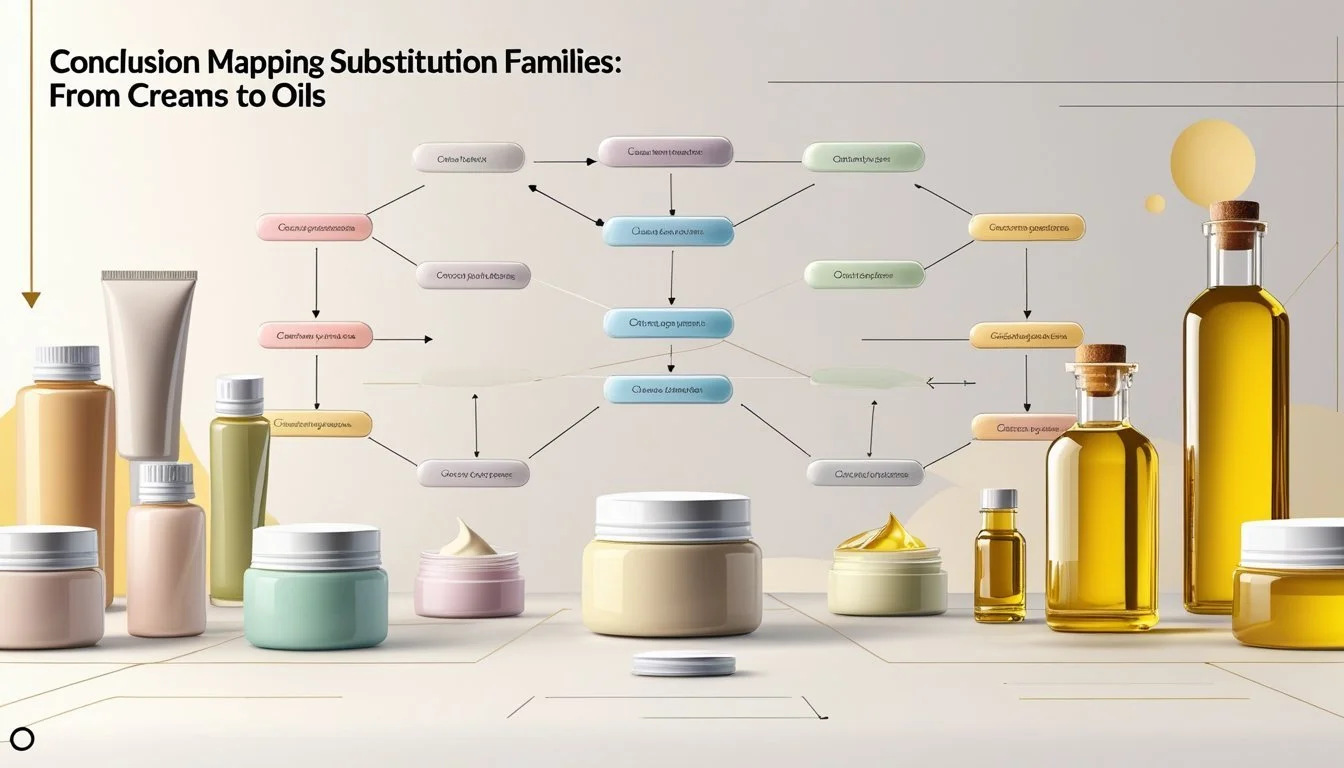
Mapping substitution families in creams and oils highlights important ingredient categories, their roles, and how they interchange. Emollients, such as silicone oils, hydrocarbons, and esters, each bring unique textures and benefits to formulations. For example, dimethicone in the silicone family is valued for its stability and flexibility.
Substituting ingredients requires understanding their chemical properties. Polar oils may behave differently from non-polar hydrocarbons like mineral oil, especially under certain conditions. This knowledge helps when tailoring products for different skin types or needs.
Key substitution families include:
Family Common Examples Key Features Silicones Dimethicone, Cyclopentasiloxane Stable, flexible, smooth feel Hydrocarbons Petrolatum, Mineral oil Non-polar, occlusive effect Natural esters Jojoba oil, Shea butter Emollient, sometimes polar
When preparing emulsions, ingredient compatibility and function are critical. Swapping components such as waxes, oils, or gums must consider viscosity, stability, and user experience.
Selecting suitable substitutes supports safer, sustainable, and effective formulations. Each substitution decision relies on a clear understanding of both the source ingredients and desired product properties.

