
Creating a Substitute Strategy for Each Cuisine
Essential Tips for Flavorful Alternatives

Developing a substitute strategy for each cuisine allows home cooks to recreate recipes even when specific ingredients are unavailable, ensuring meals maintain their character and flavor. Every cuisine relies on key components—whether spices, proteins, or vegetables—but with the right substitutions, anyone can adapt global dishes using ingredients they already have. This practical approach not only saves a trip to the store but also helps accommodate dietary needs and local ingredient availability.
Swapping similar cuts of meat, using alternative herbs, or replacing traditional produce can make recipes flexible without sacrificing the essence of the cuisine. Understanding flavor profiles and traditional techniques enables cooks to make informed choices, leading to successful substitutions that respect the original dish. Readers will discover how to identify compatible swaps in various international recipes, making cooking more accessible and enjoyable.
Understanding Ingredient Substitution in Global Cuisines
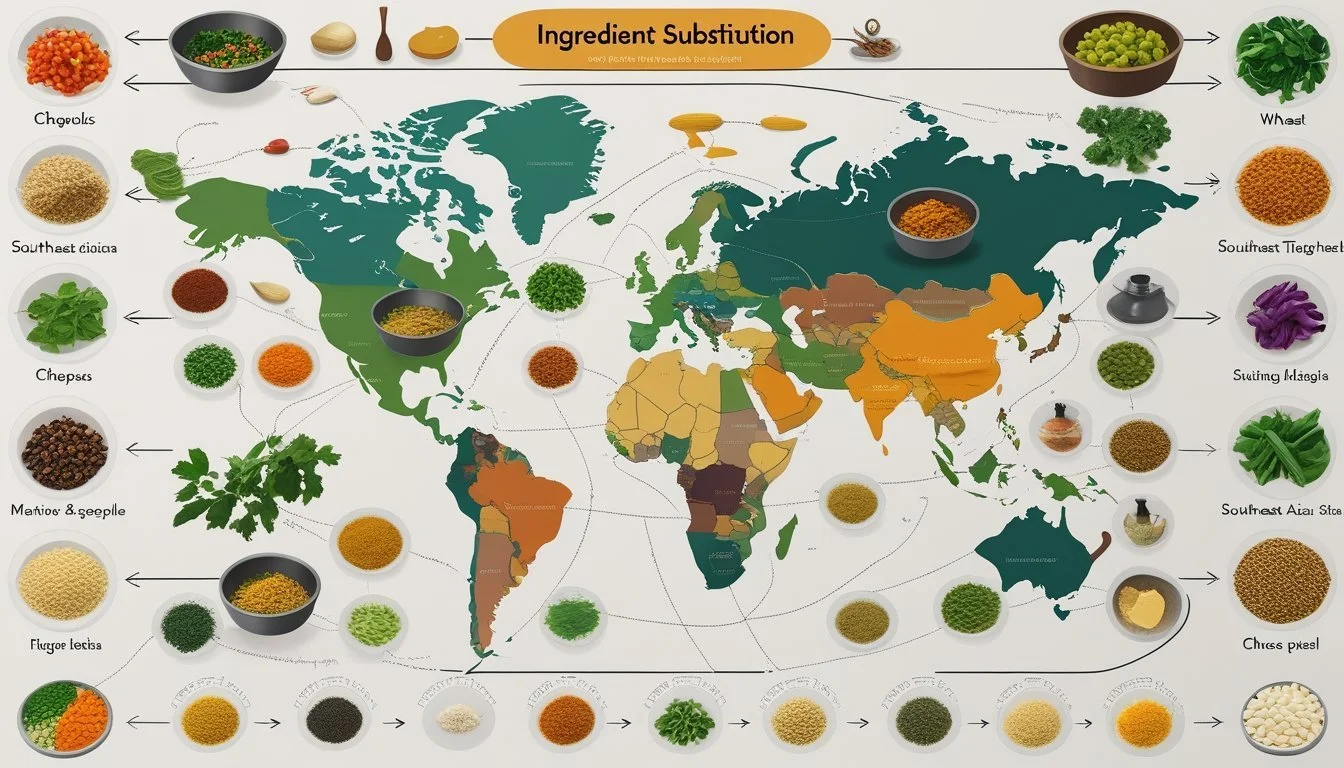
Ingredient substitution plays a crucial role in preparing recipes from around the world. It allows cooks to adapt dishes for ingredient availability, dietary needs, and personal preferences while still aiming to respect culinary traditions.
Why Substitute Ingredients
Cooks often face the challenge of sourcing authentic ingredients, especially when preparing foreign cuisines in regions where certain items are unavailable or expensive. Substitution provides a solution that enables the enjoyment of international dishes without compromising home cooking convenience.
Common reasons for ingredient substitutions include dietary restrictions, allergies, and local supply. For instance, coconut milk may replace heavy cream in a curry to suit vegans or lactose-intolerant individuals. Sometimes substitutions are necessary due to seasonal or regional differences in produce.
Practicality also plays a role. Home cooks may swap out hard-to-find items for more accessible alternatives, such as using paprika in place of Aleppo pepper in Middle Eastern recipes. The strategy is not just about mimicking flavors but ensuring that dishes remain approachable and enjoyable.
Cultural Significance of Culinary Traditions
Culinary traditions are deeply tied to a region’s history, culture, and resources. Authenticity in cooking is valued both for taste and for preserving cultural heritage. Each cuisine often features a unique combination of ingredients that reflects local climate, agriculture, and trade influences.
Substituting ingredients can affect more than flavor—it may impact texture, color, or even cultural symbolism. For example, the choice of rice in Japanese or Italian cuisine is not only about taste but tradition. Understanding these meanings can help guide respectful substitution choices.
Some dishes rely on certain ingredients that have little to no true substitutes without altering the spirit of the recipe. Studying the intended role of the ingredient—whether structural, aromatic, or symbolic—offers insight into which substitutions maintain a dish’s integrity.
Balancing Authenticity and Local Ingredients
Maintaining authenticity while using local ingredients is a balance that many cooks strive for. While some purists prioritize faithful adherence to original recipes, others value adaptability and the practical use of what’s available.
A balanced substitute strategy considers the core elements of a cuisine—such as French mirepoix or Thai curry paste—and seeks local analogs that provide similar depth and character. For instance, regional mushrooms might stand in for imported shiitakes in East Asian dishes.
Using local ingredients supports sustainability and may result in dishes that are fresher and more affordable. However, informed choices and awareness of the dish’s essential qualities help prevent loss of cultural identity, ensuring that the adapted version respects culinary traditions.
Key Principles for Creating Effective Substitute Strategies
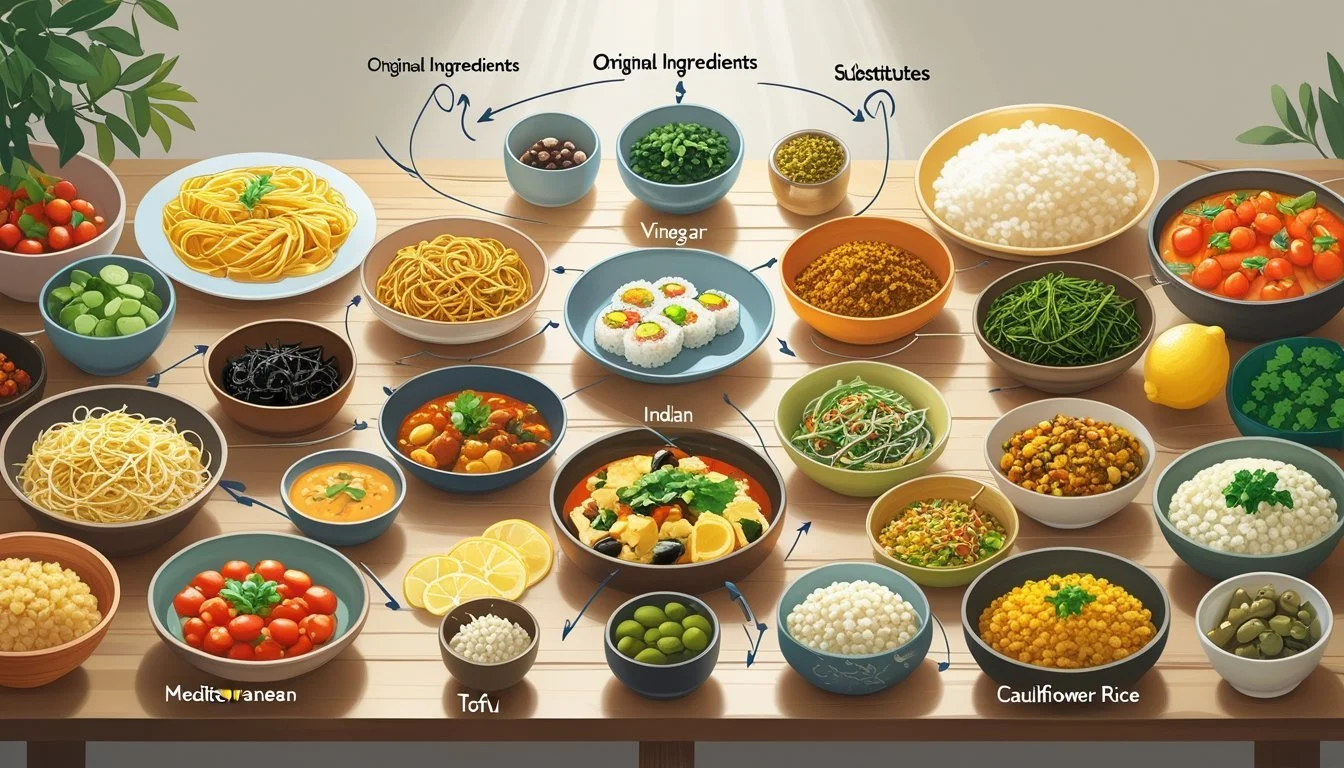
Effective substitute strategies depend on replicating core aspects of a cuisine, such as flavor, texture, and nutrition, using accessible or alternative ingredients. Food substitutions should also work seamlessly with native cooking techniques to preserve the intended culinary experience.
Matching Flavor Profiles and Textures
A solid substitute strategy begins by closely replicating the original dish's flavor profile and texture. This means evaluating the main taste elements—such as sweet, salty, sour, bitter, and umami—of the ingredient to be replaced. For example, miso paste can offer savory umami in place of anchovies.
Attention to texture is equally important. Replace chewy proteins like beef with mushrooms or jackfruit, which provide similar mouthfeel. Use the table below as a quick guide:
Original Substitute Texture Key Flavor Chicken Tofu Tender Mild/Neutral Parmesan Nutritional Yeast Granular Umami
Selecting substitutes with similar sensory properties creates a more authentic experience for the diner.
Maintaining Nutritional Value
Substitutes must not only mimic taste and texture but also maintain or match the nutritional profile of the original ingredient. Key nutrients to consider include protein, fat, fiber, vitamins, and minerals.
For instance, swapping dairy milk for fortified soy milk helps maintain protein and calcium content. Lentils or beans can replace ground meats in dishes, supporting both protein and fiber needs.
Nutrition labels can assist in comparing options. Note the presence of allergens or food additives in substitutes, as these may impact dietary needs for certain individuals.
Adapting Cooking Methods
Every cuisine has unique cooking methods that can affect substitute suitability. Not all plant-based or alternative ingredients withstand high-heat searing, deep frying, or prolonged braising.
Adapting the technique may involve adjusting cooking times or temperatures. Tofu might need gentle handling when stir-fried, while eggplant can replace meat in stews, absorbing flavors well during slow cooking.
Familiarity with how substitutes respond to grilling, roasting, fermenting, or steaming helps prevent unwanted changes in texture or flavor. Adjust preparation steps when needed to produce the closest match to the original dish.
Accommodating Dietary Needs and Restrictions

Cooks and menu planners must address a wide range of dietary needs, including plant-based choices, gluten and dairy limitations, and sensitivities to common allergens. Strategic substitutions help ensure each guest can safely enjoy their meal without sacrificing taste or quality.
Vegetarian and Vegan Adaptations
Vegetarian and vegan diets exclude different categories of animal products. For vegetarian menus, animal meat is omitted but eggs and dairy may be included, while vegan cooking eliminates all animal-derived ingredients.
Substituting for meat in savory dishes often involves using beans, lentils, tofu, tempeh, or mushrooms. For creamy textures, coconut milk, cashew cream, or plant-based yogurts can replace dairy-based ingredients. Plant-based cheeses and butters add richness without animal products.
Dishes such as stir-fries, curries, and pastas adapt easily by swapping out meat for vegetables or legumes. Recipes should clearly label items as vegetarian or vegan and avoid hidden animal ingredients like gelatin or fish sauce. It's critical to read labels and verify condiment sources when creating plant-based dishes.
Gluten-Free and Dairy-Free Solutions
Those avoiding gluten must eliminate wheat, barley, and rye from their diets. Common substitutes for wheat flour include rice flour, almond flour, cornmeal, potato starch, and certified gluten-free oats. For pasta and bread, options such as quinoa pasta or gluten-free sourdough are widely used.
Dairy-free adaptations rely on alternatives like oat milk, almond milk, coconut milk, and soy-based products. Butter can be replaced with plant oils or dairy-free spreads. In baked goods, plant-based milks and coconut yogurt can maintain moisture and flavor.
Cross-contamination is a major concern. Gluten-free and dairy-free dishes should be prepared with separate utensils and workspaces. Labels must list all possible sources of gluten and dairy to prevent accidental exposure.
Managing Common Allergens
The most prevalent food allergens include peanuts, tree nuts, soy, eggs, milk, wheat, fish, and shellfish. Both ingredient choices and preparation practices matter when working to accommodate guests with allergies.
Replace nut-based ingredients with seeds (like sunflower or pumpkin seeds), and use chickpea flour instead of traditional wheat flour if both wheat and egg are concerns. Aquafaba (the liquid from cooked chickpeas) can serve as an egg replacement in baking and dressings.
A reference table for common allergen replacements:
Allergen Possible Substitutes Eggs Applesauce, flaxseed gel, aquafaba Milk Soy, almond, oat, or coconut milk Wheat Rice, almond, or chickpea flour Nuts Seeds such as sunflower or pumpkin Fish Tofu, jackfruit, or mushrooms
Staff should be trained to recognize major allergens and prevent cross-contact. Detailed and accurate labeling, as well as communication with guests, helps ensure safety for those with food allergies.
Ingredient Substitution Guide for Major World Cuisines
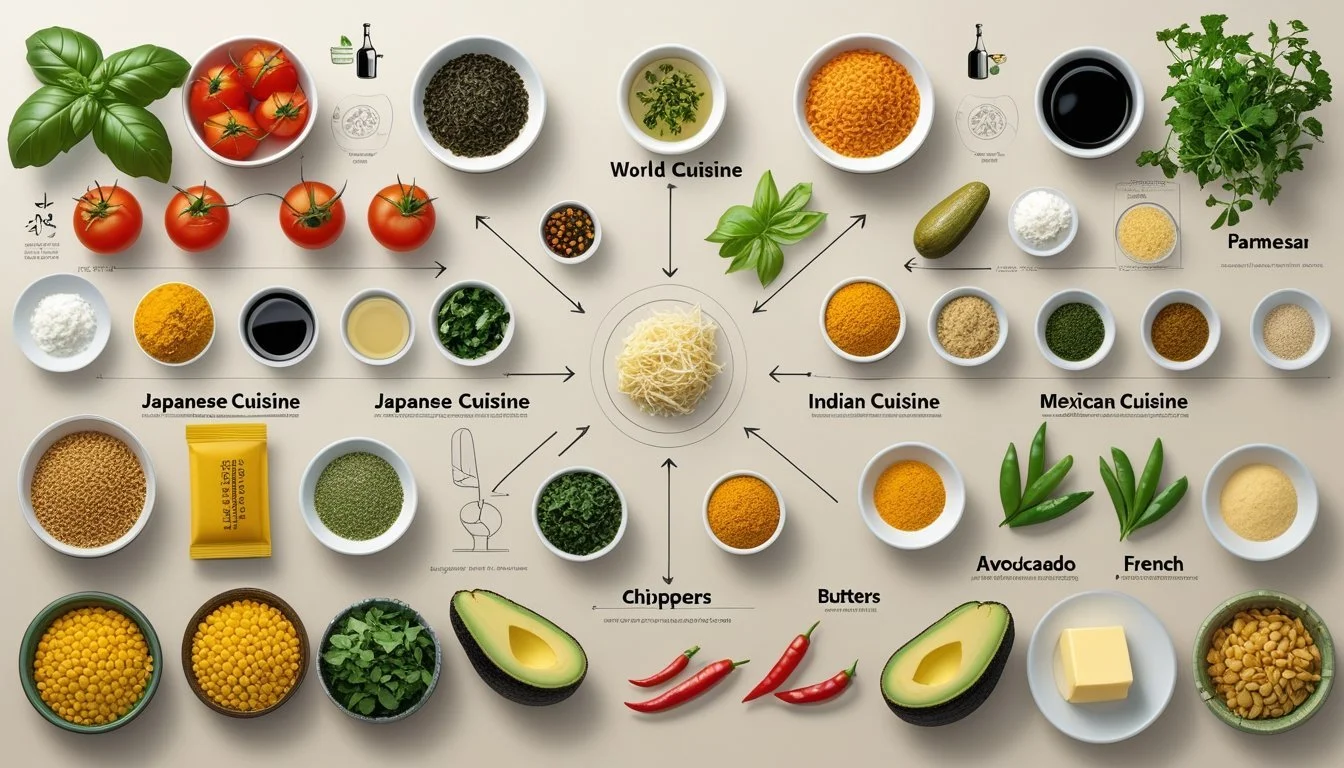
Selecting effective substitutes helps preserve authentic flavors when ingredients are unavailable. Knowing which herbs, spice blends, and pantry staples can best replace traditional elements ensures the final dish remains balanced and recognizable.
Asian Cuisine Substitutes
Asian recipes often rely on unique sauces, aromatics, and condiments. For soy sauce, use tamari or coconut aminos to achieve similar salty, umami notes if soy is not suitable. Sesame oil can be swapped with toasted sunflower oil for its nutty aroma.
When a recipe calls for fish sauce, a mixture of soy sauce and a splash of lime or rice vinegar can mimic the salty tang. For miso, white bean or chickpea paste with a dash of tamari offers a close match in soups and dressings.
Fresh herbs like Thai basil can be replaced with Italian basil plus a bit of mint. For five-spice powder, combine cinnamon, fennel seeds, star anise, cloves, and pepper for a quick homemade blend. Use these swaps to keep stir-fries, curries, and soups true to their flavor profiles.
Mediterranean & Middle Eastern Alternatives
Mediterranean and Middle Eastern cooking leans on olive oil, citrus, and powerful spice blends. If olive oil is not available, a mild nut oil or avocado oil works well in salads and dips. Za’atar, a staple blend, can be substituted by mixing dried thyme, sesame seeds, sumac, and a pinch of marjoram.
For sumac’s tang, lemon zest mixed with a bit of vinegar provides acidity in marinades or sprinkled over roasted vegetables. When tahini is out of reach, peanut butter thinned with a neutral oil delivers a similar creamy texture in dips and sauces.
Fresh herbs like parsley or cilantro can substitute for each other in most salads or tabbouleh. For harissa, mix tomato paste, smoked paprika, cumin, and a dash of cayenne for a spicy, smoky replacement.
Latin American Swaps
Latin American dishes rely heavily on chiles, cilantro, citrus, and corn products. If fresh chiles are unavailable, use dried chile powders or canned chipotle for smokiness. Achiote paste can be improvised by blending paprika, cumin, and a bit of vinegar.
Epazote, used in bean dishes, can be replaced with oregano and a splash of lime juice. For queso fresco, crumble feta cheese, rinsed of excess brine, to introduce a similar texture and mild flavor.
When masa harina is needed for tortillas and is unavailable, use a blend of fine cornmeal and wheat flour. Mix lime juice and zest in salsas if limes are hard to find, since lemons can add acidity, though the flavor is less floral.
European Adaptations
European cuisines include a wide range of ingredients tied to specific regions. In Italian cooking, when Parmigiano-Reggiano is missing, use Grana Padano or aged Pecorino. Swap fresh basil with spinach and a little dried basil in pestos.
French recipes often call for herbes de Provence; mix dried thyme, rosemary, savory, and lavender for a similar aroma. For crème fraîche, combine sour cream and heavy cream as a stand-in for creamy sauces and soups.
In Eastern European dishes, substitute caraway seeds for dill or vice versa, depending on taste preferences. For British recipes that use golden syrup, a mixture of honey and light corn syrup works in most desserts and baked goods. For German mustard, blend Dijon with a touch of horseradish to recreate the sharp tang in sausages and dressings.
Navigating Common Substitute Ingredients
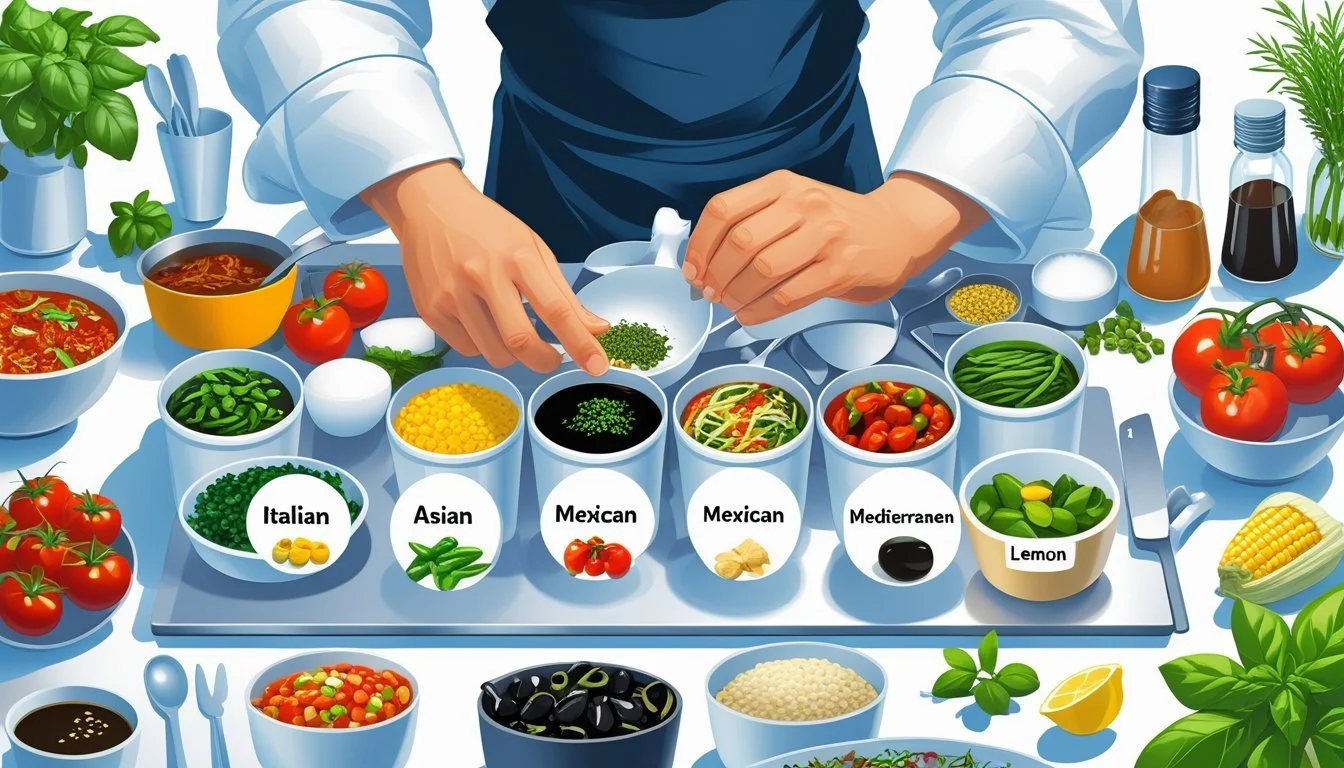
Selecting the right substitute ingredient requires knowing the role it plays in a recipe. Attention to quantity, flavor, and texture ensures the dish’s character remains intact.
Plant-Based Protein Options
Plant-based protein can effectively replace animal protein in diverse cuisines. Key substitutes include lentils, chickpeas, tofu, tempeh, seitan, and jackfruit. For example, tofu’s mild flavor makes it adaptable to stir-fries and curries, while lentils work well in stews and soups.
Below is a comparison table of typical plant-based proteins and their main characteristics:
Protein Texture Best For Tofu Soft to firm Stir-fries, curries Tempeh Firm, nutty Grilled, sautéed dishes Lentils Soft, hearty Soups, stews, salads Jackfruit Stringy “Pulled” meat substitutes Seitan Chewy Sandwiches, stir-fries
Bean-based proteins, such as black beans or chickpeas, often suit Mediterranean, Latin American, and Middle Eastern dishes. Some recipes may require texture adjustments, so mashing or chopping substitutes can help replicate the mouthfeel of the original ingredient.
Solid Fats, Neutral Oils, and Flavored Oils
Baking and cooking often rely on solid fats like butter or shortening. Plant-based alternatives such as coconut oil and vegan margarine can successfully replace butter in many baked goods. Coconut oil is solid at room temperature and has a subtle coconut flavor, while margarine is neutral.
For frying and sautéing, neutral oils like canola, grapeseed, or sunflower oil work well. They have a high smoke point and little to no flavor, making them versatile across cuisines.
Flavored oils—such as olive oil, sesame oil, and walnut oil—add distinct tastes. Olive oil is popular in Mediterranean recipes, while sesame oil is common in Asian dishes for finishing or dressing. It’s important to match the oil’s flavor with the intended cuisine to avoid overpowering other ingredients.
Dairy Alternatives
When replacing dairy, several options exist for milk, cream, and cheese. Plant-based milks, like almond, soy, or oat milk, can often substitute for cow’s milk in a 1:1 ratio in many recipes. For creaminess in soups or sauces, coconut milk or cashew cream offers a rich texture.
Greek yogurt and sour cream can be swapped with plain plant-based yogurts or blended silken tofu for tang and consistency. Cheese substitutes include nutritional yeast (for a savory flavor), vegan cheese, or ground nuts, depending on the recipe.
Consider the intended function: baking may need unsweetened versions, while some savory dishes benefit from the subtle flavors of nondairy options. Adjust quantities as needed for texture and taste.
Considering Freshness, Seasonality, and Culinary Creativity

Freshness and seasonality bring vibrant flavors and nutritional value, while creative thinking allows chefs to maintain menu diversity. By selecting ingredients at their peak and reimagining traditional dishes, kitchens can maximize quality and guest satisfaction.
Leveraging Fresh and Seasonal Ingredients
Using fresh, local, and seasonal ingredients ensures that menu substitutions retain both flavor and texture. Chefs assess produce availability to identify the best options, such as replacing winter root vegetables with summer squash or fresh tomatoes as seasons change.
Selecting ingredients at their peak ripeness maintains consistency and supports sustainable sourcing. Seasonal substitutions often offer cost benefits, reducing reliance on pricier, out-of-season imports. Working directly with local farmers and markets helps chefs stay informed about product quality and changing availability.
Table: Sample Seasonal Substitutions
Original Ingredient Possible Seasonal Substitute Season Asparagus Broccoli Fall Tomatoes Roasted Beets Winter Zucchini Eggplant Summer
Thoughtful substitutions help keep menus both fresh and appealing, allowing restaurants to respond quickly to supply changes without compromising on culinary standards.
Innovative Approaches for Diverse Menus
Culinary creativity is central to expanding a diverse menu when standard ingredients are unavailable. Chefs experiment with new flavor pairings, alternate textures, and unexpected combinations to maintain interest across multiple cuisines.
For example, roasted sweet potatoes might replace pumpkin in a curry, or shaved fennel could stand in for celery in Mediterranean salads. A willingness to trial less common local produce—such as sunchokes or kohlrabi—eliminates monotony and supports regional agriculture.
Experimentation allows teams to create unique dishes that retain authenticity while embracing innovation. Cross-training staff on various preparations ensures that creative substitutions remain seamless, keeping the dining experience consistent and memorable. Strategic flexibility in menu planning also helps balance costs and ingredient availability throughout the year.
Additional Factors: Cost, Nutritional Needs, and Eating Habits
Successful cuisine substitution strategies must account for practical variables like ingredient prices, individual dietary requirements, and changes in personal routines. These considerations affect both the success of substitutions and the satisfaction of those eating the meals.
Managing Food Cost
Food cost is a core concern when choosing substitutions. Some ingredients, especially specialty or imported items, can be expensive or difficult to find. Using local and seasonal substitutes often brings costs down, while also improving freshness.
Budget-conscious choices might involve comparing unit prices or prioritizing pantry staples that serve multiple functions (e.g., beans, rice, eggs). The table below highlights common examples:
Expensive Item Cost-Effective Substitute Pine nuts Sunflower seeds Saffron Turmeric Parmesan cheese Nutritional yeast flakes Fresh herbs Dried herbs
Bulk buying, meal planning, and storing leftovers also help reduce overall food expenses.
Adapting to Nutritional and Eating Patterns
Nutritional needs vary by age, activity level, and health goals. Substitutions should maintain or improve the nutritional profile of a dish. For instance, replacing white rice with quinoa increases protein and fiber, while using unsweetened yogurt instead of cream lowers fat content.
Eating habits—such as vegetarianism, food allergies, and religious dietary rules—may require creative substitution. It's important to match not only flavor and texture but also essential nutrients like protein, iron, or calcium. Special diet requirements, such as gluten-free or low-sodium plans, further shape which alternatives are appropriate.
Regular assessment of dietary adjustments ensures that nutritional balance is preserved with each switch.
Reducing Cooking Time with Substitutions
Substitutes can also shorten meal preparation. Quick-cooking grains, canned beans, and pre-chopped vegetables save time compared to their traditional counterparts.
Choosing alternatives like rotisserie chicken instead of raw poultry or bottled sauces in place of scratch-made reductions helps busy cooks streamline the process. A list of common time-saving substitutes includes:
Pre-washed salad blends for leafy greens
Frozen chopped onions for fresh onions
Couscous instead of brown rice
These substitutions maintain the culinary integrity of recipes while making daily cooking more manageable. As a result, they address the challenge of fitting healthy, diverse meals into a busy schedule.

