
Substituting in Raw vs Cooked Dishes
Essential Tips for Ingredient Swaps
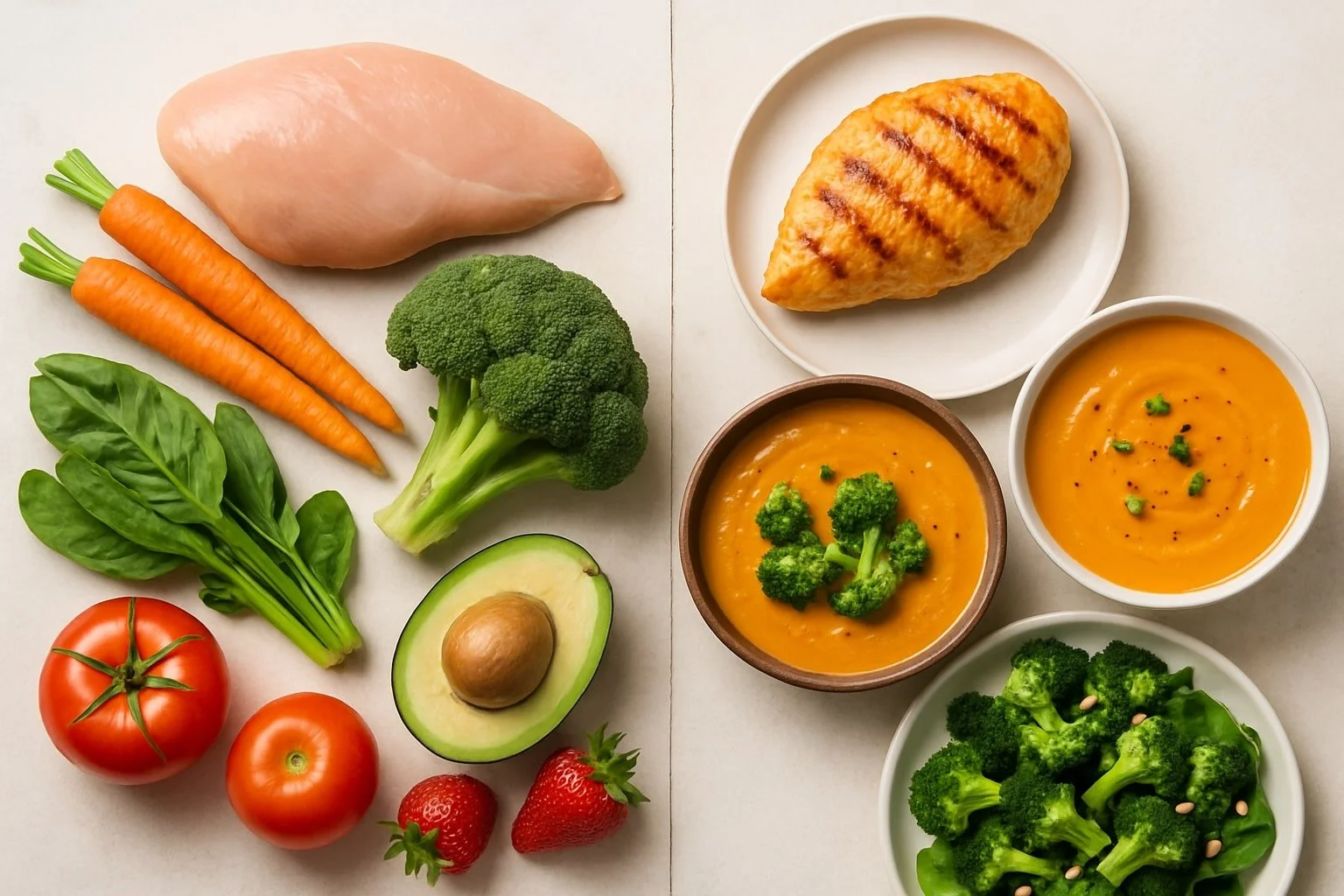
When it comes to preparing meals, many cooks wonder how best to substitute ingredients in recipes that call for either raw or cooked foods. Choosing between raw and cooked ingredients can affect flavor, texture, and nutrient content, so understanding how to make these substitutions ensures your dish turns out as intended. For example, swapping raw vegetables for roasted ones, or using precooked proteins instead of raw, often leads to changes in both taste and nutritional profile.
Whether someone is adapting a recipe for dietary needs, convenience, or availability of ingredients, knowing when and how to substitute raw and cooked elements is a practical skill in the kitchen. Navigating these choices can elevate everyday meals and help avoid common pitfalls, making recipes simpler and more adaptable for any situation.
Fundamental Differences Between Raw and Cooked Dishes
Raw and cooked dishes differ in significant ways that directly impact nutritional value, digestion, and sensory appeal. How ingredients are prepared can alter not just their benefits but also their suitability for specific dietary needs and preferences.
Nutritional Content Shifts
The nutritional differences between raw and cooked dishes are often due to how heat affects vitamins and minerals. Raw foods, such as uncooked vegetables and fruits, generally retain higher levels of water-soluble vitamins like vitamin C and many B vitamins. Cooking these foods may degrade or reduce these nutrients.
However, cooked dishes can sometimes offer higher levels of certain nutrients. Cooking tomatoes increases the availability of lycopene, a powerful antioxidant. The breakdown of cell walls during cooking can enhance the release of some nutrients, particularly carotenoids.
Foods like potatoes and legumes are unsafe or indigestible when raw, while others, like spinach, lose some key nutrients in the cooking process. Therefore, choosing between raw and cooked affects the specific nutritional value presented in a dish.
Digestibility and Nutrient Absorption
Digestibility often changes between raw and cooked foods. Raw vegetables and seeds may be harder to digest for some people, as natural fibers and certain compounds can resist breakdown in the digestive tract. Cooking softens fiber and breaks down antinutrients such as lectins and phytates, making nutrients like iron and calcium more accessible.
Enzymes naturally present in raw foods can be deactivated by heat. Some proponents of raw diets argue these enzymes help with digestion, but the human body makes its own digestive enzymes regardless. For legumes and grains, cooking is essential, as it removes substances that can interfere with digestion or reduce nutrient absorption.
In sum, cooked dishes usually allow for easier digestion and often increase the body's ability to absorb certain nutrients, especially in foods that are hard or fibrous in their raw state.
Texture and Sensory Changes
Texture is one of the most immediate differences between raw and cooked dishes. Raw foods often feature a crunchy texture, prominent in salads, slaws, and crudités. This crunch provides a unique mouthfeel many people enjoy and adds visual and auditory appeal to a dish.
Cooking alters texture significantly. Raw carrots, for example, shift from crisp to a creamy texture when boiled or roasted. This softening can be crucial for people with dental issues or those who need gentler foods.
The sensory changes extend to taste and aroma as well. Maillard reactions and caramelization that occur during cooking introduce savory and sweet flavors not found in raw foods. In contrast, raw dishes may deliver cleaner, sharper flavors with higher moisture content. The choice impacts not only nutritional value but also the entire eating experience.
Nutritional Benefits of Raw Foods
Raw foods offer specific nutritional advantages, especially in terms of vitamin content, enzyme activity, and antioxidant presence. Their potential downsides are mostly related to food safety and the risk of foodborne illness, which must be considered carefully.
Preservation of Heat-Sensitive Vitamins
Several essential vitamins, especially vitamin C and many B vitamins, are sensitive to heat. Cooking methods such as boiling or steaming can cause these nutrients to degrade or leach into cooking water.
Raw fruits and vegetables retain most of their original vitamin C content. Oranges, bell peppers, and strawberries are notable for maintaining high levels of vitamin C when consumed raw.
Leafy greens and certain root vegetables also preserve more folate and other B vitamins before cooking. Including a mix of raw produce in the diet helps individuals consistently obtain these heat-sensitive nutrients.
Enzyme Retention and Essential Enzymes
Raw foods naturally contain enzymes that can assist in the digestive process. Many of these enzymes, like amylases and proteases, begin to break down nutrients in the mouth and stomach.
Heating above approximately 118°F (48°C) usually destroys these natural enzymes. While the human body produces its own digestive enzymes, consuming plant enzymes may help reduce the workload on the gastrointestinal system for some people.
Common enzyme-rich raw foods include pineapples (bromelain), papayas (papain), and sprouted grains. However, the significance of dietary enzymes is still debated, as the body’s stomach acid typically inactivates many plant enzymes before they reach the intestines.
Antioxidant Content in Raw Vegetables
Many raw vegetables are rich in antioxidants, including vitamins, polyphenols, and flavonoids. These compounds help neutralize free radicals, which are byproducts of metabolism and environmental exposures.
Raw broccoli, spinach, and kale, for example, are considered nutritional powerhouses for their diverse antioxidant compounds. Techniques like juicing or blending can make these antioxidants more accessible.
However, it is important to note that cooking can sometimes enhance the bioavailability of certain antioxidants, such as lycopene in tomatoes. Still, consuming a variety of raw vegetables ensures a broad intake of different antioxidant molecules.
Raw Food Safety Concerns
Eating raw foods poses specific food safety risks. Raw produce can harbor bacteria, viruses, or foodborne illnesses such as Salmonella, E. coli, or Listeria.
Proper washing, peeling, and storing of fruits and vegetables minimize these risks, but contamination can still occur. Individuals with weakened immune systems, such as pregnant women and older adults, should be particularly cautious.
Raw animal products—like sushi, raw milk, or undercooked eggs—carry a higher risk of harmful pathogens. For most people, following basic hygiene guidelines reduces these risks, but safety should always be a top priority when preparing or substituting raw foods.
Nutritional Benefits of Cooked Foods
Cooking can change the nutritional value, taste, and safety of foods. The way heat alters nutrient availability, reduces certain natural compounds, and enhances digestibility can make cooked foods a valuable part of the diet.
Increased Bioavailability of Nutrients
Cooking increases the bioavailability of some nutrients by breaking down plant cell walls and complex food structures. For instance, cooked tomatoes provide higher levels of lycopene, a powerful antioxidant linked with a reduced risk of heart disease and cancer.
Nutrients such as beta-carotene in carrots and spinach become more accessible after cooking. Heat releases these nutrients, making it easier for the body to absorb and use them.
Additionally, cooked eggs offer more digestible protein compared to raw eggs. By denaturing certain proteins, heat allows enzymes in the digestive system to break them down more efficiently.
Reduction of Antinutrients and Oxalates
Some foods naturally contain antinutrients, such as phytic acid and lectins, which can interfere with the absorption of minerals like iron, zinc, and calcium. Cooking reduces these compounds, improving overall nutrient absorption and nutrient retention.
Legumes, beans, and whole grains often contain high levels of antinutrients. Boiling and pressure cooking are especially effective at reducing these undesired compounds.
Oxalates, found in foods like spinach and beets, can limit the absorption of calcium and other minerals and may contribute to kidney stone formation in sensitive individuals. Cooking can significantly decrease oxalate levels, allowing better uptake of minerals.
Enhanced Flavor and Digestibility
Heat changes the texture and flavor profile of foods, often making them more appealing and easier to digest. The Maillard reaction and caramelization during cooking contribute to complex flavors and aromas, which are typically absent in raw foods.
Cooking softens fiber in vegetables and legumes, making these foods gentler on the digestive system. For people with digestive issues, cooked foods are less likely to cause discomfort such as bloating or gas.
Enhanced digestibility also helps with absorption of nutrients, including starches in potatoes and grains, which become more accessible when cooked.
Cooking and Cancer-Fighting Compounds
The process of cooking influences the content of certain cancer-fighting compounds in vegetables. For example, tomatoes and carrots have more bioavailable antioxidants, such as lycopene and beta-carotene, after being cooked.
Sulforaphane is a compound in cruciferous vegetables, notably broccoli, with well-documented anti-cancer properties. Light steaming is the preferred method, as it helps retain sulforaphane, while boiling can decrease its levels.
Cooking methods matter: gentle heating often preserves or even increases beneficial compounds, whereas prolonged boiling or high-temperature frying may reduce them or create unwanted byproducts. The right cooking techniques can optimize cancer-fighting properties in many plant foods.
Popular Ingredients: Raw vs Cooked Forms
Some vegetables provide more nutrients when eaten raw, while others offer greater benefits after cooking. Preparation methods can affect vitamins, mineral absorption, and specific health-promoting compounds.
Tomatoes and Lycopene
Tomatoes are a staple in both raw salads and cooked sauces. Cooking tomatoes significantly increases the bioavailability of lycopene, an antioxidant linked to reduced risk of some chronic diseases.
Raw tomatoes offer vitamin C, but cooking breaks down cell walls, making lycopene more accessible. For example:
Preparation Method Lycopene Availability Vitamin C Content Raw Tomato Lower Higher Cooked Tomato Higher Lower
Sauces, soups, and roasted tomatoes can be excellent sources of lycopene, but fresh raw tomatoes may provide more vitamin C.
Carrots, Beta-Carotene, and Eye Health
Carrots contain beta-carotene, a precursor to vitamin A that supports eye health. Cooking carrots softens fiber, which helps release more beta-carotene.
Boiled or steamed carrots can increase beta-carotene absorption, but overcooking may reduce other nutrients like vitamin C. Raw carrots still have notable nutritional value and a crunchy texture, making them a good choice for snacks and salads.
Including some fat, such as olive oil, also enhances beta-carotene absorption from both raw and cooked carrots.
Cruciferous Vegetables such as Broccoli and Kale
Cruciferous vegetables like broccoli and kale are well-known for their nutritional benefits, including fiber, vitamins, and unique phytochemicals. Broccoli contains sulforaphane, a compound with potential health benefits, which is preserved better in lightly cooked or raw broccoli.
Steaming broccoli protects vitamin C and enhances texture while allowing sulforaphane to remain available. Boiling broccoli can lead to nutrient loss, especially of water-soluble vitamins.
Kale also retains most nutrients when raw, but light cooking can make it easier to digest and may help increase the absorption of some minerals such as calcium.
Distinctive Nutrient Changes in Specific Foods
Cooking has varying effects on nutrients, phytochemicals, and health-related compounds in different foods. How heat, water, or even air interact with each ingredient can lead to either a reduction or an enhancement of what the body absorbs.
Spinach and Oxalate Levels
Spinach contains high levels of oxalates, which can bind to minerals like calcium and limit their absorption in the body. Raw spinach has the most oxalate, but boiling can reduce oxalate content by leaching some into the cooking water.
Summary Table: Spinach Oxalate Changes
Form Approx. Oxalate Level Mineral Bioavailability Raw High Lower Boiled Reduced Higher
Boiling spinach for just a few minutes may lower total oxalates by up to 30-40%. Steaming is less effective than boiling for this purpose. Those prone to kidney stones may benefit from choosing cooked over raw spinach, paired with draining the cooking water to discard leached oxalates.
Mushrooms and Bioactive Compounds
Mushrooms have unique bioactive compounds, such as ergothioneine and polyphenols. Some of these are sensitive to heat, but others become more available after cooking.
Cooking mushrooms, especially by methods like grilling or microwaving, can break down tough cell walls. This increases the absorption of certain antioxidants and even beta-glucans, which may support immune function.
Studies show that sautéing or boiling can reduce some B vitamins but may enhance the release of ergothioneine and polysaccharides. Mushrooms should be cooked to lower potential contaminants and for improved digestibility, although method choice can shift benefits—grilling and microwaving generally retain more nutrients than frying.
Onions, Garlic, and Allium Benefits
Onions and garlic fall under the allium family and are valued for their sulfur-containing compounds, including allicin. These compounds form when onions and garlic are chopped, crushed, or chewed.
Raw garlic provides the highest allicin content, which is linked to heart health and antimicrobial effects. Heating, however, rapidly decreases allicin, particularly if garlic or onion is cooked immediately after cutting.
Quick Tips for Allicin Retention:
Chop/crush and let sit 10 minutes before cooking.
Add garlic at the end of cooking to minimize heat exposure.
While cooked alliums still offer antioxidants and flavor, using raw or lightly cooked forms maximizes their potential health benefits.
Cooking Methods and Nutrient Retention
Different cooking techniques can change how nutrients are preserved or lost in foods. Steaming, sautéing, roasting, and boiling each impact vitamins, minerals, and other nutrients in specific ways based on temperature, cooking time, and exposure to water or fat.
Steaming
Steaming is widely recognized for preserving nutrients, particularly water-soluble vitamins like vitamin C and B vitamins, better than most other cooking methods. Since food does not come in direct contact with water, very little vitamin loss occurs during the process.
Vegetables such as broccoli, spinach, and carrots generally maintain higher antioxidant and mineral levels when steamed. The gentle heat of steam helps avoid nutrient breakdown that occurs at higher temperatures or with direct water exposure.
Steaming is often chosen for preparing sensitive foods, as it also avoids the need for added cooking oils. For those seeking to retain the most nutrients with little alteration to flavor or texture, steaming remains a highly effective option.
Sautéing and Roasting
Sautéing and roasting are dry-heat cooking techniques that use higher temperatures and, in the case of sautéing, often involve cooking oils. Heat can lead to some loss of heat-sensitive vitamins, especially vitamin C, but the extent depends on the temperature and cooking time.
Roasting vegetables like sweet potatoes or carrots can concentrate flavors and sugars, making them taste sweeter. Some fat-soluble vitamins (A, D, E, K) are better absorbed when cooked with a small amount of oil, which sautéing provides.
Sautéing is typically quick, reducing nutrient loss compared to longer high-heat techniques. Using healthy oils such as olive or canola oil can improve the overall nutritional value of the dish while adding flavor and aiding vitamin absorption.
Boiling and Water-Soluble Vitamins
Boiling causes significant nutrient losses, especially for water-soluble vitamins such as vitamin C, thiamin, and folate. When vegetables are boiled, these vitamins can leach out into the water, especially if the cooking water is later discarded.
Leafy greens, potatoes, and beans often show lower retention of vitamin C and some B vitamins after boiling. The longer the boiling time and the higher the water-to-food ratio, the more nutrients are lost.
To minimize these losses, they can use less water, boil for shorter periods, or incorporate the cooking water into soups or sauces. This approach helps recapture some nutrients that would otherwise be discarded.
Food Safety, Preparation, and Cross-Contamination
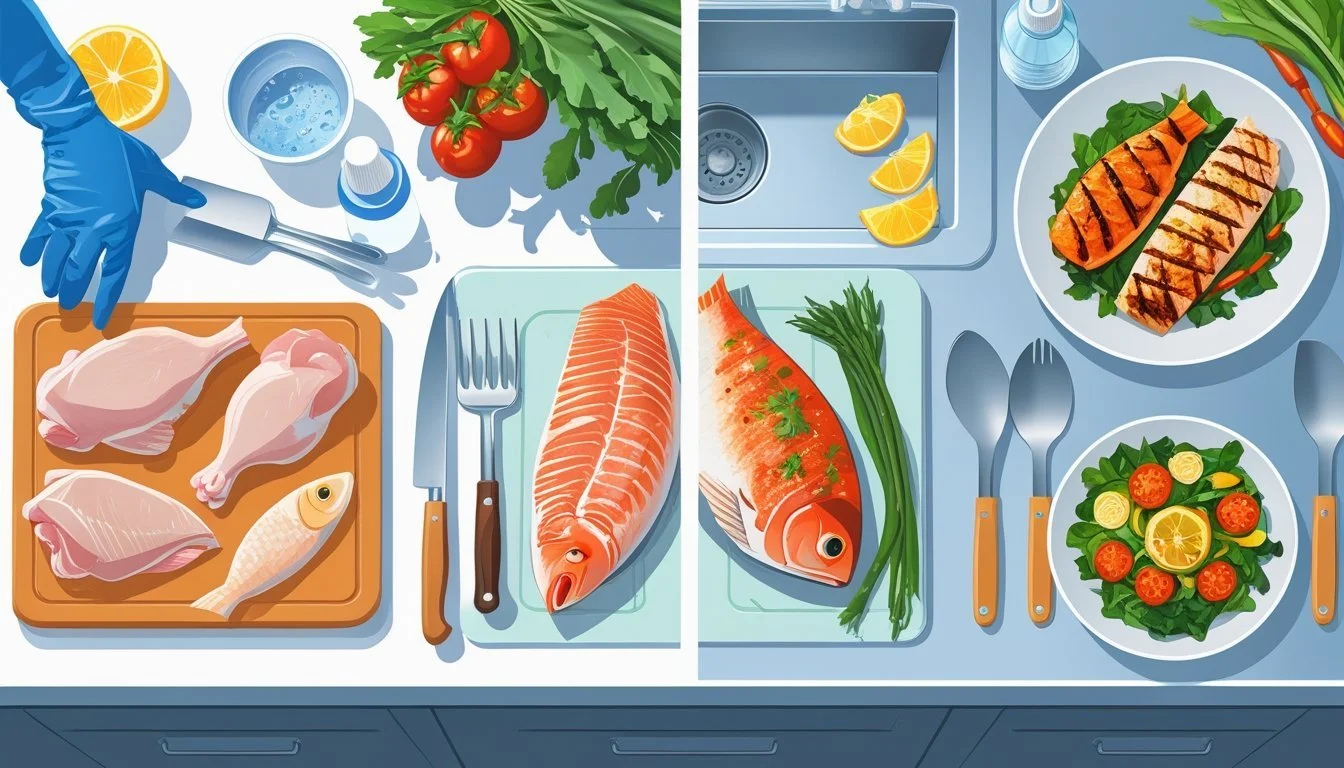
Strict food safety practices help lower the risk of foodborne illnesses when working with raw and cooked foods. Understanding how bacteria and viruses spread during food preparation is essential to avoid cross-contamination, ensure safe consumption, and maintain dish quality.
Handling Risks of Raw Dishes
Raw dishes like sushi, tartare, and salads come with higher risks of harboring harmful pathogens, including Salmonella, E. coli, and Listeria. These organisms thrive on uncooked meats, seafood, and even some raw vegetables.
People preparing raw meals should use ingredients from reputable sources and store them at the correct temperatures (below 4°C or 40°F for most foods). Proper hand washing before and after touching raw foods is critical.
Using separate cutting boards and utensils for raw and cooked items avoids cross-contact. In settings where multiple people handle food, such as buffets, the risk of contamination increases. Consistent hygiene protocols, such as sanitizing surfaces and washing hands frequently, lower these risks significantly.
Cooking for Foodborne Illness Prevention
Cooking food to the recommended internal temperatures reduces the risk of foodborne illnesses. Heat effectively kills most bacteria, viruses, and parasites that can cause health problems if consumed.
Meats, poultry, and fish each require specific minimum temperatures:
Food Type Minimum Safe Temperature Poultry 74°C (165°F) Ground meats 71°C (160°F) Fish 63°C (145°F)
Leaving cooked food out at room temperature for more than two hours can allow bacteria to multiply. Proper reheating—bringing food to at least 75°C (167°F)—also helps destroy lingering pathogens. Monitoring cooking processes closely prevents overcooking while ensuring food safety.
Safe Preparation Techniques
Safe food preparation addresses both hygiene and storage. Cooks must wash hands, utensils, and surfaces thoroughly before starting and between handling different ingredients.
A few key guidelines include:
Store raw and cooked foods separately in the refrigerator.
Always use clean, sanitized tools for each step.
Quickly refrigerate leftovers within two hours to minimize bacterial growth.
Keeping work surfaces clean and organized reduces cross-contamination. Food handlers should avoid using the same equipment for raw meats and ready-to-eat foods without proper cleaning in between. Observing these routines protects against foodborne illness and maintains ingredient quality.
Substituting Raw and Cooked Proteins: The Case of Shrimp
Choosing between raw shrimp and cooked shrimp hinges on nutrition, safety, and how the shrimp fits into specific recipes. The preparation method also matters, especially for dishes like shrimp scampi and shrimp salad.
Nutritional Differences in Raw vs Cooked Shrimp
Raw shrimp and cooked shrimp both provide high-quality protein and essential nutrients, including selenium, vitamin B12, and iodine.
A typical 3-ounce (85-gram) serving of raw shrimp offers around 60-70 calories, 13-15 grams of protein, and less than 1 gram of fat. Cooking increases the calorie content slightly due to moisture loss and any added fats during preparation.
Nutrient Raw Shrimp (3oz) Cooked Shrimp (3oz) Calories 60–70 80–90 Protein (g) 13–15 17–19 Fat (g) <1 1–2
Cooked shrimp may have more sodium, especially if pre-cooked or packaged for convenience. Consumers mindful of sodium intake should check labels on frozen cooked shrimp.
Cooking Methods: Shrimp Scampi and Salad Applications
Raw shrimp is preferred for dishes like shrimp scampi, where the shrimp cook quickly in garlic, butter, and wine. Starting with raw shrimp lets them absorb flavors during the cooking process and develop optimal texture.
For cold uses such as shrimp salad, cooked shrimp is both convenient and effective. These shrimp only need thawing and perhaps a brief rinse before tossing with vegetables and dressing.
Shrimp scampi: Best with raw shrimp; cooked shrimp may become rubbery if reheated.
Shrimp salad: Ideal for cooked or frozen cooked shrimp, as no further cooking is needed.
Tip: If substituting cooked shrimp for raw in a hot dish, add the cooked shrimp at the very end just to warm through, avoiding overcooking.
Food Safety and Proper Handling of Frozen Cooked Shrimp
Frozen cooked shrimp offer ready-to-eat convenience but require careful handling to avoid foodborne illness. They should be thawed in the refrigerator or under cold running water, not at room temperature.
Always inspect cooked shrimp for off smells or unusual texture before use. Avoid refreezing thawed shrimp.
When incorporating into salads or other dishes, keep shrimp chilled until just before serving. In hot applications, only heat them briefly. According to food safety guidelines, any shrimp—raw or cooked—should be consumed promptly and stored at safe temperatures (below 40°F or 4°C) to prevent bacterial growth.
Plant-Based Substitutions and Nutritional Impact
Substituting animal products with plant-based alternatives can influence both taste and nutrition depending on the ingredients and preparation techniques used. The impact is shaped by the foods chosen and by whether the substitution happens in raw or cooked form.
Raw vs Roasted Nuts and Almonds
Nuts such as almonds are widely used as substitutes for animal proteins due to their nutrient density. Raw nuts retain more vitamin E, B vitamins, and certain phytonutrients, as some heat-sensitive nutrients can degrade during roasting. However, roasting nuts enhances flavor and texture, making them more palatable for many people.
A key consideration is fat oxidation. Roasted almonds have a higher risk of rancidity over time, because the roasting process can damage healthy fats. Eating roasted nuts may also introduce small amounts of acrylamide, a compound formed when starchy foods are heated, though levels in nuts are typically low.
Calories per serving remain about the same whether raw or roasted, but freshly roasted nuts sometimes have slightly less moisture and marginally more concentrated calories. The glycemic response does not differ significantly between raw and roasted nuts.
Legumes: Kidney Beans and Food Safety
Kidney beans are a nutritional powerhouse but must be cooked to be safely eaten. Raw kidney beans contain phytohemagglutinin, a toxin that can cause severe digestive upset. Soaking and boiling beans destroys this compound, making them safe and digestible.
Unlike some other plant foods, kidney beans cannot be safely sprouted or consumed raw. Cooking kidney beans also neutralizes any residual solanine, a natural compound sometimes present in nightshade plants and, in small amounts, in beans. Properly cooked beans provide high-quality plant protein, complex carbohydrates, and fiber without the risks linked to uncooked legumes.
Boiled kidney beans retain most minerals, though a small percentage of water-soluble vitamins may be lost during cooking. For plant-based meals, always choose cooked kidney beans to ensure food safety and maximum nutrition.
Maximizing Nutritional Value in Everyday Dishes
Preparing dishes with a combination of raw and cooked ingredients helps provide a range of essential nutrients, supports energy levels, and enhances the overall health benefits of meals. Careful food preparation can prevent nutrient loss while maintaining appealing flavors and textures.
Combining Raw and Cooked Ingredients
A mixed approach to food preparation often ensures a broader nutritional profile. Some nutrients, like vitamin C in raw bell peppers or folate in raw spinach, are sensitive to heat and are best preserved when uncooked. Others, such as lycopene in tomatoes or beta-carotene in carrots, become more bioavailable after cooking.
Combining raw and cooked items in a dish can be simple. For example:
A salad with raw beets, cabbage, and steamed asparagus
Stir-fried zucchini with raw leafy greens
Grilled eggplant added to a cabbage slaw
Including both raw and cooked forms of vegetables like beets and cauliflower ensures access to antioxidants such as betalains and glucosinolates, which may be reduced during extensive heating. A varied approach can support both heart health and optimal energy throughout the day.
Retaining Nutrients During Food Preparation
The way food is prepared directly impacts nutrient retention. Minimal use of water in cooking—by steaming instead of boiling—reduces the loss of water-soluble vitamins such as B vitamins and folate. If boiling is necessary, using the cooking water in soups or sauces reclaims some nutrients lost in the process.
Chopping vegetables only just before use and avoiding prolonged soaking also help limit nutrient loss. Using lower cooking temperatures and shorter cooking times, especially with sensitive vegetables like zucchini and bell peppers, can protect heat-sensitive vitamins.
Table: Heat Sensitivity and Preparation Tips
Vegetable Recommended Prep Key Nutrient Beets Steam or roast, peel raw Betalains Cabbage Slice raw, quick stir-fry Vitamin C Asparagus Steam, add to salads Folate Cauliflower Light steam, eat raw Glucosinolates
Balancing Taste, Texture, and Nutrition
Enjoyment plays a key role in long-term healthy eating habits. Both cooking and consuming foods raw affect flavor and texture, so choosing preparation methods should account for these changes as well as nutritional value. Lightly sautéed eggplant offers a soft texture, while raw cabbage provides crunch and a fresh taste.
Pairing raw and cooked elements on the same plate also encourages diverse eating experiences, which can lead to higher intake of micronutrients. Use dressings or light seasoning for raw vegetables to enhance palatability without sacrificing nutrition. Rotating different vegetables—such as bell peppers, zucchini, and asparagus—in both raw and cooked forms adds variety and ensures a broader spectrum of vitamins and minerals.
Achieving a balance between raw and cooked dishes helps maintain flavor, texture, and nutritional value, promoting heart health and improved daily energy.

