
Substitution in Molecular Gastronomy
Innovative Ingredient Swaps for Creative Cooking
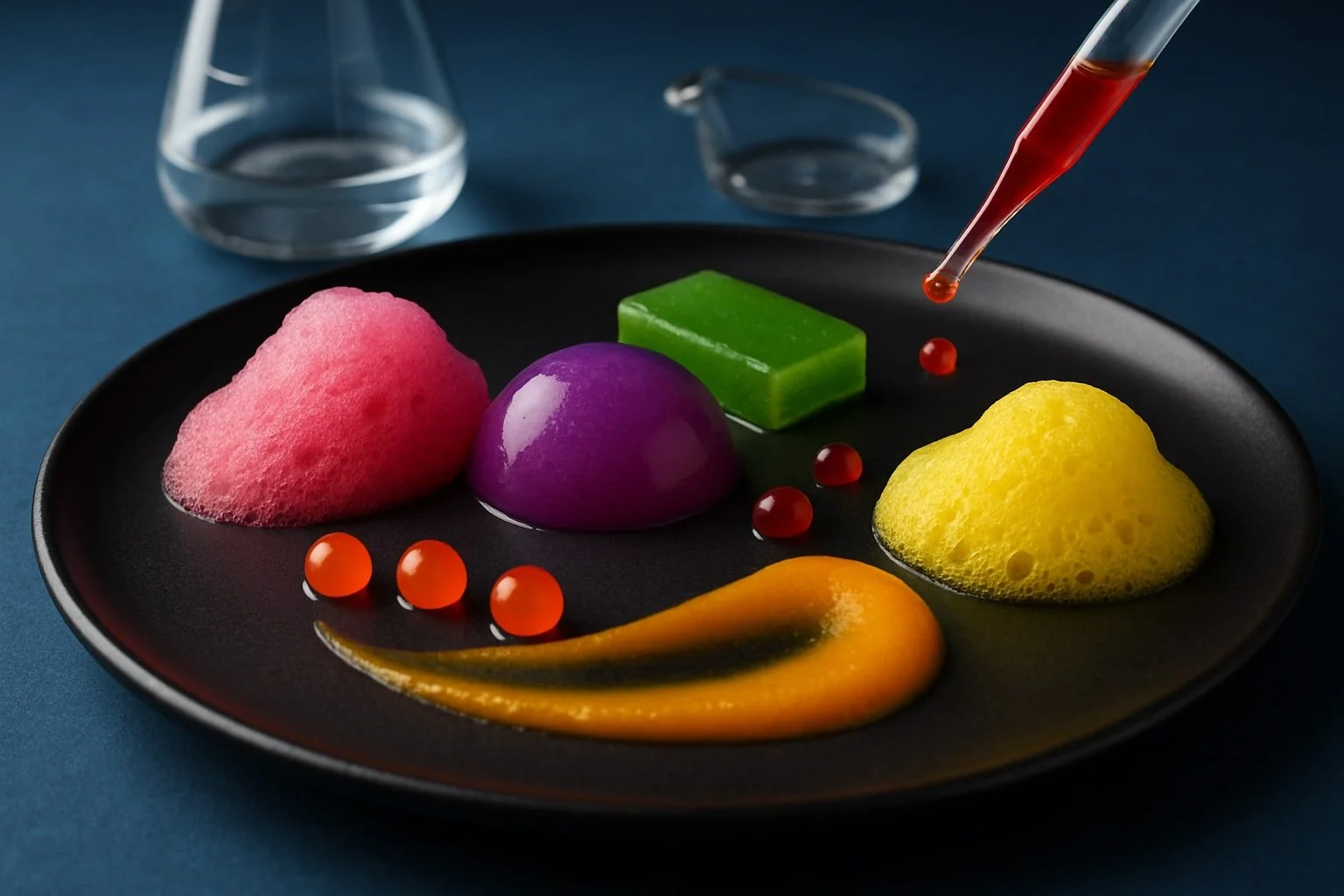
Molecular gastronomy combines food science and culinary creativity, encouraging chefs to rethink ingredients and techniques in the kitchen. Substitution plays a key role in this field, allowing cooks to swap traditional ingredients for alternatives that can change texture, appearance, and even nutritional content without sacrificing overall quality. Understanding ingredient substitutions in molecular gastronomy helps chefs innovate while meeting dietary needs and keeping dishes interesting.
This approach often uses scientifically tested methods and tools to achieve desired effects—like using plant-based gelling agents instead of animal-derived gelatin or transforming liquids into foams to create new sensory experiences. By exploring these substitutions, chefs and home cooks can open up a wider range of possibilities in modern cooking.
Fundamentals of Substitution in Molecular Gastronomy
Substitution in molecular gastronomy relies on a deep understanding of food chemistry and the science of ingredient interactions. Effective substitutions require precision, as changes in the chemical makeup of ingredients can significantly alter the outcome of advanced cooking techniques.
Scientific Principles and Food Chemistry
Molecular gastronomy investigates how physical and chemical changes occur during cooking. The discipline draws from chemistry, biochemistry, food science, and physics to explain how ingredient combinations and cooking methods affect food texture, flavor, and appearance.
When replacing traditional ingredients, chefs must consider molecular properties such as solubility, emulsification, and gelation. For example, hydrocolloids like sodium alginate or agar replace egg proteins to create gels or foams due to their similar gelling properties but different chemical structures. Understanding how temperature, pH, and concentration impact these reactions is essential for reliable results.
A solid grasp of food chemistry ensures that substitutions do not disrupt core processes like denaturation, caramelization, or the Maillard reaction. Precision in measurement and process control is critical, as even small chemical changes can produce unexpected or undesirable culinary transformations.
Role of Ingredient Substitution
Ingredient substitution enables molecular gastronomy to push the boundaries of traditional culinary arts. Substitutes may be chosen for dietary needs, novel presentation, sustainability, or to achieve unique textures and flavors not possible through conventional food products.
Common ingredient substitutions include using plant-based thickeners in place of animal gelatins or using calcium salts to induce spherification instead of traditional starches. The success of substitution depends on mimicking key functional roles, such as thickening, stabilizing, or flavor enhancement. Chefs often rely on a combination of laboratory research and culinary testing to determine which food substitutes best replicate the desired culinary properties.
Substitutes must also be assessed for compatibility with modern cooking techniques, including sous vide, emulsification, or foaming. Each material has unique characteristics impacting how it behaves under heat, pressure, or agitation.
Impact on Culinary Transformations
Substituting ingredients at the molecular level can alter the fundamental culinary transformations during food preparation. Changes in the chemical composition can affect processes like gelation, emulsification, or enzymatic browning, resulting in different textures, appearances, and tastes.
For example, using agar instead of gelatin in a mousse affects its melting point and mouthfeel, leading to a firmer and sometimes less creamy final product. Replacing traditional flours with modified starches impacts viscosity and gelatinization behavior in progressive cuisine.
Chefs must anticipate how substitutions change the kinetics of reactions, such as protein denaturation or sugar caramelization. The interplay between ingredients, temperature, and technique often requires careful adjustment. Precision in these culinary processes ensures that the desired transformation—whether it’s spherification, foaming, or gelling—is reliably achieved regardless of the food substitutes used.
Techniques and Methods for Ingredient Substitution
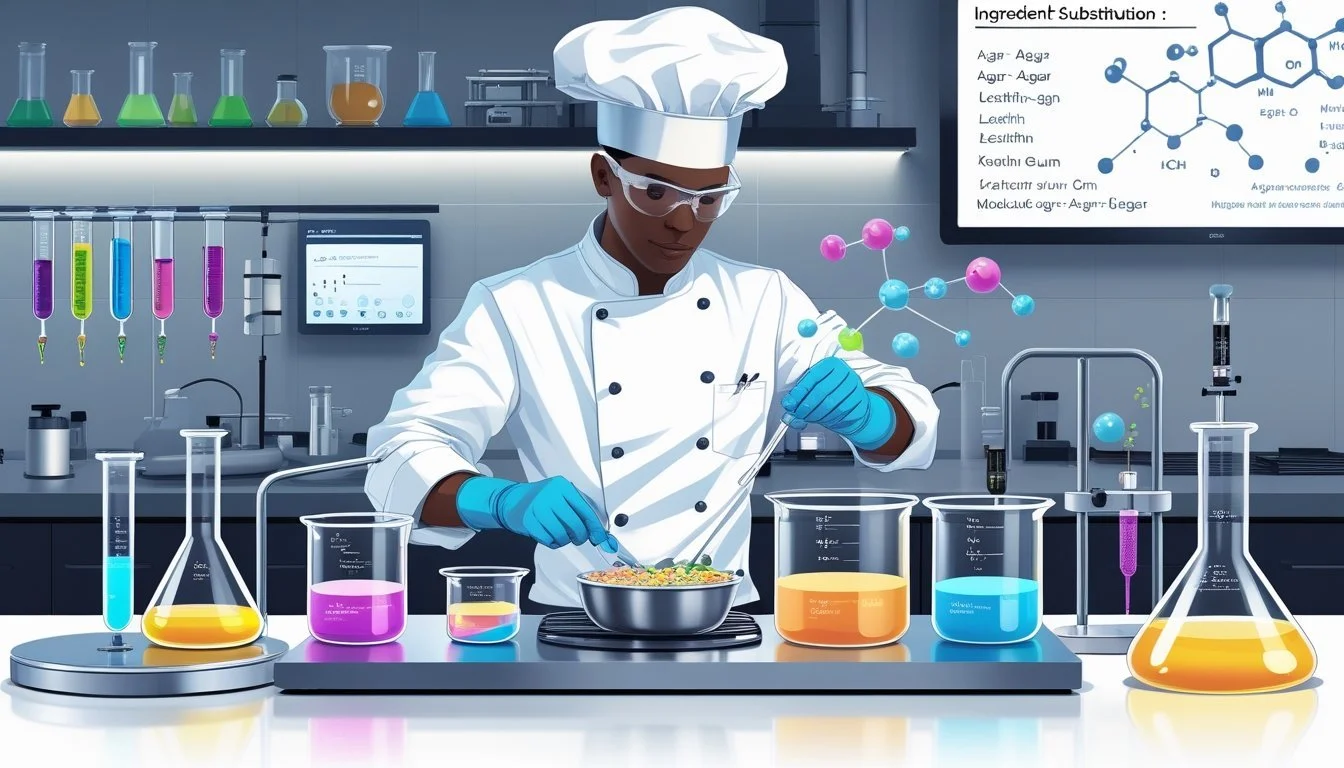
Ingredient substitution in molecular gastronomy depends on understanding physical and chemical interactions between components. Successful substitutions require knowing which alternative replicates texture, stability, and other properties crucial to modern food preparation.
Emulsifiers and Thickeners
Emulsifiers and thickeners are frequently swapped in molecular cooking to alter viscosity or texture without changing flavor. Common thickeners include agar-agar (from seaweed), xanthan gum, and gelatin. Each provides different gel strengths, melting points, and mouthfeels.
Example Table: Thickeners and Their Main Properties
Ingredient Source Use Case Notes Agar-agar Seaweed Gelification Vegetarian, heat stable Xanthan gum Fermentation Viscosity, thickening Works cold or hot Gelatin Animal Soft gels, foams Not vegetarian, melts easily
Emulsifiers like lecithin or mono- and diglycerides stabilize oil-water mixtures. When substituting, consider fat content and interfacial tension to avoid separation. For vegan preparations, sunflower lecithin is a common replacement for soy lecithin or egg yolks.
Spherification and Foaming
Spherification relies on sodium alginate and calcium compounds to create spheres with liquid cores. Substituting either component changes the gel texture. For example, calcium lactate can replace calcium chloride to reduce bitterness without sacrificing gelling efficiency.
Key elements include the concentration of sodium alginate and the calcium ion source. Using different gelling agents, like agar or gellan gum, changes the chemical composition and stability of spheres.
Foaming in molecular gastronomy uses emulsifiers and stabilizers to trap air or gas. Soy lecithin replaces egg whites for vegan foams, while xanthan gum enhances foam stability. The choice of liquid also matters since acidity and fat content affect foam formation.
Sous Vide and Flash-Freezing
Sous vide cooking offers precise temperature control, which influences ingredient compatibility and potential substitutes. For example, substituting a lean protein with a fattier cut requires adjusting both cooking temperature and duration for optimal texture.
Flash-freezing, often performed with liquid nitrogen, allows chefs to substitute fresh fruits or purees for elements that require rapid solidification. If liquid nitrogen is unavailable, alternatives like blast freezers can replicate some effects but with less speed and lower texture contrast.
Both techniques affect the molecular structure of ingredients. Accessibility, food safety, and desired end results should all be considered when selecting substitutes or processing methods.
Selecting and Adapting Ingredients
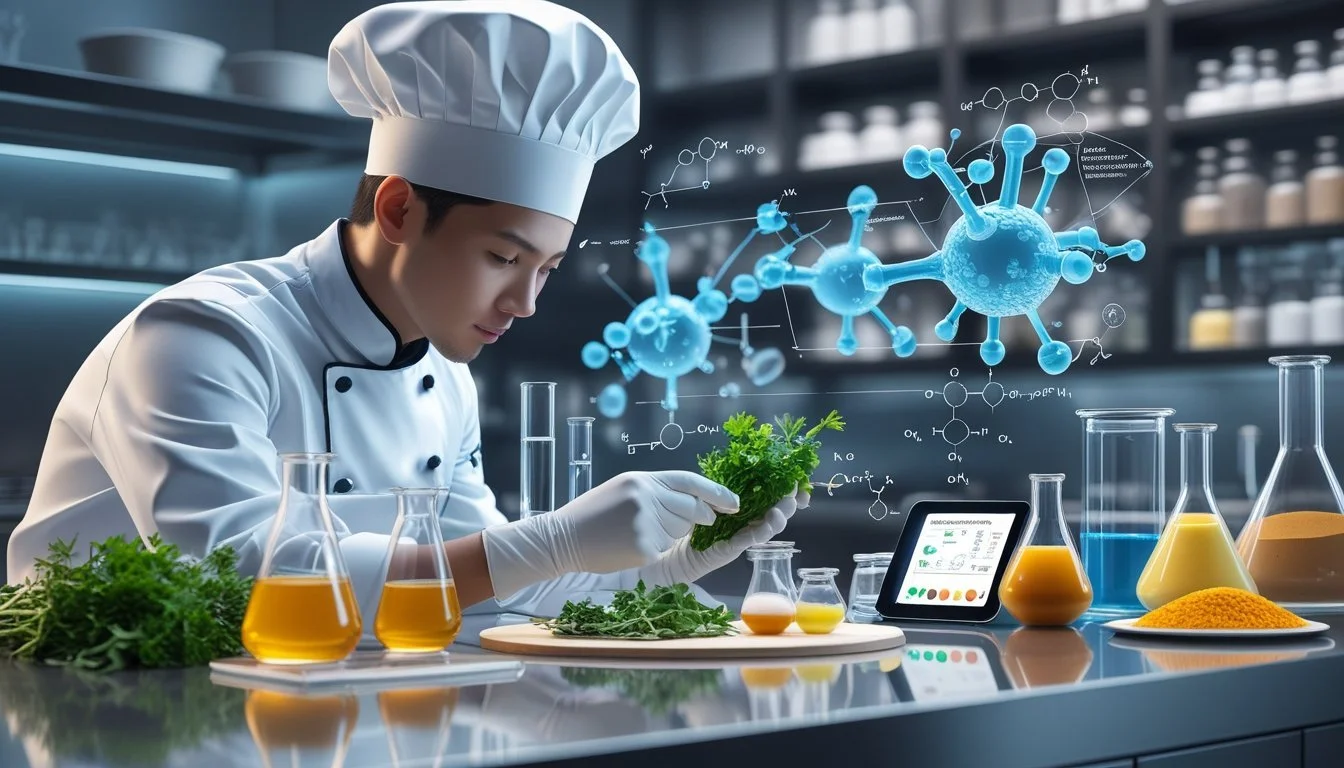
Ingredient substitution in molecular gastronomy requires careful consideration to maintain desired sensory characteristics, food safety, and nutritional value. Attention to flavor, texture, and chemical properties helps ensure results that meet culinary goals while considering dietary needs.
Flavor and Texture Adaptations
Food scientists emphasize that both flavor and texture must be evaluated when replacing any ingredient. The molecular makeup of each substitute will influence not just taste but also mouthfeel, aroma, and even appearance.
For example, when replacing a classic ingredient like gelatin with agar-agar for a vegetarian dish, one should account for agar’s firmer, less elastic texture. Herbs and spices may also need adjustment to align with stronger or milder flavors introduced by substitutes.
Flavor pairings can be contrasted and balanced using the principles of molecular gastronomy. Lists and tables of compatible flavors—rooted in the chemical profiles of ingredients—facilitate choices that respect the dish’s integrity. For instance:
Original Ingredient Substitute Notes on Flavor/Texture Gelatin Agar-agar Firmer texture, neutral taste Cream Coconut milk Rich mouthfeel, slight coconut note
Dietary Restrictions and Nutritional Needs
Those developing recipes must identify dietary restrictions early, whether for allergies, vegan diets, or other needs. Ingredient selection can impact not only safety but nutritional content and possible health benefits.
Substitutes such as nut-based milks replace dairy for lactose intolerance, while chia seeds or flaxseeds can mimic eggs in vegan cooking. Each selection can alter protein, fat, and micronutrient content. Evaluating bioactive compounds is also crucial if health or antioxidant properties are desired, as different alternatives vary in their nutritional profiles.
When adapting for dietary needs, clear labeling and documentation of each ingredient’s properties help chefs and diners make informed decisions. Collaboration between chefs and food scientists can optimize both sensory properties and nutritional value.
Acidic Components and Food Safety
The acidity of ingredients plays a crucial role in both taste and food safety. Acidic components can influence flavor brightness and are often necessary for processes like gel formation or preservation.
Swapping lemon juice with vinegar, for example, alters not only acidity levels but the accompanying volatile flavor compounds. Food scientists note that the right pH must be maintained for proper shelf life and safe consumption, especially when working with proteins or fermented ingredients.
A quick reference:
Citric acid: Enhances antioxidant properties, brightens flavors, increases shelf life.
Vinegar: Alters sensory profile and can impact gel set and preservation.
Yogurt or buttermilk: Impart lactic acid, affecting both taste and microbial stability.
Every substitution involving acid must be measured carefully to keep dishes safe and palatable. Proper monitoring preserves desired sensory characteristics while minimizing risks.
Applications of Substitution in Progressive Cuisine
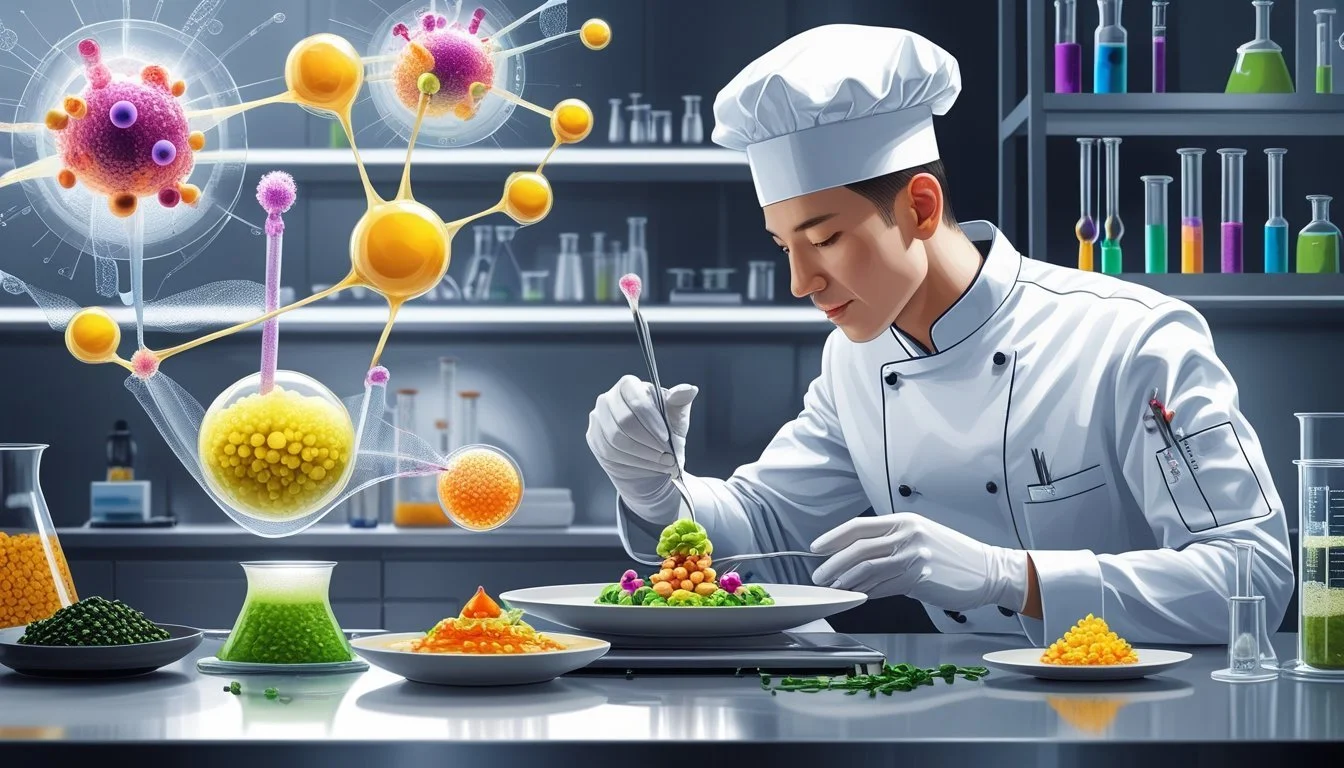
Ingredient substitution in molecular gastronomy reshapes food production, bringing greater culinary precision and advancing food technology. These practices create new textures, flavors, and visual experiences, redefining traditional approaches in the culinary arts.
Case Study: Ice Cream Innovations
Modernist cuisine leverages ingredient substitution to create ice cream with unique qualities. Traditional dairy and egg bases are often replaced with plant-based milks, coconut cream, or even non-dairy stabilizers such as xanthan gum or methylcellulose. These agents not only address dietary restrictions but also produce smoother mouthfeel and slower melt times.
Food technology allows chefs to control freezing rates using liquid nitrogen, resulting in smaller ice crystals and a silkier texture. By manipulating base ingredients and freezing techniques, chefs achieve precise flavors and textures that cannot be replicated by conventional methods.
Ingredient substitution enables customization. For example, sugar can be replaced by alternatives like erythritol or stevia, allowing chefs to adapt recipes for low-sugar or diabetic-friendly food products while maintaining the expected taste and texture.
Substitution in Salad Dressings
Salad dressings have seen advancements in both composition and stability through targeted ingredient swaps. Emulsifiers like soy lecithin or xanthan gum often replace traditional egg yolk to stabilize emulsions, catering to vegan diets or food safety regulations in food production.
Fat content can be reduced or altered by substituting olive oil with avocado puree or lower-calorie oils, adjusting flavor profiles while optimizing nutritional value. Acidic agents such as fruit-based vinegars or yuzu juice can provide distinct regional flavors or meet dietary preferences.
Substituting ingredients in dressings not only expands flavor options but also enhances shelf stability, making preparations more appealing for commercial and modern culinary practices. This allows for creativity without sacrificing the signature texture or pourability expected in classic dressings.
International Approaches in Global Cuisine
Culinary practices worldwide embrace substitution to reinterpret traditional dishes. Chefs in Japan may use agar-agar instead of gelatin, creating plant-based desserts with unique textures suited for global cuisine and various dietary requirements.
Mediterranean culinary arts see olive oil substituted with local nut oils or fruit purees, altering not just flavor but also functional roles in sauces and marinades. In India, chickpea flour can replace wheat in batters, making classic preparations gluten-free while retaining desired crispness.
Substitution supports adaptation to local ingredients, technological dietary needs, and cultural preferences. This approach in food technology not only diversifies regional offerings but also promotes sustainability by utilizing available resources strategically.
Notable Figures and Pioneering Discoveries
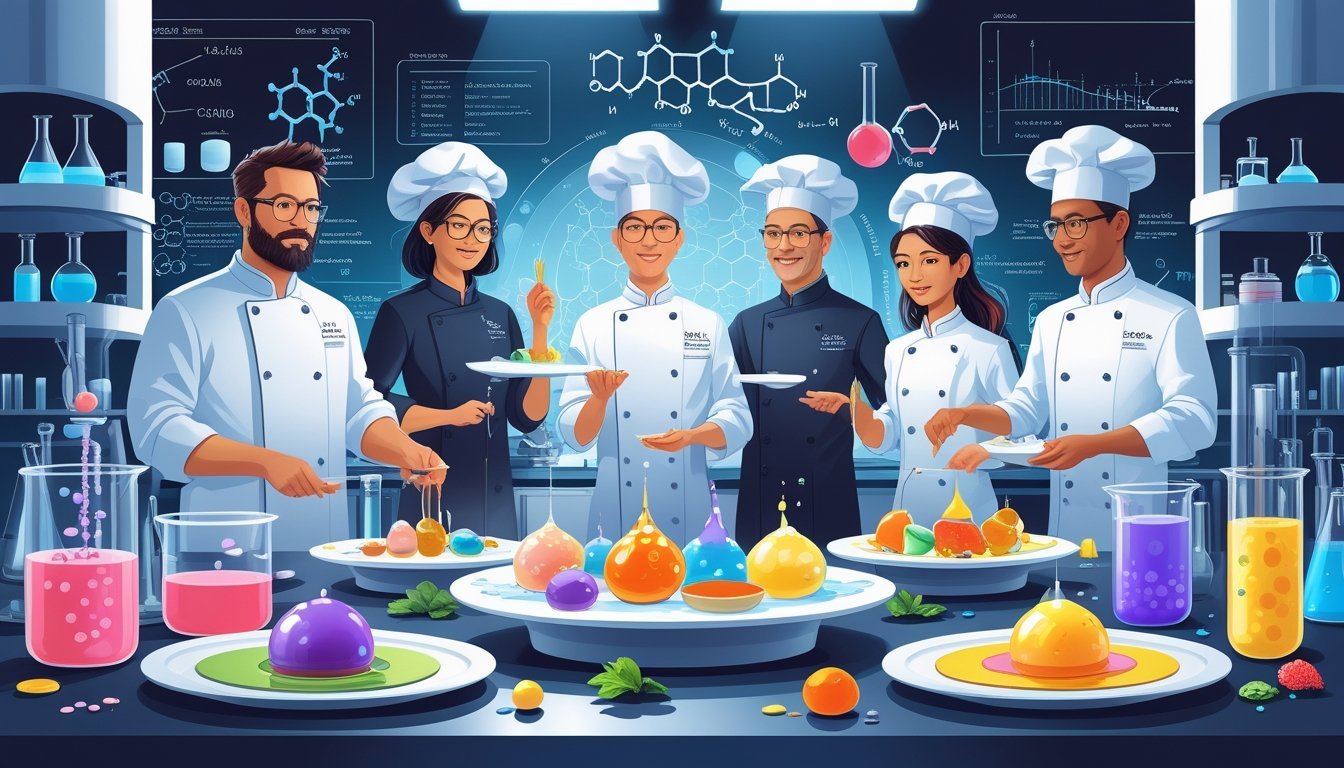
Substitution in molecular gastronomy has developed through the combined work of chefs and scientists. Key contributors have advanced both the scientific understanding and practical applications of ingredient replacement and transformation.
Heston Blumenthal and Modernist Innovation
Heston Blumenthal is recognized for merging culinary science with creative cooking at The Fat Duck. He applies food chemistry to reimagine classic dishes by altering textures and flavors through substitution techniques.
Some of Blumenthal's most notable breakthroughs include the use of unconventional thickening agents and the precise control of temperature for ingredient substitution. He popularized the use of liquid nitrogen in kitchens to instantly freeze ingredients, allowing chefs to substitute new textures.
He often challenges conventional pairings, demonstrating that scientific reasoning supports surprising but harmonious flavor combinations. Blumenthal's methods have been crucial in showing how modernist cuisine can leverage science for both practical substitutions and new taste experiences.
Hervé This and the Chemistry of Cooking
Hervé This, often titled the "father of molecular gastronomy," has made significant contributions to the study of food chemistry. His research has directly shaped the way chefs substitute ingredients at the molecular level.
He demonstrated that the structure and behavior of food molecules determine texture, flavor, and appearance. This paved the way for developing substitutes that mimic traditional ingredients without sacrificing quality.
Specific discoveries by This include techniques for creating stable emulsions and foams from unexpected sources. He has also published numerous papers highlighting the potential of using chemical compounds as substitutes for classic ingredients—expanding the toolset available to culinary professionals.
Nicholas Kurti and Scientific Research
Nicholas Kurti, a physicist, was among the first to advocate for scientific research in the kitchen. He believed that applying physics and chemistry principles could improve both the quality and efficiency of cooking.
Kurti’s experiments with controlling temperature precisely enabled chefs to substitute conventional cooking methods. He is known for demonstrating that even minor changes in preparation, such as sous-vide cooking, can produce significant differences in final taste and texture.
His lectures and writings also emphasized the importance of experimentation for discovering new substitutions. Kurti helped connect the fields of food science and cooking by encouraging collaboration between scientists and chefs.
Influence of the International Workshop on Molecular and Physical Gastronomy
The International Workshop on Molecular and Physical Gastronomy has played a major role in formalizing the scientific study of food. Since the mid-1990s, these gatherings have brought together chefs, food scientists, and researchers.
Workshops have facilitated the exchange of discoveries related to substitutions and innovative cooking techniques. Topics commonly discussed include the physical properties of food, chemical reactions in cooking, and the development of new ingredient alternatives.
Many pioneering advances in culinary science have roots in presentations or collaborations originally fostered at these workshops. By supporting networking and knowledge sharing, the event has been instrumental in advancing the broader field of modernist and molecular gastronomy.
Innovations and Future Directions in Molecular Gastronomy
Recent progress in food technology and biotechnology is reshaping culinary processes. Chefs and scientists are adopting new tools and ingredients to improve precision, redefine textures, and integrate scientific advances into the culinary arts.
Advances in Food Technology and Biotechnology
Food technology and biotechnology are enabling new forms of culinary precision. Key advances include the use of sous-vide cooking, high-pressure processing, and enzyme-based reactions that allow for exact temperature and texture control. This enhances both flavor and safety.
Biotechnology in the kitchen uses fermentation, enzyme modification, and bioengineered flavor compounds. Chefs now create plant-based meats and alternative proteins that closely mimic animal products. These innovations let cooks design novel dishes while addressing concerns about sustainability and nutrition.
Table: Common Biotech Methods in Cooking
Method Main Application Example Fermentation Texture, Flavor creation Miso, Kimchi Enzymatic reactions Structure modification Tenderizing meat Precision fermentation Alternative proteins Plant-based meat
Emerging Tools: Meat Glue and New Ingredients
Transglutaminase, often called "meat glue," is widely used in modern kitchens to bind proteins that would not naturally hold together. This enzyme enables chefs to construct novel foods, such as seamless fish medallions or layered meats, without changing the taste or texture.
Other new ingredients include hydrocolloids like agar or xanthan gum, as well as food-safe foaming agents. Such additives help create stable emulsions, gels, or foams for distinct mouthfeel and presentation. These tools enable culinary innovations that transform familiar dishes into unexpected formats.
Culinary precision is further increased through accurate measurement and dosing systems, which ensure reproducible results with every preparation.
Integrating Molecular Biology in Culinary Arts
The adoption of molecular biology allows chefs to move beyond chemical engineering and explore how proteins and enzymes interact at a microscopic level. Scientists collaborate with chefs to alter sensory attributes, enhance aromas, or prolong freshness by modifying protein structures and metabolic pathways.
For example, gene-edited crops can provide tailor-made starches with specific gelling or thickening properties. Enzyme knowledge also guides how to improve food digestibility or produce allergen-free alternatives.
This integration is paving the way for truly novel food processing methods. By applying scientific rigor, the culinary arts can continuously innovate while ensuring safety and consistency in new gastronomic creations.

