
Mastering Substitutions in International Cuisine
Essential Tips for Home Cooks
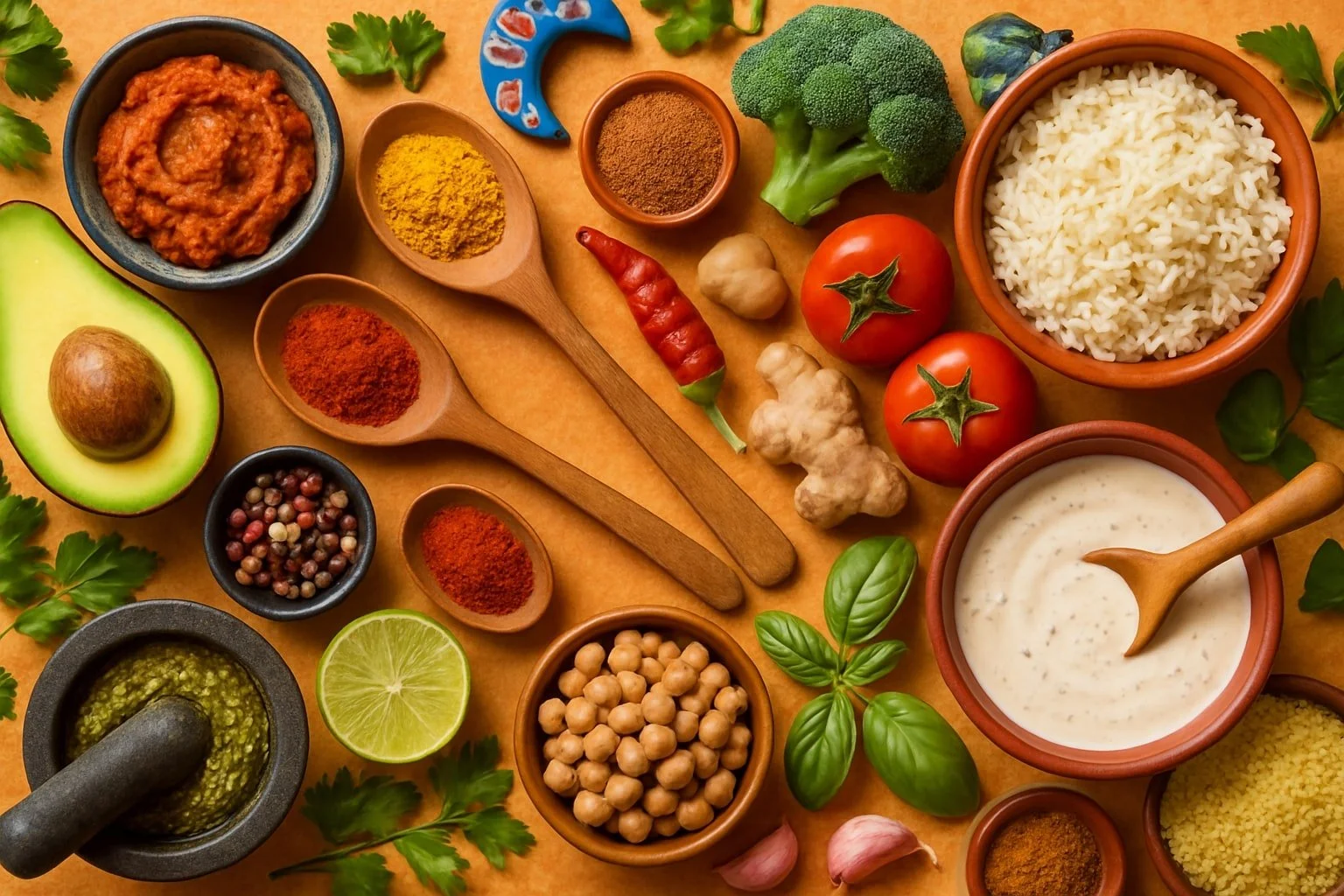
Exploring international cuisines often means encountering unfamiliar ingredients, cooking methods, and flavors. For home cooks and culinary enthusiasts alike, the ability to make smart substitutions opens up global recipes, regardless of what is available at the grocery store. Mastering ingredient substitutions ensures that anyone can recreate authentic tastes and textures from around the world, even when the exact items aren’t on hand.
A thoughtful approach to substitutions does more than just fill ingredient gaps—it helps reduce food waste, accommodates dietary needs, and transforms cooking into a flexible, creative journey. Understanding how flavors, textures, and preparation methods interact allows cooks to travel the globe from their own kitchens while respecting the spirit of each dish.
Understanding Substitutions in Global Cooking

Ingredient substitutions are a practical tool in international cooking, allowing home cooks to adapt recipes to regional availability and dietary needs. Making informed swaps helps maintain or enhance the intended flavors and preserves vital elements of global cuisines.
The Importance of Ingredient Swaps
Adapting international recipes often means dealing with limited access to specific ingredients, especially those unique to certain countries. Substitutions can allow cooks to recreate dishes without sacrificing the core idea or texture.
For example:
Original Ingredient Common Substitute Notes Fish Sauce (Southeast Asia) Soy Sauce + a bit of lime juice Adds umami and acidity Fresh Cilantro Flat-leaf Parsley Similar appearance and texture Eggplant (e.g., for moussaka) Zucchini or portobello mushrooms Comparable consistency
Swapping ingredients can help avoid allergens, lower costs, or meet dietary requirements without missing out on international recipes. Becoming comfortable with these changes empowers cooks to experiment confidently.
Impact on Authentic Flavors
Ingredient substitutions inevitably influence the final flavor profile and authenticity of a dish. The choice of an alternative can shift the taste, aroma, and even appearance of international recipes rooted in specific culinary traditions.
Some substitutions offer a close match in flavor and texture, while others may require blending or combining items to approach the original result. For instance, using smoked paprika instead of Hungarian paprika modifies the heat level and smokiness in goulash.
Cooks need to consider how ingredients balance sweet, salty, sour, bitter, and umami notes typical of global dishes. Prioritizing flavor integrity, even when using substitutes, helps retain the spirit of the cuisine.
Broadening Your Culinary Skills
Mastering ingredient swaps not only helps navigate shortages but also builds essential culinary skills. Identifying substitutes improves a cook’s understanding of ingredient roles in different food cultures.
Practicing substitutions hones the ability to judge which alternatives will work best. It encourages creative thinking—adapting textures, moisture content, and cooking times for both familiar and new ingredients.
Trying various swaps with international recipes fosters deeper knowledge of world cuisines. Over time, cooks develop intuition for maintaining balanced flavors and respecting culinary traditions while making recipes their own.
Essential Ingredient Substitutions Around the World
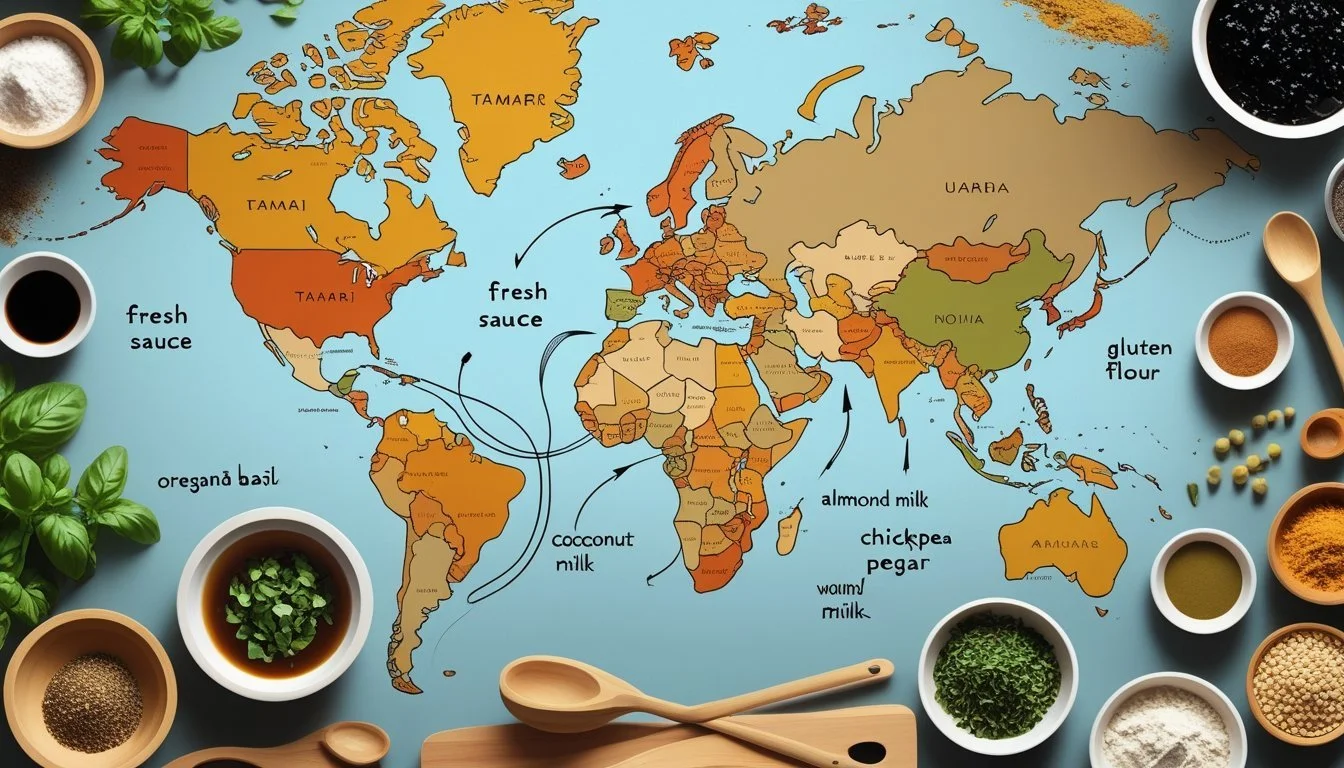
Ingredient substitutions are often necessary when preparing international cuisines, especially when certain items are unavailable. Successfully choosing alternatives preserves core flavors and ensures authenticity while adapting to local pantry options.
Common Substitutions in Asian Cuisine
Asian cuisine often relies on specialty sauces, oils, and herbs. If soy sauce is unavailable, a mixture of Worcestershire sauce and a little salt can serve as a simple substitute. For tamarind paste, equal parts lime juice and a touch of brown sugar can be an effective replacement in sauces or marinades.
Coconut milk, common in Southeast Asian dishes, can be swapped with a blend of regular milk and coconut extract. Dried shiitake mushrooms offer rich umami and can replace fresh mushrooms if needed.
If fresh coriander (cilantro) is not on hand, flat-leaf parsley with a hint of lemon zest adds a similar brightness. Lemongrass can sometimes be mimicked by combining lemon zest and freshly grated ginger.
Original Substitute Soy sauce Worcestershire sauce + salt Tamarind paste Lime juice + brown sugar Coconut milk Milk + coconut extract Fresh coriander Parsley + lemon zest
Substitution Staples in Middle Eastern Cooking
Middle Eastern recipes commonly use spices and herbs like cumin, parsley, coriander, and blends such as za’atar. If za’atar is not available, mix dried oregano, sumac, and sesame seeds for a similar effect. For fresh parsley, dried parsley can work though it’s best to add it earlier in the cooking process to release more flavor.
Cumin, a central flavor in many dishes, can sometimes be replaced with ground coriander or caraway seeds in smaller amounts. When pomegranate molasses is hard to source, a reduction of balsamic vinegar and sugar offers tartness and sweetness reminiscent of the original.
Fresh mint leaves are often used in salads—dried mint can substitute, but reduce the quantity by half due to its concentrated flavor.
Quick Middle Eastern Swap List:
Za’atar: Dried oregano + sumac + sesame seeds
Cumin: Ground coriander or caraway, smaller quantity
Fresh mint: Half as much dried mint
Parsley: Dried parsley added early
Western Alternatives for Global Flavors
Western kitchens sometimes need to adapt with widely available staples. Greek yogurt is a versatile alternative to sour cream or labneh in dips and sauces. If coriander is missing, chopped celery leaves and parsley are a close stand-in for fresh herbal notes.
In Mediterranean cooking, dried herbs like oregano and thyme often replace fresh varieties when needed—use one-third the amount of dried as fresh for similar potency. Olive oil is frequently swapped with neutral oils when strong flavor is not required.
When saffron is unavailable and a yellow tint is needed, turmeric provides color though not the same aroma. Cayenne or paprika are used for heat or color when Asian chili pastes or specific varieties are out of reach.
Needed Ingredient Western Substitute Labneh/Sour cream Greek yogurt Saffron Turmeric (for color) Fresh herbs 1/3 as much dried herbs Coriander Celery leaves + parsley
Flavor Profiles: Balancing Taste When Swapping Ingredients
Substituting ingredients in international cuisine requires careful attention to the dish’s original flavor profile. Balancing tastes and aromas is essential to keep the end result both satisfying and true to the spirit of the cuisine.
Maintaining Traditional Flavor Profiles
When making ingredient swaps, understanding the core flavor components of the dish is critical. Traditional flavor profiles are shaped by elements like sweetness, saltiness, acidity, bitterness, and umami. Each cuisine often leans on a specific balance of these tastes. For example, Thai curries rely on a harmony between sour, sweet, spicy, and salty notes.
To keep global flavors authentic, use a substitution table:
Original Ingredient Common Substitute Notes Fish sauce (Thai) Soy sauce + lime juice Adds salt and acidity, but less nuanced funk Ghee (Indian) Unsalted butter Similar mouthfeel, less nutty aroma Smoked paprika (Spanish) Sweet paprika + cumin Cumin gives depth, but lacks smokiness
Using substitutions that match not just taste, but also aroma and mouthfeel, helps preserve the culinary identity of the dish.
Enhancing Dishes with Herb Substitutions
Herb substitutions must consider both flavor strength and aromatic qualities. Swapping cilantro for flat-leaf parsley, for instance, can provide freshness but misses the citrus-like notes cilantro brings to Mexican salsas or Indian chutneys.
When substituting herbs, test small amounts first, as potency can vary. Strongly flavored herbs like rosemary can overpower a dish meant to be delicate. In Mediterranean cuisine, fresh oregano can be used in place of thyme, but it shifts the overall flavor profile toward a more intense, peppery note.
Key guidelines:
Choose herbs with similar flavor intensity and aroma.
Use fresh herbs at the end of cooking for the most impact.
Adjust quantity based on the herb’s strength to avoid imbalance.
Thoughtful herb substitutions can enhance a dish while maintaining a connection to its authentic origins.
Adapting to Dietary Restrictions and Food Allergies
Meeting the needs of diverse eaters often requires substituting core ingredients, especially when addressing allergies or dietary preferences. Accurate swaps maintain both flavor and texture, ensuring recipes remain enjoyable for everyone.
Dairy Substitutions for Special Diets
When adapting recipes for those who are lactose-intolerant or allergic to milk proteins, it's necessary to select suitable alternatives that replicate both taste and function.
Common Dairy Swaps
Dairy Ingredient Substitute Options Notes Milk Almond, oat, soy, or rice milk Choose unsweetened for savory dishes Cream Coconut cream, cashew cream, soy cream Adjust for sweetness or thickness Butter Vegan butter, margarine, olive oil Solid fats work best in baking Cheese Nut-based cheeses, soy-based cheeses Use unflavored varieties for cooking
For sauces, unsweetened non-dairy milks prevent unwanted flavors. Plant-based creams (like coconut or cashew) thicken soups or curries well. Seek out vegan margarine or oils for baking and sautéing.
Avoiding cross-contamination is essential. Clean utensils and preparation areas thoroughly to keep allergens out.
Sugar Alternatives for Healthier Meals
Adapting global recipes for those with diabetes, prediabetes, or seeking lower-calorie options often involves switching out refined sugar for healthier choices.
Popular Substitutes Include:
Stevia and monk fruit: zero-calorie, concentrated, best for drinks or cold desserts.
Honey and maple syrup: natural, add their own distinct flavors, and work in sauces or baked goods.
Date syrup or puréed dates: offers fiber, used in Middle Eastern and African sweets.
Coconut sugar: low glycemic, caramel flavor, can brown like regular sugar.
Accurate substitutions depend on the recipe. For yeast breads, use coconut sugar or honey to support fermentation. Stevia should be added sparingly due to its strength. Always check if conversion is one-to-one; some alternative sweeteners require adjustment for moisture or bulk.
Vegan and Allergen-Friendly Swaps
Common allergens like eggs, nuts, soy, and gluten often require creative substitutions without sacrificing dish identity—especially in traditional international dishes.
Egg alternatives are crucial for vegan and egg-allergic individuals:
Flaxseed or chia seed gels (1 tbsp seed meal + 3 tbsp water = 1 egg)
Commercial egg replacers for binding in baking
Silken tofu as a binder in savory Asian recipes
Nuts in sauces or baked goods can be swapped for roasted seeds or seed butters. Tahini and sunflower seed butter often work well where peanut or almond butter is called for.
Soy allergies need extra care—substitute with coconut aminos for soy sauce or chickpea-based miso for standard miso.
Gluten-free flours such as rice flour, buckwheat, or certified gluten-free oat flour replace wheat. Blend several flours with xanthan gum to mimic wheat texture.
Clear labeling and knowledge of hidden allergens in spice blends and pre-prepared sauces are critical for safety. Adjust seasoning after substitutions to preserve the dish’s original character.
Mastering Substitutions in Cooking Techniques
Adapting international recipes requires not only changing ingredients but also modifying how food is cooked and prepared. Technique substitutions can help maintain the desired texture and flavor, even when original methods or equipment are unavailable.
Adjusting Cooking Methods
Different cuisines rely on unique cooking methods such as roasting, grilling, or steaming. When direct access to a tandoor or charcoal grill is not possible, alternatives like using a conventional oven or stovetop grill pan can yield similar results. For example, roasting spices in a dry pan can develop complex flavors similar to toasting them over an open flame.
When baking international breads or pastries, substitutions for steam-injected ovens can include placing a tray of water at the bottom of a standard oven. This mimics humidity, giving baked goods a better crust. Consider the following list for common method adjustments:
Charcoal grill substitute: Broiler or stovetop grill pan
Open-fire roasting: Oven broiling
Indoor steaming: Steamer basket or microwave steaming
Understanding how heat and time influence food helps make better substitutions. Consistent monitoring, temperature adjustments, and using available appliances are crucial when adapting traditional methods.
Transforming Food Preparation
International dishes often depend on specialized food preparation, such as fine chopping, marinating, or fermenting. If a recipe calls for hand-chopped meat, a food processor set to pulse mode can achieve a similar texture. In recipes requiring traditional mortar and pestle, a heavy-duty blender or spice grinder can be used for grinding spices or pastes.
Ingredient substitutions in baked goods may require changing preparation steps. For example, using Greek yogurt instead of sour cream can alter batter consistency, so adjustments to mixing times or hydration may be needed. Knife skills, such as julienning or chiffonade, can be replicated with mandolins or food slicers for efficiency.
Below is a quick-reference table for common food preparation substitutions:
Original Technique Substitute Tool/Method Mortar and pestle Spice grinder or blender Hand chopping Food processor (pulse mode) Manual dough kneading Stand mixer with dough hook Traditional marinating Vacuum-seal marinade bags
Making informed choices about preparation techniques ensures that texture and taste remain as close to the original as possible. Practice and adjustment are key to successful substitutions.
Baking-Specific Ingredient Swaps
Effective substitution in baking hinges on understanding how changes affect structure, taste, and texture. Precision with ingredient types, ratios, and techniques ensures reliable outcomes, especially when adapting international recipes.
Creative Leavening Agent Replacements
Leavening agents determine the rise and crumb of baked goods. Baking powder and baking soda are not direct substitutes, as each reacts differently. For each teaspoon of baking powder needed, blend 1/4 teaspoon baking soda with 1/2 teaspoon cream of tartar and bake immediately. If out of baking soda, one teaspoon of baking powder can replace 1/4 teaspoon baking soda, but the flavor and lift will differ.
International recipes may call for self-raising flour or ammonium carbonate (hartshorn). For self-raising flour, combine 1 cup all-purpose flour with 1 1/2 teaspoons baking powder and 1/4 teaspoon salt. Ammonium carbonate can often be replaced with an equal amount of baking powder for most home-baked cookies.
Swapping Corn and Its Uses
Corn-based ingredients differ globally, affecting texture and taste. Cornstarch may be labeled as cornflour in some regions and thickens sauces and desserts. When unavailable, potato starch or arrowroot can substitute in equal quantities, though arrowroot works best at lower temperatures.
For cornmeal, used in American baking for cornbread or polenta, fine semolina or ground oats are popular swaps. Use the same volume for semolina, but expect a slightly different crumb. Corn syrup—common in American sweets—can be replaced with golden syrup, honey, or maple syrup at a 1:1 ratio, though the flavor will change.
Optimal Quantity and Ratio Adjustments
Successful ingredient swaps in baking rely on precise quantity and ratio adjustments to maintain the intended structure. Replacing flour with gluten-free blends, for example, may require up to 1/2 teaspoon extra binding agent (like xanthan gum) per cup to mimic gluten's properties.
Sugar substitutes, such as coconut sugar or honey, often need reduced liquid elsewhere in the recipe. Consider a table for quick reference:
Ingredient Standard Amount Substitution Adjustments Flour 1 cup GF blend +1/2 tsp xanthan gum Brown sugar 1 cup White sugar + 1 Tbsp molasses Mix thoroughly Butter 1 cup Oil (3/4 cup) Reduce liquid in recipe
Testing is recommended, as small ratio changes can impact results in international baking.
Making Sustainable and Eco-Friendly Ingredient Choices
Sustainable ingredient substitutions can minimize environmental impact and support eco-friendly dining. Smart choices can reduce waste, conserve resources, and make international dishes more responsible.
Reducing Food Waste Through Smart Substitutions
Reducing food waste starts by choosing ingredients fully and intentionally. Chefs and home cooks can use every part of a vegetable—such as beet greens, broccoli stems, or carrot tops—by adding them to soups, stews, or sauces rather than discarding them.
Practicing portion control is another strategy. Preparing only what is needed and substituting bulky, perishable items with those that last longer, like root vegetables or dried beans, helps avoid spoilage. Smart storage, like freezing herbs or repurposing leftovers, can further limit waste.
Creative substitutions can also solve common problems. For example, if a specific meat or fish is not available, beans, lentils, or tofu can be used in curries and stir-fries. This not only preserves the integrity of the dish but also uses up what is on hand, further avoiding excess waste.
Table: Ingredient Uses to Reduce Food Waste
Ingredient Use All Parts Substitute/Store Carrots Leaves for pesto Roots for roasting Broccoli Stems for slaw Florets for other meals Herbs Freeze extra for future use Use stems in broths
Selecting Ingredients with Environmental Impact in Mind
Environmental impact varies greatly between ingredients. Beef and lamb generally have a higher carbon footprint than chicken, poultry, or plant-based proteins. Opting for legumes, tofu, or sustainable seafood in place of red meats can cut emissions while still offering global flavor.
Oils and sweeteners can also be chosen wisely. For example, extra virgin olive oil and coconut sugar are more sustainable than palm oil or refined sugars. When a recipe calls for a less sustainable ingredient, seeking certified eco-friendly options or well-managed sources can reduce overall impact.
Sourcing locally grown or in-season ingredients helps further lower the environmental footprint. Choosing lentils instead of imported beans or substituting local vegetables into stir-fries and salads can enhance sustainability without sacrificing taste or authenticity.
List: More Sustainable Alternatives
Replace beef or lamb with lentils, beans, or sustainable seafood
Use plant-based milks or yogurt in place of dairy
Opt for coconut sugar, date sugar, or honey instead of refined sugars
Choose extra virgin olive oil or rapeseed oil rather than palm oil
Personalizing International Recipes by Substituting Ingredients
Adjusting international recipes with ingredient substitutions allows home cooks to tailor dishes to their own tastes, dietary needs, or ingredient availability. Making thoughtful swaps also opens doors to new culinary techniques and flavors that reflect personal cooking styles.
Adapting to Personal Preferences
Personalization starts by identifying which aspects of a dish are essential and which can be modified. For example, those avoiding dairy in Italian recipes can often substitute coconut milk or plant-based cream for heavy cream without sacrificing texture.
Flavor and texture should guide substitutions. Someone sensitive to spicy food might replace hot chili peppers with milder varieties or even sweet peppers. Wheat-based noodles in Asian dishes can be switched for rice noodles or gluten-free options to accommodate allergies.
It helps to keep a table of common swaps handy:
Original Ingredient Substitute Option Notes Soy Sauce Coconut aminos or tamari For gluten-free diets Fish Sauce Soy sauce + seaweed Vegetarian-friendly Yogurt Coconut or almond yogurt Dairy-free alternative Cream Cashew cream or oat cream Vegan substitute
The key is to focus on maintaining the fundamental flavors and textures that make the dish recognizable.
Experimenting with Global Flavors
Ingredient substitutions are not only about necessity; they are also an opportunity to experiment with new flavor profiles. Swapping spices or herbs from another cuisine can create innovative dishes while still honoring the basic recipe structure.
For instance, using lemongrass instead of basil in a marinade can add a Southeast Asian twist. Home cooks often enjoy replacing butter in Indian recipes with olive oil to lend a Mediterranean flair.
When experimenting, it is helpful to review flavor profiles:
Cumin and coriander work well to replace some earthy, warming spices in Middle Eastern and Mexican cuisines.
Smoked paprika can sometimes stand in for harder-to-find Mexican chiles.
A squeeze of citrus can substitute for harder-to-source vinegars or tamarind.
Exploring global spice combinations in familiar recipes lets people discover what aligns best with their palate and curiosity.
Building Confidence in Ingredient Swaps
Confidence in substituting ingredients grows with practice and understanding the role each ingredient plays. Learning whether a component adds structure, flavor, color, or aroma is essential to finding the right replacement.
Cooks should start with small changes and observe the result. If a certain grain, such as bulgur, is missing, try quinoa or couscous and note any texture or flavor differences. Testing portions can avoid waste and provide firsthand knowledge of outcomes.
It can help to refer to trusted resources or culinary guides when making less common swaps. Learning tips such as which non-dairy milks work best for creamy sauces or how to balance salty, sweet, sour, and umami flavors in a stir-fry will make substitutions more successful.
Over time, adjusting international recipes becomes more intuitive, letting each cook create meals that are both adaptive and personally satisfying.

