
Alcohol-Free Substitutions in Gourmet Recipes
Elevating Flavor Without Spirits
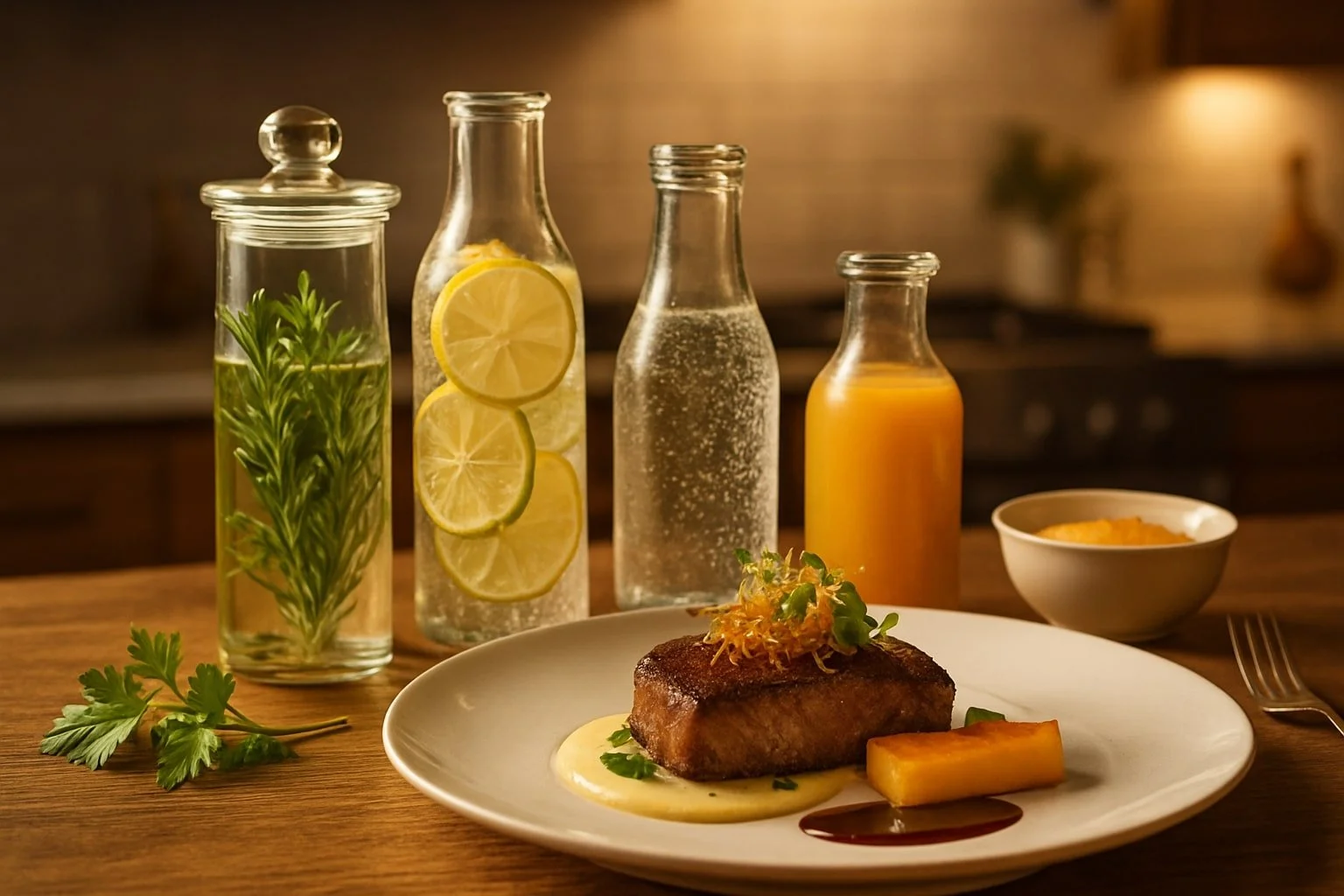
Cooking with alcohol is common in many gourmet recipes, but not everyone wants or can use these ingredients. Whether for health, dietary needs, or personal preference, suitable alcohol-free substitutes allow anyone to enjoy rich flavors without compromising on taste or texture. There are reliable, easy-to-find alternatives for almost every type of alcoholic ingredient in cooking, from stocks and juices to vinegars and syrups.
Home cooks and food enthusiasts may wonder how to replicate the complexity that wine, beer, or liqueurs add to dishes. With the right knowledge, it’s possible to match or even enhance recipes with alcohol-free options, making gourmet meals accessible to all. Choosing correct replacements ensures recipes remain balanced, flavorful, and enjoyable.
Understanding Alcohol-Free Cooking
Cooking with alcohol influences flavor, texture, and aroma, but many alternatives can replace it while still producing excellent results. Using non-alcoholic options allows recipes to meet a range of dietary restrictions and preferences, expanding the appeal of gourmet dishes.
Alcohol’s Role in Gourmet Recipes
Alcohol serves several key purposes in gourmet recipes. It can extract and dissolve flavors that water or fat cannot, enhancing both aroma and complexity in marinades, sauces, and desserts. Alcohol also helps tenderize proteins and deglaze pans, lifting flavorful browned bits for richer sauces.
Typical examples include using wine for risotto, brandy in classic French sauces, or beer in batters. The distinctive flavor profiles of different alcoholic beverages contribute a unique depth that can be challenging to replicate exactly.
Despite its effects, the flavor-enhancing power of alcohol comes from both its volatile compounds and its ability to carry aromas, not just the taste of the alcohol itself. When substituting, it’s important to focus on replicating these features to maintain the balance of the dish.
Benefits of Alcohol Substitutes
Alcohol substitutes allow cooks to accommodate dietary, religious, or health reasons. They also make recipes accessible to children and those avoiding alcohol, broadening who can enjoy these meals. Using non-alcoholic options supports inclusive cooking.
Many substitutes—such as broths, vinegars, and juices—add complexity without the drawbacks of alcohol. For example, white grape juice with a touch of lemon juice can imitate the acidity of white wine, while apple cider vinegar in small amounts can add a bright, tangy note.
Benefits of switching to alcohol substitutes:
Supports dietary restrictions and personal preferences
Reduces safety and allergy concerns
Maintains broad flavor profiles with carefully chosen alternatives
Culinary Considerations for Non-Alcoholic Options
When selecting a non-alcoholic alternative, matching the original drink’s acidity, sweetness, and depth is crucial. Substitutes must blend smoothly with the other ingredients and support the desired texture of the dish. Some options, like reduced broths or fruit juices, mimic the richness or tang typically provided by alcohol.
Cooks must also pay attention to the quantity, as substitutes may differ in intensity. For delicate flavors, lower-sodium stocks or light juices work best. In desserts or glazes, a mix of fruit juice and zest often replaces liqueurs or fortified wines.
A careful balance is needed to avoid overpowering or dulling the intended flavor profile. Experimenting with different combinations can help recreate the signature notes found in gourmet recipes that traditionally use alcohol.
Choosing the Right Alcohol-Free Substitutions

Selecting the ideal alcohol-free ingredient depends on the dish’s intended flavor profile and the purpose the alcohol serves. Identifying whether the alcohol adds acidity, depth, or sweetness will guide the choice of alternatives and maximize flavor enhancement.
Matching Flavor Profiles
For recipes calling for wine, fruit juices such as white grape, apple, or cranberry can mimic acidity and subtle sweetness. Broths, like chicken or vegetable, work well in savory dishes where depth and umami are needed.
Vinegars, including white wine or balsamic (diluted if necessary), offer tartness without introducing unwanted flavors. Non-alcoholic wines also offer a close match, especially in sauces or reductions.
When recipes require liqueurs, extracts such as almond or vanilla, diluted for potency, can provide similar aromatic notes. Spices and herbs should also be considered to fill in any missing complexity from omitted spirits.
Substitution Guidelines by Type of Alcohol
Below is a straightforward table outlining commonly used alcohols and their effective alcohol-free substitutes:
Type of Alcohol Best Substitutes Red Wine Unsweetened grape juice, beef broth, diluted red wine vinegar White Wine White grape juice, chicken broth, white wine vinegar (diluted) Beer (light) Ginger ale, chicken broth, white grape juice Beer (dark) Mushroom or beef broth, coffee Vermouth (dry) White wine vinegar, unsweetened apple juice Vermouth (sweet) Grape juice, balsamic vinegar, non-alcoholic sweet wine Liqueurs Appropriate extract (e.g., almond, coffee), diluted as needed
Adjust sweetness and acidity according to recipe requirements, as substitutes will behave differently when cooked or baked.
Tips for Achieving Flavor Enhancement
Layering flavors with herbs and spices is key. Rosemary, thyme, bay leaf, or star anise can reinforce complexity when alcohol is omitted.
Consider reducing fruit juices or broths to concentrate flavor before adding them to the dish. This helps mimic the reduction and evaporation effects of alcohol.
Extracts, such as vanilla or almond, should be used sparingly; start with ¼ teaspoon and adjust, as they are potent compared to their liqueur counterparts. Taste frequently during preparation to avoid overpowering other ingredients while achieving a balanced result.
Wine Alternatives in Gourmet Dishes
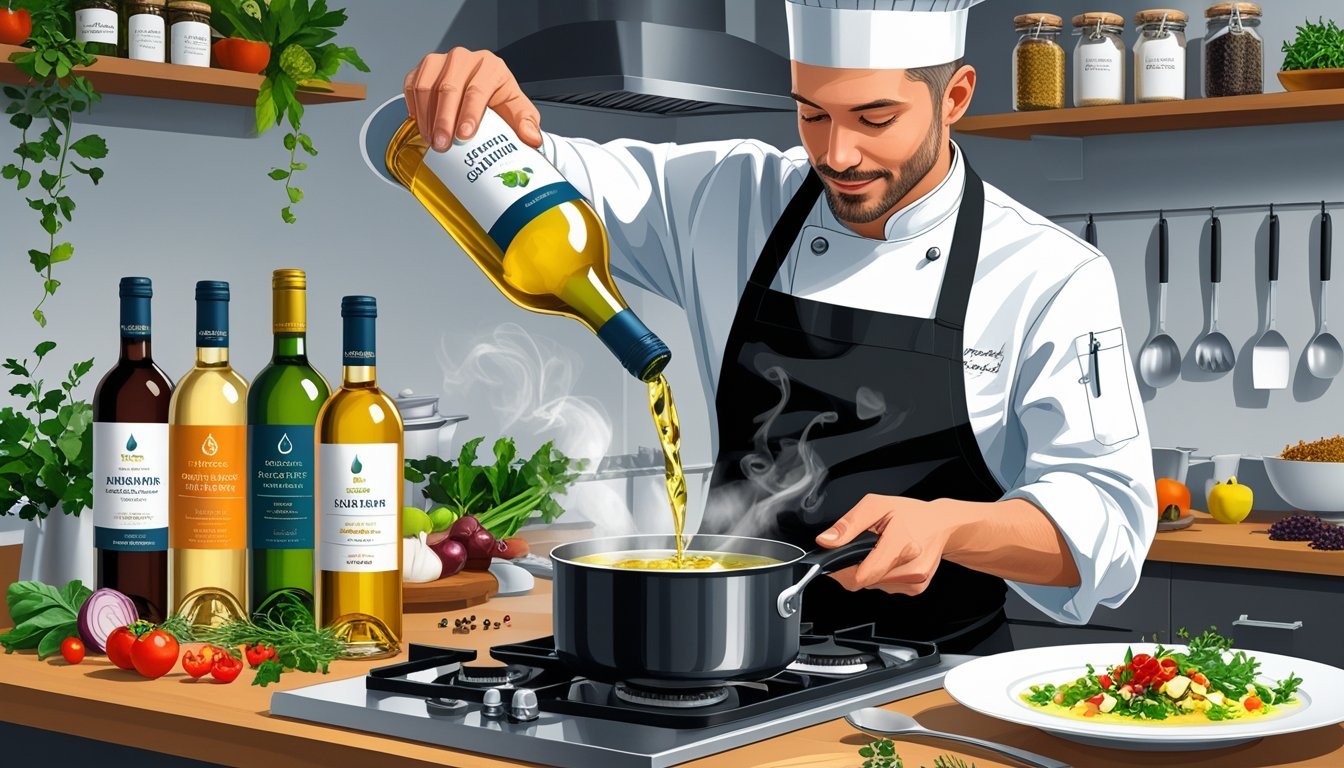
Different alcohol-free ingredients can effectively replace wine in gourmet dishes. Paying attention to the flavor profile, acidity, and color helps ensure the substitution fits each specific recipe without sacrificing taste or complexity.
Replacements for Red Wine
Red wine imparts depth, acidity, and richness to sauces and braised dishes. For an alcohol-free swap, a combination of 100% grape juice (preferably unsweetened or less sweet varieties like concord) and a splash of red wine vinegar provides both fruitiness and acidity.
A good starting point is:
3/4 cup grape juice + 1/4 cup red wine vinegar for every 1 cup red wine.
Pomegranate juice can also provide color and subtle tartness. For savory notes, a bit of vegetable broth can be added. Apple cider vinegar, used sparingly, lends acidity but should be balanced with juice to avoid overpowering flavors.
Table: Substitute Ratios
Substitute Ratio Notes Grape juice + red wine vinegar 3:1 or 4:1 Mimics flavor, adjust to taste Pomegranate juice 1:1 Adds tartness and color Vegetable broth + vinegar 3:1 Boosts umami and acidity
Alternatives to White Wine
White wine substitutes must balance brightness and light acidity. White grape juice is a frequent choice, offering sweetness and a pale color similar to white wine. Mix with white wine vinegar or lemon juice to introduce acidity.
Standard combination:
3/4 cup white grape juice + 1/4 cup white wine vinegar per cup of white wine.
Apple cider vinegar can replace wine vinegar if needed but should be diluted.
Vegetable broth works well in savory recipes but does not contribute the mild fruitiness of wine.
Quick List:
White grape juice + vinegar (mainstay for sauces)
Lean vegetable broth (for soups and stews)
Diluted apple cider vinegar (for sharper acidity)
Non-Alcoholic Wine and Grape Juices
Dealcoholized (non-alcoholic) wines are crafted to maintain the flavor profile of traditional wines while containing little to no alcohol. They can be used in the same measure as regular wine in most recipes, offering depth with no risk of residual alcohol. Select a non-alcoholic wine that suits the recipe and is palatable on its own.
Grape juice—both red and white—provides a simple, readily available option.
When substituting, adjust the amount of juice or vinegar based on sweetness and acidity preferences. Non-alcoholic alternatives can sometimes be sweeter, so consider blending with broth or reducing juice amounts for best results.
Use these options for deglazing pans, enriching reductions, or as the main liquid in braises. Always taste and adjust seasoning to align with the intended flavor of the gourmet dish.
Beer and Liqueur Replacements

Beer and coffee liqueur often shape the taste and texture of gourmet dishes. A range of precise swaps allows cooks to replicate the desired flavors and cooking effects without alcohol.
Non-Alcoholic Beer Solutions
Non-alcoholic beer is the closest direct substitute for regular beer in recipes like stews, batters, and bread. It maintains the yeasty character and light bitterness of beer without introducing alcohol content.
For light beer, cooks can use chicken broth, ginger ale, or white grape juice. These alternatives keep the dish moist and lend mild flavor. For dark beer, beef broth or mushroom stock is effective because they offer robust, earthy notes.
In baking and batters, a mix of seltzer water and a touch of malt syrup helps replicate beer's effect on texture. When beer acts as a meat tenderizer, root beer or cola can work because of their acidity and subtle sweetness.
A comparison of common replacements:
Beer Type Substitute Suitable Uses Light Beer Non-alc beer, broth Baking, soups Dark Beer Mushroom stock, cola Stews, braises
Coffee and Coffee Liqueur Swaps
Coffee is often called for in desserts and some savory recipes. Strong brewed coffee or espresso can substitute for coffee liqueur in sauces, cakes, and ice creams. This maintains the rich flavor profile without alcohol.
For recipes needing both the sweetness and depth of liqueur, a small amount of coffee extract or espresso powder combined with simple syrup or sugar is effective. In tiramisu or trifles, mixing cooled coffee with vanilla extract yields a layered, nuanced taste.
If a recipe relies on coffee liqueur for both liquid and flavor, using sweetened condensed coffee or a coffee syrup offers the right thickness and intensity. These options allow for customization of sweetness and strength to taste.
A quick substitution formula:
1 tablespoon coffee liqueur = 1 tablespoon strong coffee + 1/4 teaspoon sugar or syrup
Creative Substitutes for Spirits
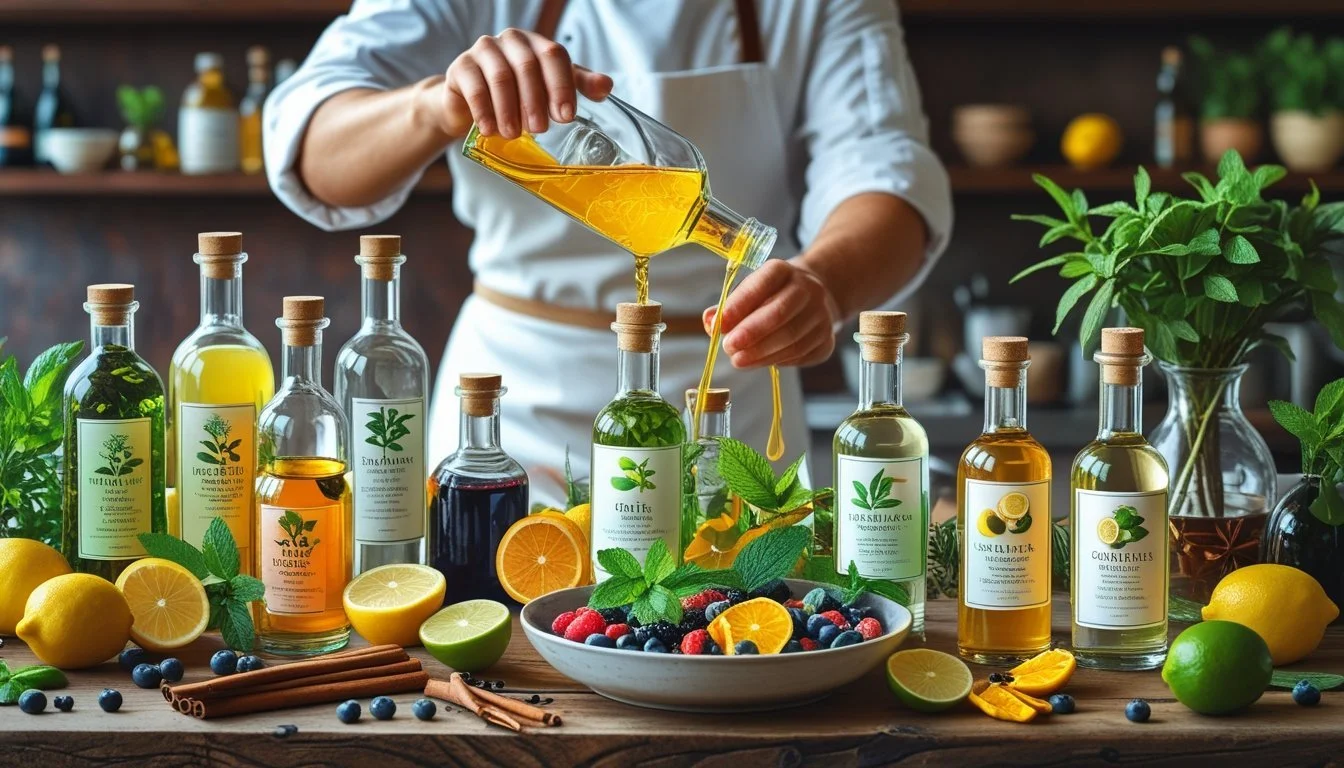
Alcohol-free cooking demands attention to both flavor depth and authenticity. Selecting and blending specific ingredients can reflect the aromatic and bold qualities of traditional spirits while keeping dishes inclusive and suitable for all guests.
Whiskey, Rum, and Brandy Alternatives
For whiskey, tea-based blends are common. Strong-brewed black tea, such as Assam or English Breakfast, offers both color and tannin. Adding a strip of orange zest, a few whole cloves, and a cinnamon stick brings subtle spice and citrus, closely mimicking whiskey’s character. This blend works well in sauces, desserts, and marinades.
A non-alcoholic rum substitute can be made from water, a small amount of molasses, and a dash of vanilla extract. Combine these, adjusting the molasses for sweetness and depth. This syrup can replace rum in recipes like cakes or tropical marinades.
For brandy, mix unsweetened apple juice, a splash of lemon juice, and a few drops of almond extract. This trio brings the tartness, fruitiness, and subtle nuttiness of brandy. Use it in desserts, fruit glazes, or sauces that typically call for brandy.
Spirit Key Substitute Ingredients Best Used For Whiskey Black tea, orange zest, cloves, cinnamon Sauces, desserts, marinades Rum Water, molasses, vanilla extract Cakes, syrups, tropical dishes Brandy Apple juice, lemon juice, almond extract Desserts, fruit glazes, sauces
Extracts as Flavoring Agents
Extracts provide concentrated flavor and are a practical way to replicate spirit notes. Vanilla extract is the most widely used; it brings warmth and complexity similar to bourbon or dark rum. It works especially well in custards, baked goods, and frostings.
Almond extract offers a nutty undertone, ideal for replacing amaretto or enhancing mock brandy substitutes. It should be used sparingly since its flavor is intense. Combine almond extract with a fruit juice to add depth to glazes or fruit-based desserts.
Other extracts such as orange or lemon can freshen dessert recipes where liqueurs would usually appear. A few drops often suffice—the goal is to hint at the aromatic qualities of spirits without overpowering the dish. Large grocery stores and specialty shops typically stock a wide variety of extracts.
Application in Sauces and Marinades
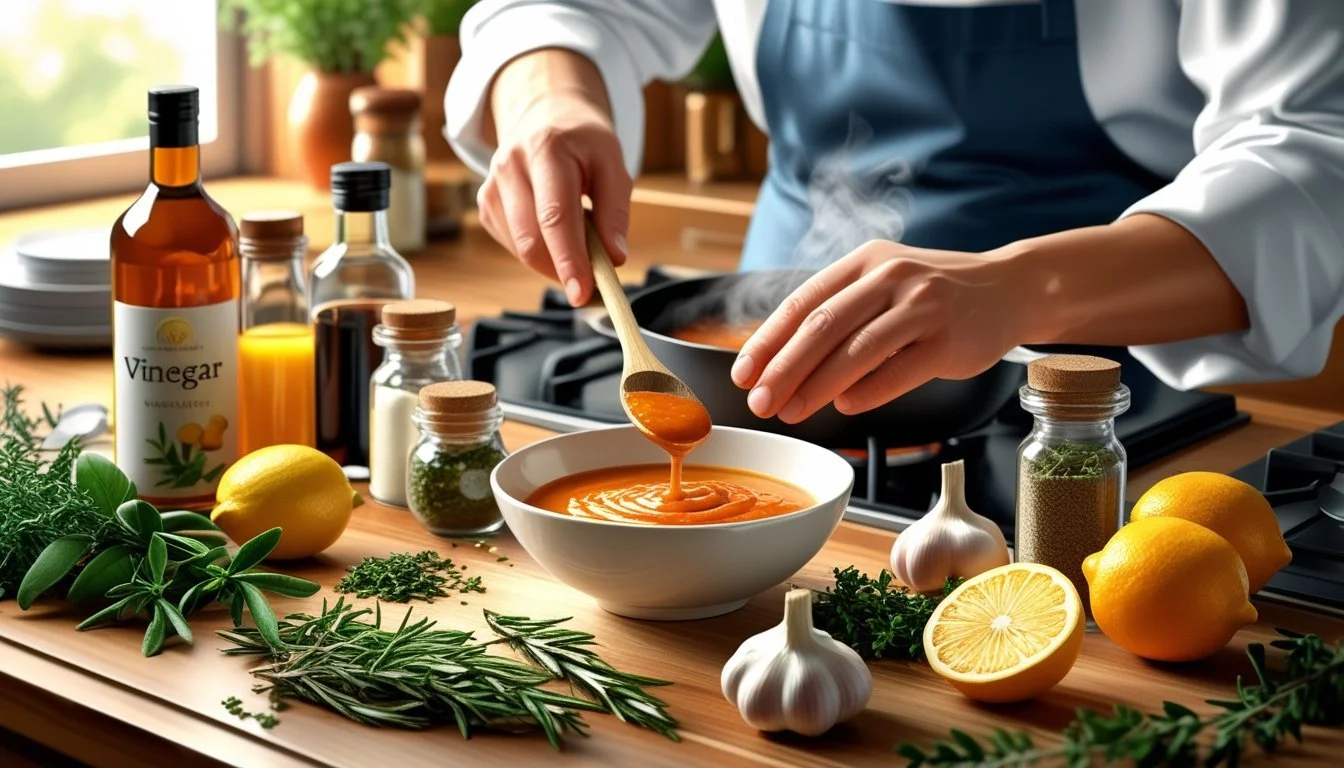
Many gourmet recipes rely on wine or spirits for depth, acidity, and complexity. Selecting the right alcohol-free alternatives preserves balance while accommodating dietary needs.
Alcohol-Free Options for Sauces
Sauces often use alcohol to add a robust, layered flavor. For red wine reductions or pan sauces, effective substitutes include grape juice with a splash of red wine vinegar or pomegranate juice to achieve both sweetness and acidity. If white wine is called for, apple cider vinegar mixed with chicken broth gives brightness without overpowering the dish.
Balsamic vinegar provides complexity in tomato-based or rich brown sauces. It can be diluted with water or broth if it tastes too intense. For Asian sauces, rice vinegar or a mix of soy sauce and ginger offers a sharp, aromatic base. Herbs such as thyme, rosemary, and bay leaf enhance depth when alcohol is omitted, ensuring the sauce remains flavorful.
Building Marinades Without Alcohol
In marinades, alcohol primarily acts as a flavor carrier and tenderizer. To replace it, use acidic ingredients such as apple cider vinegar, lemon juice, or lime juice. These elements help to tenderize proteins while infusing complex flavors. Adding chicken broth builds body and moisture without any alcoholic notes.
Combining these acids with herbs (rosemary, garlic, thyme), citrus zest, and a small amount of maple syrup or soy sauce creates a balanced marinade. This approach ensures the marinade penetrates deeply, mirroring the tenderizing effect of traditional wine or spirits while retaining a natural, appetizing taste profile.
Baking Without Alcohol
Baking recipes often call for alcohol to add moisture, boost flavors, or enhance texture. There are practical, straightforward substitutions that make it easy to bake entirely alcohol-free without sacrificing taste or quality.
Moisture and Flavor Solutions
Removing alcohol from baked goods requires alternative ingredients that replicate both its flavor-enhancing properties and its ability to add moisture. Non-alcoholic vanilla extract, vanilla bean paste, and vanilla powder are effective substitutes for traditional vanilla extract. These ingredients provide the familiar aroma and taste without introducing any alcohol content.
For flavor complexity, spices such as cinnamon, nutmeg, cardamom, or anise can replace the subtle notes contributed by spirits. They add depth when mixed directly with batters and doughs. If a recipe uses liqueurs like Marsala or sherry, a mix of fruit juice (such as white grape) with a splash of vinegar or lemon juice can substitute both the liquid and the mild acidity.
For moisture, milk, plant-based milk, or even a touch of extra oil or butter keeps cakes and breads from drying out. These ingredients blend easily into recipes and do not impact rising or texture when used in compatible amounts.
Moisture and Flavor Solutions Table
Alcoholic Ingredient Moisture Substitute Flavor Substitute Vanilla extract Non-alcoholic vanilla Vanilla powder or bean Liqueurs (Marsala) Fruit juice + vinegar Spices; citrus zest Rum/Bourbon Apple juice Cinnamon, nutmeg, allspice
Utilizing Fruit Juices and Teas
Fruit juices and brewed teas serve as versatile swaps for alcohol in cake batters, glazes, and syrups. White grape juice, apple juice, and cranberry juice can duplicate the tang and complexity of sweet and dessert wines, while orange or lemon juice brightens flavors in lighter cakes and pastries.
Brewed teas—including black, green, or chai—can deliver subtle background notes when used in syrups or mixed into doughs. Earl Grey, for example, adds delicate citrus and floral undertones, while chai introduces gentle spice. Fruit teas, such as hibiscus or berry, offer mild tartness that complements berry cakes, muffins, and quick breads.
For deglazing pans or moistening layers in sponge cakes, dilute juice or strong tea with a touch of simple syrup. This technique preserves the tender crumb and heightens aroma without introducing any alcohol. The acids and sugars in these liquids help mimic the tenderizing qualities of traditional alcoholic solutions.
Enriching Recipes with Vinegars, Broths, and Herbs
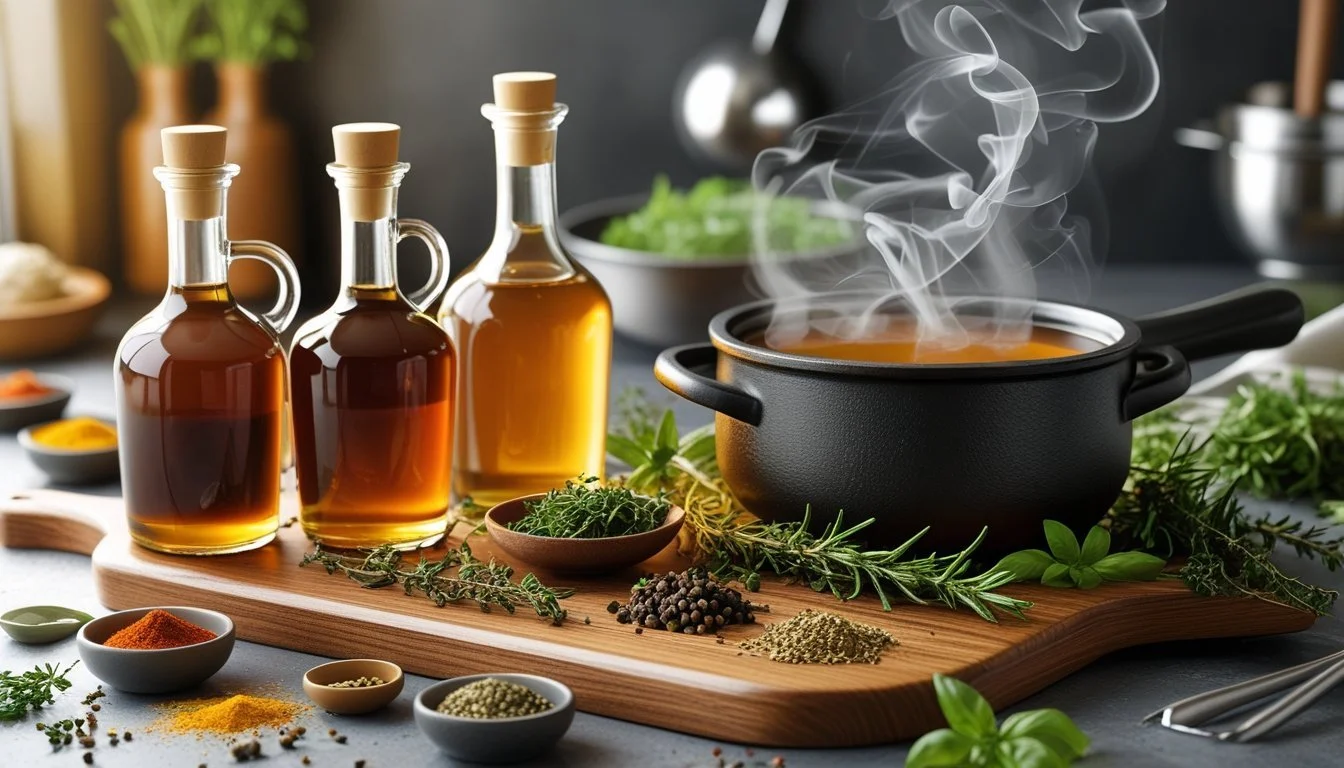
Vinegars and broths play a critical role in replacing the complexity that alcohol often brings to gourmet recipes. Herbs add aroma, enhance flavors, and work in harmony with these substitutes to create balanced, layered dishes.
Using Vinegars for Depth
Vinegars are versatile substitutes for wine or spirits in cooking. They offer acidity and brightness, which help extract and elevate flavors from other ingredients. Balsamic vinegar adds mild sweetness and a rich finish to sauces and reductions.
Red wine vinegar can mirror some of the tang and color that actual wine imparts, making it ideal for deglazing pans or enriching stews. Apple cider vinegar provides a fruity acidity that works well in salad dressings and pickled vegetables. When using vinegar as a substitute, it is often best to dilute it with a bit of water or broth. This approach softens the sharpness and helps integrate the flavors more smoothly.
The table below provides quick pairing ideas:
Vinegar Type Best Uses Suggested Dilution Balsamic Glazes, reductions 1 part vinegar, 2 parts liquid Red Wine Stews, braises 1 part vinegar, 1 part water Apple Cider Salads, pork dishes 1 part vinegar, 1 part stock
Incorporating Broths and Herbs
Broths replace the depth and umami of alcohol in many savory applications. Chicken broth works particularly well in poultry or grain dishes, while vegetable broth remains a reliable option for vegetarian and vegan recipes.
Combining broth with herbs such as thyme, rosemary, or bay leaf enhances complexity. Fresh herbs are preferable as they deliver more flavor and aroma, though dried varieties still contribute well to braises and slow-cooked dishes.
For stronger flavor profiles, infuse broths with multiple herbs before adding them to a recipe. This method extracts essential oils, making the broth taste richer and more aromatic. Adding broths and herbs gradually allows the cook to balance salt and herb intensity without overwhelming the main ingredients.

