
Crafting Balanced Dishes When Substituting Proteins
Essential Tips for Optimal Nutrition
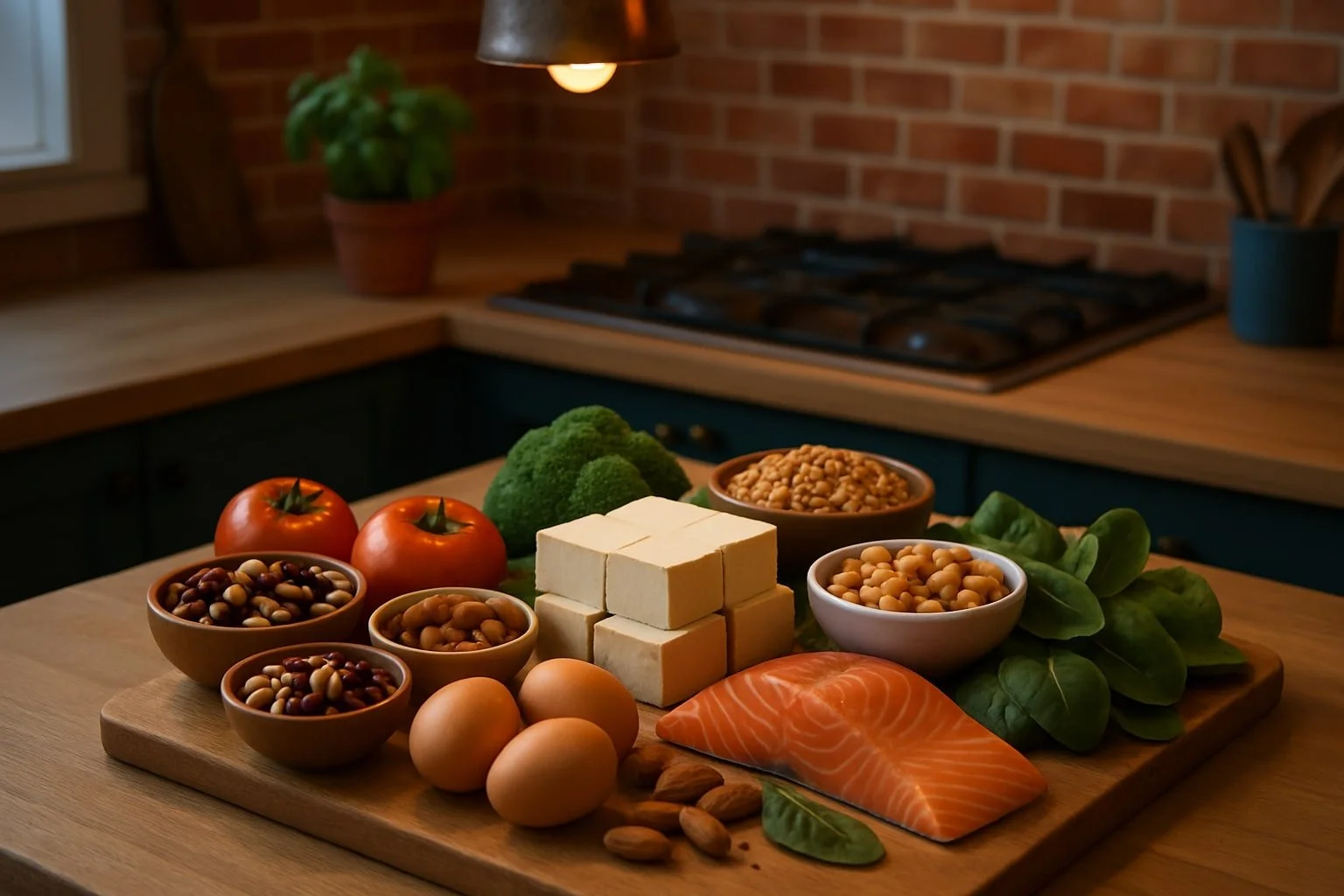
Swapping out proteins in a dish doesn't have to mean compromising on nutrition or flavor. To craft balanced dishes when substituting proteins, it’s essential to consider the overall mix of proteins, fats, and carbohydrates, and ensure that any new protein source is paired with the right supporting ingredients for a complete meal. This approach helps maintain the benefits of a well-rounded plate without making drastic changes to familiar recipes.
Readers who want to explore more plant-based, non-dairy, or alternative protein options can still enjoy satisfying and nutritious meals by making smart ingredient swaps. Adjusting portions and adding complementary foods—like grains high in amino acids or healthy fats from vegetables—ensures variety and balance with each protein substitution. Small, thoughtful changes can help anyone improve their diet without sacrificing taste or comfort.
Understanding Protein Substitution
Swapping out protein sources in dishes affects nutrition, taste, and texture. Each type of protein, whether animal-based or plant-based, comes with unique characteristics and considerations for balance in a meal.
Defining Protein Sources
A protein source provides essential amino acids the body cannot make on its own. Common sources:
Animal-based: chicken, fish, beef, eggs, dairy products
Plant-based: beans, lentils, chickpeas, tofu, tempeh, nuts, seeds
Each source varies in its amino acid profile, digestibility, and nutrient density. Animal proteins generally offer all essential amino acids and are considered “complete.” Many plant-based proteins, like legumes and grains, may lack one or more essential amino acids and are “incomplete.” However, combining different plant protein sources, such as rice and beans, can create complete protein profiles. Nutrient content—like iron, zinc, and vitamin B12—also differs across sources, making the choice of protein important for vegetarians and vegans.
Why Substitute Proteins?
People replace traditional protein sources for a variety of reasons. Dietary restrictions, allergies, ethical considerations (such as vegetarian or vegan diets), and environmental concerns often guide these choices.
Health objectives play a role. For example, swapping red meat for lean protein like fish or plant-based proteins helps reduce saturated fat intake. Substituting for lactose intolerance or egg allergies requires choosing alternatives like fortified soy or legume-based products. Environmental reasons include reducing carbon footprint by shifting from animal to plant-based protein sources, as highlighted in recent sustainability discussions.
Substitution also offers menu variety, catering to evolving food preferences and global cuisines. Dishes can maintain nutritional balance by carefully selecting and combining protein alternatives.
Types of Protein Alternatives
The main protein alternatives include both animal- and plant-based options. Popular plant-based proteins are legumes (such as lentils, chickpeas, and black beans), soy products (tofu, tempeh, edamame), whole grains (quinoa, buckwheat), and nuts and seeds (almonds, chia seeds, hemp seeds).
Alternative animal-based proteins focus on lean sources, such as skinless poultry, fish, and low-fat dairy. In vegan and vegetarian cooking, textured vegetable protein, pea protein, and mycoprotein expand choices in processed forms like burgers and sausages. Some products are fortified to improve their nutritional profiles.
The table below gives examples:
Protein Source Type Example Dishes Chicken, Turkey Lean Animal Stir-fries, Salads Tofu, Tempeh Plant (Soy) Curries, Sandwiches Lentils, Chickpeas Plant (Legume) Soups, Stews, Patties Quinoa, Buckwheat Plant (Grain) Bowls, Salads Fish, Shellfish Seafood Grills, Ceviche Nuts, Seeds Plant Salads, Snacks, Granola bars
Combining multiple sources in a meal boosts both amino acid diversity and overall nutrition.
Essential Nutrition When Swapping Proteins
Choosing alternative proteins means understanding not just the protein content but also the full nutritional impact of those swaps. Paying attention to the source of amino acids, macronutrient composition, vital micronutrients, and energy supply ensures balanced nutrition and supports overall health.
Meeting Amino Acid Needs
Amino acids are the building blocks of protein and are critical for muscle repair, immune function, and many metabolic processes. Animal proteins, such as chicken or beef, naturally provide all nine essential amino acids, making them complete proteins.
Plant-based replacements like beans, lentils, or grains do not always offer a complete amino acid profile. To address this, pairing foods—such as rice with beans or whole wheat bread with peanut butter—helps ensure the body receives all essential amino acids. Tofu and tempeh are examples of plant-based proteins that contain all essential amino acids in adequate amounts.
When substituting proteins, tracking the amino acid content becomes important, especially for those following vegetarian or vegan diets. For individuals with higher protein needs, like athletes, prioritizing complete proteins or complementary combinations is beneficial.
Ensuring Macronutrient Balance
Replacing proteins in meals can impact the overall balance of macronutrients: protein, fats, and carbohydrates. The basic macronutrient distribution for a balanced meal is roughly half fruits and vegetables, a quarter protein, and a quarter grains, though adjustments may be needed depending on activity levels.
For those shifting to plant-based options, it is common to see a decrease in saturated fat and an increase in dietary fiber. However, plant proteins may come with more carbohydrates, as in lentils or chickpeas, or with less fat, like in tofu.
Careful substitution keeps total daily protein at recommended levels—generally 0.8 grams per kilogram of body weight—while monitoring caloric intake. Reviewing nutrition labels and using a simple table for comparison can guide choices:
Protein Source Protein (g per 100g) Fat (g) Carbs (g) Chicken breast 31 3.6 0 Tofu 8 4.8 1.9 Lentils 9 0.4 20
Key Micronutrients to Consider
Certain vitamins and minerals may be less abundant when replacing animal proteins with plant sources. B12, iron, zinc, and omega-3 fatty acids are most often affected because they are found in higher levels or more absorbable forms in animal products.
For B12, fortified plant milks or nutritional yeast can help meet needs. Iron from plant foods (non-heme iron) is less easily absorbed but improves when combined with vitamin C-rich foods, like tomatoes or bell peppers. Plant-based eaters should also monitor zinc intake and consider seeds, nuts, and whole grains.
Omega-3 fatty acids, especially EPA and DHA, are mainly found in fish. Flaxseeds, chia seeds, and walnuts provide ALA, a precursor, but conversion to EPA and DHA is limited. Algal oil supplements are an effective alternative for those who do not eat fish.
Maintaining Energy Levels
Protein substitutions influence energy intake and metabolic efficiency. Animal proteins are calorie-dense and provide a sustained energy source, while many plant proteins deliver more fiber, which aids digestion and creates a prolonged feeling of fullness.
To prevent drops in energy, individuals should watch portion size and total caloric content. Swapping high-fat animal protein for leaner or plant-based proteins typically lowers calories and saturated fat but may require adding small amounts of healthy oils, nuts, or seeds for balanced energy.
Maintaining stable blood glucose is important. Slow-digesting carbs that accompany many plant proteins, such as lentils or whole grains, support steady energy and help prevent fatigue throughout the day. Proper hydration and balanced micronutrient intake also contribute to optimal energy metabolism.
Creating a Balanced Plate With Substituted Proteins
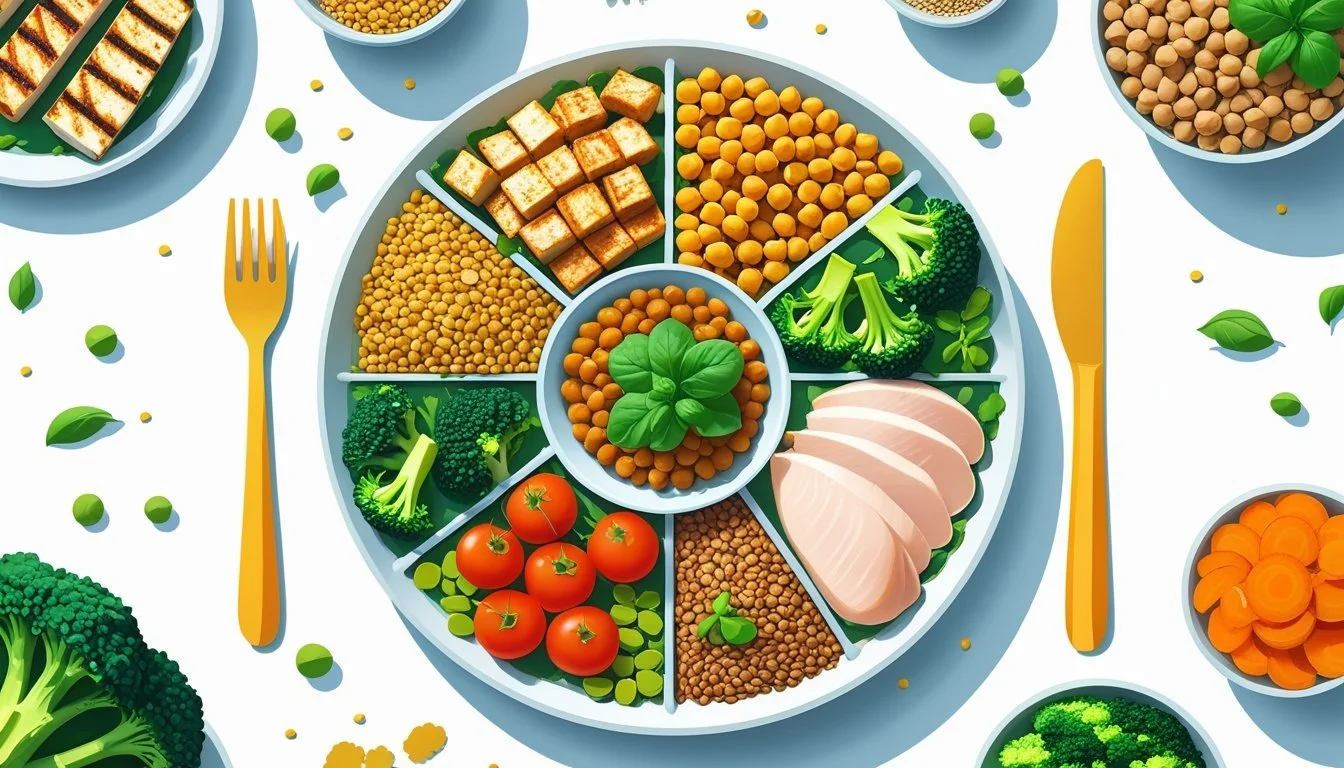
Balanced meals remain crucial even when replacing the primary protein source. Maintaining a mix of non-starchy vegetables, high-fiber options, and healthy fats supports a nutrient-rich, satisfying, and heart-healthy diet.
Incorporating Vegetables and Produce
A well-balanced plate should include non-starchy vegetables spanning at least half of the meal. Leafy greens, bell peppers, broccoli, and carrots provide vitamins, minerals, and antioxidants vital for overall health. These vegetables increase meal volume without excess calories, making meals more satisfying.
Produce such as tomatoes, cucumbers, berries, and citrus fruits offer additional nutrients and variety in texture and color. Including a range of vegetables and fruit not only boosts fiber but also supports digestive health and immune function. Using both raw and cooked produce in meals can improve nutrient intake and flavor diversity.
Seasoning vegetables with herbs rather than heavy sauces can enhance flavor while keeping sodium and extra fats low. Rotating vegetables with the seasons helps ensure a good mix of nutrients in the diet.
Adding Fiber With Whole Grains and Legumes
Whole grains and legumes are excellent sources of fiber and complement substituted proteins by providing complex carbohydrates and plant-based protein. Options such as quinoa, brown rice, barley, farro, and whole wheat pasta contribute extra vitamins, minerals, and energy to daily meals.
Beans, lentils, and chickpeas boost both fiber and protein content, helping create a balanced meal. Swapping refined grains for whole grains improves digestive health and may help support heart health due to higher antioxidant and phytonutrient content.
Here's a list of high-fiber side options to pair with substituted proteins:
Quinoa (5g fiber per cooked cup)
Lentils (8g fiber per cooked ½ cup)
Barley (6g fiber per cooked cup)
Chickpeas (6g fiber per cooked ½ cup)
Including these ingredients in a balanced plate increases satiety and supports long-term healthy eating.
Balancing Healthy Fats
Healthy fats play a key role in delivering flavor and supporting nutrient absorption. Nuts and seeds such as almonds, chia, sunflower seeds, and walnuts add crunch and healthy omega-3s. Avocado and olive oil provide monounsaturated fats that promote heart health when used in moderation.
It's important to distribute fat sources wisely. Small additions like drizzling olive oil on vegetables, sprinkling sunflower seeds on salads, or including sliced avocado can add both flavor and nutrient value.
Focusing on plant-based fats and limiting saturated and trans fats aligns with a balanced diet, especially when working with substituted proteins. This approach helps keep cholesterol in check and aids the body’s use of fat-soluble vitamins.
Meal Planning and Prep for Balanced Dishes
Building balanced meals when swapping proteins centers on managing portions, maintaining nutrient balance, and using reliable prep methods. Having a plan ensures healthy eating habits, supports weight goals, and makes weeknight cooking easier.
Optimizing Portion Sizes
Appropriate portion control helps manage calorie intake and ensures meals remain balanced when proteins are substituted. The plate method is a straightforward tool—fill half with non-starchy vegetables, a quarter with whole grains or starchy vegetables, and a quarter with your alternative protein.
For plant-based proteins like tofu, beans, or lentils, aim for 3–4 ounces (cooked weight) per serving. For animal proteins, 3 ounces (about the size of a deck of cards) usually fits meal plans targeting weight loss.
Sample Portion Table:
Food Type Recommended Portion Lean Meat/Fish 3 oz (cooked) Beans/Lentils ½–1 cup (cooked) Tofu/Tempeh 3–4 oz Vegetables 1–2 cups Whole Grains ½–1 cup (cooked)
Measuring, using smaller plates, and pre-portioning snacks all support good portion control for meal prep and planning.
Reliable Meal Prep Strategies
Consistent meal prep is key for a healthy lifestyle and helps reduce decision fatigue. Batch-cooking proteins—such as roasting chickpeas, grilling chicken, or simmering lentils—ensures substitutes are ready to use in a variety of recipes.
Storing prepped proteins separately keeps them fresh and lets household members assemble their preferred combinations. Label containers with dates and portion sizes for faster, safer use.
Tip List for Effective Meal Prep:
Plan recipes with complementary cook times and flavors
Use air-tight containers to prolong freshness
Rotate protein types each week for variety
Prep ingredients in advance but assemble meals fresh to preserve texture
Making easy meals, such as grain bowls or wraps, is faster when proteins and veggies are prepped ahead.
Recipe Inspiration for Protein Substitution
Swapping proteins can keep meals interesting and meet dietary needs. Substitute grilled tofu for chicken in stir-fries, use lentils in place of ground beef for tacos, or chickpeas in place of tuna in salads.
Recipes that highlight alternative proteins should still include produce, healthy fats, and complex carbs. A balanced example could be: quinoa salad with roasted chickpeas, spinach, cherry tomatoes, feta, and a lemon-tahini dressing.
Other easy meal ideas:
Egg and bean breakfast burritos
Greek yogurt parfait with berries and nut butter
Stir-fried tempeh with broccoli and brown rice
Swapping proteins does not mean compromising on flavor or satisfaction if the combinations are deliberate and varied.
Enhancing Flavor and Variety
Maximizing flavor and variety is crucial when substituting proteins in balanced dishes. Choosing the right seasonings, cooking methods, and herbs helps make alternative proteins more appealing and supports healthy, conscious eating habits.
Effective Seasoning for Protein Alternatives
When using protein alternatives, seasoning can help mimic the savory taste profile found in traditional animal proteins. For tofu, tempeh, and legumes, soy sauce, balsamic vinegar, or a dash of miso can add umami and depth.
A quick marinade using lemon juice, olive oil, garlic, and smoked paprika enhances the flavor of plant-based proteins. Grilling or roasting after seasoning can also improve texture and browning, offering visual cues of doneness.
Salt must be balanced with acids and healthy fats to avoid overpowering delicate flavors. Consider blending ground pepper, cumin, or nutritional yeast to bring a more robust taste. Refer to the table below for quick ideas:
Protein Alternative Seasoning Suggestions Tempeh Soy sauce, ginger, garlic Lentils Bay leaf, cumin, pepper Tofu Miso, lemon, chili flakes
Using Herbs and Spices
Herbs and spices offer variety to protein substitutes without adding calories or sodium. Fresh parsley, cilantro, and basil add brightness to chickpea, lentil, or egg-based dishes.
Smoked paprika, turmeric, and coriander work well with textured vegetable protein or beans. Combining dried herbs like thyme with rosemary or oregano helps deliver layers of flavor, especially in stews or baked dishes.
Sprinkling chopped herbs before serving can enhance aroma and presentation, providing visual cues linked to freshness and taste. Conscious use of herbs and spices encourages healthy eating by making nutritious meals more enjoyable and satisfying.
Supporting Mindful and Conscious Eating
Mindful and conscious eating practices help individuals recognize their nutritional needs, adjust to new protein sources, and maintain balanced nutrition. Focusing on clear hunger and satiety signals, and staying properly hydrated, can make dietary changes more successful and satisfying.
Listening to Hunger and Satiety Cues
Tuning into natural hunger and fullness cues supports both mindful eating and balanced nutrition. Instead of eating based on schedules or external cues, individuals can use internal signals to determine when and how much to eat. This reduces overeating and promotes a healthier relationship with food.
Key steps to support this process include:
Eating slowly and chewing thoroughly
Pausing during meals to evaluate fullness
Noticing physical hunger, such as stomach growling or a slight emptiness
Recognizing satisfaction rather than waiting for discomfort
When substituting plant-based or alternative proteins for traditional sources, staying conscious of how these foods affect fullness is important. Some plant proteins may have more fiber, helping with satiety, while others digest differently and may feel lighter. Adjusting portion sizes, and being attentive to the sensations of hunger and satisfaction, helps ensure nutritional balance is maintained.
The Role of Hydration
Hydration is essential for effective digestion, nutrient absorption, and hunger regulation. Sometimes, the sensation of thirst may be misinterpreted as hunger, which can lead to unnecessary eating. Drinking water regularly throughout the day can help distinguish true hunger from thirst.
Consuming adequate fluids—such as water, herbal teas, or clear broths—also supports the transition to new protein sources. Some plant-based proteins are higher in fiber, increasing the body’s need for fluids to prevent digestive discomfort. Monitoring the color of urine (pale yellow is typically a good sign of hydration) or using a hydration tracking chart can be useful strategies for maintaining optimal fluid intake.

