
Achieving Crunch Without Nuts
Creative Solutions for Nut-Free Texture
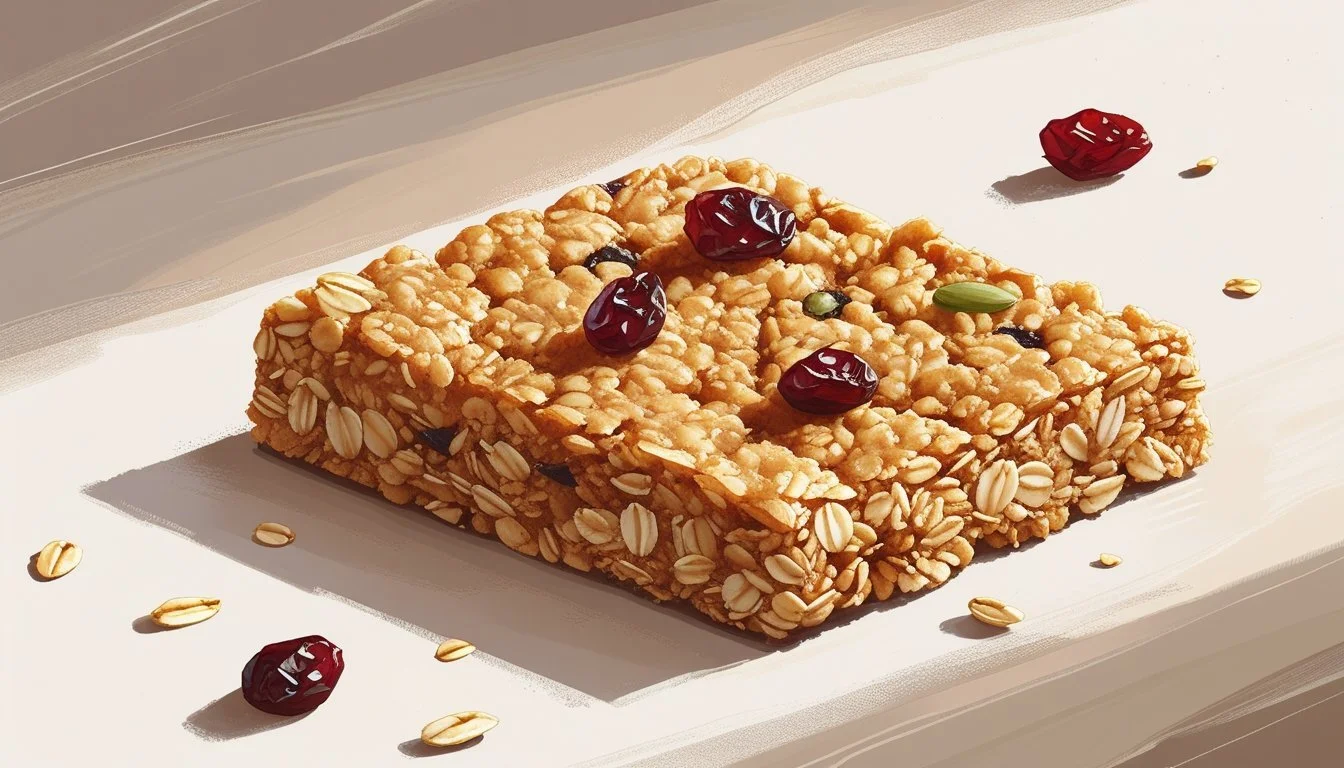
Crunchy texture can be achieved in recipes without relying on nuts by using ingredients like seeds, toasted grains, crispy vegetables, or certain coatings. Many cooks and home bakers look for nut-free alternatives for health, allergy, or preference reasons, but still want that familiar satisfying crunch in their dishes.
Methods such as incorporating roasted seeds, adding crispy toppings like cornflakes or quinoa flakes, or using vegetables—like thinly sliced radishes or water chestnuts—can offer a similar mouthfeel to nuts without compromising on flavor or texture. These nut-free strategies open up possibilities for diverse diets while maintaining the enjoyable bite people seek in their favorite foods.
Experimenting with different cooking techniques, such as baking, toasting, or dehydrating, further enhances the crunch element. With the right combinations and timing, it’s possible to preserve both the structure and moisture of foods while achieving a satisfying crisp in everything from salads to desserts.
Understanding Crunch Without Nuts
Many people seek alternatives to nuts in recipes for texture, flavor, and health reasons. Nut-free crunchy options ensure dishes remain accessible and safe for everyone.
Why Seek Nut-Free Crunch
Nut-free crunch is popular for more than just managing allergies. Schools, child care centers, and public spaces often have "nut-free" policies to protect children with severe reactions. Choosing safe ingredients also allows a wider group of guests and family members to enjoy meals without worry.
Some individuals also avoid nuts due to dietary choices or digestive discomfort. Others may simply want variety in their dishes by exploring alternatives to the familiar crunch of nuts. Using different ingredients can introduce new flavors or nutrients, allowing for creative cooking and baking.
Nut-free crunchy ingredients let cooks add crispness to both savory and sweet dishes, ensuring everyone can partake. These alternatives are often more affordable and readily available in stores.
Nut Allergies and Dietary Needs
Nut allergies are a common medical concern and can range from mild food sensitivities to life-threatening anaphylaxis. Peanuts and tree nuts are among the top food allergens worldwide, affecting both children and adults.
Cross-contamination is always a risk, so households with allergy concerns often remove nuts from recipes entirely. Label reading and ingredient checking become crucial. Nut-free alternatives are necessary both at home and in commercial food production.
From a dietary perspective, some people limit nuts to reduce calorie or fat intake. Certain medical dietary plans or elimination diets may also restrict nuts. Additionally, individuals with digestive disorders may avoid nuts due to their fiber content and digestive challenges.
Common Nut-Free Crunchy Ingredients
Many safe and satisfying nut-free options are available for achieving crunch:
Seeds: Pumpkin, sunflower, and chia seeds provide texture and nutrition.
Toasted Grains: Oats, puffed rice, and quinoa are excellent for cereals or baked goods.
Crispy Vegetables: Raw carrots, celery, and bell peppers offer a fresh bite in salads and snacks.
Crushed Pretzels or Crackers: These add crunch to dessert crusts and toppings.
Roasted Chickpeas: Seasoned and baked, chickpeas are crunchy and high in protein.
These substitutes can be used alone or in combination. Choose the ingredient that best fits the dish’s flavor and texture profile for satisfying, nut-free crunch.
Crunchy Nut-Free Ingredients
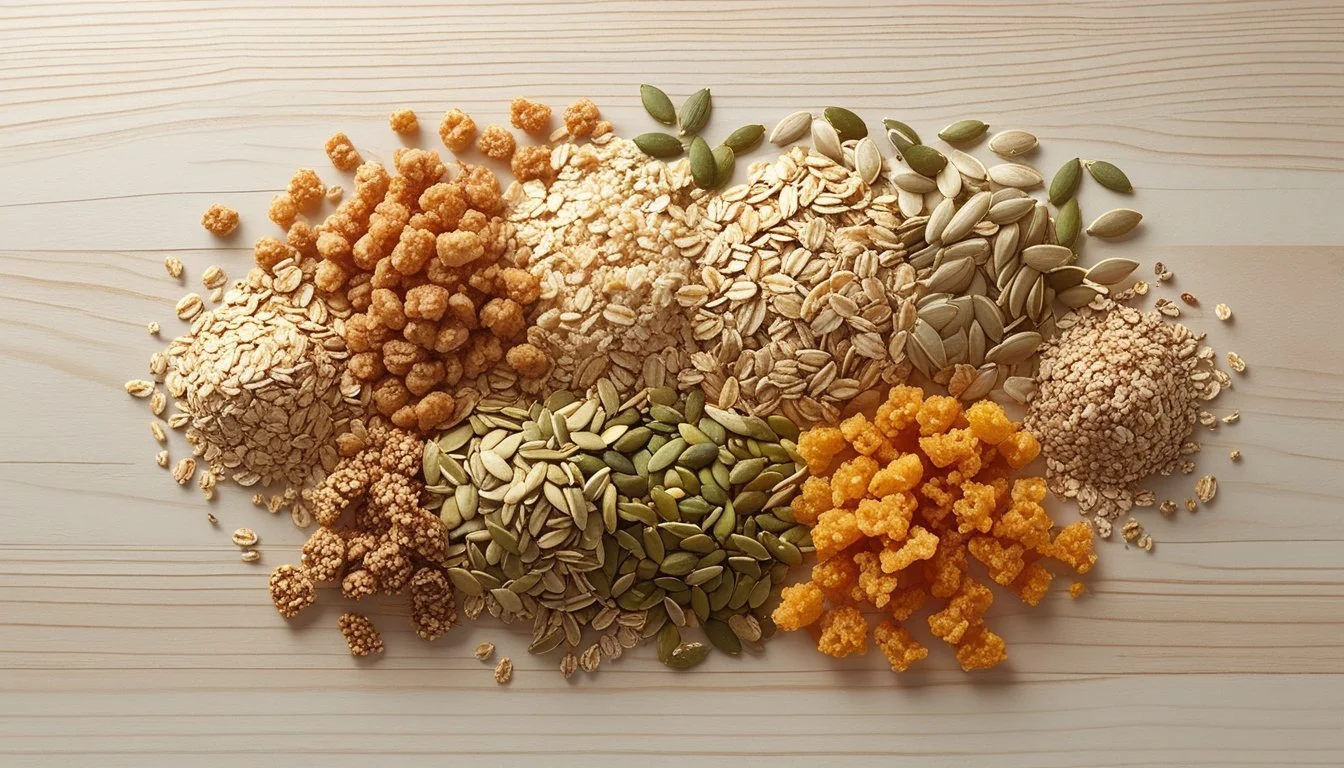
Finding ingredients that provide crunch without nuts is essential for those with nut allergies or preferences. Many seeds, grains, and plant-based products supply the satisfying texture often expected from nuts.
Seeds and Grains for Texture
Seeds like pumpkin, sunflower, and sesame add notable crunch to baked goods, snacks, and breakfast mixes. They are widely available and easily incorporated into recipes.
Rolled oats and quinoa flakes offer both texture and nutrition. Oats maintain their structure during baking, making them a suitable base for granola or energy bars. Quinoa flakes bring a slightly crisp bite and can be toasted for extra texture.
Mixing several types of seeds can create more complex flavors and textures. Try adding roasted sunflower and pumpkin seeds to cookies or sprinkling sesame seeds on granola. Chia and flaxseeds provide a gentler type of crunch and can be paired with grains for variety.
Ingredient Crunch Level Usage Examples Sunflower Seeds High Breads, bars, salads Rolled Oats Moderate Cookies, granola Sesame Seeds High Crackers, toppings Quinoa Flakes Light Breakfast cereals
Using Coconut and Coconut Oil
Shredded coconut and coconut flakes can reliably substitute for nuts in many recipes. Toasted coconut adds more depth and a crisp bite to cookies, cakes, and snack bars.
Coconut oil, while not crunchy itself, helps achieve a desirable texture. Using coconut oil in baked goods lends a slight crispness to the exterior, especially in granola or crisps.
For best results, use unsweetened coconut flakes for savory applications and sweetened for desserts. Coconut is also suitable for those avoiding tree nuts, though it is important to check for allergies.
Blending toasted coconut with seeds, such as sunflower or pumpkin, creates an even crunchier topping for yogurt or oatmeal. For visual appeal, coconut flakes can be scattered over chocolate bark or brittle.
How Sunflower Seeds Enhance Crunch
Sunflower seeds stand out as a leading nut-free option due to their firm texture and mild taste. When roasted, they become even crunchier and add a pleasant bite to both sweet and savory foods.
These seeds fit into a wide range of recipes, including breads, granola, and protein bars. Sunflower seeds retain their shape and texture when baked, unlike some softer seed types.
For added versatility, try using sunflower seed butter to create cookie dough with built-in crunch. Sprinkling toasted sunflower seeds over salads, stir-fries, or breakfast bowls boosts both texture and nutritional value.
Sunflower seeds are available salted or unsalted. Both types enhance recipes, but unsalted varieties offer more control over final seasoning.
Other Crisp Alternatives
Several non-seed options provide crunch without introducing nuts. Crisp rice cereal, for instance, is commonly used in desserts like chocolate bark or snack bars to offer light, airy texture.
Nut-free muesli and granola blends are increasingly available and can be mixed into cookies, muffins, or used as a topping. Their blend of grains and fruit delivers multidimensional crunch.
Chocolate chips, particularly when chilled or used in no-bake treats, provide firmer texture and a rich bite. Consider adding unsweetened or semisweet chips for balance.
Roasted chickpeas, soy nuts, and even freeze-dried fruits are viable for specific recipes. For added variety, any of these options can be combined with seeds or coconut for custom crunch blends.
Techniques for Crafting Nut-Free Crunch
Nut-free kitchen creativity relies on using the right methods to maintain satisfying texture. By adjusting temperatures, picking the right ingredients, and using smart blending techniques, cooks can reach the desired level of crispness without including nuts.
Baking for Maximum Crisp
Baking at the correct temperature is essential for developing crunch in nut-free dishes. Cooks should typically aim for oven temperatures between 300°F and 350°F (150°C–175°C), depending on the recipe.
Ingredients like crushed graham crackers, crisped rice cereal, granola, and cornflakes work well as nut-free bases. Spreading mixtures in a single layer on a baking sheet encourages even browning. Turning or stirring the mixture halfway through baking prevents sticking and promotes uniform crispiness.
Moisture is the enemy of crisp textures. Allow ingredients to cool completely on the tray, as residual heat continues to evaporate moisture. Some bakers use parchment paper or silicone mats to help further reduce sticking and aid in a clean, even bake.
Roasting and Toasting Methods
Roasting or toasting seed blends, oats, and cereals can build depth of flavor along with crunch. Sunflower and pumpkin seeds, when dry-roasted, become golden and crisp in under 15 minutes at 325°F (165°C).
For cereals and grains, spreading them thinly in a large pan ensures every piece roasts evenly. Stirring every five minutes helps with browning and prevents burning. Toasting shredded coconut or pretzels can also be an efficient way to bring out texture without nuts.
Careful temperature control is crucial. Roasting too hot can scorch and turn textures tough, while roasting too cool may not drive off enough moisture for a crisp bite. Finished items should cool in a single layer to set their final crunch.
Using the Food Processor for Texture
A food processor helps create uniform, controlled pieces from ingredients like cookies, crackers, or seed mixes. Pulse in short bursts, checking texture between each round to avoid turning ingredients into powder.
When aiming for a crunchy base or topping, maintaining larger, coarse crumbs provides better texture than fine crumbs do. For softer items, refrigerate before processing to ensure they break up cleanly.
Some ingredients, like freeze-dried fruit or granola bars, can be chopped for mix-ins or toppings. Use the food processor’s grating or slicing blades for uniquely textured pieces that add variety to nut-free dishes. Processing dry ingredients ensures even distribution in batters and toppings without clumping.
Flavorful Nut-Free Crunching Options
Crunchy snacks without nuts can achieve both taste and texture by combining the right sweeteners, spices, and seasonings. Thoughtful use of naturally crunchy ingredients with flavor boosters ensures enjoyable and allergy-friendly snacking.
Sweet Enhancers for Crunch
Sweetness and crunch often go hand in hand. Brown sugar creates a caramelized coating when baked on seeds or pretzels, producing a crisp shell. Honey and maple syrup can also provide a sticky glaze for popcorn or toasted oats that hardens as it cools, resulting in a satisfying, sweet crunch.
Agave nectar offers a milder sweetness and is good for binding crispy elements like crispy rice cereal or pumpkin seeds. Cinnamon, either mixed with sugar or sprinkled alone, brings warmth and depth to granola clusters or roasted chickpeas.
Use a small table to compare sweet options:
Sweetener Characteristics Best For Brown sugar Deep, caramelized Roasted seeds, oat clusters Honey Sticky, floral Coated popcorn, crispy cereal Maple syrup Rich, earthy Granola, baked crunchy snacks Agave nectar Mild, neutral Allergy-friendly bars and bites
Combining these ingredients with oven-toasted grains or seeds produces snacks that rival nut-based versions in crunch and flavor.
Savory Seasonings and Spices
Savory crunchy snacks can use seasonings to create depth. Sea salt enhances the natural crunch of roasted chickpeas, pumpkin seeds, or baked pita chips. Black pepper adds a mild heat, while paprika introduces subtle smokiness, making each bite more dynamic.
Garlic powder offers a robust, savory edge, perfect for coatings on crispy vegetables or crunchy rice snacks. Lemon juice, when drizzled after baking, can brighten flavor without sacrificing texture.
Olive oil and unsalted butter are useful for adhering spices and encouraging browning. A brief toss before baking helps deliver an even, savory crust. Ground cinnamon is not just for sweet snacks—paired with sea salt, it brings warmth to savory roasted seed mixes.
These seasonings, when combined thoughtfully, allow for crunchy, nut-free snacks with layered, appealing flavors.
Nut-Free Snack and Dessert Applications
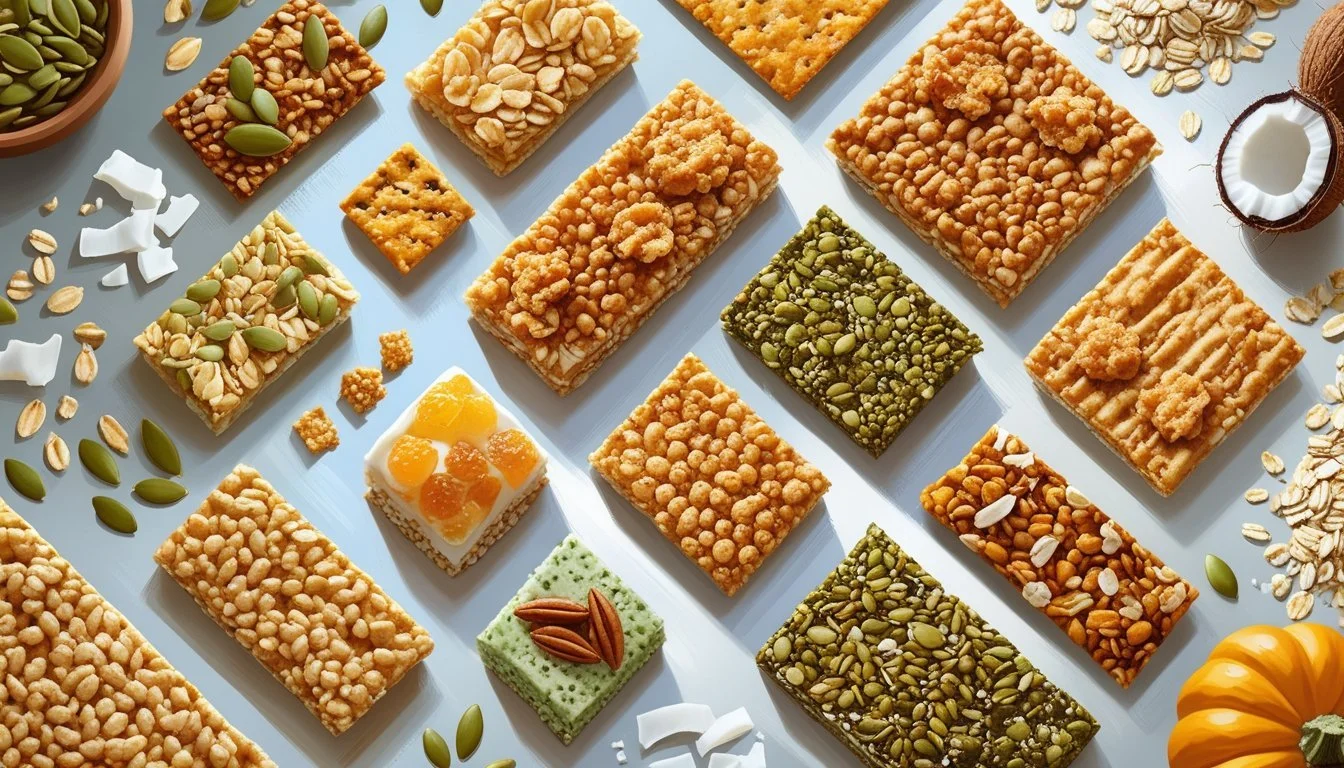
Crunchy textures can be achieved across snacks and desserts using nut-free ingredients. Techniques such as toasting grains, layering crisp elements, and using seeds or dried fruits can provide satisfying contrast without relying on tree nuts or peanuts.
Nut-Free Granola Inspiration
Nut-free granolas often use a blend of oats, seeds (like sunflower or pumpkin), and puffed grains to maintain crunch. Sunflower seeds and pumpkin seeds stand out for their subtle flavors and crispy texture after baking.
For additional flavor and variation, unsweetened coconut flakes, dried fruits (apricots, cranberries, raisins), or toasted quinoa clusters can be mixed in. Dark chocolate chips add richness and work well in both breakfast bowls and snack mixes.
A simple binding mix of honey, brown rice syrup, or maple syrup with a touch of coconut oil keeps the granola pieces intact and helps deliver golden color. Cornstarch dusted over the oat mixture before baking can boost crispiness by helping bind the edges.
Crispy Toppings for Ice Cream
Nut-free ice cream toppings can include brittle shards made from caramelized sugar and seeds, finely crushed pretzels, or toasted rice cereal. These options offer a satisfying contrast to smooth, creamy bases.
Consider a mix of dried fruits such as cherries or mango, chopped into small pieces for chew and a pop of sweetness. Chocolate chips—especially mini or micro sizes—melt slightly on contact with ice cream for a pleasant texture and rich flavor.
For extra crunch, home cooks often combine cornflake cereal, cookie crumbs, and roasted pumpkin or sunflower seeds. A drizzle of hardened chocolate shell (melted chocolate with a small amount of coconut oil that hardens on cold ice cream) can add an additional layer of crispy, nut-free texture.
Adding Crunch to Baked Goods
There are several methods to achieve a nut-free crunch in cookies, muffins, or dessert bars. Roasted seeds, toasted oats, and crunchy cereals like puffed rice or wheat work well folded into batter or sprinkled as a topping.
Small amounts of cornstarch in cookie doughs can contribute to a tender, crispy final product. Chocolate chips—either standard or mini—offer pockets of texture and rich flavor.
A streusel topping made from flour, sugar, butter, and oats adds a crumbly, crisp finish to muffins or snack cakes. Chopped dried fruits and toasted coconut flakes mixed in can boost the sensory experience without adding allergens.
Creative Crunchy Pairings and Recipe Ideas
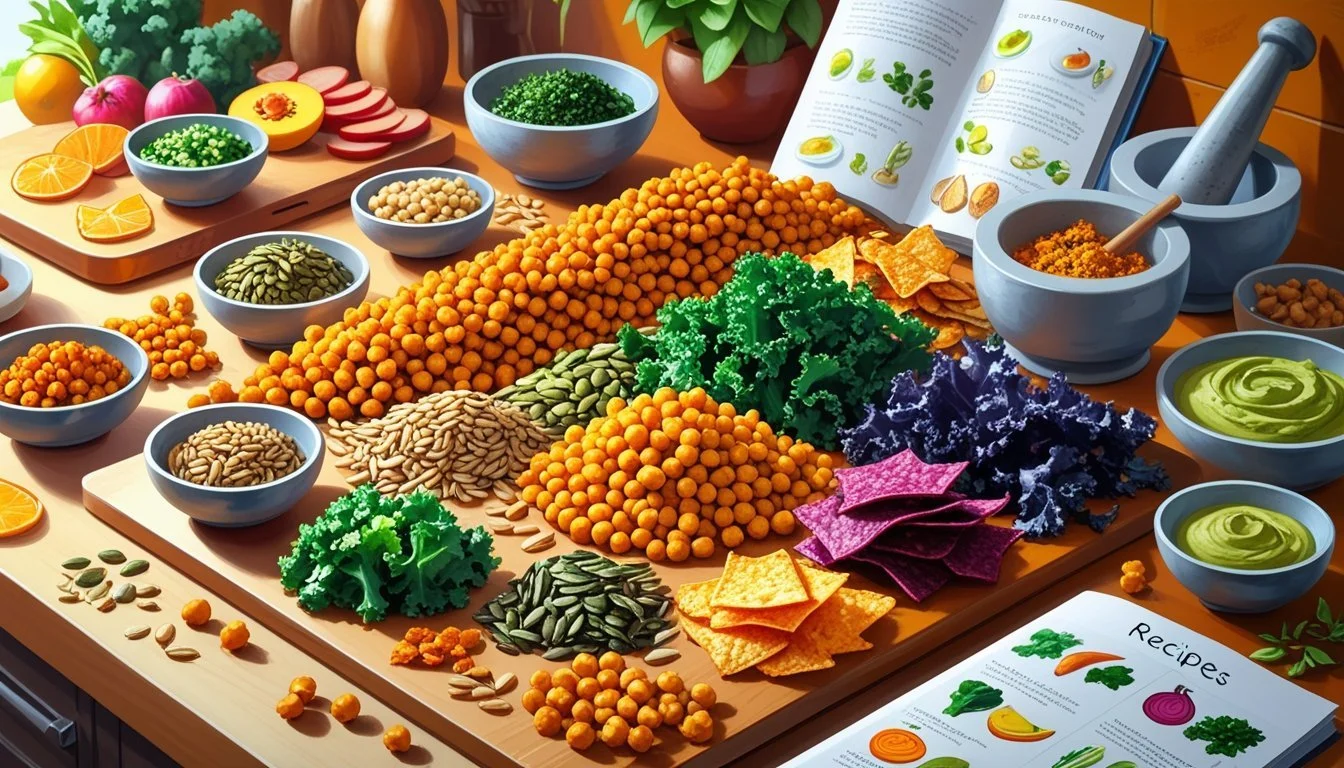
Many foods offer satisfying crunch without relying on nuts. Careful pairing with seed-based spreads and the use of seed ingredients in both sweet and savory dishes allow for appealing variety and texture.
Pairing with Sunbutter and Seed Butters
Sunbutter, made from sunflower seeds, provides a creamy base that pairs well with various crunchy elements. Roasted pumpkin seeds, toasted sunflower seeds, or granola can be sprinkled on top of Sunbutter toast or added to yogurt bowls for texture.
A simple checklist for crunch pairings:
Sunflower seeds: Add to oatmeal with Sunbutter
Granola (nut-free): Layer on Sunbutter toast
Toasted pepitas: Mix with dried fruit and Sunbutter for trail mix
Seed butters like tahini or pumpkin seed butter also work as dips for crispy carrot chips or rice cakes. Combining a smooth seed butter with a crunchy seed topping lets individuals customize the level and type of crunch.
Incorporating in Savory Dishes
Savory meals benefit from creative crunchy additions that avoid nuts. Roasted chickpeas can be tossed onto salads for a crisp bite. Baked carrot chips offer a nutritious, crunchy side and pair well with herb-spread sandwiches or hummus.
Crispy fried capers, toasted seeds (like sesame or sunflower), and crunchy toppings such as gluten-free granola can upgrade grain bowls, roasted vegetables, or soups. The following table summarizes some savory uses:
Crunchy Element Best Pairing Roasted chickpeas Salads, grain bowls Toasted pumpkin seeds Soups, stir-fries Crispy carrot chips Sandwiches, dips
Experimenting with different crunchy seed-based toppings in savory recipes increases flavor and texture without relying on nuts.

