
How to Compensate for Lost Umami in Meatless Swaps
Expert Tips for Richer Flavor

Umami, often called the “fifth taste,” is a key element that makes many meat-based dishes deeply satisfying. When swapping out meat for plant-based alternatives, the savory depth and richness that umami provides can often be missing, leaving vegetarian or vegan recipes tasting flat or incomplete. To compensate for lost umami in meatless swaps, cooks can use ingredients such as mushrooms, fermented foods, tomatoes, nutritional yeast, soy sauce, and seaweed to bring back that full, savory flavor.
Incorporating these umami-rich, plant-based ingredients helps replicate the satisfying taste that meat typically delivers. With a thoughtful approach to seasoning and ingredient selection, vegetarian and vegan dishes can achieve balanced, crave-worthy flavors that appeal to everyone, regardless of diet.
Understanding Umami and Its Role in Meatless Cooking
Umami is a fundamental aspect of flavor that gives dishes depth and savoriness, which is often associated with meat-heavy recipes. In meat-free cooking, achieving comparable complexity requires understanding what umami is, how it appears in both animal and plant-based foods, and the unique challenges for vegan and vegetarian alternatives.
What Is Umami?
Umami, sometimes called the “fifth taste,” complements sweet, salty, sour, and bitter. It is defined by a savory, lingering sensation that makes many foods taste more balanced and appetizing.
Scientifically, umami is triggered by the presence of free glutamates and certain nucleotides, such as inosinate and guanylate, on the tongue’s receptors. These compounds are commonly found in protein-heavy foods.
Foods rich in umami include aged cheeses, cured meats, tomatoes, mushrooms, soy sauce, miso, and fermented products. This taste can enhance flavor complexity and make plant-based dishes more satisfying and enjoyable.
Umami in Meat Versus Plant-Based Foods
Meat naturally contains high concentrations of glutamate and inosinate, contributing to its deep umami flavor. Cooking methods like roasting or grilling meat further intensify these savory notes.
In contrast, most plant-based ingredients rely on glutamate but generally lack inosinate, which is mostly found in animal tissue. Some plant foods—especially mushrooms, tomatoes, seaweed, and fermented soy products—offer notable umami, though not always with the same intensity as beef or chicken.
Plant-based cooks often combine several umami-rich sources to build flavor. For example, blending sun-dried tomatoes with miso or using nutritional yeast with tamari can boost the savory profile of vegetarian or vegan dishes.
Challenges of Replicating Umami in Meat Alternatives
Meat alternatives often struggle to match the layered umami profile of animal products due to differences in protein structure and the natural occurrence of nucleotides like inosinate. Some imitation meats use yeast extracts or fermented ingredients to strengthen savoriness, but the mouthfeel and lasting depth can differ.
Texture and fat content play a significant role in how umami is perceived. Many plant-based substitutes require added fats, spices, and seasonings to compensate for the absence of animal-derived proteins.
Achieving a balanced, meat-like umami in vegan and vegetarian dishes demands thoughtful ingredient selection and a combination of preparation techniques, such as fermentation, slow-roasting, or caramelization. These strategies can help replicate some of the characteristics that make traditional meaty flavors so appealing.
Essential Ingredients for Enhancing Umami in Plant-Based Dishes
Deep, savory flavors are not limited to animal products. Many plant-based ingredients bring complexity and natural umami to meatless dishes, making plant-based burgers, stews, and sauces taste rich and satisfying.
Mushrooms and Oyster Mushrooms
Mushrooms are renowned for their umami content, serving as foundational flavor boosters in plant-based cooking. Shiitake, cremini, and portobello mushrooms contain guanylate and glutamate, both compounds responsible for their meaty, savory profile.
Oyster mushrooms stand out due to their dense, juicy texture and high levels of umami compounds. They work well as meat alternatives, especially in plant-based burgers or stir-fries, providing a satisfying chew. Sautéing, roasting, or even marinating mushrooms intensifies their rich taste.
A mix of dried and fresh mushrooms can be combined for deeper complexity. Adding rehydrated dried mushrooms or using mushroom powder in broths and sauces creates depth in vegan and vegetarian dishes without artificial flavors.
Soy-Based Products: Tofu, Seitan, and Tempeh
Soy-based proteins play a critical role in boosting umami in plant-forward meals. Tofu, made from coagulated soy milk, ranges from soft to extra-firm and absorbs seasonings well. When paired with fermented ingredients or savory sauces, it delivers a mild but notable umami taste.
Tempeh takes soybeans a step further by fermenting whole beans, resulting in pronounced savory notes and a robust bite. Its fermentation process increases its complexity and depth.
Seitan, made from wheat gluten, is not technically soy-based but often appears alongside tofu and tempeh in meatless cooking. It offers a chewy texture and readily soaks up sauces, especially those emphasizing umami—miso, tamari, or mushroom broths all work well.
For best results, marinate or simmer these proteins in umami-rich liquids, grill or pan-sear for caramelization, and layer with other savory elements in plant-based dishes.
Lentils, Chickpeas, and Other Legumes
Legumes like lentils and chickpeas serve as staple proteins for plant-based meals, offering both nutrition and subtle umami flavor. Brown, green, or black lentils have a slightly earthy and savory profile, which is enhanced when cooked low and slow with aromatics.
Chickpeas, whether whole or blended into spreads such as hummus, bring a mild nuttiness and a gentle umami undertone. Roasting chickpeas boosts their savoriness and makes an excellent snack or topping for plant-based burgers and salads.
Other legumes, such as black beans and kidney beans, also support the umami foundation in stews, chilis, and tacos. Pairing legumes with tomatoes, mushrooms, or kombu seaweed intensifies the overall flavor experience.
Nutritional Yeast and Vegan Parmesan
Nutritional yeast is a deactivated yeast popular in vegan cooking for its bold, cheese-like flavor. It contains naturally occurring glutamates that deliver a noticeable umami kick.
Sprinkling nutritional yeast over pasta, popcorn, or roasted vegetables enhances their savoriness. It can also be mixed into vegan sauces, soups, or meatless burger patties for an extra depth of flavor.
Vegan parmesan alternatives—usually based on cashews, sunflower seeds, or nutritional yeast—offer a convenient way to achieve a cheesy, salty, and umami taste in a plant-based form. Homemade or store-bought versions can be kept on hand to finish dishes or boost flavor in sandwich fillings and pasta bakes.
Comparison Table
Ingredient Umami Source Best Uses Mushrooms & Oyster Glutamates Stir-fries, burgers, sauces Tofu, Seitan, Tempeh Fermentation Grilling, marinating, curries Lentils, Chickpeas Cooking + Pairings Soups, spreads, patties Nutritional Yeast/Parmesan Glutamates/Seeds Toppings, sauces, finishing
Flavor-Boosting Techniques for Meat-Free Cooking
Boosting umami in plant-based dishes often relies on proper seasoning and using the right methods to enhance flavor. Achieving a rich, satisfying taste without meat is possible with careful ingredient selection and cooking techniques that draw out depth and complexity.
Use of Seasonings and Spices
Seasonings and spices play a decisive role in bringing out umami flavors in vegetarian recipes. Soy sauce, tamari, and miso are rich sources of umami and can be added to stir-fries, soups, and sauces for an instant flavor lift. Using smoked paprika, cumin, and nutritional yeast can also mimic the savory profile often found in meat dishes.
Herbs such as thyme, rosemary, and sage intensify flavors when used in roasted vegetables or stews. Store-bought dressings and pre-made sauces like hoisin, teriyaki, or oyster-flavored mushroom sauce can provide depth and enhance mouthfeel without the need for animal products. Mixing small additions of fermented ingredients, such as kimchi juice or pickled vegetables, can add a layer of complexity to plant-based dishes.
For creaminess, cashew cream or blended silken tofu can give a rich, satisfying texture. Pairing umami-rich seasonings with these bases builds multi-dimensional flavor.
Innovative Cooking Methods
Simple technique changes can transform the taste of meatless meals. Roasting mushrooms, tomatoes, or root vegetables at high heat concentrates their natural sugars and boosts their umami profile. Sautéing aromatics such as onions and garlic until deeply golden enhances depth and makes flavors more robust.
Slow simmering broths and soups with ingredients like kombu (seaweed), sundried tomatoes, and dried mushrooms infuses plant-based dishes with a savory backbone. Marinating vegetables or tofu in umami-rich liquids—like soy sauce, miso, or vegan Worcestershire—ensures the flavors penetrate before cooking.
Grilling or charring vegetables delivers smoky undertones that create the illusion of meatiness. Emulsion techniques, such as blending olive oil with mustard, vinegar, and herbs, yield dressings that cling to ingredients and heighten taste perception. Using these methods side-by-side with seasoning helps close the gap left by meat in vegetarian cooking.
Building Depth: Broths, Sauces, and Marinades

Creating deep, satisfying flavors in meatless cooking relies on the careful use of vegetable broths, creative plant-based sauces, and marinades that enhance umami and richness. Each approach can transform plant-based dishes, providing complexity often associated with meat.
Homemade Vegetable Broth
A good vegetable broth serves as the foundation for many plant-based recipes. Roasting vegetables like onions, carrots, tomatoes, garlic, and mushrooms brings out caramelized, savory notes. Adding kombu seaweed or dried shiitake mushrooms increases glutamates, which boost umami.
Simmering slowly with herbs such as thyme, bay leaf, and parsley deepens the flavor. Make sure to strain the broth for clarity and reduce it further for concentrated taste. Freezing broth in ice cube trays makes it easy to add a dash of depth to sauces and grains as needed.
Rich Plant-Based Sauces
Building intensity in meatless sauces centers on using layers of flavor from umami-rich ingredients. Tomato paste, fermented soy products like miso, nutritional yeast, and tamari are reliable options. Combine sautéed mushrooms or sun-dried tomatoes with sautéed aromatics for an extra punch.
Blend these with broth or plant-based milks for creamy sauces. Commercial vegan Worcestershire sauce and balsamic reduction offer good shortcuts. Balancing salt, acid, and a touch of sweetness makes the sauce well-rounded, so keep tasting and adjusting as you cook.
Quick Reference Table: Umami-Building Sauce Ingredients
Ingredient Benefit Miso Deep fermented flavor Tomato paste Rich, sweet umami Nutritional yeast Parm-like savoriness Soy/tamari Salty depth Mushrooms Earthy, meaty notes
Marinades That Deliver Meaty Flavor
Effective plant-based marinades use savory, acidic, and sweet components to mimic the complexity of meat-based marinades. Soy sauce, liquid smoke, maple syrup, garlic, and smoked paprika are common staples.
Tofu, tempeh, mushrooms, and seitan soak up flavor well, especially when marinated for several hours. Adding a small amount of molasses or vegan mushroom powder makes grilled or roasted vegetables taste richer and more satisfying.
Store-bought dressings can offer quick convenience, but reading labels for umami boosters like miso or tamari helps pick the best ones. Rotating through a variety of marinades prevents flavor fatigue and keeps plant-based meals interesting.
Smart Plant-Based Swaps for Hearty Meals

Hearty, satisfying meals can be made without meat by using specific plant-based ingredients that contribute rich flavors and satisfying textures. Some plant-based swaps provide structure and mouthfeel, while others deliver the savory depth traditionally found in animal-based dishes.
Using Jackfruit, Cauliflower, and Grains
Jackfruit stands out for its fibrous texture, making it suitable for shredded “pulled” dishes like tacos and barbecue sandwiches. When seasoned well, jackfruit absorbs sauces and provides a chew that resembles pulled pork or chicken.
Cauliflower offers a neutral flavor that adapts well to roasting, grilling, or even mashing. Roasted cauliflower steaks or florets as a base for curries and casseroles bring bulk and mild sweetness to dishes, making them more satisfying in place of meat.
Hearty grains such as farro, barley, and brown rice add chewiness and a mildly nutty flavor. They work well in grain bowls, as a risotto base, or in stuffed vegetables like peppers. Grains supply complex carbohydrates and hold up well alongside vegetables and sauces, helping to recreate the structure of meaty meals.
Commercial Plant-Based Meats: Beyond Meat, Gardein, and More
Beyond Meat and Gardein are popular brands that produce plant-based meats designed to replicate the taste and texture of beef, chicken, and pork. These products are often made from pea protein, soy, or wheat gluten, offering options for different dietary needs.
The convenience and versatile use of commercial plant-based meats make them ideal for busy schedules or for transitioning to Meatless Monday habits. They can be used directly in recipes that call for traditional meats, such as burgers, tacos, stir fries, and pasta dishes.
Many grocery stores now stock a wide variety of these plant-based options, allowing consumers to try products like plant-based sausages, nuggets, and even ground “meat” to suit their cooking style. Always check ingredients to align with dietary preferences or allergen considerations.
Simple Swaps for Classic Dishes
Swapping common ingredients in traditional recipes with plant-based options can maintain the comfort and familiarity of classic meals. For a creamy sauce or soup, coconut milk or cashew cream replaces dairy with richness and depth.
Mushrooms, especially portobellos or creminis, provide an umami boost and hearty texture in stroganoffs, stews, or pot pies. For a sandwich filling, mashed chickpeas mixed with seasonings can stand in for shredded chicken or tuna.
Legumes such as lentils can substitute for beef in tacos, shepherd’s pie, or spaghetti sauce. Below is a quick reference table for classic swaps:
Meat-Based Dish Plant-Based Swap Beef burger Beyond Meat patty Chicken stew Jackfruit, cauliflower, lentils Tuna salad Mashed chickpeas Meatloaf Lentils, grains, mushrooms
These swaps keep dishes hearty and satisfying, emphasizing taste and texture while staying plant-based.
Nutritional Considerations for Meatless and Umami-Rich Diets
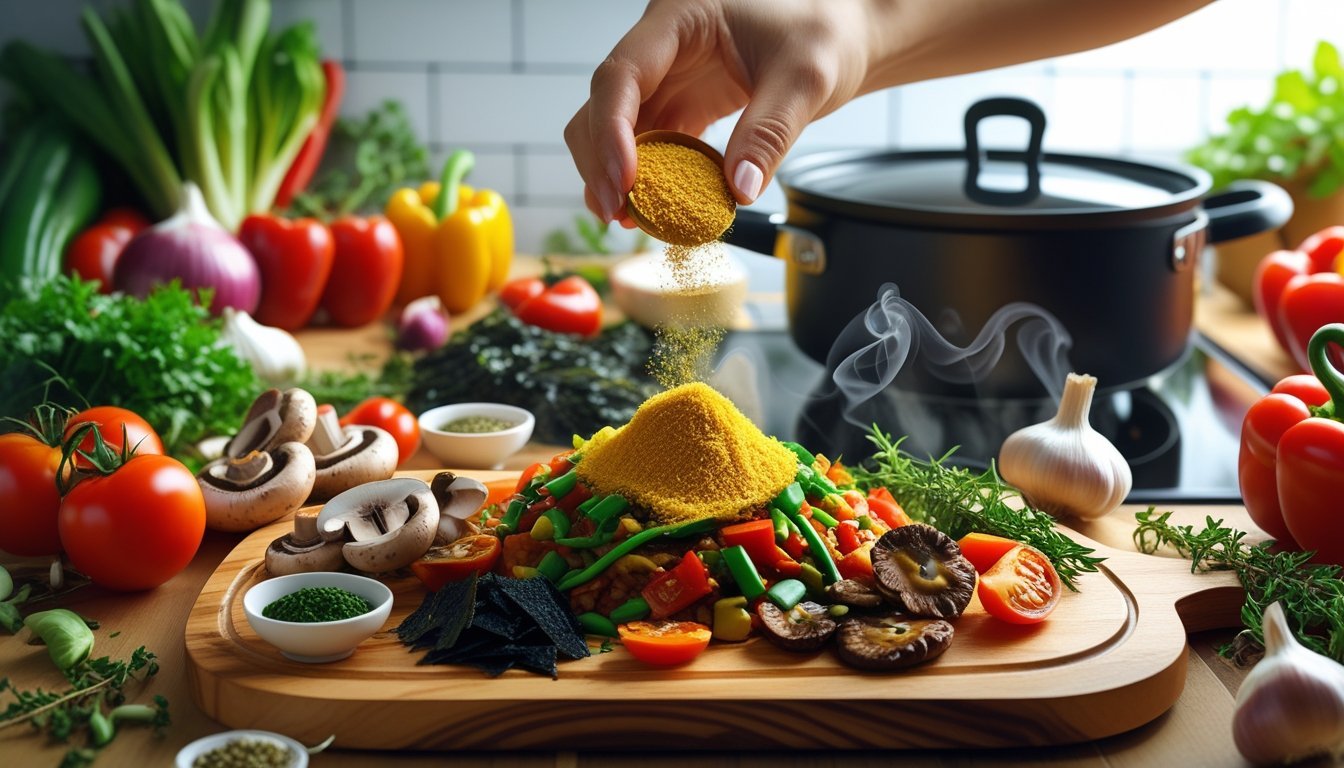
Building meatless meals with strong umami flavor requires attention to protein, fiber, and seasoning, while also being mindful of saturated fat and calorie intake. Careful ingredient selection makes these diets healthier and more satisfying.
Balancing Protein, Fiber, and Flavor
Meatless diets often rely on beans, lentils, tofu, tempeh, and whole grains to supply protein. These foods not only help maintain muscle and metabolism but also contribute important minerals like iron and zinc. Including a variety of plant-based ingredients ensures a more complete amino acid profile.
Boosting flavor can be achieved using mushrooms, tomatoes, miso, nutritional yeast, and fermented products. These ingredients supply natural glutamates, enhancing the umami quality of dishes without meat.
Fiber is abundant in plant-based diets, which supports healthy digestion and helps control appetite. Chickpeas, black beans, quinoa, and brown rice are excellent for both fiber and protein. Combining these foods prevents nutrient gaps and makes meals both nutritious and flavorful.
Protein Source Protein (per 100g) Fiber (per 100g) Lentils (cooked) 9g 8g Tofu (firm) 8g 1g Black beans (cooked) 9g 8g
Reducing Saturated Fat and Calories
Meatless, umami-rich diets generally contain less saturated fat and fewer calories than diets high in animal products. Choosing legumes, soy, vegetables, and whole grains allows one to cut back on animal-based fats, which supports heart health and weight management.
Plant-based versions of umami, such as miso or sun-dried tomatoes, offer bold taste with minimal fat. Cooking methods also matter; baking, steaming, and grilling use less oil than frying and help reduce unnecessary calories.
Using whole ingredients, limiting highly processed foods, and opting for low-sodium seasonings further improve the overall health profile of meals. Monitoring portion sizes of calorie-dense foods, such as nuts and seeds, is important to avoid unintentional excess calorie intake.
Adapting Family Favorites and Classic Recipes

Many classic recipes rely on meat for depth of flavor, especially through umami. Substituting meatless options often requires extra attention to seasoning, texture, and ingredient swaps to match the satisfaction of the originals.
Italian Classics Made Plant-Based
Transforming Italian classics like lasagna, spaghetti Bolognese, and eggplant Parmesan into meatless versions requires more than simply removing the meat or eggs. Focus on umami-rich plant-based ingredients such as mushrooms, sun-dried tomatoes, olives, and miso to deepen the flavor.
For Bolognese, try a mix of finely chopped mushrooms and lentils sautéed with garlic, onions, and tomato paste. Add a tablespoon of soy sauce or a pinch of nutritional yeast to elevate the savory notes.
Egg substitutes such as ground flaxseed or aquafaba can bind ingredients in meatless meatballs or plant-based lasagna. Use cashew cream or store-bought vegan mozzarella as cheese alternatives for a creamy, satisfying finish.
Sample Ingredient Swaps Table
Original Ingredient Plant-Based Substitute Ground beef Mushrooms + lentils Eggs Flaxseed meal + water Parmesan cheese Nutritional yeast + cashews
Taco Night With Meat Alternatives
For taco night, traditional ground beef or chicken can be replaced with textured vegetable protein (TVP), lentils, or crumbled firm tofu. Brown the substitute in a skillet with classic spices such as cumin, smoked paprika, and chili powder to build depth.
Enhance umami by stirring in tomato paste, a splash of soy sauce, or a handful of diced mushrooms. Roasted corn, black beans, and sautéed bell peppers add texture and variety, while avocado and lime keep the meal vibrant.
When using meatless fillings, make sure to season generously and consider a squeeze of lime or a spoonful of salsa to bring balance. Serve with warm tortillas, shredded lettuce, and plant-based cheese for a satisfying meal.
Expanding Variety in Everyday Meatless Meals
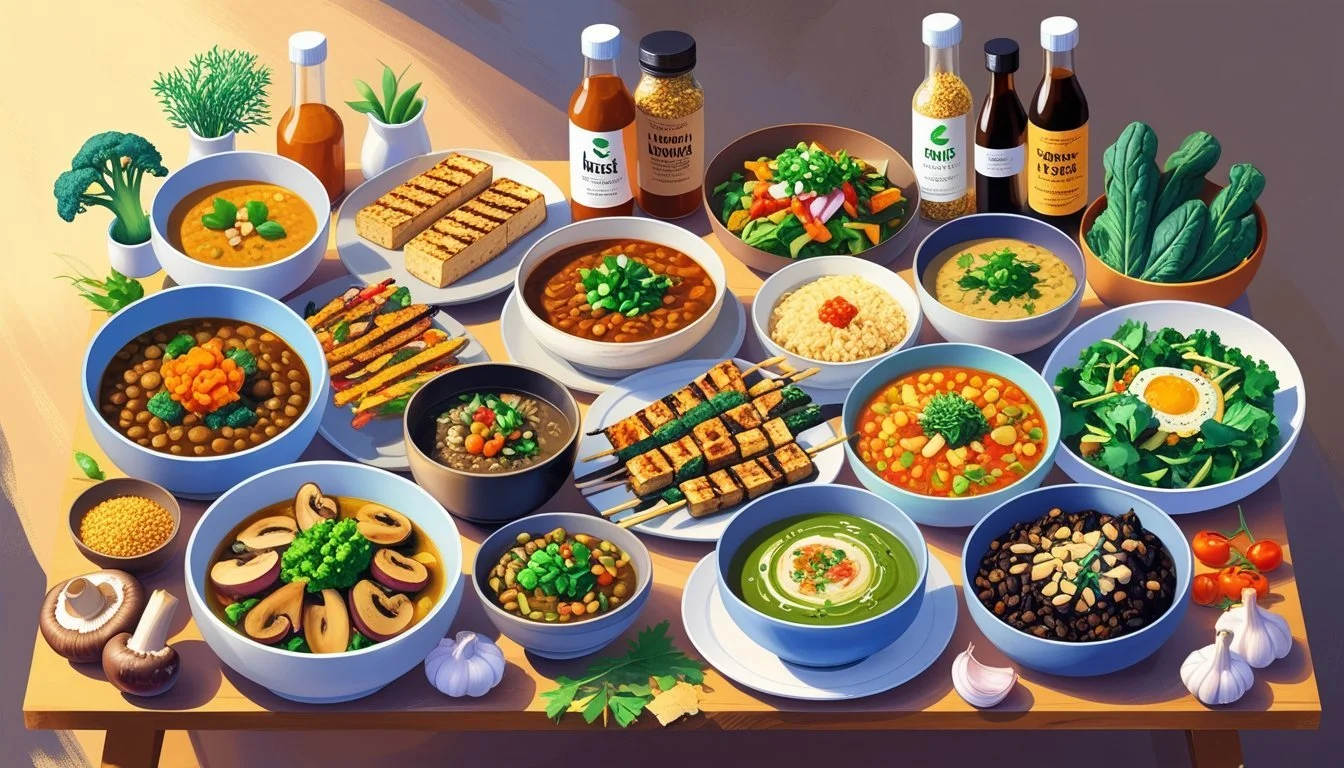
Increasing the variety of plant-based options enhances both flavor and nutritional profiles in everyday meals. With thoughtful ingredient choices and preparation techniques, meatless dishes remain satisfying and enjoyable.
Incorporating Global Flavors
Drawing inspiration from global cuisines introduces bold tastes and new seasoning profiles. For instance, Japanese miso, Korean gochujang, and Thai curry paste all add rich umami and depth. Italian, Indian, and Middle Eastern dishes often feature lentils, beans, and grains as main components.
A quick table of globally inspired umami boosters:
Ingredient Cuisine Notes Miso Japanese Fermented, salty, savory Gochujang Korean Spicy, fermented chili paste Za’atar Middle Eastern Herb blend with sesame Smoked paprika Spanish Adds smokiness Nutritional yeast Various Cheesy, umami, non-dairy
Layering these ingredients enhances variety and keeps flavors exciting. Using spice blends, tangy fermented foods, and roasted vegetables can make meals more dynamic without relying on meat.
Exploring New Plant-Based Ingredients
A diverse selection of plant-based foods can replace meat’s complexity. Ingredients like mushrooms, sun-dried tomatoes, seaweed, caramelized onions, and roasted nuts offer deep flavors.
Beans and lentils are central, providing protein and a satisfying texture. Tempeh and tofu work well in stir-fries and stews. Whole grains such as farro, quinoa, and bulgur also add nutty undertones and pleasing chew.
List of useful plant-based swaps:
Mushrooms (especially shiitake or portobello)
Lentils, chickpeas, black beans
Grains: quinoa, barley, brown rice
Roasted nuts (almonds, walnuts)
Seaweed (nori, dulse)
Selecting from these options increases meal variety and creates balanced, flavorful plates for any day of the week.

