
Substitutes That Mimic Browning and Caramelization
Effective Alternatives for Rich Flavor and Color
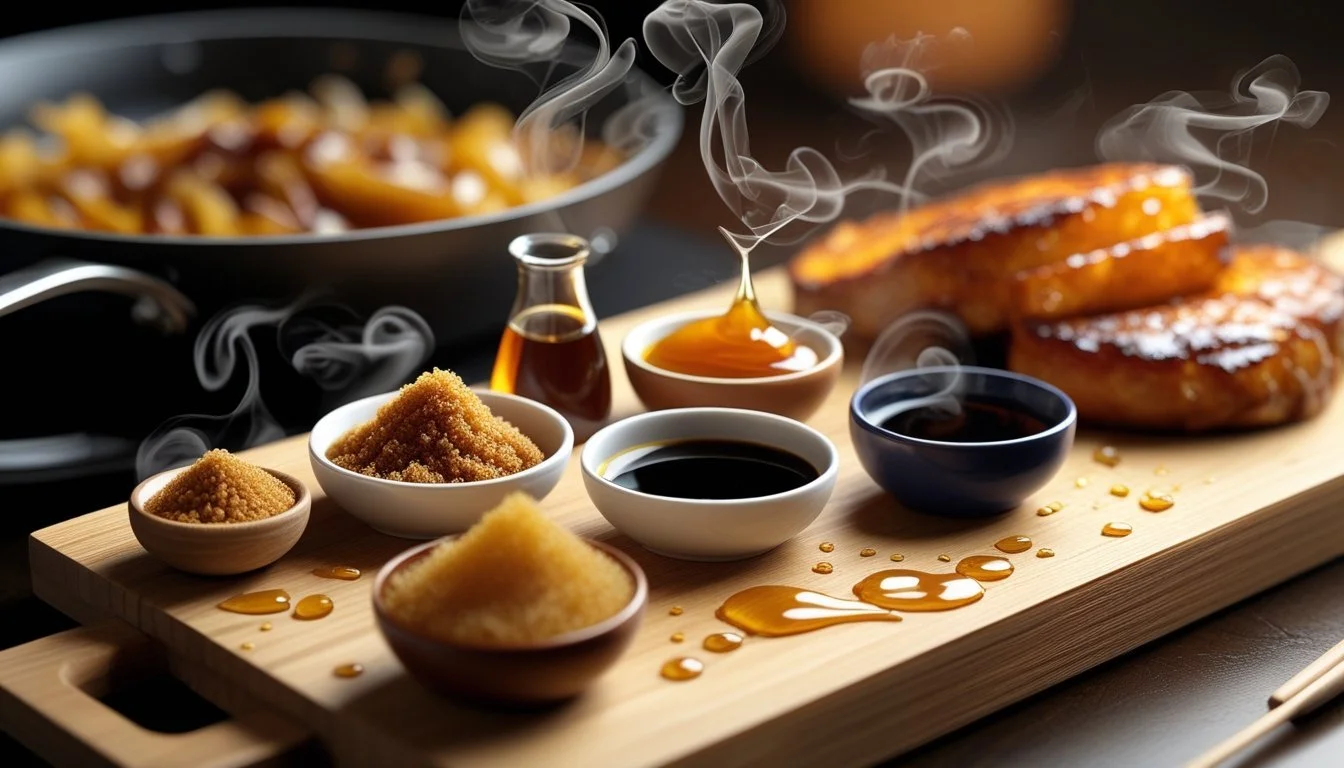
Those looking to achieve the rich flavor and appealing color of browning and caramelization without traditional methods have several effective substitutes at their disposal. Whether broiling in the oven to mimic a kitchen torch’s effect or choosing ingredients like allulose for sugar-free caramelization, there are straightforward ways to build depth and complexity in dishes.
Browning sauces, soy sauce, and even specific sugar substitutes can replicate the savory notes and golden hues that make certain foods so appetizing. These options offer flexibility for various dietary needs and kitchen setups, helping cooks recreate classic culinary results when certain equipment or ingredients aren't available.
Understanding the properties of these alternatives empowers home cooks to experiment confidently. Using the right techniques and substitutes, anyone can enjoy caramelized textures and flavors every time they cook.
Understanding Browning and Caramelization
Browning and caramelization transform food’s appearance, flavor, and texture through specific chemical reactions. Different cooking methods initiate these reactions at varying temperatures, resulting in complex flavors and signature colors.
Maillard Reaction
The Maillard reaction is a non-enzymatic chemical reaction between proteins (especially amino acids) and reducing sugars. It typically starts at temperatures above 140°C (284°F) and is a primary driver behind the browning in baked goods, seared meats, and roasted coffee.
Key elements of the Maillard reaction include the presence of both protein and a reducing sugar, such as glucose or fructose. This process leads to the creation of hundreds of new flavor and aroma compounds, which contribute to savory, nutty, and roasted notes in cooked foods.
Temperature control is crucial during the Maillard reaction. Insufficient heat can prevent browning, while excessive heat may lead to burning. The reaction produces a distinctive color and plays a key role in developing a crispy finish on the surface of many foods.
Caramelization Science
Caramelization is the thermal decomposition of sugars, such as sucrose, glucose, and fructose, when exposed to high heat—usually above 160°C (320°F). Unlike the Maillard reaction, caramelization does not require proteins or amino acids, only sugars.
During caramelization, sugar molecules break down and reorganize into new compounds that give food a golden-brown color and a complex, sweet flavor profile. This process is common in making caramel candies, toffee, and the crackly top on crème brûlée.
Proper temperature control is essential, as sugars have distinct melting points and can quickly transition from caramelized to burnt. The risk of crystallization can be reduced by controlling moisture and agitation during heating.
Flavor and Texture Development
Both browning and caramelization are responsible for much of the depth and complexity found in cooked foods. These reactions not only develop complex flavors, ranging from rich and savory to sweet and toasted, but also affect the final texture.
Maillard-driven browning can enhance moisture retention in meat by creating a seared crust, while caramelization in baked products leads to a crispy, glossy finish. The combination of chemical reactions and cooking techniques—such as dry heat roasting or pan-searing—directly impacts the development of both flavor and texture.
Flavor profiles resulting from these reactions are highly specific, with the Maillard reaction offering savory complexity and caramelization lending a multilayered sweetness. Proper technique ensures consistent, desirable results in both flavor and mouthfeel.
Classic Browning Agents and Their Functions
Browning agents provide foods with distinct flavors, aromas, and visual cues of doneness. They are valued for their ability to enhance both taste and appearance by encouraging caramelization and the Maillard reaction.
Molasses and Brown Sugar
Molasses, a byproduct of sugar refining, is dense in color and has a robust, bittersweet profile. It infuses dishes with a dark, rich appearance and earthy flavor. Its natural thick texture makes it suitable for baked goods, glazes, and marinades.
Brown sugar is made by mixing molasses with granulated sugar, offering a balance of moisture and sweetness. Its subtle caramel tones and soft granulometry allow it to dissolve easily, perfect for sauces and batters. Compared with white sugar, brown sugar accelerates both browning and moisture retention in recipes.
Common Uses:
Agent Appearance Flavor Profile Typical Uses Molasses Dark, thick syrup Bittersweet, rich Barbecue sauces, baked goods, marinades Brown Sugar Soft, tan crystals Mild caramel, sweet Cookies, cakes, glazes
Caramel Sauce and Browning Sauce
Caramel sauce is made by heating granulated sugar until it browns and develops a signature caramel flavor. The addition of cream or butter transforms it into a smooth topping for desserts. Caramelization in this context refers to the thermal breakdown of sugars, producing both color and complex aromas.
Browning sauce, such as Kitchen Bouquet, is a liquid condiment comprised of caramel color and vegetable extracts. It mimics the look of pan-seared meats and dark gravies. Homemade browning sauce alternatives can be made by combining sugar, water, and a small amount of vegetable broth, producing similar dark hues and savory undertones.
Browning sauces are primarily used to deepen the appearance of gravies, stews, and meat dishes. Their impact is stronger on visual appeal than flavor, but they do add subtle bitterness and roasted notes.
Soy-Based and Umami Contributors
Soy sauce, tamari, and dark soy sauce each contain high levels of amino acids, contributing both to browning through Maillard reactions and to pronounced umami flavor. These sauces lend depth and color when added to marinades, stir-fries, and braises.
Worcestershire sauce and oyster sauce offer complementary savory profiles. These condiments contain fermented ingredients, providing unique tang and complexity to cooked foods. Their inclusion in mixes or as browning sauce substitutes can enhance both taste and color.
Soy-based sauces function as more than just salt replacements by creating richer, darker hues and promoting desirable caramelized flavors, particularly in roasted or grilled dishes. Their value extends to both vegetarian and meat-based recipes seeking a deep, savory character.
Effective Substitutes That Mimic Browning and Caramelization
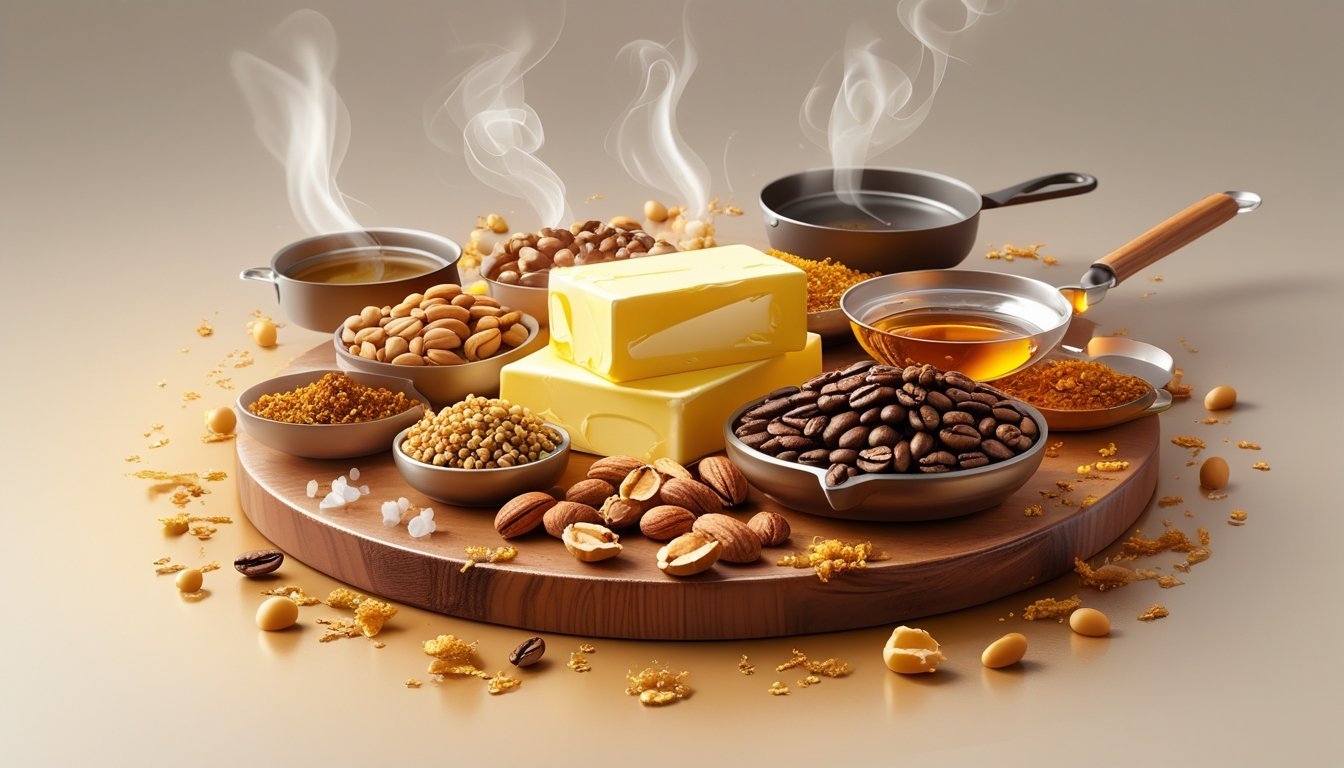
Several ingredients can mimic the color, flavor, and aroma created by browning and caramelization in cooking. Each substitute works best in particular recipes, and the choice depends on dietary needs, taste preferences, and cooking methods.
Kitchen Bouquet and Browning Sauce Substitutes
Kitchen Bouquet and other commercial browning sauces add both color and subtle roasted flavor to dishes like gravies and stews. For those looking for alternatives, a combination of homemade caramelized sugar and water is a reliable option. Lightly heating sugar in a dry pan until it turns a deep brown, then mixing it with a small amount of water, creates a DIY browning liquid.
Molasses and dark corn syrup can also replicate the color and depth of browning sauce. Mixing these with soy sauce or Worcestershire sauce provides added umami and enhances both color and complexity. Caramelized onions blended with broth are another natural substitute for enhancing depth and brown hues in soups and sauces.
Substitute Best For Notes Molasses Gravies, roasts Adds sweetness and depth Caramelized sugar All-purpose Easy to make with white or brown sugar Caramelized onions Soups, stews Provides color and flavor
Natural Sweetener Alternatives
Brown sugar, maple syrup, and honey provide both natural sweetness and the ability to develop color when heated. These sweeteners undergo Maillard reactions and caramelization, contributing both taste and a brown appearance to glazes, baked goods, and marinades.
Maple syrup is particularly popular for its robust flavor and tendency to brown well in the oven. Honey caramelizes at lower temperatures, producing a glossy finish on roasted vegetables or meats. Molasses is high in minerals and offers a bittersweet, rich profile that closely mimics traditional browning.
Natural sweeteners have the advantage of being less processed than table sugar, but they still affect blood sugar and calories. Moderation is key, especially for those monitoring their carbohydrate intake.
Sugar Substitutes for Dietary Restrictions
For those on a keto diet or with diabetes, conventional sugar is often unsuitable due to its effect on blood sugar and insulin. Allulose offers a promising alternative, as it browns during baking and mimics caramelization more closely than many other substitutes. It has about 1/10 the sweetness of sucrose and is low in calories.
Xylitol is another low-calorie substitute and provides some browning, though less than allulose. Stevia and many artificial sweeteners do not brown or caramelize but can be blended with small amounts of brown sugar or molasses for color.
These sugar substitutes allow for baking and roasting with reduced calories and glycemic impact, but results vary in terms of texture and flavor. Experimenting with blends, such as combining allulose with a spoonful of caramelized onions or molasses, often yields the most authentic results.
Browning Techniques for Diverse Culinary Uses
Browning transforms flavors and alters textures to create visually appealing and complex tasting foods. The right method depends on the dish, the equipment available, and the desired outcome.
Grilling and Searing for Golden-Brown Results
Grilling and searing use high, direct heat to create a golden-brown crust. This process is especially important for meats and vegetables, as it triggers the Maillard reaction, developing rich, savory flavors and locking in juices.
When grilling, heat from charcoal or gas causes quick browning, while allowing excess fat to drip away. Searing is done on the stovetop—usually in a heavy pan—by placing food on an extremely hot surface for a short time. A kitchen torch can also be used to add browning to foods like steak or even delicate proteins. Both techniques deliver a distinctive texture and color that home cooks and professionals seek.
Baking and Dessert Applications
Baking encourages browning through both caramelization and Maillard reactions, depending on sugar and protein content. Desserts like toffee, caramel, and certain flavored desserts rely on controlled heating to develop their color and flavor.
Caramelization happens when sugars are heated, as in crème brûlée, where a kitchen torch creates a crisp, brown sugar crust on top. Pastries and baked goods achieve a golden finish through egg washes or milk brushed on the surface pre-baking. The formation of golden-brown edges signals the right point of doneness for cookies, cakes, and breads, enhancing appeal and taste.
Sauces and Marinades Enhancement
Sauces and marinades benefit from browning techniques, which intensify depth and complexity. Caramelized onions are a classic example: slow cooking onions over low heat brings out natural sugars, developing a sweet, rich flavor used in soups, sauces, and toppings.
Browning meat or vegetables before adding liquid is a key step in making gravies and pan sauces, as browned bits stuck to the pan dissolve and enhance flavor. Marinades with sugars or honey can promote browning when cooked, contributing to the meat’s visual and sensory appeal. Caramelized components add both color and a layer of savory sweetness that can define a sauce’s character.
Flavor Profile and Nutrition Considerations
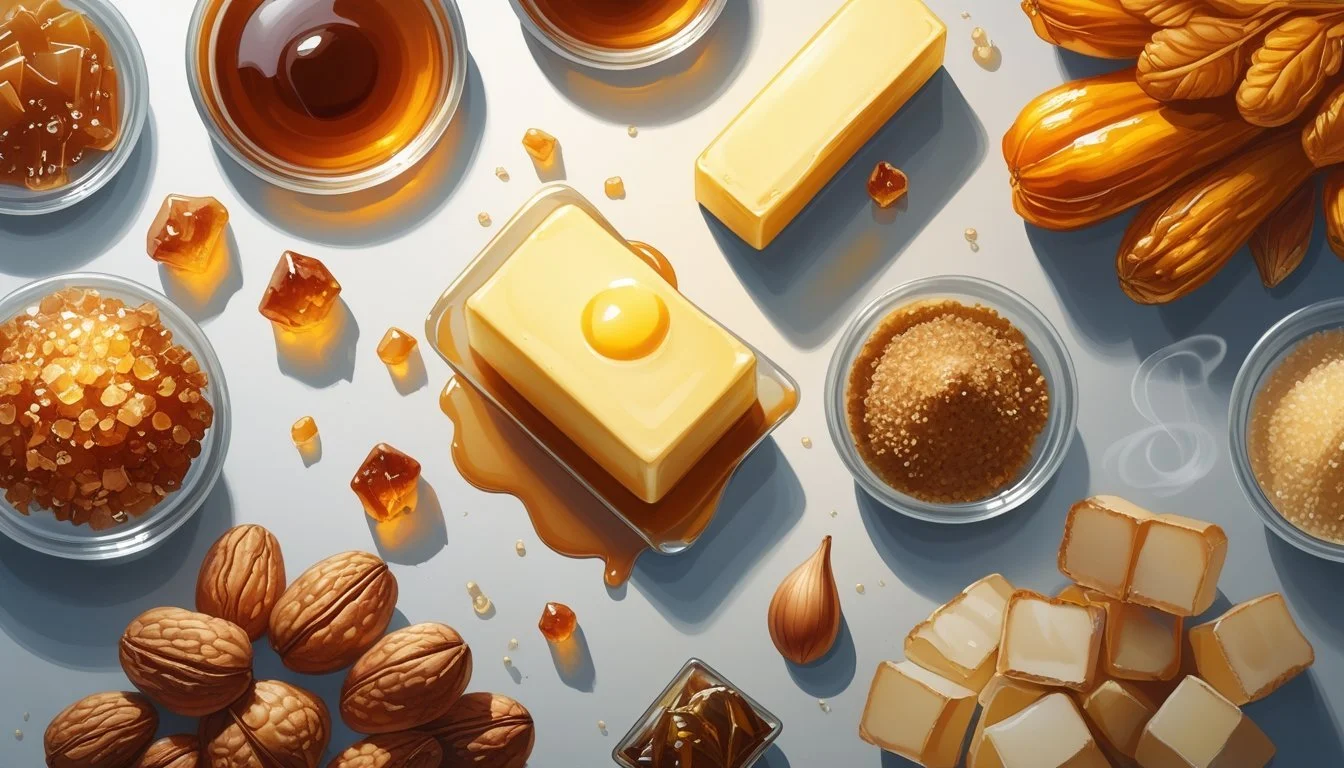
Choosing substitutes that can deliver both browning and caramelization affects the taste and nutrition of the final product. The options available differ in how closely they mimic sugar’s effects, impact calorie content, and fit varied dietary needs.
Adjusting for Sweetness and Complexity
Not all sugar substitutes offer the same level of sweetness or develop the same complex flavors during cooking. Some, like erythritol or stevia, are much sweeter than sugar but may lack the ability to brown or produce the nuanced flavor compounds formed through caramelization or the Maillard reaction.
Browned flavors and aromas result when sugars or certain substitutes interact with proteins and heat. Monk fruit and allulose can mimic some browning, though the depth of flavor is often milder. Substitutes with added fiber syrups or blends may provide better complexity, but adjustments to recipes are needed to prevent overpowering sweetness or off-tastes. Using a table or list to compare substitution rates helps balance sweetness and complexity more accurately.
Reducing Calories and Managing Dietary Needs
Substitutes like allulose, erythritol, and stevia are often used to lower calorie intake while still promoting some caramelization or browning. These alternatives can reduce overall calories significantly, sometimes to zero, making them suitable for low-calorie diets or weight management plans.
Many substitutes are also compatible with the keto diet or those seeking low-glycemic options, as they do not spike blood sugar. For individuals with diabetes or specific dietary restrictions, these substitutes offer functional benefits. Some, like stevia, may include antioxidants, while others are free of common allergens or animal products, broadening their appeal. Always checking individual product labels is key to ensuring dietary appropriateness.
Tips for Achieving Perfect Browning Results
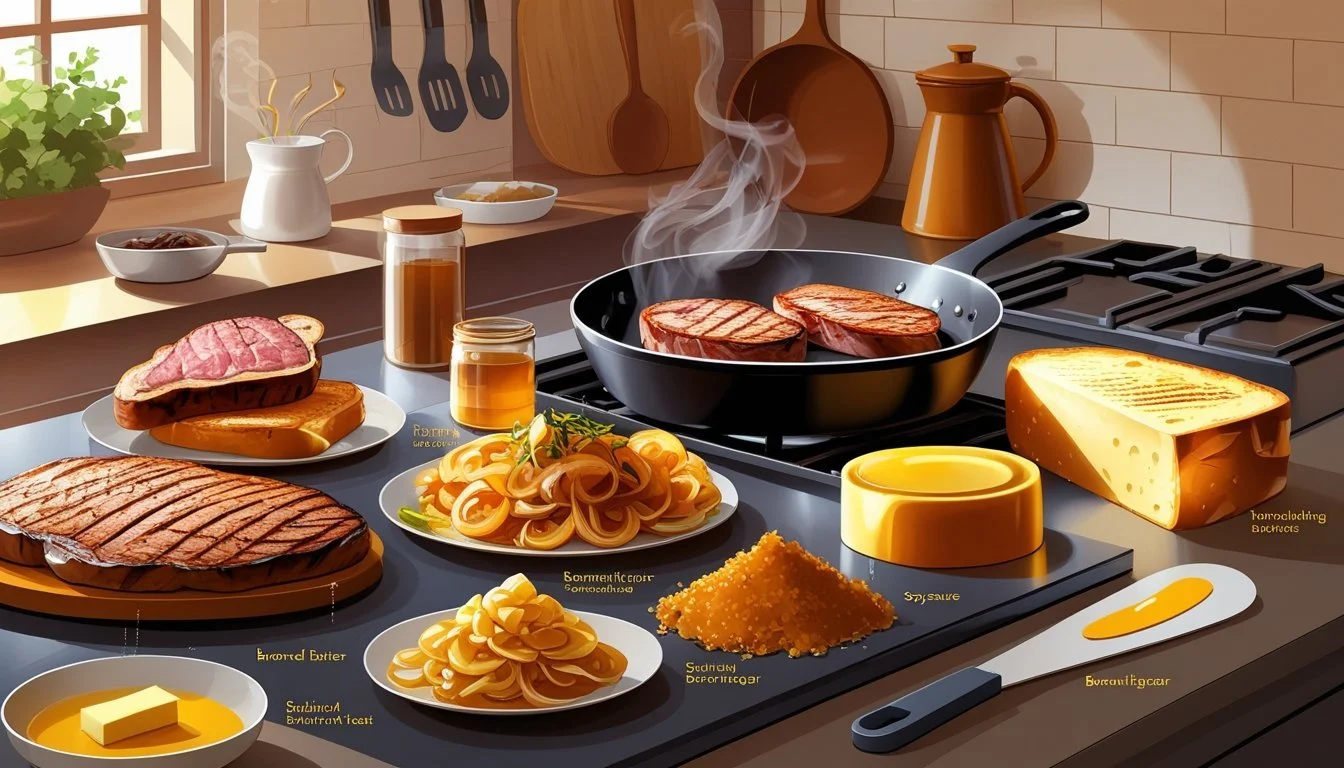
Precise control over heat and proper preparation are essential for reliable browning and caramelization. Heat, moisture, and attention to detail determine the flavor and texture achieved.
Temperature and Time Control
Consistent heat is crucial. Most browning and caramelization reactions occur between 300°F and 400°F (150°C to 205°C), depending on the sugar or protein involved. Using a calibrated oven or a candy thermometer can prevent overheating and burning.
When browning bread tops or roasting meats, maintaining the target temperature helps form a crisp, caramelized crust. Watch the cooking time closely; too little time results in pale food, while too much can cause burning. For stovetop browning, choose a heavy pan for even heat.
Allow meats or other ingredients to reach room temperature before cooking. This promotes even browning and prevents cool spots from steaming rather than searing. Preheat pans or baking trays to ensure the browning begins immediately upon contact.
Avoiding Common Mistakes
Excess moisture is a top cause of uneven browning. Patting ingredients dry with paper towels removes water that could lead to steaming rather than searing. Leave space between items in the pan to prevent them from steaming each other.
When making caramel or browning sugar, avoid stirring too much, as this can cause crystallization. Use clean utensils and avoid introducing impurities. For baked goods, over-brushing with egg wash or adding watery toppings can interfere with browning and promote moisture retention.
Monitor closely near the end of cooking. Small time differences can mean the difference between golden and burnt. Use visual cues like color and aroma, especially if not relying on precise timers.
Choosing the Right Substitute for Each Cooking Method
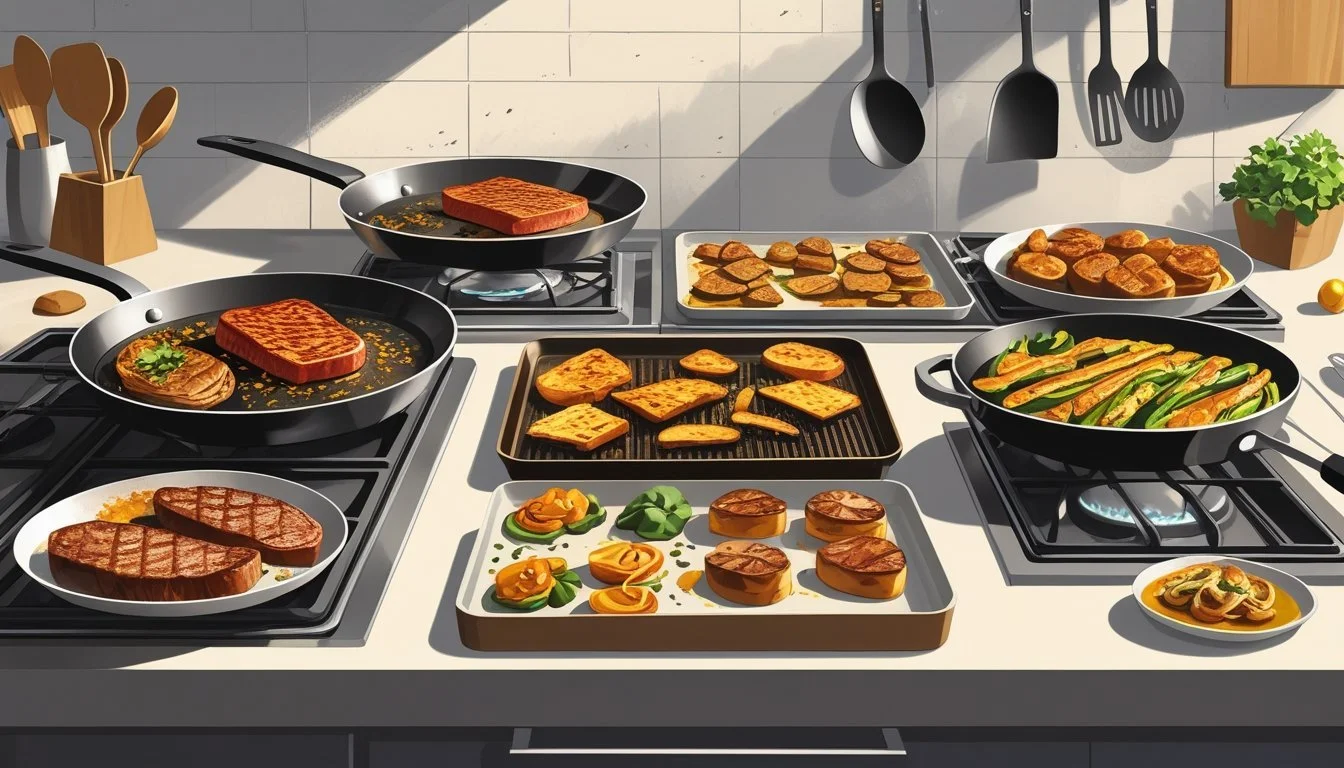
Different cooking methods call for specific substitutes to replicate browning or caramelization. Each option brings unique characteristics suited to a particular technique, ingredient, or desired result.
Selection for Grilling and Searing
When grilling or searing, high heat creates a browned, flavorful crust, often driven by the Maillard reaction. To mimic this effect if sugar content is low or if dietary needs require alterations, a browned flour or a dry roux can be used. Both develop deep flavor and color without sweetness.
Soy sauce and Worcestershire sauce add umami and a rich brown color. These are brushed lightly onto proteins before or during searing. Molasses, in small quantities, can deepen the browning and highlight toasty notes. Cocoa powder—used sparingly—adds both bitter depth and color.
Quick reference table:
Substitute Flavor Contribution Best Use Browned flour/roux Nutty, savory Searing/grilling meats Soy sauce Salty, umami, dark color Marinade/glaze Worcestershire Tangy, umami, complex Marinade/basting Molasses Robust, sweet, bitter Glaze/finishing brush Cocoa powder Bitter, earthy Rubs/marinades (sparingly)
Options for Baking and Confectionery
Baking often relies on granulated sugar for browning and caramelization. For sugar-free or alternative baking, date sugar closely matches brown sugar’s caramel-like flavor and color, making it ideal for cookies, cakes, and toffee.
Burnt sugar, created by melting and darkening sugar, works well for coloring and providing a toasted flavor in baked goods like crème brûlée. Maple syrup and molasses both enhance browning and deliver deeper notes, but due to their higher moisture, recipes may need slight adjustments to maintain texture.
For gluten-free baking, a mix of coconut sugar and a touch of baking soda can speed up browning and intensify caramel notes. Avoid artificial sweeteners when browning or caramel flavor and color are primary goals, as they generally do not undergo caramelization.
Best Substitutes for Sauces and Marinades
In sauces and marinades, balancing flavor and color is critical. Browning sauce substitutes such as homemade burnt sugar syrup, a dash of soy sauce, or Worcestershire sauce can create depth and a brown hue.
For savory gravies, a dry roux imparts color and a roasted, nutty character. Balsamic vinegar and miso paste add umami and coloring, but should be paired thoughtfully to avoid overpowering other ingredients.
Combining small amounts of molasses or a touch of coffee can enhance color, while still keeping sauces balanced. Marinades with a mixture of soy sauce, Worcestershire, and a sweet component like honey or brown sugar effectively mimic the complexity and color that come from traditional browning.

