
Emulating Animal Products with Whole Plants
Techniques, Benefits, and Innovations
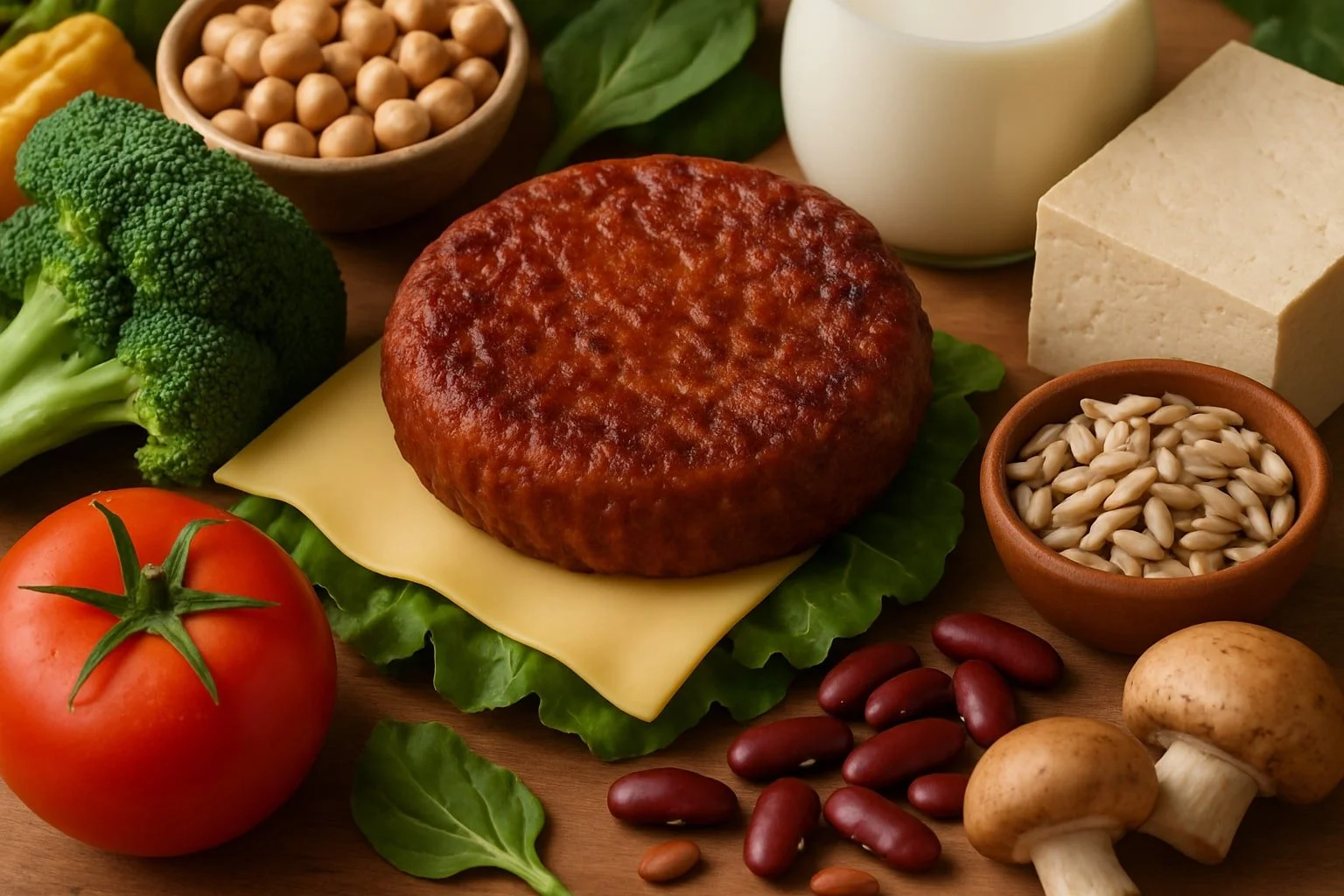
Emulating animal products with whole plants means recreating the taste, texture, and even nutritional qualities of animal-based foods using only ingredients sourced directly from plants. Advances in food science have made it possible for plant-based products to closely match the sensory experience of eating meat or dairy, attracting consumers interested in sustainable and ethical food choices.
Scientists and food companies are now able to design plant-based foods that mimic not just the flavor but also the structure and mouthfeel of animal products. Innovations such as plant-protein-stabilized fats and protein matrices help bridge the gap between traditional animal products and their plant-based counterparts, making these alternatives more appealing and versatile.
This approach doesn't rely on animal cells or highly processed additives but leverages whole plants in creative ways, holding promise for both consumers and the environment.
Understanding Animal Products and Their Role in the Diet
Animal products such as meat, milk, and eggs supply major nutrients and play a significant part in dietary patterns worldwide. Their composition, consumption patterns, and health effects are important in understanding how they fit into diets and how whole plant alternatives might emulate their roles.
Nutritional Composition of Animal Products
Animal products deliver complete proteins, containing all essential amino acids needed for human health. For example, beef, chicken, fish, dairy, and eggs all have high protein content and are dense in key nutrients.
They also provide vitamins like B12 and minerals such as iron, zinc, and calcium. Unlike most plant foods, animal sources of iron are in the heme form, which is more easily absorbed by the body.
Some animal foods are also rich in saturated fat and cholesterol. The specific nutrient profile depends on the type of animal product; for instance, skim milk is low in fat, while red meats are higher in saturated fat.
Global Patterns of Meat and Dairy Consumption
Meat and dairy intake varies greatly between regions and cultures. Developed countries such as the United States and much of Europe report higher meat and milk consumption per capita, while many Asian and African countries have diets centered more around plant staples with lower intake of animal products.
Average Annual Meat Consumption (kg per capita):
Country/Region Meat Milk United States 100 240 European Union 70 220 India 4 80 Sub-Saharan Africa 8 30
Socioeconomic status, tradition, religion, and local agriculture influence these patterns. Changes in income and urbanization trends tend to push societies toward higher animal product intake over time.
Health Implications of Animal Protein Intake
Animal protein supports muscle synthesis, immune function, and several metabolic processes due to its high bioavailability and full amino acid profile. Regular intake of milk and animal proteins can be important for growth and development, especially in children and pregnant individuals.
However, high consumption of red and processed meats has been linked in studies to increased risk of cardiovascular disease, certain cancers, and other health problems. The impact depends on amounts consumed, the balance of plant and animal sources, and overall diet quality.
Milk and dairy foods, on the other hand, may have neutral or slightly positive effects on heart and bone health, especially when consumed as part of balanced diets. As with most foods, moderation and variety are key.
The Science of Emulating Animal Products with Whole Plants
Replicating the look, feel, and nutrition of animal products using whole plants relies heavily on scientific disciplines such as biomimicry and protein chemistry. These methods allow food developers to closely match the textures and sensory profiles of traditional meats and dairy.
Principles of Biomimicry and Biomimetics
Biomimicry and biomimetics involve studying nature’s models and processes to solve human challenges. In the context of plant-based foods, these principles help teams emulate attributes of animal tissue—such as muscle fiber structure and fat distribution—using plant materials.
Researchers draw parallels with technological examples like Velcro, inspired by burdock burrs, and shark skin surfaces that reduce drag. In plant-based food, similar strategies guide ingredient selection and processing. For example, engineers examine the layered structure of animal muscle and attempt to recreate it with plant fibers from sources like jackfruit or soy.
Key sensory qualities, such as juiciness and chewiness, are replicated by combining plant-based ingredients and using specific processing, including extrusion. Biomimetic designs seek to match not only flavor but also the full eating experience.
Plant Protein Structure and Function
Plant proteins are central to mimicking animal product texture. Their amino acid sequences and folding behaviors influence functionality. Proteins such as soy, pea, and wheat gluten are favored due to their ability to form fibrous networks when heated and pressurized.
The extrusion process aligns plant proteins into long strands, approximating the muscle fibers seen in animal meats. This technique is also used to trap and retain juiciness, mimicking the moisture retention of meat.
The denaturation of plant proteins during processing changes their shape, enhancing their binding ability. Formulation adjustments—like adding starches or oils—fine-tune firmness, flexibility, and mouthfeel. Developing these textures requires a deep understanding of both protein chemistry and engineering principles.
Fungi and Their Role in Texture Replication
Fungi such as mushrooms and mycelium have structural properties well-suited to replicating meat texture. Their natural fibrousness and ability to form networks give them a meat-like mouthfeel.
Mycelium-based products leverage the self-assembling structure of fungal fibers to create whole-cut analogues without heavy processing. The branching, threadlike quality of mycelium closely resembles the connective tissue in animal meat.
Certain mushrooms, including king oyster, are valued for their dense, chewy stems, which can be sliced and seasoned as meat substitutes. Fungi’s high water-binding capacity supports juiciness in plant-based foods, further aiding in the replication of the complete eating experience. Fungi are also being studied for their protein content and nutritional profile, expanding their role in plant-based innovations.
Technologies and Methods for Plant-Based Animal Product Alternatives
New technologies make it possible to closely mimic the texture, flavor, and appearance of animal-based foods using plants. Key methods include specialized processing techniques and ingredient selection that alter plant proteins and fibers for desired results.
Processing Techniques for Texture and Flavor
Replicating the texture of meat with plants requires advanced processing. Techniques such as extrusion, shearing, and fermentation are used to align plant proteins and fibers, producing products that resemble the fibrous structure of animal tissue.
High-moisture extrusion is common for plant-based meat analogues. This process heats and presses plant protein mixtures to form chewable, meat-like textures. Shearing devices can also modify the protein structure to create layers or flakes, enhancing the mouthfeel of products like chicken analogues.
Fermentation introduces microbes that break down certain ingredients, releasing flavor compounds and improving protein digestibility. This method can add umami and depth, helping plant-based products more closely match traditional meat. These approaches, combined with careful seasoning, result in products accepted by consumers looking for alternatives to conventional meat.
Examples of Processing Methods:
Extrusion (high- and low-moisture)
Shearing
Fermentation
Plant-Based Dairy: Emulating Milk and Cheese
Emulating dairy with plants requires the manipulation of protein, starch, and fat sources to achieve a similar viscosity and taste to milk or cheese. Common bases include soy, oats, rice, and almonds, each providing different functionalities.
Milk alternatives are stabilized with emulsifiers and thickeners to achieve smoothness and prevent separation. For plant-based cheese, manufacturers use starches and oils to mimic the melt and stretch of dairy cheese, often incorporating bacterial cultures for more authentic flavor profiles.
Fermentation plays a key role in improving sensory characteristics. Bacterial cultures break down plant components, creating sharper, tangier flavors. The choice of ingredients and processing steps determines not only taste but also texture, with some alternatives containing added fiber for creaminess or firmness.
Typical Plant-Based Dairy Bases:
Product Common Bases Milk Soy, Oat, Almond Cheese Cashew, Coconut, Soy
Comparing Plant-Based Proteins to Animal Proteins
Plant-based proteins and animal proteins differ in their amino acid profiles, digestibility, and nutrient content. These differences affect their role in nutrition, how the body processes them, and their suitability for emulating traditional animal products with whole plants.
Amino Acids and Protein Completeness
Proteins are made up of amino acids. Animal proteins such as beef, chicken, eggs, and fish contain all nine essential amino acids in amounts matched to human needs, making them complete proteins.
Most plant proteins—like those found in beans, lentils, nuts, and whole grains—have limited amounts of one or more essential amino acids, such as lysine or methionine. This means they are usually considered incomplete.
Combining plant sources (e.g., rice and beans) can provide all essential amino acids, but careful planning is needed. The table below highlights common sources and amino acid completeness:
Protein Source Complete Protein? Beef, Eggs, Fish Yes Soy, Quinoa Yes Lentils, Wheat No
Digestibility and Bioavailability
Animal proteins have higher digestibility and bioavailability compared to plant-based proteins. The human body typically absorbs 90–99% of proteins from animal sources.
Plant protein digestibility ranges from 70–90% due to factors such as fiber and antinutrients (like phytates) that slow or reduce protein breakdown. This impacts how efficiently amino acids from plant foods are absorbed and used.
Some methods—like soaking, sprouting, or fermenting—can improve the digestibility of plant proteins. For example, tofu and tempeh are plant foods with increased bioavailability compared to whole beans.
Advantages and Challenges of Plant Proteins
Plant-based proteins provide additional nutritional benefits, including higher fiber content and lower saturated fat than animal proteins. These characteristics are linked to reduced risk of certain chronic diseases.
However, relying solely on plant sources can make it harder to get adequate levels of some nutrients typically found in animal foods, such as vitamin B12, iron (heme), and certain essential amino acids. Proper meal planning helps address these gaps.
From a practical standpoint, using whole plants to emulate the texture and richness of animal products remains a technical challenge. Texture, flavor, and protein density must all be considered to create satisfying alternatives.
Nutrition and Health Benefits of Whole Plant-Based Alternatives
Whole plant-based alternatives provide diverse nutrients, help reduce reliance on highly processed foods, and are associated with improved outcomes for several chronic diseases. These foods are rich in fibre, vitamins, minerals, and beneficial phytonutrients, supporting both individual and public health.
Impact on Public Health
Widespread adoption of whole plant-based alternatives can lead to a noticeable reduction in public health concerns linked to animal agriculture, such as infectious disease transmission and antibiotic resistance.
High-density farming of animals increases the risk of zoonotic diseases passing to humans. Shifting dietary patterns toward whole plant foods reduces exposure to these risks while also decreasing the burden of diet-related diseases. Plant-based diets also support improved gut health, lower inflammation, and reduced healthcare costs.
Reducing Risk of Cardiovascular Disease
Whole plant-based diets are associated with lower rates of cardiovascular disease for several reasons. Plant foods are naturally cholesterol-free and lower in saturated fat compared to animal products.
Increased intake of fibre—abundant in whole grains, legumes, nuts, seeds, vegetables, and fruits—can help lower LDL ("bad") cholesterol. Diets high in plant-based foods also provide essential nutrients such as potassium and antioxidants, which help support healthy blood pressure and vascular function.
Choosing whole plant-based alternatives instead of animal products promotes heart health and may help reduce the incidence of heart disease and stroke.
Colorectal Cancer and Other Health Conditions
Evidence suggests that replacing animal products with whole plant foods is linked to a reduced risk of colorectal cancer. This protective effect is largely due to the higher fibre content of plant-based diets, which helps maintain digestive health and supports regular bowel movements.
Whole plant foods also contain lower levels of heme iron and nitrates, substances found in some processed meats that may increase cancer risk. Additionally, diets rich in vegetables, fruits, and legumes supply antioxidants and phytochemicals that may contribute to cancer prevention.
Individuals consuming more whole plant-based foods often experience lower rates of other chronic conditions, such as type 2 diabetes and obesity, due to improved nutrient density and lower calorie intake.
Environmental Impact of Emulating Animal Products with Plants

Emulating animal products with whole plants can offer considerable environmental benefits. Key areas of concern include greenhouse gas emissions, the use of natural resources such as water and land, and broader impacts tied to the sustainability of animal agriculture.
Greenhouse Gas Emissions and Climate Change
Producing animal-derived foods generally releases more greenhouse gases compared to growing and processing plant foods. Ruminant livestock, such as cattle, produce methane, a greenhouse gas with strong heat-trapping properties. In contrast, whole-plant foods emit significantly fewer greenhouse gases across their lifecycle.
Switching from animal-based products to plant-based alternatives can help reduce emissions linked to agriculture. Studies show that plant-based options often have up to 50% lower environmental impact in this area. This reduction is especially important for efforts to slow global warming and meet climate goals.
Water and Land Use Considerations
Animal agriculture requires more water and land compared to growing crops for direct human consumption. Cattle ranching and feed production use a large share of available agricultural land. This often limits space for forests and other habitats.
Producing food directly from plants typically uses less water per unit of protein or calorie. Most plant-based products require much less farmland, making them more efficient per serving. The lower resource demand helps protect freshwater resources and minimize soil degradation.
Table: Average Resource Use per Kilogram of Food Produced
Food Type Water Use (L/kg) Land Use (m²/kg) Beef 15,000 33 Legumes 4,000 2.5 Vegetables 300 - 3,000 0.5 - 3
Animal Agriculture and Sustainability
Animal agriculture is a leading driver of deforestation, biodiversity loss, and ecosystem disruption. Grazing and feed crop production directly contribute to habitat loss and decrease environmental sustainability. When land is cleared for livestock, it reduces the earth’s ability to store carbon naturally.
Replacing animal products with whole-plant foods can help reduce these pressures. By adopting plant-based diets or emulating animal-based foods with plants, food systems can move toward greater environmental sustainability, preserving ecosystems and decreasing negative environmental impacts.
Societal and Economic Considerations
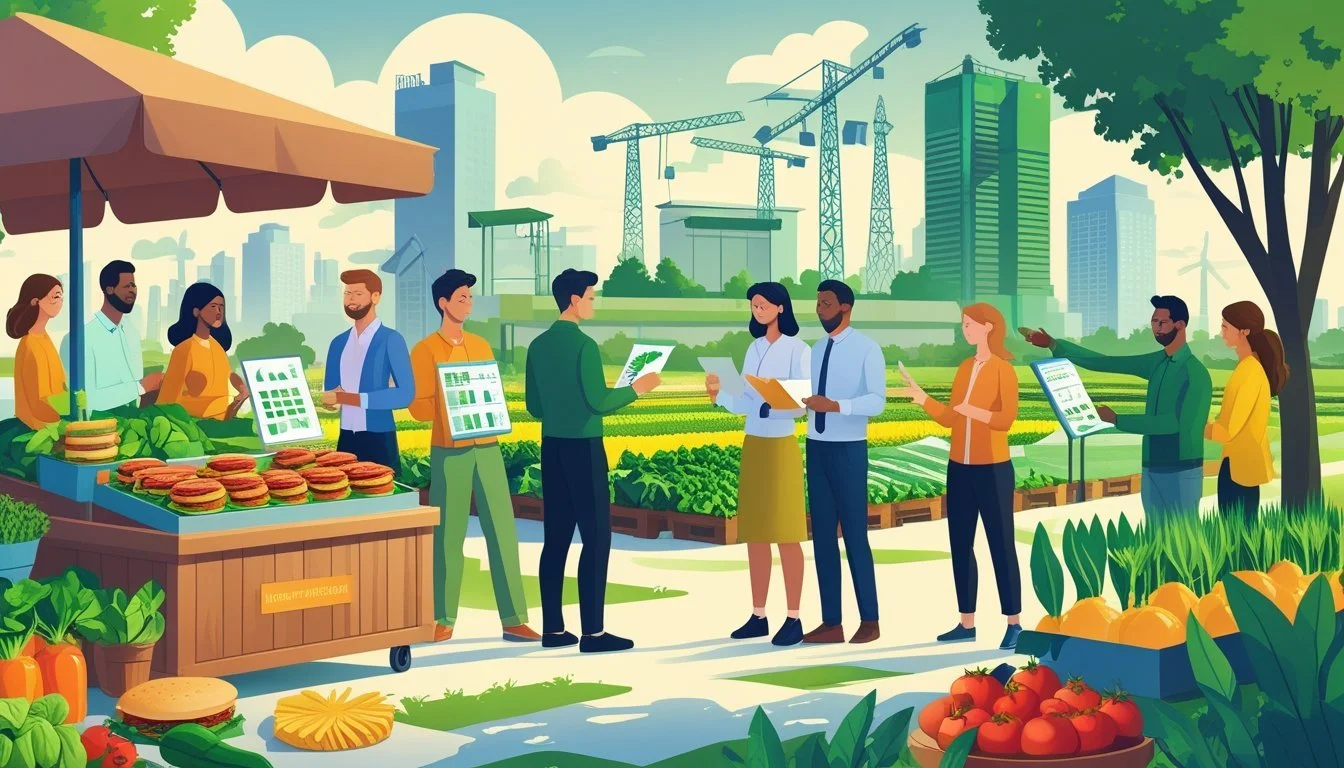
Transitioning from animal products to whole plant alternatives has widespread implications for global food systems. These shifts affect food availability, affordability, and address key concerns like animal welfare and public health.
Impact on Global Food Security
Adopting whole plant-based foods can positively influence global food security by increasing the efficiency of resource use. Cultivating crops directly for human consumption requires less land, water, and energy compared to raising livestock. This enables higher food yields per hectare and reduces stress on global food supplies.
Table: Resource Requirements Comparison
Input Animal Products Whole Plant Foods Land High Low Water High Moderate Feed Grain Substantial Minimal
Countries that experience food insecurity often rely on imported animal feed. Shifting towards whole plant foods can localize production and decrease dependence on global supply chains. This transition can make staple foods more widely available and affordable, especially in regions facing climate and economic pressures.
Cost and Accessibility of Plant-Based Alternatives
The affordability of whole plant foods impacts the adoption of plant-based diets. Whole fruits, legumes, and grains are often less expensive than meat or highly processed plant-based analogues. This cost advantage can make plant-rich diets more attainable for low- and middle-income families.
However, consumers may face challenges in access, especially in food deserts or regions with limited infrastructure for fresh produce. Government policies and retail initiatives can help bridge gaps. Investment in local agriculture and distribution networks is essential to ensure equitable access to whole plant foods.
List: Barriers to Accessibility
Limited availability in rural and underserved areas
Inadequate cold storage and transport for fresh produce
Price fluctuations due to seasonality or market demand
Animal Welfare and Antibiotic Resistance
Producing food directly from whole plants eliminates the need for animal farming, reducing animal exploitation and the ethical concerns associated with intensive livestock operations. This can lead to substantial improvements in animal welfare standards.
Industrial animal farming is a major contributor to antibiotic use, which drives antibiotic resistance. Replacing animal products with whole plant foods can lower antibiotic consumption in agriculture. Reduced antibiotic use lessens the risk of resistant bacteria spreading into the human population.
Additionally, plant-based diets can help mitigate environmental contamination from manure and pharmaceutical residues. This supports both public and environmental health, addressing two significant consequences of traditional animal agriculture.
Future Directions and Advanced Technologies
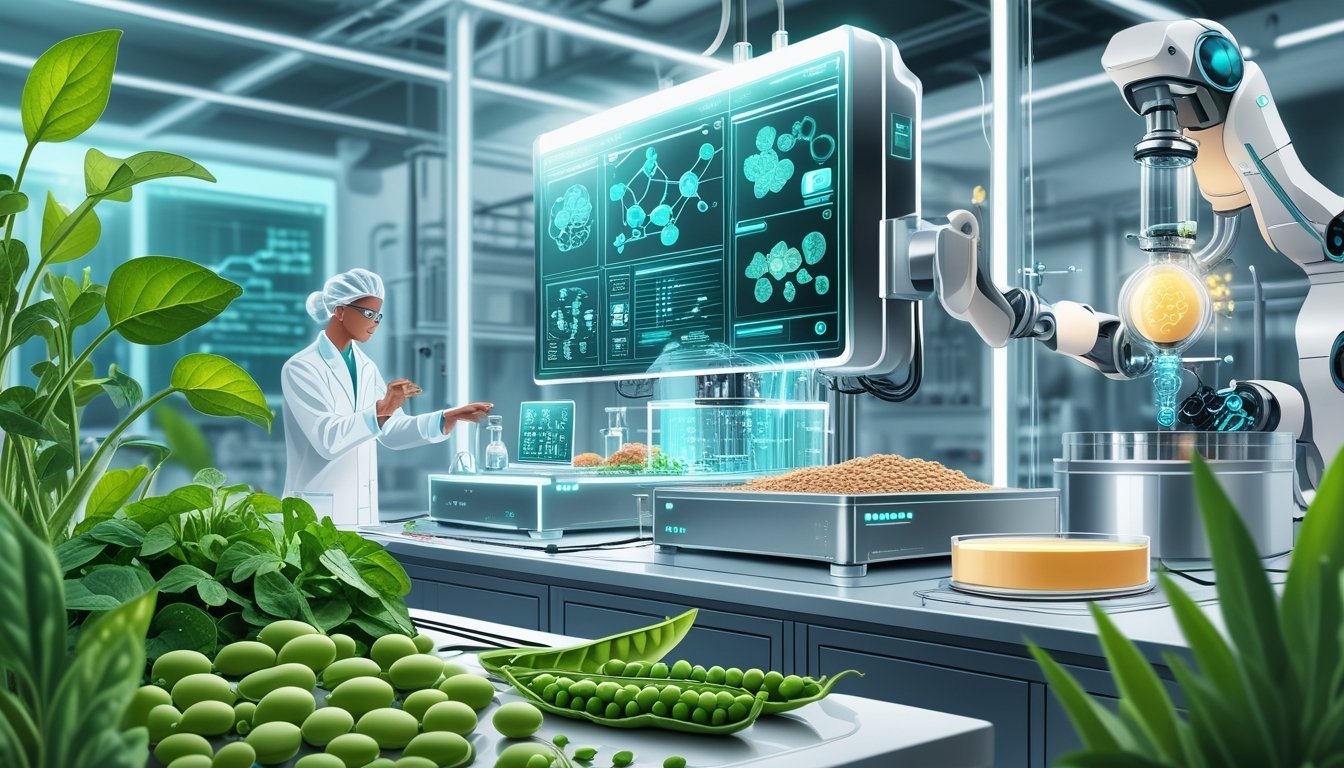
Advances in biotechnology and digital innovation are rapidly expanding what is possible for emulating animal products with whole plants. New methods are focusing on improving texture, flavor, and nutritional content using both biological and computational technologies.
Cellular Agriculture and Hybrid Products
Cellular agriculture enables the growth of animal cells in controlled environments without traditional livestock farming. This approach can produce animal-derived components like fats or proteins, which can be blended with plant materials to yield hybrid products.
Hybrid products, such as plant-based burgers with cultivated animal fat, can improve taste and juiciness while reducing reliance on animal agriculture. These combinations allow for nutrient profiles and sensory qualities closer to conventional animal products.
Example application:
Product Technology Used Benefit Plant-based meat Cultivated fat integration Enhanced flavor & texture
This integration is subject to ongoing regulatory review, as policies adapt to these new production methods.
Machine Learning and Generative AI in Food Innovation
Machine learning (ML) and generative AI are transforming how food products are formulated. These tools analyze vast datasets of ingredient interactions to predict which plant combinations will replicate the sensory experience of animal products.
AI models can accelerate flavor design by simulating thousands of recipe variations, optimizing for texture, nutrition, and consumer preference. ML-driven analytics also identify novel plant protein sources and guide process improvements.
Companies are increasingly using digital twins and predictive modeling to reduce development time and lower costs. These technologies support rapid prototyping, reducing the need for extensive trial-and-error in physical laboratories.
Emerging Trends in Alternative Proteins
Alternative protein development is evolving beyond traditional sources such as soy and pea. Companies are investigating lesser-known legumes, algae, and even insect-derived proteins as potential ingredients.
Key trends:
Fermentation technologies—using microbes to create animal-free proteins and flavor compounds
3D printing—fabricating plant-based foods with complex, meat-like structures
Plant bioengineering—modifying crops to express animal proteins (e.g., casein, myoglobin) for improved functionality
There is substantial interest in optimizing the amino acid profiles and bioavailability of these new proteins to compete with animal sources. Regulatory pathways and consumer acceptance will shape how these innovations enter mainstream markets.

