
The Evolution of Vegan Substitution Science
Innovations Transforming Plant-Based Food
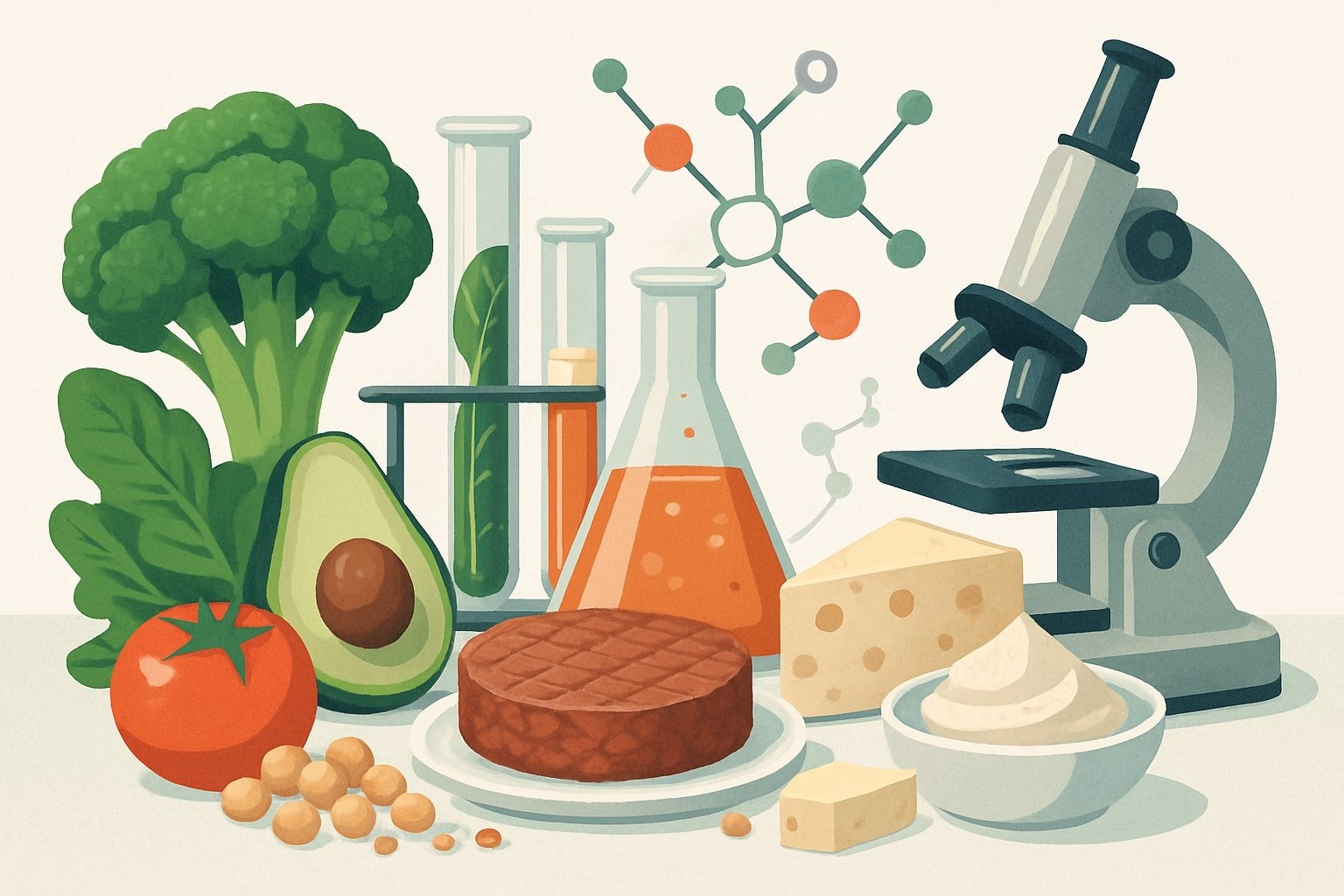
The growth of vegan substitution science has reshaped the landscape of food innovation. Researchers and food technologists have harnessed new methods to closely mimic the flavor, texture, and nutritional profile of animal-derived products using plants and other alternative ingredients. Plant-based options today can now closely replicate the taste, appearance, and consistency of traditional meats, making them appealing to a broad range of consumers.
Continuous developments in ingredient sourcing, processing technology, and compositional analysis have accelerated the introduction of increasingly convincing substitutes such as plant-based burgers, milk, and eggs. These alternatives are not only targeting vegans but also attracting flexitarians and those interested in sustainable or health-conscious eating.
Foundations of Vegan Substitution Science
The development of vegan substitutes is rooted in advances in both food science and food technology. Key milestones include the adaptation of historical vegetarian practices and the integration of modern plant-based proteins to replicate animal-based foods.
Historical Context
Vegetarianism and the use of plant-based foods have deep historical roots, notably in Asia and among early 20th-century innovators. John Harvey Kellogg’s development of "Protose," a blend of peanuts and wheat gluten, laid the groundwork for modern meat alternatives.
Globally, plant-based diets have seen growing adoption over time. In 2016, vegetarian diets were reported by 19% of respondents in the Asia Pacific, 16% in Africa/Middle East, and smaller percentages in other regions. This shift has influenced the demand for novel vegan products.
Early meat analogues like Sosmix and wheat gluten-based seitan provided the first taste of substitution science, focusing mainly on nutrition and texture. These innovations set the stage for today’s emphasis on taste, texture, and nutritional improvement.
Scientific Principles
Food science is central to the replication of meat and dairy using plant sources. The goal is to mimic properties such as protein structure, mouthfeel, and moisture retention that are found in animal-based foods.
Plant-based proteins, particularly from soy, wheat, and peas, are processed by techniques like extrusion to create textures similar to animal muscle fibers. Emulsification and gelling agents such as methylcellulose are used to bind water and fat, yielding juiciness and structure that consumers expect.
Flavor chemistry also plays an essential role. Scientists use yeast extracts, fermentation, and natural flavor compounds to mimic the umami taste of meats, closing the sensory gap between animal products and vegan alternatives.
Key Innovations
Recent decades have brought significant breakthroughs, blending advances in food technology and ingredient science. Companies have developed burgers and nuggets with "bleeding" effects using heme-containing molecules derived from plants or fermentation.
A comparison of Traditional vs. Modern Vegan Substitutes:
Feature Early Products (e.g., Protose) Modern Products (e.g., Impossible Burger) Main Protein Wheat gluten, soy Pea, soy, potato, faba bean Texture Dense, simple Fibrous, meat-like Flavor Mild, grain-focused Savory, umami-rich Technology Simple mixing/cooking Extrusion, fermentation, flavor chemistry
Key patents focus on structure, flavor release, and nutritional optimization. Today’s vegan foods use precision techniques to fine-tune every aspect, leading to more realistic substitutes and supporting the adoption of plant-based diets in mainstream markets.
Plant-Based Proteins and Their Role
Plant-based proteins have become central to the development of vegan substitutes. These proteins are valued for their versatility in food formulation and their ability to support more sustainable food systems.
Types of Plant Proteins
The most commonly used plant proteins in substitution are derived from legumes like soybeans, peas, and lentils. Soy protein is widely used due to its high protein content and neutral taste. Pea protein is popular for its allergen-friendly status and good emulsifying properties.
Nuts and seeds, such as almonds, sunflower seeds, and chia, also contribute to the protein content of many vegan products. Other sources include grains like wheat (especially as seitan), rice, and oats. Each type offers a unique combination of amino acids, texture, and performance in food processing.
A variety of plant proteins, both isolated and blended, are used to closely replicate the mouthfeel and structure of animal-based products.
Protein Functionality in Substitution
Functionality is critical for plant-based alternatives to mimic traditional animal products. Plant proteins bind water and fat, create gels, and help hold plant-based meats and dairy alternatives together.
Technological innovation has improved solubility, gelation, and emulsification properties of these proteins. For example, soy isolates can form fibrous structures that closely resemble animal muscle, while pea protein is valued for its ability to form stable emulsions.
Manufacturers often combine different plant proteins to achieve desirable textures and improve the overall sensory profile of the final product.
Nutritional Profile
Plant proteins vary in their amino acid profiles. While many contain all essential amino acids, some can be lower in one or more, such as methionine or lysine. Blending multiple protein sources, such as combining legumes and grains, can create a more complete protein.
Compared to animal proteins, plant-based options typically provide less saturated fat and dietary cholesterol, but more fiber and certain phytonutrients. Table 1 summarizes key differences:
Protein Source Fiber Saturated Fat Cholesterol Animal Protein Low Higher Present Plant Protein High Lower Absent
Consumers often seek plant-based products for both ethical and nutritional reasons, driving continued research into balancing nutrition and taste.
Technological Advances in Meat Alternatives
Recent innovations in food science have expanded the range of meat alternatives, improving texture, flavor, and sustainability. These advances span from plant-based protein engineering to the development of lab-grown meat and novel processed substitutes.
Plant-Based Meat Alternatives
Plant-based meat alternatives use proteins from sources like soy, peas, and wheat to replicate the taste, texture, and appearance of conventional meats. Companies such as Beyond Meat and The Vegetarian Butcher utilize processes including extrusion, spinning, and molding to align plant proteins, creating fibrous structures similar to animal muscle.
Manufacturers often blend plant proteins with oils, colors, and flavorings to mirror specific meat products like burgers, sausages, and nuggets. Adjustments in binders and moisture retention agents help improve juiciness and bite.
The main advantage is sustainability; plant-based meats typically require less land, water, and energy compared to animal agriculture. Some products have protein content comparable to beef or chicken but may contain higher sodium or additives for flavor and preservation.
Cultured and Clean Meat
Cultured meat, also called "clean meat," is produced by growing animal cells in a controlled environment, eliminating the need for animal slaughter. Cellular agriculture involves extracting muscle cells and providing nutrients in bioreactors, leading to the formation of real muscle tissue.
Key startups and research labs have achieved success in scaling up this method, producing prototypes of burgers, chicken nuggets, and seafood. No soy, wheat, or other plant proteins are used; the final product is biologically identical to conventional meat.
These methods address animal welfare concerns and reduce some environmental impacts of livestock farming. However, large-scale production challenges remain, including cost, scalability, and regulatory approval in most regions.
Processed Meat Substitutes
Processed meat substitutes, such as tofu, tempeh, and wheat gluten (seitan), have been part of vegetarian diets for decades. These foods are made by coagulating soy milk, fermenting soybeans, or washing wheat dough to isolate gluten.
Recent innovations have focused on refining textures, adding flavors, and blending ingredients to create ready-to-cook patties, deli slices, and sausages that appeal to broader markets. Texture and taste improvements are achieved with newer production methods, such as high-moisture extrusion.
Some processed plant-based products are fortified with vitamins and minerals to enhance nutrition. Ingredient lists are scrutinized by consumers for additives, so manufacturers often highlight clean labels and non-GMO sourcing.
Health Implications and Benefits
Vegan substitution science has prompted broad research into how shifts from animal-based to plant-based diets affect health. Key findings emphasize both notable benefits and critical nutrient risks associated with this trend.
Cardiovascular Impact
Studies consistently link well-designed vegan diets with improved markers of cardiovascular health. Consumption of plant-based foods is associated with lower levels of total cholesterol and LDL cholesterol, key risk factors for heart disease.
Systematic reviews show that people following vegan diets often experience reduced rates of hypertension and a lower incidence of cardiovascular disease. These dietary patterns typically emphasize fiber-rich foods, antioxidants, and healthy unsaturated fats, which work together to support blood vessel health.
Research also indicates that plant-based diets may modestly reduce all-cause and cardiovascular mortality, especially when centered on whole foods and minimizing highly processed options. Lower intake of saturated fats present in animal products further supports cardiovascular benefits.
Nutrient Considerations
While vegan diets can offer substantial health advantages, careful nutritional planning is necessary to avoid deficiencies. Essential nutrients that may require attention include vitamin B12, iron, calcium, iodine, and omega-3 fatty acids.
The absence of animal-derived foods often results in lower intake of vitamin B12. Most individuals following vegan diets must rely on fortified foods or supplements. Plant-based iron, known as non-heme iron, is less efficiently absorbed than heme iron from animal sources, so strategies such as including vitamin C-rich foods at meals are helpful.
Key nutrients and sources:
Nutrient Common Vegan Sources Comments Vitamin B12 Fortified plant milks, supplements Direct supplementation needed Iron Legumes, lentils, tofu Pair with vitamin C for absorption Omega-3 Flaxseeds, chia, walnuts ALA is less efficient than EPA/DHA
Proper planning and regular dietary assessments can support personal health and minimize risks of deficiencies.
Health Risks
Despite many benefits, vegan diets are not without health risks if poorly planned. Inadequate intake of certain micronutrients, particularly B12 and iron, may result in anemia and neurological issues if not managed.
There is also some evidence that restrictive or highly processed plant-based diets may be linked to lower bone mineral density, especially if calcium and vitamin D intake is insufficient. It is important for individuals to ensure their diet remains varied and not overly dependent on ultra-processed foods.
Public health experts recognize that plant-based diets can reduce antibiotic resistance due to lower exposure from animal agriculture. However, individual health risks remain unless dietary quality and nutrient balance are consistently maintained. Regular monitoring with healthcare professionals is recommended for those adopting vegan diets for extended periods.
Environmental and Ethical Dimensions
Plant-based substitutes have gained attention due to their links with sustainability, reduced environmental impact, animal welfare, and their potential to lower greenhouse gas emissions. Scientific advances in vegan substitution science are shaped not just by nutritional needs but also by these ethical and ecological demands.
Sustainability and Environmental Impact
Vegan food substitutes are often developed to address the urgent need for more sustainable food systems. Compared to traditional animal agriculture, these products typically use less water, land, and energy. For instance, producing plant-based proteins like soy or pea usually requires a fraction of the resources needed for beef or pork.
A 2020 report found that shifting towards plant-based diets could reduce global agricultural land use by up to 76%. Table 1 shows how plant-based protein sources compare to animal-based sources in terms of land and water use:
Protein Source Land Use (m2/kg) Water Use (L/kg) Beef 326 15,400 Pork 50 6,000 Soy 2 2,000 Pea 1 1,800
These differences highlight why the development and adoption of vegan substitutes are often linked to sustainability objectives.
Animal Welfare
Ethical considerations around animal welfare play a central role in the push for vegan substitutes. Conventional animal agriculture involves practices like intensive confinement, routine use of antibiotics, and sometimes inhumane slaughter methods.
Vegan food science allows consumers to choose products that minimize or eliminate harm to animals. Lab-grown meat and plant-based alternatives are two examples aiming to address growing societal concern for animal welfare without requiring drastic changes in dietary habits.
Food producers and researchers in vegan substitution science frequently reference the Five Freedoms of animal welfare, advocating for solutions that ensure animals are free from hunger, discomfort, pain, fear, and can express natural behaviors.
Greenhouse Gas Emissions
Reducing greenhouse gas emissions is a critical environmental goal tied to food innovation. Animal agriculture is a significant source of methane, nitrous oxide, and carbon dioxide—key greenhouse gases contributing to climate change.
Research indicates that plant-based protein production emits substantially less greenhouse gas than livestock operations. For example, producing 1 kg of beef can emit over 25 kg of CO₂-equivalent, while 1 kg of tofu emits less than 3 kg.
Lists of common greenhouse gas sources in food production include:
Enteric fermentation in cattle
Synthetic fertilizer use
Land transformation for grazing
By prioritizing vegan substitutes, food systems can mitigate climate impact and move toward meeting international climate targets.
Consumer Perceptions and Societal Trends
Consumer perceptions of vegan substitution foods have shifted as the plant-based market has expanded and product quality has improved. The relationship between social norms, dietary habits, and product innovations continues to shape the adoption and acceptance of plant-based foods.
Norms and Dietary Habits
Social norms and established dietary habits influence how users approach plant-based and vegan foods. In regions where animal-based foods are central to traditional diets, initial resistance toward plant-based alternatives is common.
Table 1: Influence of Norms on Product Adoption
Cultural Norm Impact on Vegan Food Adoption Meat as main protein Slower adoption, higher skepticism Health-focused eating Greater openness to plant-based options Environmental concerns Higher interest in vegan lifestyle choices
Generational shifts, especially among younger consumers, have contributed to increased interest in reducing animal product consumption. Individuals make dietary changes for diverse reasons, but environmental impact and personal health are recurring motivators.
Consumer Acceptance
Consumer acceptance of plant-based foods depends on several factors. Taste and texture remain critical; products that closely mimic animal-based foods are rated more favorably.
Price also plays a significant role, as cost can be a barrier for broader adoption. Familiarity with ingredients and nutritional value influence willingness to try these substitutes.
Survey data indicate that users who prioritize health and sustainability are more likely to accept vegan alternatives. However, some skepticism persists regarding ultra-processed ingredients and the nutritional adequacy of certain plant-based products.
Trends in the Plant-Based Market
The plant-based market has grown substantially, driven by changing consumer perceptions and a desire for alternatives perceived as "better for you" and "better for the planet." Increased product variety and availability in mainstream supermarkets have further fueled this trend.
Major food companies and startups have invested in research to enhance the sensory and nutritional qualities of vegan substitutes.
Consumer trends show a demand for transparency in labeling, with interest in clear ingredient lists and defined health claims. Adoption is not uniform; geographic, socioeconomic, and cultural factors continue to affect market penetration and user behavior.

