
What Happens When You Replace Too Many Ingredients
Impacts on Flavor, Texture, and Nutrition
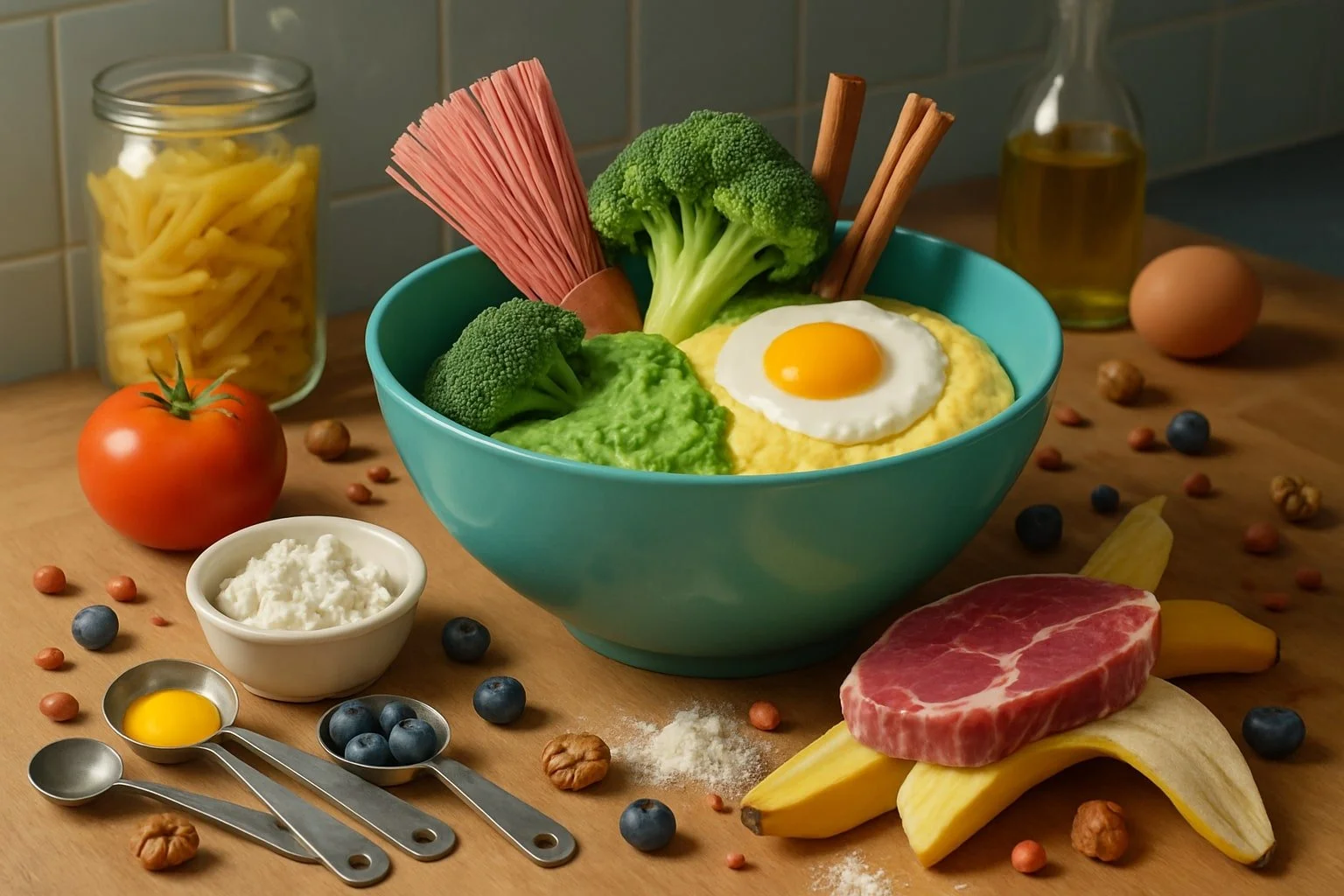
Replacing too many ingredients in a recipe can significantly change the final dish, often resulting in unexpected flavors, textures, or failures. Swapping out one or two items may still yield a satisfying result, but frequent substitutions increase the risk of a recipe not working as intended. Baking, in particular, is sensitive to changes, since each ingredient plays a specific role in the structure or taste.
People may attempt multiple substitutions to suit dietary needs or ingredient shortages, but each change compounds the uncertainty. Some dishes become hardly recognizable, while others may not rise, set, or combine as they should. Understanding which ingredients are essential and which can be replaced safely helps avoid disappointing results and wasted effort.
Understanding Ingredient Substitution

Swapping food ingredients is common in both home kitchens and professional settings, but it comes with clear risks and benefits. Knowing which substitutions work and why they work helps prevent unexpected changes in taste, texture, and appearance.
The Science Behind Substitution
Ingredient substitution relies on understanding the role of each component. For example, flour provides structure, while sugar adds sweetness and affects browning. When a key ingredient is changed, these chemical and physical properties shift.
Texture and moisture levels are often affected first. Replacing butter with oil will increase moisture but reduce richness and structure in baked goods. Leavening agents such as baking soda or powder are not interchangeable without adjusting acid levels, which can alter the rise and crumb.
Heat sensitivity also matters. Some fats, like margarine, have higher water content than butter and can affect how recipes set or brown. Protein substitutions, such as using yogurt or applesauce in place of eggs, impact binding and stability. Being aware of these reactions helps avoid undesirable results.
Commonly Replaced Ingredients
Certain ingredients are substituted more often than others due to dietary needs, allergies, or convenience. Typical examples include:
Flour: Alternatives like almond, oat, or gluten-free blends are used but alter structure and density.
Milk: Non-dairy options (soy, almond, oat) change flavor and sometimes consistency.
Eggs: Substitutes include flaxseed meal, chia seeds, or commercial replacers; each affects binding and leavening differently.
A comparison table of common swaps:
Ingredient Possible Substitutes Effect on Recipe Milk Almond, Soy, Oat Milk Changes flavor, may thin batters Butter Margarine, Oil, Coconut Oil Changes texture, may add moisture Sugar Honey, Maple Syrup, Stevia Affects sweetness, browning, texture All-purpose Flour Gluten-free blend, Almond Flour Alters rise, crumb, and density
Awareness of how each substitution changes the final dish helps prevent unwanted surprises and supports successful results.
Impact of Replacing Multiple Ingredients
Changing several ingredients in the same recipe often results in unexpected differences in flavor, nutrition, and how ingredients interact. These adjustments may improve or detract from the final product, and the effects are seldom exactly the same as using the original ingredients.
Changes in Taste and Texture
Replacing multiple ingredients, such as swapping butter for plant-based oil and buttermilk for a non-dairy milk alternative, can significantly alter the taste and mouthfeel of foods. Fats like butter provide both flavor and a creamy texture, whereas plant-based oils may lead to a lighter, sometimes less rich result.
Buttermilk adds tanginess and helps with tenderness in baked goods. Substituting with milk plus lemon juice or a non-dairy alternative affects acidity and viscosity, which can change crumb structure.
When several core ingredients are replaced at once, the cumulative impact is greater. For instance:
Original: Butter + buttermilk = rich, moist cake with slight tang
Substitute: Oil + almond milk = lighter texture, less pronounced flavor
Altered viscosity from new ingredients may also affect rising and density, sometimes making baked goods denser or chewier.
Effect on Nutritional Value
Multiple substitutions often shift the nutritional profile of recipes. Replacing saturated fat sources like butter with plant-based oils typically reduces saturated fat content and may increase unsaturated fats.
For example, Harvard research indicates that switching from butter to plant oil can lower the risk of premature death and offer health benefits. Changing ingredients may also introduce or remove other nutrients, such as calcium from buttermilk or vitamin E from certain oils.
A table can help highlight the differences:
Ingredient Saturated Fat Key Nutrients Example Substitute Butter High Vitamin A, D, E Olive/canola oil Buttermilk Moderate Calcium, Protein Almond milk+vinegar
Total impact depends on the number and type of substitutions, with some recipes shifting significantly in calories, vitamins, and minerals.
Interactions Between Substitutes
Ingredient substitutes do not always act independently in recipes. Their combined properties can interact in new ways, affecting chemical reactions, emulsification, and texture.
For example, swapping both butter and buttermilk in a cake may reduce the recipe's natural emulsifiers. This makes it harder for fats and liquids to blend, possibly leading to separation or an uneven crumb.
Viscosity differences also play a role. Using thinner liquids instead of buttermilk could cause batter to be runnier, which may result in a flatter or less cohesive baked good. The pH changes from different acidic or non-acidic substitutes also affect leavening—a critical factor in baking.
Careful adjustment and awareness of how substitutes interact are important, as small changes can have a large cumulative effect when several swaps are made together.
Risks and Safety Considerations

Replacing multiple ingredients in food products can introduce significant risks if not managed carefully. Safety depends on how these substitutes interact, the quality of supporting data, and how well they comply with established safety regulations.
Food Safety and Regulatory Guidelines
U.S. food manufacturers must comply with FDA safety standards when altering food formulations. Each substitution demands a detailed risk analysis to prevent adverse health effects and ensure the product remains safe for consumers.
Manufacturers are responsible for assessing both the short- and long-term effects of new ingredients. They must provide robust safety data from well-designed studies, including allergenicity, toxicity, and stability tests.
Regulatory agencies, including the FDA, review data on substituted ingredients. If safety gaps or regulatory delays exist, unmanaged risks may pass into the food supply. Failure to follow these guidelines can result in product recalls or regulatory action.
Key Steps for Compliance:
Conduct hazard analysis
Validate new ingredient safety
Regularly update safety assessments as new evidence emerges
Generally Recognized as Safe (GRAS) Criteria
Ingredients classified as generally recognized as safe (GRAS) are considered safe for use, based on either historic usage or strong scientific evidence. Using new or unfamiliar substitutes can challenge manufacturers because these ingredients may lack GRAS status.
Before using a replacement, companies need to confirm its GRAS status or conduct scientific evaluations to prove its safety. Unless ingredients meet GRAS criteria, additional toxicity and exposure studies may be necessary to satisfy regulators.
GRAS evaluations require expert consensus based on published scientific data. If information is incomplete or outdated, products may be flagged for further investigation. This process ensures ongoing consumer safety amid ingredient changes.
Specific Ingredient Swaps and Their Effects

Different ingredient swaps can change the taste, texture, and reliability of a recipe. Understanding the effects of replacing core items like dairy products or fats can help prevent disappointing results.
Dairy Alternatives: Milk, Heavy Cream, and Sour Cream
Switching out dairy ingredients can cause noticeable changes to a dish’s structure and flavor. Substituting milk with plant-based alternatives such as almond or soy milk reduces creaminess and can lead to a thinner consistency. Some alternatives may also add a nutty or beany aftertaste.
Heavy cream is sometimes swapped for a mix of milk and butter or half-and-half. This can work in sauces, but whipped toppings or desserts relying on fat content may suffer in richness and stability. Sour cream replacements, like plain yogurt or a blend of milk and lemon juice, alter tang and texture. In baking, yogurt may add extra moisture but slightly different acidity, which can affect how cakes rise.
Comparison Table
Original Replacement Typical Changes Milk Almond/Soy milk Less creamy, possible flavor Heavy Cream Milk + Butter Less richness, thinner Sour Cream Plain Yogurt More moisture, milder tang
Replacing Butter and Oil
Butter and oil play key roles in recipes, impacting both moisture and tenderness. Swapping butter for oil will produce baked goods with a softer, sometimes greasier crumb, and less flavor depth. Butter contains water and milk solids, so using oil alone can make cookies spread more or lead to denser cakes.
When oil is replaced with alternatives like applesauce or mashed banana, baked items become lower in fat but may turn out dense and chewy. Flavor is also affected, as fruit-based swaps bring sweetness and can mask or change the intended taste. Olive oil can replace butter or neutral oils in savory recipes but introduces a distinct flavor.
Key Impacts:
Butter provides structure, richness, and a distinct flavor.
Oils make recipes moister but can change texture.
Alternative swaps can introduce new flavors and impact rise and color.
Challenges Food Companies Face
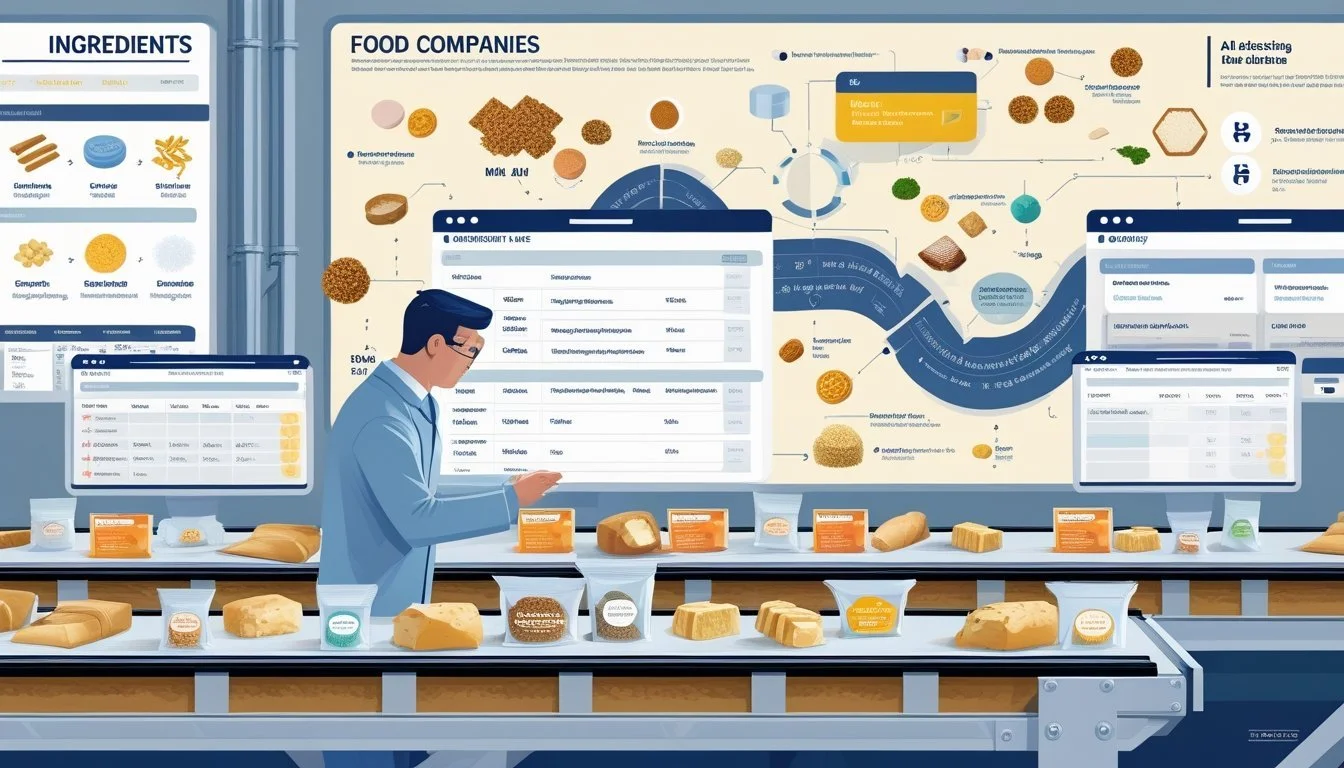
Food companies often encounter technical and business difficulties when altering the makeup of their products. These decisions can directly impact cost structures, consumer acceptance, and the stability of the final product.
Balancing Cost and Consumer Expectations
The push to lower costs sometimes leads companies to use cheaper or lower-quality substitutes. For example, using cocoa extract instead of whole cocoa or replacing name-brand ingredients with generic alternatives can reduce expenses but may also affect perceived value and taste.
Price-sensitive consumers often notice when recipes change, especially if familiar flavors or textures are missing. This can result in dissatisfaction or decreased brand loyalty. Companies must also consider the potential reputational risk if consumers view these changes as cost-cutting at the expense of quality.
Food companies face a delicate trade-off: reducing input costs while still meeting customer expectations. Skimpflation—when a product’s quality subtly drops—can harm sales if consumers perceive the difference.
Maintaining Product Consistency
Every ingredient in a product contributes to its texture, taste, appearance, and shelf-life. When companies swap or remove ingredients, unexpected results can occur, such as changes in consistency, spoilage rates, or appearance. A reformulated product may behave differently in storage or during cooking.
Consistency is critical for large-scale production. Small changes in ingredients can lead to larger variability in the final product batch-to-batch. Consumers expect uniformity, and visible differences between packages can erode confidence in a brand.
Companies often invest significant time and resources in testing new formulations. Microbiological stability, shelf-life analysis, and sensory testing become necessary steps to ensure a reformulated product performs as intended. Even minor deviations from the original can require multiple rounds of adjustment to maintain the product standard.
Long-Term Outcomes of Frequent Ingredient Replacements
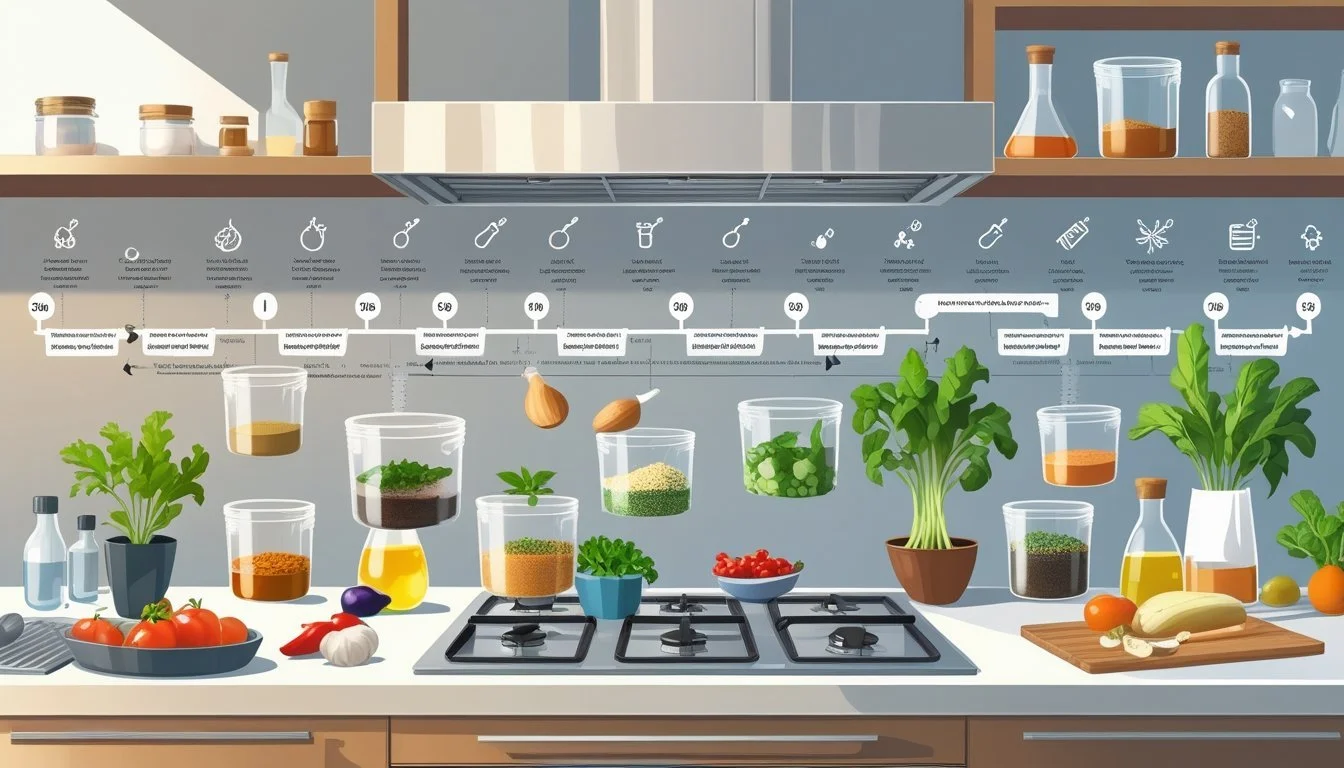
When manufacturers repeatedly replace ingredients, several long-term effects emerge. Patterns in consumer attitudes and adjustments in market landscapes become especially apparent as these changes accumulate.
Consumer Perceptions and Trust
Frequent ingredient changes can affect consumer confidence in several ways. Consumers may notice label differences or altered tastes, leading to questions about product consistency and safety. This can erode trust, especially if changes are not transparently communicated or if the replacements are perceived as less healthy or more artificial.
Over time, repeated swaps might make loyal customers feel a brand is unstable or unreliable. Mistrust can grow further if media reports highlight new replacement ingredients as potentially risky or less tested, even if the company followed regulations. Transparency and clear communication from manufacturers become critical in maintaining positive perceptions.
Consumer demand for "clean label" products—those with familiar, simple ingredients—can clash with continuous reformulation. This tension can result in skepticism, prompting customers to seek alternative brands that promise more predictable formulation practices.
Potential Market Shifts
Ingredient replacements can trigger shifts in the marketplace, influencing both supply chains and competitor strategies. If key ingredients become unavailable or unpopular, manufacturers may pivot rapidly, causing ripple effects through supplier relationships and production costs.
New product launches or reformulated lines aimed at responding to health trends (e.g., lower sugar or reduced additives) can change purchasing patterns. Shoppers may migrate to products perceived as safer, healthier, or more stable. In other cases, persistent changes might fragment customer bases, with some staying loyal and others leaving for emerging brands.
Competitors may capitalize on consumer dissatisfaction with frequent changes, positioning their products as more authentic, traditional, or stable. This dynamic can drive shifts in market share, particularly in categories where trust and ingredient familiarity are key drivers for purchase decisions.
Best Practices for Safe and Effective Substitutions

Successful ingredient substitutions require knowledge of ingredient roles and careful planning. Some swaps are straightforward, while others may alter texture, flavor, or safety if not considered properly.
Tips for Successful Ingredient Replacement
When choosing substitutes, it helps to group ingredients by function. For example, acids like lemon juice and vinegar can often be interchanged. Fat sources—such as butter and oil—may also stand in for each other, but differences in moisture or flavor must be noted.
A useful table for common swap types:
Original Ingredient Possible Substitute Important Consideration Butter Coconut oil or margarine Adjust for salt and moisture content Milk Non-dairy milk Watch for differences in thickness Eggs Flaxseed meal + water Best for binding, not for leavening Sugar Honey, maple syrup Reduce other liquids accordingly
Using similar textures and flavor profiles helps maintain balance. Always start by swapping only one ingredient at a time when possible to track its effect.
Evaluating Recipes Before Making Changes
Not all recipes are equally flexible. Baked goods, for example, often rely on chemical reactions where substitutes can change the final result dramatically.
It is important to read the entire recipe and identify the function of each ingredient—whether it provides structure, moisture, binding, or flavor. If a key ingredient drives a chemical reaction, such as yeast in bread or baking powder in cakes, replacing it may lead to poor results.
Adjust quantities carefully after assessing how a swap might affect texture and taste. Reading reviews or seeking tested alternatives can further improve success rates when making adjustments.

