
Replicating Creaminess Without Dairy
Effective Plant-Based Alternatives and Techniques
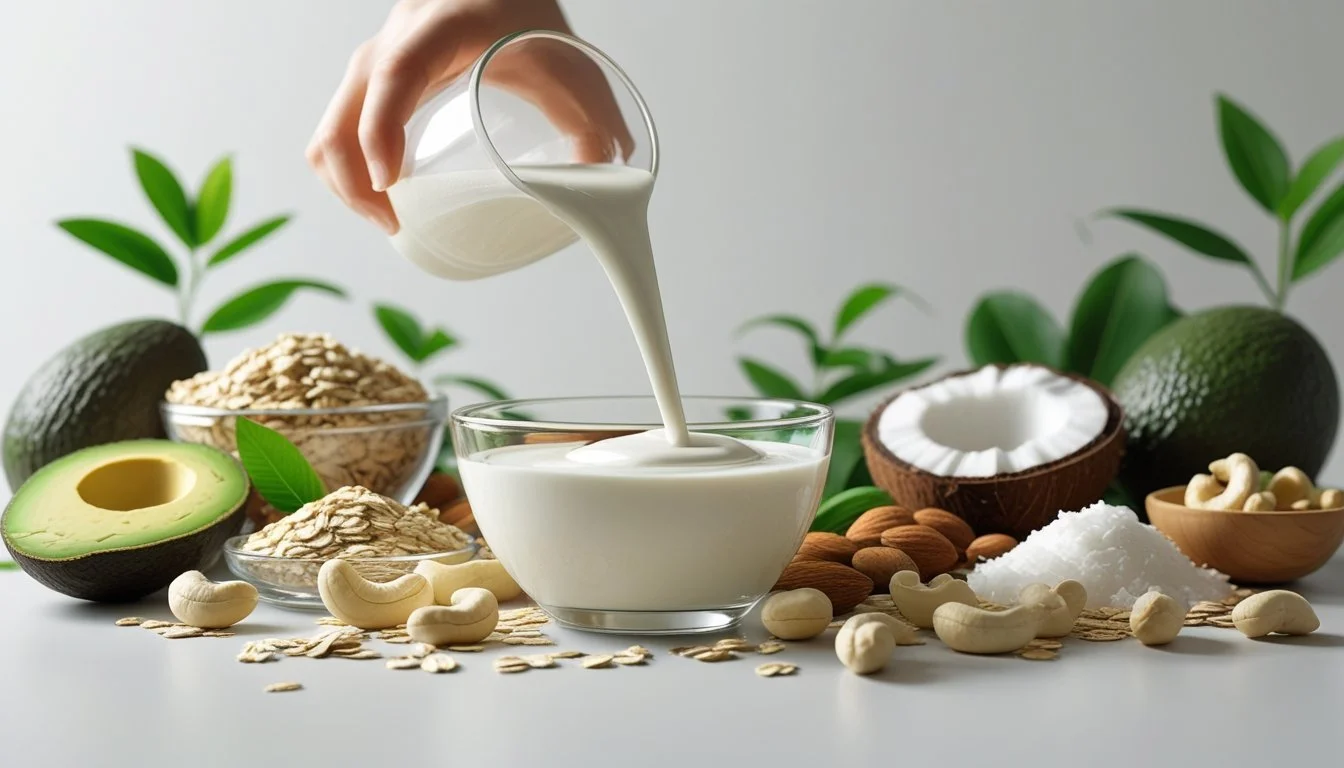
Replicating the creamy texture of dairy without actually using milk, cream, or butter is not only possible, but can be done with simple, accessible ingredients. Alternative options like blended cashews, coconut milk, and cooked cauliflower can deliver the rich, silky mouthfeel people crave in everything from soups to sauces. These plant-based solutions allow home cooks to enjoy the comfort and satisfaction of creamy dishes, whether they avoid dairy for health, dietary, or ethical reasons.
Exploring the building blocks of creaminess reveals that fat, protein, and water are key components. By understanding how various plant-based ingredients interact, anyone can create smooth, luscious results—without sacrificing flavor or texture. The right techniques and knowledge turn the challenge of going dairy-free into an opportunity for creativity in the kitchen.
Understanding Creaminess in Food
Creaminess in food is closely tied to both physical properties and sensory experiences. The sensation often involves a combination of texture, fat content, and the way ingredients interact in the mouth.
Defining Creamy Textures
A creamy texture typically refers to a food that feels smooth, thick, and cohesive when consumed. Foods such as custards, yogurts, and sauces exhibit this quality, spreading easily across the palate without breaking into lumps or separating.
The perception of creaminess also includes a sense of mouth-coating, where a thin layer of the food lingers on the tongue and cheeks. Research shows that creaminess is often associated with thickness, smoothness, and a slight slipperiness during eating.
Unlike simple wetness or viscosity, creamy textures are defined by their ability to provide a uniform, satin-like consistency. This texture often enhances the impression of a rich flavor even in the absence of high fat.
Factors That Create Creamy Mouthfeel
Several factors combine to produce a creamy mouthfeel. Chief among these are the ratios of fat, protein, and water, which form stable mixtures that resist separation. The use of thickeners and stabilizers—such as starches or certain gums—also plays a role.
Key contributors to creamy mouthfeel:
Fat droplets: Provide a lubricating effect.
Proteins: Help suspend water and fat in a cohesive structure.
Water: Adds moisture but must be precisely balanced to avoid thinness.
Smooth dispersal of fat and protein helps coat the palate, leading to a lasting, pleasant feel. This interaction, along with controlled friction, directly impacts consumer perception of creaminess.
The Role of Fat Content and Emulsification
Fat content is central to what makes food creamy. Fats not only add richness and flavor but also physically contribute by forming droplets that float through a product, creating a luxurious texture.
Emulsification allows fats and water to blend smoothly, often with the help of natural or added emulsifiers, such as lecithin. This process ensures that fat doesn’t separate but remains evenly distributed, vital for stability.
A product with effective emulsification appears glossy and feels uniform, with no greasy residue or watery pools. Ingredients like eggs, dairy, or plant-based emulsifiers support this process, allowing the rich, creamy mouthfeel typical of classic dairy products.
Reasons to Replicate Creaminess Without Dairy
Replicating creaminess without dairy is increasingly important due to health concerns, dietary needs, and lifestyle choices. There are effective ways to achieve creamy textures using dairy-free alternatives, benefiting people with diverse nutritional backgrounds.
Dietary Restrictions and Lactose Intolerance
Many individuals are lactose intolerant, meaning they lack the enzyme lactase necessary to digest lactose, the sugar found in dairy products. Symptoms can include bloating, cramps, and digestive discomfort, leading many to seek dairy-free options. Some health conditions, such as milk allergies, require complete avoidance of dairy.
Food allergies and intolerances have prompted the rise in both demand and availability of dairy alternatives. These alternatives use plant-based ingredients to provide creamy textures similar to those of dairy, ensuring those with restrictions can still enjoy a range of dishes.
Dairy-free substitutions also help people maintain social inclusivity during meals. By replicating creaminess without dairy, hosts can serve guests with various dietary needs and avoid excluding anyone due to allergies or intolerances.
Vegan and Plant-Based Lifestyles
Vegan and plant-based diets eliminate all animal-derived products, including dairy. People choose these diets for reasons such as animal welfare, environmental concerns, and personal beliefs. For these groups, finding plant-based ingredients that replicate creaminess is essential to creating satisfying meals.
There is a wide variety of dairy alternatives available, like almond milk, oat milk, and coconut milk. These options allow for the recreation of creamy sauces, desserts, and beverages using only plant-based sources.
Popular Plant-Based Creamy Ingredients:
Cashew cream
Coconut cream
Silken tofu
Blended cauliflower
Oat-based creamers
As a result, those following vegan or plant-based lifestyles can still enjoy traditional creamy textures and flavors.
Health Benefits of Dairy-Free Alternatives
Dairy-free alternatives can support dietary goals beyond avoiding animal products. Some people choose to minimize saturated fat intake, monitor cholesterol, or address other health concerns. Certain plant-based milks and creamers are low in calories and free from cholesterol.
Nutritional fortification is common in non-dairy milks, with key nutrients like calcium, vitamin D, and vitamin B12 often added. This helps meet daily requirements without consuming dairy.
Plant-based creamy alternatives may also contain fiber, healthy fats, and a broader spectrum of micronutrients depending on the base ingredient. Choosing the right dairy-free substitute can contribute to a balanced and health-conscious diet.
Popular Non-Dairy Ingredients for Creaminess
Plant-based creams and milks can closely mimic the texture and mouthfeel of dairy. Each option comes with specific taste profiles, fat content, and best uses.
Coconut Milk and Coconut Cream
Coconut milk and coconut cream are some of the most popular milk alternatives for achieving a rich, creamy consistency. Coconut milk contains a higher fat content than most plant-based milks, giving it a thick texture suitable for soups, curries, sauces, and desserts.
Coconut cream is even thicker and richer, as it is made by skimming the fat-rich layer from coconut milk. It’s used in vegan whipped creams, ice creams, and to thicken sauces.
While both offer a distinct coconut flavor, they blend especially well into both sweet and savory dishes. People often use them as a direct substitute for heavy cream, especially in recipes that benefit from their natural sweetness.
For best results, refrigerated cans of coconut milk or cream can be separated to use the thick layer for extra creaminess.
Almond Milk and Almond Cream
Almond milk is widely available and has a thin, light consistency with a subtle nutty taste. While not as naturally creamy as coconut or cashew options, almond milk works well in coffee, cereal, puddings, and baked goods.
For more richness, almond cream can be made at home by blending soaked almonds with water. The result is a thicker, smoother base that can be used in sauces, dips, or vegan custards.
Commercial almond creams vary in thickness and fat content, giving consumers some choice for texture. Blending almond milk with a small amount of almond butter is another practical way to boost creaminess when needed.
Though almond-based products lack the fattiness of coconut or cashew, they suit recipes that require a more neutral flavor.
Cashew Cream and Cashew Milk
Cashew milk offers a smooth texture and mild taste. It is often used in coffee, smoothies, and cold cereals. Its creaminess depends on the proportion of cashews to water during blending.
Cashew cream is made by soaking raw cashews and blending them with water until silky. This produces a velvety cream with a neutral flavor profile, which can easily take on the taste of other ingredients in both sweet and savory applications.
Cashew cream can replace dairy in salad dressings, pasta sauces, soups, and frostings. Its high fat content allows for a thick, satisfying result without separating or curdling when heated.
Cashew-based alternatives are favored in recipes where a creamy consistency is needed but a neutral or less assertive base flavor is preferred.
Creative Plant-Based Options
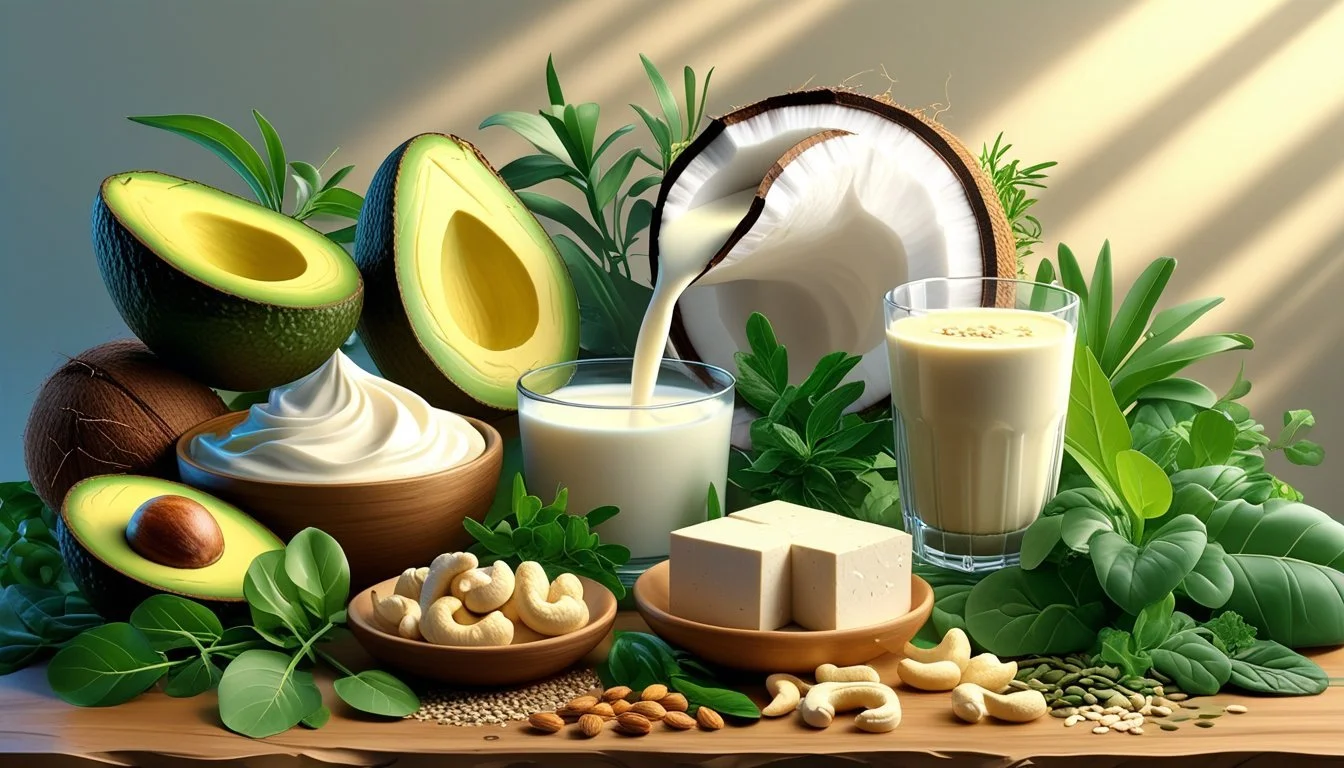
Plant-based sources offer a variety of ways to achieve a creamy texture in recipes traditionally reliant on dairy. Each option provides unique qualities, from subtle flavors to different levels of richness or thickness, which can be tailored to specific dishes.
Using Avocado for Creamy Dishes
Avocado delivers a naturally smooth consistency when blended, making it an effective base for spreads, dressings, and sauces. Its mild flavor does not easily overpower other ingredients, allowing for versatility in savory and even some sweet recipes. Avocados contain healthy fats and nutrients, which contribute to a rich mouthfeel similar to dairy cream.
Consider using mashed avocado in place of mayonnaise for sandwiches or in dips such as guacamole. For desserts, avocados can be used to create puddings or mousse when combined with cocoa powder and sweeteners.
Below is a quick conversion table:
Use Case Amount Needed Notes Spread/Substitute 1:1 Replace mayo or soft cheese Dessert Base 1 cup Blend with cocoa and sweetener Dip 1 avocado Mash with seasoning
Silken Tofu as a Versatile Ingredient
Silken tofu is a staple in many plant-based kitchens due to its smooth texture and neutral flavor. It blends seamlessly into soups, sauces, and desserts, thickening and adding creaminess without altering the overall taste of the dish.
In savory applications, silken tofu can be pureed to create creamy salad dressings or added to soups for body. For sweets, it provides structure in vegan cheesecakes or can be whipped into chocolate mousse. Its high protein content is an added benefit, supporting balanced nutrition.
Preparation methods are simple—drain, blend, and season as desired. Its versatility and availability make it a practical choice for many recipes.
Oat Milk and Soy Milk as Thickeners
Oat milk and soy milk are common dairy alternatives, each able to lend natural creaminess to a dish. Oat milk has a mild, slightly sweet flavor, and it thickens easily when heated, making it useful in sauces, soups, and baking. Soy milk closely mimics the protein content of cow’s milk, which also enhances thickness and richness, especially in hot beverages or custards.
Oat milk is often chosen for creamy soups and savory sauces due to its texture. Soy milk works well in recipes that benefit from a bit more protein, such as vegan mac and cheese or homemade puddings. Use these plant-based milks as a 1:1 replacement for dairy milk in most recipes; however, monitor the consistency as each variety behaves slightly differently when heated.
Less Common Creamy Substitutes
Several ingredients offer unexpected ways to replicate creamy textures and flavors without using dairy. These lesser-known options can help recreate the richness required in both savory and sweet dishes, including sauces, vegan cream, and even desserts.
Cauliflower for Smooth Textures
Cauliflower is a versatile vegetable with a mild flavor and a naturally smooth consistency when cooked and blended.
When steamed or boiled until soft, then pureed, cauliflower forms a light, creamy base perfect for soups, sauces, and mashed dishes. It absorbs seasonings easily, allowing for a customizable flavor profile in savory recipes.
Blended cauliflower can replace cream or cheese sauces in vegan mac and cheese or Alfredo-style pasta. It works well in baked casseroles, contributing body without adding heaviness. For thickening stews or gravies, a few spoonfuls of cauliflower puree can help achieve the right consistency while keeping dishes light and nutrient-rich.
Frozen Banana in Creamy Delights
Frozen banana is a popular option for creating dairy-free creamy desserts and smoothies. The process is straightforward: peel and slice ripe bananas, freeze until firm, then blend until smooth.
This creates a creamy, ice cream-like texture, ideal for vegan "nice cream," milkshakes, or as a base in smoothie bowls. It brings natural sweetness, which can allow for less added sugar in recipes.
Frozen banana is best suited to recipes where a subtle banana flavor complements the dish. It can also help thicken and cool drinks quickly. For variety, mix in cocoa powder, frozen berries, or nut butters to change the taste and texture.
Nutritional Yeast for Vegan Cheese Flavors
Nutritional yeast is a deactivated yeast with a cheesy, nutty flavor often used in vegan cooking. While it is not creamy on its own, it adds depth, umami, and a cheese-like taste to otherwise bland bases.
Sprinkled into blended cashew or potato sauces, it transforms them into convincing vegan cheeses or creamy dips. It is commonly used in vegan mac and cheese, Alfredo sauces, or sprinkled over popcorn for a savory finish.
Nutritional yeast is a rich source of B vitamins and protein, making it a hearty addition to plant-based diets. It is also low in fat, making it a useful way to achieve cheesy flavor without added oils or dairy.
Making Dairy-Free Creamy Sauces and Dressings
Plant-based ingredients create satisfying creamy textures without using dairy. Strategic ingredient choices and blending techniques make it possible to craft pasta sauces, salad dressings, and sauces for many cuisines that rival traditional versions in richness and flavor.
Creating Creamy Pasta Sauce
Dairy-free creamy pasta sauces often rely on pureed vegetables, soaked nuts, seeds, or plant-based milks. Cashews, when soaked and blended, produce a naturally thick and smooth base. Adding cooked cauliflower or white beans gives extra body and subtle flavor.
Nutritional yeast is used to mimic the savory, umami notes of cheese. Coconut milk offers a rich, velvety feel to tomato sauces or vegetable-based blends. Blending roasted red peppers, garlic, and olive oil makes a creamy, dairy-free sauce suitable for many pasta dishes.
Popular combinations for a cream-like sauce include:
Ingredient Texture Created Flavors Added Cashews Silky, smooth Mild, slightly nutty Cauliflower Thick, soft Neutral, subtle Coconut milk Velvety, rich Slightly sweet, rich White beans Creamy, dense Earthy, hearty
Seasonings like garlic, lemon juice, and herbs finish the sauce and balance flavors.
Blending Creamy Salad Dressings
Creamy salad dressings without dairy rely on ingredients like avocado, tahini, silken tofu, soaked nuts, or plant-based yogurt. These bases are blended with acids such as lemon juice or vinegar, and oils for extra smoothness.
Avocado creates a naturally creamy consistency. Tahini, made from ground sesame seeds, brings a smooth texture and a nutty taste. Silken tofu, when pureed, becomes a neutral and thick foundation that absorbs other flavors well.
Typical ingredient ratios for a dairy-free creamy salad dressing:
1 ripe avocado or 3 tbsp tahini
2-3 tbsp lemon juice or vinegar
1-2 tbsp olive oil
Salt, pepper, and fresh herbs to taste
Mixing everything in a food processor or blender achieves full emulsification.
Building Creamy Sauces for Various Cuisines
Across global cuisines, dairy-free creaminess can be replicated by selecting appropriate thickening and flavoring agents. In curries, coconut milk or blended cashews provide body and smoothness. Middle Eastern dishes often use nut butters like almond or tahini.
For creamy soups, combining pureed potatoes, carrots, or white beans with vegetable broth results in a satisfying texture. Asian-inspired creamy sauces may use coconut cream, ground sesame, or blended tofu as the base.
These substitutions allow cooks to maintain familiar textures and flavors in creamy sauces, salad dressings, and soups without relying on dairy. Proper seasoning, blending, and ingredient pairing ensures the final sauce fits the cuisine and desired profile.
Nutrition and Health Benefits of Dairy Alternatives
Dairy alternatives often provide health and nutritional benefits that differ from traditional dairy products. They can contain beneficial fats, fewer calories, and are often fortified with essential vitamins and minerals.
Healthy Fats in Plant-Based Ingredients
Many dairy alternatives use ingredients like almonds, cashews, and soybeans, which naturally contain healthy unsaturated fats. These fats can help support heart health and may lower the risk of cardiovascular disease compared to saturated fats found in some dairy products.
For example, almond milk and cashew milk are both low in saturated fat and high in monounsaturated fats. These plant-based milks usually contain omega-6 fatty acids and vitamin E, which support immune function and skin health. Soy milk contains polyunsaturated fats and a small amount of omega-3s.
Coconut milk, while rich and creamy, does contain more saturated fat. However, many other plant-based options focus on unsaturated fats, making them a helpful choice for those managing cholesterol.
Nutritional Benefits Compared to Dairy Products
Plant-based dairy alternatives are often lower in calories and fat than regular milk and cream. Many options, such as soy milk and fortified almond milk, provide similar calcium content to cow's milk due to fortification. They are often good sources of vitamins D and B12, which are essential for bone health and energy metabolism.
Some alternatives contain less protein than dairy milk. For instance, almond and rice milk are low in protein, while soy milk provides a comparable protein content to dairy. Most are lactose-free, making them suitable for people with lactose intolerance.
Many dairy alternatives contain no cholesterol and are free from animal hormones and antibiotics, which may benefit those concerned about specific health issues. Always check nutrition labels to compare options and look for products fortified with calcium and vitamins.
Tips for Achieving Creamy Textures Without Dairy
Achieving a creamy texture in dishes without dairy involves careful ingredient choice and technique. Plant-based substitutes such as coconut milk, pureed vegetables, and nut butters can closely mimic the richness and mouthfeel of cream.
Balancing Flavors and Textures
Pairing non-dairy substitutes with complementary flavors is important because some alternatives, like coconut milk or avocado, have strong tastes. A mild-flavored dish may benefit from neutral options like oat milk or blended cauliflower.
Seasoning is also crucial. Non-dairy bases often need additional salt, acid, or herbs to create a well-rounded profile. Blending different ingredients—such as adding a spoonful of nut butter to pureed vegetables—can help achieve both depth and smoothness.
In foods like pasta sauces or soups, using a mix of starchy and fatty components can mimic the body and sheen of full-fat cream. Layering these elements creates balanced, creamy dishes that feel satisfying.
Techniques for Blending and Thickening
Many creamy dishes rely on more than just ingredient swaps; technique matters. Thoroughly blending roasted or steamed vegetables, such as potatoes or cauliflower, produces a smooth base ideal for soups and sauces.
Using high-speed blenders or food processors will yield the silkiest textures. For extra gloss and thickness, stir in a small amount of olive oil or cashew butter after blending.
Thickeners like arrowroot, tapioca, or cornstarch can also help reach the desired consistency for cream sauces and gravies. Mixing these thickeners into a cold liquid before adding to a hot dish helps prevent lumps.
Selecting the Right Non-Dairy Substitute
Different recipes call for different textures, so matching the substitute to the dish is key. Coconut milk is rich and works well in curries or desserts. Unsweetened soy or oat milk provides a more neutral taste for savory recipes.
Pureed white beans, potatoes, or cauliflower bring creaminess and bulk without strong flavors. Nut butters (like cashew or almond) are good for dressings and dips, adding both body and a mild, buttery flavor.
Refer to this table for quick reference:
Substitute Best For Texture Coconut milk Curries, desserts Thick, rich Oat milk Soups, sauces Smooth, neutral Cashew butter Dressings, dips, sauces Velvety, dense Pureed cauliflower Soups, mashed potatoes Light, fluffy White beans Spreads, soups Smooth, hearty
Testing substitutes in small batches will help find the best fit for each creamy dish.
Incorporating Dairy-Free Creaminess in Everyday Recipes
Dairy-free creaminess is practical to achieve using plant-based ingredients that offer both taste and texture. Methods such as blending nuts or using starchy vegetables can replace cream or milk in everyday cooking without compromising on flavor.
Recipes for Creamy Soups
Creamy soups often rely on dairy for richness, but alternatives such as blended cauliflower, potatoes, or cashews create a similar effect. Simmering vegetables like butternut squash or carrots, then pureeing with a splash of olive oil, makes for a silky base.
Unsweetened coconut milk or oat milk provide additional thickness and a mild flavor. For added body, incorporate peeled, steamed potatoes or soaked cashews blended with broth.
Below is a table summarizing common ingredients:
Ingredient Effect in Soup Best Used For Cashews (soaked) Thick, smooth, rich Pureed vegetable soups Cauliflower Subtle, creamy Potato or leek soups Coconut milk Lush, slightly sweet Thai-inspired blends Potatoes Neutral, hearty Classic comfort soups
A pinch of nutritional yeast contributes umami, adding depth without cheese or cream.
Ideas for Creamy Desserts and Treats
Many desserts can be made creamy without dairy by using full-fat coconut milk, blended silken tofu, or soaked cashews. Puddings, mousses, and custards achieve richness by mixing these bases with fruit puree, cocoa powder, or vanilla extract.
Blended avocado works well in chocolate-based treats, offering a smooth texture and healthy fats. For ice cream, frozen bananas combined with non-dairy milk produce a creamy result when processed in a blender.
Chia seeds soaked in almond or oat milk thicken to a pudding-like consistency, suitable for breakfast or dessert. These swaps maintain mouthfeel and flavor integrity without relying on dairy.
Savory Applications in Vegan Recipes
For sauces, gratins, and casseroles, dairy-free bases can be made from pureed beans, nuts, or seeds. Blended sunflower seeds or white beans create neutral, creamy sauces for pasta and vegetables.
Béchamel-style sauces often use unsweetened soy or oat milk thickened with flour or starch. Nutritional yeast and garlic powder add savory notes and mimic cheesy flavors.
In recipes like vegan mac and cheese, combining boiled carrots, potatoes, cashews, and spices replicates both the color and texture of traditional cheese sauces.
A quick tip: Lemon juice or apple cider vinegar adds tang, balancing out rich, plant-based bases in savory dishes.

