
Why Substitution is Key in Food Security
Strengthening Resilience and Supply Chains
Substitution is key in food security because it offers a practical way for communities and individuals to maintain adequate nutrition even when their preferred or staple foods become unavailable or unaffordable. When supply chains are disrupted or prices rise, the ability to replace one food with another helps reduce vulnerability and sustains dietary balance. This adaptability can protect at-risk populations from sudden shocks, such as poor harvests or economic instability.
Governments and organizations often rely on food substitution strategies in their policies to strengthen resilience at both national and household levels. By encouraging the production and consumption of alternative food sources, countries can lessen dependence on imports and lessen the risk posed by global market fluctuations. This approach is especially important for regions exposed to climate change or limited agricultural capacity.
Food substitution also supports dietary diversity by expanding meal options when traditional staples are scarce. For families and individuals, finding affordable and nutritious alternatives helps ensure food security is not compromised by changing circumstances.
Understanding Food Security
Food security depends on multiple factors that affect people’s ability to consistently access, afford, and effectively use sufficient food. Global shifts in food production, climate, and population place added pressure on food systems and highlight ongoing challenges.
Pillars of Food Security
Food security is based on four main pillars:
Availability: Sufficient quantities of food must be consistently available through production, distribution, or imports.
Access: People need to have adequate resources, whether economic or physical, to obtain appropriate foods for a nutritious diet.
Utilization: Proper food use means people have knowledge of nutrition, clean water, and adequate sanitation for safe food preparation and health.
Stability: Individuals and households must have access to food at all times, without risk of sudden shortages due to shocks like natural disasters or market instability.
These pillars are interconnected. For example, even if food is available in markets, access might be limited by poverty or high food prices. Effective food utilization depends on both the quality of diets and broader public health factors.
Challenges to Food Security
Ensuring food security faces persistent challenges from various factors. Food shortages can arise due to climate change, conflict, or disruptions in food supply chains. Hunger and malnutrition remain threats for many, especially in low-income regions.
Poverty is a major barrier to both food access and utilization. Volatile food prices can push populations into food insecurity, particularly where people spend a large portion of their incomes on basic food staples. Poor nutrition is not just about insufficient calories; it may also result from a lack of diverse, nutrient-rich foods.
Issues like limited agricultural sustainability, degraded natural resources, and inadequate infrastructure further limit food availability and access. These challenges require coordinated responses at international, national, and community levels.
Global Food Security Trends
In recent years, global food security has come under pressure from rising population growth, shifting diets, and more frequent climatic extremes. According to international organizations, regions like sub-Saharan Africa and South Asia report some of the highest rates of food insecurity and malnutrition.
Climate change threatens agricultural productivity and increases the risk of food shortages, especially in vulnerable areas. Growing urbanization changes food demand and adds pressure on rural food systems.
Efforts to improve food security focus on building sustainable food systems, supporting smallholder farmers, and adapting agriculture to changing environmental conditions. Addressing food security on a global scale requires ongoing cooperation and adaptability to shifting trends.
The Role of Substitution in Food Security
Food substitution allows communities to adapt their diets during shortages or disruptions. It impacts both the nutritional balance and food quality that households and nations are able to maintain in the face of changing availability.
Defining Food Substitution
Food substitution refers to replacing one food item or group with another that serves a similar nutritional or functional role. For example, a household might substitute lentils for meat to meet protein needs if meat is scarce or expensive.
This process is recognized by organizations such as the USDA and is central in developing food guidelines and educational programs. Food substitution is not only about finding alternatives during scarcity but also involves proactive planning to sustain adequate food intake.
In the context of global food security, substitution strategies are used to mitigate the impact of supply shocks. This can be observed in both urban and rural settings, as willingness and ability to substitute foods can vary based on purchasing power and cultural food preferences.
Importance of Dietary Flexibility
Dietary flexibility is essential for individuals and populations to cope with disruptions in food supply. The ability to shift between food groups helps maintain total energy intake when certain staples become unavailable or unaffordable.
Key examples of dietary flexibility include:
Substituting rice with millet or sorghum in drought-prone regions
Using local root vegetables in place of imported grains
Adjusting school meal programs to incorporate seasonal produce
Education on food substitutions empowers consumers to make informed decisions about how to maintain balanced diets. It also reduces vulnerability by not relying exclusively on a single crop or food item. Policymakers often promote food education programs that highlight substitution as a strategy for building resilience in food systems.
Substitution and Nutritional Adequacy
The success of food substitution depends on its impact on nutritional adequacy. Replacing a food should maintain or improve the quality of the diet, supplying essential nutrients like proteins, vitamins, and minerals.
A balanced approach to substitution involves matching food groups based on their nutrient profiles. For example, legumes can replace animal proteins, while dark leafy greens may substitute for vitamin-rich fruits.
Food Group Common Substitute Key Nutrient Meat Lentils, beans Protein, iron Dairy Fortified plant milks Calcium, vitamin D Grains Quinoa, sweet potatoes Carbohydrates
USDA education programs stress the need for careful planning in substitution to avoid nutritional gaps. Substitution should not reduce food quality but rather help sustain or improve overall diet standards for both individuals and populations.
Types of Food Substitution Strategies
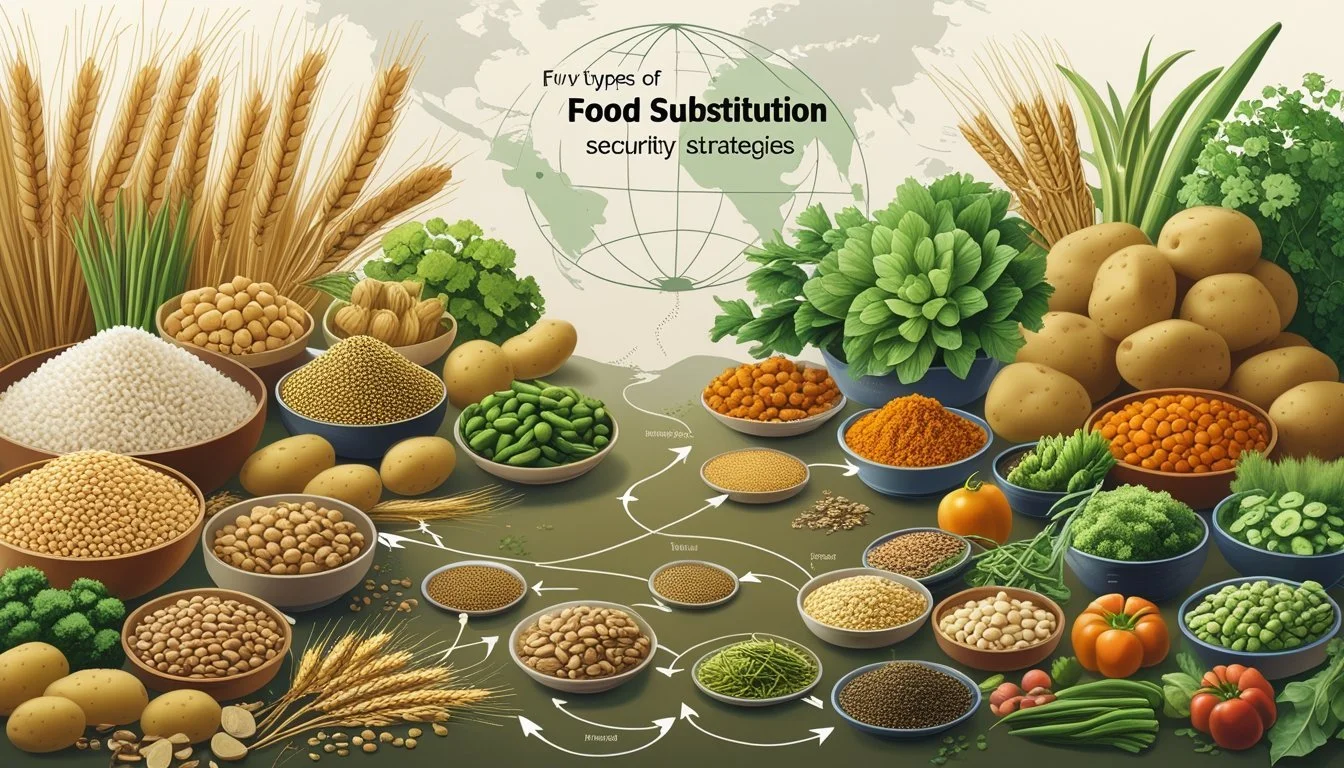
Substitution strategies in food security focus on replacing less available or undesirable foods with alternatives that meet nutritional, cultural, or economic needs. These strategies often address health challenges such as type 2 diabetes, sustainability concerns, and consumer demand for varied products.
Macronutrient Substitution
Macronutrient substitution involves replacing sources of protein, carbohydrates, or fats with alternatives that offer similar energy and nutritional value. For example, shifting from processed red meat to fish or poultry can help reduce saturated fat intake and may lower the risk of developing type 2 diabetes.
Choosing whole grains rather than refined grains boosts fiber content, which supports blood sugar control. Individuals often use plant-based oils instead of animal fats to manage cholesterol and improve heart health. Substituting legumes for meat supplies essential nutrients like protein and fiber while reducing saturated fat.
Nutrition labels, dietary guidelines, and public health campaigns frequently guide consumers to make these substitutions. Balanced intake across food groups ensures dietary adequacy and supports chronic disease prevention.
Substituting Animal and Plant-Based Foods
Replacement of animal products with plant-based alternatives is a key trend, especially in reducing reliance on unprocessed and processed red meat. Some switch to poultry or fish, which are associated with lower risks of certain health issues compared to red meat.
Other strategies use beans, lentils, tofu, or other plant-based proteins in place of animal sources. This shift not only benefits personal health but also supports broader food security by lowering resource use. Cultured or in-vitro meats provide additional substitution potential, offering similar taste and texture with less dependence on livestock.
Food manufacturers develop plant-based burgers and sausages to appeal to consumers aiming for meat reduction or meat-free diets. These alternatives help expand dietary choices without sacrificing nutritional adequacy.
Addressing Cultural and Regional Preferences
Successful food substitution strategies consider traditional eating patterns and local food availability. Dietary preferences and staple foods vary widely, so tailored solutions are essential. For example, substituting fish for red meat in coastal populations makes sense due to familiarity and supply.
In regions where certain grains or tubers are dietary staples, swapping for functionally similar but locally available substitutes maintains nutritional value. Some communities prefer poultry over red meat, using it as a more accessible and affordable protein.
Respecting cultural dietary restrictions—such as religious bans on pork or beef—guides the selection of substitutes. Food security interventions that recognize and integrate these preferences are more likely to be adopted and sustained.
Food Substitution Modeling and Research
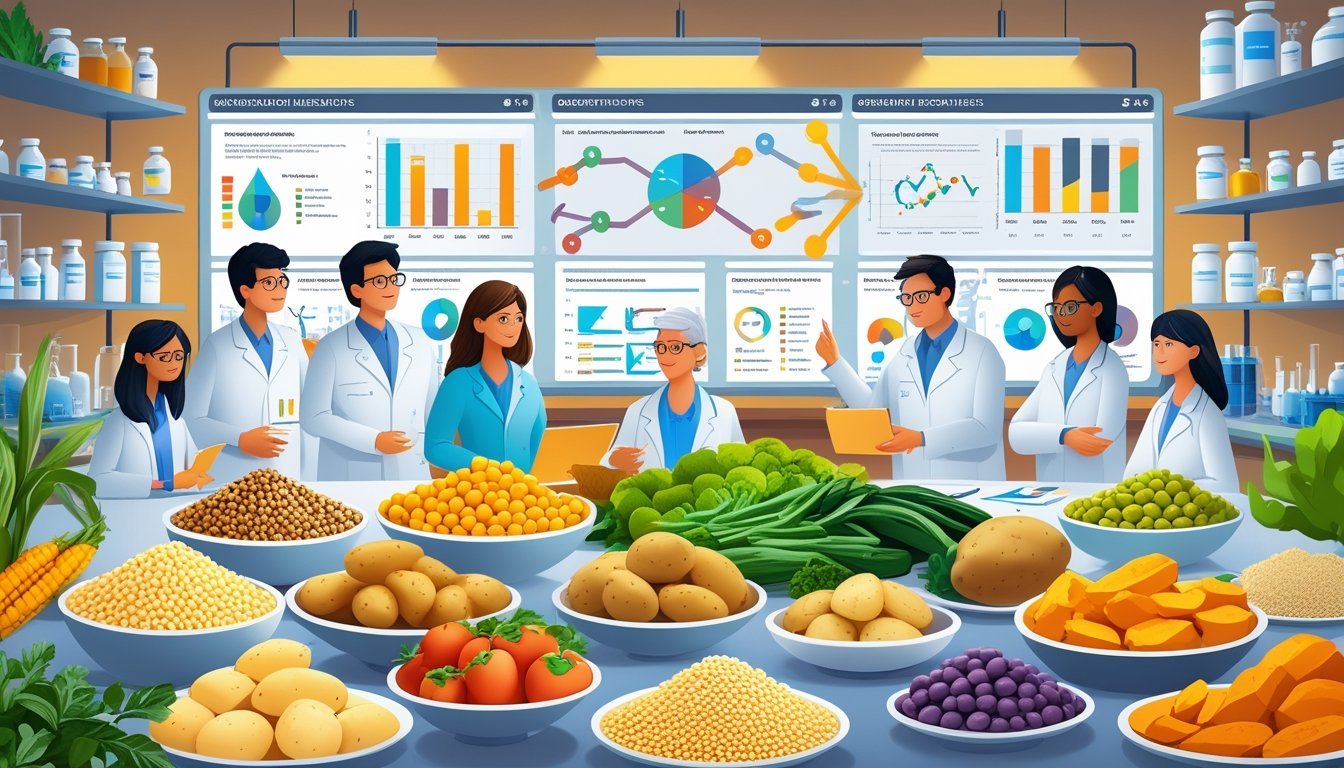
Food substitution modeling plays a fundamental role in understanding how dietary changes influence food security. Techniques range from basic regression models to advanced statistical analyses, each offering specific advantages for interpreting diet data in research.
Overview of Modeling Approaches
Food substitution models help assess the impact of replacing one food or nutrient with another within diets. Researchers use several approaches, including regression models and mixed-units models, to estimate the causal effects of these substitutions.
A key aspect is determining the relative causal effect—that is, the change in outcomes when one component is swapped for another, holding overall intake constant. Bayesian and frequentist frameworks are applied, as well as country-level models informed by datasets like the UK National Diet and Nutrition Survey.
These approaches enable precise estimations of how single substitutions alter the overall nutrition, highlighting useful strategies for food security interventions.
Partition, Leave-One-Out, and All-Components Methods
The partition, leave-one-out, and all-components methods each address substitution effects differently. In the partition method, one food is swapped while keeping the intake of all other foods constant, clarifying the unique impact of a single substitution.
The leave-one-out method examines the effect of omitting a specific food group while redistributing its portion among the remaining foods. This method pinpoints what happens when a particular item is removed from the diet altogether.
The comprehensive all-components method considers simultaneous changes across every food group. It models the combined impact of altering all dietary elements, offering an in-depth understanding of substitution patterns. These methods are crucial for designing effective nutrition guidelines and policy responses.
Simulation Studies and Compositional Exposure
Simulation studies are increasingly used to evaluate substitution scenarios before real-world implementation. These models generate hypothetical outcomes based on compositional exposure, allowing researchers to test various dietary changes efficiently.
Compositional exposure treats food intake as a whole, rather than examining individual nutrients in isolation. This ensures that the natural dependencies between different foods are respected in the analysis.
Simulation results guide policy by estimating population-level effects from suggested substitutions. This approach is invaluable for food security planning, as it enables the assessment of both intended and unintended effects in a controlled setting.
Nutritional Epidemiology and Causal Inference
In nutritional epidemiology, causal inference is central to distinguishing correlation from causation when examining food substitution effects. Researchers compare interventional study designs—where foods are directly manipulated—with observational studies that analyze existing eating patterns.
Proper modeling helps isolate the specific effect of a food substitution, even in mixed diets observed nationally, such as those documented by the UK National Diet and Nutrition Survey. Advanced statistical methods improve estimates by adjusting for confounders and enabling robust relative causal effect calculations.
The integration of food substitution modeling with epidemiological methods supports evidence-based decision-making in nutrition policy and food security interventions.
Impacts of Food Substitution on Food Security
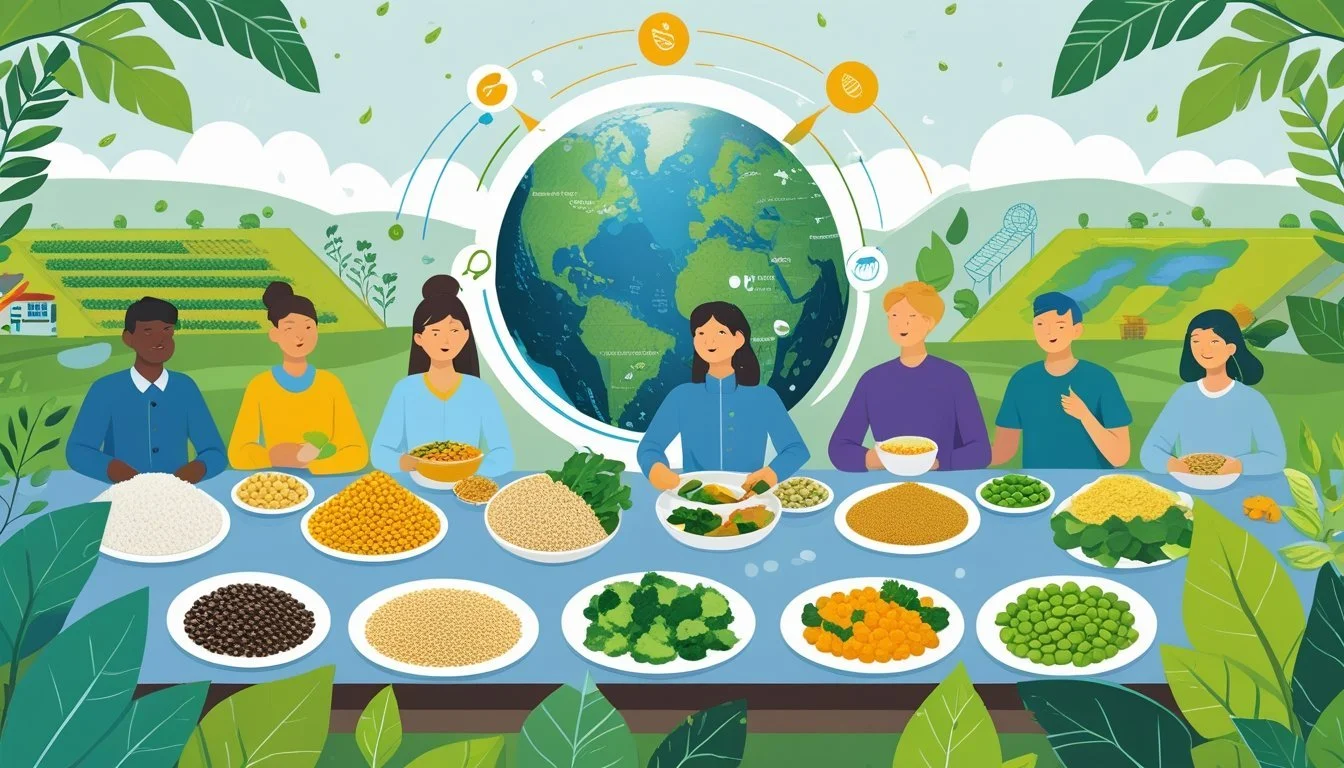
Food substitution plays a critical role in ensuring stable food supplies, improving dietary quality, and adapting to changes in local and global food systems. It helps communities respond to shifts in food production, pricing, and demand.
Improving Access and Availability
Substituting one staple or ingredient for another increases the resilience of food systems, particularly in regions prone to shortages or price spikes. When a primary crop fails due to climate events or market disruption, introducing alternatives ensures that people can still obtain sufficient food.
For example, in the Sahelian West Africa, millet or sorghum may replace maize during poor harvests, maintaining both calorie intake and meal continuity. Substitution also responds to global supply chain challenges, where local foods can offset reduced imports.
Access is further enhanced because cheaper or locally-grown replacements can lower household spending on food. This effect is essential for low-income populations and those facing poverty.
Enhancing Nutritional Outcomes
Food substitution supports improved nutrition when alternative foods offer similar or better micronutrient profiles than those they replace. For instance, substituting refined grains with whole grains or swapping animal proteins for legumes can boost fiber, vitamins, and minerals in the diet.
Effective food policy promotes substitutions that prevent micronutrient deficiencies and help reduce malnutrition rates. Education and clear labeling are important to guide healthier choices among available options, particularly as processed foods become more common in global markets.
Governments and aid organizations can use substitution strategies to improve the overall nutritional quality of food aid and public distribution systems. These changes can directly affect population health, especially among vulnerable groups such as children and pregnant women.
Reducing Food Insecurity and Hunger
Substitution can help stabilize or increase food availability in times of crisis by providing alternative sources when traditional foods are scarce. This approach is particularly important during droughts, flooding, or conflict, where disruptions lead to acute food insecurity.
By reducing reliance on single crops or imported goods, populations can buffer themselves against shocks. The ability to shift to alternative foods also decreases the risk of hunger and undernutrition during emergencies.
Food waste is minimized when surplus or near-expiry foods are substituted in institutional or household meals, making the most of existing stocks. This efficient allocation supports both food security and sustainability efforts.
Food Chains, Supply Chains, and Substitution Policies
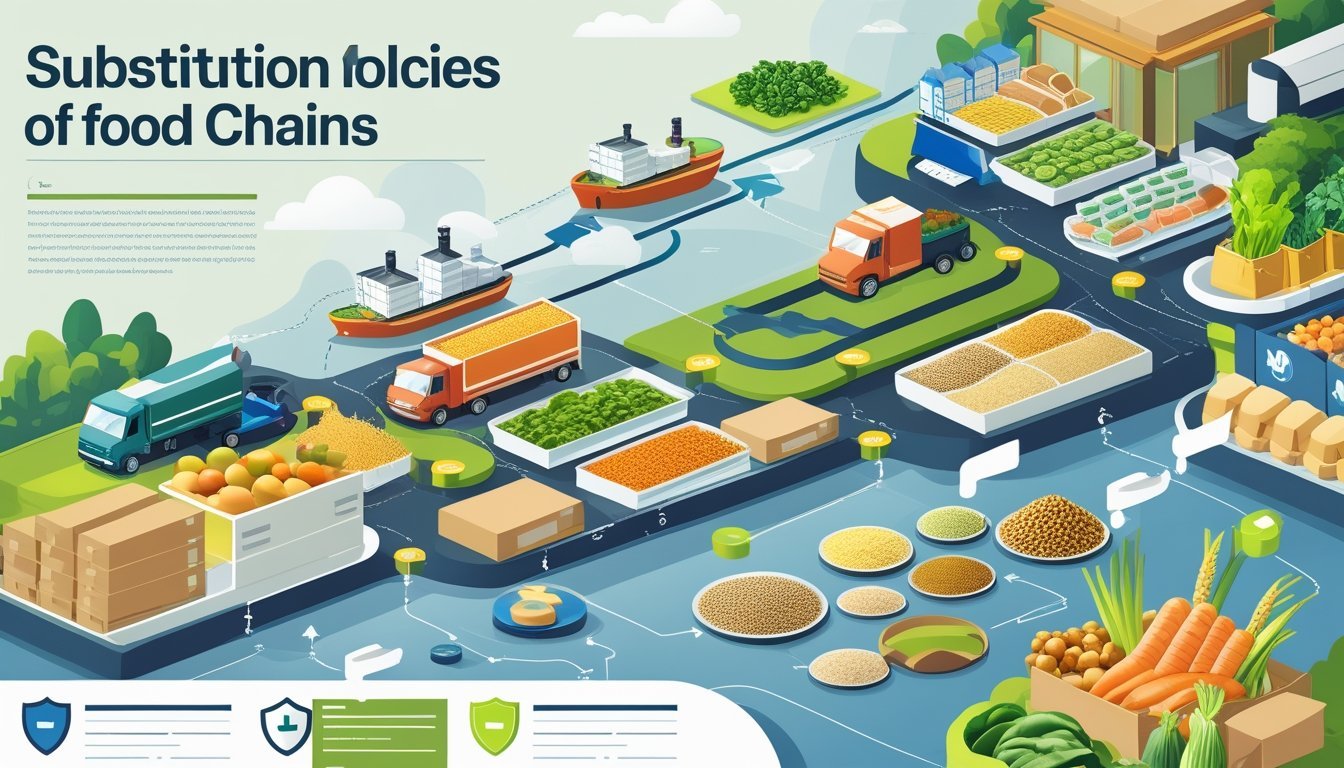
Substitution strategies can make food supply systems more adaptable during shortages or disruptions. Effective policies and governance create the conditions for both economic stability and improved food safety, especially for vulnerable producers like smallholder farmers.
Optimizing Food Chains for Resilience
Food chains and supply chains face risks from climate change, geopolitical instability, and economic shocks. Substitution helps buffer these effects by allowing for alternative sources or products when primary ones are unavailable.
Retailers often blend locally sourced goods with products from larger suppliers to maintain both availability and affordable prices. This ensures that consumers have access to a variety of foods even when certain supplies become limited.
Table 1: Common Drivers of Disruptions in Food Chains
Factor Impact Climate Events Crop failures, scarcity Geopolitical Conflicts Trade barriers, losses Economic Instabilities Price spikes
A resilient system uses substitution not only during crises but as a standard practice to support food security year-round.
Policy and Governance Considerations
Substitution policies depend on strong governance to be effective. Bodies like the USDA develop standards and support mechanisms to ensure food safety when substitutions occur.
Policies that improve agricultural productivity—through training and better infrastructure—give supply chains more flexibility. Connecting farmers to broader markets allows them to pivot in response to changing demand or shortages.
Regulations must also address traceability to maintain food safety when substitutions happen. This helps protect consumer health while maintaining trust in the food system.
Supporting Smallholder Farmers
Smallholder farmers are a critical link in the food chain but often lack access to resources for effective substitution. Policy support, including technical training and market access programs, can help them adjust their production when conditions change.
Economic opportunities can expand through targeted interventions, such as microloans and infrastructure investments, enabling smallholders to produce alternative crops or products. Support from both government and non-governmental organizations strengthens their role in local and national supply chains.
By equipping smallholder farmers with the tools for substitution, the overall resilience and sustainability of the food system are enhanced, benefiting both producers and consumers.
Sustainability and Environmental Aspects of Substitution

Food substitution supports sustainable practices by enabling direct changes to consumption patterns. Shifting specific foods can lower resource use and reduce greenhouse gas emissions, mitigating several key pressures on the environment.
Environmental Sustainability
Substituting high-impact foods with lower-impact options conserves water, reduces land use, and cuts energy demands. For example, replacing beef with legumes or poultry substantially decreases water and land footprints, as beef production is far more resource-intensive compared to these alternatives.
Key resource impacts can be summarized as follows:
Food Type Water Use (L/kg) Land Use (m²/kg) GHGE (kg CO₂e/kg) Beef 15,000 27 60 Poultry 4,300 7 6 Legumes 4,000 3 2
Simple substitutions at the meal or ingredient level can lower average dietary carbon footprints. Research indicates single-item shifts, such as swapping beef for poultry or pork, can reduce both carbon emissions and water scarcity footprints by as much as 48% and 30% respectively for individuals making the change.
Waste reduction also plays an important role. Efficient food use—paired with thoughtful substitutions—helps maintain a stable food supply and avoids unintended environmental burdens from increased waste.
Addressing Climate Change through Substitution
Food production is a major source of greenhouse gas emissions, contributing up to 81% of food-related emissions. Targeted substitutions are a practical tool to address this issue, as altering demand for foods with high emissions leads to broader changes in farming and production.
Adopting alternatives to high-emission foods such as beef and processed meats directly reduces methane and nitrous oxide releases. Sweden’s example shows that national dietary shifts away from red meat can cut per capita food-related greenhouse gas emissions by over 20% without requiring dramatic overhauls in eating habits.
These substitutions work best when widely adopted. While individual changes are significant, collective action amplifies environmental benefits and builds greater resilience in food systems.
Policymakers and industry leaders are increasingly focused on encouraging sustainable substitutions through incentives, education, and reformulation of food products. This targeted approach strengthens the overall sustainability of the food supply and helps meet global climate targets.
Future Directions and Opportunities
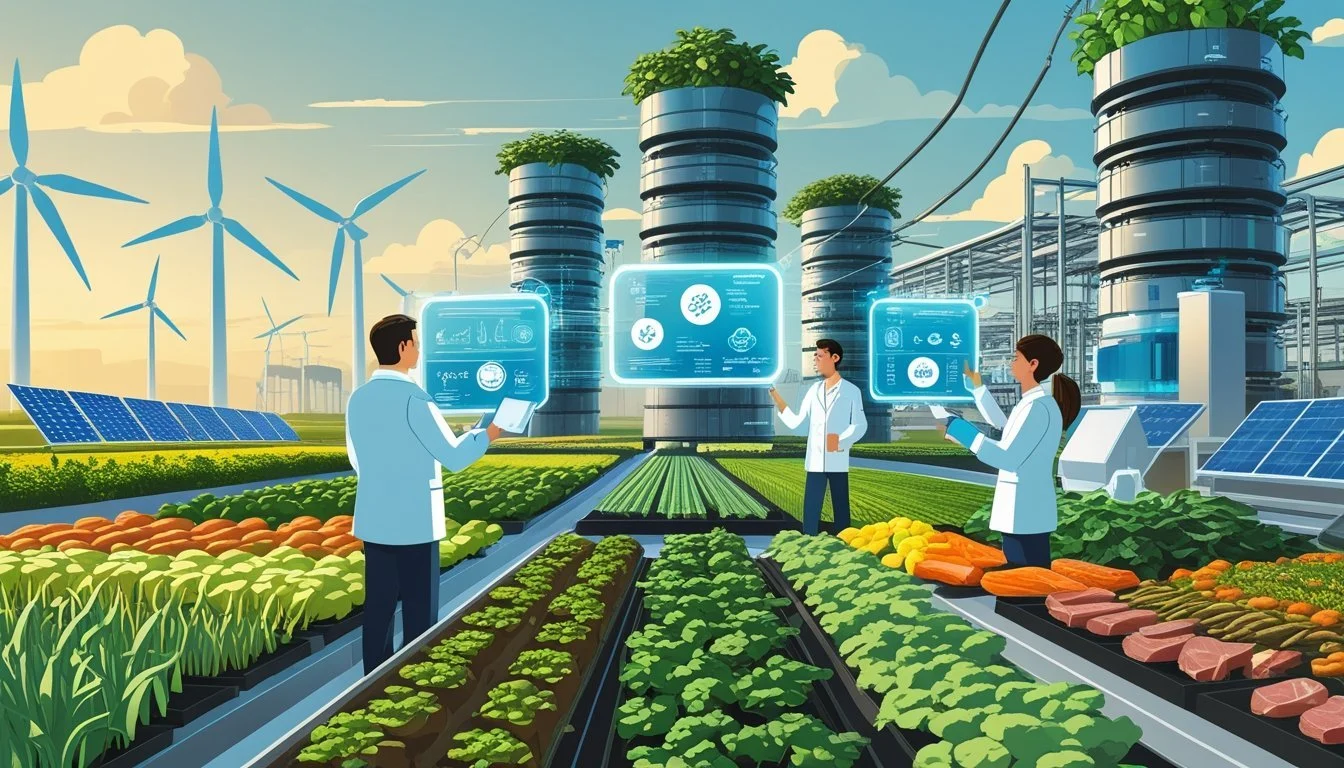
Substitution in food security relies on new models of education, better access to technology, and economic empowerment. Efforts must address both the capacity for innovation and the agency of individuals and communities to make effective choices within their food systems.
Innovation and Education
Advancements in crop science, digital agriculture, and food technology present clear opportunities for diversifying food sources. Farmers can shift to alternative crops or novel protein sources, reducing risk from climate shifts or market changes. Training programs are vital to equip producers with skills to adopt new technologies or agronomic practices.
Education supports informed decision-making both for producers and consumers. School curricula that include nutrition and food system literacy help communities understand the value of dietary diversity. Universities and technical institutions play a role in developing context-specific solutions. Partnerships between public, private, and non-profit sectors often accelerate the spread of practical innovations.
Below is a table summarizing some priority innovations:
Area Example Crop Diversification Climate-resilient legumes and grains Protein Substitutes Cultivation of pulses, insect farming Food Processing Fortification and preservation
Enhancing Agency and Equity
Substitution strategies are most effective when people have the power to make choices that align with their needs and preferences. Agency is strengthened through policies that ensure marginalized groups, such as smallholder farmers or women, have support to participate in markets and access training.
Economic opportunities must be expanded to make new food options accessible and affordable. Programs that increase credit availability, invest in local processing, or support community-based cooperatives help strengthen equitable participation. Addressing inequality in land rights and education also enables more fair access to resources and information.
Equity in food systems is closely tied to the capacity to substitute effectively. Governments and organizations need to ensure benefits from innovation are widely distributed, reducing barriers related to cost, gender, or geography.

