
Swapping Sweeteners: How to Avoid Recipe Collapse and Achieve Perfect Results
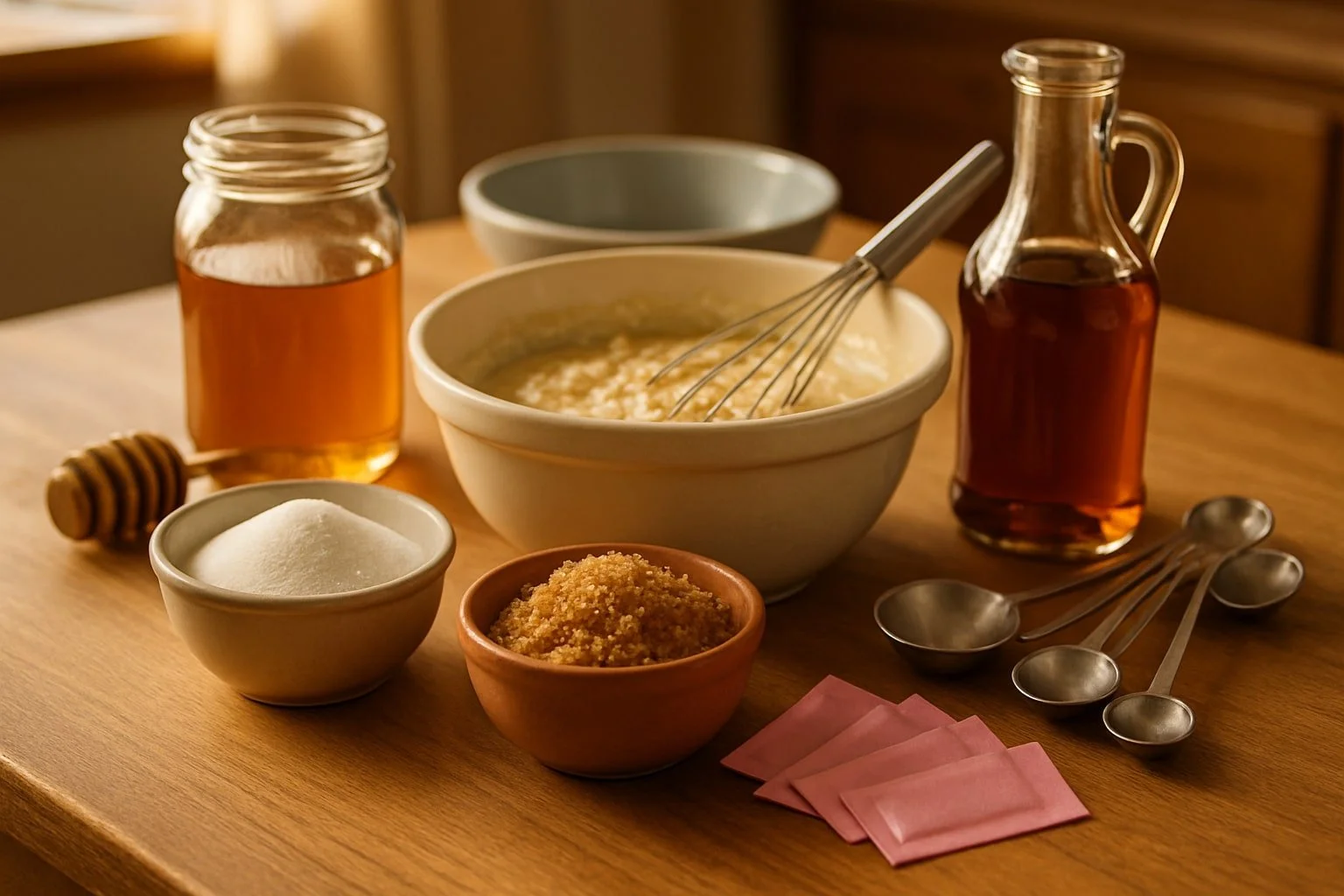
Successfully swapping sweeteners in recipes requires more than just a simple exchange—adjustments to liquid content, texture, and baking temperature are often necessary to avoid common pitfalls like soggy or dense results. Different sweeteners, whether liquid like honey and maple syrup or dry like coconut sugar, can change a recipe’s moisture level and the way it browns in the oven.
Many home bakers face recipe collapse because sweetener substitutions disrupt the balance of ingredients, especially the ratio of wet to dry components. Understanding these relationships helps prevent unwelcome surprises and ensures that baked goods turn out as intended.
Careful measurement and a few strategic tweaks allow for nearly seamless sweetener swaps, making it possible to enjoy different flavors and nutritional benefits without sacrificing texture or structure. Readers will find practical adjustments and straightforward tips throughout this post to help any recipe survive the switch.
Understanding the Role of Sweeteners in Baking
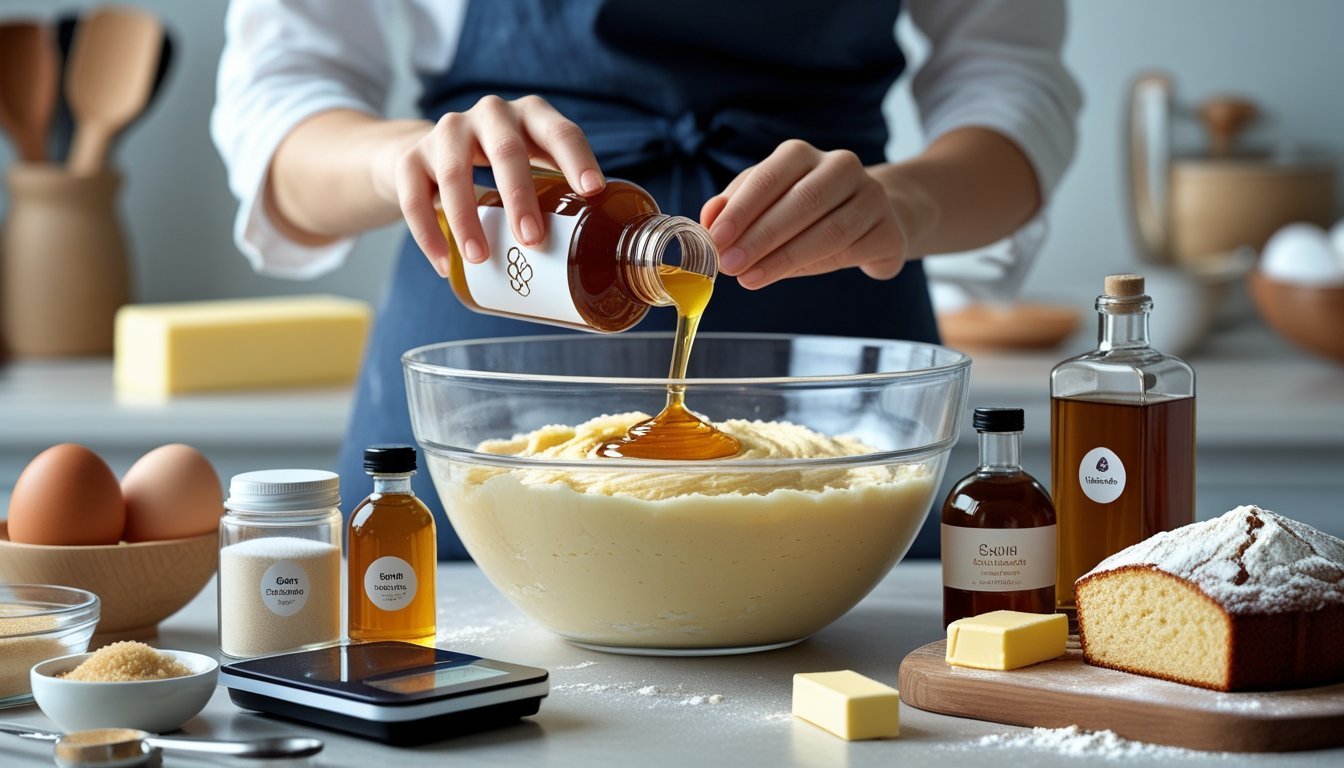
Sweeteners in baking influence not just sweetness but also structure, moisture, and appearance. Substituting sugars or using alternatives requires an understanding of how these ingredients interact with the other components in a recipe.
The Science Behind Sweeteners
Sugar is more than just a flavoring; it acts as a structural agent in baking. Common sweeteners like granulated sugar, brown sugar, and honey interact with flour, fats, and liquids to create the framework of cakes, cookies, and breads.
Sucrose, the main component of table sugar, dissolves easily and participates in chemical reactions such as caramelization and Maillard browning. Alternatives such as stevia or erythritol do not always behave the same way. Their chemical structures might not retain water or respond to heat like sugar does, which can affect the rise and texture of baked goods.
A table summarizing the properties of common sweeteners:
Sweetener Dissolves Easily Caramelizes Holds Moisture Adds Bulk Sucrose Yes Yes Yes Yes Honey Yes Yes High Moderate Stevia No No Low No Erythritol Yes No Low Yes
How Sweeteners Affect Texture and Moisture
Sugar attracts and holds moisture, making baked goods soft and helping prevent staleness. In recipes like cakes and muffins, this hygroscopic property leads to a moist crumb.
Brown sugar, with its molasses content, increases moisture retention compared to white sugar. When using substitutes like monk fruit or xylitol, bakers may notice a drier or crumblier end product. These alternatives might require recipe adjustments such as increasing liquids or adding applesauce for moisture balance.
Texture is also impacted by the crystal structure of the sweetener. Granulated sugar produces a tender, delicate crumb, while liquid sweeteners like honey make denser, chewier baked goods.
Impacts on Flavor and Browning
Sweeteners vary widely in the flavors they bring to baked recipes. White sugar is neutral, serving mainly to enhance other flavors. Brown sugar adds caramel notes and a tang from molasses, while honey and maple syrup contribute their own distinct tastes.
Browning is directly tied to the type of sweetener. Table sugar is essential for the Maillard reaction and caramelization, which create golden crusts and complex aromas. Using sugar alternatives like stevia can result in pale, under-browned baked goods unless other browning agents are added.
Flavor strength can also be an issue with non-nutritive sweeteners, as they may have bitter or metallic notes. Selecting the right sweetener based on both desired flavor profile and browning characteristics is essential for recipe success.
Popular Sweeteners and Their Unique Properties
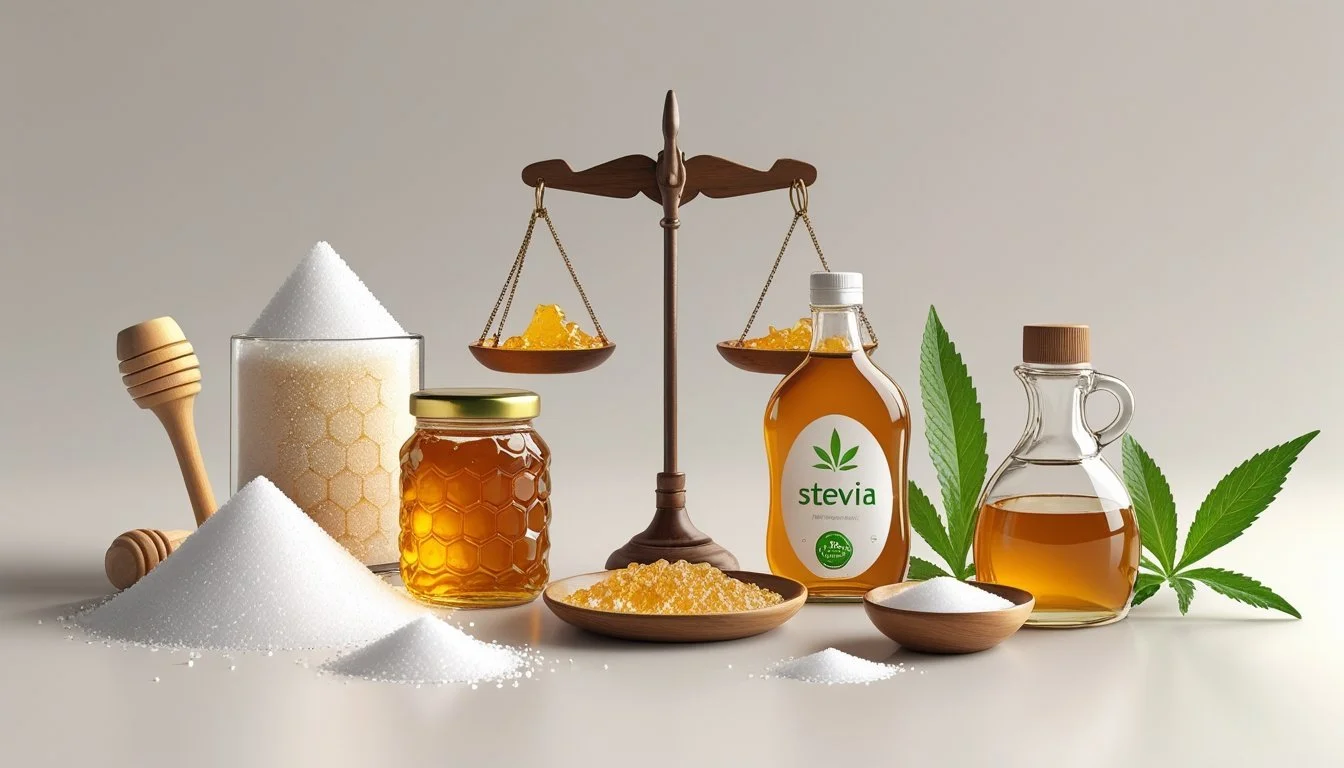
Different sweeteners bring unique flavors, textures, and chemical behaviors to recipes. Understanding these properties can prevent unwanted changes in taste or consistency when swapping one for another.
Refined Sugar, Brown Sugar, and Raw Sugar
Refined sugar (granulated sugar) is highly processed and consists mainly of sucrose. It provides reliable sweetness and structure in baking, ensuring proper caramelization and texture. Its neutral flavor makes it versatile.
Brown sugar contains molasses, resulting in extra moisture and a slight caramel taste. This helps baked goods retain softness and adds color.
Raw sugar (such as turbinado or demerara) is less processed, with larger crystals and a subtle molasses flavor. It may not dissolve as easily as refined sugar, affecting texture in some recipes.
Key comparison:
Sweetener Texture Impact Flavor Note Refined sugar Neutral None Brown sugar Moist, softer Mild caramel Raw sugar Gritty, crisp Light molasses
Natural Sweeteners: Honey, Maple Syrup, and Molasses
Honey is liquid and sweeter than sugar. It adds moisture and a floral or fruity note. Because it's a liquid, recipes often require reducing other wet ingredients when swapping.
Maple syrup has a distinct, robust taste. It is less sweet than honey but still a liquid, so similar recipe adjustments need to be made. It can darken and flavor baked goods noticeably.
Molasses is thick, dark, and very strong in flavor. Used in small amounts, it contributes earthiness, moisture, and deep color. Used in excess, it can make goods dense or overpoweringly flavored.
Natural sweeteners provide additional nutrients and minerals but can affect browning, rise, and shelf life. Adjustments in measurement and liquid content are often needed for an effective sugar swap.
Sugar Alcohols and Artificial Sweeteners
Sugar alcohols like xylitol, erythritol, and sorbitol deliver sweetness with fewer calories. Erythritol is nearly calorie-free and doesn’t brown like sugar, while xylitol offers similar sweetness and bulk but may cause digestive discomfort in large amounts.
Artificial sweeteners—including aspartame, sucralose (marketed as Splenda), and saccharin—provide intense sweetness with little to no calories. Monk fruit and stevia are plant-derived but are often blended with other ingredients for balance.
Agave nectar is sweeter than sugar and a liquid, needing adjustments to a recipe's moisture content.
Some sugar substitutes lack the bulking properties of sugar, so they can change the texture or volume of baked goods. Not all alternatives work in caramelization or fermentation-based recipes. Always check product-specific substitution ratios and cooking properties to avoid recipe collapse.
Factors to Consider Before Swapping Sweeteners

Recipe success depends on more than just replacing one sweetener with another. Each sweetener affects sweetness level, moisture, texture, and flavor profile, so a thoughtful approach is necessary.
Measuring Sweetness and Substitution Ratios
Sweeteners vary widely in how sweet they taste compared to regular sugar. For example, stevia and monk fruit extracts are much sweeter than table sugar, so only small amounts are needed. Sugar alcohols like erythritol are less sweet and may require higher quantities.
Substitution ratios are rarely 1:1. Here are some common examples:
Sweetener Relative Sweetness (vs. Sugar) Typical Substitution Ratio Honey 1-1.5x Use ¾ cup per 1 cup sugar Maple syrup 1x Use 1 cup per 1 cup sugar Stevia 200-300x Use ¼ - ½ tsp per 1 cup sugar Erythritol 0.7x Use 1⅓ cup per 1 cup sugar
Accurate measuring prevents over-sweetening or a bland final product. Check package labels or manufacturer recommendations for specifics.
Moisture Content and Consistency
Many sugar substitutes bring different moisture levels than granulated sugar. Liquid sweeteners like agave, honey, and maple syrup add extra water to recipes, which can make batters too thin or baked items overly moist.
This extra liquid may require a reduction in other wet ingredients, such as milk or eggs, by 1-3 tablespoons per cup of sweetener swapped. Conversely, dry bulk sweeteners like erythritol or xylitol can absorb moisture, resulting in a drier texture.
Texture is also affected. Syrup-based substitutes can create a denser crumb, while sugar alcohols sometimes leave a grainy finish. Careful adjustment of wet and dry ingredients helps retain the intended consistency.
Changes in Flavor Profile
Each alternative sweetener affects the flavor profile of the finished dish. Honey and maple syrup add distinctive tastes that may overwhelm subtle recipes. Brown rice syrup has a mild, malty note, while coconut sugar brings a caramel-like undertone.
High-intensity sweeteners, such as stevia, can introduce bitter or licorice aftertastes, especially if used in excess. Some sugar alcohols, notably xylitol and erythritol, have a cooling sensation and neutral flavor, which works well in many foods but may change traditional baked goods’ familiarity.
Evaluating the impact of these flavors before substituting helps ensure the recipe meets taste expectations. Where possible, perform a small test batch to assess the outcome.
How to Successfully Swap Sweeteners in Recipes
Careful substitution of sweeteners in recipes demands attention to more than just taste. Adjusting for texture, browning, flavor, and nutritional differences is essential to prevent recipe collapse and achieve satisfying results.
Adjusting for Texture and Structure
Different sweeteners interact with other ingredients in unique ways, impacting the structure and texture of baked goods. Granulated sugar provides bulk and stabilizes batters. When using liquid or concentrated sweeteners like honey, maple syrup, or stevia, bakers may need to reduce other liquids in the recipe by 1–3 tablespoons per cup swapped.
Sugar alcohols like erythritol or xylitol can sometimes cause a crumbly or dry texture. To counteract this, additions such as eggs, yogurt, or pureed fruits are helpful. It is also important to note that some alternatives may not support the rise of cakes or cookies as well as sucrose, so leavening agents or binders must occasionally be increased.
For a clear overview, refer to this table:
Original Sweetener Alternative Suggested Adjustment White Sugar Honey/Maple Syrup Reduce other liquids by 1-3 tbsp/cup White Sugar Erythritol Add extra egg/yogurt for moisture White Sugar Stevia Combine with bulking agent
Controlling Browning and Caramel Flavor
Sugar caramelizes as it heats, giving baked goods a characteristic browning and flavor. Most sugar substitutes, such as stevia or monk fruit, do not brown or create caramel flavor efficiently. This means baked goods can look pale and lack depth of flavor.
If browning is important, a portion of real sugar may be retained, or ingredients like molasses added to mimic caramel notes. Malt syrups and coconut sugar provide some caramelization, but recipes may need to be adjusted for their stronger flavors. Watch baking times, as some substitutes can speed up or slow down browning.
For cookies or cakes where appearance and flavor depend on caramelization, combining sweeteners or using torches/finishing sugars can help maintain expected results.
Managing Calories and Nutrients
Many recipe modifications involve swapping caloric sugars for alternatives to reduce calories or change the nutrient profile. Sugar alcohols and high-intensity sweeteners like monk fruit or stevia are often used for lower-calorie recipes. These substitutes typically have fewer or no carbohydrates, altering calorie content.
However, some alternatives contain trace minerals or fiber (e.g., date sugar, coconut sugar) that can affect nutrition. Bakers can use this to increase the micronutrient value of treats, but it's important to check for possible digestive reactions. Overuse of sugar alcohols, for instance, may cause stomach discomfort in sensitive individuals.
Tip: Read product labels for accurate calorie and nutrient values. Adjust recipe portions if nutrient density or sweetness diverges significantly from traditional sugar.
Common Ingredient Swaps and Their Effects
Swapping sweeteners and other common baking ingredients can impact moisture, structure, and overall taste. Each substitute has unique effects on texture, sweetness, and nutritional profile that cooks should consider before making changes.
Using Fruits and Purees: Applesauce, Avocado, and Date Sugar
Applesauce is often used as a substitute for some or all of the sugar or fat in baked goods. It adds moisture and a subtle sweetness, making it a popular choice in muffins and cakes. However, applesauce can make recipes denser and may reduce browning.
Avocado acts as a fat replacement, boosting moisture and offering a creamy texture. It’s best used in brownies, quick breads, or snack bars. Avocado’s mild flavor is largely masked by cocoa or spices, but it will turn batters a slight green tint.
Date sugar provides sweetness and extra fiber since it is ground from dried dates. It does not dissolve like granulated sugar and can lead to a slightly grainy texture. Date sugar also makes baked items darker and adds caramel-like notes.
Substitute Common Use Key Effects Applesauce Sugar/fat replacer Adds moisture, increases density Avocado Fat replacer Creamy texture, can change color Date sugar Sugar replacer Adds fiber, caramel flavor, darker color
Incorporating Non-Dairy Ingredients
Greek yogurt is commonly swapped for sour cream or even butter to increase protein and maintain a creamy texture. It helps tenderize baked goods and adds tang, but can reduce richness if used in high amounts.
Coconut milk and coconut cream provide a rich, creamy alternative to dairy in custards, puddings, or cakes. They lend a distinct coconut flavor and higher fat content compared to other non-dairy milks. For lighter recipes, almond milk or other non-dairy milks are used, but these are thinner and may need thickening adjustments.
When swapping, it’s important to match fat content and adjust baking times as needed. Non-dairy milks lack certain proteins that can affect structure, sometimes resulting in less rise or a different crumb. Cakes and muffins made with almond milk are generally more delicate, while coconut cream creates a denser, moist texture.
Swapping Sweeteners in Specific Baked Goods

Baked goods respond differently to sweetener substitutions because sugar doesn't just sweeten; it influences browning, moisture, and structure. The right approach varies widely based on the type of recipe.
Cookies and Cakes
Cookies rely on sugar for spread, crispness, and moisture. Replacing sugar with liquid sweeteners like honey or maple syrup adds moisture, so reducing other liquids in the recipe by 1-2 tablespoons per cup swapped is recommended. For granulated alternatives like erythritol or stevia blends, extra egg or fat may help compensate for sugar’s structure and texture.
Cakes are sensitive to sweetener changes, especially in terms of rise and crumb. Brown sugar or coconut sugar can be good 1:1 substitutes but may slightly change flavor and color. Sugar alcohols often make cakes denser and can impact browning. If using liquid sweeteners, lower the oven temperature by about 25°F to prevent over-browning.
Quick Breads and Muffins
Quick breads and muffins require careful adjustment when swapping sweeteners to maintain a balanced crumb and moisture. Using liquid sweeteners means reducing the recipe’s added liquid, while dry sweeteners can often be replaced 1:1, although blends and artificial options may change flavor or aftertaste.
Acidity is a concern if the original recipe uses baking soda for leavening. Brown sugar and molasses activate baking soda, but if a non-acidic sweetener replaces them, an additional acid like yogurt, buttermilk, or lemon juice should be added to ensure proper lift. Some non-nutritive sweeteners can leave muffins dry; adding Greek yogurt or applesauce can counteract this effect.
Pastry Recipes and Granola Bars
Pastry recipes depend on sugar for tenderness, browning, and sometimes for activating yeast in enriched doughs. Powdered sweeteners can work in pie crusts, but may reduce browning and flakiness. For laminated dough or delicate pastry, stick close to granulated sugars to keep structure and texture.
In granola bars, sugar or syrup acts as a binder holding the ingredients together. Replacing it with a low-calorie substitute may result in a crumbly texture. Honey, brown rice syrup, or maple syrup are preferred swaps, but reduce other liquid ingredients by a similar volume to keep the bars cohesive. To help bind, press the mixture firmly before baking and consider chilling before slicing.
Special Considerations for Alternative Flours and Fats
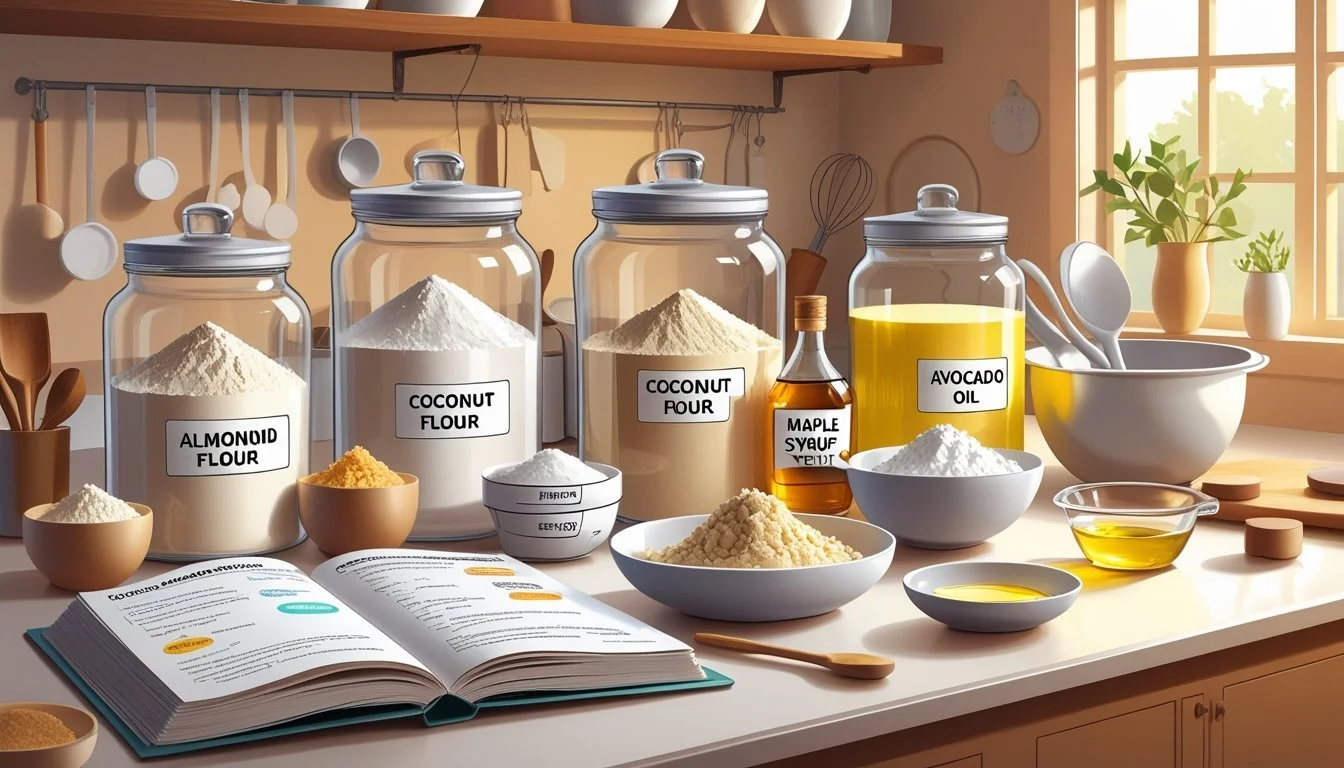
Choosing the right combinations of alternative flours, fats, and sweeteners helps maintain the structure and texture of baked goods. Each ingredient brings unique challenges, especially when swapping out traditional wheat flour, butter, and sugar.
Pairing Sweeteners with Almond Flour and Coconut Flour
Almond flour provides a slightly sweet, nutty flavor and a tender crumb. Its high protein and fat content supports structure, but baked goods may be more fragile compared to those made with all-purpose flour. Pairing it with liquid or granular sweeteners such as honey, maple syrup, or erythritol works well, but recipes may need a little extra binder or leavening.
Coconut flour is extremely absorbent and can easily lead to dry, crumbly textures if not balanced correctly. Using coconut flour requires increasing the liquid in a recipe and often adding more eggs for structure. When using alternative or high-intensity sweeteners here, the moisture must be carefully adjusted—using applesauce, yogurt, or even a higher ratio of egg can offset dryness.
Almond and coconut flours may also influence the sweetness perception. Less sweetener might be needed compared to wheat flour, due to their natural taste profiles. Always check for proper rise and texture after mixing; the batter should be thicker than that made with wheat flour but still pliable.
Butter, Oil, and Margarine Adjustments
Butter adds both flavor and lift, so reducing or replacing it affects browning, texture, and taste. When using sweeteners such as stevia or monk fruit, which lack bulk, increasing the fat content with extra butter or oil can counteract dryness and help maintain softness.
Oils, like coconut or canola, give a more tender crumb but may make the final product denser if too much is used. Margarine, often used for dairy-free baking, sometimes contains water that can interact with alternative flours, creating a gummy texture. Balancing the ratio of solid to liquid fats helps prevent collapse.
In recipes using sugar alcohols such as erythritol or xylitol, fats can mask cooling effects and improve mouthfeel. Always cream solid fats with the chosen sweetener for better aeration, especially when working with denser alternative flours.
The Role of Xanthan Gum, Nuts, and Seeds
Alternative flours lack the gluten found in traditional wheat flour, impacting both structure and elasticity. Xanthan gum is frequently added to provide binding and mimic gluten’s properties. Using 1/4 to 1/2 teaspoon per cup of flour can help hold baked goods together, especially when pairing alternative flours with non-crystalline sweeteners.
Nuts and seeds, such as flaxseed meal or chia, can replace some of the structure lost using gluten-free flours. These ingredients also add moisture and texture, making up for changes introduced by both new sweeteners and flours.
Ground seeds can serve as egg replacements or binders, especially important in vegan baking. Combining xanthan gum with ground flaxseed or chia helps create a stable crumb that maintains shape even in sugar-free or low-sugar recipes.
Nutritional and Health Implications of Sweetener Swaps
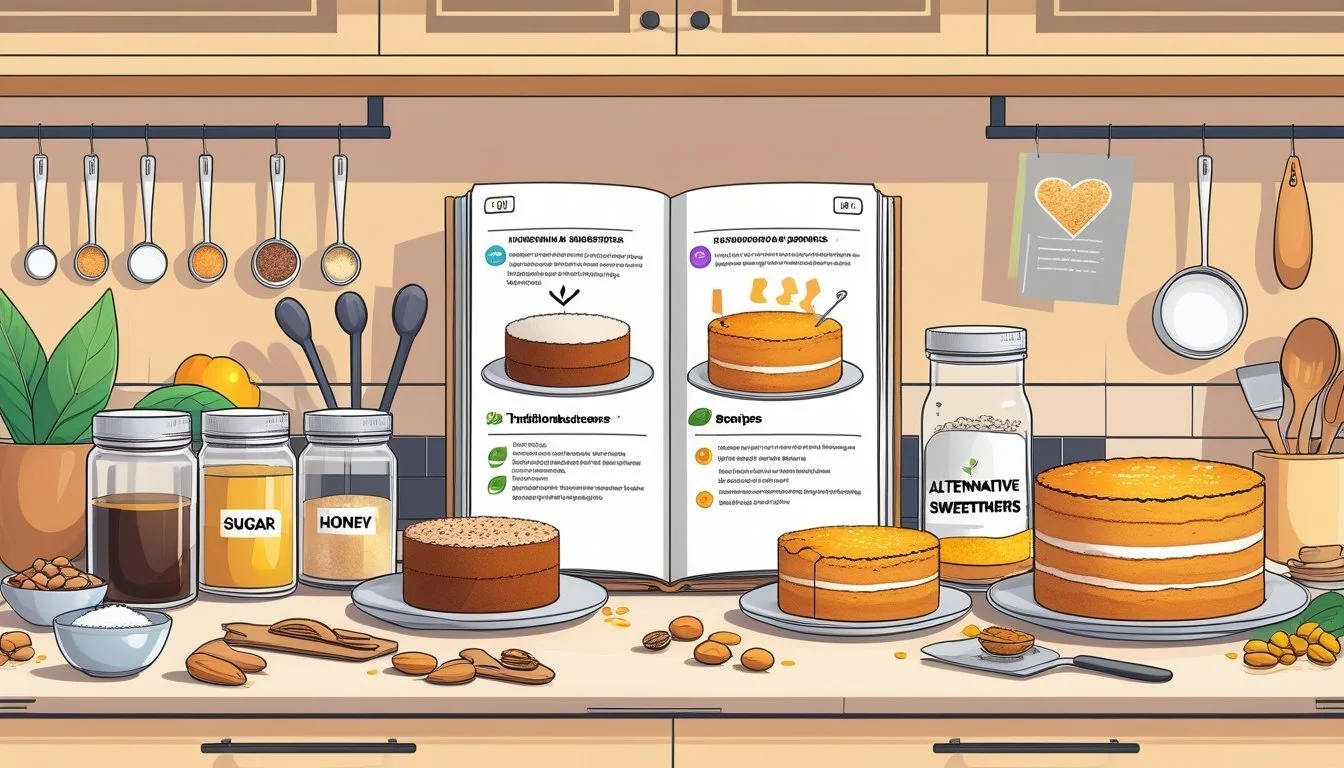
Changing sweeteners in recipes affects both nutritional value and how the body processes carbohydrates. These swaps influence blood sugar response and overall calorie intake in distinct ways, with implications for diet quality and health.
Effects on Blood Sugar and Glycemic Index
Sweeteners vary widely in their impact on blood sugar. Traditional table sugar, honey, and other caloric sweeteners have a high glycemic index (GI), causing rapid spikes in blood glucose. In contrast, many low- or no-calorie sweeteners such as stevia, sucralose, and aspartame have a negligible effect on blood sugar levels.
For people managing diabetes or insulin resistance, using low-GI sweetener alternatives can help stabilize blood glucose. Such swaps may help reduce glycemic load in meals when used in place of high-sugar ingredients.
Not all “natural” sweeteners are low-GI. For example, agave nectar has a lower GI than table sugar but still contains significant fructose. Monitoring the type of sweetener used is essential when metabolic health is a concern.
Calorie Count and Nutrient Density
Substituting sugar or syrup with low-calorie sweeteners can significantly lower the energy content of recipes, making it easier to manage or reduce calorie intake. This approach may support weight management, especially for those looking to cut “empty calories.”
Unlike sugar, most zero-calorie sweeteners do not provide vitamins, minerals, or fiber. Whole food sweetener swaps, such as unsweetened applesauce or mashed banana, can add small amounts of nutrients and fiber while also reducing calories and fat, depending on the recipe.
However, removing sugar may impact taste, satiety, and dietary balance. Some research suggests that relying heavily on sweeteners, even non-caloric ones, can alter preferences for sweetness and potentially affect overall diet quality if healthier foods like fruits and vegetables become less appealing by comparison.
Practical Tips for Avoiding Recipe Collapse
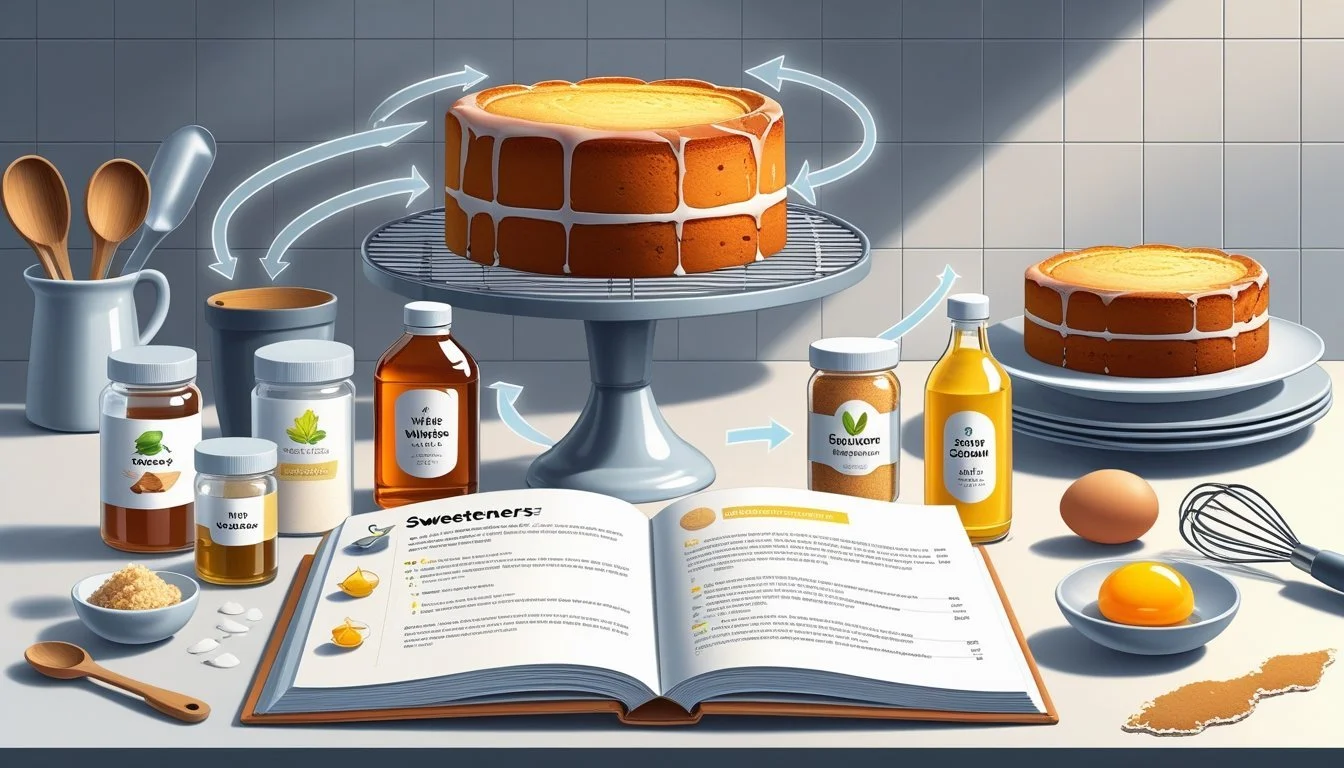
Swapping sweeteners changes not only the taste but also how a recipe rises, browns, and sets. Paying attention to ingredient interactions and baking techniques is essential to keep baked goods from collapsing or becoming dense.
Testing Small Batches and Making Incremental Swaps
Testing substitutions on a small scale can prevent large ingredient waste. Instead of altering an entire recipe, try changing the sweetener type or amount in half or quarter batches. This approach lets bakers observe changes in texture and sweetness without risking a full batch failing.
Gradually substitute sweeteners, for example, replacing only a fraction of the sugar with honey or a sugar substitute. Monitor how the liquid content changes, as syrups and honey add moisture while granulated sweeteners do not. Track results using a simple table:
Batch Sweetener Used Amount Results 1 Sugar Full Normal Rise 2 Honey Half Slightly Dense
Small, careful experiments help identify the perfect ratio and minimize the risk of recipe collapse.
Using Baking Soda and Leavening Agents
Sweetener swaps often impact a recipe’s acid-base chemistry. For example, honey or molasses are acidic and may react differently with baking soda than white sugar. Adjusting baking soda or baking powder quantities is crucial to restore proper rise and structure.
When substituting sugar with honey, it’s usually recommended to reduce the added liquid by 1/4 cup per cup of honey and add a pinch more baking soda. This adjustment counteracts honey’s acidity and boosts leavening.
Pay close attention to the interaction between the sweetener and leavening agent to avoid dense or sunken baked goods. If a recipe uses only baking powder, minor tweaks may be needed if the sweetener is much more acidic or alkaline than sugar.
Troubleshooting Common Baking Problems
If a recipe collapses or fails to set, several issues may be at play:
Dense Texture: Too much moisture from liquid sweeteners like honey.
Poor Rise: Insufficient baking soda or baking powder after swapping sweeteners.
Overly Moist Crumb: High hygroscopicity from alternative sweeteners trapping excess water.
Some solutions include increasing oven temperature slightly or baking longer to offset added moisture. Reducing other liquid ingredients, such as milk or eggs, helps when using syrups.
If substitutes crystallize or cause graininess, try blending sweeteners or dissolving them thoroughly before mixing into the batter. These adjustments can help maintain a consistent texture and prevent collapse.
Conclusion

Careful sweetener substitution helps preserve the structure, flavor, and appearance of recipes. Paying attention to each sweetener's moisture content and relative sweetness prevents texture issues and imbalanced flavors.
Key adjustment tips:
Adjust liquid levels when using syrups (like honey or agave).
Reduce total sweetener if the substitute tastes much sweeter.
Consider bulk and browning, especially in baked goods.
Testing small batches first minimizes waste and surprise results. Tweaking other ingredients—such as adding eggs for structure or using unsweetened add-ins—helps maintain balance.
Refer to substitution tables and reliable guides to support effective swaps:
Sweetener Replace 1 cup sugar with Notes Honey ¾ cup + 1 Tbsp Decrease other liquids Stevia Follow packaging May need more bulk additive Erythritol 1:1 Less sweet, adjust to taste
Experimentation and gradual changes ensure consistent results and greater recipe satisfaction.

