
Umami Swaps: Replacing Savory Depth Without Meat Using Plant-Based Alternatives
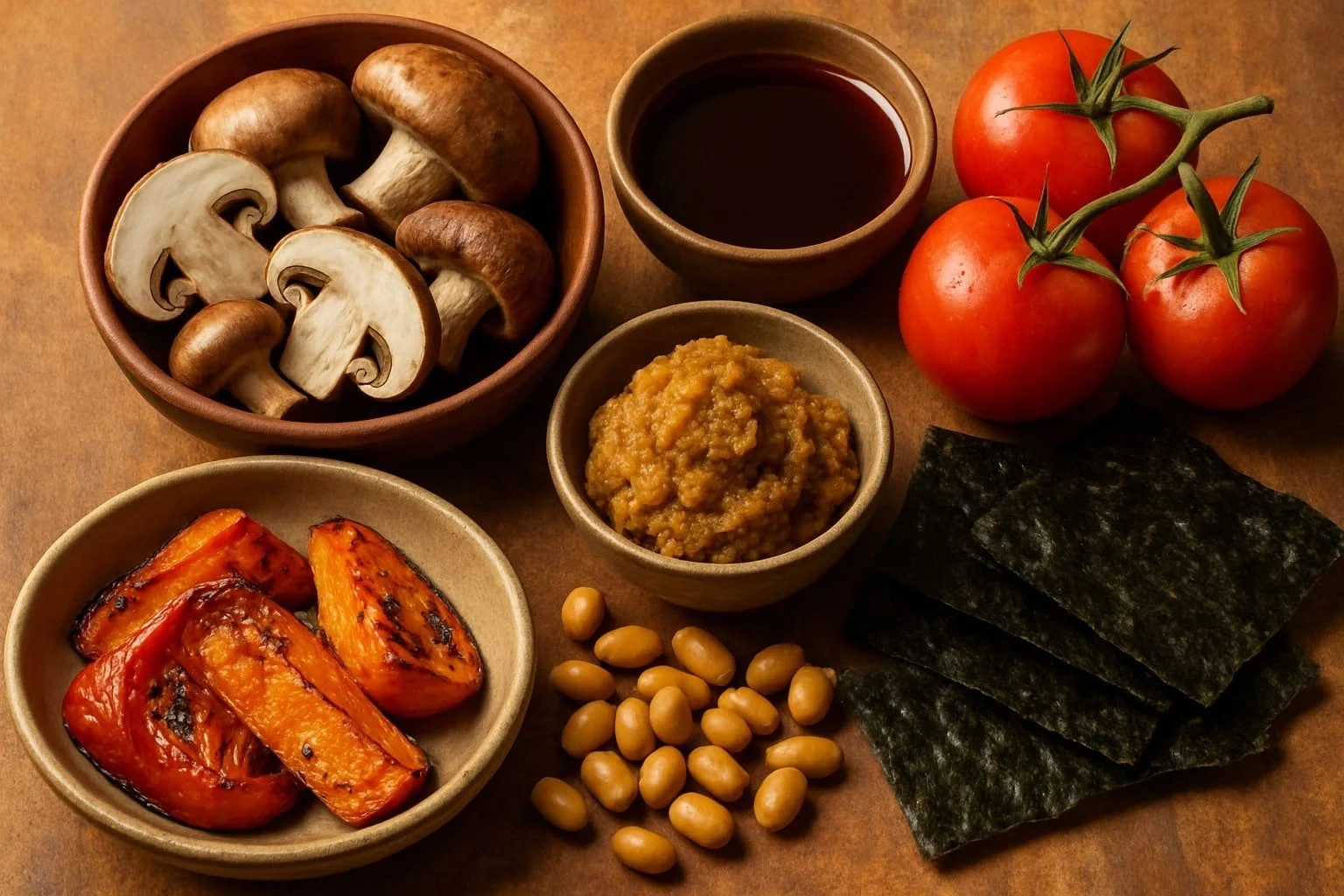
Many home cooks find that eliminating meat leaves their favorite dishes lacking a certain savory depth. That hard-to-pin-down savoriness, known as umami, is often what separates a bland meal from a truly satisfying one. Vegetarian and vegan cooks can achieve rich, meaty flavors without animal products by using plant-based ingredients like mushrooms, miso, nutritional yeast, roasted tomatoes, fermented foods, and seaweed.
These ingredients provide natural umami and can build complex, savory layers in any meal. With a thoughtful approach and the right choices, it’s straightforward to create plant-based dishes that are both flavorful and deeply satisfying, all while skipping the meat.
Understanding Umami and Savory Flavor
Umami is a fundamental taste that brings richness to many dishes, while savory flavor refers to the overall depth and satisfaction found in foods. Recognizing how these tastes work helps cooks find plant-based replacements that deliver similar complexity and enjoyment without using meat.
Defining Umami Flavor
Umami is recognized as one of the five basic tastes, alongside sweet, sour, salty, and bitter. It is best described as a pleasant, brothy, or meaty flavor that lingers on the palate and creates a sense of fullness.
This taste is primarily triggered by molecules called glutamates. Foods rich in natural glutamate include tomatoes, mushrooms, aged cheeses (like Parmesan), soy sauce, and seaweed. Monosodium glutamate (MSG) is a widely used additive that heightens this flavor in both traditional and modern cooking.
Japanese cuisine frequently uses umami-rich ingredients, such as miso and kombu, to achieve a distinct savory depth without relying on animal proteins. The use of umami-enhancing elements is not limited to meat and can be found, or created, from many plant-based sources.
The Science Behind Savory Tastes
Savory flavor is the broader sensation often described as “hearty” or “satisfying." It comes from a mix of umami, salty, and other background flavors. When glutamates and nucleotides bind to specific taste receptors on the tongue, the brain registers the food as deeply savory.
Naturally occurring compounds like inosinate (found in meat and fish) and guanylate (found in dried mushrooms) work with glutamate to intensify umami. This interaction is why certain ingredient combinations, such as tomatoes and Parmesan or miso and mushrooms, result in more pronounced savory notes.
Cooked meats are commonly associated with savory flavor, but cheese, fermented foods, and even nutritional yeast offer similar taste experiences. Understanding the science behind savory taste equips cooks to re-create that satisfaction using plant-forward ingredients.
Umami’s Role in Cooking
Umami influences how flavors develop and interact in recipes. Its presence adds body and enhances the taste perception of other ingredients, making meals feel more balanced and satisfying.
In practice, cooks often reach for umami-rich components to boost flavor profiles in soups, sauces, and stews. Examples include soy sauce for salt and depth, sun-dried tomatoes for tang and umami, and sautéed mushrooms for earthiness.
Layering umami from multiple sources—such as combining miso with roasted vegetables or adding nutritional yeast to beans—intensifies complexity. This approach is especially valuable in plant-based cooking for achieving the same savory satisfaction traditionally provided by meat.
Challenges of Replacing Meat’s Savory Depth
Meat offers a unique combination of flavor complexity, nutrition, and texture that is difficult to fully replicate in plant-based dishes. For those seeking alternatives, understanding what makes meat rich in umami, how plant-based ingredients differ, and how nutrition and flavor interact is crucial.
Why Meat Is Rich in Umami
Meat, especially beef and pork, contains high levels of glutamates and nucleotides, which give it its signature umami, or savory flavor. Cooking and aging processes such as grilling beef, slow-roasting pork, or broiling fish enhance these compounds, making the flavors more pronounced.
Fish and shellfish also offer distinct umami notes due to their amino acid profiles. Even poultry, while milder, brings depth from natural glutamates. This is why these proteins act as the foundation for broths, sauces, and savory dishes across many cuisines.
Compared to vegetables, animal proteins deliver a fuller, rounder flavor that lingers on the palate. This makes purely plant-based replacements challenging, as most vegetables lack the same chemical structure to provide equal savory intensity.
Differences in Flavor Complexity
The savory flavors of meat are layered. Each type—beef, pork, fish, shellfish, poultry—offers a unique combination of fats, proteins, and breakdown products created by cooking, which build complex taste profiles. For instance, browning beef develops Maillard reaction compounds that deepen flavor further.
Plants are usually less dense in these components. Ingredients like mushrooms, fermented soy, or black garlic add some umami, but none exactly match the blend of savory, sweet, and mineral notes of animal proteins. Texture is another important factor; the fibrous, chewy bite of meat is hard to duplicate.
A side-by-side comparison table:
Source Main Umami Components Texture Beef Glutamate, inosinate Firm, chewy Fish Glutamate, nucleotides Tender, flaky Mushrooms Glutamate Soft, spongy Soy Glutamate (fermentation) Creamy, smooth
The lack of these nuanced layers means substitutes often need a combination of several plant-based ingredients to reach satisfying depth.
Balancing Nutrition and Taste
Meat provides not just savory flavors but significant protein required for health. It is also a source of key nutrients like iron, zinc, and B12, which can be less available in plant-based foods. While reducing meat, there is often a need to supplement plant-based meals with legumes, nuts, or soy to maintain adequate protein intake.
Flavor enhancers, such as soy sauce or miso, can add umami but may not increase protein or essential vitamins. Additionally, replacing beef or pork with plant-based options can reduce methane emissions and be better for the environment, but careful ingredient selection is necessary to avoid nutritional gaps.
A balanced approach often means combining several plant-based protein sources and umami ingredients to meet both nutritional and savory needs in meatless dishes.
Plant-Based Ingredients for Umami Swaps
Many plant-based ingredients deliver substantial umami flavor and can replace the savory depth usually provided by meat. These foods offer specific compounds and natural glutamates that enhance the taste of a variety of dishes across different cuisines.
Mushrooms as Flavor Enhancers
Mushrooms are a leading plant-based source of natural umami, largely due to their high glutamate content. Varieties such as shiitake, porcini, portobello, and cremini are especially prized. Dried shiitake mushrooms, in particular, intensify umami in broths, risottos, and sauces when rehydrated.
Sliced or chopped mushrooms can be sautéed and added directly to stir-fries, pasta, and stews for an extra layer of savory depth. Mushroom powder, made by grinding dried mushrooms, works well as a seasoning for roasted vegetables, grains, or bean dishes.
Their rich taste profile makes mushrooms an effective substitute for meat in recipes like ragu, stir-fried rice, or veggie burgers. Combining mushrooms with onion or garlic powder amplifies the overall savory effect.
Fermented Soy Products
Fermented soy products such as miso, soy sauce, and tempeh bring complex, salty-savory flavors and a distinct umami profile. Miso is often used to boost soups, marinades, dressings, and glazes. Its fermentation process develops glutamates and contributes to its savory character.
Soy sauce, both light and dark varieties, adds depth to sautés, stir-fries, and dipping sauces. Low-sodium versions provide similar flavor with less salt. Tamari, a gluten-free alternative, can be used in the same way.
Tempeh and tofu are also versatile. Cubed or crumbled tempeh can be marinated to absorb umami-rich flavors, then used in salads, sandwiches, or rice bowls. Yuba (tofu skin), seitan, and soy curls offer added texture and protein while soaking up broths and sauces. Soy milk can add creamy body to soups or sauces, offering subtle umami undertones when combined with other savory ingredients.
Tomatoes and Umami-Rich Vegetables
Tomatoes deliver substantial natural glutamates, which increase when they are cooked or concentrated into forms like tomato paste or sun-dried tomatoes. Adding diced, roasted, or pureed tomatoes deepens the savory notes in pasta sauces, curries, and stews.
Other vegetables—such as broccoli, peas, and eggplant—also bring subtle umami flavor, especially when roasted or grilled. Eggplant’s creamy texture is particularly effective in sauces and spreads. Caramelized onion powder or garlic powder boosts umami perception when sprinkled into soups, casseroles, or grain bowls.
Sun-dried tomatoes, in particular, are effective for boosting flavor intensity in vegan sauces, spreads, and fillings due to their concentrated taste.
Nuts, Seeds, and Grains
Certain nuts and seeds contribute savoriness and richness that rounds out plant-based dishes. Toasted walnuts, sesame seeds, and sunflower seeds add complexity to salads, dips, and stir-fries. Nutritional yeast, a deactivated yeast, provides a nutty, cheesy flavor and is rich in umami, making it a staple for vegan cheese alternatives and cream sauces.
Beans and lentils are frequently used for their protein and texture but also support umami flavors, especially in seasoned stews or spreads. Pairing them with umami-boosters like miso, soy sauce, or mushroom powder enhances their impact.
Hearty whole grains, such as brown rice, farro, and barley, deliver subtle savory undertones after toasting or long simmering. Combining grains with sautéed umami vegetables or infused broths can build deeper, more satisfying flavors in pilafs, risottos, and breakfast bowls.
International Umami-Boosting Traditions
Cultures worldwide have mastered flavor-boosting methods without relying on meat. Fermented ingredients, aged foods, and specific vegetables deliver complex savory notes that transform plant-based and vegetarian dishes.
Japanese and East Asian Techniques
Japanese cuisine often achieves savory depth with ingredients like miso, soy sauce, kombu (kelp), and shiitake mushrooms. These elements bring a pronounced umami flavor and serve as key seasonings in soups, broths, and sauces.
Bonito flakes, though fish-based, are traditional umami enhancers but can be replaced with kombu and dried shiitake for plant-based cooking. Soy sauce and miso benefit vegetarian chili or stews when used instead of meat stocks, balancing saltiness with deep, mellow richness.
In other East Asian traditions, fermented bean pastes and sauces such as doubanjiang (Chinese chili bean paste) or gochujang (Korean chili paste) add complexity to vegetables and tofu dishes. Fermentation is especially important in these cuisines for building layers of flavor without animal products.
Mediterranean Savory Staples
Mediterranean kitchens rely on olives, capers, and sun-dried tomatoes for robust, briny, and tangy umami notes. These ingredients are regularly added to dishes like plant-based sauces, rice, or salads to replace the savory influence of anchovies or tuna.
A practical table of Mediterranean umami-rich swaps:
Meat-Based Plant-Based Alternative Anchovy tapenade Olive-caper tapenade Tuna salad Chickpea-olive salad Fish sauce in dressings Sun-dried tomato oil
Aged cheeses also play a traditional role, but nutritional yeast serves a similar purpose in vegan cooking. These swaps keep Mediterranean vegetarian dishes satisfying, savory, and full-flavored.
Global Vegetable-Forward Umami Dishes
Around the world, cooks use hearty vegetables and fermentation to add depth to plant-based meals. Roasted mushrooms, caramelized onions, and tomatoes deepen the flavor of stews, chilis, and sauces through natural glutamates.
British classics like vegetarian chili benefit from Worcestershire sauce—a version made without anchovies maintains depth. In plant-based Lunar New Year recipes, fermented tofu or shiitake powders offer savory complexity.
Smoked paprika, dried seaweeds, and slow-cooked legumes are favored in many global kitchens to enhance soups and sauces. These additions let meatless recipes rival the savory satisfaction found in traditional versions.
Cooking Strategies for Deep, Savory Plant-Based Flavor
Building savory depth in plant-based dishes relies on proven techniques and carefully selected ingredients. Success comes from understanding the science behind umami, adopting layers of flavor, and applying traditional and modern cooking methods.
Layering Umami Ingredients
A variety of plant-based ingredients provide natural umami. Dried mushrooms, sun-dried tomatoes, miso, soy sauce, nutritional yeast, fermented foods, and kombu seaweed are all excellent sources.
Cooks can use a combination of these in a single dish for enhanced depth. For example, soups often start with sautéed onions, then receive miso and kombu for complexity.
A simple chart of umami-rich additions:
Ingredient Typical Use Umami Level Mushrooms Stocks, sautés High Miso Broths, marinades High Soy sauce/tamari Seasoning High Nutritional yeast Sauces, seasoning Moderate Sun-dried tomatoes Pasta, stews Moderate Kombu Broths, simmered dishes High
Combining several of these creates complexity that mimics the savory foundation often provided by meat.
Roasting and Caramelization
Roasting vegetables, particularly with onions, mushrooms, or tomatoes, intensifies natural sugars and umami compounds. High heat encourages caramelization, developing rich flavors without added meat.
For the most flavor, layer vegetables on a sheet pan, coat lightly with oil and a pinch of salt, and roast until golden and browned around the edges. Roasted garlic, onions, and carrots form an excellent base for plant-based sauces and soups.
Try slow-roasting mushrooms or tomatoes for a denser, deeper taste. Roasting enhances both aroma and umami character, especially when coupled with herbs or spices.
Incorporating Stocks and Reductions
Homemade vegetable stocks are fundamental for flavor, especially when simmered with umami-rich vegetables such as onions, leeks, mushrooms, tomatoes, and dried seaweed.
Reducing stock further concentrates flavors. To make a plant-based “jus,” simmer the stock until liquids evaporate slightly and flavors intensify.
Layered stocks work well as a base for risottos, grains, and sauces. To elevate depth, cooks may add a splash of soy sauce, a spoonful of miso, or a handful of dried mushrooms directly to the pot.
These techniques allow plant-based dishes to achieve a robust, savory satisfaction without relying on animal ingredients.
Nutrition, Health, and Sustainability Benefits
Making umami swaps with plant-based ingredients can support balanced nutrition, offer health advantages, and contribute to lower environmental impacts. Many of these options are suitable for gluten-free diets and can help reduce sodium intake when chosen wisely.
Protein and Fiber in Umami Swaps
Plant-based proteins, such as lentils, chickpeas, tempeh, and tofu, deliver the savory depth found in meat while providing essential nutrients. These ingredients are rich in protein and often higher in fiber compared to animal sources.
Fiber plays a crucial role in supporting digestive health and regulating blood sugar levels. Incorporating mushrooms or seaweed adds umami while keeping recipes gluten-free and high in nutrients. Many legumes and nuts fit well into gluten-free diets, expanding options for people with specific dietary needs.
Comparison Table:
Ingredient Protein (g per 100g) Fiber (g per 100g) Gluten-Free Lentils 9 8 Yes Tofu 8 0.3 Yes Mushrooms 3 1 Yes Chickpeas 9 7 Yes
Health Benefits of Plant-Based Alternatives
Swapping meat for plant-based umami ingredients often helps reduce saturated fat intake, which is linked to improved cardiovascular health. Many plant-based options also contain natural compounds, such as antioxidants and phytochemicals, that support immune function.
Fermented products like miso and tempeh provide probiotics, which may aid gut health. Choosing mushrooms or soy-based foods can help lower sodium content when prepared without salt-heavy sauces or seasonings. Gluten-free recipes featuring umami swaps are on the rise, meeting the growing demand for diets free from gluten while still allowing for rich, savory dishes.
Environmental Impact and Climate Considerations
Plant-based umami swaps generally have a lower environmental footprint than animal-derived ingredients. Cultivating beans, pulses, and legumes emits less greenhouse gas compared to livestock production.
Mushrooms and seaweeds are examples of ingredients that require fewer resources, such as water and land, than traditional meats. Adopting these swaps can also promote sustainable agriculture practices and contribute to reducing deforestation. The popularity of plant-based trends points toward a broader shift in food systems that prioritize both human and planetary health.
Popular Vegan and Vegetarian Umami Swap Recipes
Dishes high in umami can be crafted without meat by using plant-based ingredients such as mushrooms, lentils, tomatoes, and fermented products. These components deliver rich, savory notes and are highly adaptable for various comfort foods and weeknight meals.
Vegetarian Chili with Umami Depth
Vegetarian chili stands out for its ability to layer flavors. Using beans, lentils, mushrooms, and fire-roasted tomatoes, cooks can achieve the complexity traditionally found in meat-based recipes. Smoked paprika, cocoa powder, and soy sauce add further depth.
A simple technique is to start with a base of sautéed onions and garlic. Adding chopped mushrooms gives a meaty bite and umami boost, while lentils or several types of beans provide protein and body.
To maximize umami, many recipes use miso paste or a splash of tamari. The chili simmers with tomatoes, cumin, chili powder, and pepper until the flavors meld. Serve with avocado, cilantro, or vegan sour cream for contrast.
Key vegan swaps for chili:
Mushrooms for beef
Lentils for ground meat
Soy sauce or miso for umami
Savory Broccoli and Mushroom Stir Fry
A broccoli and mushroom stir fry relies on simple techniques and just a handful of ingredients to create savory, satisfying flavor. Broccoli provides texture, while mushrooms—especially shiitake, cremini, or portobello—deliver the desired umami.
Sautéing mushrooms over high heat concentrates their flavor. Adding a sauce made from soy sauce, garlic, and a touch of rice vinegar gives the dish a deep savory character without animal products.
For extra depth, a spoonful of fermented black bean paste or nutritional yeast can be stirred in. Serve the stir fry over rice or noodles, garnished with sesame seeds and sliced green onions for a complete meal.
Notable umami plant-based swaps:
Mushrooms for meat
Soy sauce instead of fish sauce
Fermented ingredients to replace aged cheeses
Tomato and Lentil Stews
Tomato and lentil stews showcase how legumes and nightshades create filling, flavorful meals rich in umami. Lentils simmered with diced tomatoes, onions, and carrots form the base.
Tomato paste intensifies the stew’s richness, while a splash of balsamic vinegar or tamari near the end of cooking underscores the savory notes. Mushrooms chopped and added during cooking enhance depth.
These stews can be thick or brothy depending on personal preference. Fresh spinach, parsley, or basil stirred in before serving adds color and freshness.
Common vegan swaps for stew:
Lentils for beef or lamb
Tomato paste for depth
Mushrooms to deepen flavor
Choosing and Customizing Meat Alternatives

Meat alternatives can deliver savory flavors, varied textures, and reliable nutrition when used with intention. Selection and preparation are key to creating satisfying plant-based dishes that maintain rich umami depth.
Selecting Store-Bought Meat Substitutes
Store-bought options offer convenience and consistency. Common choices include tofu, tempeh, seitan, yuba, and soy curls. Each has a unique texture and absorbs flavors differently:
Tofu: Mild in flavor and available in silken, soft, firm, or extra firm varieties. Extra firm is ideal for stir-fries and grilling.
Tempeh: Made from fermented soybeans, nutty in taste, and high in protein. Slices and cubes work well in sautés and sandwiches.
Seitan: Wheat-based and offers a chewy, meat-like texture. It’s commonly used in vegan “chicken” or “beef” recipes.
Soy curls & yuba: Both mimic the texture of pulled or shredded meat, useful in tacos or stir-fries.
For gluten-free recipes, tofu, tempeh, and soy-based meats are safe bets, whereas seitan should be avoided. Always check ingredient labels for additives and sodium content.
Homemade Innovations for Savory Satisfaction
Homemade plant-based options allow customization in flavor and nutrition. Mushrooms, especially varieties like king oyster, maitake, and lion’s mane, can develop deep umami when seared or roasted.
Legumes (lentils, chickpeas) and whole grains (quinoa, farro) add bulk and protein. Mixing them with spices, soy sauce, or miso enhances the savory profile.
Nut-based blends and vegetable patties can be shaped and seasoned for variety. Smoked paprika, garlic, and fermented ingredients yield extra depth.
For a pulled meat texture, shredded jackfruit or slow-cooked mushrooms are versatile base ingredients. Marinating these components before cooking brings out more umami and complexity.
Tips for Enhancing Umami Without Animal Products
A wide range of plant-based ingredients and seasoning strategies can provide the depth of umami commonly associated with animal products. Attention to both specific flavor boosters and culinary balance helps to achieve satisfying savory notes in vegan cooking.
Herbs, Spices, and Umami Powders
Seasonings such as onion powder and garlic powder lend concentrated savory character to soups, stews, and sauces. Fennel seed adds a subtle licorice-like note that blends well with richer flavors for increased complexity.
Dried mushrooms and mushroom powders are practical for boosting umami, especially in broths or gravies. Smoked paprika and nutritional yeast deliver layered savory notes without meat.
Monosodium glutamate (MSG) offers a direct umami enhancement and can be added in small amounts for a deeper, rounded taste. Use MSG cautiously; even a pinch can make a significant difference in savory dishes. Tables of typical seasonings and their uses:
Ingredient Best Uses Onion powder Soups, beans, dips Garlic powder Sauces, marinades Fennel seed Pasta, braised veg Mushroom powder Broths, risottos MSG Stir-fry, soups
Bold flavors from these sources allow plant-based dishes to capture the essence of umami found in traditional meat recipes.
Balancing Salt, Acidity, and Texture
Soy sauce is a classic ingredient for depth and salinity, enhancing broths, stir-fries, and marinades. It is rich in glutamates that mimic the savory notes of meat.
Balancing saltiness with acidity—such as lemon juice or vinegar—prevents a single flavor from dominating the dish. This interplay accentuates other umami notes and keeps flavors lively.
Adding umami-rich foods like tomatoes or sun-dried tomatoes further rounds out flavor. Textural contrast from ingredients like toasted nuts, seeds, or crisped mushrooms also helps to replicate the mouthfeel of meat, giving a more satisfying umami experience.
Careful layering of these elements ensures vegan meals remain flavorful and compelling, inviting a broader range of taste sensations.

