
Visual Charts for DIY Substitution
Easy Reference Guides for Quick Home Solutions
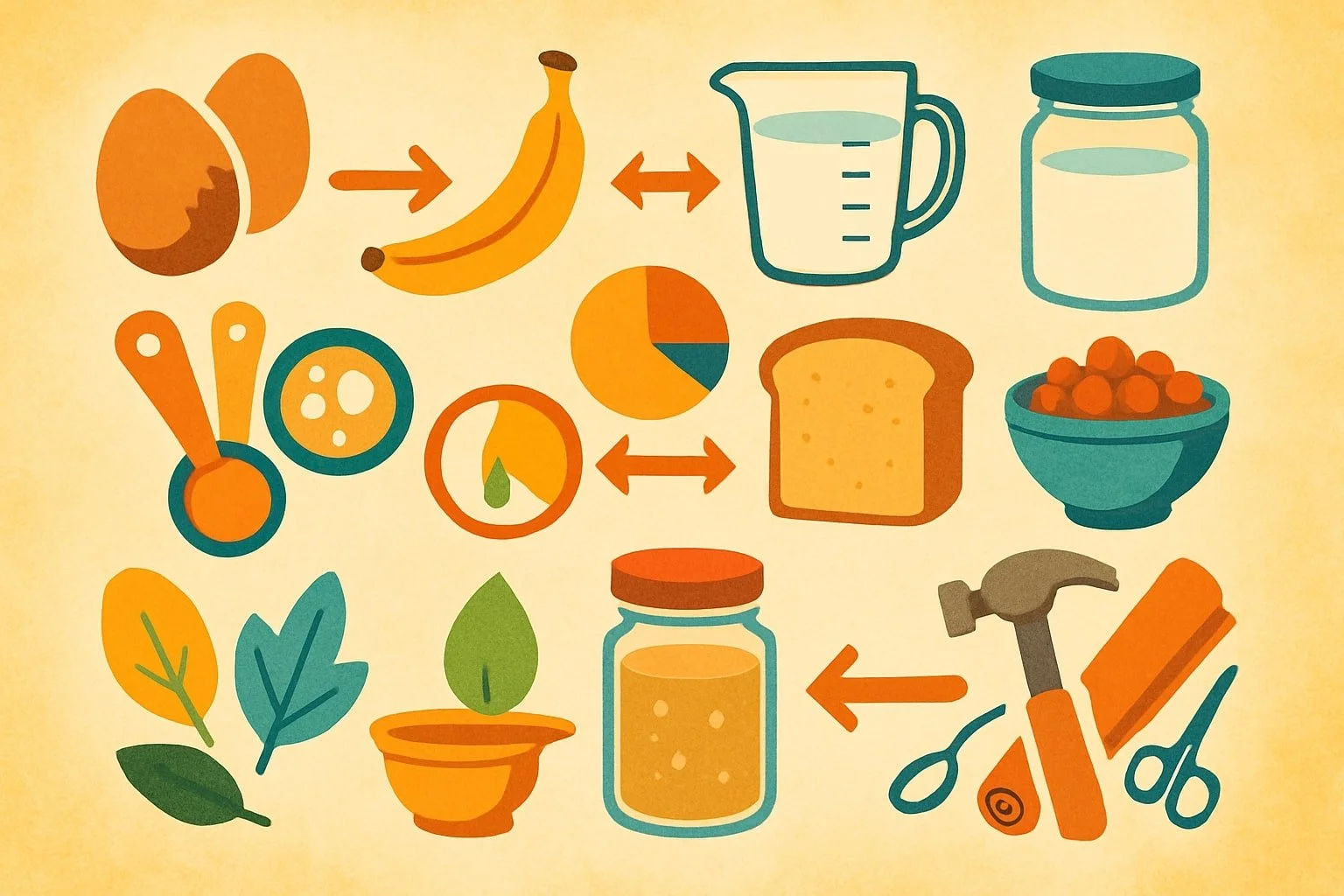
Visual charts for DIY substitution make it easy to find quick alternatives for common ingredients and solutions, saving time and stress in the kitchen or classroom. People often run into situations where they are missing a key item, whether it's baking powder during a recipe or a variable in a system of equations.
A well-designed chart gives direct answers at a glance. It offers clear substitutions for ingredients in cooking, swaps for classroom materials, or alternate methods to solve math problems, all in a compact visual format. Visual tools are particularly helpful for those who want reliable information without having to search through lengthy articles or guides.
Readers who rely on efficiency and clarity will find these charts handy. Charts ensure they can make informed decisions, whether they are adjusting recipes, teaching students, or tackling unexpected challenges at home.
Understanding DIY Substitution and Visual Charts
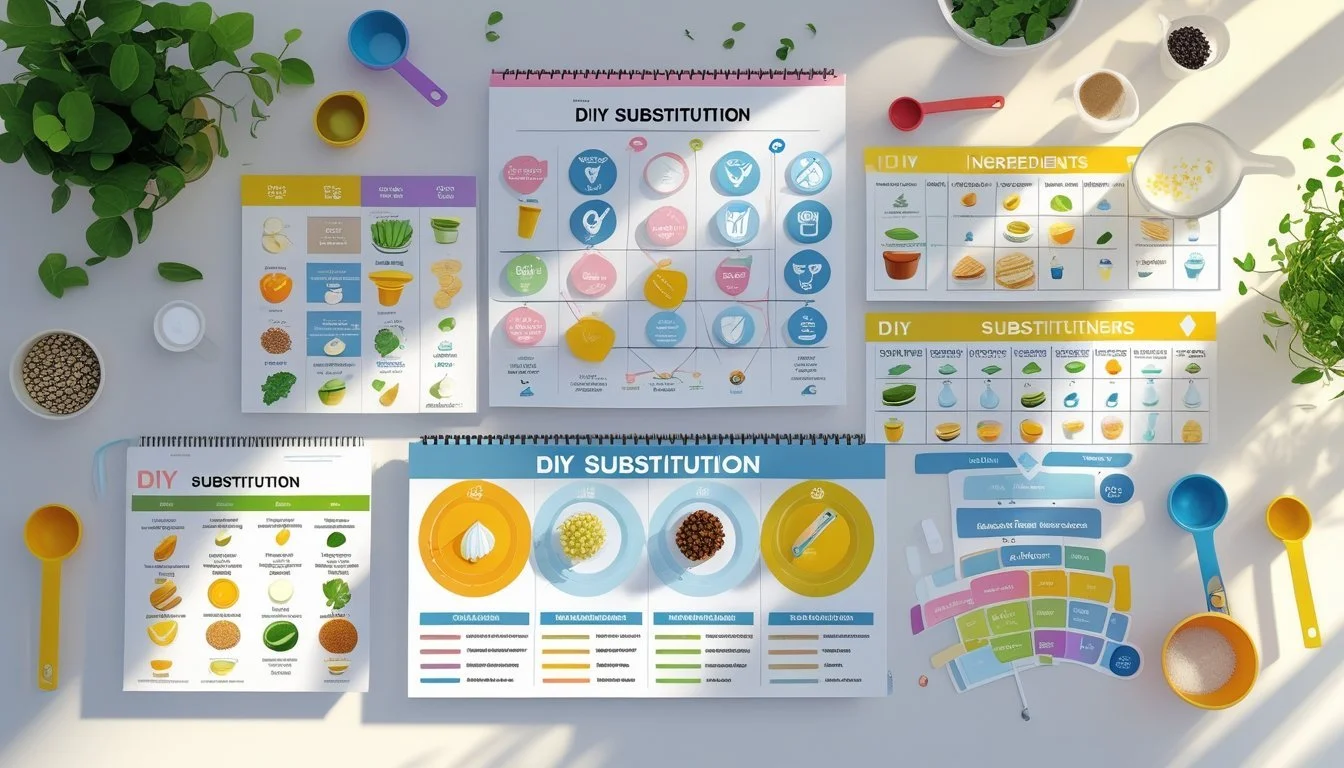
DIY substitutions often require quick reference to reliable information, especially for individuals managing nutrition or adapting recipes. Visual charts provide structured, easy-to-read guidance tailored for home or kitchen use.
What Are Visual Charts?
Visual charts are graphic tools that organize information for quick and clear reference. They often include tables, diagrams, icons, or color-coding to support understanding. In DIY contexts, visual charts summarize complex lists—such as ingredient swaps, measurements, or nutritional data—so a person can find substitutions at a glance.
Examples include:
Common Ingredient Suggested Substitution Notes Butter Coconut oil Adjust for sweetness Milk Oat milk Good for dairy-free diets Eggs Flax seed + water Vegan-friendly binding
By reducing text and using visuals, these charts help simplify choices during tasks like cooking or meal prep.
Role of Visual Charts in Substitution
When substituting ingredients, accuracy and clarity are essential to maintain the desired outcome of a recipe. Visual charts break down options into clear, concise steps, making it easier to swap items confidently. They often present substitutions side by side with original ingredients, highlighting any differences that could affect taste or nutrition.
For people working with special diets or allergies, having a chart visible in the kitchen streamlines the substitution process. It minimizes mistakes by providing immediate access to safe alternatives. Additionally, visual charts can address both direct substitutions (e.g., swapping sugar for honey) and quantity adjustments when dealing with different ingredient densities or moisture contents.
Advantages of Visual Learning for Substitutions
Visual learning tools like charts help users absorb and recall information more effectively than text-heavy lists. For substituting ingredients, this means less time searching through paragraphs and more time focusing on cooking or meal planning. Visual representation aids quick decision-making by presenting options in an organized, straightforward format.
For individuals tracking nutrition, charts can include information such as calories, macronutrients, or allergen content in each alternative. This supports dietary goals and helps avoid unintentional intake of unwanted ingredients. The format is also user-friendly for all ages, making it accessible for families working together in the kitchen.
Common Food Cravings and Their Connections
Food cravings can arise from a mix of physical needs and emotional triggers, often connected to the desire for specific flavors, textures, or nutrients. Understanding what these cravings represent helps individuals choose healthier substitutes and maintain better control over their eating habits.
Physical Hunger Versus Emotional Eating
Physical hunger usually develops gradually and is satisfied by a range of foods, while emotional eating is triggered by feelings like stress, boredom, or sadness. People often crave specific foods during emotional eating episodes, such as chocolate or chips, rather than simple meals.
Signs of physical hunger include stomach growling, low energy, and a general desire for food. Emotional cravings tend to be urgent and focused on high-calorie comfort foods. Recognizing the difference helps in selecting appropriate substitutions or coping mechanisms.
A practical approach for distinguishing between the two is to pause and ask: “Would I eat a piece of fruit or a basic sandwich right now?” If not, the craving may have emotional roots.
Craving Watermelon and Similar Foods
Watermelon is a summer fruit with high water content and natural sweetness, making it a popular craving during hot weather or after physical activity. Craving watermelon can sometimes signal mild dehydration or a craving for refreshing, hydrating foods rather than just sweets.
Other similar fruits, such as cantaloupe and honeydew, also offer high water and low-calorie content. These can satisfy the urge for something juicy and sweet while providing hydration and vitamins like vitamin C and A.
A simple reference table:
Fruit Water Content (%) Key Nutrients Watermelon 91 Vitamin C, A Cantaloupe 90 Vitamin C, A Honeydew 89 Vitamin C
Watermelon cravings are rarely linked to nutrient deficiencies and are more often about texture, refreshment, or the season.
Sugar Content and Sweet Foods
Cravings for sweet foods are common and can be tied to a preference for sugar, stress, or low energy. Foods like cakes, sodas, and candies deliver a quick sugar rush that may help with temporary mood boosts but often lead to energy crashes.
Natural sweet alternatives include fruit such as berries, bananas, or watermelon. These provide sweetness along with fiber, vitamins, and a lower glycemic response than processed sugars. For frequent sweet cravings, it can help to examine overall dietary patterns, as low blood sugar or inconsistent eating patterns may contribute.
Both the nutritional content and the context of the craving should be considered for a healthier substitution choice. When dealing with sweet food cravings, opting for fresh, water-rich fruits, especially in the summer, can address both taste and nutrition needs.
Essential Nutrients and Their Visual Substitutes
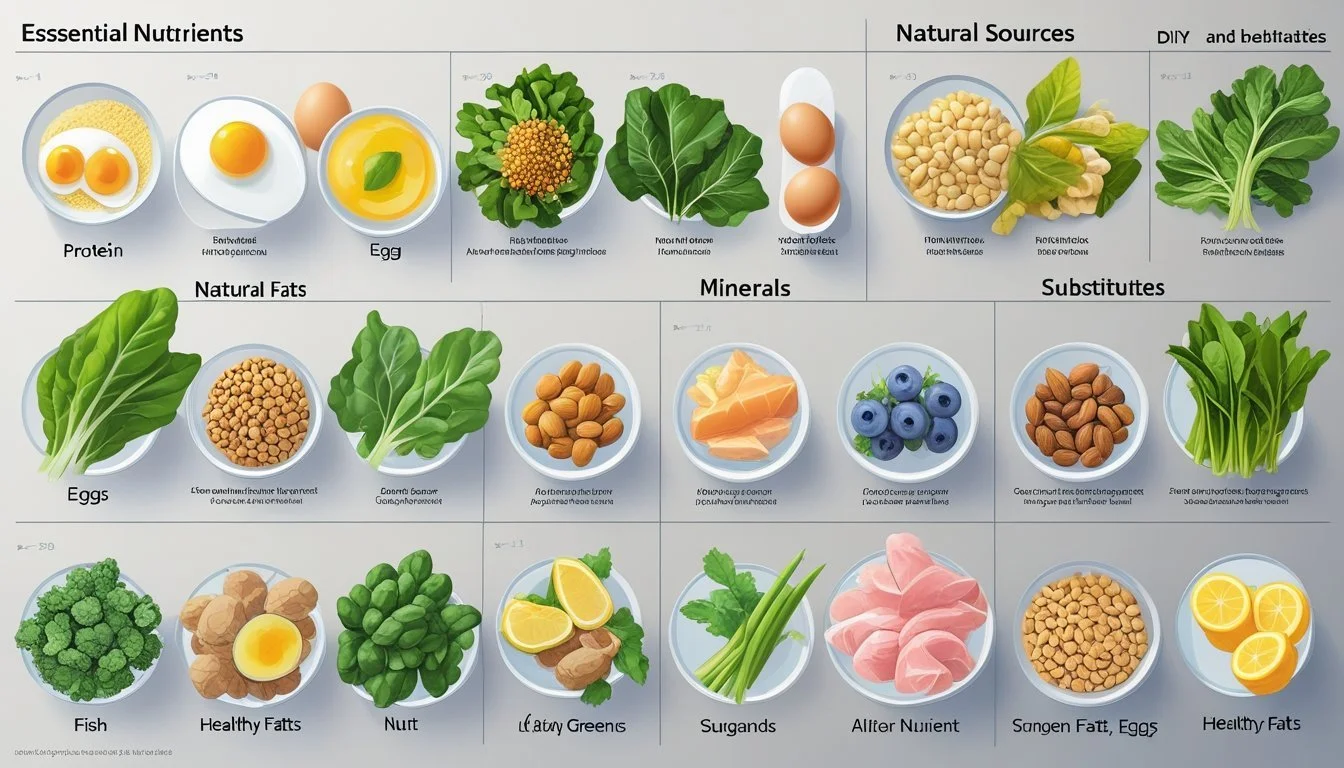
Getting enough essential nutrients is key for maintaining health and preventing nutrient gaps. Simple visual substitution charts can help people identify healthy swaps to improve the vitamin, mineral, and antioxidant content of their diets.
Vitamins and Minerals Overview
Vitamins and minerals each support specific functions in the body. For example, vitamin C aids immune defense and helps the body absorb iron, while vitamin A supports vision and skin health. B vitamins—including B6, B12, and folate—are needed for energy production and brain function.
Key minerals like magnesium, potassium, and iron help regulate muscle function and oxygen delivery. Antioxidants—like lycopene in tomatoes—protect cells from oxidative damage. Adequate fiber is also crucial for digestive health.
A balanced diet with nutrient-rich foods is the best way to meet these nutritional needs.
Common Nutrient Deficiencies
Many people do not consume enough vitamins and minerals daily. Common deficiencies include iron (especially among women), magnesium, potassium, vitamin D, and vitamin C. Low intakes of B vitamins and fiber are also frequent in Western diets.
Deficiencies may cause fatigue, weakened immunity, or poor concentration. For example, low iron may result in anemia, and not getting enough vitamin A can impair vision. Not enough magnesium or potassium can affect muscle and nerve function.
Knowing which nutrients are often missed helps guide better food choices and substitutions in home cooking.
Swap Charts for Vitamins and Minerals
Visual swap charts make it easier to identify exchanges that add nutrients to every meal. For instance, swapping white rice for quinoa increases magnesium, potassium, and fiber.
Nutrient Typical Food Nutrient-Rich Swap Vitamin C Iceberg lettuce Bell peppers, broccoli Vitamin A White potatoes Sweet potatoes, carrots Magnesium White bread Whole grain bread Potassium Chips Bananas, spinach Iron Chicken breast Beef, lentils, tofu Antioxidant Regular tomato sauce Fresh tomatoes, tomato paste Fiber White pasta Whole wheat pasta, legumes
Using a simple chart like this, readers can quickly improve nutrition by making strategic swaps. Focus should be on variety and combining several sources to cover the full spectrum of essential nutrients.
Hydration Substitutions Using Visual Charts
Hydration is essential for maintaining health, and substituting typical water sources can help address thirst and reduce the risk of dehydration. Visual charts assist in quickly identifying water-rich foods and suitable alternatives for common hydrating items.
Water-Rich Foods and Beverages
Many foods contain high amounts of water that contribute to daily fluid intake. Common examples include cucumbers (about 95% water), tomatoes (over 90% water), and celery (around 95% water). Oranges and strawberries also provide significant hydration, offering over 85% water by weight.
Visual charts make it easy to compare the hydration content of different foods. For instance:
Food Water Content (%) Watermelon 92 Cucumber 95 Celery 95 Orange 87 Tomato 94
Using such tables, individuals can make informed choices about adding these foods to their diets, especially when water is not readily available or a different flavor is preferred.
Hydrating Alternatives to Watermelon
Watermelon is well-known for its high water content and refreshing taste, but there are several effective alternatives. Celery, with its crisp texture and mild flavor, offers comparable hydration. Tomatoes also supply a high water percentage with added vitamins and minerals.
Oranges serve as a slightly tangier option, combining hydration with Vitamin C. For those seeking variety, combining several water-rich foods in salads or snacks can increase overall fluid intake.
Visual substitution charts allow users to quickly swap watermelon for one of these foods, ensuring continued hydration without compromising taste or enjoyment. This strategy is particularly helpful in planning meals or snacks for children or in settings where watermelon is unavailable.
DIY Protein Substitution Visual Charts
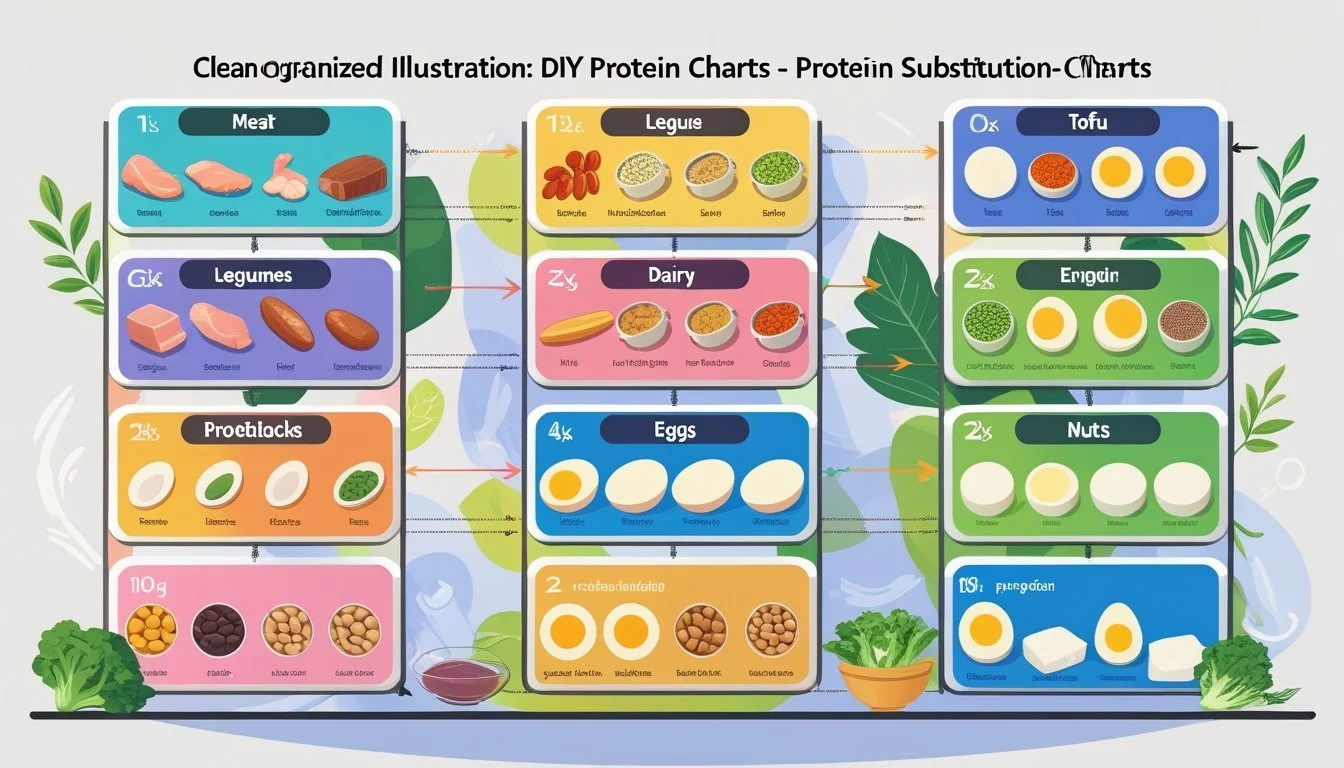
Protein substitutions allow diverse recipes without sacrificing nutrition or taste. Visual charts can make it simple to swap proteins, offering clear alternatives for those avoiding meat or dairy and helping balance meals easily.
Non-Meat Protein Sources
Non-meat proteins come from eggs, dairy, fish, and select plant options. These sources can be directly substituted to match protein content and culinary function.
Eggs are often replaced with tofu or a mixture of ground flaxseed and water for binding and moisture. Dairy, such as milk and cheese, is swapped with soy or pea milk and nut-based cheeses to maintain similar protein levels. Fish alternatives include tempeh or chickpea cakes that mimic both protein content and texture.
A visual chart can show amounts needed for substitution:
Protein Source Protein (per 100g) Substitution Example Eggs 13g 1/4 cup silken tofu Milk (whole) 3g 1 cup soy milk Fish (salmon) 20g 1/2 cup tempeh Cheese 25g 1/4 cup almond-based cheese
Plant-Based Proteins and Substitutes
Plant-based proteins include beans, lentils, nuts, and seeds. These are key for vegetarian and vegan diets, providing essential amino acids and nutrients.
Chickpeas, black beans, and lentils often replace animal proteins in stews and salads. Almonds and other nuts are used in spreads or mixed with grains for added protein. Nut milks, like almond or cashew milk, are common swaps for dairy in both baking and cooking.
For practical use, a visual list or chart is useful:
Beans (black, kidney, chickpeas): ~8g protein per 1/2 cup cooked
Lentils: 9g per 1/2 cup cooked
Almonds: 6g per 1 ounce
Nut milks: 1-3g per cup (varies)
Using these substitutions helps ensure recipes remain rich in protein, especially when traditional sources are not available or suitable.
Healthy Fats and Substitution Charts
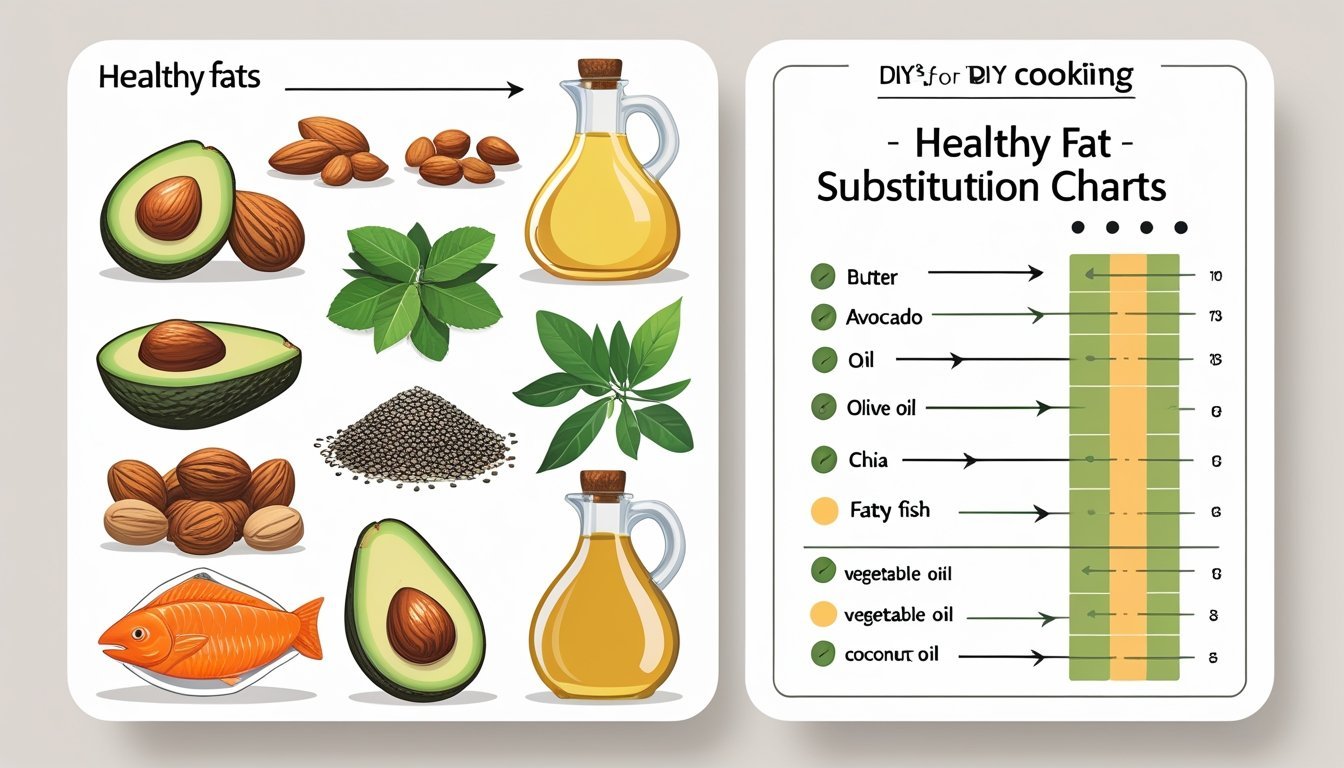
Swapping unhealthy fats for healthier options can benefit heart health and support balanced nutrition. Many foods commonly used in cooking and baking have suitable alternatives that reduce saturated fat and increase nutrient intake.
Good Fats Versus Bad Fats
Fats differ in their impact on health. Good fats include unsaturated fats like those found in avocado, almonds, nuts, and olive oil. These fats can support cholesterol balance and provide essential fatty acids.
Bad fats mainly refer to saturated and trans fats. These are present in butter, lard, shortening, and processed foods, and can raise LDL cholesterol when consumed in excess.
Some key swaps include:
Olive oil for butter or margarine in salads and sautéing.
Mashed avocado on toast instead of cream cheese.
Nuts and seeds as toppings instead of fried snacks.
Choosing more unsaturated fats while limiting animal-based saturated fats can help maintain healthier cholesterol levels.
Visual Swaps for Fat Sources
The following table highlights common fat substitutions and their healthier counterparts:
For This Fat Use This Instead Butter (1 tbsp) Olive oil (3/4 tbsp) Sour cream (1 cup) Plain Greek yogurt (1 cup) Mayonnaise (1 tbsp) Mashed avocado (1 tbsp) Heavy cream (1 cup) Silken tofu (1 cup) Bacon bits (topping) Sliced almonds or walnuts
Using olive oil instead of butter for roasting vegetables or grilling is an easy swap that reduces saturated fat. Spreading mashed avocado on bread supplies healthy monounsaturated fats while adding fiber.
Almonds and other nuts also replace high-fat toppings on oatmeal or salads, providing protein and micronutrients. These changes are simple but effective ways to improve the fat profile of everyday meals.
Carbohydrates: Alternatives and Charts
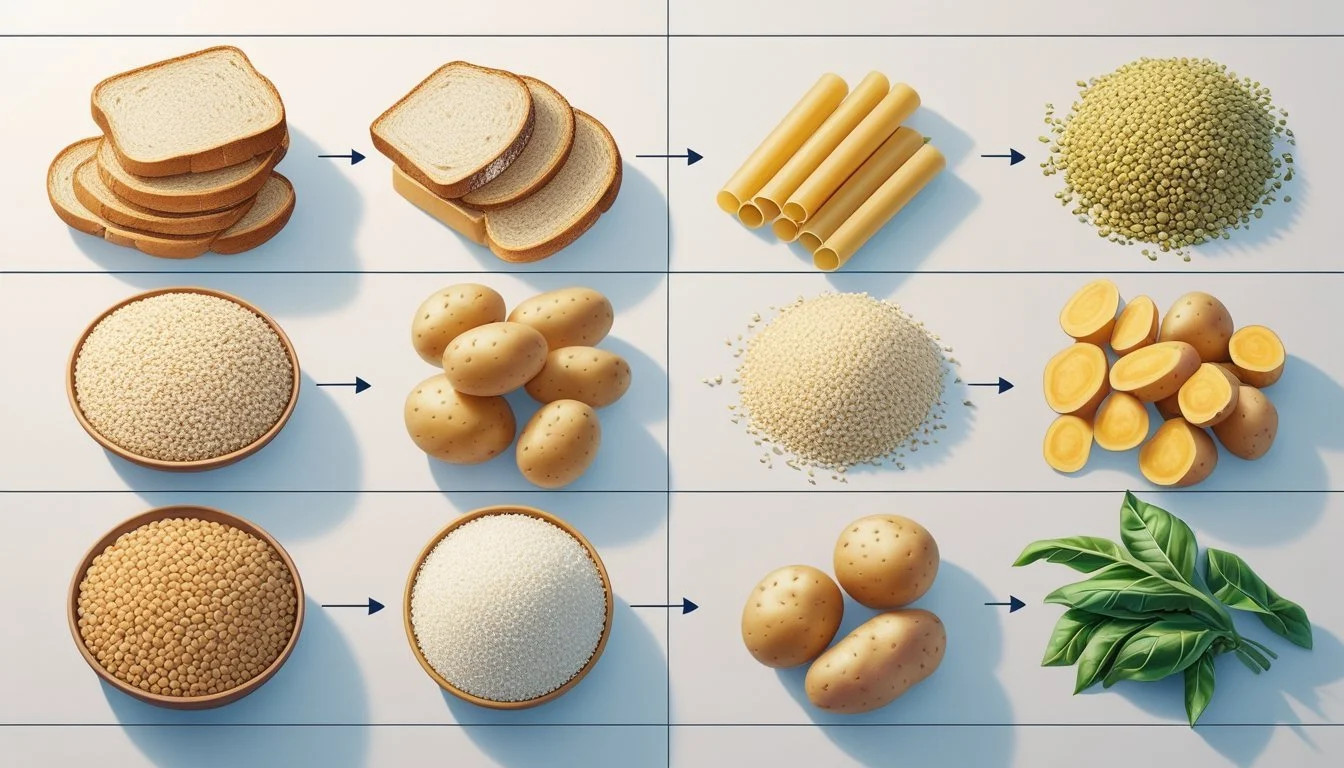
Carbohydrate choices have a major impact on nutrition, energy, and blood sugar. Understanding how to swap common carbs with healthier or lower-carb options can make daily meals more balanced and mindful.
Refined Carbs Versus Whole Grains
Refined carbs like white bread, pasta, and pastries are stripped of fiber and nutrients during processing. These foods tend to spike blood sugar quickly and provide less lasting energy compared to whole grain products. Switching to whole grains offers more fiber, vitamins, and longer satiety.
Common refined carb swaps include:
Refined Carb Whole Grain Alternative White bread Whole wheat bread White rice Brown rice, quinoa Regular pasta Whole wheat or chickpea pasta
Choosing whole grains can help regulate energy levels and improve digestive health. Reading food labels and looking for “100% whole grain” can guide better choices at the store.
Swapping Sugary Sweets and Bread
Sugary snacks and breads contribute quickly digestible carbs and added sugars to meals and snacks. Many people find it helpful to replace these with options that contain less sugar and more protein or fiber. For example, trade traditional cookies for a small apple with peanut butter, or enjoy plain Greek yogurt with berries instead of a frosted pastry.
The table below lists typical swaps:
High-Carb Snack/Sweet Lower-Carb Substitute Candy bar Nuts or cheese sticks Sweetened granola bar Hard-boiled eggs Potato chips Pork rinds or veggie chips
These alternatives provide similar texture or taste without the rapid blood sugar spikes. Swapping regular sandwich bread for thin-sliced whole grain or low-carb wraps can also reduce carb intake at meals.
Vegetable and Fruit Substitution Guides
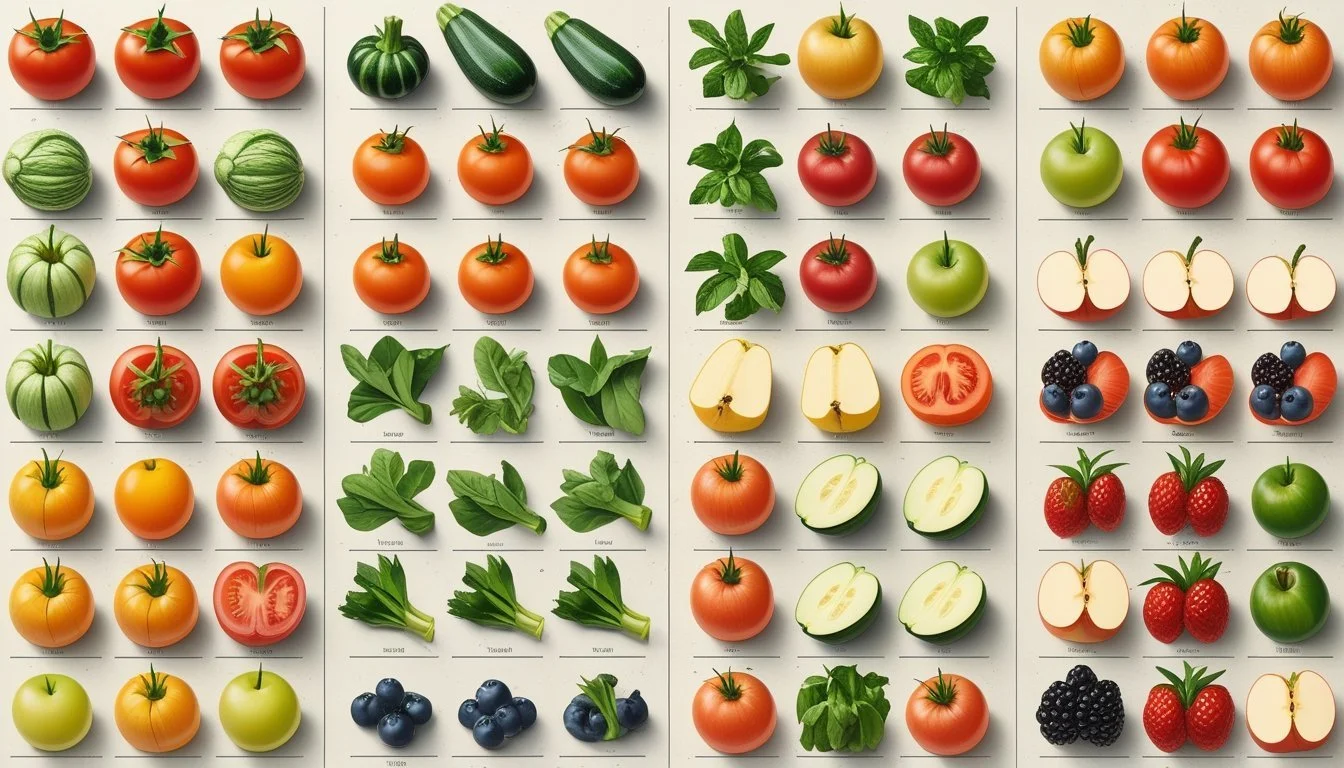
Swapping vegetables and fruits can help maintain nutrition and flavor in recipes even when specific ingredients are unavailable. These substitutions keep textures and tastes balanced and can be especially useful for those with dietary preferences or limitations.
Leafy Greens Swaps
Leafy greens are key sources of nutrients, and many are easily interchangeable. For recipes that call for spinach, kale can be used as a substitute, providing a slightly earthier flavor and a sturdier texture.
Broccoli leaves, beet greens, or Swiss chard are also strong candidates for replacing spinach or kale in sautés, smoothies, or soups. These greens can be chopped and cooked using the same techniques.
Common Leafy Green Substitutes Table:
Original Green Suggested Substitute Spinach Kale, chard, beet greens Kale Spinach, collard greens Bok choy Swiss chard, napa cabbage Arugula Baby spinach, watercress
When substituting leafy greens, adjust cooking times, as tougher greens like kale may need slightly longer to soften.
Substituting for Nutrient-Rich Fruits
Fruits often provide sweetness, texture, and nutrients to dishes. Bananas can be substituted with mashed avocado or applesauce in baking, although applesauce will make recipes slightly sweeter and less dense.
Pineapple can be replaced by mango for a similar tropical flavor, or by peaches for a milder taste in salsas and desserts. Beets can also stand in for fruits in certain baked goods, offering earthiness and moisture, particularly in chocolate-based recipes.
Choose substitutes based on flavor strength and moisture content. For example, use about 1/4 cup of applesauce for each mashed banana in quick breads to ensure consistency. Adjust sweetness and acid as needed when swapping fruits with distinct flavors.
Lifestyle Factors Influencing Food Choices
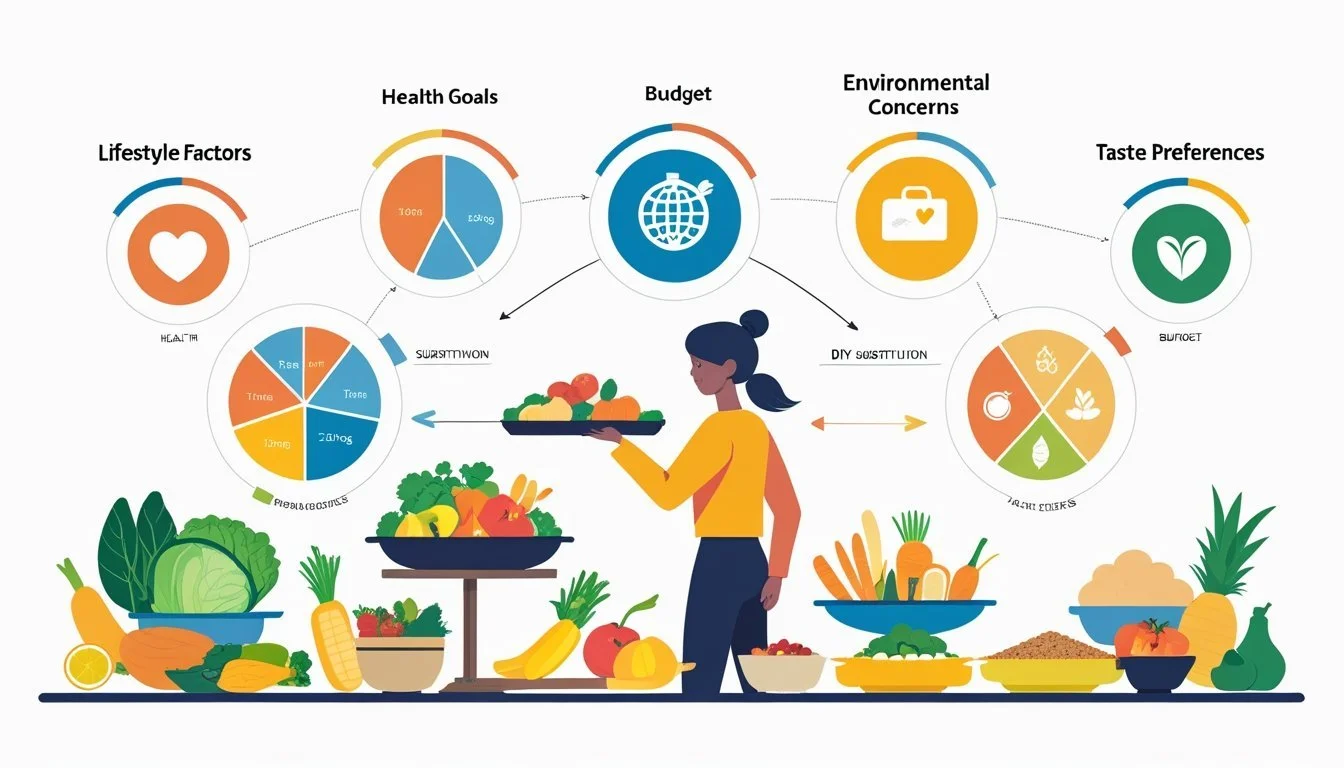
Personal habits and biological changes can influence which foods are selected and when. Daily routines, changes in physiology, and fluctuating energy needs often shape both cravings and practical food substitutions.
Exercise and Energy Needs
Physical activity increases the body’s demand for energy, which often leads to changes in both food choices and portion sizes. People who exercise regularly may seek meals or snacks with higher carbohydrate and protein content to support muscle repair and energy replenishment.
Fatigue after intense workouts might prompt individuals to choose quick sources of energy, such as bananas or sports drinks. At the same time, those with sedentary lifestyles typically require fewer calories, sometimes leading them to avoid calorie-dense options or large meals.
The following foods are common choices for those with active routines:
Type Example Foods Carbohydrate Oats, brown rice, whole wheat bread Protein Eggs, chicken breast, Greek yogurt Quick Energy Bananas, granola bars, fruit juice
Balancing macronutrients after activity helps restore energy and minimize fatigue, which in turn guides daily food substitutions and preparation methods.
Pregnancy, Menstrual Cycle, and Hormonal Changes
Pregnancy and menstrual cycles bring specific dietary needs and cravings. During pregnancy, increased energy, iron, and folate needs drive changes in food selections, with many opting for leafy greens, lean meats, and fortified cereals.
Hormonal fluctuations throughout the menstrual cycle can increase cravings for carbohydrates and sweets, especially during the premenstrual phase. Some experience heightened hunger or a preference for comfort foods during their period, influenced by rising and falling estrogen and progesterone.
Stress can further affect these choices, sometimes leading individuals to seek comfort foods high in sugar or fat. Making effective substitutions—like choosing whole grain toast instead of pastries—can help manage energy and mood swings caused by hormonal shifts.
Special Dietary Considerations and Substitutions
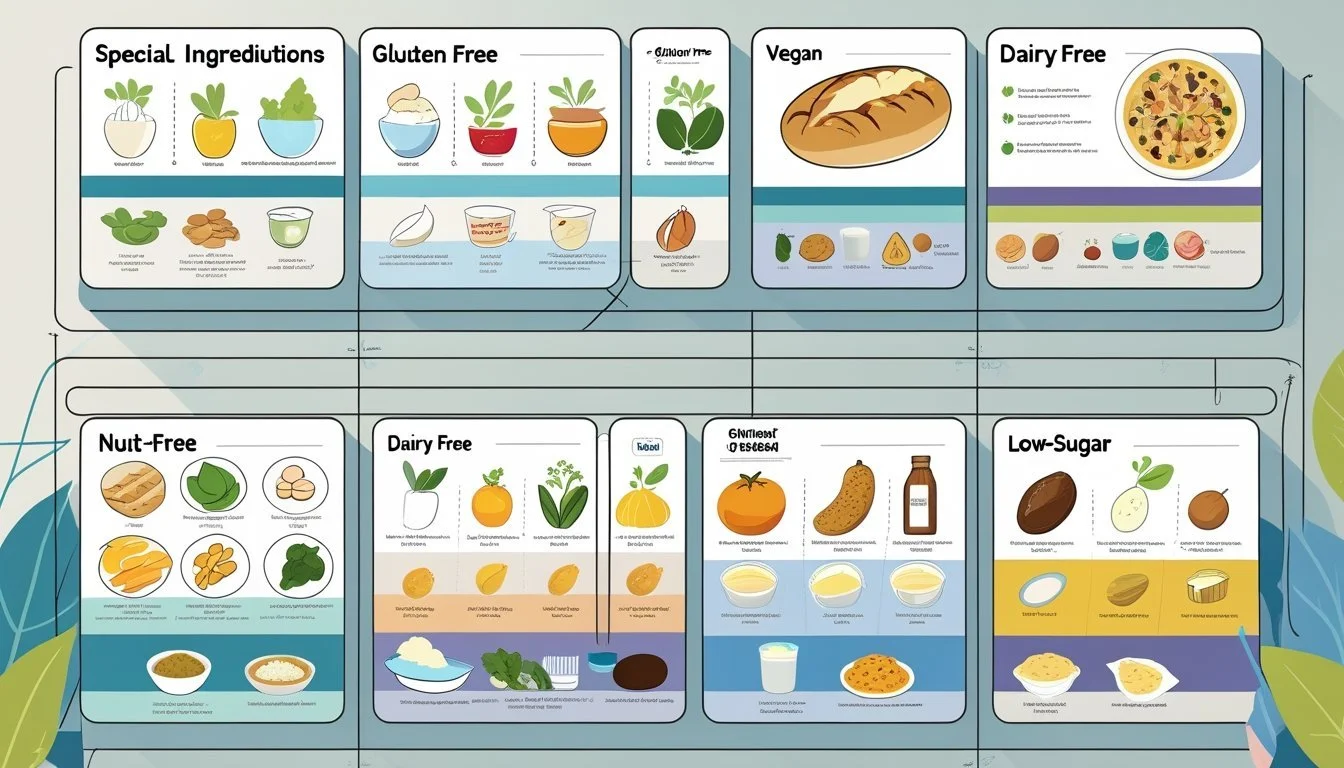
Many people need specific ingredient substitutions for health reasons. Key concerns include balancing blood sugar, increasing iron intake, and safely managing allergies or food intolerances.
Managing Diabetes and Blood Sugar
Individuals with diabetes need to monitor carbohydrate intake and avoid rapid spikes in blood sugar levels. Replacing white breads and refined grains with whole grains such as oats, barley, or brown rice helps regulate glucose. For sweeteners, using stevia or erythritol instead of sugar offers flavor without raising blood sugar.
Consider substituting full-fat dairy with fat-free or low-fat options to reduce calorie intake. Snacks like fresh vegetables or nuts are preferred over processed options high in carbs. Meals can be balanced with lean proteins such as skinless chicken, turkey, or plant-based sources like lentils and tofu to help stabilize blood sugar. For low blood sugar episodes, keeping glucose tablets or small fruit portions available is important.
Sample Table: Common Substitutions for Diabetes Management
Instead of Use White rice Brown rice, quinoa Sugar Stevia, monk fruit, erythritol Regular soda Water, seltzer, sugar-free drinks White bread 100% whole wheat bread
Iron Deficiency and Anemia Solutions
For those with iron deficiency or anemia, ingredient choices can help increase dietary iron absorption. Red meats, dark leafy greens such as spinach or kale, and fortified cereals are top sources. Vitamin C-rich foods like peppers or oranges, when combined with iron sources, enhance absorption.
Vegetarians or those with dietary restrictions can use lentils, beans, tofu, and pumpkin seeds to boost iron intake. Using cast iron cookware may add small amounts of iron to food. Avoiding excess coffee or tea during meals is advised, as these can interfere with iron absorption. For those experiencing nausea from iron supplements or medications, splitting doses or opting for food-based iron sources may help.
Iron-Rich Plant-Based Options
Lentils and chickpeas
Spinach, kale
Fortified cereals
Pumpkin, sesame seeds
Handling Allergies and Food Intolerances
Managing allergies and food intolerances requires careful substitution to prevent adverse reactions. Common allergens include dairy, eggs, nuts, wheat, and soy. For dairy allergies, plant milks such as oat, almond, or soy milk are suitable alternatives.
Egg substitutes include flaxseed or chia seed "eggs" (1 tablespoon of ground seed mixed with 3 tablespoons of water). Gluten-free cooking uses rice flour, almond flour, or oat flour instead of wheat flour. Sunflower seed butter or tahini can replace peanut butter for those with nut allergies.
Labels should be checked for hidden sources of allergens. Homemade meals using whole ingredients reduce the risk of accidental exposure.
Visual Charts for Enhancing Health Outcomes
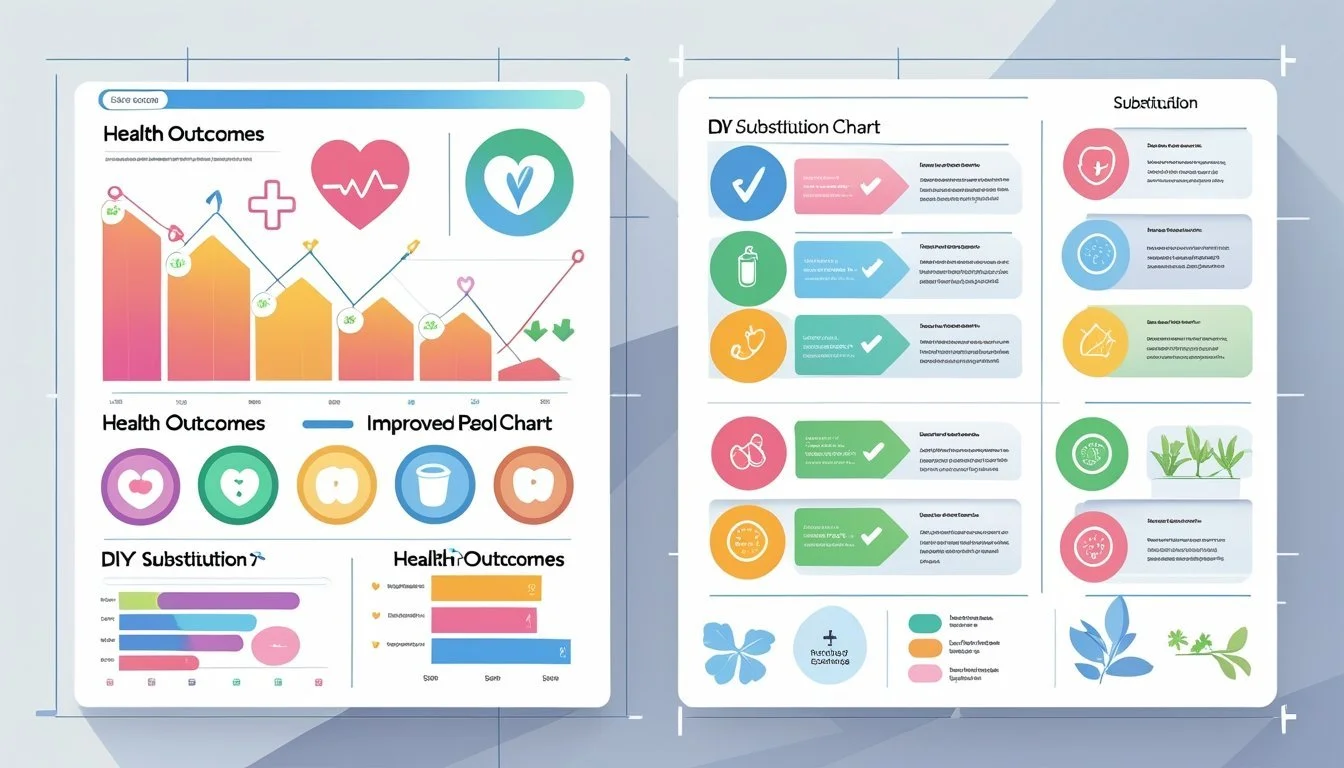
Well-designed visual charts provide a clear way to present information about nutrition, health benefits, and optimal food choices. These tools help users identify substitutions that may support key areas of health, such as cardiovascular function, immunity, and cellular protection.
Heart Health
Charts focusing on heart health can highlight foods lower in sodium or saturated fat and higher in fiber, potassium, and healthy fats. For example, a table can show how substituting olive oil for butter, or beans for processed meats, may contribute to lower cholesterol and blood pressure.
Typical Choice Substitute Health Benefit Butter Olive Oil Unsaturated fat, heart healthy White Bread Whole Grain Bread More fiber, improved cholesterol Deli Meats Cooked Beans Lower sodium, plant protein
Color-coded charts can guide users quickly to “heart healthy” options. Foods rich in omega-3 fatty acids, like flaxseed and walnuts, are easily identified and recommended through simple icons or highlight boxes. These visuals help reinforce positive changes that reduce cardiovascular risk.
Immune System Support
Visual tools can pinpoint foods rich in vitamins and minerals fundamental to immune health. A substitution chart may list options high in vitamin C, zinc, or antioxidants, such as swapping citrus fruits for sugary snacks or adding pumpkin seeds instead of croutons on salads.
Bullet lists or infographics can quickly identify:
Citrus fruits (vitamin C)
Red bell peppers (antioxidants)
Yogurt and kefir (probiotics)
Pumpkin seeds (zinc)
These visual aids make it simple to diversify nutrient sources, supporting a robust immune response year-round. They help clarify which alternatives are most effective in providing daily nutrients linked to reduced risk of infection.
Cancer Prevention and Reduced Inflammation
Charts targeting cancer prevention focus on foods high in phytochemicals, fiber, and anti-inflammatory compounds. For example, an illustrated swap guide may show cruciferous vegetables in place of starchy sides, or turmeric instead of excess salt in recipes.
Usual Ingredient Anti-Inflammatory Swap Key Nutrient/Compound White Rice Broccoli Sulforaphane, fiber Table Salt Turmeric Curcumin Red Meat Lentils Plant protein, fiber
These visuals educate users about ingredients linked to reduced inflammation and lower cancer risk. They provide clear options that can make dietary changes more achievable and memorable.
Practical Tips for Using Visual Substitution Charts

Visual substitution charts can help users make more informed food and beverage choices by mapping out alternatives, guiding balanced meal planning, and clarifying needs related to hunger and thirst. Effective use depends on clear, structured steps that address common challenges and misconceptions.
Preventing Overeating and Emotional Eating
Visual charts make it easier for individuals to recognize common triggers for overeating by clearly displaying portion sizes and substitution options. They help users distinguish between physical hunger and emotional urges by listing symptoms and offering healthier alternatives, such as a glass of water or a walk, instead of immediate snacks.
A substitution chart may include a simple decision table:
Feeling Suggestion Substitute Boredom Non-food activity Read, walk Stress Relaxation exercise Breathwork Physical hunger Eat, choose wisely Fruit, nuts
This structured approach reduces impulsive choices and supports mindful habits.
Addressing Thirst and Hydration Misconceptions
Many people confuse thirst for hunger, leading to unnecessary calorie intake. Placing hydration guidance on visual substitution charts can remind users to drink water before reaching for snacks, helping to differentiate between true hunger and dehydration.
Hydration-focused charts may use icons or color codes to signal when to choose water or low-calorie drinks. For example:
Blue water drop icon: Drink water first.
Yellow warning: Substitute high-sugar drinks with water or unsweetened tea.
This method encourages healthier beverage choices and reduces the risk of overconsumption due to misinterpreted thirst.
Balanced Diet Planning
Using visual substitution charts streamlines balanced diet planning by providing clear swap options across food groups. For instance, a user can quickly see healthier substitutions for high-fat or high-sugar foods, such as trading chips for sliced vegetables or sugary soda for sparkling water.
Charts may include nutrient breakdowns and portion visuals. For example:
Food Substitute Key Benefit White bread Whole grain bread More fiber Sugary dessert Fresh fruit Vitamins, less sugar Fried foods Grilled options Lower fat
Such layouts make it simple to stick to dietary goals, support weight management, and encourage a varied lifestyle.

