
Substitution in Historical Recipes: How Our Ancestors Adapted Ingredients and Methods

Cooking with historical recipes often meant making do with what was on hand, rather than following rigid ingredient lists. Ancestors substituted ingredients in ancient and historical recipes based on what was available, affordable, or suited to the local geography. This practice shaped culinary heritage, influencing not only the flavors but the evolution of traditional cooking methods over time.
Exploring these old substitutions provides insight into both resourcefulness and the realities of daily life generations ago. Dishes were frequently adapted not because of preference, but out of necessity, leading to a rich tradition of improvisation that many still practice today when recreating historical recipes.
The Role Of Substitution In Historical Cooking
Substitution has shaped the way cooks balanced flavor, necessity, and local availability throughout history. From basic ingredients like grains and fats to the nuanced techniques of flavor preservation, adaptation was a daily part of culinary practices.
Necessity Of Ingredient Substitution
Historical cooks often faced shortages of key ingredients due to factors like poor harvests, trade disruptions, or seasonal availability. Substitutes became essential when traditional items were scarce or too expensive.
For example, honey might replace sugar during shortages, while barley or oats might be used instead of wheat in bread-making. These decisions maintained functionality in recipes and allowed families to continue traditional food culture despite limited resources.
Written recipes, when available, sometimes even suggested alternatives directly. These substitutions helped preserve the intended flavors of a dish, protecting culinary roots while navigating practical limitations. The ability to identify suitable substitutes was seen as an important kitchen skill.
Frugality And Resourcefulness
Frugality guided many choices in historical kitchens. Every ingredient counted, and often, cooks found creative ways to make the most of what was on hand.
Bread crusts were reused in puddings, stale produce cooked into stews, and every bit of animal or plant was often put to use. Substitutions, such as incorporating cheaper grains or stretching expensive spices, allowed for nourishing meals at minimal cost.
This approach not only reduced waste but also created a tradition of resourcefulness. By transforming leftovers and using substitutes for basic ingredients, families sustained their dietary needs and maintained connections to their cultural roots.
Examples of Frugal Substitutions:
Fat: Drippings or lard used instead of butter
Sweetener: Molasses or fruit syrup in place of imported sugar
Thickeners: Stale bread or root vegetables replacing flour
Adaptation To Local Ingredients
Cooks regularly adapted imported recipes to suit local climates and available ingredients. This adaptation shaped regional food culture and distinct culinary practices over generations.
For instance, settlers in the Americas substituted cornmeal for wheat flour, or native herbs for European spices. These choices enabled communities to replicate familiar flavors and textures in new environments.
Such adaptation also encouraged culinary innovation. Whole cuisines evolved as communities blended traditional methods with basic ingredients unique to their region, demonstrating both resilience and a strong sense of cultural identity. This process often resulted in dishes that preserved tradition while gaining a distinct local character.
Ingredient Availability And Ancient Dietary Staples
Ancient diets were shaped by geography, climate, and the limitations of agricultural technology. Food choices often reflected what could be cultivated, stored, or substituted year-round.
Ancient Grains And Cereals
Grains were central to daily meals in many ancient cultures. Emmer wheat, barley, and millet were especially important in regions like Egypt and Mesopotamia, while maize was a staple in the Americas.
Bread, porridge, and gruel were made by grinding these grains into flour. Emmer wheat and barley were often baked or boiled, but if one was scarce, they could be used interchangeably.
Emmer Wheat: Used for flatbreads and beer-making.
Barley: A common substitute for emmer, especially in lean years.
Millet: Valued for drought resistance, making it critical in dry regions.
Legumes, like lentils and peas, often supplemented grains. Vegetables such as onions, leeks, and garlic were also grown to provide variety.
Substitutes For Dairy And Animal Products
Dairy, including milk, cheese, and butter, was prized but not always widely available. Goats or sheep were preferred over cattle due to their hardiness in many regions.
When fresh milk was lacking, ancient people relied on fermented dairy such as yogurt or soft cheese, as these products stored longer. In regions or seasons lacking animal milk, nut "milks" made from ground almonds or other seeds were sometimes used.
Cheese substitutions included using thickened grain porridges as binding agents in baking or savory dishes.
Butter alternatives — particularly in Mediterranean and Middle Eastern cuisines — often involved olive oil or animal fats, depending on what herds or crops were available.
Animal meats were consumed less frequently, often for special occasions. Eggs and fish sometimes substituted for meat in daily meals.
Preserved And Pickled Ingredients
Preservation was essential for surviving seasons when fresh food was scarce. Ancient communities relied on drying, salting, pickling, and fermenting to extend the shelf life of their harvests.
Vegetables such as cucumbers, onions, and turnips were commonly pickled in brine or vinegar. Grains and legumes were sun-dried for storage. Meat and fish were preserved by salting, smoking, or drying.
Fruits were often turned into preserves, using honey or grape must as natural sweeteners. These methods ensured that essential nutrients were available year-round, reduced waste, and diversified flavors in the diet.
Substitution Techniques In Ancient Baking
Ancient bakers adapted to changing resources and ingredients, using creative substitutions to ensure bread and sweet foods could still be made. Switching between different grains and sweetening agents was common, especially during shortages or in specific climates.
Bread-Making Alternatives
Bread was a staple in ancient Mesopotamia and Egyptian cuisine. When wheat was scarce, bakers replaced it with barley, millet, or emmer. Emmer was especially significant in Egypt, while barley was common in Mesopotamia. Flatbreads were often made using whatever flour was available, sometimes mixing several types for texture.
For leavening, wild yeast from the air or leftover dough was substituted when traditional fermentation methods failed. In some areas, gruel—a porridge-like mixture—was dried and baked into rough loaves if proper flour was unavailable. Some regions incorporated legumes or seeds for both flavor and nutrition during hard times.
Common substitutions used in bread-making:
Main Ingredient Possible Substitutes Wheat flour Barley, millet, emmer Yeast Sourdough starter, old dough, wild yeast Water Milk, beer (occasionally)
Cakes, Puddings, And Sweet Dishes
Cakes and puddings in antiquity rarely matched the rich versions known today. Honey was the primary sweetener, but if unavailable, figs, dates, or grape syrup were used instead. Ancient Egyptians used ground lotus seeds, chickpeas, or lentils to replace traditional flour in some festive cakes.
Eggs, when rare or too expensive, were replaced with mashed legumes or even thickened gruel. Animal fats, such as lard or rendered suet, stood in for costly oils or butter. In regions lacking dairy, nut oils or even olive oil became go-to options.
Typical ingredient swaps in ancient sweet dishes:
Flour: Ground legumes, seeds, or mixed grains
Sweeteners: Figs, dates, grape must, honey
Fat: Lard, suet, olive oil, nut oil
Puddings were often thickened using bread crumbs or leftover grain porridge when more refined thickeners were unavailable.
Substitutions In Hearty Stews And Savory Dishes
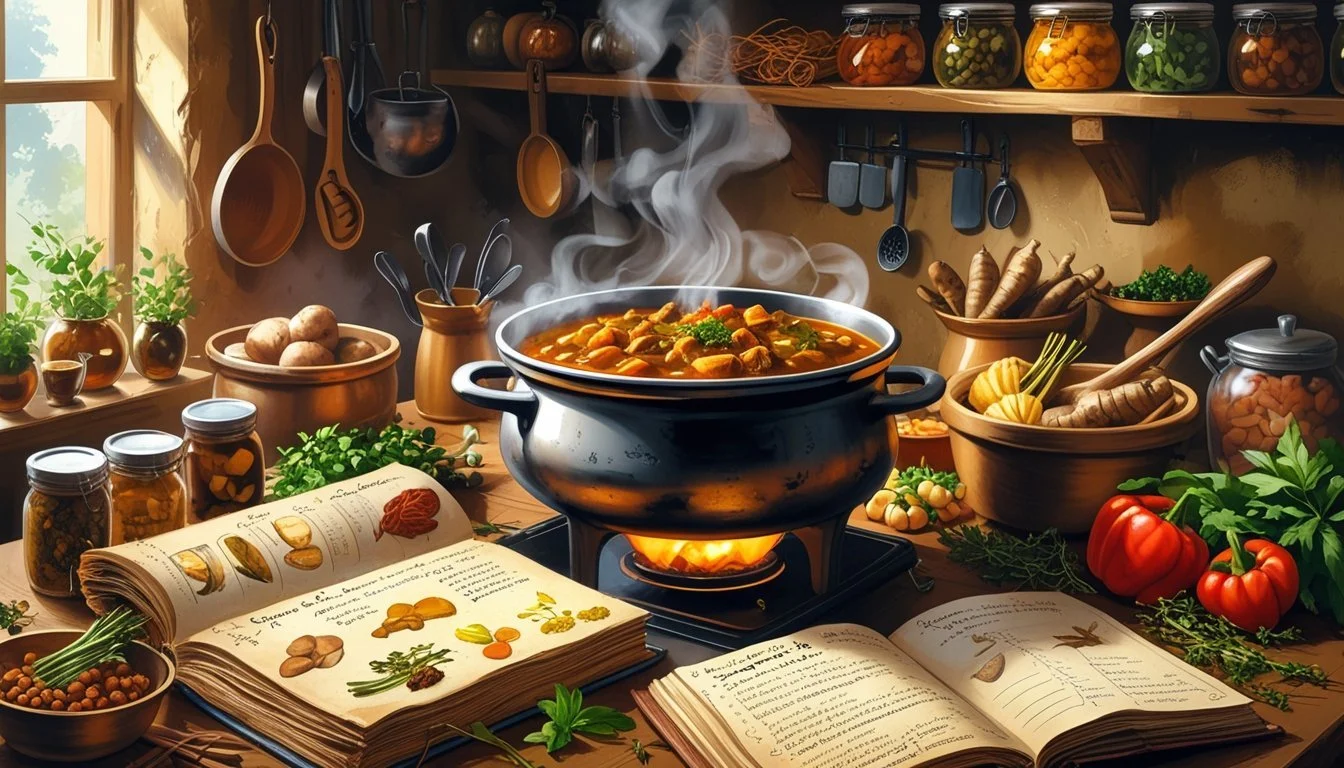
Cooks in earlier centuries often adapted recipes based on available resources, making practical swaps for meat, vegetables, and seasonings. The choice of ingredients reflected the season, geography, and social status, leading to a wide range of substitute methods across different regions.
Replacing Meats And Seafood
When common meats like beef or pork were scarce or expensive, historical cooks substituted with cheaper or more accessible cuts such as mutton or offal. In coastal areas, fish would often replace red meat, while fermented fish sauce or garum provided saltiness and depth of flavor.
Smoked or dried meats extended shelf life and added richness to stews. In times of scarcity, bones and animal fat contributed body to broths when prime cuts were unavailable. Cooks also adjusted their cooking vessels and methods, favoring large pots for slow simmering, which helped tenderize tougher meat substitutes and maximize flavor extraction.
Table: Historical Meat Substitutes
Original Ingredient Common Substitute Reason for Use Beef stew cuts Mutton, lamb, offal Cost, availability Seafood Salted fish, garum Preservation, flavor boost Pork Poultry, wild game Regional preference, supply
Vegetarian And Vegan Variations
Lenten periods or fasting days required meatless alternatives. Cooks turned to root vegetables like carrots, turnips, and parsnips, which provided substance and sweetness to hearty stews. Beans, lentils, and peas supplied essential protein and thickened broths effectively.
Mushrooms and nuts, especially walnuts and chestnuts, sometimes stood in for meat in savory dishes to add texture and flavor. Olive oil or nut oils replaced animal fat for frying and flavoring, while herbs like thyme and marjoram enhanced taste to compensate for the absence of meat.
Historical recipes often highlighted the adaptability of local produce, with vegetables taking center stage in both ordinary and festive meals. This creative use of plants made vegetarian and even vegan preparations both satisfying and flavorful, long before these dietary choices were common terms.
Cultural Influences And Culinary Exchange
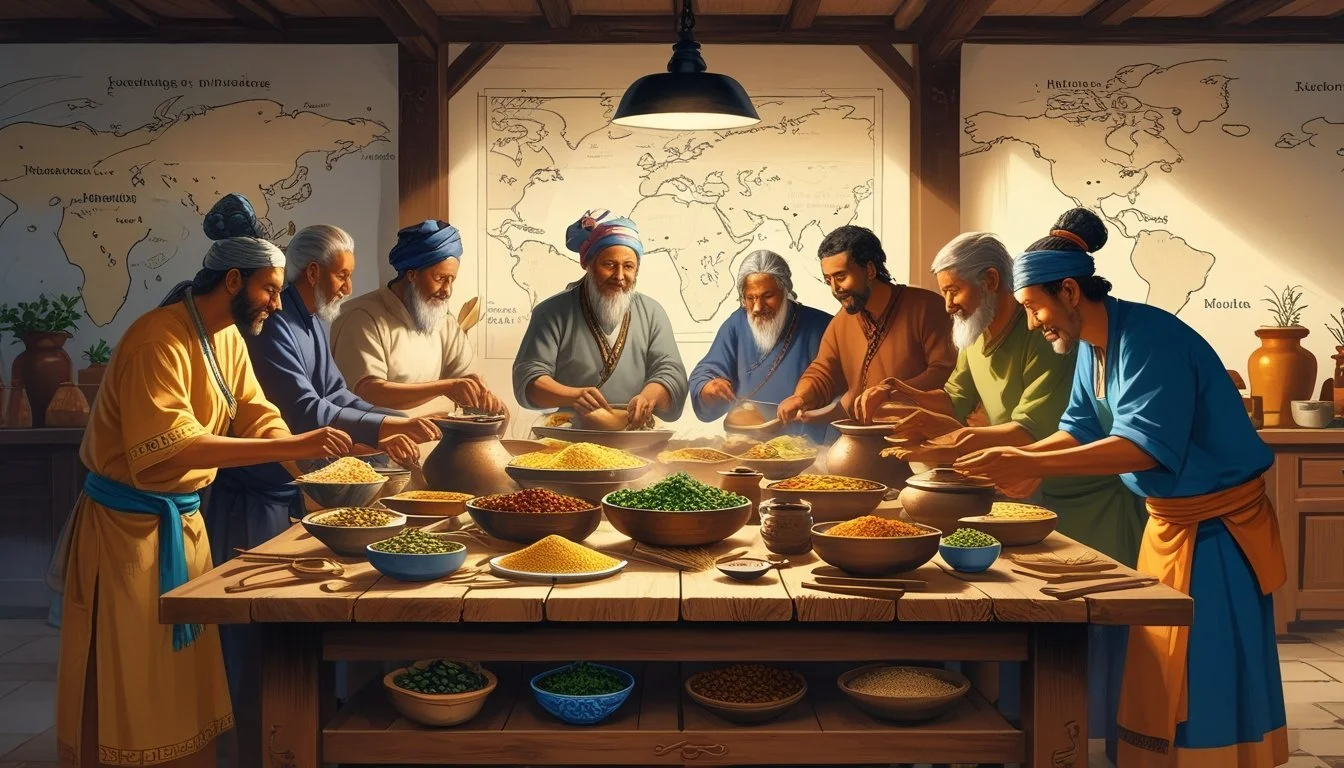
Substitutions in historical recipes reflect not only necessity but also deeper patterns of cultural connection, trade, faith, and adaptation. Patterns of culinary exchange reveal how global cuisine was shaped by migrations, religious codes, and the sharing of new ingredients.
Regional Adaptations
Regional adaptation was a direct response to the local environment and the availability of resources. For example, wheat may have served as a staple in Mediterranean regions, while rice or maize filled that role elsewhere. People adapted recipes to use what was abundant, such as swapping olive oil with animal fats in places where olives were scarce.
Climate and geography could also influence which protein or vegetable substitutes were chosen. In colder climates, preserved foods and root vegetables might take the place of fresh produce. Local herbs and spices were often used instead of imported ones, creating distinctive regional flavors that became central to cultural identity.
Influence Of Trade And Exploration
Trade routes dramatically broadened the scope of substitutions in ancient culinary traditions. When new ingredients like spices, tomatoes, or potatoes arrived through exchanges between continents, cooks readily modified existing recipes. The introduction of sugar, brought from the Middle East and India into Europe, led to the replacement of honey in many traditional dishes.
A table of ingredient substitutions influenced by trade:
Original Ingredient Substituted By Region Introduced Pepper Chili peppers Eurasia, Americas Honey Cane sugar Europe, Mediterranean Native grains Rice or corn Africa, Americas
These exchanges helped shape global cuisine, blending flavors and techniques and allowing societies to embrace new culinary practices.
Religion And Ritual Substitutions
Religious rituals and dietary laws have had a significant impact on recipe substitutions throughout history. Restrictions such as kosher, halal, or Lenten fasting called for regular replacement of certain meats, fats, and even seasonings. For example, lard might be replaced with olive oil during periods of Christian fasting, or pork eliminated entirely in Jewish or Islamic traditions.
Certain holidays and rituals required symbolic ingredients, but shortages sometimes led to substitutions while maintaining cultural significance. Matzah for Passover or plant-based oils during Ramadan are examples of faith-driven adaptation that preserved meaning even as specific foods changed. Through these substitutions, ancient traditions and collective cultural identities endured despite economic or environmental challenges.
Family Traditions And The Passing Down Of Substituted Recipes
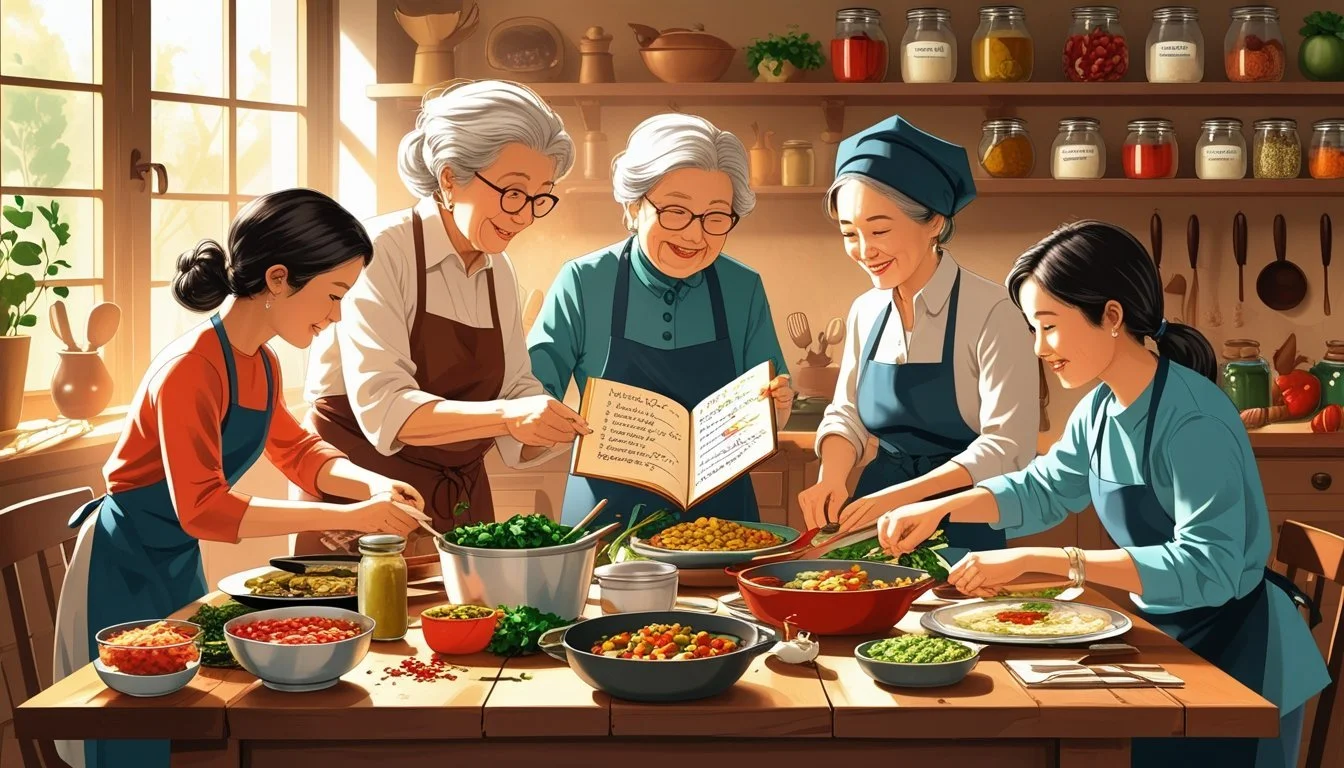
Substitution in family recipes often reflects how households adapted to changing circumstances, local ingredients, or shortages. These choices were shared and preserved through hands-on teaching, recipe books, and everyday cooking.
Family Gatherings And Oral Tradition
During family gatherings, elders frequently demonstrated how to prepare traditional dishes, showing younger relatives when and how to make substitutions for unavailable or expensive ingredients. This oral tradition helped maintain continuity even when recipes changed.
For example, if wartime rationing meant no butter was available, families learned to use margarine or lard instead, and those adaptations became a new standard in the family history. Recipe books handwritten by relatives occasionally note these changes alongside the original recipes.
Key points often discussed at these gatherings included:
Why a certain ingredient was swapped
Tips for maintaining flavor and texture
Stories about when and why substitutions first occurred
This approach ensured that practical knowledge traveled alongside tradition, preserving not just the dish, but the context in which it evolved.
Cultural Identity And Heritage
Substituted recipes became an integral part of many families' cultural identity. They reflected both necessity and resilience, connecting each generation to the past while accommodating new settings and resources.
For immigrants, substitutions often occurred due to limited access to traditional ingredients. Over time, these modified recipes were accepted as family classics and appeared in household recipe books, strengthening a sense of shared heritage.
Table: Examples of Common Substitutions
Original Ingredient Common Substitute Example Dish Butter Margarine/Lard Cookies, Cakes Cornmeal Wheat Flour Breads, Polenta Native spices Local herbs Stews, Hearty soups
These adaptations helped families honor their roots while expressing a unique culinary identity shaped by history and circumstance.
Archaeological And Written Evidence Of Substitution
Archaeological finds and written records reveal how people replaced rare or expensive ingredients in daily food preparation. Ancient texts and preserved artifacts help researchers and food historians understand the choices made by cooks and consumers faced with shortages or changing resources.
Findings From The Yale Culinary Tablets
The Yale Culinary Tablets are a group of clay tablets from ancient Mesopotamia, dating to around 1750 BCE. These tablets feature detailed recipes and ingredient lists recorded in cuneiform. Archaeological evidence from these tablets demonstrates that cooks sometimes substituted ingredients depending on seasonal availability or economic constraints.
For example, some recipes allow for barley or emmer wheat to be interchanged. Other entries note interchangeable animal fats, such as sheep tail fat substituted for goat fat, or even vegetable oils in lean years. The tablets indicate a flexible approach to cooking, reflecting both resourcefulness and adaptation in the face of limited supplies.
Archaeologists use residue analysis and comparison with local plant and animal remains to confirm that these substitutions were not just theoretical, but actually practiced. This combination of physical evidence and textual records supports the idea that food substitution has ancient roots.
Evidence In Historic Recipe Books
Historic recipe books from medieval Europe, the Islamic world, and early modern Asia often mention substitutions explicitly in their instructions. Cookbooks instructed readers to use whatever was available, such as honey in place of sugar, or local herbs instead of rare imported spices.
Seventeenth- and eighteenth-century European recipe books sometimes included side notes by cooks or household managers explaining that one type of grain, animal, or fruit could stand in for another. Swedish materials collected by physicians in the eighteenth century provide documented examples of coffee and tea substitutes, ranging from roasted grains to regional plants.
Food historians turn to these instructions, marginal comments, and alternative ingredient lists in old manuscripts to reconstruct actual cooking practices in times of scarcity or trade disruption. They reveal substitution as both a necessity and a creative solution in many historic households.
Case Studies: Iconic Historical Recipe Substitutions
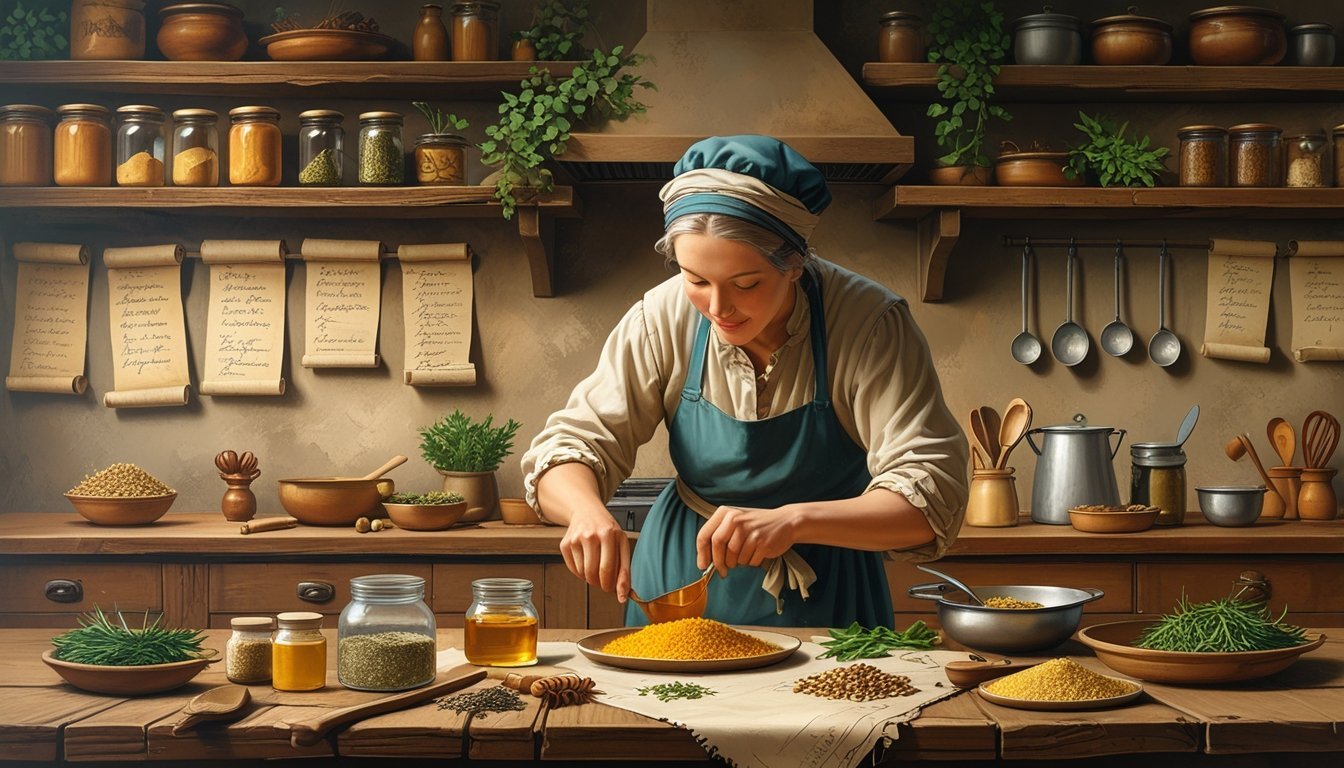
Throughout history, cooks adapted to ingredient shortages and regional limits by making practical substitutions. This flexibility shaped the development and survival of traditional dishes, leaving a lasting mark on culinary practices.
Tamales And Maize Alternatives
Tamales have deep roots in Mesoamerican cultures, traditionally using maize dough (masa) as their base. When maize was unavailable, cooks used alternatives such as rice, plantains, or even potatoes, especially in regions where maize was scarce or among communities adapting to new agricultural environments.
A table outlining some substitutes:
Substitute Region/Period Reason for Use Rice Central America Maize shortages Plantains Caribbean Local abundance Potatoes South America Climate adaptation
Substitutions were not just due to scarcity. Local tastes and agricultural practices also played a role. The persistence of tamales, despite these changes, signals a blend of tradition and innovation in recipe development.
Silphium And Ancient Flavorings
Silphium was a prized plant in ancient Mediterranean cuisine, praised for its unique flavor. After its overharvesting and extinction by the first century CE, cooks turned to alternatives like asafoetida and laserpitium to mimic some of its distinct qualities.
Asafoetida, for instance, became a staple in Roman kitchens and still sees use in modern Middle Eastern and Indian cooking. Cooks adjusted recipes to accommodate the pungency and potency differences between silphium and its substitutes, highlighting an early example of culinary sophistication in ingredient adaptation.
These substitutions preserved the flavor profiles of well-known dishes after the loss of an essential seasoning, demonstrating resourcefulness in classical gastronomy.
Modern Adaptations And Lessons From The Past
Modern cooks continue to use ingredients and techniques from the past, often adapting them for today’s preferences and resources. This process highlights the value of substitution and the importance of retaining culinary identity while accepting change.
Substitution In Contemporary Cooking
Cooks today often face similar challenges as their ancestors—limited access to certain ingredients or dietary restrictions. Just as historical recipes featured substitutions like honey in place of sugar or local grains instead of imported wheat, modern kitchens adapt with plant-based swaps, gluten-free flours, and dairy alternatives.
The following table shows common historical substitutions and their modern counterparts:
Traditional Substitution Modern Example Honey for sugar Agave or maple syrup Rye or barley for wheat Gluten-free flour blends Lard for butter/oil Coconut oil, vegan butter
Such substitutions enable greater flexibility in the kitchen and preserve the intent of traditional dishes even when exact ingredients are unavailable. This tradition of innovation reflects a long-standing adaptability seen throughout culinary history.
Preserving Culinary Traditions Today
Preservation of old recipes is not limited to re-creating dishes exactly as written. Many families pass down methods and flavors while updating ingredients based on availability and changing tastes. Engaging with ancestral recipes is a way to strengthen cultural identity and promote intergenerational learning.
Communities often host cooking workshops, publish heritage cookbooks, and share oral histories to keep culinary traditions alive. Techniques like measuring by sight or taste—common in oral recipes—survive through these efforts. By combining tradition with thoughtful updates, cooks honor the past while making heritage accessible to modern tables.

