
Why Some Substitutes Work in Baking but Not Cooking
Understanding Ingredient Interactions
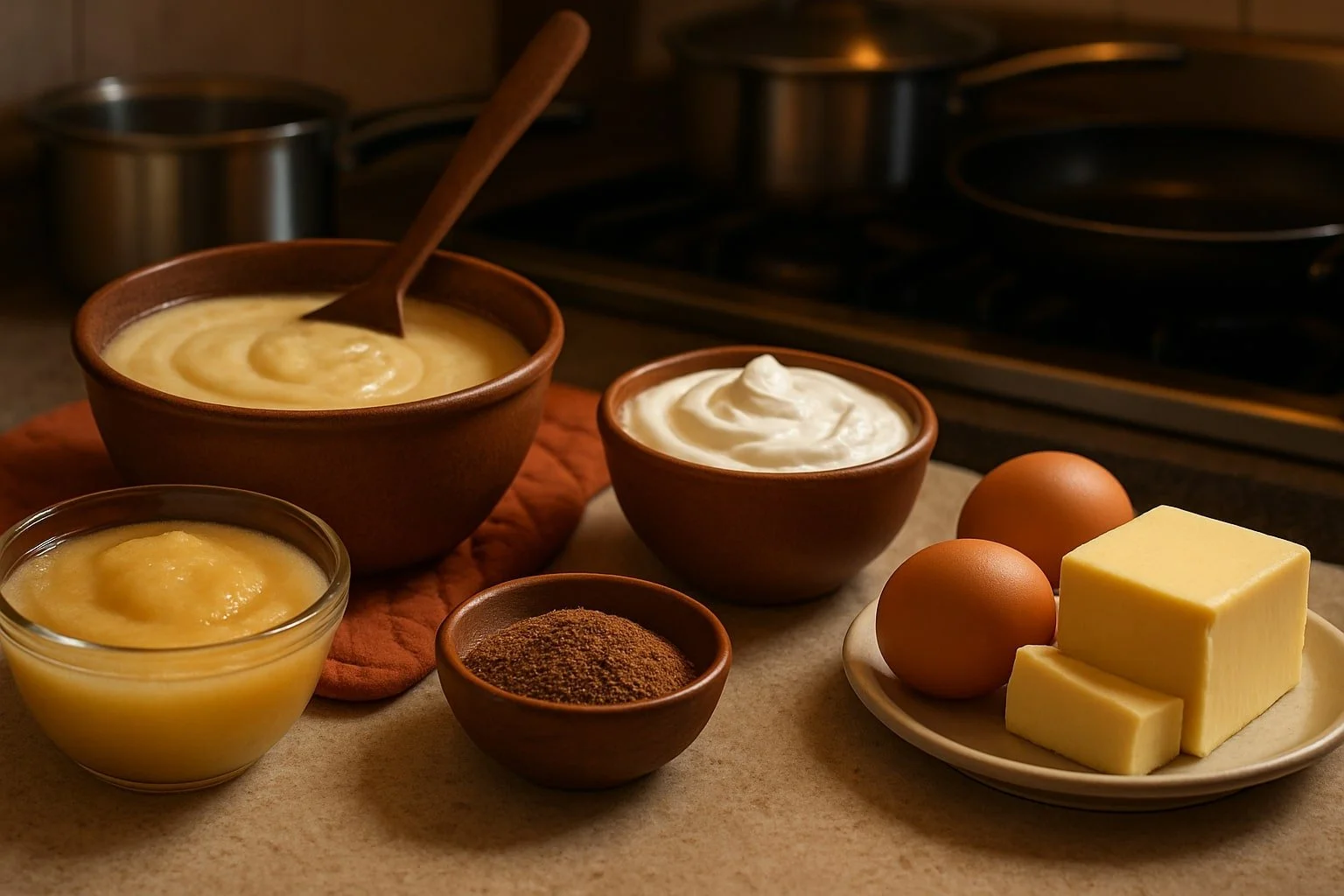
Baking relies on precise chemical reactions, so some ingredient substitutes work well in cooking but fail in baking because they don't trigger the same results. In baking, the structure, rise, and texture of cakes, breads, and cookies depend on ingredients interacting in specific ways—changing even one can affect the final product.
Cooking, on the other hand, often allows for more flexibility since flavors and textures can be adjusted as you go. Swapping cream for milk in a soup may change the richness, but the dish will usually turn out fine. That flexibility is much more limited in baked goods, where seemingly minor substitutions can prevent doughs from rising or set batters from firming up properly.
Understanding why certain swaps succeed in baking—and why others fail—helps anyone achieve more reliable results in the kitchen. This discussion highlights the critical differences and explains what works, what doesn’t, and why, so readers know how to make substitutions that keep their baked goods on track.
Understanding Baking Versus Cooking
Baking and cooking might share ingredients, but their methods and expectations often differ. The science, level of precision, and flexibility around ingredient substitutions shape which swaps succeed and which fail.
Fundamental Differences in Methods
Cooking involves a variety of methods such as sautéing, boiling, or frying, allowing more flexibility with ingredients and timing. It often uses direct heat and can be easily adjusted as the dish develops.
Baking, however, relies on indirect, consistent heat and precise ratios of ingredients. Heat transforms batters and doughs through chemical reactions, like leavening or caramelization. This process leaves less room for improvisation; a small change may impact structure or texture dramatically.
A basic comparison:
Aspect Cooking Baking Heat Direct (stove) Indirect (oven) Flexibility High Low Timing Adjustable Set/Fixed Monitoring Continuous Minimal (closed oven)
Role of Precision in Baking
Baking demands precise measurements of flour, sugar, leaveners, and liquids. Even a slight variation can affect rise, crumb, or moisture. For example, extra flour may result in dense bread, while too much baking soda can cause off flavors or collapsing cakes.
Ingredient substitutions such as swapping oil for butter or using applesauce for fat must account for differences in moisture, fat content, and chemical reactions. Unlike most cooking, where seasoning can be adjusted throughout the process, baking adjustments must be made before going in the oven.
Tools like scales and measuring cups are critical. Accurate ratios are essential to maintain the structure and flavor profile. Inaccuracy can lead to flat, dry, or uneven results.
Why Substitutions Vary Between Disciplines
Cooking substitutions are generally more successful because the process is adaptable and flavors can be adjusted while cooking. Cooks can swap oils, use alternative proteins, or add more spices and taste as they go. The final result often tolerates ingredient swaps without major issues.
Baking substitutions are less reliable because each ingredient plays a specific chemical role. Leaveners, fats, and flours can’t always be replaced directly without affecting texture or rise. For instance, replacing all-purpose flour with whole wheat alters gluten development and liquid absorption, which may require rebalancing the entire recipe.
Common substitutions in baking need to mimic both function and moisture content. Cooking, on the other hand, generally prioritizes flavor and texture, allowing for a wider range of acceptable substitutes.
Principles of Substituting Ingredients in Baking

Successful baking substitutions require understanding how each ingredient functions in a recipe. Changes may affect the chemistry, structure, or moisture of the baked good, which can impact final results.
The Importance of Chemistry in Baking
Baking is more sensitive to chemical reactions than typical cooking. Ingredients like baking powder, baking soda, and even acidic components such as buttermilk or vinegar interact to create rise and structure. Substituting an acid or a leavening agent without care may result in dense, flat, or unevenly baked goods.
For example, replacing baking powder with just baking soda requires adding an acid such as cream of tartar to activate it. Ratios matter: 1 teaspoon baking powder = ¼ teaspoon baking soda + ½ teaspoon cream of tartar. Failure to balance these reactions disrupts the entire baking process and can alter taste or appearance.
Effect on Texture and Structure
The texture and structure of baked goods rely heavily on specific ingredient roles. Flour provides gluten, which gives structure; fats such as butter or oil tenderize and add richness; eggs add stability. Swapping flour types or using non-fat substitutes can create a denser or crumblier product.
A table illustrating typical effects:
Ingredient Changed Common Substitute Impact on Texture/Structure Butter Avocado, applesauce Softer, sometimes cake-like All-purpose flour Cake flour, almond flour Finer crumb, less rise, possible crumbling Eggs Flaxseed, chia gel Less rise, denser, sometimes chewy
Testing and adjusting other recipe elements may be necessary to compensate for the differences created by these swaps.
Moisture and Binding Agents
Moisture levels must remain balanced to avoid dryness or sogginess. Binding agents, such as eggs or flaxseed mixtures, hold ingredients together and retain shape. When substituting eggs, options include unsweetened applesauce, mashed banana, or flaxseed gel (1 tablespoon ground flaxseed + 2½ tablespoons water per egg).
Replacing fats like butter with fruit purée changes both binding power and moisture. Some alternatives increase wetness, requiring adjustments in flour or baking time. Substitutes not only alter hydration but can impact how well ingredients stick and form a single cohesive texture, affecting both handling and final product quality.
Common Substitutes That Work in Baking
Baking often relies on specific reactions, but certain ingredients can be swapped successfully without losing structure or flavor. Choosing the right substitute allows for dietary changes and adapts recipes when an ingredient runs out.
Egg Substitutes and Their Applications
Eggs provide structure and binding in many baked goods, but there are several alternatives that work well. Flaxseed meal (1 tablespoon ground flaxseed mixed with 3 tablespoons water) is commonly used to mimic the binding properties of eggs in muffins and pancakes. Aquafaba—the liquid from canned chickpeas—can be whipped to replace egg whites in meringues and macarons.
Mashed bananas and unsweetened applesauce offer moisture and some structure, making them useful in cakes and quick breads. Silken tofu (about 1/4 cup, blended) can substitute for eggs in dense recipes like brownies. Each alternative alters the texture and flavor slightly, so the best option depends on the type of baked good.
Substitute Amount for 1 Egg Best Uses Flaxseed meal 1 tbsp + 3 tbsp water Muffins, pancakes Aquafaba 3 tbsp Meringues, cookies Banana 1/4 cup mashed Cakes, brownies Applesauce 1/4 cup Muffins, quick breads Tofu 1/4 cup, blended Brownies, dense cakes
Dairy-Free and Vegan Alternatives
Many dairy substitutes retain the moisture and richness that baked goods require. Coconut milk, cashew milk, and almond milk are frequently used as 1:1 replacements for cow's milk in cakes, muffins, and breads. Each has a distinct flavor, with coconut milk providing more fat and density compared to lighter nut milks.
For richness, Greek yogurt can be swapped with soy yogurt or plain coconut yogurt in recipes that call for sour cream or buttermilk. When buttermilk is needed, adding 1 tablespoon of lemon juice or vinegar to 1 cup of plant-based milk creates a tangy, curdled substitute suitable for pancakes and scones.
Those looking to avoid butter can use oil-based spreads, plant-based margarines, or even coconut oil for a dairy-free alternative. These options help maintain desirable textures in cookies and cakes without introducing unwanted flavors.
Fat Replacements in Baked Goods
Swapping fats in baking can change both texture and moisture. Butter substitutes like olive oil, canola oil, and coconut oil work best in recipes that don’t depend on butter’s ability to trap air, such as brownies and quick breads. The flavors of olive oil and coconut oil may be noticeable, so a neutral oil may be preferred in delicate cakes.
Applesauce and mashed bananas are often used to reduce fat and add natural sweetness. Using half puréed fruit and half oil or butter keeps baked goods tender without becoming dense. Shortening remains a common butter replacement for flaky pastries and cookies, as it produces a softer crumb.
The choice of replacement affects flavor, crumb, and chew. Adjust bake times and quantities as needed for optimal results.
Why Some Substitutes Fail in Cooking
Ingredient substitutes in cooking can sometimes change how a dish tastes, smells, or reacts to heat. Direct exposure to heat, strong flavors, and the flexibility of cooking methods all play a role in whether a substitute works as intended.
Impact of Direct Heat on Ingredients
The way ingredients respond to direct heat is important for substitution in cooking. Some substitutes will not hold up under high temperatures. For example, certain cheese substitutes may melt unevenly or separate, giving dishes an odd texture.
Dried herbs are often used in place of fresh, but they react differently to high heat. Dried herbs can lose flavor quickly or become bitter if cooked for too long. This can result in a less aromatic and less vibrant dish.
Oils and fats are also sensitive. Replacing butter with olive oil in a sauté can alter not only the flavor but also the browning and crisping of food. Some neutral oils may not tolerate the same heat levels, which can affect the final outcome.
The Role of Taste and Aroma
Taste and aroma are central to the enjoyment of finished dishes. Cooking usually involves layered flavors developed over time. If a cook uses a substitute with a strong or weak flavor, the balance can shift.
Replacing cheese with nutritional yeast or vegan cheese in sauces can affect both taste and aroma. These substitutes often lack the fermentation notes and meltability of cheese, resulting in a flatter flavor and sometimes an off-putting smell.
Capers are often used as a substitute for anchovies or olives. However, capers have a distinct tanginess and less umami, which can change the entire flavor balance of a salad or sauce. Tasting as you go is vital but will only help to a limited extent if the base flavor is missing.
The Flexibility of Cooking Techniques
Cooking allows for adjustments and improvisation, but some substitutions are not adaptable to every method. Stir-frying, roasting, or simmering can highlight weaknesses in a substitute.
Dried herbs, for example, should be added earlier in cooking so their flavors have time to infuse. If added late, they might taste raw or harsh. Conversely, fresh herbs are best added at the end for brightness.
Cheese substitutes may perform well in sandwiches but fail in baked casseroles, separating under prolonged heat. Capers can provide acidity but cannot replicate the texture of chopped olives or the savory depth of anchovies in every dish.
Flexibility in cooking goes only so far. Each technique exposes different qualities in substitutes, and not all will stand up to these varied demands.
Critical Considerations for Successful Baking Substitutions

Successful baking substitutions rely on a precise understanding of chemical reactions, ingredient roles, and the balance required in baked goods. Careful attention to leavening, moisture, and texture helps ensure desirable results when swapping ingredients.
Matching Leavening and Structure
Leavening agents like baking powder provide lift by releasing gas during baking. The right balance between acid and base is essential; for example, 1 teaspoon of baking powder can be replaced with 1/4 teaspoon baking soda plus 5/8 teaspoon cream of tartar.
Certain flours and starches also contribute to structure. Cake flour offers a finer crumb due to its low protein content, while rice flour or tapioca starch can be used in gluten-free recipes, though these usually need stabilizers like xanthan gum to prevent crumbling.
For substitutes to work, the replacement must properly replicate the original’s reaction. Failure to match a leavening profile can result in dense or collapsed products.
Maintaining Moisture Balance
Baked goods rely on the right ratio of wet to dry ingredients. When replacing an ingredient, attention should be given to the moisture it contributes or absorbs. For example, swapping butter for oil increases moisture, while using cornstarch as a thickener may call for more liquid due to its absorbent nature.
Egg replacements—such as a mixture of cornstarch and water or commercial egg replacers—must not only bind but also mimic the liquid content eggs provide. Gluten-free flours like rice flour or tapioca starch may require additional liquid compared to regular flours.
Tracking moisture changes helps prevent dry, crumbly, or gummy textures. Minor adjustments, such as adding an extra tablespoon of milk or reducing other liquids, may be necessary when experimenting.
Optimizing Texture in Finished Products
The final texture of baked goods depends on the protein, starch, and fat makeup of the ingredients. Cake flour creates a tender crumb due to less gluten development, while all-purpose flour yields chewier results. Using cornstarch in combination with flour can further soften baked goods.
Gluten-free substitutions need particular care: xanthan gum or similar binders are often added to mimic gluten’s role in creating structure and elasticity. Tapioca starch provides a chewy texture but can become gummy if overused.
A table can help compare texture contributions:
Ingredient Texture Contribution Cake Flour Fine, soft crumb Rice Flour Light, slightly gritty Tapioca Starch Chewy, elastic Cornstarch Soft, delicate, tender Xanthan Gum Elasticity, bind
Adjusting ingredient ratios and being aware of these characteristics is key to achieving familiar textures when making substitutions.
Case Studies: Specific Baked Goods and Substitutes
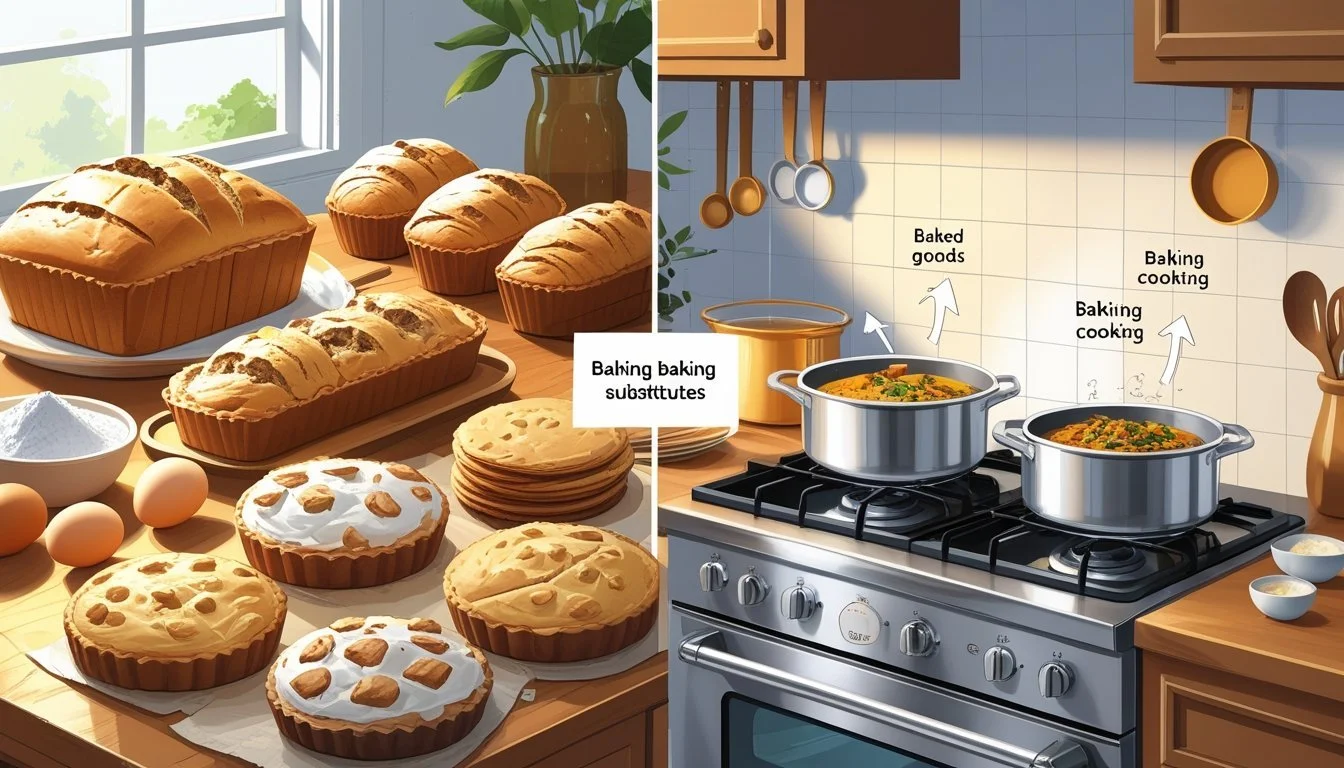
Ingredient substitutions in baking can lead to noticeable changes in taste, texture, and appearance. Some baked goods tolerate swaps better due to their structure, while others remain sensitive to even slight alterations.
Cakes and Cake Flour Swaps
Cake flour is popular for its low protein content, which helps create a tender crumb. When substituting all-purpose flour for cake flour, baked cakes may turn out denser or less delicate.
A common DIY substitute is to replace 1 cup of cake flour with 1 cup of all-purpose flour minus 2 tablespoons, plus 2 tablespoons cornstarch. This combination reduces the protein content and lightens the texture.
However, some recipes, especially sponge cakes, rely heavily on cake flour’s finer texture for lift and structure. Over-mixing substitutes may lead to a chewy result. For best results, use cake flour when specified in delicate cakes.
Cookies and Brown Sugar Alternatives
Brown sugar contributes moisture, color, and a characteristic flavor to cookies due to its molasses content. When swapping with granulated sugar, cookies lose their chewiness and develop a crisp texture.
A homemade brown sugar can be made by mixing 1 cup white sugar with 1 tablespoon molasses, recreating some of brown sugar’s properties.
Sugar substitutes like coconut sugar or maple sugar may alter both the flavor and the spread of cookies. Some alternatives retain more moisture while others make cookies spread less or taste less rich.
Substitute Texture Change Flavor Impact White Sugar Crisper Milder Coconut Sugar Drier, less chewy Earthier, less sweet Maple Sugar Slightly drier Maple-tinged
Quick Breads and Muffin Variations
Quick breads and muffins are flexible, handling various ingredient substitutes well. Unsweetened applesauce, mashed banana, or yogurt can often replace oil or eggs to add moisture and a slight binding effect.
For sweetener swaps, using honey or agave instead of white sugar can add extra moisture but may change browning and flavors. Reduce other liquid by 1-2 tablespoons when making this change.
Whole wheat flour can be substituted for half of the all-purpose flour to increase nutrition. However, it will produce a denser, nuttier muffin or quick bread.
Testing small changes before baking a large batch is the best way to ensure the result meets preferences for texture and taste.
Cornbread Ingredient Swaps
Traditional cornbread relies on cornmeal, flour, milk or buttermilk, and often eggs for binding. Substituting regular milk for buttermilk can make cornbread less tangy and lighter in texture.
For a dairy-free version, plant milks such as almond or soy can be used, though results might be less rich. Unsweetened applesauce or flaxseed meal mixed with water may replace eggs as a binder.
Cornmeal alternatives, like polenta or coarse-ground corn grits, can change the crumb, making it coarser and sometimes drier. Using honey instead of sugar imparts a different flavor and a moister texture.
The table below summarizes some common cornbread substitutions:
Original Ingredient Substitute Resulting Change Buttermilk Milk + lemon Less tang, lighter texture Egg Flaxseed/water Slightly denser, less rise Sugar Honey Moister, enhanced flavor
Navigating Substitutions for Dietary Restrictions
Adapting recipes to meet dietary restrictions is often necessary in both home kitchens and professional bakeries. Selecting the right substitute affects texture, flavor, and structure, which is especially important in baking.
Allergen-Free Ingredients
Avoiding common allergens like nuts, eggs, and dairy requires precise substitutions. For egg-free desserts, many bakers rely on flaxseed meal mixed with water, unsweetened applesauce, or commercial egg replacers. Each option behaves differently—flaxseed adds structure, while applesauce introduces moisture but can make textures denser.
Nut allergies mean using pumpkin seeds or sunflower seeds instead of nut flours. To replace dairy, rice, soy, or oat milk can stand in for cow’s milk, but fat content may need adjustment. Always check ingredient labels to verify the allergen-free status.
Vegan and Plant-Based Options
Vegan baking eliminates all animal products, so eggs, butter, and milk all require alternatives. Coconut oil, olive oil, or vegan margarine can replace butter, but their water and fat content may change the crumb of cakes and cookies.
Buttermilk is commonly needed in baked goods, and a reliable substitute is mixing plant milk with vinegar or lemon juice. For heavy cream, a blend of silken tofu and soy milk or canned coconut milk provides fat and richness, though flavor will change. Sweeteners like maple syrup or agave replace honey.
Lactose and Gluten-Free Solutions
Lactose-free recipes need alternatives for milk, cream, and cheese. Lactose-free cow’s milk, almond milk, or coconut milk provide moisture and fat. For heavy cream, combine lactose-free milk with unsalted butter or use canned coconut cream to mimic richness.
Gluten-free baking is more complex. Replacing wheat flour requires blends of rice, potato, or tapioca flour, often with a binder like xanthan gum for structure. Molasses, often used for flavor and color, is naturally gluten-free, so it can be used as is. Gluten-free baked goods may require more liquid and different baking times.
A quick comparison of substitutes:
Ingredient Substitution (Lactose-Free) Substitution (Gluten-Free) Substitution (Vegan) Milk Almond, oat, or soy milk GF oat milk Almond, soy, or oat milk Buttermilk Lactose-free + lemon juice Plant-based + acid Plant milk + vinegar Heavy cream Coconut cream Coconut cream Coconut or soy cream Wheat flour N/A GF blends GF blends

