
Flavor Mapping: How to Create Your Own Swaps for Better Cooking Substitutions
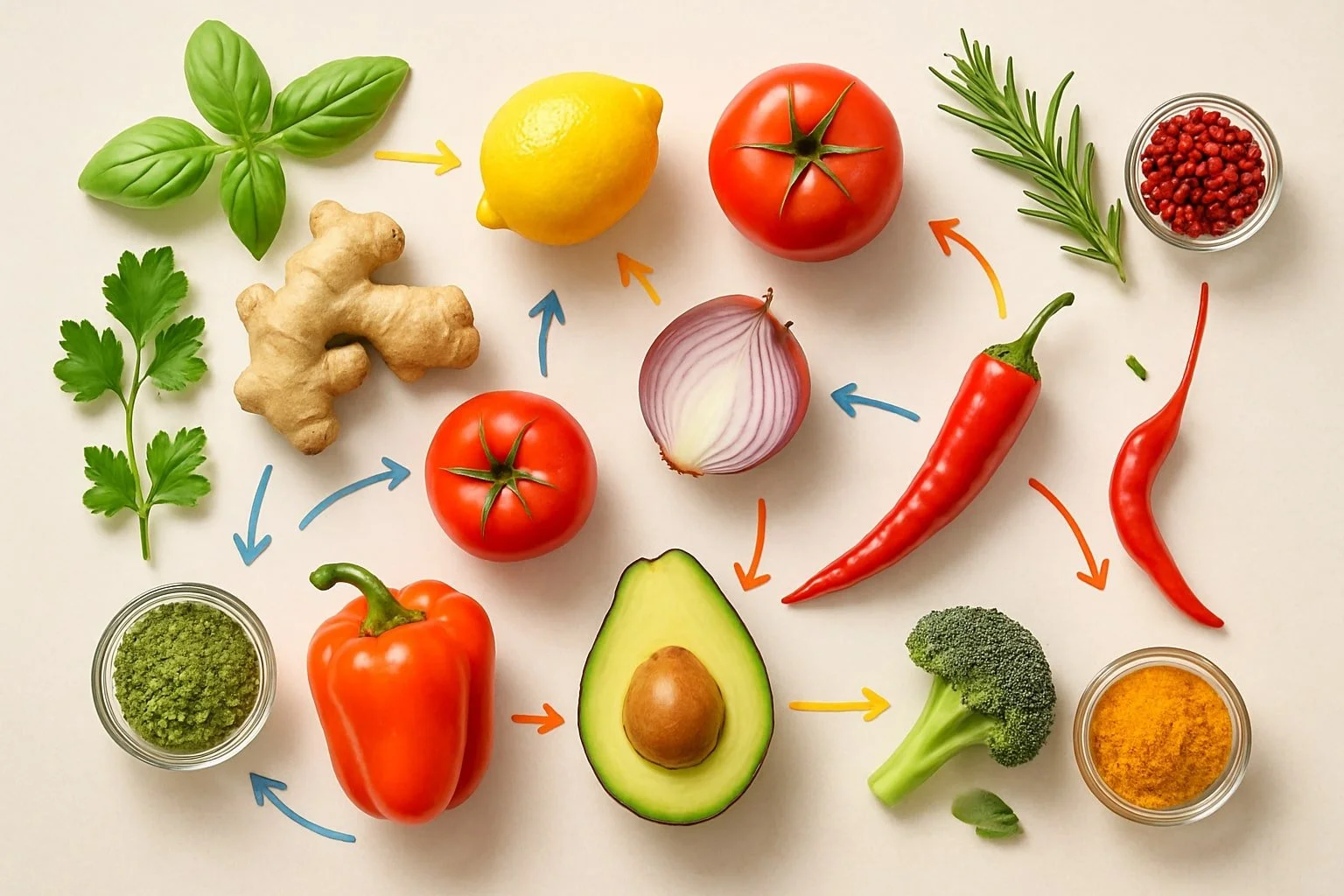
Flavor mapping gives cooks a practical way to swap ingredients and still achieve balanced, appealing dishes. By understanding which foods share similar flavor compounds or profiles, anyone can confidently substitute one ingredient for another without sacrificing taste. This method goes beyond simple substitutions, relying on principles from flavor science and culinary tradition to help create harmonious combinations.
With the right guidance, cooks can develop their own flavor swap strategies for everyday and experimental cooking. Tools like flavor wheels and pairing guides let users visually connect similar flavors, making it easier to adapt recipes to available ingredients or dietary needs. Embracing this approach can inspire creativity and flexibility in the kitchen, empowering anyone to craft unique dishes with familiar or unexpected flavor pairings.
Understanding Flavor Mapping
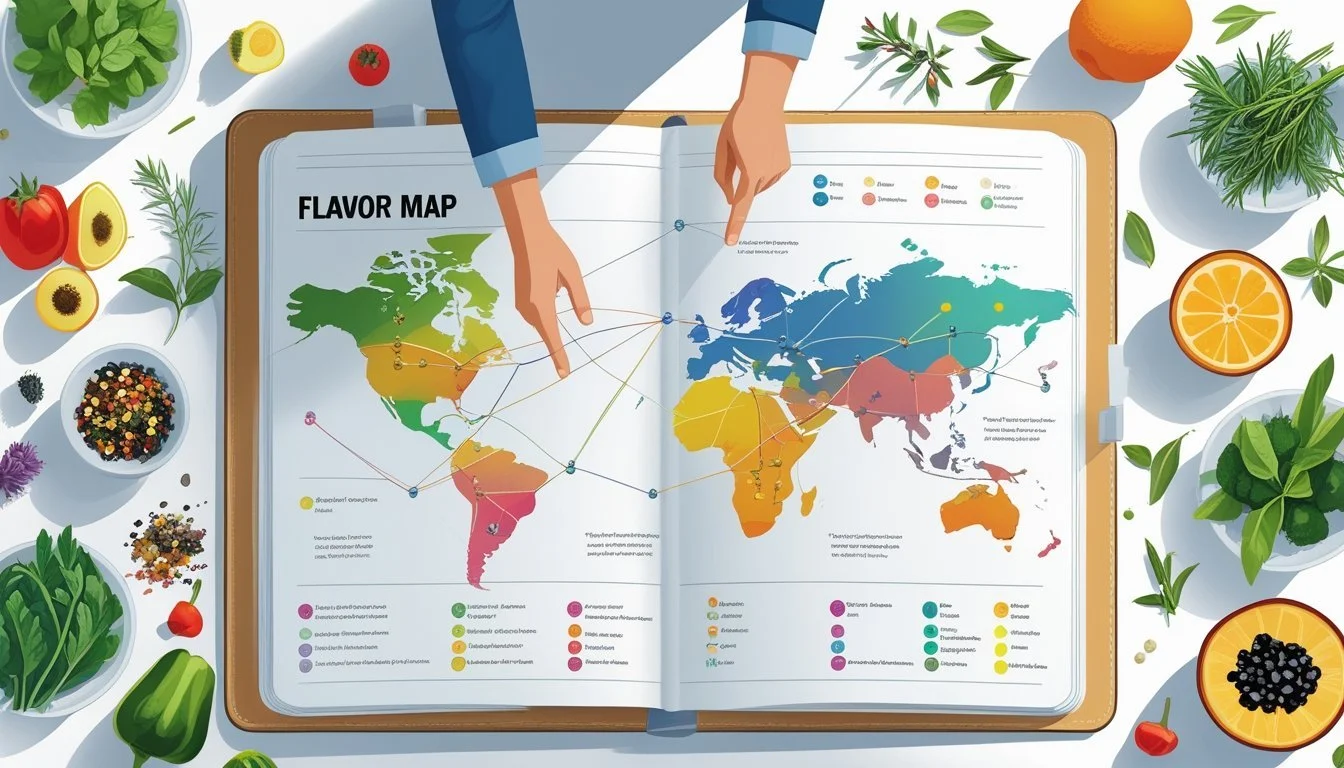
Flavor mapping is the process of analyzing and organizing the relationships between different ingredients based on their taste profile and underlying flavor compounds. This approach provides a logical foundation for making ingredient swaps in recipes, ensuring compatibility and balance in new culinary creations.
What Is Flavor Mapping?
Flavor mapping charts the connections between foods according to their shared and unique flavor profiles. Chefs and food scientists use this method to visualize which ingredients can substitute for each other or create interesting new combinations.
A typical flavor map might appear as a network, with nodes representing ingredients and the lines (or edges) showing shared taste traits or chemical compounds. The thickness of a line usually indicates the strength of the connection, such as a higher number of shared compounds.
By creating or referencing a flavor map, cooks can confidently identify which swaps are most likely to succeed. This helps avoid unbalanced or discordant flavors while encouraging innovation beyond traditional pairings.
The Science of Flavor Profiles
A flavor profile refers to the combination of primary tastes—such as sweet, salty, sour, bitter, and umami—along with aromas and textures present in an ingredient or dish. Understanding these profiles is essential when creating flavor maps because it enables structured comparisons between otherwise unrelated foods.
Here’s a simple table of basic tastes and typical sources:
Primary Taste Example Ingredients Sweet Honey, carrot, apple Salty Soy sauce, anchovy, olive Sour Lemon, yogurt, vinegar Bitter Coffee, kale, grapefruit Umami Tomato, cheese, mushroom
Recipes with balanced flavor profiles are usually more satisfying. When considering swaps, it’s crucial to compare the core taste components and aroma profiles rather than just the main ingredient.
Role of Chemical Compounds in Taste
Chemical compounds are the foundation of flavor perception. Many ingredients taste similar because they share key compounds, such as esters, aldehydes, or amino acids, which evoke specific sensations.
A notable example is the presence of methyl ketones in both blue cheese and certain nuts, making them unexpectedly compatible. The identification of these compounds is supported by research and toolsets, including databases and machine learning-driven flavor networks.
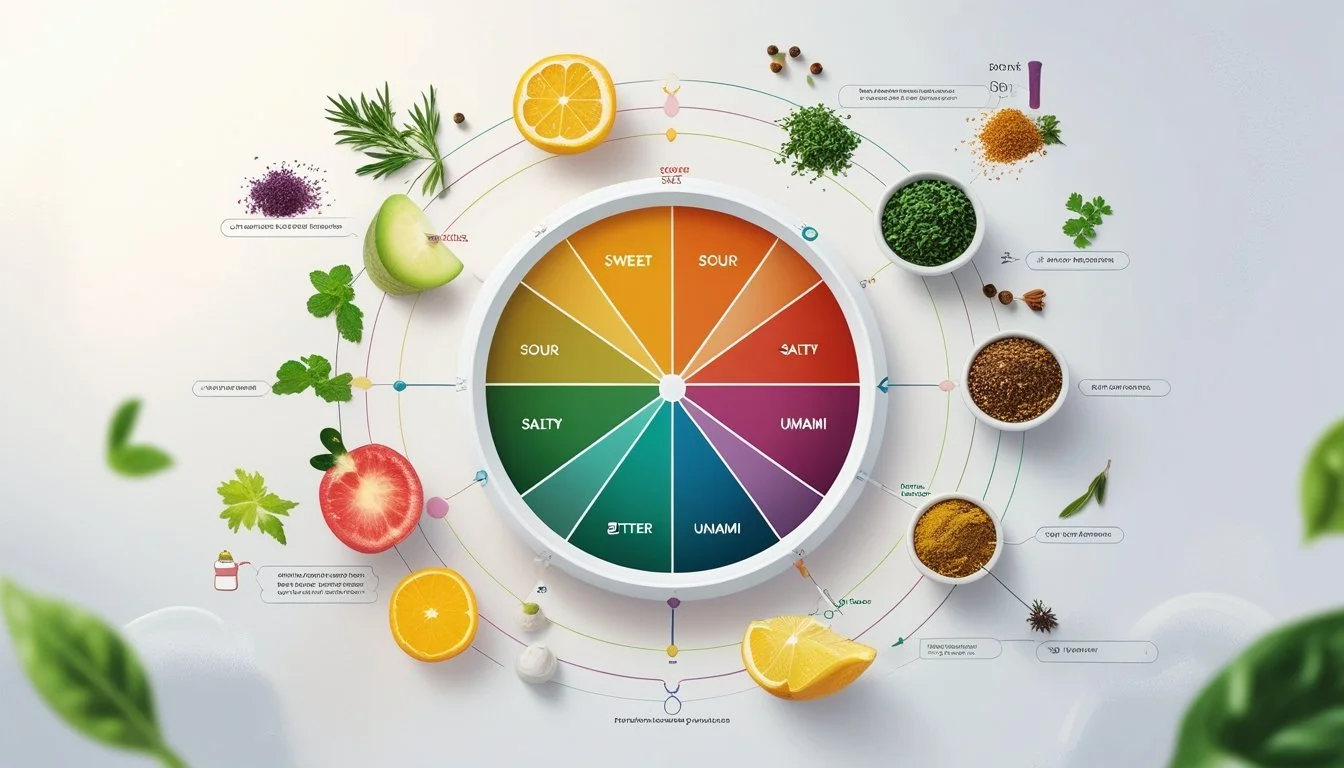
Food pairing tools and visual resources, such as flavor wheels, help people see which ingredients share primary volatile compounds. This enables data-driven swaps and pairings, moving beyond intuition to informed choice within recipe development.
Essential Elements of Flavor
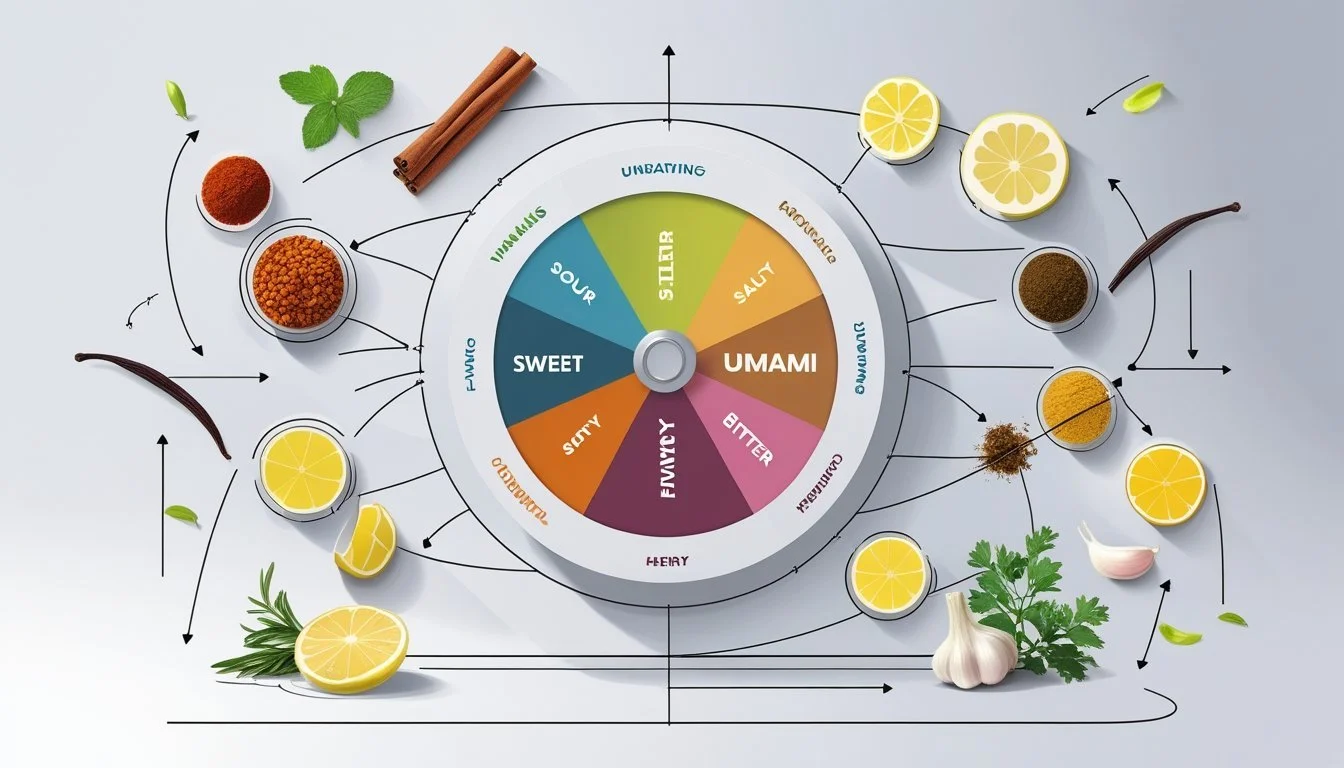
The core of flavor mapping relies on understanding the major taste categories, the effects of acidity and fat, and the contribution of aromatics. Each plays a specific role in how ingredients interact and how flavors can be balanced or substituted.
Basic Tastes: Sweet, Sour, Salty, Bitter, and Umami
Most foods are interpreted through five primary tastes: sweet, sour, salty, bitter, and umami. Each taste affects how a dish is perceived and how well it balances.
Sweet comes from sugars and can soften acidity or spice.
Sour is provided by acids, like citrus or vinegar, giving dishes brightness.
Salty enhances overall flavor and can mellow bitterness.
Bitter is found in ingredients like dark greens or coffee and can add complexity.
Umami brings depth and is present in foods like tomatoes, soy sauce, and mushrooms.
Balancing these tastes is fundamental for creating satisfying flavor profiles. Adjusting one can often help counteract or highlight another.
Influence of Acidity, Fat, and Creaminess
Acidity, fat, and creaminess significantly impact texture and mouthfeel. Acidity provides sharpness and can cut through richness; it’s key in ingredients like lemon juice, vinegar, and yogurt.
Fat delivers a sense of richness and carries other flavors effectively. Common sources include oils, butter, and cream. Creaminess specifically refers to texture, often resulting from emulsified fats, dairy, or pureed vegetables.
In practical use, acidity can brighten heavy stews, while fat can mellow overly acidic or spicy dishes. Creaminess often gives dishes a luxurious quality, making them more appealing and balancing stronger tastes.
Aromatics and Herbaceous Notes
Aromatics and herbaceous elements contribute significantly to flavor perception. Aromatics include onions, garlic, and ginger, which form the base of many recipes and build complex flavor layers.
Herbaceous notes come from fresh or dried herbs like basil, cilantro, parsley, and thyme. These ingredients add brightness, freshness, and subtle bitterness that can transform a dish.
Aromatic vegetables are often sautéed as a first step in cooking, while herbs are added throughout or at the end for maximum impact. Together, they allow for nuanced swaps and tailored flavor combinations.
How to Create Your Own Flavor Swaps
Developing successful flavor swaps relies on a careful understanding of ingredients, the way their flavors interact, and how these combinations affect the final dish. Proper swaps can maintain taste balance, encourage creativity in the kitchen, and allow for experimentation while respecting the original spirit of a recipe.
Identifying Key Ingredients
Identifying which ingredients drive the flavor of a dish is one of the first steps. Core ingredients often include spices, herbs, proteins, or base vegetables that define the dish’s profile.
A simple table can help outline major roles:
Ingredient Function Example Garlic Aroma/Base Stir-fries, pastas Lemon juice Acidity Dressings, sauces Chicken broth Savory backbone Soups, risotto Cumin Spice/Flavor Curries, chili
Understanding which ingredients are central versus which are optional allows cooks to swap with confidence.
Assessing the Taste Profile
Taste profile refers to the combined perception of flavors such as sweet, salty, sour, bitter, and umami. Breaking down the existing taste profile helps in selecting substitutes that preserve the original intent.
For example, if a recipe relies on the sweetness of bell peppers, a swap must consider matching that sweetness. If an acidic note is crucial, alternatives like vinegar, citrus, or tamarind should be considered. This ensures the finished dish remains balanced, even after a swap.
Matching Complementary and Contrasting Flavors
Complementary flavors enhance each other, such as tomatoes and basil. Contrasting flavors create excitement, like sweet with sour or salty with bitter.
When creating flavor swaps, identify which roles ingredients play—whether they are meant to blend in or stand out. For complementary swaps, substitute ingredients that share underlying flavor notes; for contrasting swaps, choose replacements that provide the needed counterbalance without overwhelming the dish. For instance, swapping feta for goat cheese maintains tang, while replacing honey with maple syrup keeps the sweetness in check but adds subtle depth.
Experimentation and Creativity in the Kitchen
Flavor swapping rewards experimentation. Tasting as you cook and adjusting accords to personal preference leads to more satisfying results.
Home cooks might try using unexpected ingredients such as smoked paprika instead of chili powder or using miso for a savory, umami-rich backbone rather than soy sauce. Maintaining a log of successful swaps helps develop intuition. Embracing trial and error fosters creativity and eventually builds a repertoire of personalized flavor combinations.
Popular Flavor Pairings and Swaps
Flavor mapping gives cooks the freedom to move beyond strict recipes and try ingredient substitutions that maintain balanced taste. Successful flavor swaps depend on understanding why certain ingredients work well together, whether through shared compounds or pleasing contrasts.
Classic Food Pairing Principles
Traditional flavor pairing is often based on ingredients sharing key aroma compounds. For example, tomato and basil both contain methyl cinnamate, which explains their frequent use together. Vanilla and cinnamon are often combined in desserts because both bring warmth and sweetness that support each other.
Balancing flavors—such as pairing sweet with acidic or spicy with cooling—is also a timeless method. For instance, black pepper is often used with strawberries to intensify fruitiness through mild heat. Swapping out black pepper for pink peppercorns can provide a less pungent, slightly floral experience while maintaining the fruity synergy.
Classic swaps typically rely on similar textures or roles in a dish. Vanilla can replace cardamom in some baked goods for a milder flavor. Basil can sub in for mint in certain savory dishes to offer a different herbal note, but still bring freshness.
Exploring Unexpected Flavor Combinations
Modern cooking has seen a rise in unique flavor combinations that might not seem intuitive at first. These unexpected pairings are often backed by scientific understanding of shared or contrasting flavor molecules. For example, chocolate and orange both have high levels of aldehyde compounds, making them a cohesive match.
Chefs frequently experiment with ingredients like coriander and strawberry, which share some citrusy compounds. Such pairings create unusual but harmonious blends. Black pepper can be added to mango or pineapple preparations for an elevated, spicy note.
When making swaps, thinking beyond traditional pairings opens new opportunities. Consider replacing basil with shiso for its vibrant, peppery profile or using cinnamon with savory ingredients such as lamb to add warmth and subtle sweetness.
Case Studies: Herbs, Spices, and Core Ingredients
Herbs and spices often serve as the bridge between familiar and unique taste combinations in recipes. Basil is a classic match for tomatoes, but swapping it for tarragon introduces a subtle anise aroma. Cinnamon is a staple in desserts but works surprisingly well in chili, especially as a substitute for clove or allspice to provide depth.
A table of common swaps:
Classic Pair Flavor-Based Swap Reason Basil + Tomato Shiso + Tomato Similar herbal, peppery notes Vanilla + Chocolate Cardamom + Chocolate Warm, floral aroma Black Pepper + Strawberries Pink Peppercorn + Raspberries Balances fruit, adds mild heat
Understanding the basis for a pairing—whether it's shared volatiles, complementary contrasts, or aromatic harmony—helps cooks adapt and innovate with confidence. Using the science and experience behind these combinations allows for creative swaps without losing flavor integrity.
Flavor Mapping in Culinary Traditions
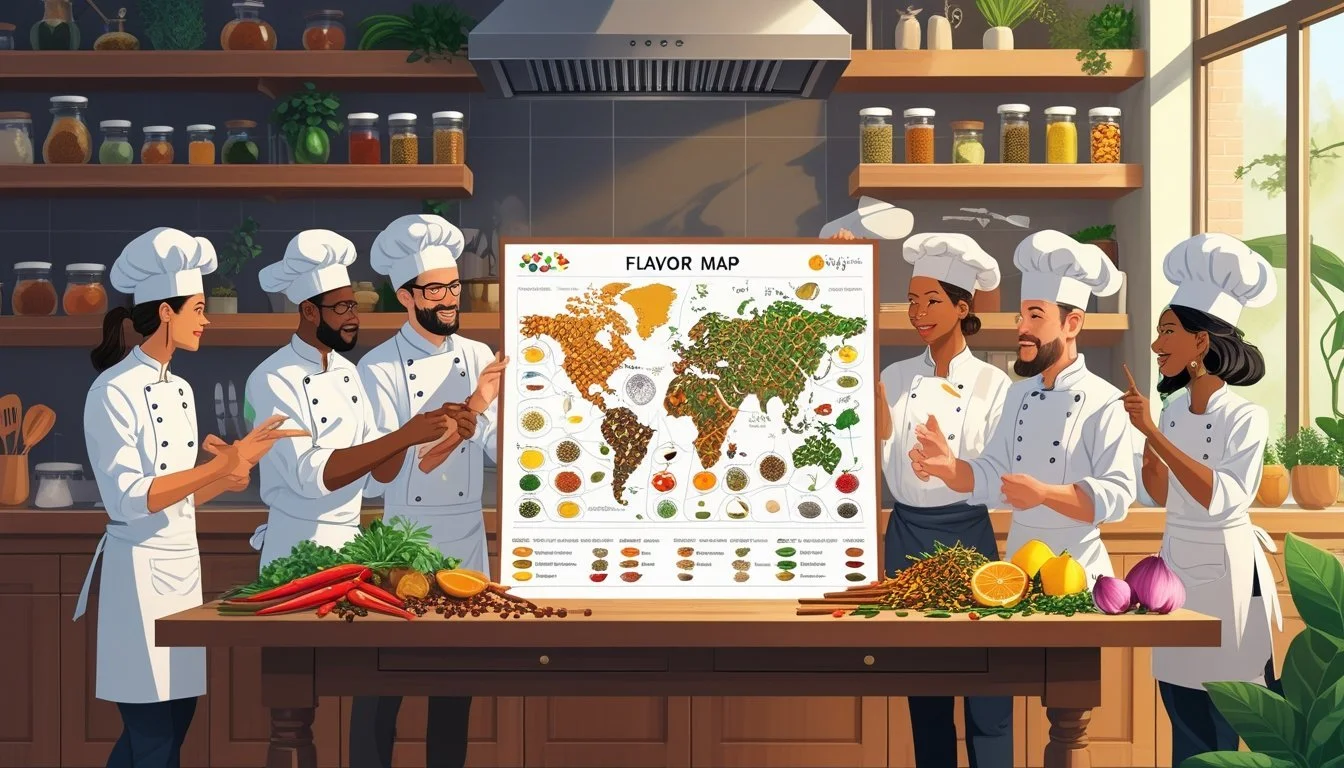
Flavor mapping plays a crucial role in understanding how culinary traditions develop and transform. By identifying compatible flavors and ingredients, cooks can create thoughtful substitutions that respect authentic cuisine while encouraging creativity.
Fusion Cuisine and Regional Influences
Fusion cuisine relies on a deep knowledge of both traditional flavors and innovative combinations. Chefs often reference regional ingredient profiles—such as Mediterranean herbs paired with Asian spices—to guide their creative swaps.
Examples of fusion swaps:
Using miso instead of salt in soups for added umami.
Swapping cilantro in place of basil for Southeast Asian-style pesto.
Replacing soy sauce with Worcestershire sauce in Western-style stir-fries.
Regional influences shape which ingredients are common or acceptable swaps. For instance, Mediterranean cooking favors olive oil and lemon, while East Asian traditions might use sesame oil and rice vinegar. Successful fusion respects the structure of both culinary traditions while blending their distinctive flavors.
Applying Flavor Swaps to New Recipes
Applying flavor swaps to new recipes requires an understanding of ingredient roles, such as sweet, sour, salty, bitter, or umami. Flavor mapping is used to substitute ingredients while maintaining balance and authenticity.
Key principles for effective flavor swaps:
Match flavor intensity (cumin for caraway, lemongrass for lemon zest).
Preserve texture where possible (use crushed nuts instead of breadcrumbs).
Consider traditional pairings to avoid clashing flavors.
A flavor map—like a table of commonly paired flavors—can help cooks visualize alternatives when ingredients are unavailable or dietary preferences require adjustments. Many chefs test new combinations in small batches to fine-tune the outcome before scaling up to serve.
Specialty Flavor Pairings: Food and Beverage
Successful flavor pairings between food and beverages depend on an understanding of complementary and contrasting tastes. Paying attention to acidity, body, and intensity helps create harmonious experiences and avoids flavor clashes that can overwhelm the palate.
Wine Pairing Strategies
Wine pairing is most effective when both the dish and the wine enhance each other’s best qualities. Matching the weight of the wine to the richness of the food is a core principle: a full-bodied Cabernet Sauvignon pairs well with steak, while a lighter Pinot Grigio suits delicate seafood.
Acidity in white wines, such as Sauvignon Blanc, can cut through fatty dishes and refresh the palate. Sweet wines, like Riesling, can balance the heat in spicy food.
Tannins in red wine can clash with certain ingredients but work well with protein-rich foods due to their binding effect. Consider umami-driven dishes, such as mushrooms, with earthy reds like Pinot Noir.
Food Type Ideal Wine Pairing Why It Works Fatty Beef Cabernet Sauvignon Balances fat, matches body Spicy Curry Off-dry Riesling Sweet, cools heat Shellfish Chablis High acidity, refreshing
Beer and Food Synergy
Beer offers a wide spectrum of flavors from malty sweetness to sharp bitterness. Pairing success centers on either matching or balancing these traits with food. Rich, dark beers like stouts go well with roasted meats and chocolate desserts due to shared toasty, robust notes.
Hoppy beers, such as IPAs, enhance spicy dishes by amplifying hop aromas and creating a lively experience. Wheat beers are refreshing and complement lighter fare, like salads or seafood, by providing crisp citrus and herbal highlights.
Consider carbonation, as it scrubs richness from the palate. This makes beer a highly versatile match for fried or cheesy foods, where bubbles lighten heavier flavors and textures.
Creative Cocktail Combinations
Cocktails present opportunities for inventive pairings beyond the traditional. A mojito, with its mint and lime notes, pairs well with fresh spring rolls or ceviche, providing a cooling and refreshing accent.
Savory cocktails—such as a Bloody Mary—blend seamlessly with brunch dishes or salty appetizers, as the acidity and umami elements pick up flavors from items like smoked salmon or olives. Old Fashioneds, with their mix of bourbon and bitters, suit grilled meats or caramelized vegetables, merging rich and smoky profiles.
Experimenting with infusion ingredients, spices, and syrups can push classic cocktails into new territory, enabling unique flavor swaps that fit the character of a given dish. Balancing sweetness, acidity, and alcohol strength is essential for an effective pairing.
Expert Insights and Tools for Flavor Mapping
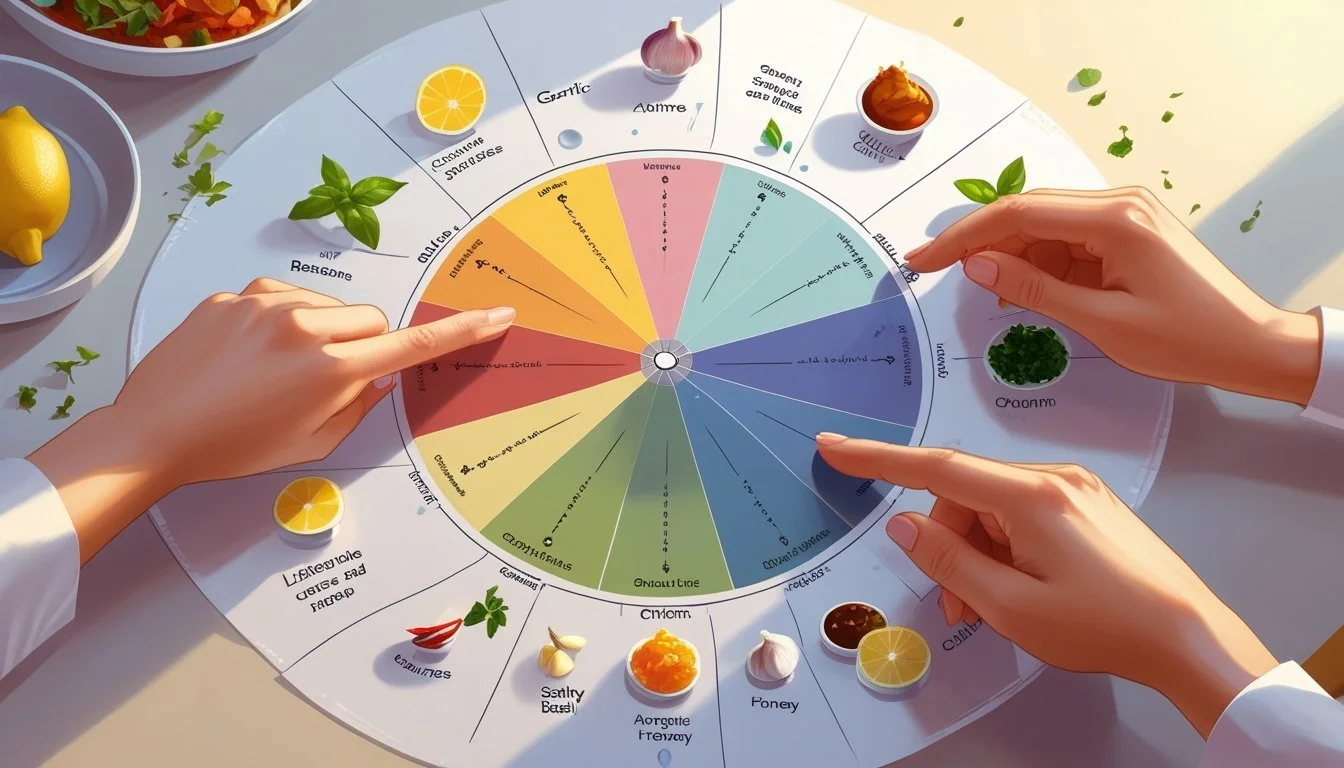
Flavor mapping draws on the expertise of culinary professionals and leverages specialized tools to help users create accurate and appealing swaps. Understanding sensory analysis from chefs, sommeliers, and bartenders, as well as using data-driven resources, can refine how flavors are evaluated and substituted.
Learnings from Chefs and Sommeliers
Chefs and sommeliers use flavor mapping to fine-tune recipes and beverage pairings, relying on their sensory training to detect nuanced differences in taste and aroma. They often break down complex flavors into core components—sweet, salty, bitter, sour, and umami—before identifying complementary replacements.
Sommeliers, in particular, combine flavors based on aroma families and mouthfeel, ensuring compatibility between wine and food. They document common swaps in reference charts or tasting notes, making flavor selection systematic rather than guesswork. Chefs may use tasting panels to gather opinions and refine substitution choices.
Practical Example Table:
Culinary Role Focused Elements Example Flavor Swap Chef Taste, Texture, Balance Lemon zest for yuzu Sommelier Aroma, Mouthfeel Chardonnay for Viognier
Relying on this structured approach helps to maintain dish integrity during substitutions.
Bartender Perspectives
Bartenders approach flavor mapping with a focus on balancing tastes and constructing new flavor experiences based on cocktail structure. They frequently experiment with base spirits, modifiers, and accents, using swaps such as herbal liqueurs for amaro or grapefruit for lime to achieve desired profiles.
Testing is a critical step; bartenders often prepare small test batches, adjusting proportions of sour, sweet, bitter, and aromatic elements. This is complemented by the use of tools like flavor wheels to identify overlapping characteristics in ingredients.
Bartenders' knowledge of classic cocktails also informs their choices. They apply historical swaps—such as using honey syrup in place of simple syrup—to offer variety without compromising on drink balance. These methods are shared in training sessions, recipe books, or internal guides.
Utilizing Flavor Mapping Tools and Resources
Modern flavor mapping uses digital and visual tools to streamline substitution choices. Software like iSense defines flavors with precision, allowing professionals to compare and select matches by aroma, intensity, or texture.
Flavor wheels serve as visual aids that break down beverages or foods into specific notes, making it easier to identify alternatives that replicate key attributes. Competitor mapping platforms offer additional insights, letting companies analyze the flavor profiles and predicted consumer liking for both their own and competing products.
These resources are especially helpful for scaling product development, ensuring swaps are not only sensory matches but appealing to consumer segments. Companies and individuals can combine empirical data, sensory feedback, and visual mapping to achieve reliable, reproducible flavor substitutions.
Case Examples: Swapping Flavors in Popular Dishes
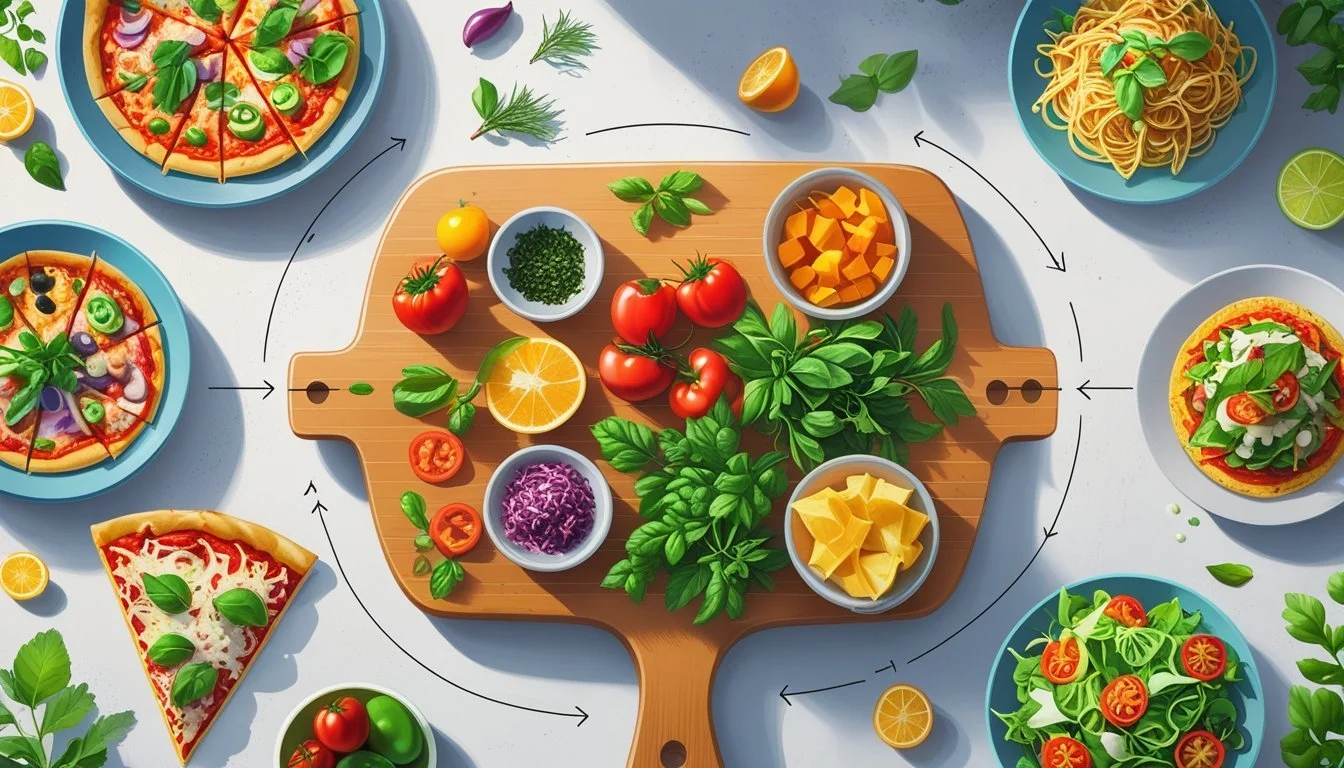
Flavor mapping lets cooks adapt classic dishes by substituting ingredients with similar taste profiles or complementary notes. Effective swaps can retain the balance of salty, sweet, umami, and acidity while adding new dimensions or meeting dietary needs.
Savory Applications: Steak, Mushrooms, Curry
Steak often brings robust umami and rich, meaty flavors. For a plant-based swap, portobello mushrooms are frequently used due to their hearty texture and deep umami notes. Grilling or roasting mushrooms intensifies these qualities and absorbs marinades similarly to steak.
Curries traditionally rely on a complex blend of spices, layered with savory and sometimes fruity elements. Tomatoes provide body and balanced acidity; swapping in roasted red peppers or pureed squash can offer sweetness and depth without overwhelming the dish.
For added brightness, a squeeze of lime can replace harder-to-find ingredients like tamarind, supplying a tangy finish. If traditional chili is unavailable, smoked paprika or red pepper flakes deliver heat and color without drastically changing the core flavor profile.
Original Ingredient Swap Example Flavor Contribution Steak Portobello Mushroom Umami, texture, savoriness Tomatoes Roasted Peppers Sweetness, acidity Chili Smoked Paprika Heat, smokiness Lime Lemon Juice Acidity, brightness
Sweet and Fruity Inspirations
In desserts, fruity flavors like raspberry offer tartness and aroma. If raspberries are unavailable, freeze-dried strawberries or cooked rhubarb can provide a similar tang, with slightly different background notes. These swaps work well in sauces, fillings, and baked goods.
For a tropical direction, replacing lime with passion fruit adds acidity and a unique floral note that pairs well with berries or vanilla. When a recipe features sweetness from processed sugar, mashed fruits such as ripe bananas or applesauce serve as alternatives, adding moisture and subtle flavor changes.
Chocolate desserts may benefit from a dash of chili powder, introducing a gentle heat that complements berries or citrus. Using these swaps, a cook can maintain the core appeal and balance of a dessert while exploring new profiles rooted in similar flavor families.

