
How to Create Flavor Equivalents from Scratch
A Step-by-Step Guide for Home Cooks
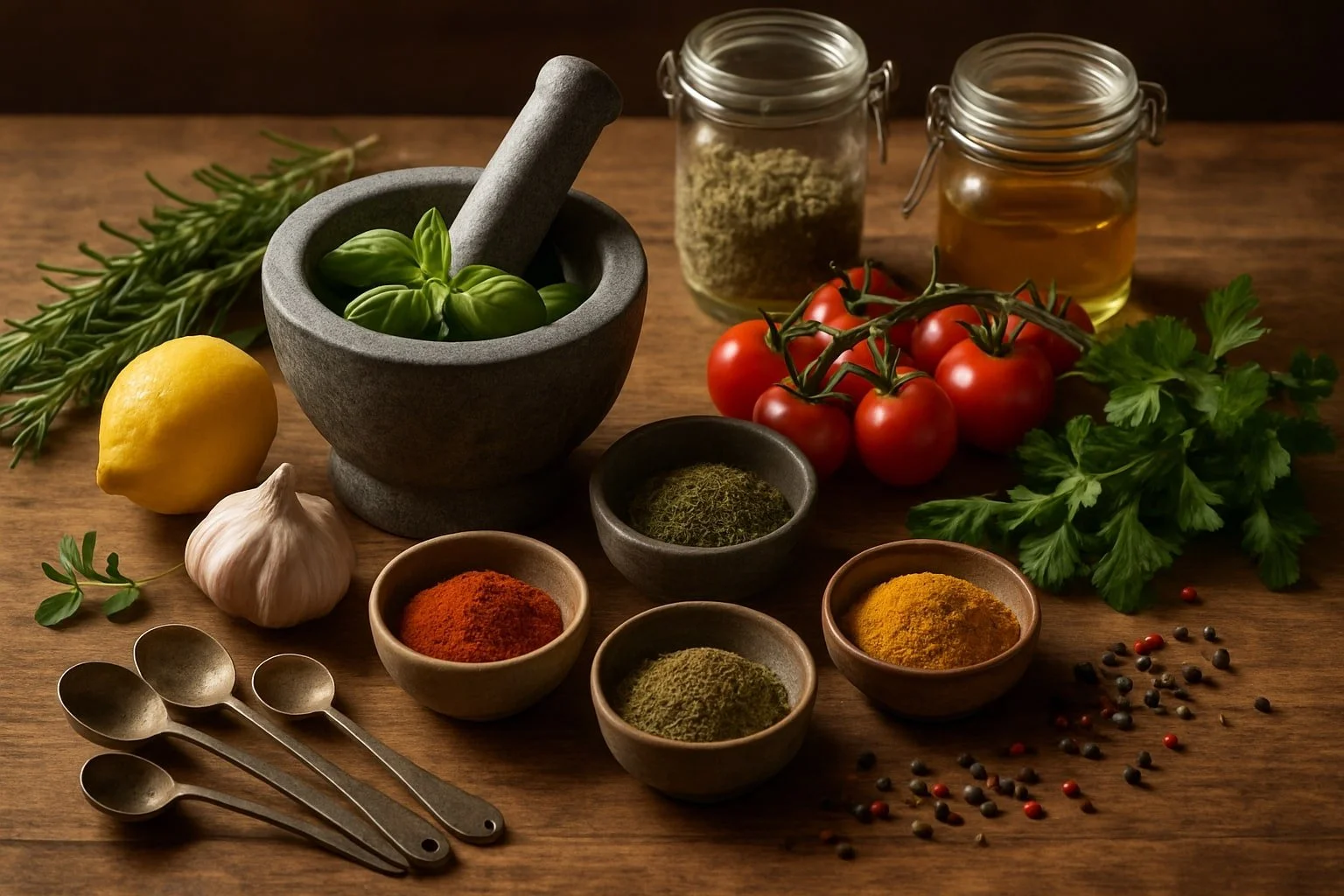
Anyone can run out of spices or extracts, but making flavor equivalents at home is both achievable and rewarding. By understanding the core profiles—sweet, salty, sour, bitter, and umami—people can combine commonly available ingredients to recreate the essence of almost any seasoning or extract. Whether it is substituting a missing herb or mimicking a bottled extract, creating your own blends ensures you never have to pause a recipe.
The key is knowing how to balance flavors and select the right base ingredients. With a clear approach, anyone can blend spices, herbs, or liquids for accurate results that support both taste and creativity. This not only saves time but also lets home cooks personalize flavors for any dish.
Understanding Flavor Equivalents

Creating true flavor equivalents requires an understanding of how taste, aroma, and texture work together. It is necessary to consider ingredient composition, context, and even the cook’s memory of flavors when seeking successful ingredient substitution.
Defining Flavor Equivalents
A flavor equivalent is an ingredient or combination of ingredients that can closely match the taste, aroma, and mouthfeel of another in a specific recipe context. Unlike simple substitutions, which focus on similar functionality or category, flavor equivalents aim to replicate the actual sensory effect of the original ingredient.
For example, when substituting for fish sauce, a blend of soy sauce and a touch of lime juice can mimic both the umami and tangy notes. This process may require mixing several ingredients to achieve an equivalent flavor profile. Key elements to assess include sweetness, acidity, bitterness, saltiness, fat content, and aromatics.
Accurate flavor equivalents are useful for cooks who need to compensate for allergies, dietary restrictions, or when certain ingredients are unavailable. Consistency relies on replicating not just the dominant note but the balanced impression left by the original.
The Science Behind Flavor Perception
Flavor perception involves a complex interaction of the senses: taste, smell, and even touch. Molecules from ingredients interact with receptors on the tongue and in the nose, producing recognizable patterns the brain interprets as flavor.
Individual memory and previous exposure shape how each person recognizes and evaluates flavors, which means there may be slight differences in what people consider equivalent. The way fat, salt, acid, and sugar interact in a dish often defines the final impression.
Balance is critical for creating a convincing substitute. For instance, the sweetness of honey and the acidity of lemon juice can combine to replace the bright flavor of certain fruits in a recipe. Replicating this balance minimizes the difference in the finished dish.
Common Challenges With Ingredient Substitution
Ingredient substitution can be difficult due to differences in flavor intensity, aroma, or texture between options. Some flavors are deeply complex or depend on unique compounds that aren’t easy to replicate, such as truffles or saffron.
A major challenge is adjusting for concentration—using too much or too little of a substitute can throw off the desired effect. Additionally, substitutes may react differently during cooking, impacting the final taste or appearance.
Allergy concerns, dietary preferences, and regional ingredient availability are also common barriers. Cooks often need both technical knowledge and practical experimentation to effectively swap ingredients while preserving the intended flavors of a dish.
Key Principles for Creating Flavor Equivalents

Creating effective flavor equivalents involves understanding ingredient interactions, matching taste and aroma profiles, and ensuring compatibility with dietary needs. Paying attention to how herbs, spices, and acids like lime juice interact can help replicate flavors accurately while maintaining balanced results.
Analyzing and Matching Flavor Profiles
Replicating a particular flavor means identifying its primary taste components—such as sweet, sour, salty, bitter, or umami. Chefs start by deconstructing the main flavors and connecting them to the senses of taste and smell. Using tools like tasting wheels or aroma maps helps compare new combinations to original flavors.
For example, if replacing lemon juice, they might evaluate how the sour and aromatic notes can be achieved with lime juice and a touch of zest. They consider the contribution of underlying spices like coriander or cumin, matching not just the dominant taste but also secondary flavors and background aromas. Texture can also play a role, especially when swapping for herbs or foods with similar mouthfeel.
Balancing Aromatics, Acidity, and Texture
Achieving flavor equivalency requires a careful blend of aromatics, acidity, and texture. Herbs such as basil, cilantro, or dill can provide distinct aromas that need to be substituted thoughtfully. The acidity, often brought in by items like lime juice or vinegar, should mirror the original’s sharpness without overwhelming the dish.
Texture influences perception of flavor, so using creamy ingredients to mimic dairy or crunchy elements for nuts can keep mouthfeel consistent. For example, using coconut milk in place of cream preserves both texture and subtle sweetness while ensuring a matching aroma. Balancing these aspects safeguards the harmony of flavors, preventing one element from becoming too dominant or subdued.
Adapting to Dietary and Culinary Needs
Ingredients must often be swapped to meet dietary restrictions or cultural preferences. When an allergen like nuts or dairy is present, alternatives are chosen that emulate the flavor and texture of the original. Sunflower seeds for nuts, or plant-based milks for dairy, keep both taste and nutritional value in balance.
Salt-sensitive diets may require using herbs, spices, or acids like lime juice to compensate for reduced sodium, preserving flavor without adding salt. Different cuisines may demand substitutes that fit with traditional ingredients or cooking methods, ensuring that the final result aligns with both taste and dietary standards.
Common substitutions table:
Original Ingredient Substitute Main Flavor Role Lemon juice Lime juice + zest Acidity, aroma Heavy cream Coconut milk Texture, sweetness Almonds Sunflower seeds Crunch, subtle nutty note Soy sauce Tamari or coconut aminos Umami, saltiness
Working With Herbs and Spices
Understanding the differences between fresh and dried herbs allows a cook to select the right ingredient for any dish. Creating complex flavor blends relies on the thoughtful combination of herbs and spices, both common and aromatic.
Fresh Herbs Versus Dried Herbs
Fresh herbs like basil, parsley, and cilantro offer bright flavors and tender textures. These are best added near the end of cooking or used raw to preserve their natural oils and vibrant taste. A handful of fresh chopped herbs can finish soups, salads, or roasted vegetables with a burst of color and aroma.
Dried herbs have a more concentrated and intense flavor. Since the drying process removes moisture, their flavors become stronger and somewhat earthier. Common dried herbs include oregano, thyme, and rosemary. It's important to use roughly 1/3 the amount of dried herbs in place of fresh, as excessive dried herbs can overpower a dish.
A quick reference:
Fresh Herb Dried Equivalent (per 1 Tbsp fresh) Basil 1 tsp dried Oregano 1 tsp dried Rosemary 1 tsp dried Thyme 1 tsp dried
Proper storage is crucial. Fresh herbs last longer when kept dry and refrigerated, while dried herbs are best kept in airtight containers away from light and heat.
Combining Spices for Complex Flavors
Balancing spices relies on understanding their roles in a blend. Base spices like cumin, paprika, and black pepper build the core profile, while aromatic spices such as cardamom and star anise add depth. Adding bitter, sweet, salty, and sour elements can help achieve a well-rounded taste.
When creating blends, consider pairing spices with contrasting notes. For example, combining spicy chili powder with sweet cinnamon or earthy coriander can result in greater complexity. The use of a flavor wheel can be helpful in identifying possible pairings and preventing clashes between strong spices.
Layering spices during cooking enhances flavor. Adding some early in cooking and finishing with others right before serving allows multiple dimensions of taste. Keep tasting and adjusting until the blend is balanced without any single spice dominating the overall flavor.
Techniques for Ingredient Substitution
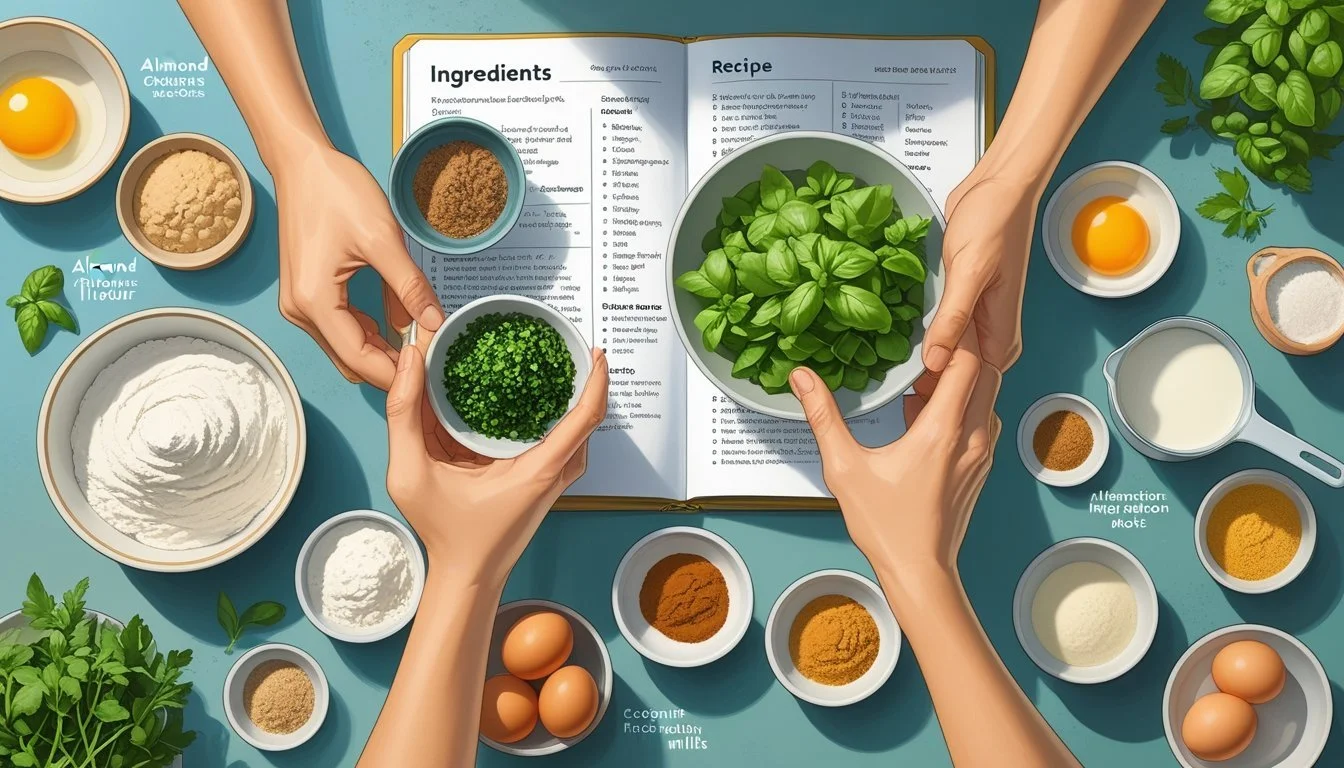
Effective ingredient substitution relies on choosing replacements that closely match the flavor, texture, or function of the original item. Making accurate changes often involves understanding the intensity and characteristics of each component in a recipe.
Finding Alternatives for Common Ingredients
Many staple ingredients have direct substitutes that can maintain or enhance the flavor of a recipe. For dairy, common swaps include almond milk or oat milk for cow’s milk, and coconut oil for butter. If eggs are needed for binding, flaxseed meal with water or chia seeds can be used.
For herbs and spices, substituting dried herbs for fresh requires using one-third the amount, as the flavor is more concentrated. Citrus juice may take the place of vinegar in dressings or marinades, but it brings added acidity and brightness. A brief table summarizes a few frequent substitutions:
Original Substitute Notes Buttermilk Milk + Lemon Juice 1 cup milk + 1 tbsp lemon juice Brown Sugar White Sugar + Molasses 1 cup sugar + 1 tbsp molasses Soy Sauce Tamari or Coconut Aminos Use 1:1 ratio
Choosing substitutes that align with flavor profiles and textures helps preserve the intended result of recipes.
Adjusting Ratios and Quantities
When substituting ingredients in recipes, ratio adjustments are often required to balance flavors and achieve the right structure. Dried herbs are more potent, so one teaspoon of dried is equivalent to one tablespoon of fresh. Sweeteners like honey are sweeter than sugar and contain more moisture; use less honey and reduce other liquids by one-fourth.
Swapping fats, such as using applesauce for oil in baking, can reduce calories but also affect moisture and tenderness. Typically, a 1:1 ratio works, but sometimes increasing the liquid is necessary. Always consider taste, texture, and cooking time when changing key elements.
Careful measurement and testing allow for consistent results, even with unfamiliar ingredient substitutions.
Exploring Advanced Methods for Flavor Creation
Advanced techniques in flavor creation can both transform individual ingredients and generate entirely new flavor experiences. These methods rely on manipulating natural processes and targeting specific chemical compounds to develop authentic and complex flavor equivalents.
Leveraging Fermentation to Alter Flavor Profiles
Fermentation, a biochemical process driven by microorganisms, is a precise method for changing and enhancing food flavors. By controlling the type of yeast or bacteria and adjusting environmental factors such as temperature and time, culinary creators can achieve specific flavor notes.
For example, lactobacillus fermentation turns cabbage into sauerkraut, generating sour and tangy notes from natural sugars. With sourdough bread, wild yeasts produce acids and alcohols, yielding nuanced flavor layers.
Fermentation is especially valuable when replicating the umami and savory notes found in aged cheeses or soy sauce. It enables the transformation of bland base ingredients, like legumes or grains, into complex, aromatic flavor profiles that are difficult to mimic by simple blending.
Utilizing Aromatic Compounds
Creating flavor equivalents also involves isolating and combining specific aromatic compounds responsible for taste and aroma. Chemists can analyze a target food’s volatile profile using gas chromatography to pinpoint dominant molecules—such as vanillin in vanilla or eugenol in cloves.
Once identified, these compounds can be sourced from natural origins or synthesized for use in culinary applications. Careful blending, often with the help of a flavor wheel or profiling software, ensures an accurate recreation of the intended flavor.
Aromatic compound manipulation is key in beverage formulation, plant-based alternatives, and baked goods. Adjusting the proportions of aldehydes, esters, or terpenes allows for subtle tuning of sweetness, floral notes, or citrus brightness to match the original reference product.
Storing and Preserving Flavor Equivalents

Proper storage extends the shelf life and quality of flavor equivalents while helping keep their taste predictable. Practical preservation methods also help prevent loss of potency and changes in taste or aroma over time.
Optimal Storage Practices
Flavor equivalents—whether dried herbs, spices, extracts, or blends—require specific storage conditions to maintain their strength and freshness. Airtight containers made of glass or food-grade plastic are ideal for protecting contents from moisture and air exposure. Opaque containers are effective for shielding light-sensitive ingredients such as vanilla extract or dried leafy herbs.
Store all flavor equivalents in a cool, dry location away from heat, direct sunlight, and humidity sources like stoves and dishwashers. Tempting as it may be, avoid placing containers near windows or on open shelves above appliances to prevent RAM—rapid aroma migration. Label containers with the date and type for easy inventory tracking.
Refrigeration may be useful for some liquid extracts or homemade flavor blends containing fresh components. However, dried spices and herbs are best kept at room temperature, as moisture from refrigeration can cause clumping and spoilage.
Maintaining Consistency Over Time
Retaining flavor consistency requires monitoring both storage conditions and the natural breakdown of aroma compounds. When stored properly, most dried flavor equivalents retain peak potency for 6 to 12 months, while extracts can last much longer if kept sealed and cool.
To check for potency, perform a simple sniff or taste test every few months. If the aroma or flavor is weak or stale, replacement may be necessary. Avoid cross-contamination by using clean utensils for each container, and do not return unused portions to the original storage to limit exposure to air and moisture.
Rotation is key. Apply the first-in, first-out principle: use older items before new ones. Keeping an organized system, such as a table or shelf list, helps prevent unintentional duplication and waste, ensuring reliable flavor in every recipe.
Incorporating Flavor Equivalents Into Recipes

Using flavor equivalents allows cooks to substitute specific tastes or ingredients without sacrificing the overall balance or intent of a dish. This approach can adapt recipes for dietary needs, ingredient availability, or creative experimentation.
Modifying Existing Recipes
When adapting recipes, flavor equivalents help maintain harmony within the dish. If an ingredient is unavailable, cooks can replicate its role by referencing its primary taste components—such as sweetness or umami—and finding alternatives with similar profiles. For example, if a recipe calls for fish sauce, soy sauce with a touch of vinegar can serve as a substitute to capture the salty and umami notes.
Common flavor equivalents are useful for allergies or dietary restrictions. Nut butters, pumpkin seed paste, or tahini can replace peanut butter in sauces or dressings. A brief table illustrating typical swaps may help:
Ingredient Flavor Equivalent Lemon Juice Vinegar + a pinch of sugar Worcestershire Soy sauce + vinegar Heavy Cream Coconut cream
Taste and adjust as substitutions may alter balance. Layer flavors carefully to avoid overwhelming or dulling the dish.
Creating Original Culinary Creations
Building new culinary creations with flavor equivalents starts with understanding the fundamental tastes: sweet, salty, sour, bitter, and umami.
Chefs can construct dishes from scratch by assembling ingredients that mimic or enhance the intended flavor experience. For instance, a broth may gain umami depth from miso, mushrooms, or dried tomatoes instead of meat stocks.
Experimenting with local or seasonal products often requires identifying flavor parallels. Sorghum syrup or maple syrup can substitute for honey when developing sweet marinades or dressings. Combining substitutes with complementary seasonings ensures the final dish is cohesive and appealing, even with unconventional ingredients.
Precise measurement, tasting, and adjusting throughout the process help refine the finished recipe. Creativity, supported by a clear understanding of underlying flavors, gives cooks the flexibility to design something both new and well-balanced.
Practical Tips and Troubleshooting
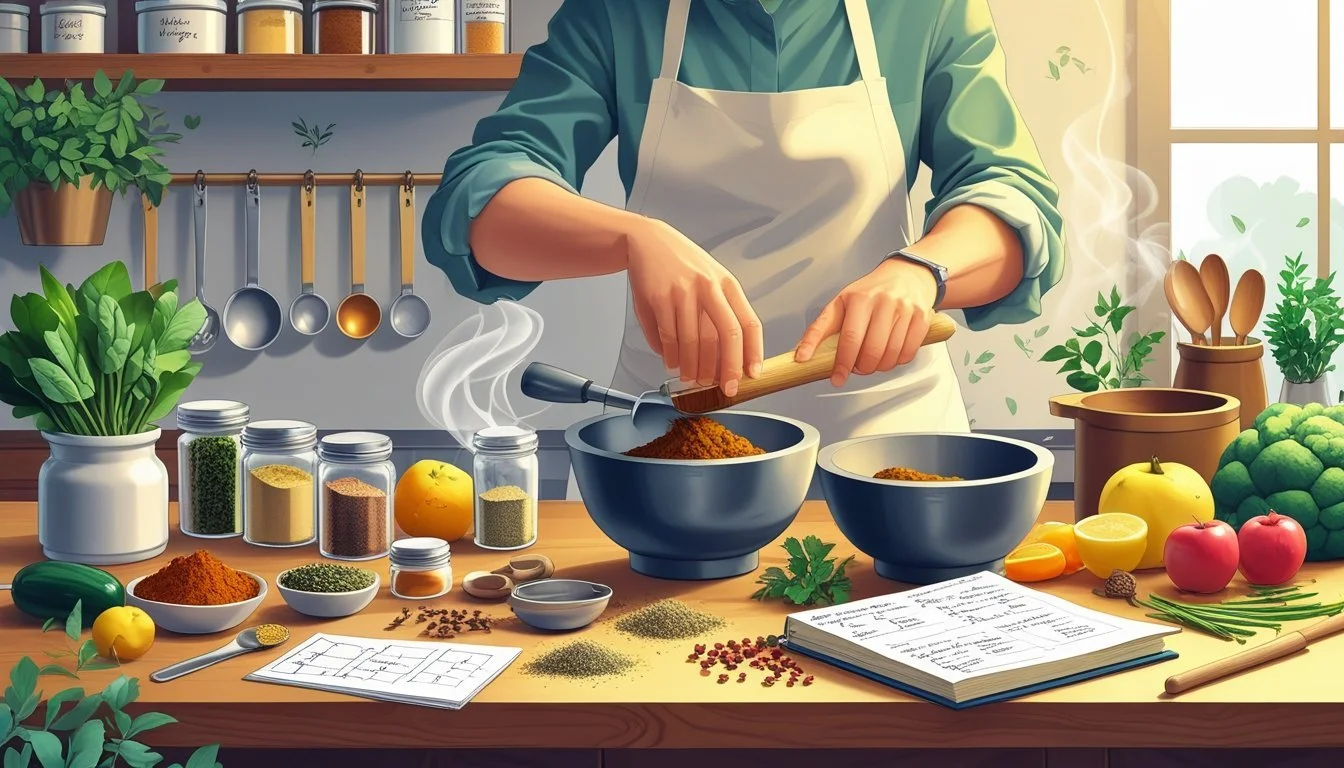
Precision and awareness are crucial when creating flavor equivalents. Each adjustment impacts the dish’s final taste, so attention to detail and efficient corrections are important.
Avoiding Common Mistakes
Mistakes often happen when makers rush or overlook small details. Incorrect measurements or substituting incompatible ingredients can throw off balance. For reliable results, always use a digital scale for dry goods and a liquid measure for wet ingredients.
Not all flavors can substitute for one another equally. For example, lemon zest provides brightness, while lemon juice adds acidity and moisture. Swapping one for the other may require additional adjustments to keep the profile consistent. When creating equivalents, compare properties like acidity, sweetness, and aroma.
Heat and processing methods also affect flavor outcomes. Overcooking spices, for example, can create bitterness. Review these elements before finalizing a flavor blend, ensuring each step maintains the desired profile. A checklist can help catch these issues early.
Checklist for Avoiding Mistakes:
Use accurate tools for measurement
Compare flavor properties, not just names
Consider heat’s effect on ingredients
Double-check ratios before combining
Refining Flavor Through Tasting and Adjustment
Tasting at every stage is non-negotiable in flavor development. Key adjustments often involve minor tweaks—adding a drop of acid, a pinch of salt, or a splash of sweetness to round out the blend. Small changes have noticeable effects, especially in concentrated flavor equivalents.
When a mixture feels flat or “off,” identifying the lacking element saves time. Is the result too bitter? Balance with a hint of sugar or acid. Too sharp? Incorporate fat, such as olive oil or cream, to soften intensity. Document these trials in a notebook to capture successful ratios and approaches.
A systematic approach helps isolate issues. Compare the current version to the original target flavor, noting differences in aroma, taste, and mouthfeel. Consistent tasting in small increments allows course corrections without compromising the entire batch.

