
When Food Substitutes Become the New Norm
Exploring Shifts in Modern Diets

Food substitutes, such as plant-based and alternative protein products, are steadily shifting from niche options to becoming widely accepted staples in many diets. Consumers are increasingly choosing these alternatives as concerns about health, sustainability, and animal welfare shape modern eating habits. Market trends and investment growth in companies focused on meat and dairy substitutes demonstrate that these products are not only gaining traction, but are also entering the mainstream.
Regulatory changes, public policies, and evolving social norms further encourage this transition. Government initiatives like updated food labeling, incentives for sustainable products, and the promotion of alternatives in public institutions signal a long-term shift. As food substitutes become normalized, understanding their impact and potential challenges helps consumers navigate this changing landscape with clarity.
The Evolution of Food Substitutes
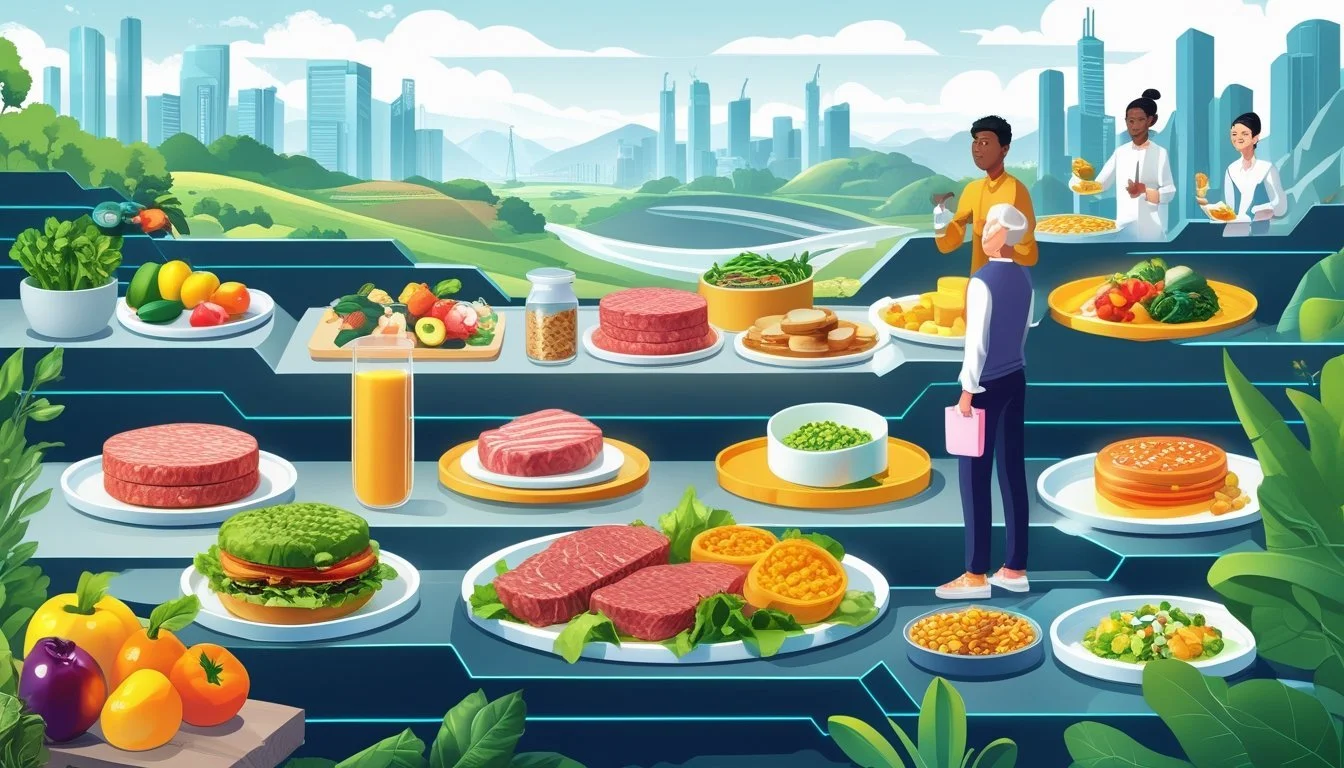
Food substitutes have shifted from basic necessity to innovative products, driven by changing dietary patterns and consumer demands. These changes reflect advancements in food technology, health awareness, and environmental considerations.
Historical Context of Meat Substitutes
Early uses of meat substitutes can be traced back to periods of scarcity, especially during times such as World War II. Limited availability of animal products led households to incorporate ingredients like margarine for butter and soy-based products in place of meat.
Traditional vegetarian cuisines in countries like China and India often featured tofu, seitan, and legumes as protein sources. These foods served both cultural and nutritional roles, offering alternatives to meat long before commercial products became widespread.
Government rationing and economic constraints made food innovation essential. Home cooks adapted recipes, relied on local produce, and experimented with alternatives to maintain protein intake and variety.
Rise of Plant-Based Alternatives
Modern plant-based alternatives began as niche offerings but have grown into a mainstream market sector. Companies now produce burgers, sausages, and deli slices using ingredients like pea protein, soy, and mycoprotein.
A key factor behind this trend is the plant-based diet movement. Many consumers adopt these substitutes due to health, ethical, or environmental motivations, reducing their meat consumption in favor of more sustainable options.
Product development now focuses on taste, texture, and nutritional content. These improvements appeal not only to vegetarians but also to flexitarians seeking to reduce meat intake. As a result, plant-based meat substitutes have gained significant shelf space in supermarkets and restaurants.
Health Implications of Food Substitutes
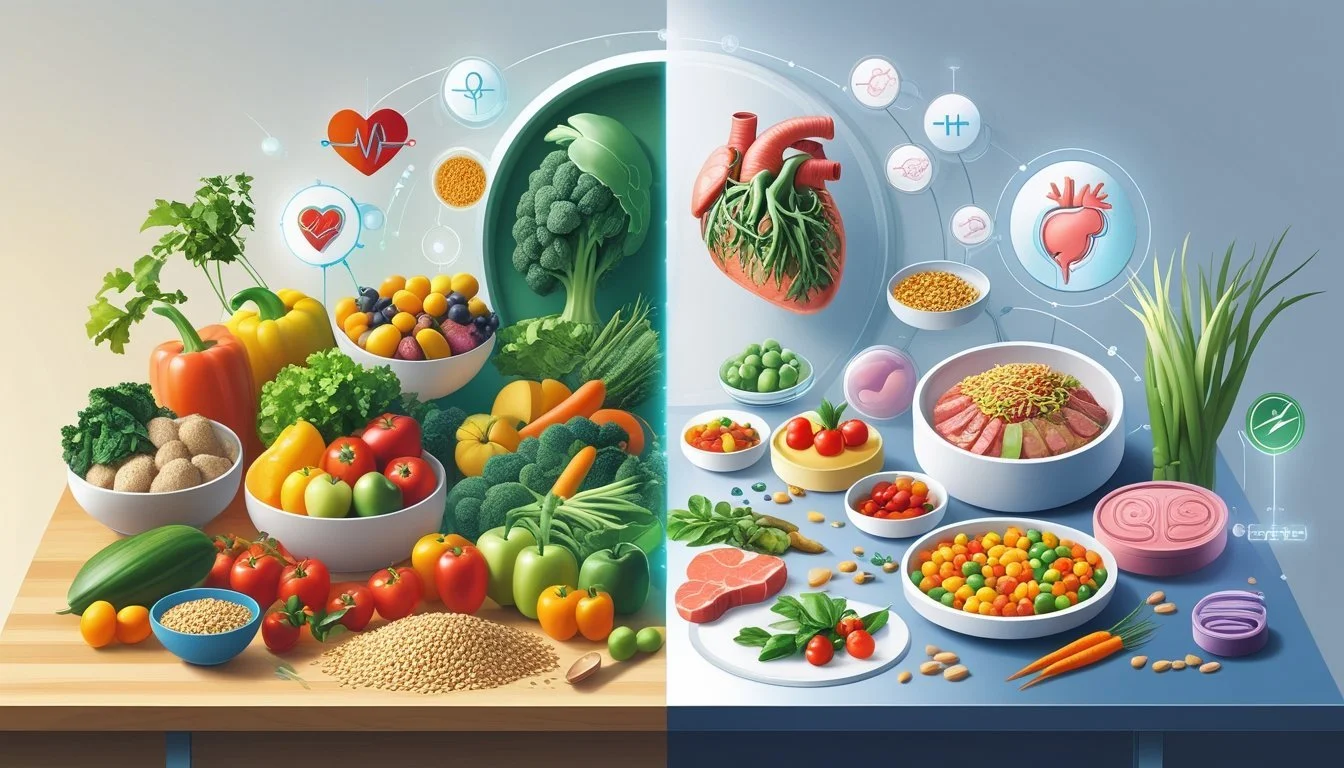
The rise of food substitutes has brought significant changes to nutrient intake, chronic disease risk, and how people follow health guidelines. Attention to nutritional profiles, long-term disease impacts, and common health concerns is essential for anyone using these alternatives.
Nutritional Value and Nutrients
Food substitutes often differ from traditional foods in composition and nutrient density. Plant-based meat and dairy alternatives may offer lower saturated fat and cholesterol but sometimes lack key nutrients such as vitamin B12, iron, or complete proteins.
Many substitutes are fortified to close these nutritional gaps. For example, fortified soy milk usually contains calcium and vitamin D levels similar to cow’s milk, but protein content in almond and rice drinks is much lower.
Table: Nutrient Comparison (Per 100ml)
Product Protein (g) Calcium (mg) Vitamin B12 (µg) Cow’s Milk 3.3 120 0.5 Soy Milk 3.0 120* 0.4* Almond Milk 0.5 120* 0*
*Fortified
Nutrient content varies widely between brands and products, so careful label reading is important.
Impact on Chronic Diseases
Replacing high-fat or processed animal products with plant-based substitutes can help lower the risk of chronic conditions such as heart disease and type 2 diabetes. Diets higher in fiber and plant proteins have been associated with better blood lipid profiles and improved blood sugar control.
Some substitutes are lower in saturated fat and have no dietary cholesterol, which may contribute to heart health. Substituting legumes or whole grains for red meat, for example, is linked to a lower risk of cardiovascular disease and certain cancers.
However, not all substitutes are equally beneficial. Highly processed alternatives may contain added sodium, sugars, or unhealthy fats. Consumers should compare ingredients among products to maximize health benefits.
Health Concerns and Dietary Guidelines
Meals relying heavily on fortified and processed substitutes can create new health concerns. Excess sodium, low fiber, or inadequate essential nutrients are possible if substitutes are chosen indiscriminately.
National dietary guidelines generally recommend a diet rich in whole grains, fruits, vegetables, and lean protein. Substitutes can fit into a healthy diet when selected carefully, but they should not replace whole foods entirely.
People with specific health needs—such as those at risk for nutrient deficiencies or with chronic diseases—should consult health professionals to balance substitutes and traditional foods according to evidence-based guidelines.
Environmental Impact and Sustainability
Switching to food substitutes, especially plant-based options, changes the environmental footprint of food systems in specific ways. These changes influence resource use, emissions, and the preservation of natural ecosystems.
Environmental Benefits of Plant-Based Diets
Plant-based diets use fewer natural resources than animal-based diets. Water, land, and energy consumption are generally lower when producing plant proteins. For example, lentils and beans require less irrigation and produce less soil depletion than livestock farming.
Studies show that cultivating plants for direct consumption reduces pesticide and fertilizer runoff. This change also lowers the risk of eutrophication in water systems. Shifting large populations to these alternatives can free up agricultural land and decrease deforestation rates.
Sustainable diets rich in plant-based foods support ecological balance. They create opportunities for restoring degraded areas and maintaining healthy soils, supporting a more sustainable food system.
Greenhouse Gas Emissions Reduction
Food substitutes play a significant role in climate change mitigation. Animal agriculture is responsible for a substantial portion of global greenhouse gas (GHG) emissions—accounting for up to 81% of food-related GHG, according to recent studies.
Replacing high-impact foods like beef with plant-based meats cuts emissions drastically. Research indicates that simple substitutions can cut an individual’s food-related carbon footprint by nearly 10%. If half of animal-based foods were replaced globally, agricultural greenhouse gas emissions could decline sharply, slowing global warming.
Table: Average GHG Emissions per Kilogram of Food (kg CO₂-eq)
Food Type Emissions Beef 60 Pork 7 Poultry 6 Legumes 1-2 Plant-based Meat 3-6
Biodiversity and Carbon Footprint
Land used for animal farming often replaces forests and grasslands, reducing biodiversity. Transitioning to food substitutes helps conserve wildlife habitats by requiring less land for production.
Agricultural expansion is a major driver of species loss. By reducing demand for animal feed crops and pasture, plant-based diets help slow habitat fragmentation and extinction rates. This promotes a more balanced ecosystem and preserves natural carbon sinks like forests.
A lower overall carbon footprint is achieved through less intensive farming and minimized land-use change. As more people adopt sustainable food systems, the pressure on ecosystems diminishes, supporting long-term environmental sustainability.
Technological Advances in Food Substitutes
Technologies like precision fermentation, cellular agriculture, and 3D printing are redefining food production. These advances offer alternatives to traditional meat and dairy by leveraging scientific innovation and expanding what is possible with plant-based products.
Fermentation and Cellular Agriculture
Fermentation is being used to produce proteins and fats similar to those found in animal products, but without raising animals. Precision fermentation enables the creation of specific ingredients such as casein and whey for dairy alternatives, using engineered microbes.
Cellular agriculture involves cultivating animal cells in controlled environments to grow meat directly, sometimes referred to as “cultivated meat.” This method reduces the need for livestock farming, which lessens environmental impact. Companies have developed methods to grow structured cuts like steak or chicken from a small sample of animal cells.
These technologies allow for the creation of food substitutes that closely mimic traditional flavors and textures. By using fermentation and cell culture, producers can standardize nutritional profiles and reduce the risk of contamination found in some conventional agriculture practices.
3D Printing and Food Technology
3D printing is being applied to the production of plant-based meat alternatives and other food substitutes. This technology assembles food materials layer by layer, enabling the recreation of fibrous textures found in animal muscle.
Companies are using 3D printing to improve the sensory qualities of plant-based products, such as beef or pork substitutes. With precise control over ingredient placement, it is possible to tailor products for taste, texture, and appearance that appeals to consumers.
Recent developments in printable plant proteins and fats have allowed companies to better imitate the marbling and mouthfeel of traditional meats. 3D food printing also brings flexibility, such as personalized nutrition and on-demand manufacturing for specialty diets.
Market Trends and Consumer Behavior
Shifts in consumer perception, food choice, and retail trends are influencing the rapid normalization of food substitutes. Key players, changing purchase intentions, and evolving preferences are shaping how products like plant-based burgers become staples.
Consumer Perception and Acceptance
Consumer acceptance of food substitutes depends strongly on attitudes, cultural beliefs, and personal experience. Food neophobia, or hesitation to try unfamiliar foods, can limit adoption rates. However, as plant-based, organic, and environmentally friendly products gain visibility, acceptance continues to grow.
Health and sustainability are major drivers. Many consumers see meat alternatives as healthier and more ethical than traditional options. Clear labeling, endorsements from well-known brands, and positive testimonials improve trust and familiarity, further promoting acceptance.
Food Choice and Purchase Intention
Behavioral intention to buy food substitutes often reflects a mix of health consciousness, ethical beliefs, and lifestyle fit. Shoppers increasingly weigh ingredient labels, sustainability claims, and brand reputation.
Factors influencing purchase intention:
Perceived health benefits
Environmental impact
Taste and texture similarity to meat
Availability in major retailers and restaurants
Brands like Beyond Meat have partnered with fast-food giants such as Burger King and KFC, making plant-based burgers and nuggets accessible to a wider market. This increased presence influences both food choice and the likelihood of repeat purchases.
Meat Substitute Sales and Popular Brands
Sales of meat substitutes are on the rise in North America and globally. Products like plant-based burgers, sausages, and nuggets have moved from specialty shops into mainstream grocery aisles and popular fast-food chains.
Beyond Meat and Impossible Foods lead as recognized brands, while others rapidly expand their market share. Large chains, including Burger King (with the Impossible Whopper) and KFC (offering plant-based fried chicken), now feature these options nationwide.
A growing segment of consumers is also turning to organic and minimally processed meat substitutes, reflecting broader trends in consumer choices around health and sustainability. Market research continues to highlight rising demand, new product launches, and expanding distribution as key factors in future growth.
The Influence of Social Norms and Media
Shifting perceptions around food substitutes are often shaped by both group behaviors and the increasing presence of digital platforms. Understanding how social contexts and online engagement affect dietary habits provides key insight into changing consumption trends.
Dynamic Norms and Nudging Dietary Change
Social norms significantly impact dietary behavior, especially when new foods such as substitutes for meat or dairy are introduced. Individuals are more likely to try novel products if they observe peers or influential figures adopting them.
Dynamic norms—perceptions of behaviors that are gaining popularity—can act as nudges, subtly encouraging people to adjust their choices. For instance, experimental studies have shown that when participants learn others are increasingly choosing plant-based meals, their likelihood of selecting similar options rises.
The effect is often strongest in new environments, such as schools or workplaces, where people are establishing new relationships. Social acceptance and group identity can reinforce positive attitudes toward food substitutes. Table: Influences on Dietary Shifts
Factor Example Dynamic Norms Rise in plant-based meal adoption Peer Behavior Friends ordering alternative proteins Institutional Nudges Cafeteria offering meatless days
Impact of Social Media on Food Consumption
Social media plays a critical role in shaping food consumption behavior through influencers, visual trends, and interactive content. When influencers endorse food substitutes and share experiences, their followers are more likely to view these options as acceptable or desirable.
Platforms such as Instagram, TikTok, and YouTube provide constant exposure to recipes, product reviews, and challenges involving food substitutes. High engagement, such as likes and comments, further normalizes these choices by signaling broad approval.
The rapid spread of food trends on social channels can transform them from niche preferences into mainstream behaviors. Exposure to varied experiences increases openness to trying alternatives and accelerates shifts in dietary habits, particularly among younger audiences.
Food Safety and Regulatory Considerations
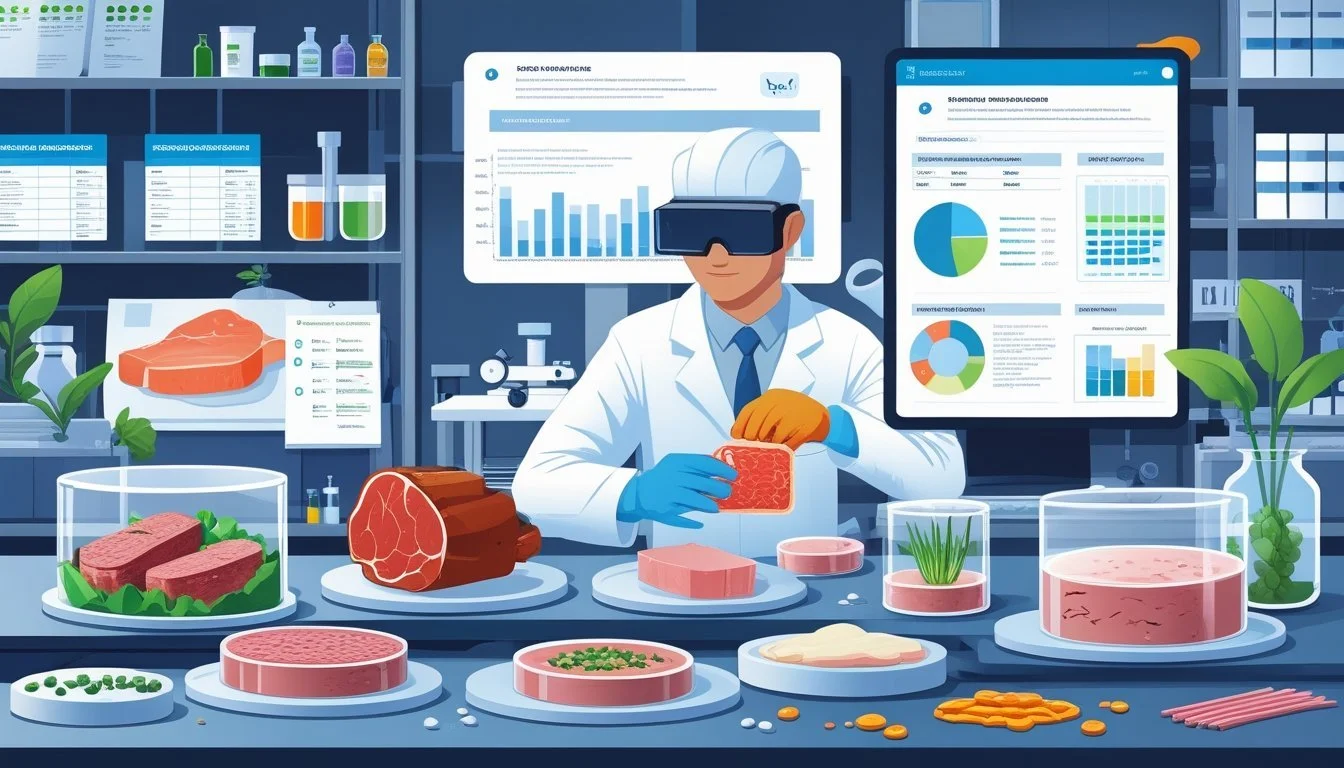
Food substitutes bring both new opportunities and challenges to food safety management. As these products enter global markets, regulatory frameworks and public perceptions play significant roles in their success and acceptance.
Food Neophobia and Trust
Food neophobia—the reluctance to eat or avoid new foods—directly influences consumer willingness to try food substitutes. Individuals may question the safety or familiarity of alternative ingredients, especially if these are novel or processed in unfamiliar ways.
Trust in regulatory bodies and transparent communication from manufacturers is critical. When authorities and companies provide clear, accessible information about sourcing, safety testing, and quality assurances, acceptance rates improve. Miscommunication or lack of evidence about safety may prompt skepticism or resistance.
Providing consumers with scientific evidence, clear labeling, and addressing concerns in a direct manner helps reduce food neophobia. Educational campaigns and third-party certifications also support building trust, especially for products with unique ingredients or production methods.
Safety Assessment of New Food Technologies
Regulatory authorities deploy multi-step safety assessments before approving new food substitutes. These steps include chemical analyses, toxicological studies, allergenicity testing, and, in some regions, environmental impact assessments.
Authorities such as the U.S. FDA, EFSA in Europe, and others require robust data from manufacturers. They examine not only the safety of the primary ingredients but also possible contaminants introduced via processing or packaging.
Recent reviews highlight that bio-based and recycled packaging materials pose unique chemical safety risks, such as possible migration of unknown compounds into food. Standard protocols require ongoing post-market monitoring, along with clear documentation and traceability.
Key information is often made available through public databases and regulatory submissions, helping to maintain transparency. These procedures ensure that both known and emerging food substitutes adhere to established safety standards before reaching consumers.
Future Directions in Food Substitutes
Rapid developments in food innovation are changing what people eat. New sources and technologies are shaping the next wave of substitutes, with an emphasis on sustainability and health.
Emerging Trends and Innovations
Recent years have seen plant-based meat substitutes expand beyond burgers and sausages. Companies are working on alternatives that mimic the texture and taste of chicken, fish, eggs, and dairy, giving consumers more options than ever before.
Advances in proteins derived from peas, soy, and other legumes are improving the nutritional quality of these products. Improved production methods have also helped make these foods more realistic and affordable. Texture, flavor, and appearance are increasingly tailored to meet expectations for traditional animal products.
Many innovators are focusing on functional benefits such as protein content, lower saturated fat, or added nutrients like fiber and B12. Some even employ precision fermentation to produce animal-free dairy proteins or fats. As production scales up, plant-based substitutes are likely to become more accessible and offer greater variety.
Potential of Insect-Based Foods
Insect-based foods are attracting research interest as a protein source that uses fewer resources than livestock. Mealworms, crickets, and black soldier fly larvae are already being processed into powders or protein bars in some markets.
Key nutritional strengths include high protein levels, essential amino acids, and notable micronutrients such as iron and zinc. Insects require significantly less land, water, and feed than cattle or poultry, making them attractive for sustainable food systems.
Consumer acceptance remains a hurdle in many regions due to taste preferences and cultural barriers. Efforts are underway to use insects in less recognizable forms—such as flour or ingredient blends—within snacks, pasta, and baked goods. With continued focus on both healthy eating and sustainability, insect-based foods may become a routine part of modern food substitutes.

