
Culinary Ratios and Their Role in Substituting Successfully for Consistent Recipe Results
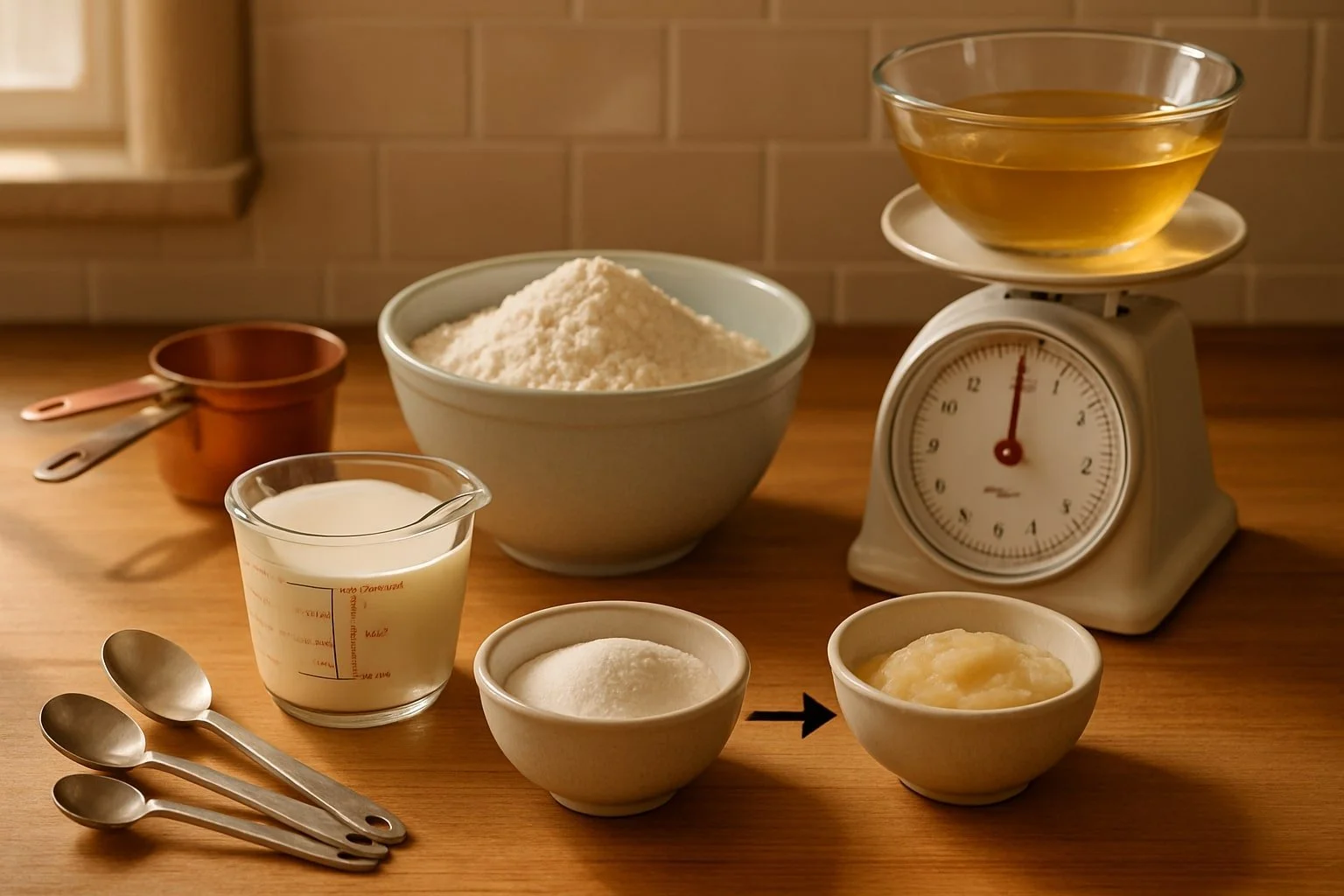
Culinary ratios are a foundational tool in the kitchen, helping cooks understand the balance between ingredients and make reliable substitutions when needed. Understanding the right ratios allows anyone to swap ingredients with confidence while maintaining texture, flavor, and structure. From exchanging butter with coconut oil, using a 1:1 ratio, to substituting flour in baked goods, these simple proportions provide consistency in results.
Cooks who master ratios gain a flexible approach to recipes, letting them adapt to dietary needs, ingredient shortages, or personal taste preferences. Instead of relying on guesswork, following established ratios ensures that essential characteristics of the dish remain intact.
Learning how to apply culinary ratios opens up a world of creative and practical solutions in everyday cooking. By recognizing these basic formulas, anyone can approach substitutions with greater certainty and skill.
Understanding Culinary Ratios
Culinary ratios provide a foundational formula for consistent results in cooking and baking. Precise measurements and understanding the difference between weight and volume play a crucial role in ensuring culinary success.
What Are Culinary Ratios?
Culinary ratios define the proportion of different ingredients to each other, rather than specifying exact measurements like cups or ounces. For example, a standard pancake batter uses a ratio of 2 parts flour, 2 parts liquid, 1 part egg, and 0.5 part fat.
These fixed ratios allow for easy scaling—if the ratio is maintained, the recipe can be multiplied or reduced without affecting its outcome. The science of cooking often depends on these formulas, especially in baking, where minor deviations in ratios may impact texture or taste.
By relying on ratios, chefs and home cooks can experiment with varying quantities while keeping flavor balance and structure intact. This flexibility offers greater control over recipe development and substitution.
The Importance of Accurate Measurement
Maintaining the correct ratio between ingredients is critical for recipe consistency. Even small errors in measurement can disrupt the chemical reactions essential for desired results, such as leavening in bread or the set in custard.
A list of common results of inaccurate measurements:
Too much or too little leavening agent can cause baked goods to collapse or taste bitter.
Incorrect fat or liquid ratios may lead to tough or soggy textures.
Disproportionate sugar can affect both taste and browning.
Consistent and precise measurements support culinary success regardless of skill level. This accuracy is what allows ratios to function as reliable blueprints in both professional kitchens and home cooking.
Weight vs. Volume in Culinary Measurements
There are two primary systems for measuring ingredients: weight and volume. Weight measurement uses tools like digital scales and measures in grams or ounces, while volume measurement uses cups, teaspoons, or milliliters.
Weight is generally regarded as more accurate because it avoids issues like ingredient density or packing, especially with flour or sugar. For example, one cup of flour can weigh anywhere between 110g to 150g depending on how it is scooped, while 100g is always 100g.
A comparison table:
Measurement Type Tool Used Precision Level Best For Weight Scale High Baking, Professional Cooking Volume Cups, Spoons Variable Liquid, Casual Cooking
Understanding when to use weight or volume helps ensure more consistent results and better adherence to the intended culinary ratio. Accurate weight measurement is preferred for recipes requiring strict precision, like bread or pastries.
Fundamental Ratios in Cooking and Baking
Culinary ratios are essential tools for cooks and bakers to achieve consistent results and easily substitute ingredients. These standard proportions form the backbone of many foundational recipes and allow greater flexibility in both savory and sweet preparations.
Key Ratios Every Cook Should Know
Basic cooking ratios simplify decision-making when preparing core items like doughs, stocks, and sauces. For example, the classic ratio for vinaigrette is 3:1—three parts oil to one part vinegar or acid—which can be adjusted for taste.
A roux uses a 1:1 ratio of fat to flour, by weight, and is fundamental for thickening soups and sauces. White stock typically follows a 3:2 ratio, meaning three parts water to two parts bones, yielding a balanced and flavorful base.
For pie dough, the 3:2:1 ratio (three parts flour, two parts fat, one part water) creates a tender, flaky crust. These ratios serve as reliable frameworks, making it easier to scale recipes or substitute similar ingredients as needed.
Common Ratios in Baking
In baking, accuracy is key, so ratios are often expressed by weight for precision. One widely used baking ratio is in shortbread: 1 part sugar, 2 parts butter, 3 parts flour. This straightforward approach ensures even texture and flavor every time.
Many cookie and cake recipes rely on the 3:2:1 ratio—three parts flour, two parts fat, one part sugar. Baker’s percentages also help bakers standardize recipes; for example, classic bread dough typically uses about 60–65% water to flour by weight.
Essential ingredient proportions keep baking formulas consistent and help prevent errors. By learning these standard ratios, bakers can confidently scale recipes up or down without compromising quality.
Classic Sauces and Their Ratios
Many foundational sauces depend on precise ratios for their consistency and structure. A traditional beurre blanc or hollandaise sauce uses a ratio of 1:1:1 by weight—equal parts butter, egg yolks, and liquid or acid. This formula ensures stable emulsification and smoothness.
For stocks, a 3:2 ratio of water to bones produces a rich yet balanced broth, suitable for soups and sauces. The ratio for classic roux, as mentioned above, is equal parts fat and flour.
Understanding these ratios enables cooks to substitute ingredients without losing the intended texture or flavor, anchoring many classic culinary preparations. Tables and lists of these proportions help build a strong foundation in the kitchen.
Applying Culinary Ratios for Substitutions
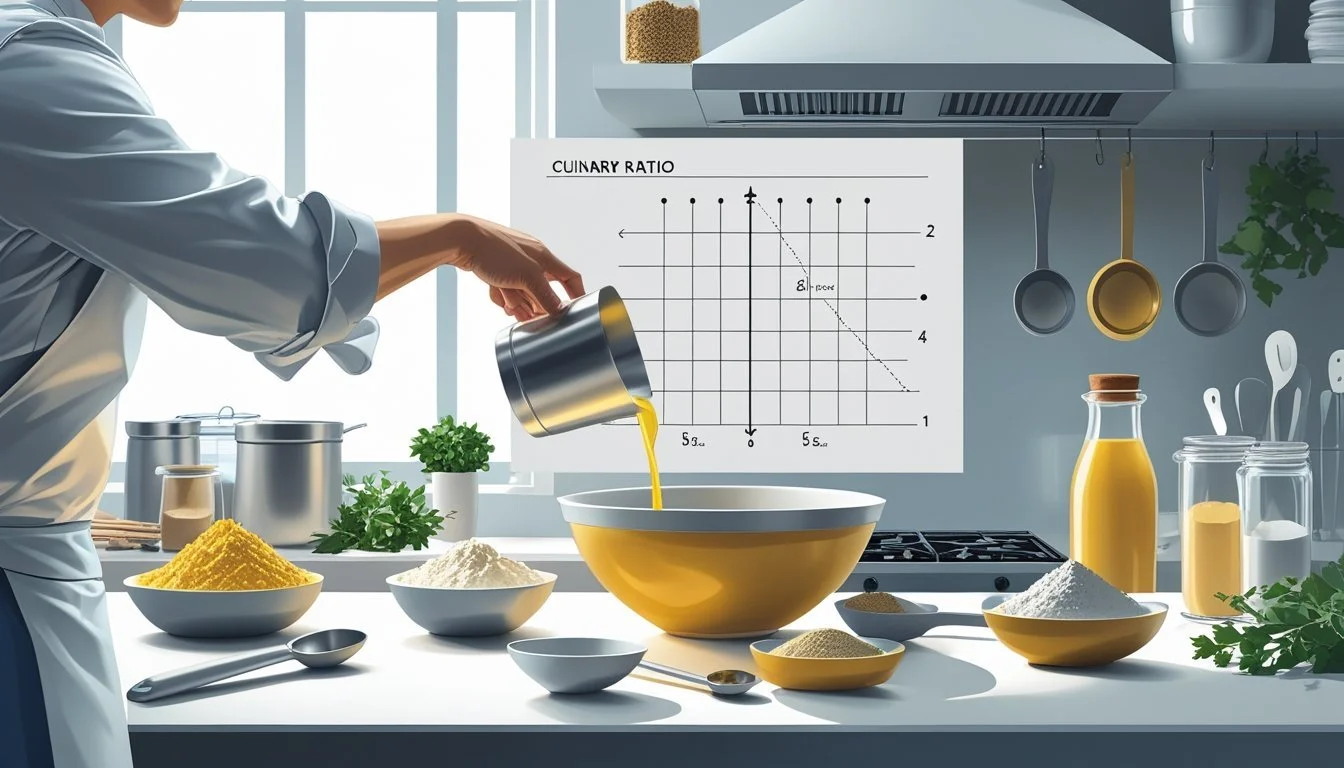
Culinary ratios play a central role in recipe development, especially when substitutions are required. Understanding ratios helps maintain balance, taste, and texture, even when swapping ingredients or scaling recipes.
Adapting Recipes with Different Ingredients
When substituting ingredients, knowing the ratio of the original ingredient to others in the recipe allows for accurate replacements. For example, a simple syrup uses a 1:1 ratio of sugar to water by volume. If a different sweetener is required, matching this ratio ensures proper sweetness and consistency.
Dairy substitutions often use a 1:1 ratio; almond milk can replace cow’s milk in baking without adjusting the total liquid. Exact ratios help maintain structure in recipes like bread dough (flour to water) and roux (fat to flour), reducing the risk of failed texture or incorrect flavor.
Here’s a brief table of common substitutions and key ratios:
Original Ingredient Substitute Common Ratio Milk Oat milk 1:1 Butter Margarine 1:1 Sugar Honey 3:2 by weight
Matching ingredient ratios preserves how the recipe works, and allows for culinary creativity within proven culinary techniques.
Scaling Recipes Up or Down
Scaling recipes involves multiplying or dividing the quantity of each ingredient according to the desired yield, while preserving the established ratios. Without maintaining these ratios, taste and texture can easily become unbalanced as recipes increase or decrease in size.
Bakery recipes highlight the importance of ratios; for example, a cake might require a 3:2:1 ratio of flour, fat, and sugar. Whether making a single serving or a large batch, this ratio ensures reliable results.
Converting quantities accurately is essential for consistent outcome. For instance, to double a rice pilaf with a 2:1 liquid to rice ratio, simply multiply both components equally. This avoids issues like undercooked rice or overly dense baked goods.
Applying ratio-based scaling also reduces food waste and supports efficient kitchen management.
Maintaining Taste and Texture When Substituting
Maintaining the intended taste and texture requires careful selection of substitute ingredients and close attention to ratios. Some substitutions, such as using applesauce for oil in cakes, work because the moisture and binding ratios are similar.
When choosing substitutes, two key factors are important:
Flavor profile: The substitute should not overpower or alter the dish’s intended taste.
Functionality: The new ingredient should perform a similar role, such as binding, leavening, or thickening.
For roux, a 1:1 ratio of fat to flour ensures proper thickening, regardless of whether butter or vegetable oil is used. In sauces, maintaining the correct ratio preserves texture even if alternate ingredients are introduced. Being ratio-aware while adapting recipes protects both the integrity and the quality of culinary creations.
Essential Tools for Measuring and Substituting
Accurate ingredient measurements are crucial for applying culinary ratios and ensuring substitutions work as intended. Using the proper kitchen tools both streamlines cooking and increases the chance of consistent results.
Choosing the Right Kitchen Scale
A reliable kitchen scale is a fundamental tool. Digital scales offer higher precision than analog models, displaying weight measurements in both grams and ounces. Many recipes list ingredient measurements by weight, which is especially important when baking or making ratio-based substitutions.
When choosing a scale, consider features such as tare function, clear displays, and the ability to switch between metric and imperial units. A flat, easy-to-clean surface makes the process efficient and sanitary. Digital scales also eliminate confusion caused by cup measurements or ingredient density variations.
Tip: Always zero out the scale with the container in place before adding ingredients. This ensures accurate readings every time.
Techniques for Precise Measurements
Precision starts with understanding how to level off dry ingredients, measure liquids at eye level, and properly pack items like brown sugar only when instructed. When using ratios for substitutions, consistency in measurement is essential.
Use the same unit of measure—preferably by weight—for every ingredient in a given ratio. When substituting, first weigh out each part based on the original recipe, then replace with the alternative—measured in the exact same way. Maintaining the correct proportion preserves the intended balance of the dish.
Tools such as graduated measuring cups for liquids, leveled dry measuring cups, and a digital scale for all solids result in fewer errors and more predictable outcomes. Organizing ingredients before measuring can further reduce mistakes.
Classic Recipes Showcasing Ratios and Substitutions
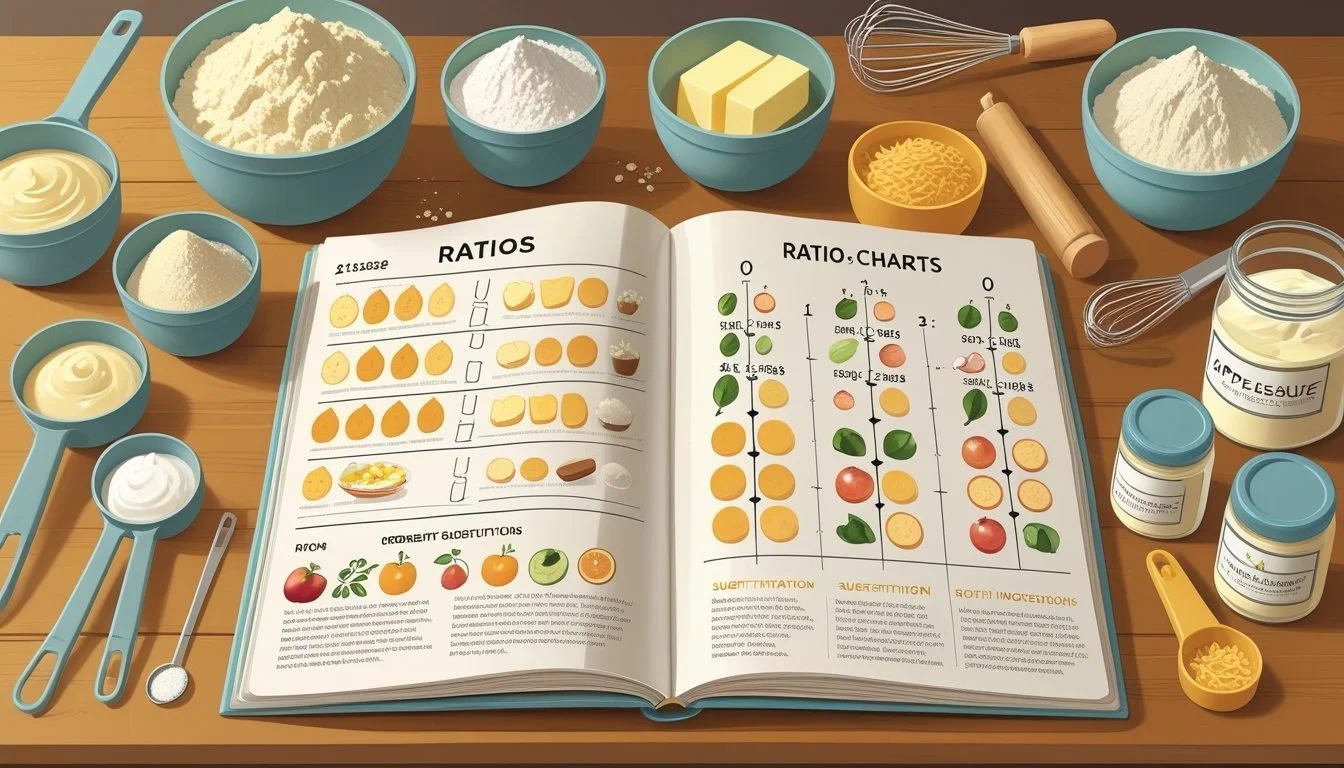
Culinary ratios form the backbone of many staple recipes, providing consistency and flexibility. Applying these ratios allows cooks to swap ingredients as needed and maintain the integrity of classic dishes.
Mirepoix, Broth, and Stocks
Mirepoix—a foundational mix of diced carrot, onion, and celery—is widely used in stocks, broths, and rice pilaf to create depth of flavor. The classic mirepoix ratio is 2 parts onion to 1 part each carrot and celery.
For basic broth or stock, a common ratio is 3 parts water to 2 parts bones, often with a mirepoix added. Vegetable stock may use 4:2:1 (water:vegetable) as a guideline. Substituting vegetables, such as using leeks for onion or parsnip for carrot, maintains balance if proportions are kept the same.
When making a rice pilaf, cooking rice with onions and stock instead of water follows a similar ratio structure. Vegetable oil or butter can be interchanged depending on preference and dietary restrictions, as long as the fat content is consistent.
Baking with Basic and Substituted Ingredients
Simple baking recipes like cookies and pie dough rely heavily on ratios, making substitutions more straightforward. Pie dough often uses 3:2:1 (flour:fat). Cookies or cookie dough may use various ratios, but the balance of fat, sugar, and flour is key.
When egg or egg yolk is needed and substitutions are required, ratios guide amounts—such as using 1 tablespoon of ground flaxseed plus 2.5 tablespoons of water as a substitute for 1 large egg.
For recipes requiring heavy cream, mixing 3 parts whole milk with 1 part melted butter is a common replacement. Bakers maintain structure and texture by preserving the original ratio, even with changes in the specific ingredients.
Vinaigrettes and Salad Dressings
A classic vinaigrette ratio is 3:1 (oil to acid), such as using 3 tablespoons of vegetable oil to 1 tablespoon of lemon juice. This ratio ensures proper emulsion and flavor balance in any salad dressing.
Lemon juice can replace vinegar in many dressings without disrupting this ratio. For creamier dressings, adding a dash of heavy cream or yogurt is possible, as long as the oil-to-acid ratio remains dominant.
Common substitutions in vinaigrette include swapping olive oil for vegetable oil or using lime juice instead of lemon, depending on flavor needs. Sticking to the basic ratio keeps dressings stable and palatable, regardless of ingredient changes.
Practical Examples of Ratio-Based Substitutions
Ratio-based substitutions help maintain the flavor, texture, and consistency of dishes, even when swapping ingredients. Understanding standard ratios for common preparations simplifies replacement decisions, reducing guesswork and increasing reliability in the kitchen.
Swapping Ingredients in Marinades and Simple Syrup
For marinades, a base ratio of 3:1 (oil to acid) provides both flavor and proper tenderization. This means three parts oil (such as olive or canola) to one part acid (vinegar, lemon juice, or lime juice). If substituting an acid, keep the ratio steady—white wine vinegar can replace apple cider vinegar in equal quantities.
Simple syrup relies on a 2:1 ratio (sugar to water) for rich (thicker) syrup or 1:1 for a standard syrup. To use honey or agave instead of sugar, match the volume to the water for a 1:1 ratio, adjusting taste as needed. The consistent ratio ensures sweetness and consistency even when using alternative sweeteners.
Most liquid swaps in marinades and syrups follow the original ratio, but flavor and sweetness may need slight adjustments after mixing.
Proportions for Soups, Sauces, and Grains
Classic stocks and broths start with a 3:2 ratio (water to bones) for proper concentration. For soups using legumes, a common base is 1 part dried legumes to 3-4 parts liquid to prevent burning or over-thickening.
Grains like rice require a 1:2 ratio (rice to water) for white rice or 1:2.5 for brown rice. For quinoa, use 1 part grain to 2 parts water for fluffy texture.
For sauces such as vinaigrette, the familiar 3:1 ratio of oil to vinegar applies. If swapping out fats (olive oil for grapeseed oil) or acids (balsamic for sherry vinegar), keep the core ratio, tasting as you go.
Adjusting Ratios for Roasted and Cooked Vegetables
Roasted vegetables benefit from a consistent coating of oil and seasonings. A general guideline is 1-2 tablespoons of oil per pound of vegetables. This promotes even browning without making the dish greasy.
If substituting vegetables, such as swapping carrots for parsnips, use the same weight or volume to ensure even roasting. For adding cooked grains or legumes to roasted dishes, use about 1 cup cooked grains or beans per 2 cups vegetables to maintain flavor balance.
Adjust salt and spices only after roasting, as concentrated flavors can intensify during cooking. The use of ratios helps balance textures and flavors across swapped or mixed ingredients.
The Science Behind Substituting with Ratios
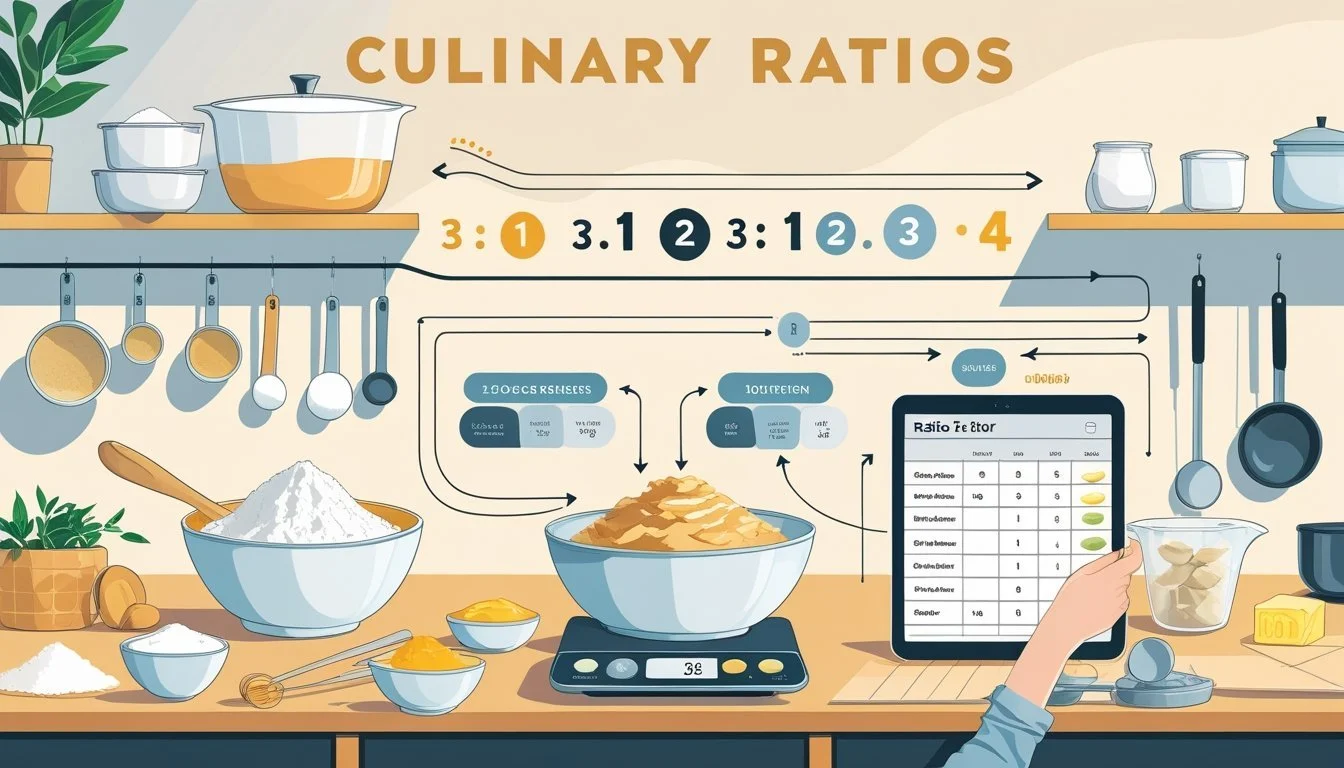
Successful ingredient substitution depends on understanding how different ingredients behave, how cooking changes their properties, and how adjustments to ratios impact taste and texture. Knowledge of chemical interactions, the effect of heat and time, and the art of balancing flavors is essential for precise substitutions.
How Chemical Reactions Affect Ingredients
Many kitchen processes rely on chemical reactions. Baking powder and baking soda, for example, leaven baked goods by releasing carbon dioxide when reacting with acids or moisture. Swapping an acidic ingredient for a non-acidic one may require adjusting the leavening agent to maintain the same rise.
Proteins like eggs act as binders or provide structure through coagulation. Substituting eggs with flaxseed or chia relies on their gel-forming abilities, but the structure and texture will differ. Enzymatic reactions, like those that brown onions or tenderize meat, can also change if ingredients are swapped.
Table: Common Chemical Substitutions
Ingredient Main Function Key Reaction Substitute Example Egg Structure/Binding Protein coagulation Flax or chia gel Baking soda Leavening CO₂ release w/ acid Baking powder (+ acid) Yeast Fermentation CO₂ & flavor Sourdough starter
Impact of Heat and Cooking Time on Substitutions
Heat transforms ingredients through caramelization, Maillard browning, gelatinization, or denaturation. When substituting, it is important to note how alternatives respond to similar temperatures and cooking times.
For example, plant-based milks can curdle more easily than dairy milk under high heat. Tofu, used instead of meat, may need less cooking time to prevent it from drying out. Using whole wheat flour instead of all-purpose often requires more liquid and a longer resting period to hydrate the bran.
Guidelines for Adjusting Cooking Time:
Track internal temperature, especially for proteins
Check for textural cues (firmness, browning)
Stir or monitor substitutes more frequently to prevent burning
Balancing Flavors Through Proportions
Proper ratios ensure a balanced flavor profile even when ingredients change. Each substitution can alter sweetness, acidity, bitterness, or umami, so proportions may need adjustment to keep dishes palatable.
For vinaigrettes, the typical 3:1 oil-to-vinegar ratio may require tweaking if swapping apple cider vinegar for balsamic, due to differences in acidity and sweetness. Using alternative sweeteners, like honey instead of sugar, may demand less quantity because of higher sweetness by volume.
List: Key Considerations for Flavor Balance
Adjust salt and acidity to account for new flavors
Taste frequently during cooking
Maintain original recipe ratios as a starting point, but be flexible
Small, precise changes to proportions can keep the intended taste intact even when substitutions are necessary.
Tips for Consistent Success with Culinary Ratios
Understanding and applying culinary ratios can make ingredient substitutions smoother and recipes more reliable. Careful attention to proportion and technique allows home cooks to adapt confidently and address common kitchen challenges.
Mastering Recipe Adaptation as a Home Cook
Home cooks benefit from memorizing essential culinary ratios for staples like vinaigrettes (3:1 oil to vinegar), bread (5:3 flour to water), or simple syrups (1:1 sugar to water).
Accurate measuring, preferably by weight, ensures consistency when substituting ingredients. Digital kitchen scales help maintain correct proportions and enhance results.
When adapting recipes, consider the purpose of each ingredient—fats provide moisture, while acids control flavor and texture. Substitute with items of similar properties to maintain the desired consistency and taste.
Testing small batches allows for adjustments without wasting ingredients. Keeping notes on successful ratio changes can build a personal guide for future use.
Troubleshooting Common Challenges
Mistakes with ingredient proportions often cause texture issues or off-flavors. If a sauce becomes too thin, increase thickening agents like flour or egg yolks, following the original ratio as a guide.
For overly dry baked goods, add small amounts of liquid (milk, water) incrementally, checking texture after each addition. If flavors appear out of balance, use the ratio framework to rebalance acids, fats, or sweeteners.
A simple troubleshooting table:
Problem Possible Cause Ratio-based Fix Dough too sticky Too much liquid Add flour 1 tbsp at a time Soup too salty Excess seasoning, low volume Dilute with water/stock Sauce split Fat and liquid imbalance Slowly whisk in more liquid
Always adjust ratios gradually, observing texture and taste, to restore balance and achieve culinary success.

