
The Role of Heat Tolerance in Ingredient Replacement for Food Formulation Success
Heat tolerance is a critical factor when considering ingredient replacement in food production, as not all ingredients respond equally to thermal processing. The ability of an ingredient to withstand varying temperatures without losing its functionality or safety directly impacts product quality and shelf life. Understanding the thermal properties of both traditional and alternative ingredients helps manufacturers make informed decisions and avoid unexpected changes in texture, flavor, or spoilage risk.
Ingredient replacements are often driven by the need for cleaner labels, allergen avoidance, or improved nutrition. However, selecting substitutes that can tolerate process heat is essential to maintaining consistency in the final product. The science behind heat tolerance in both yeasts and other food components also plays a role in preventing spoilage and ensuring consumer safety.
Understanding Heat Tolerance in Ingredient Replacement
Heat tolerance is a critical consideration in modern ingredient replacement strategies. Its impact spans from crop selection to the stability of final products when exposed to high temperature during processing or storage.
Defining Heat Tolerance and Its Significance
Heat tolerance refers to the ability of crops or ingredients to maintain performance and quality when exposed to high temperature. This trait is increasingly valuable in response to global climate change and rising frequency of heat waves.
For ingredient replacement, heat tolerance ensures that alternative ingredients can withstand processing conditions without degrading. This is particularly relevant in baking, canning, or pasteurization, where sustained temperatures may compromise sensitive components.
Key significance:
Maintains nutritional value and sensory attributes
Prevents spoilage and quality loss
Supports product consistency
Heat tolerance is not limited to raw crops. It also concerns processed ingredients such as flours and starches, which may respond differently to heat based on their origins and treatments.
Mechanisms of Heat Tolerance in Crops
Crops develop heat tolerance through a combination of genetic and physiological mechanisms. Some crops produce heat shock proteins that protect cellular function during thermal stress. Others have changes in cell membrane structure that increase resilience.
Common mechanisms include:
Increased enzyme stability
Enhanced antioxidant systems
Adjusted leaf or root architecture
Gene editing and traditional breeding are used to enhance these traits. Overcoming limited genetic resources has been a challenge, but precision breeding now enables the transfer of key thermotolerance genes into commonly used varieties.
Understanding these mechanisms is essential for selecting crops that can reliably serve as ingredient replacements, especially in regions experiencing extreme temperatures or unpredictable environmental stress.
Role of Abiotic Stress in Ingredient Substitution
Abiotic stress, including heat, drought, and salinity, directly impacts the viability of crops proposed for ingredient substitution. High temperature events can alter the chemical composition of plants, affecting their starch, protein, and lipid profiles.
When developing new ingredient solutions, it's essential to evaluate how candidate crops perform under repeated or sustained abiotic stress. This ensures that replacements will hold up during both agricultural production and food processing.
In some cases, ingredient substitutions are chosen specifically because of their proven resilience to heat and other stresses, supporting both food security and supply chain stability in challenging environments. Reliable thermotolerance is a foundational requirement for any ingredient expected to perform in modern manufacturing or climate-adapted agriculture.
Impact of Heat Stress on Ingredients
Heat stress can affect key ingredient characteristics in both raw and processed foods. Changes can be observed in composition, nutritional value, and the way ingredients function in finished products.
Heat-Induced Changes in Ingredient Composition
Thermal stress can alter the molecular structure of ingredients, often breaking down proteins, vitamins, and sensitive bioactive compounds. For example, intense temperatures may generate dehydration or oxidation of fats, leading to rancidity.
In cereals and grains, heat can degrade vitamins such as thiamine and folate, reducing micronutrient density. Animal-derived ingredients, such as eggs and dairy, may experience protein denaturation when exposed to heat. Table 1 lists common ingredients and the primary changes caused by heat stress:
Ingredient Heat-Induced Change Eggs Protein denaturation Whole grains Vitamin loss (e.g., B1) Vegetable oils Oxidative rancidity Milk Protein and enzyme loss
Heat Stress and Nutritional Quality
Exposure to high temperatures during processing or storage often leads to loss of essential nutrients. For instance, water-soluble vitamins, especially vitamin C and some B vitamins, are highly susceptible to thermal degradation.
Oxidative stress triggered by heat can also result in the formation of harmful compounds, such as lipid peroxides in fats. Decreased nutrient intake and reduced bioavailability are observed in both human and animal diets when heat-altered ingredients are consumed. Proteins may lose amino acid availability, affecting overall dietary quality.
In processed foods, some minerals may become less absorbable due to changes in the food matrix. The combination of direct nutrient loss and diminished functionality impacts human health by lowering the expected dietary benefits.
Effects on Functional Properties
Thermal processing affects the physical and chemical functionality of food ingredients. Starch gelatinization, protein coagulation, and fat melting points can shift, altering the texture, emulsification, and binding properties required in many food applications.
In bakery products, heat-induced changes may cause doughs to become less elastic or batters to lose stability. Dairy proteins, when denatured, may affect the creaminess or viscosity of finished products. These functional shifts can impact product consistency, processing behavior, and shelf stability.
Manufacturers must consider the altered hydration, foaming, and emulsifying capabilities of heat-stressed ingredients. Adapting processing times and conditions can help compensate for these changes but may not always recover full functionality.
Molecular and Biochemical Basis of Heat Tolerance
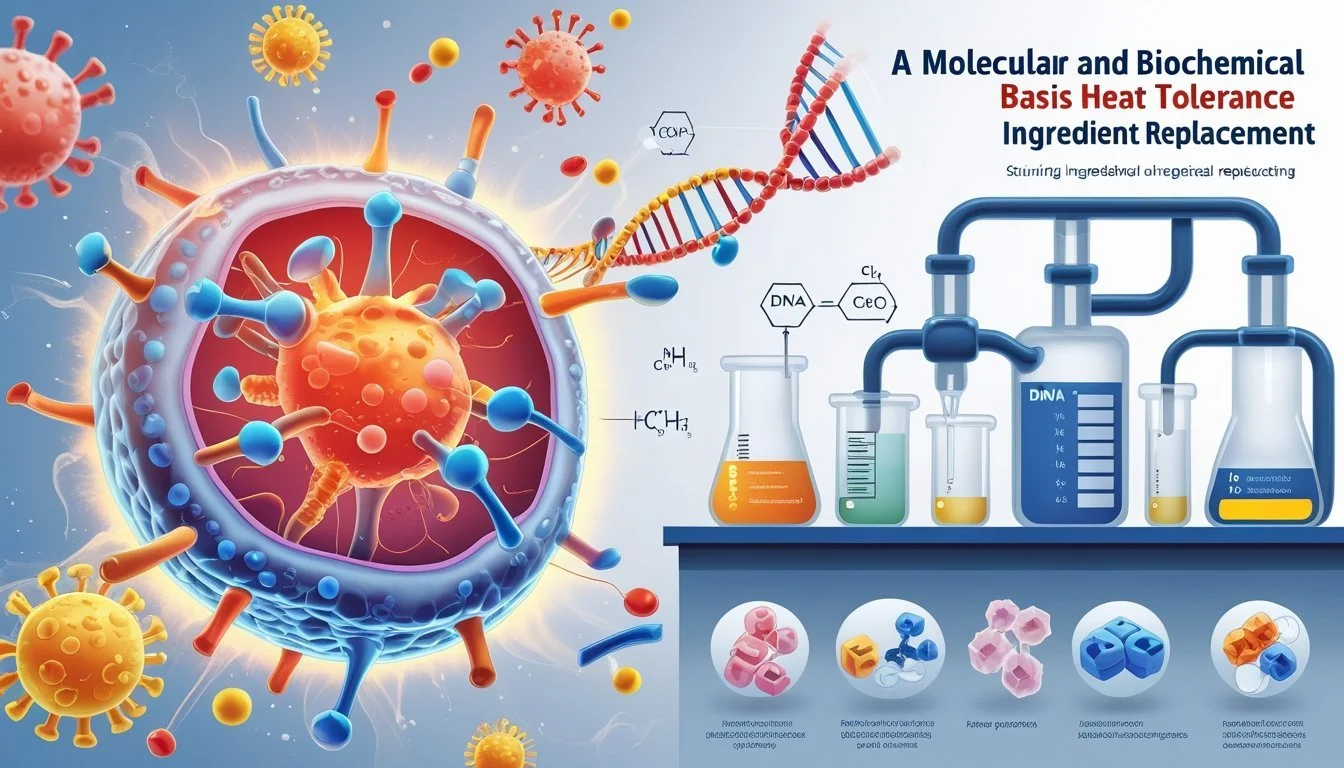
Heat tolerance in biological systems depends on specific molecular and biochemical mechanisms that stabilize cellular functions during elevated temperatures. Key processes include protein stabilization, management of oxidative stress, tight regulation of metabolic pathways, and hormone-driven signaling networks.
Heat Shock Proteins and Cellular Protection
Heat shock proteins (HSPs) act as molecular chaperones, preventing the aggregation and misfolding of proteins during heat stress. When cells are exposed to high temperatures, HSPs help maintain protein conformation by binding to denatured proteins and assisting in their proper refolding or degradation.
Among HSPs, HSP70 and HSP90 are especially important. They ensure proteostasis by stabilizing and repairing protein structures. In many organisms, increased expression of HSPs is a hallmark of the heat stress response and is tightly regulated by specific heat shock transcription factors.
Protection offered by HSPs extends to various cellular compartments, including the cytosol, mitochondria, and endoplasmic reticulum. This broad distribution ensures comprehensive cellular defense during thermal challenges.
Oxidative Stress and Reactive Oxygen Species
Heat stress elevates the production of reactive oxygen species (ROS) such as superoxide anion, hydrogen peroxide, and hydroxyl radicals. High ROS levels can lead to oxidative stress, damaging lipids, DNA, and proteins.
To mitigate this, cells activate antioxidant enzymes like superoxide dismutase (SOD), catalase, and ascorbate peroxidase. These enzymes play a central role in detoxifying ROS, maintaining cellular redox balance, and sustaining metabolic integrity under heat conditions.
Table: Key Antioxidant Enzymes under Heat Stress
Enzyme Function Superoxide Dismutase Converts superoxide radicals to hydrogen peroxide Catalase Breaks down hydrogen peroxide to water and oxygen Ascorbate Peroxidase Detoxifies hydrogen peroxide using ascorbate
Without efficient ROS management, cellular structures deteriorate rapidly under heat exposure, impairing growth and function.
Metabolic Pathways and Homeostasis
High temperatures disrupt regular metabolic pathways, challenging energy supply and biosynthesis. Cells must adapt by adjusting carbohydrate, lipid, and amino acid metabolism to cope with altered demands.
Major shifts include increased glycolysis and enhanced activity of heat-stable enzymes. Changes to membrane lipid composition, often through increased saturation, help preserve membrane fluidity and function.
Maintaining metabolic homeostasis also involves upregulation of compatible solutes like proline and glycine betaine. These molecules protect macromolecules and membranes and contribute to osmotic balance during stress.
Role of Hormones and Transcription Factors
Hormones such as abscisic acid (ABA), ethylene, and salicylic acid are central to the heat stress response. ABA often rises under heat, affecting stomatal closure and metabolic adjustments to reduce water loss.
Transcription factors, especially members of the heat shock factor (HSF) family, regulate the expression of defensive genes, including those coding for HSPs and antioxidants. These transcription factors sense heat signals and bind to specific DNA elements, activating a cascade of protective responses.
The interplay between plant hormones and transcription factors ensures coordinated activation of heat tolerance pathways, influencing gene expression, cellular repair, and adaptation to changing environments.
Strategies for Ingredient Replacement Under Heat Stress
Successful ingredient replacement under heat stress requires careful selection of crop varieties, targeted use of protective compounds, and advanced breeding techniques. Each strategy plays a unique role in maintaining yield and product quality when temperatures rise.
Selecting Heat-Tolerant Varieties
Choosing heat-tolerant varieties is a foundational strategy for stable ingredient supply in warm climates. Breeders use molecular markers to identify and develop crop lines with proven resilience to high temperatures. For example, in wheat, specific QTLs (quantitative trait loci) have been linked to enhanced tolerance and stable grain production during heat waves.
Utilizing heat-tolerant varieties ensures consistent ingredient quality, even when environmental conditions are unfavorable. Table 1 below lists crops with known heat-tolerant variants:
Crop Example Heat-Tolerant Variety Wheat Seri/Babax lines Maize HEAT UP-REGULATED GENE 1 lines Chickpea JG 14, ICCV 92944 Sorghum 14 QTL-enriched lines
Adopting these varieties supports ingredient replacement strategies in regions with recurrent heat stress.
Use of Osmolytes and Amino Acids
Incorporating osmolytes and specific amino acids boosts plant tolerance during ingredient replacement. Compounds like glycine betaine and proline help stabilize proteins and membranes, reducing injury from heat-induced dehydration.
Osmolytes such as betaine regulate cellular water balance and support enzyme function under stress. Amino acids, including proline and arginine, further enhance cellular protection through antioxidative effects. The application can be achieved via foliar sprays or by using raw materials that naturally accumulate these compounds.
A concise list of common osmolytes:
Glycine betaine
Proline
Trehalose
Selecting ingredients or crops rich in these osmolytes can improve both process efficiency and product stability.
Biotechnological Approaches
Biotechnological strategies have advanced ingredient replacement under heat stress. Transgenic plants engineered to overproduce heat shock proteins (HSPs) or osmoprotectants show higher survival rates and better ingredient quality.
Single-gene modifications, like upregulation of HEAT UP-REGULATED GENE 1 in maize, enhance stress tolerance without negative impacts on yield. Marker-assisted selection allows breeders to introduce multiple stress-resistance traits concurrently, ensuring new varieties retain quality and functional characteristics.
Gene editing tools such as CRISPR now enable targeted manipulation of stress-responsive genes, accelerating the release of heat-tolerant crops adapted for ingredient replacement in demanding environments.
Case Studies: Major Crops and Heat Tolerance
Different crops respond in distinct ways to heat stress, leading to targeted ingredient replacements and adaptation strategies. The development of heat-tolerant varieties is driven by region-specific growing conditions and the unique physiological demands of each crop.
Rice and Heat-Resistant Ingredient Alternatives
Rice is highly sensitive to temperature increases during flowering and grain filling. High daytime or nighttime temperatures often reduce yields by causing sterility and limiting grain development. In response, breeding programs focus on integrating traits from wild rice species, such as Oryza officinalis, which avoids heat damage by completing flowering early in the day.
Ingredient replacement in rice-based products increasingly relies on heat-tolerant rice hybrids or substitution with other grains. For example, millet and sorghum can serve as alternatives in food products where rice yields are unreliable. Table 1 summarizes rice ingredient alternatives based on heat resistance:
Ingredient Heat Stress Tolerance Typical Use Heat-tolerant rice High Direct rice replacement Millet Moderate Baked goods, porridge Sorghum High Flatbreads, cereals
Maize and Wheat Modification for Heat Tolerance
Maize shows variability in heat tolerance depending on hybrid selection. Research has identified heat-tolerant hybrids like DK-6103, which maintains yield and viability during high temperatures. Advances include the use of beneficial bacteria, such as Bacillus species, to promote root growth and stress resilience.
Wheat similarly faces reduced grain filling and yield under heat stress. Breeders utilize wild relatives such as Aegilops species to introduce genes conferring greater tolerance. This approach also helps stabilize wheat yields for flour and bread production in regions vulnerable to rising temperatures.
Ingredient replacement strategies for maize and wheat involve using hybrids bred for heat tolerance or switching to heat-resilient cereals. These methods focus on maintaining grain quality and ensuring reliable crop production in heat-prone environments.
Other Model Organisms: Drosophila melanogaster
Although not a crop, Drosophila melanogaster is a model organism for genetic research on heat tolerance mechanisms. Its short lifecycle and genetic tractability make it valuable for studying stress response pathways relevant to plant species.
Studies on Drosophila have identified conserved genetic markers involved in heat shock response, which aids crop scientists as they target similar genes in crops like rice, wheat, and maize. Insights from fruit fly models help accelerate the design of plants with improved resilience, ultimately supporting greater crop yield and food security.
Omics Approaches in Improving Ingredient Heat Tolerance

Heat tolerance in ingredients is shaped by complex biological networks at molecular and physiological levels. Omics tools help identify key genes, metabolites, and pathways that can be targeted to enhance resilience in food systems.
Metabolomics and Metabolomics Analysis
Metabolomics focuses on profiling small molecules that reflect changes in cellular processes during heat stress. When ingredients are exposed to high temperatures, the concentration and types of metabolites often shift, leading to differences in quality, shelf-life, and nutritional value.
Metabolomics analysis uses techniques such as mass spectrometry and nuclear magnetic resonance (NMR) to generate metabolite fingerprints. The results can highlight specific compounds that either protect against heat stress or degrade under thermal conditions.
Researchers frequently use these profiles to compare heat-tolerant and sensitive ingredient varieties. This comparison identifies biomarkers and metabolic pathways associated with better thermal resilience. For ingredient developers, the data guides the selection of candidate compounds or varieties with favorable metabolite signatures.
Transcriptomics in Stress Response
Transcriptomics assesses changes in RNA levels in response to heat stress, providing insight into gene regulation at different developmental stages. High-throughput sequencing technologies allow for comprehensive mapping of gene expression across thousands of genes simultaneously.
This approach reveals upregulated and downregulated genes after heat exposure, pinpointing transcription factors, heat shock proteins, and other regulatory elements involved in stress responses. These genes often play roles in protein stabilization, signaling, and the biosynthesis of protective metabolites.
By integrating transcriptomics data from different tissues or developmental periods, ingredient scientists can determine the timing and tissue specificity of critical heat response mechanisms. This information is vital for optimizing breeding or genetic engineering efforts.
Application of Molecular Markers
Molecular markers are DNA sequences linked to traits such as heat tolerance and are used to screen and select improved ingredient lines efficiently. Using genomics and omics data, researchers can associate markers with desired phenotypes, streamlining the breeding process.
Markers associated with stress-responsive genes or metabolic profiles enable rapid identification of promising lines. Marker-assisted selection (MAS) reduces the need for lengthy field trials by allowing early detection of heat-tolerant candidates.
The combination of metabolomics, transcriptomics, and molecular marker tools accelerates the development of ingredient varieties with proven resilience. This integrated strategy is crucial for adapting ingredient supply chains to increasing heat stress challenges.
Physiological and Biochemical Changes in Ingredients
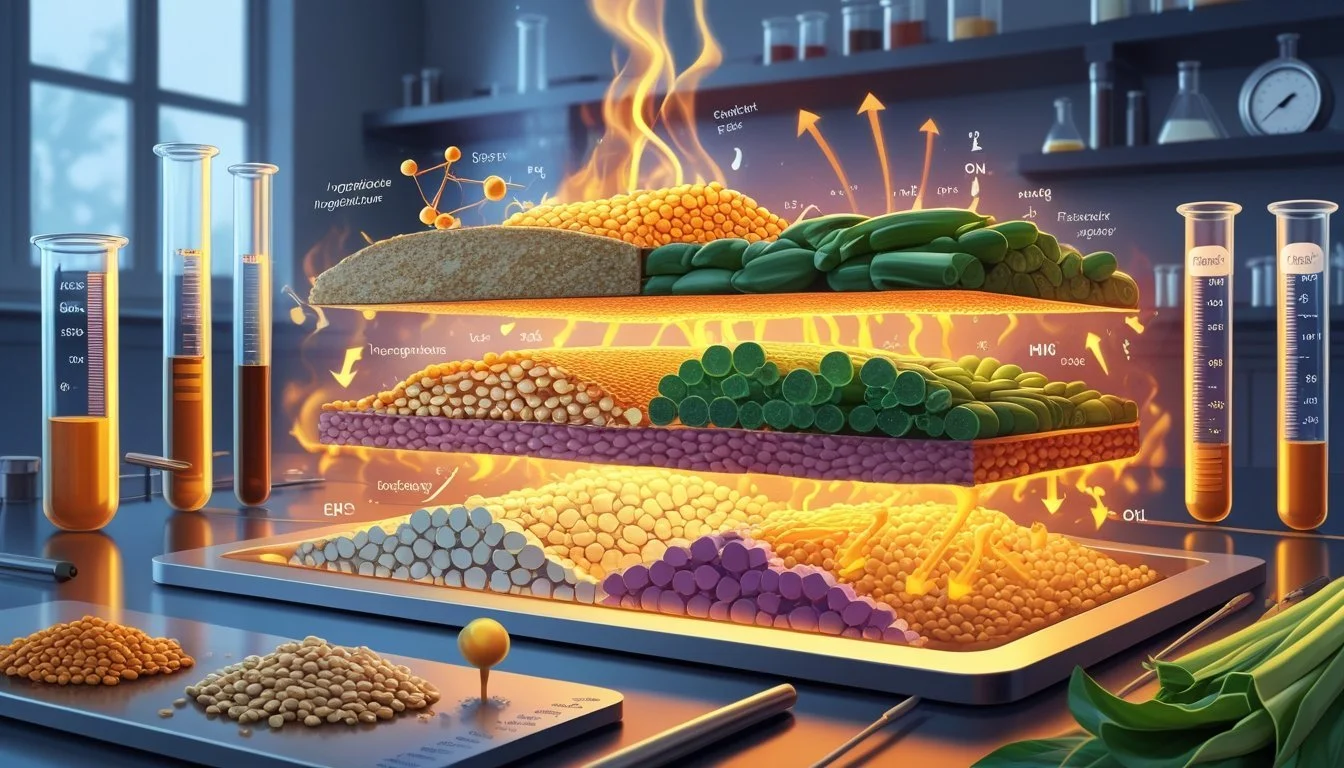
High temperatures can impact key biochemical and physiological processes in ingredients, altering their stability, nutritional properties, and functionality. Understanding these specific changes helps in managing ingredient replacement under heat stress.
Photosynthesis and Chlorophyll Biosynthesis Disruption
Heat stress directly affects photosynthesis by damaging both the structure and function of the photosynthetic apparatus. Ingredients sourced from plants exposed to high temperatures often show reductions in chlorophyll content and efficiency of Photosystem II.
Chlorophyll biosynthesis becomes markedly impaired, leading to pale or yellowish coloration in plant-based ingredients. This not only lowers the visual appeal but can reduce nutritional value, as chlorophyll derivatives are linked to phytonutrient content.
Enzymes responsible for chlorophyll synthesis, such as δ-aminolevulinic acid dehydratase, are sensitive to temperature increases. Their inhibition decreases total chlorophyll content and can modify key flavor and aroma compounds in heat-stressed ingredients.
Membrane Fluidity and Protein Stability
High temperatures increase membrane fluidity, disrupting the structural integrity of plant and microbial cell membranes. This effect causes leakage of cellular contents and can lead to faster spoilage or loss of functional compounds in ingredients.
Damaged proteins are common under heat stress. Denatured or aggregated proteins lose enzymatic activity and may alter ingredient textural properties. In many cases, the intrinsic heat shock response attempts to stabilize proteins, but persistent stress outpaces repair mechanisms.
A table illustrating impacts:
Factor Effect on Ingredients Membrane Fluidity Increased, causes leakage Protein Stability Decreased, loss of function Enzyme Activity Inhibited or destabilized
Energy Metabolism Shifts
Heat stress leads to significant changes in cellular energy metabolism. Plants and microbes shift from efficient aerobic pathways to less efficient processes to maintain survival, often resulting in excess production of reactive oxygen species (ROS).
Metabolic intermediates, including sugars and organic acids, can accumulate abnormally. This may result in altered flavor profiles or undesirable chemical changes in ingredients.
Adaptive responses, such as upregulation of antioxidants and rapid ATP consumption, further shift ingredient composition. These shifts can lower shelf stability and modify vital nutrient levels, especially in ingredients derived from heat-stressed sources.
Potential Benefits and Limitations in Heat-Driven Ingredient Substitution
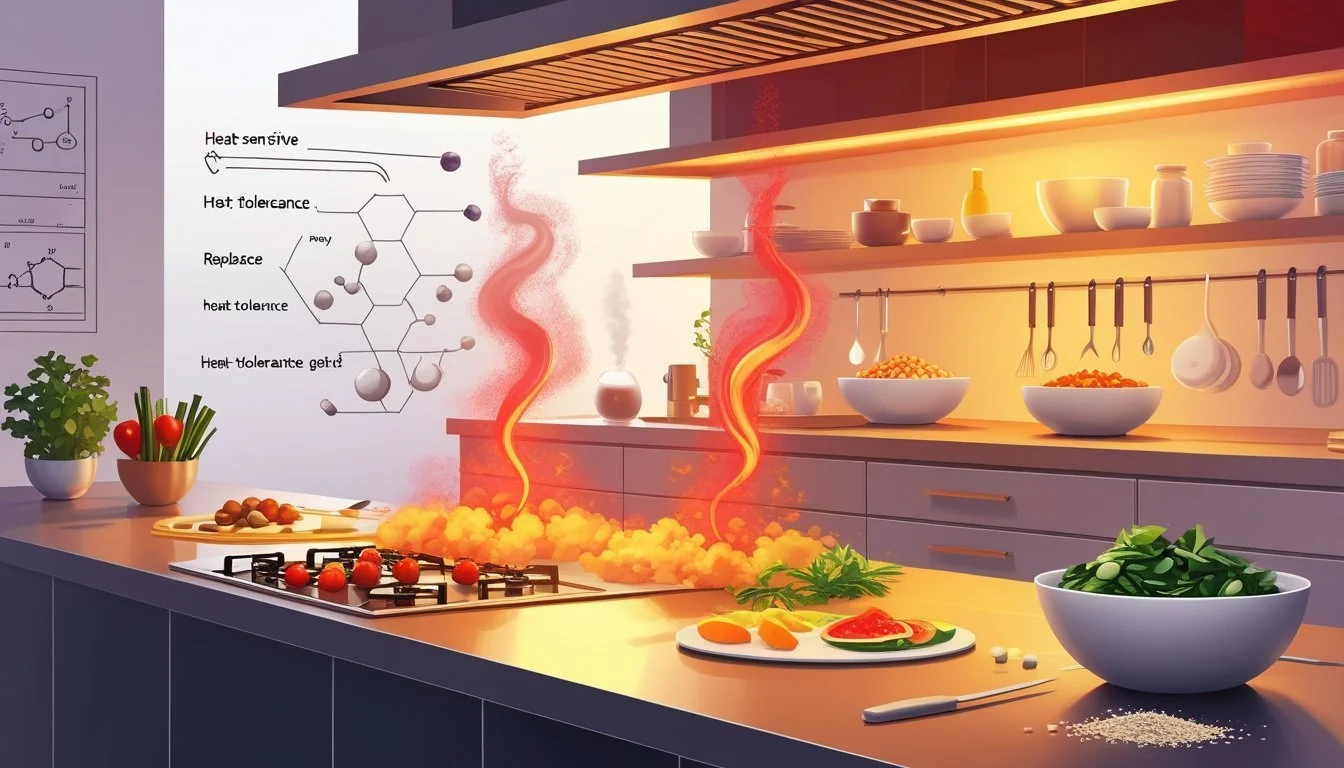
Heat tolerance in ingredients plays a significant role in determining the suitability and effectiveness of replacements, influencing both agricultural outcomes and food quality. Substituting for heat-tolerant varieties can impact yield stability, nutritional content, and processing characteristics in various foods.
Enhancing Crop Yield and Production
Selecting heat-tolerant crop varieties can directly influence crop yield and production, especially in regions prone to high temperatures or climate variability. By integrating heat-resistant cultivars, producers may see more consistent output during periods of heat stress. This stability reduces the risk of crop failures and supports food supply reliability.
For ingredient manufacturing, stable sources of plant materials like cereals, legumes, or oilseeds ensure steady ingredient availability. Farmers choosing these varieties also benefit from potentially lower losses due to heat damage, which is critical for staple crops such as wheat and maize. However, not all heat-tolerant crops maintain identical flavor or texture, which can affect their suitability for specific recipes or culinary uses.
Impacts on Nutritional and Functional Properties
Ingredient substitutions driven by heat tolerance can influence nutritional quality, including levels of micronutrients and bioactive compounds such as flavonoids. Some heat-tolerant crops may retain or even increase the content of antioxidants or phosphorus under stressful growing conditions. Nonetheless, heat stress can also cause reductions in protein concentration or changes to starch properties.
Functional aspects, such as emulsification, water absorption, or gelling behavior, may change when substituting with heat-tolerant alternatives. For instance, starches modified by heat treatments often differ in texture, shelf stability, or thickening properties. These differences must be accounted for when designing foods for specific nutritional targets or textures.
Considerations for Processed Foods
When heat tolerance is a criterion for ingredient substitution in processed foods, it is necessary to examine the effects on both product quality and processing efficiency. Some heat-tolerant alternatives may behave differently during baking, frying, or extrusion, altering final attributes like moisture retention, flavor development, or color.
Certain substitutes, including fibers or starches, respond to heat treatments with changes in viscosity or gel formation. Below is a table summarizing potential impacts:
Property Possible Effect in Processed Foods Moisture Loss Increased or decreased, affecting texture Flavor Subtle changes depending on crop variety Nutrient Retention Higher or lower retention of key nutrients Shelf Life Changes due to altered physical structure
These considerations are essential for manufacturers aiming for consistency and consumer acceptance when altering original ingredient compositions.
Future Directions in Heat Tolerance Research
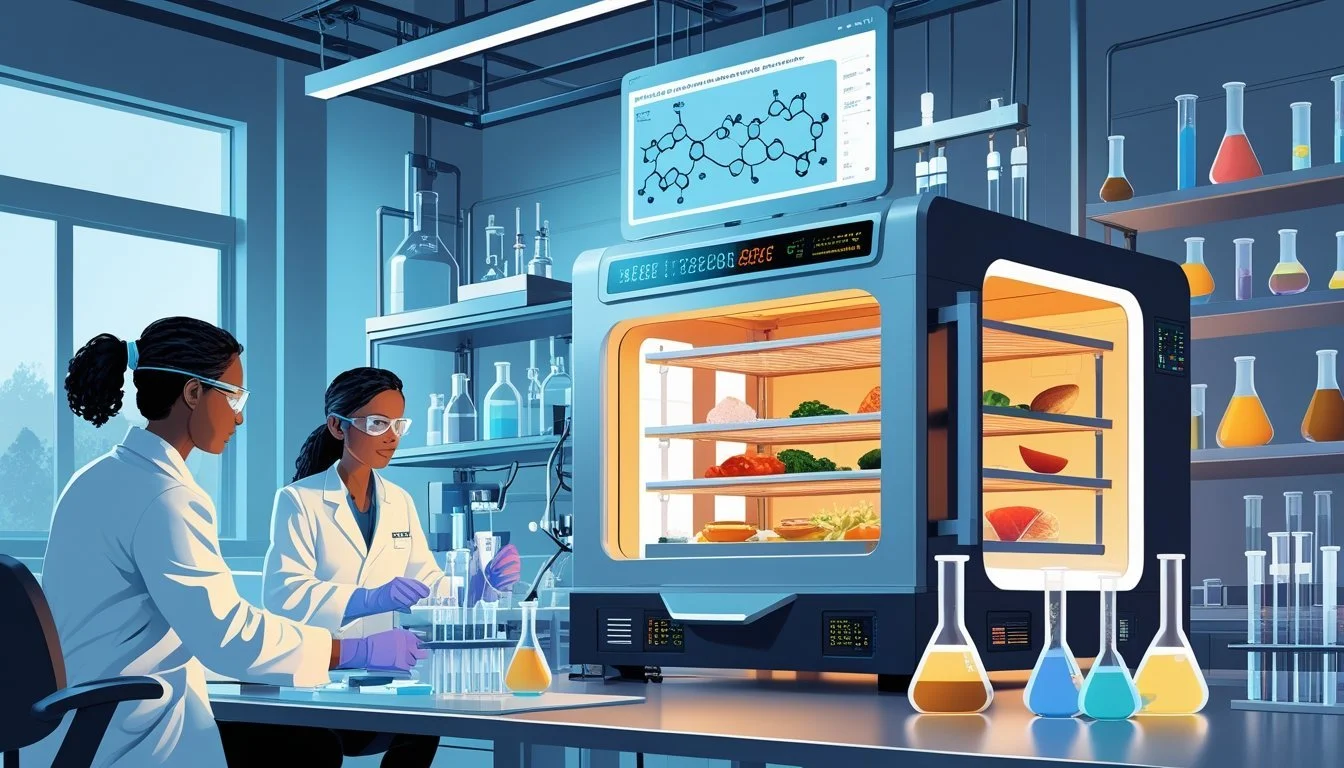
Emerging research focuses on harnessing genetic, physiological, and technological strategies to enhance heat resistance and enable ingredient replacement under rising temperatures. Addressing heat sensitivity in crops and livestock is essential for maintaining productivity and ensuring stable food systems.
Advances in Genomics and Breeding
Recent genomic studies are identifying key genes and markers linked to heat tolerance. Novel breeding techniques, such as marker-assisted selection and CRISPR, are being used to introduce or enhance heat resistance traits in plants and animals.
Dairy cattle breeding is prioritizing heat tolerance, especially given their vulnerability to heat stress from high metabolic activity. In crops, genome-wide association studies help pinpoint candidate genes involved in heat response.
Breeders are combining phenotypic selection with high-throughput genotyping to accelerate the development of varieties with improved abiotic stress tolerance. Adoption of these approaches is expected to increase as climate variability intensifies.
Integrating Abiotic Stress Tolerance Traits
Incorporating multiple abiotic stress tolerance traits—such as drought, salinity, and heat resistance—offers stronger protection against environmental stresses. Plant breeding programs are beginning to stack traits using advanced genetic tools.
Understanding the interplay between different stress responses allows researchers to design more resilient varieties. For example, the combined selection for both heat and drought tolerance leads to crops that perform better in adverse environments.
Key considerations:
Identifying common genetic regulators across stress pathways
Avoiding trade-offs that compromise yield or quality
Testing new varieties under realistic field conditions
Implications for Global Food Security
Heat tolerance is central to adapting food production to climate change. Enhancing heat response in staple crops and livestock can reduce yield losses and stabilize supply chains.
Ingredient replacement strategies depend on the ability to shift to species or varieties with greater heat resistance. This is critical for regions facing frequent heatwaves and unpredictable weather.
Investments in research, capacity building, and the use of heat-resilient ingredients are projected to help meet food security targets and support vulnerable populations. The integration of heat tolerance into breeding and ingredient selection supports both sustainability and nutritional adequacy.

