
The Hidden Role of Acidity in Ingredient Replacement
Enhancing Flavor and Performance in Modern Recipes
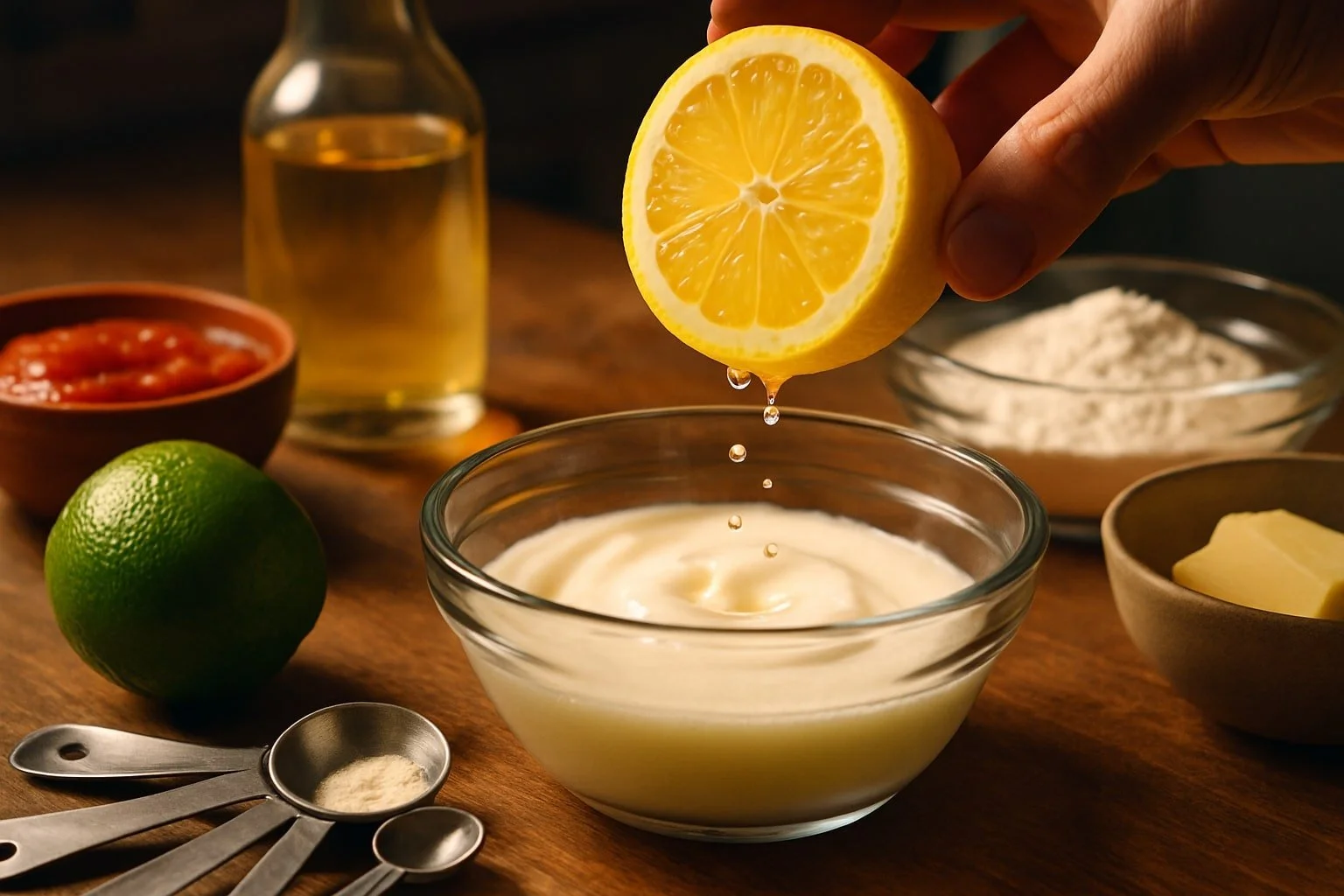
Many cooks and food manufacturers rely on ingredient replacement to meet dietary needs, control costs, or improve shelf life, but the critical role of acidity in these swaps is often overlooked. Acidity doesn't just influence flavor; it also affects texture, preservation, and how ingredients interact in recipes.
When choosing substitutes, the acid content can decide whether a dish maintains its intended taste and quality. Even small changes in acid levels can alter how sweet, bitter, or salty something tastes and impact chemical reactions during cooking or baking.
Understanding how acids like citric acid or vinegar work in food helps ensure successful ingredient replacements, whether in commercial settings or home kitchens. Being mindful of acidity means replacements can taste and perform more like the originals.
Understanding Acidity in Cooking
Acidity is a fundamental element in cooking, influencing taste, texture, and even food safety. By controlling pH and selecting the right acidulants, cooks can manipulate flavors and achieve specific culinary results.
The Science of pH and Acidity
pH measures how acidic or alkaline a substance is, ranging from 0 (most acidic) to 14 (most alkaline), with 7 being neutral. Most edible acids, such as citric, acetic, and lactic acids, have a low pH and are commonly found in foods like lemon juice and vinegar.
Understanding pH is crucial because even small shifts can affect taste, preservation, and the cooking process. For example, acidic environments can speed up or slow down enzymatic reactions and alter the color or texture of foods such as vegetables and proteins.
Food manufacturers and chefs often use pH meters or test strips to ensure consistent acidity levels. This helps them maintain food quality and safety.
Role of Acid and Acidulants in Food
Acids and acidulants contribute more than just sourness—they enhance flavors, balance sweetness, and cut through fat. Common acidulants include citric acid, tartaric acid, and phosphoric acid, each chosen for specific results in recipes.
In cooking, acidulants are often used as acidity regulators or pH regulators to control fermentation and extend shelf life. For instance, citric acid preserves canned tomatoes, while vinegar pickles vegetables to prevent spoilage.
A comparison table of common acidulants:
Acidulant Source Typical Use Citric Acid Citrus fruits Canning, beverages Acetic Acid Vinegar Pickling, dressings Lactic Acid Fermented foods Dairy, preservation Phosphoric Acid Soft drinks Flavor, preservation
Importance of Acidity Levels
Maintaining correct acidity levels impacts food flavor, safety, and appearance. Low pH inhibits the growth of bacteria and spoilage organisms, making acid an effective preservation tool in foods like jams and pickles.
Different foods and recipes require specific pH ranges to achieve desired textures or stability. For example, a pH between 3.0 and 4.6 is needed for safe canning of most fruits. In baking, acidity interacts with baking soda to generate carbon dioxide and leaven dough.
Chefs and home cooks can use ingredients with precise acidity levels to replicate flavors or achieve specific results when substituting one ingredient for another. This control helps ensure consistency and prevents unexpected flavor imbalances.
Why Acidity Matters in Ingredient Replacement
A careful balance of acidity plays a key role in matching flavors and textures during ingredient swaps. Acidity can enhance or disrupt both the sensory and physical qualities of food, making it a central factor when choosing substitutes.
Flavor and Taste Impacts
Acidity is crucial for achieving the right flavor profile in dishes where ingredient replacement is needed. When a traditional ingredient is replaced—such as substituting buttermilk with a mixture of milk and lemon juice—the acidic component is not just for leavening, but also for providing the tangy, fresh notes expected in the final product.
Acids like vinegar, citrus, or yogurt can intensify flavors, enhance umami, and provide contrast against sweetness or richness. Too little acidity can result in flat or overly sweet dishes, while too much can overpower other elements.
Maintaining the appropriate acid level is particularly important when balancing bitterness and sweetness in sauces, dressings, or marinades. Swapping acidic ingredients with neutral ones may reduce perceived freshness and complexity, altering the overall food taste and flavor enhancement.
Influence on Texture and Structure
Acids affect more than just flavor—they can also change the texture and structure of food. In baking, acidity is essential for activating leavening agents like baking soda, which creates gas bubbles and helps baked goods rise.
When replacing an ingredient, the acid content must be considered to avoid dense or under-leavened results. In protein-rich dishes, acids help break down tough fibers, making meats and legumes more tender. This tenderization process can be seen when using citrus or vinegar in marinades.
An imbalance, such as too much acid or not enough, can lead to mushy textures or foods that are too firm. Choosing substitutes with similar acidity preserves both the desired mouthfeel and structural integrity of the dish.
Common Acidic Ingredients and Their Alternatives
Acidic ingredients contribute to taste, preservation, and chemical reactions in recipes. When replacing them, the impact on flavor, pH, and food structure should be considered carefully.
Vinegar, Lemon Juice, and Other Culinary Acids
Vinegar (mainly acetic acid) is among the most versatile acidic ingredients. It appears in various forms, such as white vinegar, apple cider vinegar, and rice vinegar. Each offers a distinct flavor profile and acidity level. Lemon juice and lime juice supply citric acid for a tart, bright note.
When a vinegar is unavailable, lemon juice, lime juice, or even ketchup can substitute in small amounts, especially in dressings or sauces. Mustard sometimes works as a mild acid replacement in vinaigrettes. For baked goods, alternatives like buttermilk or sour cream can offer lactic acid and support leavening.
Ingredient Acid Type Alternatives White Vinegar Acetic acid Lemon juice, apple cider vinegar Lemon Juice Citric acid Lime juice, apple juice Buttermilk Lactic acid Yogurt, sour cream
Choose replacements based on acidity, flavor, and how each ingredient interacts with other recipe components.
Natural vs. Processed Acids
Natural acids occur in fruits, dairy, and fermented foods. Examples include citric acid in lemon juice, malic acid in apples, and lactic acid in yogurt, kefir, or buttermilk. These sources often bring nuanced flavors and additional nutrients like vitamin C (ascorbic acid). Fresh fruit juices often serve as both acidulants and sweeteners.
Processed acids, such as food-grade citric acid powder or acetic acid concentrates, provide more control over acidity levels. They are useful when exact pH is needed but lack the supporting flavors of whole foods. Brown sugar and natural sweetener blends can add mild acidity and moisture but will alter the flavor.
Replacing a natural acid with a processed one can change taste and texture. Understanding the role of each acid type in a recipe helps maintain the intended outcome while accommodating ingredient availability.
Acidity’s Role in Specific Culinary Applications
Acidity affects ingredient performance and final product safety throughout many food processes. Its function goes beyond taste, influencing preservation, sweetness balance, and the effectiveness of natural sweeteners and preservatives.
Desserts and Sweeteners
Acidity changes how sweeteners behave and how flavors are perceived in desserts. For example, a small amount of citric acid in sorbets or fruit curds can brighten flavors and cut through excessive sweetness, creating balance.
Natural sweeteners like honey or maple syrup are also affected by acidity. Their flavor notes shift with pH, and acidulation can prevent crystallization in syrups or soft candies. Items like lemon bars or cheesecake use acidity not only for flavor but to interact with proteins in dairy, affecting texture and set.
In jams and jellies, acidity is key for proper gelling with pectin and extends shelf life by slowing microbial growth. The use of acids—such as tartaric or citric—means lower amounts of refined sugar may be needed as a preservative, making room for natural sweetener alternatives.
Common Acids in Desserts Primary Functions Citric Acid Flavor balance, preserves color Tartaric Acid Stabilizes egg whites, aids gelling Malic Acid Enhances fruit flavor
Pickling and Preserving
Acidification lies at the heart of pickling and food preservation. By lowering the pH, acids such as vinegar (acetic acid) or citric acid create environments that inhibit harmful bacteria and prolong shelf life.
Traditional pickling relies on lactic acid bacteria or the direct addition of acids. This controls texture in vegetables and maintains crispness. For shelf-stable jams, a balance of sugar and acidity uses a dual preserving effect, with acids supporting the function of food additives like pectin.
Acidification isn’t just about preservation—it impacts flavor and color. Pickled onions, for instance, retain a pink hue due to the acid, while marinades use acidic components not only to add tang but also to denature proteins, improving tenderness.
Some modern pickling and preserved foods use acidifiers instead of large amounts of sugar or salt, meeting demand for lower-sugar or lower-sodium products. Appropriate acidity control ensures safety and palatability without relying solely on traditional preservatives.
Acidity in Sauces, Dressings, and Beverages
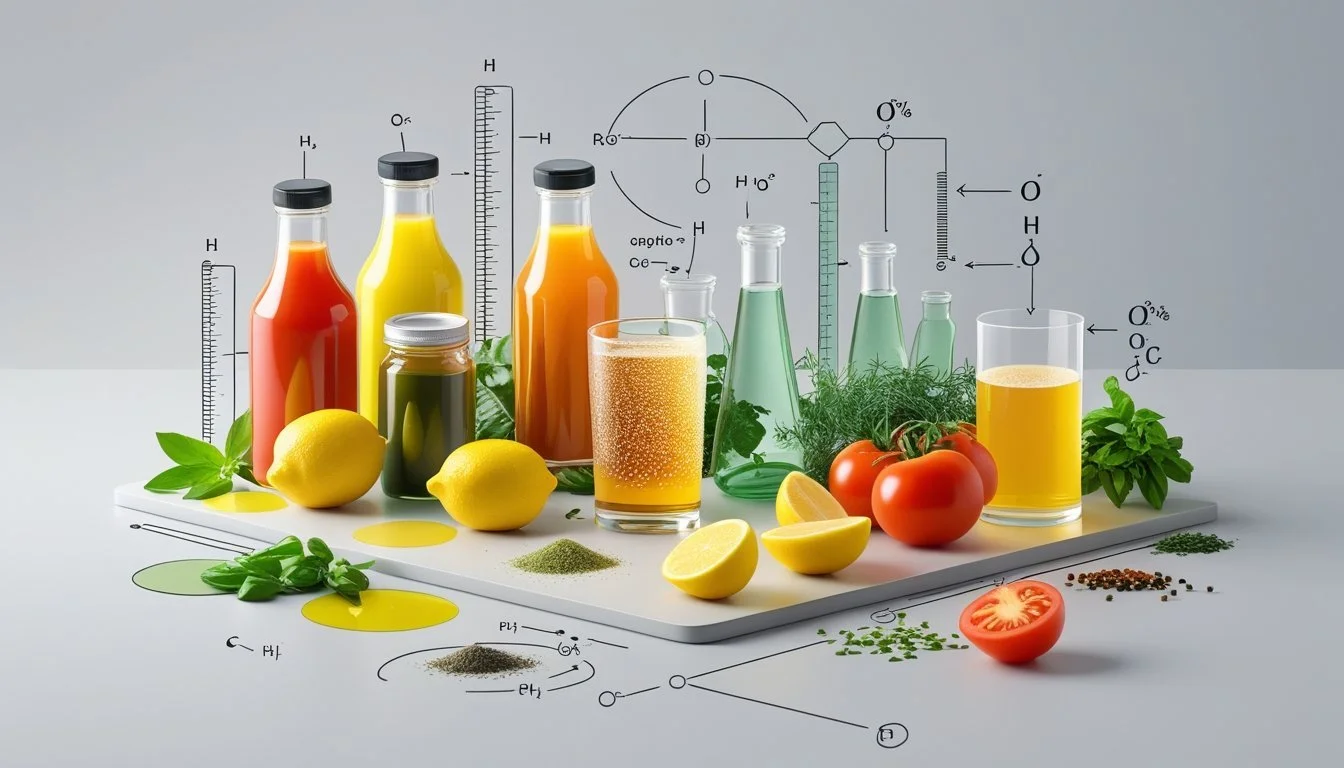
Acidity shapes both the flavor and texture of sauces, dressings, and beverages. It serves as a critical tool for chefs and home cooks to control taste and stability, especially when substituting ingredients.
Flavor Balancing and Mouthfeel
Acidic components like vinegar, lemon juice, or apple juice are commonly used to brighten sauces and dressings. They sharpen flavors, balance sweetness or richness, and prevent dishes from tasting dull. In beverages, acids such as citric acid in lemonade or malic acid in apple juice bring freshness and offset any residual sweetness.
Below is a list of acidic ingredients and how they influence flavor:
Vinegar: Adds sharp, crisp notes; cuts through fatty sauces.
Citrus juice: Lends brightness to dressings and marinades; enhances seafood.
Fermented products: Introduce tang and complexity.
Acidity can also affect the mouthfeel. For example, a touch of acid in cream-based sauces lightens the perception of heaviness. In beverages, higher acidity offers a cleaner finish and can make drinks feel more refreshing.
Emulsification and Stabilization
Acid plays a significant role in the creation and maintenance of stable emulsions, such as vinaigrettes or mayonnaise. When an acid is introduced, it interacts with emulsifiers (like mustard or egg yolk), encouraging water and oil to combine smoothly.
A basic vinaigrette follows a 1 part acid to 3 parts oil ratio. This balance not only impacts taste but also the emulsion's ability to stay homogeneous. If acidity levels are off, the dressing can separate more quickly, or the mouthfeel may become harsh.
In beverages, acidity can prevent certain proteins or solids from precipitating, maintaining clarity and visual appeal. This is particularly important in drinks containing fruit juices or pulpy ingredients, where stability is a key concern for texture and presentation.
Baking and Raising Agents: The Acidic Connection
Acidity determines how raising agents work during baking, affecting texture, rise, and flavor. The interaction of acids and bases leads to vital reactions in dough and batter, shaping the final result.
Baking Powder and Alternatives
Baking powder combines an alkaline component with a dry acid, usually cream of tartar or a similar acidulant. Its function is to produce carbon dioxide when wet and heated, giving rise to baked goods. Commercial baking powders are available in single-acting and double-acting types, depending on their acid source and reaction timing.
Table: Common Ingredients in Baking Powders
Component Role Sodium bicarbonate Alkaline agent Cream of tartar Acidulant Cornstarch Moisture control
Some bakers opt for alternatives, such as homemade blends using baking soda and an acid (like lemon juice or vinegar) for immediate chemical leavening. pH regulators, such as citric acid, can adjust the acidity, ensuring the raising agent works efficiently. The choice of acidulant can also influence both taste and browning in the final product.
Sodium Bicarbonate Replacements
Sodium bicarbonate, known as baking soda, requires an acidic counterpart to generate gas and ensure proper leavening. If an acid isn’t present in the dough, baking soda can leave an unwanted alkaline taste and pale color.
For those seeking replacements, options include potassium bicarbonate, which has similar leavening traits but does not add sodium. To maintain balance, it’s essential to pair these replacements with suitable acids—such as buttermilk, yogurt, or vinegar—to enable lifting action.
Acidulants and other pH regulators like cream of tartar can also supplement or adjust leavening. When substituting, the ratio of acid to base must be carefully managed, or the product’s texture and appearance may change. Each substitute is selected based on dietary needs, desired rise, and flavor neutrality.
Acidity and Food Safety Considerations
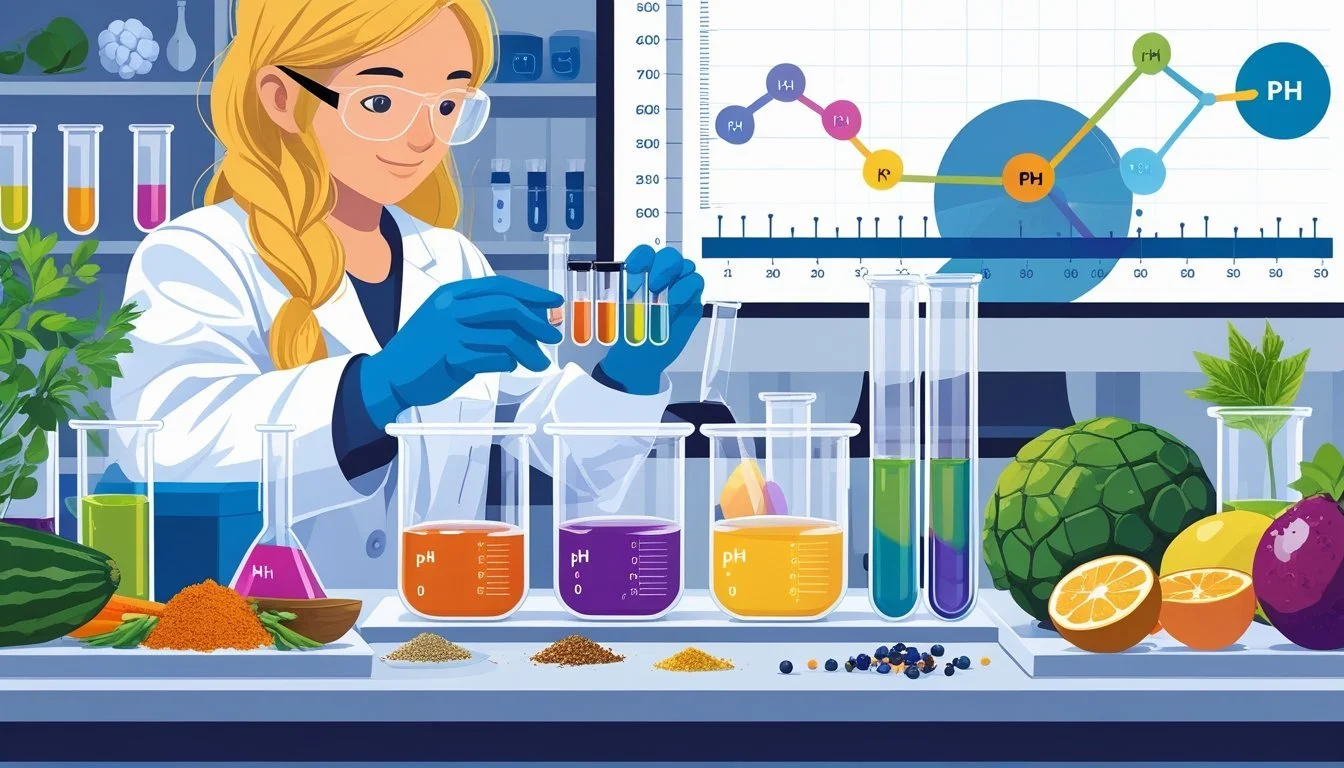
Understanding acidity in ingredient replacement is crucial for controlling microbial growth, complying with regulations, and ensuring shelf stability. The interaction between pH, preservatives, and processing methods can directly affect food safety outcomes in the food industry.
Preservation and Spoilage Prevention
Acidity, measured as pH, is a key factor in inhibiting the growth of spoilage organisms and foodborne pathogens. Foods with a pH of 4.6 or lower naturally resist the growth of Clostridium botulinum, the bacteria responsible for botulism. This threshold is used widely in acidified and pickled products to enhance food safety.
Processing foods to lower pH, either through fermentation or by adding acids, reduces the need for synthetic preservatives. For example, acidification can make products shelf-stable without refrigeration. The pH scale is logarithmic; a shift from pH 5 to 4 represents a tenfold increase in acidity, making even small changes highly significant for microbial control.
Stability during storage depends on maintaining consistent acidity throughout a product’s shelf life. Food manufacturers often monitor pH as part of their Hazard Analysis and Critical Control Points (HACCP) plans, testing both the raw ingredients and the final product to confirm effectiveness.
Regulatory and Industry Standards
Food safety regulations focus on strict pH requirements to prevent contamination. In the United States, the Code of Federal Regulations mandates that acidified and acid foods must have a final pH of 4.6 or lower. Products outside this range require additional processing or preservatives to remain compliant.
Many food industry standards require regular verification of acidity using calibrated pH meters. The final product’s pH must be documented and kept below the regulatory threshold to ensure legal sale and consumer safety. Non-compliance can lead to recalls, fines, or loss of market approval.
Common practices in the industry include:
Documenting every batch’s pH during production
Regular equipment calibration
Employee training on acidification’s food safety implications
Adhering to these best practices protects both the manufacturer and the consumer. Accurate acidification is recognized as a critical control point across regulatory frameworks.
Harnessing Acidity for Flavor Enhancement and Health
Acidity changes the way ingredients taste and interact, playing a direct role in how food delivers both pleasure and nutrition. The right acids can bring sharper flavors, unlock umami, and potentially support some aspects of well-being.
Contrast and Umami Development
Acids like vinegar, citric acid, and lactic acid can brighten dishes by imparting a distinct sour taste. This contrast lifts other flavors, making sweet or savory notes stand out. For example, a splash of lemon juice on grilled vegetables intensifies natural flavors without overpowering.
Acidity also encourages umami development. By lowering the pH, acids can promote the breakdown of proteins, resulting in the release of glutamic acid—one of the key compounds responsible for umami. Foods like soy sauce, pickled vegetables, and fermented products combine acidity and savory depth, creating layered taste profiles.
Using acids strategically can also reduce the need for excess salt or fat, as heightened contrast and umami make dishes satisfying with less seasoning. Chefs often use a simple matrix:
Acid Type Effect on Flavor Common Uses Citric Acid Sharp, brightens Juices, dressings, candy Acetic Acid Tangy, sharp Vinegar, sauces, pickles Lactic Acid Mellow, creamy tang Yogurt, sourdough, kimchi
Potential Health Benefits
Certain dietary acids provide more than sensory effects. Acetic acid from vinegar, for example, has been linked with modest improvements in insulin sensitivity and may help reduce water retention. These effects are mild but can contribute to small shifts in metabolic health.
Acidity can also play a role in food safety by lowering pH, which limits the growth of spoilage organisms and some pathogens. Fermented foods, rich in lactic acid, are an example; they offer both preservation benefits and support for gut microbiota.
The practice of using acidity for ingredient replacement—such as citrus replacing excess salt—not only enhances flavor but may also reduce dietary sodium intake. This can be helpful for managing blood pressure and maintaining overall cardiovascular health. Moderation is important, however, as excessive acid intake can impact dental and digestive health.
Innovative Uses of Acidity in Ingredient Replacement
Acidity in cooking not only changes how food tastes, but also drives transformations in food processing and preservation. Both traditional and modern techniques use acids to enhance or even replace certain ingredients while maintaining or improving flavor and texture.
Modern Processing and Technological Advances
Food technology now leverages acidity for shelf life extension and safety. Acidulants such as citric acid and lactic acid are commonly added during processing to lower pH and prevent the growth of harmful microbes.
For ingredient replacement, acidity mimics the tartness or brightness of certain ingredients. For example, lemon juice or vinegar can replace harsher preservatives by keeping pH low. This technique is used in ready-to-eat salads and some plant-based dairy alternatives.
Acidity also plays a key role in:
Modifying texture and mouthfeel in processed foods
Helping emulsify and stabilize sauces without traditional animal-based thickeners
Enhancing color and retention of nutrients
Table: Common Acidulants & Uses in Replacement
Acidulant Typical Use Ingredient Replaced Citric Acid Shelf-life extension Chemical preservatives Lactic Acid Flavor enhancement More intense, artificial additives Acetic Acid (Vinegar) Pickling, pH control Artificial pickling agents
Case Studies: Sauerkraut and Fermentation
Fermentation is powered by natural acidity. In the case of sauerkraut, lactic acid bacteria convert sugars from cabbage into lactic acid, giving sauerkraut its signature sour flavor.
This process preserves cabbage while eliminating the need for artificial preservatives. The acidity prevents spoilage by creating an environment hostile to many harmful microbes.
Fermented foods like sauerkraut, kimchi, and yogurt use naturally formed acids to replace less desirable additives. Acidity, developed through fermentation, can also serve as a flavor enhancer or serve as a plant-based alternative to classic animal-based seasonings.
Highlight:
Sauerkraut uses natural acidity to preserve and flavor cabbage
Fermentation replaces reliance on synthetic additives
Acidity developed through fermentation enhances safety and shelf life
These examples show how acidity can replace both additives and traditional ingredients during food processing, supporting clean-label trends and safer, flavorful products.
Challenges and Best Practices for Ingredient Replacement
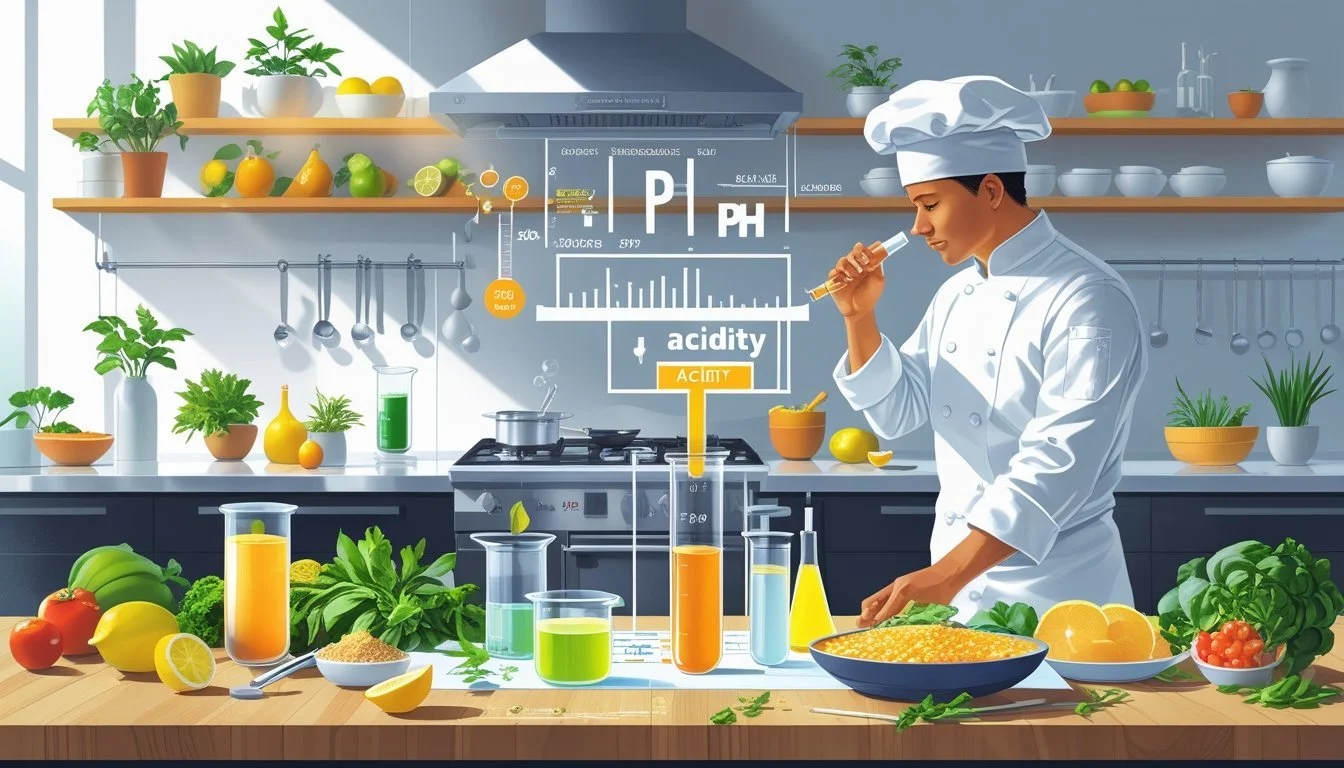
Replacing ingredients, especially those that affect acidity, often leads to changes in the overall food taste and can impact the performance of the full recipe. Consistent quality requires careful management of how new ingredients interact with other recipe components and meet consumer expectations.
Balancing Acidity With Other Recipe Elements
When substituting acidic ingredients, manufacturers must ensure the new ingredient maintains the intended pH level and structure of the product. The acidity directly influences protein interactions, shelf life, and the final sensory profile.
A change in acidity can alter flavor perception, texture, and even color. For example, replacing lemon juice with another acid can affect not only sourness but also how ingredients like baking soda react during preparation.
Best practices include conducting controlled tests to measure the finished recipe’s pH and making small adjustments with buffers or additional acids as needed. It’s often helpful to use a simple table to track changes:
Original Ingredient Substitute pH Difference Impact on Food Taste Lemon juice Vinegar Slightly lower Tarter, less fruity Buttermilk Yogurt Minimal Creamier
Consumer Preferences and Sensory Testing
Changes in acidity can noticeably affect food taste, aroma, and even mouthfeel. Successful ingredient replacement relies on understanding these sensory changes from the perspective of the end consumer.
Sensory testing panels help evaluate whether the modified recipe maintains consumer appeal. These panels often focus on the intensity of sourness, flavor complexity, and aftertaste. Feedback is collected in structured ways, such as:
Scale ratings for tartness, balance, and texture
Blind taste tests comparing original and revised recipes
Interviews or focus groups to gather qualitative insights
Insights from these tests guide further refinements to ingredient selections. Adjustments are sometimes needed to align the new product with consumer expectations for flavor and texture.

