
How Packaging Influences Perception of Substitutes in Consumer Decision-Making
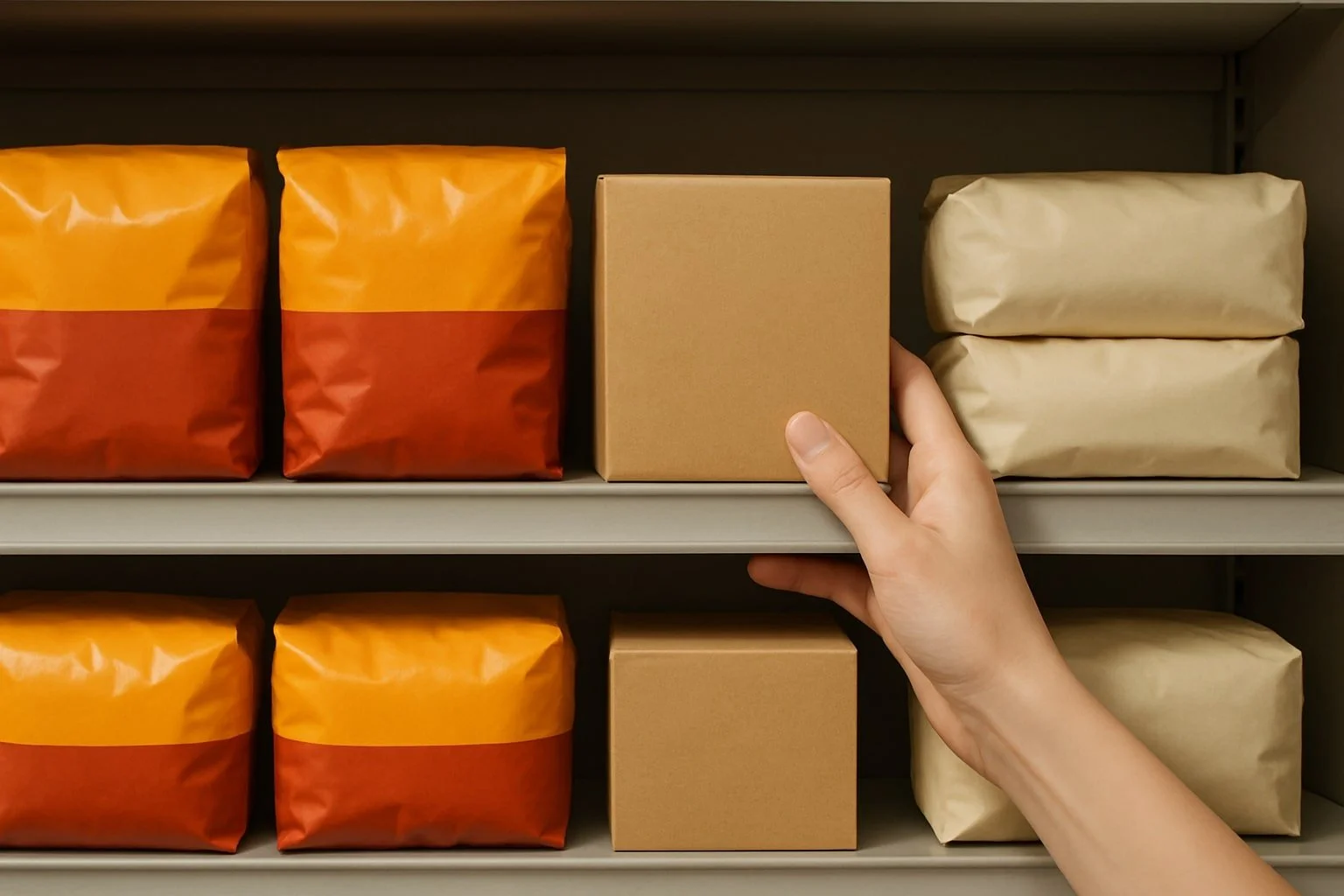
Packaging is one of the first things consumers notice when comparing products, especially when choosing between substitute items. The design, material, and quality of packaging can shape consumer perceptions of product value, quality, and even environmental impact, directly influencing their choice between alternatives. Brands use packaging elements like color, shape, convenience, and labeling to communicate information and attract consumer interest.
Research shows that packaging can alter what consumers are willing to pay for a product and affect their brand expectations. Sustainable or premium packaging often leads buyers to view substitutes differently, sometimes favoring more expensive options if the packaging signals higher quality or aligns with personal values. How packaging is presented can tip the scale between similar products, making it a subtle but powerful factor in purchasing decisions.
Fundamentals of Packaging and Substitutes
Packaging directly impacts how consumers identify and evaluate substitute products. The effectiveness of packaging includes both functional and perceptual roles, influencing choices between traditional options and innovative alternatives.
Defining Packaging in the Context of Substitutes
Packaging in the context of substitutes refers to the materials and designs chosen to represent and protect alternative products, often as replacements for established goods. Its primary function goes beyond containment; it also signals key differences between the substitute and the original.
For food packaging and similar applications, factors such as barrier properties, sustainability, and regulatory compliance are especially significant. Packaging communicates attributes like freshness, environmental friendliness, and quality. In retail, the visible design and labeling play crucial roles in helping consumers identify substitutes with confidence.
When companies introduce substitutes, their packaging choices can emphasize distinctions such as biodegradability or innovative features. This helps consumers compare and contrast alternatives quickly on the shelf.
Types of Packaging and Alternatives
Packaging types for substitutes can include active packaging designed to extend shelf life, traditional packaging materials like plastics, or emerging options such as compostable films and paper-based packaging. Each type addresses specific product requirements.
Plastic alternatives—for example, bioplastics, glass, aluminum, or recyclable paper—are becoming more prevalent as consumer demand for sustainable packaging increases. The table below shows common packaging solutions and their typical substitute applications:
Packaging Solution Common Substitute App Key Attribute Compostable films Single-use plastics Biodegradability Active packaging Fresh food containers Shelf life extension Paper-based wraps Plastic overwrap Recyclability Glass bottles PET beverage bottles Reusability, inertness
Selecting an appropriate packaging design for a substitute product depends largely on matching performance expectations, regulatory needs, and consumer perception.
Intrinsic and Extrinsic Attributes
Consumers perceive substitutes not just by the product itself but also through both intrinsic and extrinsic packaging attributes. Intrinsic attributes are physical properties of the packaging directly interacting with the product, such as barrier strength, moisture resistance, and ability to preserve quality.
Extrinsic attributes involve outward features like labeling, colors, shape, and messaging. These factors impact how sustainable, premium, or healthy a substitute appears. For instance, green-colored packaging or explicit eco-labels may lead consumers to perceive a product as more environmentally responsible.
Packaging design intentionally uses these attributes to communicate the unique benefits of substitutes and influence consumer choices at the point of purchase.
Consumer Perceptions Driven by Packaging
Packaging affects how consumers evaluate substitutes by shaping their impressions, generating expectations, and influencing purchase intent. Visual cues, color choices, and consistent branding all combine to guide consumer perceptions in meaningful ways.
Visual Cues and First Impressions
Consumers form quick judgments about products based on packaging at the point of sale. Features such as material quality, structure, and design clarity cue the consumer on whether a product is premium, generic, or eco-friendly.
First impressions can determine if a substitute is even considered further. For example, sturdy packaging can suggest durability, while minimalist packaging hints at sustainability or simplicity.
Research indicates consumers often associate heavier or more solid packaging with higher value. At the same time, excessive packaging can trigger negative perceptions regarding wastefulness or environmental impact.
Color Psychology and Typography
The use of color in packaging has a direct effect on emotional responses and perceived product attributes. Blue often signals trust and reliability, while green is used to imply eco-friendliness or health. In contrast, red tends to grab attention and stimulate appetite.
Typography also plays a subtle yet significant role. Clear, legible fonts can communicate transparency and trustworthiness, whereas ornate fonts may suggest luxury or artisanal quality.
A mismatch between color schemes and product expectations can cause confusion or reduce credibility. For substitutes, maintaining consistency in color and typography with category norms helps signal comparability or differentiation.
Imagery and Branding Consistency
Visual imagery, including logos and graphics, reinforces brand perception and consumer trust. Consistent use of brand colors, symbols, and styles across product lines assures customers they are purchasing from a reputable source.
In the context of substitutes, branding consistency helps consumers quickly identify alternatives from familiar or trusted brands. Inconsistent or mismatched elements can weaken brand associations and make substitutes appear less legitimate or lower in quality.
A clear, cohesive design communicates reliability and attention to detail, encouraging repeat purchases and positive perceptions even when consumers are considering switching products.
Influence of Packaging on Purchase Decisions
Packaging plays a direct and substantial role in shaping how consumers evaluate products, make purchase decisions, and respond to brands. Elements such as design, information, and visual appeal impact purchase intention, brand loyalty, and attitudes toward substitutes.
Purchase Intention and Consumer Behavior
Purchase intention is often triggered by specific packaging attributes that align with consumer preferences and expectations. Design elements—including color, shape, and material—can influence how a product is perceived at a glance. For many shoppers, packaging also serves an informational function, providing details that inform buying choices.
Consumers often use packaging cues to judge quality, trustworthiness, and even the value of substitutes compared to familiar brands. For example, clean, modern designs might signal premium quality, while eco-friendly packaging may draw environmentally conscious buyers. Segmentation is key; different groups respond to varied packaging styles based on demographic or psychographic factors.
Consumer Response and Attitudes
Consumer attitudes toward packaging can shape overall perceptions of both product and brand. Eye-catching graphics, readable information, and intuitive structure often contribute to positive attitudes and willingness to try new or substitute products.
Initial responses to packaging frequently determine if a product is picked up or overlooked. Poor packaging design, unclear labeling, or unappealing aesthetics can cause consumers to dismiss a product without further consideration. On the other hand, attractive packaging can encourage consumers to view substitutes more favorably, even against established brands.
Table: Common Packaging Influences on Consumer Attitudes
Attribute Consumer Perception Color Signals function/quality Shape Differentiation/utility Information Transparency/trust Material Perceived value/eco
Purchase Decisions and Brand Loyalty
Packaging is a critical factor in the final purchase decision, particularly when consumers weigh substitutes against established choices. Well-designed packaging can distinguish a substitute and make it more likely to be selected, especially when products are similar in price and features.
Brand loyalty is often reinforced through consistent and recognizable packaging. However, innovative packaging from substitute brands can disrupt this loyalty by capturing attention and offering perceived improvements or additional benefits. Reliability in design, messaging, and usability builds familiarity and trust, making consumers more likely to return to the same product or brand in future purchasing decisions.
Comparing Quality and Price Via Packaging
The quality and price of a product are often interpreted by consumers through the signals sent by packaging design and materials. These cues play a crucial role in shaping how substitutes are judged and selected at the point of sale.
Perceived Quality and Packaging Quality
Consumers equate high-quality packaging with higher product quality. Durable materials, precise finishes, and appealing graphics suggest reliability and value. For example, sturdy boxes or premium labels can elevate perceptions even if the actual product is similar to alternatives.
Packaging that feels robust or uses carefully chosen colors and shapes tends to outperform generic or poorly designed alternatives. A 20% price increase for items in superior packaging has sometimes been linked to a boost in quality perception, shifting buyer preference. In a competitive market, products with visually appealing and well-constructed packaging are likely to be favored over substitutes with less attention to packaging detail.
Price Sensitivity and Communication
Packaging can both signal and justify a product's price. Clean, minimalist designs may suggest higher prices, while bolder colors or simple wraps often point to value positioning. When shoppers notice packaging that appears expensive or uses eco-friendly materials, they may be more accepting of a price premium.
Key pricing information such as unit price, size, or recycled content claims, when clearly presented, influences decision-making between substitutes. High-quality package cues can make consumers less sensitive to small price gaps, but if price increases become too large without obvious packaging justification, it can deter purchase. Packaging acts as a silent sales tool, communicating whether a substitute is positioned as a premium or value choice.
Sustainability and Environmental Impact
Packaging materials and design choices directly affect how consumers perceive substitute products. Decisions related to biodegradable content, reusability, and closed-loop systems influence not only individual purchase intent but also long-term brand loyalty and trust.
Eco-Friendly Packaging and Biodegradable Materials
Eco-friendly packaging uses materials and methods that reduce harm to the environment. This includes biodegradable packaging, compostable films, and plant-based plastics. Shoppers often view biodegradable alternatives favorably, especially when compared to conventional plastics.
A study found that consumers are willing to pay a premium for biodegradable packaging because it aligns with their values on sustainability. Packaging made from materials like paper, cornstarch, or cellulose helps to cut landfill waste and supports the shift away from single-use plastics.
The visibility of these materials, such as labels indicating biodegradable or compostable, can influence the perception of a substitute product’s overall environmental impact. By highlighting these attributes, brands can shift the consumer’s preference toward more sustainable options.
Circular Economy and Sustainable Solutions
The circular economy approach in packaging emphasizes reusability, recyclability, and minimal resource consumption. Sustainable packaging constructed for multiple uses can keep materials in the value chain longer, minimizing waste and resource depletion.
Closed-loop packaging solutions enable brands to collect, recycle, and reuse their own packaging materials. This model reduces reliance on virgin materials and lessens the environmental footprint of substitute products. It also reassures customers that the environmental impact extends beyond the initial purchase.
Specific examples include reusable containers, return-to-store programs, and easily recyclable packages designed with mono-materials. Brands that participate in or promote circular economy strategies are often regarded as more responsible and forward-thinking.
Green Packaging Certifications
Green packaging certifications provide independent verification that packaging meets recognized environmental standards. Certifications such as FSC (Forest Stewardship Council), Cradle to Cradle, and the Green Seal signal that packaging has been evaluated for sustainability criteria, including material origin, end-of-life options, and manufacturing practices.
Consumers often use these certifications to make informed comparisons between substitute products. A clear certification mark can instill confidence in both the environmental claims and the credibility of the brand.
The presence of these certifications on packaging can be highlighted in product marketing, packaging design, and point-of-sale displays. This not only guides purchasing decisions but also shapes consumer perceptions of the brand’s commitment to sustainability.
Innovation and Functionality in Packaging
Recent advances in packaging directly influence the buyer's perception of substitute products by improving freshness, convenience, and sustainability. The growing use of intelligent technologies, customization options, and advanced materials is shaping expectations and competitive landscapes.
Intelligent and Active Packaging
Intelligent packaging includes features such as time-temperature indicators, freshness sensors, and RFID tags. These components provide real-time information about product quality during storage and transportation.
Active packaging goes further by interacting with the contents, for example, through oxygen absorbers or antimicrobial coatings that extend shelf life. Consumers are more likely to trust substitutes when packaging technology ensures product safety, integrity, and traceability.
Retailers and brands implementing these solutions gain a clear edge, especially when substitutes may face skepticism about authenticity or expiration. The use of interactive labels or QR codes also supports consumer engagement and product transparency.
Convenience and Personalization
Modern packaging designs focus on user-friendly attributes such as easy-open lids, resealable closures, and single-serve formats. These features directly influence substitution decisions for shoppers seeking practicality or on-the-go options.
Personalization takes packaging further by allowing customizable graphics, labels, or packaging shapes tailored to specific consumer groups. This can include limited editions, seasonal designs, or even direct-to-consumer packaging.
Personalized packaging increases the perceived value of a substitute product, making it more likely to stand out on crowded shelves or in e-commerce listings. Convenience and personalization both encourage trial and repeat purchase, reassuring customers about the switch.
Innovative Materials and Nanomaterials
Brands are increasingly shifting from conventional plastics to innovative materials, including biopolymers and recyclable composites. These alternatives appeal to environmentally conscious consumers and can differentiate a substitute from incumbent products.
Nanomaterials, such as nano-clay or silver nanoparticles, enhance barrier properties, antimicrobial protection, and overall functionality. Incorporation of such materials helps maintain product freshness and safety for longer periods.
A summary table of notable features:
Material Type Key Benefit Common Application Biopolymers Sustainability Food and beverage packs Silver nanoparticles Antimicrobial Medical, food packaging Nano-clay composites Barrier properties Extended shelf life items
The choice of packaging material signals a commitment to quality and innovation, affecting how substitutes are viewed against more established products.
Impact of Packaging on Food Choices and Safety
Packaging directly affects what foods consumers select and how safe and nutritious those foods remain over time. The material, design, and information on the packaging play distinct roles in decision-making and in preserving food quality.
Food Safety and Nutritional Value
Food packaging shields products from contaminants such as dust, bacteria, and moisture. Barrier materials like plastics, glass, and metal help keep out oxygen and water vapor, which slows spoilage and preserves texture and flavor.
Proper packaging also stabilizes temperature and protects against physical damage during transport or storage. This helps reduce food waste and ensures the food remains safe to eat for longer periods.
The nutritional value of food can decline quickly if packaging is inadequate. For example, prolonged oxygen exposure can lead to vitamin loss in cereals and dried fruits. Well-designed packaging helps maintain the labeled nutritional quality right up to the point of consumption.
Nutrition Claims and Organic Food
Labels on packaging, such as “low sugar,” “high protein,” or “organic,” directly shape consumer food choices. Nutrition claims often use bold fonts or colors to stand out, influencing shoppers to perceive substitutes as healthier or more desirable, even when differences may be minor.
Organic food packaging relies on official seals, ingredient lists, and specific design cues to assure buyers of the product’s origins and nutritional benefits. The use of green hues or eco-friendly symbols can reinforce trust, prompting some to choose organic substitutes based on the packaging alone.
Table: Common Nutrition Claims & Impact on Choices
Claim Type Example Consumer Impact Nutrient Content “High Fiber” Increased trust in health benefit Structure/Function “Supports immunity” Perceived added value Organic Products “Certified Organic” Preference for natural, perceived safety
Packaging Strategies for Competition
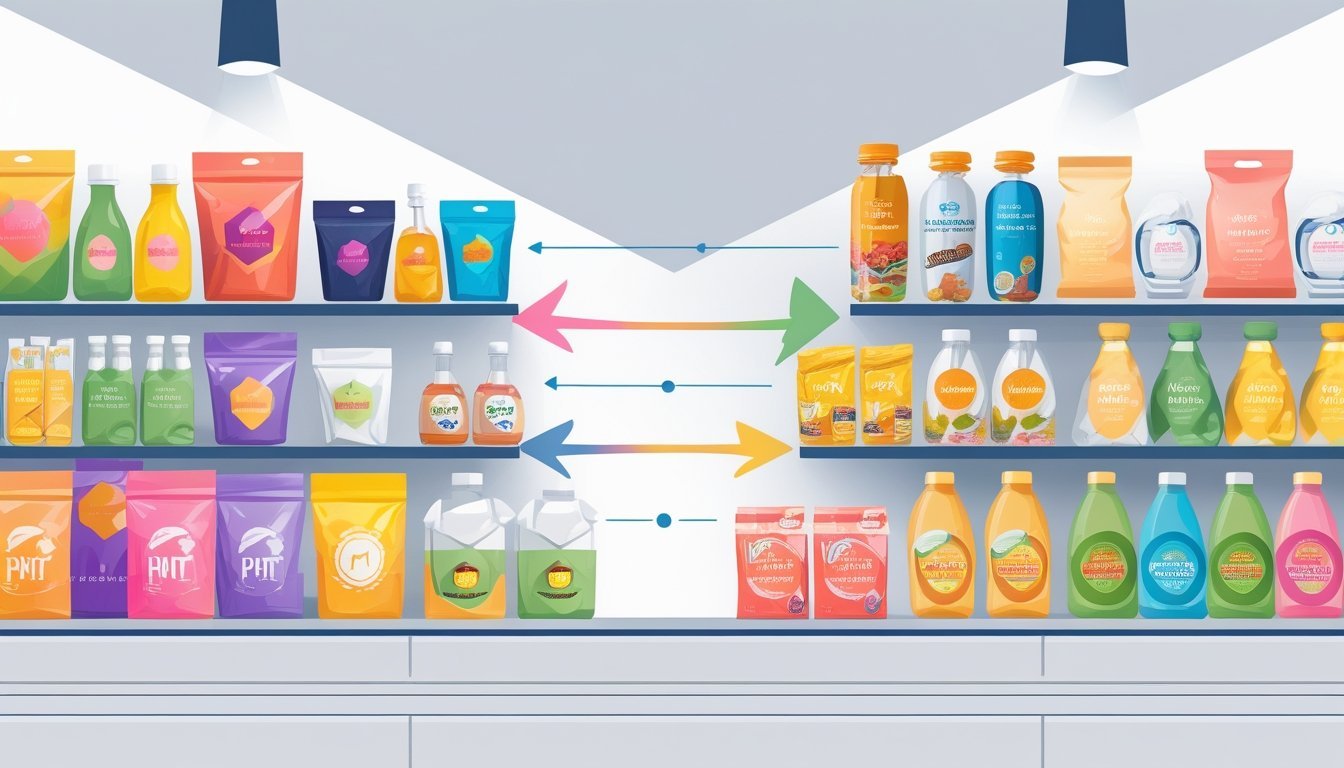
Packaging plays a direct role in influencing how consumers view product substitutes. Design decisions can impact competitive advantage and shape choices between seemingly similar options.
Packaging Solutions and Market Differentiation
Brands harness packaging to set products apart in a crowded marketplace. Visual elements like color schemes, distinctive shapes, and innovative materials allow companies to catch shoppers’ eyes and foster recognition. For instance, a unique package texture or structural design can become synonymous with the brand itself.
Material choices, such as switching to sustainable packaging, not only appeal to environmentally conscious consumers but also serve as a point of differentiation versus less eco-friendly substitutes. Table 1 highlights some strategies:
Packaging Feature Purpose Custom shapes Immediate shelf recognition Eco-materials Attract sustainability-focused buyers Premium finishes Communicate higher value
In competitive segments, even small packaging tweaks may shift perception. Brands often align designs with target demographics, taking into account cultural and social trends to further distinguish a product from its substitutes.
Clear Information and Consumer Acceptance
Clear and precise product information on packaging influences consumer acceptance, especially when comparing substitutes. Labels that detail product contents, benefits, and usage help reduce confusion. This clarity engenders trust, making consumers more willing to choose a new or unfamiliar substitute.
Elements such as easy-to-read nutrition facts, allergen warnings, and certification logos provide immediate reassurance. Effective use of icons and bullet points simplifies comparison between similar products, supporting faster decision-making.
Providing straightforward, honest details on the package can also address consumer concerns. Explicit information demonstrates transparency, which drives confidence and can ultimately tip the balance in favor of one product over a competitor.

