
When Healthy Swaps Go Too Far
Recognizing the Risks of Over-Restrictive Choices

Healthy swaps are a popular way to improve nutrition, helping people replace foods high in sugar, saturated fat, or refined grains with better options like yogurt, nuts, or vegetables. Many make simple changes such as choosing grilled chicken over fried or swapping sugary snacks for fruit and protein-rich alternatives. However, there are cases when healthy swaps go too far, leading to new issues such as nutritional gaps, higher costs, or even disordered eating.
People can end up overly restricting entire food groups or relying on processed alternatives that aren't much healthier than what they're replacing. Sometimes, in pursuit of health, these swaps create stress or reduce food enjoyment, which can undermine the original goal. Readers may not realize how easy it is for helpful habits to become problematic, making it important to understand where to draw the line.
Understanding Healthy Swaps

Healthy swaps focus on changing ingredients to improve nutrition while still enjoying favorite foods. These changes are popular in recipes and meal planning, offering lower calories or added nutrients compared to traditional options.
What Are Healthy Swaps?
Healthy swaps are substitutions where one ingredient is replaced with another that is considered better for health. They may involve switching out high-calorie, high-fat, or high-sugar foods for alternatives with fewer calories, less saturated fat, or more fiber.
The main goal is to enhance the nutritional profile of everyday foods and beverages. For example, using Greek yogurt instead of sour cream provides more protein and less fat.
Healthy swaps are used in a variety of recipes, from snacks to full meals. They make healthier eating more accessible without requiring people to give up familiar tastes or textures.
The Rise of Healthy Alternatives
Over the past decade, healthy alternatives have become widely available in grocery stores and restaurants. This trend is driven by increased awareness of diet-related health issues and a growing demand for nutritious options.
Food manufacturers and home cooks have developed versions of traditional recipes that use healthier ingredients. These include whole grain flours in baked goods, plant-based milk instead of dairy, and air frying instead of deep frying.
Marketing and public health campaigns often encourage consumers to make small changes, such as swapping soda for sparkling water. These initiatives focus on incremental improvements rather than strict dieting.
Common Healthy Swap Ingredients
Several ingredients are frequently used in healthy swaps. For baking, whole wheat flour is often chosen instead of white flour to add fiber and nutrients. Unsweetened applesauce can replace oil or butter in some recipes to reduce fat and calories.
In savory cooking, cauliflower is popular as a low-carb substitute for rice or mashed potatoes. Zucchini noodles (“zoodles”) are used instead of pasta for those seeking more vegetables and fewer refined carbohydrates.
Plant-based proteins, such as lentils and beans, can replace ground beef in tacos or chili. For snacks, air-popped popcorn is a common alternative to potato chips, offering less fat and fewer calories.
The Benefits of Healthy Swaps When Done Right

Making well-chosen healthy swaps can support better eating habits and address specific nutritional concerns. Selecting the right alternatives is important for reducing unwanted ingredients and increasing beneficial nutrients.
Reducing Excess Sugar and Salt
Excess sugar and salt in processed foods are a major concern for many people. These ingredients can increase the risk of health conditions like hypertension and type 2 diabetes. Swapping out sugary drinks for water, tea, or unsweetened beverages immediately cuts down daily sugar intake.
Salt intake can be reduced by using herbs, spices, garlic, or citrus for flavor instead of table salt. Baking at home allows control over sweeteners, giving people the option to use less sugar or choose natural alternatives such as fruit or a small amount of honey.
Tip:
Replace soft drinks with sparkling water and a slice of lemon for flavor.
Use a mix of freshly chopped herbs in place of salt on roasted vegetables or meats.
Reducing sugar and salt is one of the fastest ways to lower empty calorie and sodium consumption.
Incorporating Healthy Fats
Replacing saturated and trans fats with healthy fats can improve heart health and energy levels. Swapping out butter or margarine for oils such as olive or avocado oil is a practical step for cooking and baking. These oils provide mono- and polyunsaturated fats, which help lower LDL cholesterol.
Nuts, seeds, and fatty fish like salmon or sardines are other beneficial sources. Including these foods in daily meals supports cell health, brain function, and vitamin absorption. People can add chia seeds to oatmeal, sprinkle walnuts on salads, or use hummus as a dip rather than cream-based options.
Comparison Table:
Swap Less Healthy Option Healthy Fat Alternative Cooking/Baking Butter, margarines Olive oil, avocado oil Snacks Potato chips Mixed nuts, seeds Condiments/Dips Creamy dressings Hummus, guacamole
Boosting Nutritional Value with Whole Grains
Switching from refined grains to whole grains offers more fiber, vitamins, and minerals. Whole grains like brown rice, quinoa, and oats provide a slower, steadier source of energy. This swap supports digestive health and keeps people feeling full longer.
Refined grains, such as white bread and white rice, lack many beneficial nutrients after processing. Incorporating whole grain bread, pasta, or cereals into meals is straightforward and effective. For example, choosing steel-cut oats instead of instant oatmeal can help balance blood sugar levels.
Benefits of whole grains include:
Higher fiber content for digestive health
Greater supply of B-vitamins and minerals
Improved satiety and stable energy throughout the day
Opting for whole grains over refined choices is a simple and meaningful step toward better nutrition.
When Healthy Swaps Go Too Far: Potential Pitfalls
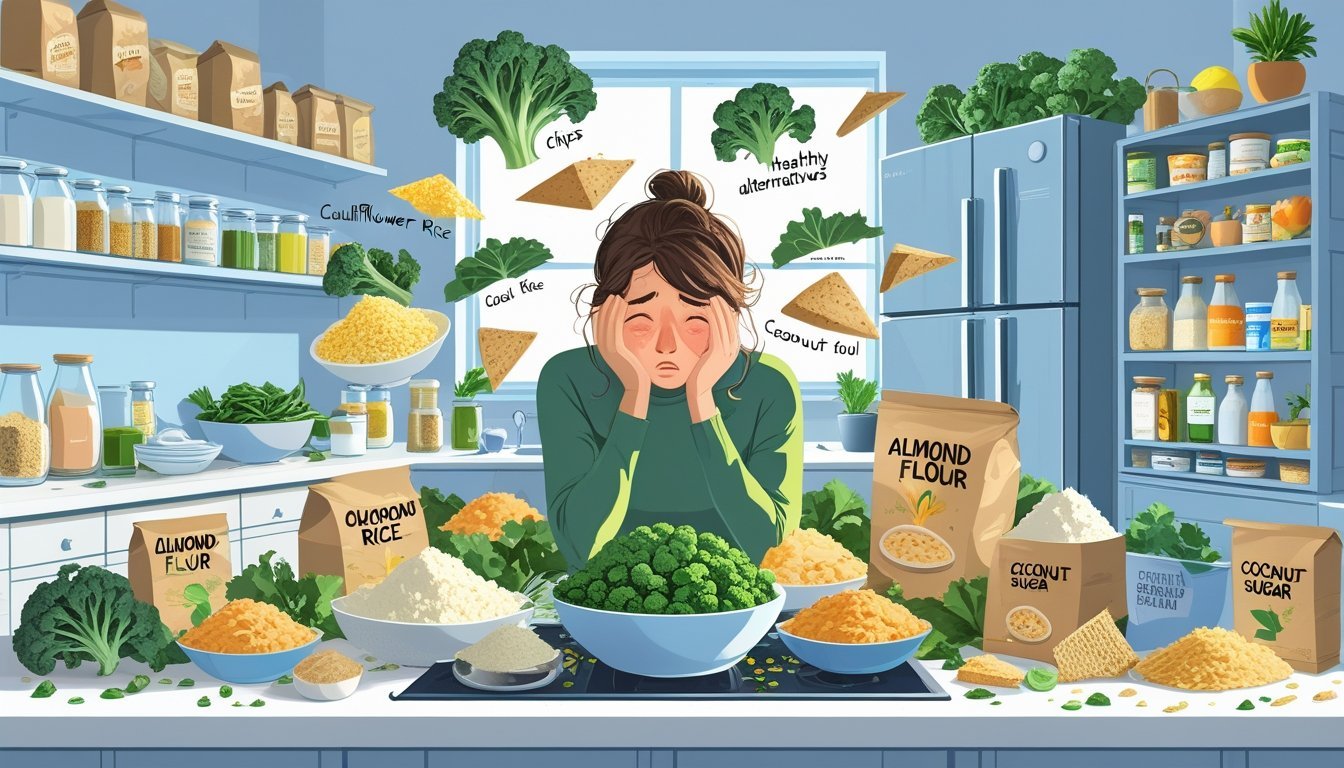
Swapping traditional ingredients for healthier options can backfire if important details are overlooked. Even foods labeled as "better-for-you" can sometimes undermine nutrition goals.
Overlooking Calories in Healthy Alternatives
Using ingredients like avocado, nuts, or coconut oil in place of butter can increase the nutrient content, but these swaps are not always lower in calories. Consuming larger portion sizes due to the "healthier" label can cause a higher total calorie intake. For example:
Ingredient Calories (1 tbsp) Butter 102 Coconut Oil 117 Almond Butter 98 Olive Oil 119
It is easy to underestimate the energy content of these nutrient-rich foods. Many people replace white pasta with whole wheat, then double their servings, hoping the swap alone will support weight management. Monitoring total calories remains important, even with healthier ingredients.
Hidden Sugars in Substitute Ingredients
Natural sweeteners such as honey and maple syrup are often used as substitutions for refined sugar. While these options contain trace nutrients and may be less processed, they still add significant amounts of sugar and calories. One tablespoon of honey has about 64 calories; maple syrup is close, at 52 calories per tablespoon.
Products labeled with "no refined sugar" can sometimes contain concentrated fruit juices or syrups, which have similar metabolic effects as regular sugar. Checking ingredient lists is essential to avoid unintentionally consuming high amounts of added sugars. Sugar content can add up quickly, especially when baking or preparing snacks at home.
Common Swap Mistakes and Misconceptions

Many people make changes to their diet with good intentions but may end up making choices that are not always beneficial. Misunderstanding the impact of popular replacements like gluten-free bread or nut-based products can introduce nutritional issues.
The Problem with Swapping White Bread for Gluten-Free
Switching from white bread to gluten-free bread may seem like a healthy upgrade. In practice, gluten-free options are not always more nutritious unless medically necessary. Most gluten-free breads are made with refined starches such as rice flour or potato starch.
Key comparison:
Bread Type Fiber (g/slice) Protein (g/slice) Common Ingredients White Bread 0.7 2.0 Wheat flour, sugar Gluten-Free 0.5 1.0 Rice flour, potato starch
Many gluten-free loaves have less fiber and more additives than standard white bread. Unless a person has celiac disease or gluten intolerance, changing to gluten-free bread may reduce fiber and nutrient intake while increasing simple carbohydrates.
Dangers of Overusing Almond and Coconut Products
Almond flour and coconut milk are popular in low-carb and paleo diets. However, these ingredients are often calorie-dense and can contribute large amounts of fat to the diet if used in place of traditional grains or dairy.
Almond flour is high in omega-6 fats, which, in excess, may disrupt the balance of fatty acids in the diet. Coconut milk is rich in saturated fat, which, if consumed regularly and in large quantities, can influence cholesterol levels.
Those with nut allergies should also be cautious, as almond flour is derived from tree nuts. Overreliance on these alternatives can lead to nutritional imbalances, especially if traditional sources of fiber and protein are reduced or excluded.
Nutritional Gaps Created by Excessive Swapping

Frequent replacement of core foods with healthier alternatives can unintentionally reduce intake of important nutrients. The risk increases when swaps focus on cutting calories or carbs without considering protein, fiber, and essential micronutrient needs.
Protein and Fiber Deficiencies
Substituting traditional protein or fiber-rich foods with low-calorie plant-based alternatives can lower protein and fiber content in the diet. For example, switching cow’s milk with oat milk or almond milk leads to a drop in protein—most plant-based milks contain 1–2 grams per cup, while cow’s milk contains about 8 grams.
Replacing brown rice with cauliflower rice reduces calories but also removes complex carbohydrates and fiber. While vegetables like cauliflower offer nutrients, they lack the fiber and protein of whole grains and legumes. This can result in less satiety after meals, making it harder to maintain muscle mass and digestive health over time.
Those relying heavily on these swaps should compare nutrition labels and consider supplementing with beans, nuts, whole grains, and legumes to counteract potential deficiencies.
Micronutrient Imbalances
Eliminating or consistently swapping key foods can lower intake of crucial vitamins and minerals. For instance, cow’s milk is a source of calcium, vitamin D, and B12, whereas most oat milk and almond milk require fortification to match these levels. Unfortified options may contribute to gaps, especially for those who avoid animal products.
Cauliflower rice and some vegetable-based swaps may lack iron, zinc, or certain B vitamins provided by whole grains and meats. Even though fruits and vegetables offer antioxidants and vitamin C, they may not fully replace micronutrients found in varied traditional diets.
It is important for individuals making frequent swaps to check for fortification and consider incorporating a diverse range of foods to avoid micronutrient deficiencies.
Specific Ingredient Swaps to Watch
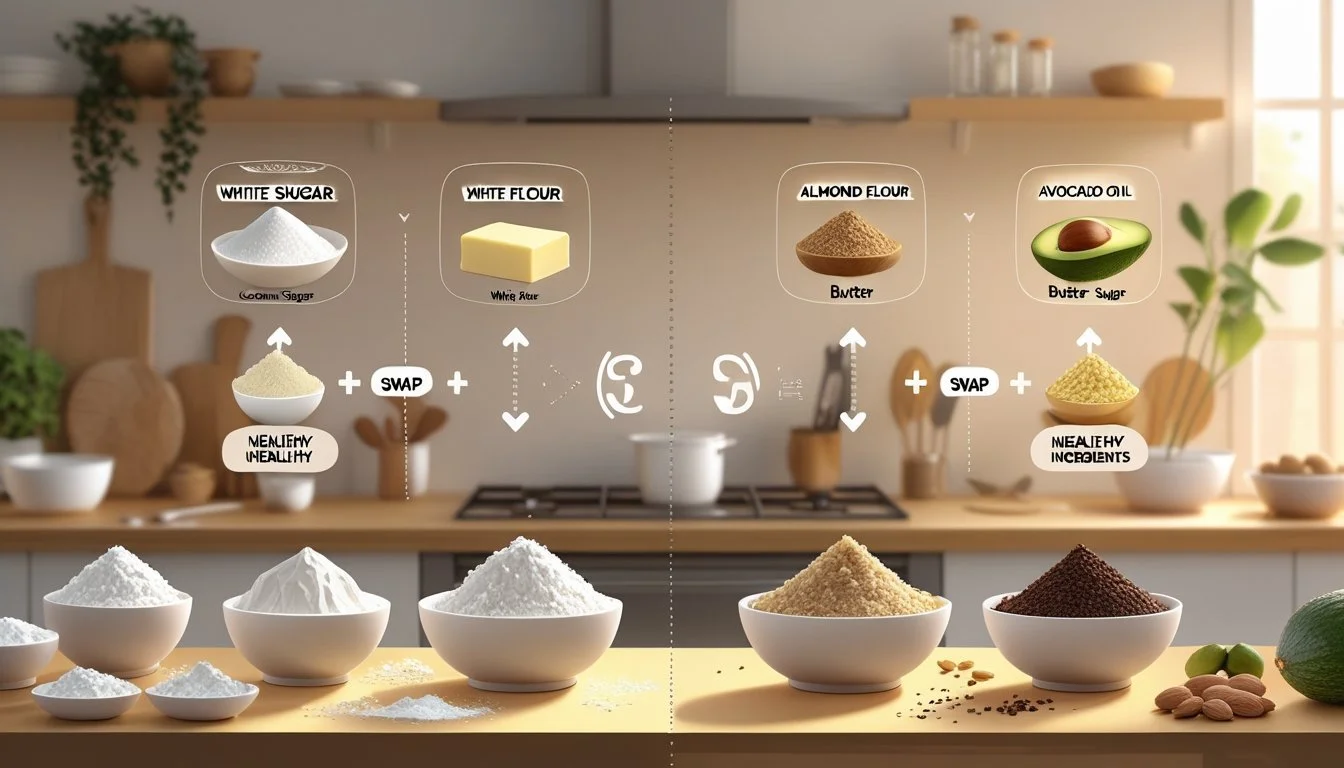
Ingredient swaps can offer health benefits, but some changes are not always better in every situation. Each choice affects nutrition, satisfaction, and the way foods function in meals.
Swapping Out Saturated Fats: Potential Drawbacks
Substituting saturated fats, like butter, with unsaturated fats such as olive oil is a common recommendation for heart health. However, this change can have trade-offs beyond just reducing saturated fat content.
Olive oil is rich in monounsaturated fats and antioxidants, but it behaves differently in cooking and baking. For example, olive oil has a lower smoke point than some traditional fats, which can impact high-heat frying and roasting. This may limit flavor development and could even create unwanted tastes or breakdown products at high temperatures.
When unsaturated fats are used in place of saturated fats in baking, the texture and structure of baked goods may change. Cakes and pastries made with oils instead of solid fats may be less tender or moist. Lean meats and poultry, when used in place of fattier cuts, can become dry unless cooked carefully or supplemented with moisture.
Key considerations for swapping saturated fats:
Taste and texture changes in recipes
Smoke points impacting cooking methods
Potential dryness in lean versions of meats and poultry
Replacing White Flour and White Rice
White flour and white rice are widely consumed, but swaps for whole grain options are usually recommended due to their higher fiber and nutrient content. It’s important to note, though, that these replacements have functional and sensory impacts.
Whole wheat flour has a denser texture and stronger flavor compared to white flour, which can alter cakes, breads, and other baked goods. The end product may be heavier, require more liquid, and take longer to bake. Some people may also find 100% whole grain products less palatable or harder to digest, leading to reduced enjoyment or less willingness to stick with these swaps.
Brown rice and other whole grains are more fibrous and require longer cooking times than white rice. The increased fiber content is a benefit, but the firmer texture and distinct flavor may not suit every dish or preference. In addition, some individuals may experience digestive discomfort if increasing fiber intake too quickly.
Notable impacts when swapping white flour and rice:
Changes to texture and taste
Longer cook or bake times
Potential digestive discomfort with more fiber
Sugar and Sweetener Substitutions: Pros and Cons

Many consumers swap traditional ingredients like sugar or milk chocolate for alternatives to improve their diets. These changes can offer real benefits but can also bring new drawbacks if not considered carefully.
Natural Sweeteners Versus Refined Sugar
Natural sweeteners such as honey and maple syrup are often viewed as healthier alternatives to refined sugar. They do provide some trace minerals and a lower degree of processing. However, these sweeteners are still sugars and can raise blood glucose levels in a similar way to table sugar.
Refined sugar is highly processed and contributes “empty” calories with no added nutrients. Yet, natural sweeteners are not calorie-free and do not significantly reduce the risk of dental cavities or metabolic impact when substituted one for one.
Table: Comparison
Sweetener Processing Level Key Nutrients Glycemic Impact Calories (per tsp) Sugar High None High 16 Honey Low/Medium Trace minerals Medium-High 21 Maple Syrup Medium Manganese, Zinc Medium 17
People with diabetes or those restricting calories should use both sugar and its alternatives in moderation. Overuse of any sweetener can undermine attempts to cut sugar intake and may cause digestive issues if consumed in excess.
Chocolate Choices: Dark vs. Milk Chocolate
Switching from milk chocolate to dark chocolate is a popular “healthy swap.” Dark chocolate contains higher cocoa content and is generally lower in sugar than milk chocolate. It also provides higher levels of antioxidants such as flavonoids, which are linked to some cardiovascular benefits.
Milk chocolate, on the other hand, contains more sugar and typically has added milk solids and fats, reducing its cocoa content. While it is sweeter and creamier, it offers less nutritional value overall than dark chocolate.
Eating excessive amounts of either type can still add significant calories and sugars to the diet. Choosing chocolate with at least 70% cocoa can offer more health advantages but portion control remains important. Some dark chocolates are still sweetened, so checking the label is necessary for those monitoring sugar intake.
Understanding Culinary and Sensory Impacts

Swapping key ingredients in recipes can significantly change the final dish’s sensory appeal and require new cooking techniques. Many healthy substitutes, like Greek yogurt for sour cream, alter both the eating experience and preparation process.
Texture and Taste Differences
Texture plays a critical role in how foods are experienced. For example, swapping sour cream with fat-free yogurt in dips or baked goods can result in a thinner, less creamy consistency.
Taste profiles can shift noticeably. Greek yogurt often has a tangier and sometimes chalkier flavor compared to the mild richness of sour cream. This can stand out, especially in recipes where subtle dairy notes matter.
Certain swaps also change mouthfeel. Using blended cottage cheese or mashed avocado instead of traditional spreads may create a grainy or dense result. Bakers may find that using apple sauce instead of oil yields baked goods with a different crumb structure and retained moisture, which some may find less satisfying.
Cooking and Baking Adjustments
Healthy swaps sometimes require adjustments in technique or ratios. Substituting lower-fat or nonfat dairy alternatives for sour cream might need added thickeners to prevent sauces from becoming runny or separating when heated.
Heating properties also differ. Items like reduced-fat cheese or yogurt can curdle or become watery during cooking, unlike the classic full-fat versions. Baking with sugar substitutes or whole grain flours often requires changing baking times or liquid measurements since these ingredients absorb or retain moisture differently.
A table of common changes:
Ingredient Swap Common Adjustment Sour cream → Greek yogurt May need thickener, adjust for tanginess Oil → Applesauce Check moisture, reduce other liquids Sugar → Stevia or honey Adjust sweetness level and baking time
Balanced Approaches to Healthy Swaps

Making changes to everyday food choices can support better nutrition and health, but the benefits depend on context, quantity, and individual needs. Healthy swaps are most effective when they consider both nutrition and personal satisfaction.
Moderation and Mindful Choices
A balanced approach to healthy swaps emphasizes moderation rather than strict substitution for every meal. For example, swapping soda for water or unsweetened tea reduces added sugar and supports hydration, but allowing an occasional favorite drink prevents feelings of restriction.
Swapping white bread for whole grain can increase fiber and minerals, yet rigidly excluding all refined grains may not be necessary for most people. Mindful choices involve recognizing when nutrient-dense options make the most impact, such as choosing fruits instead of candy for snacks or opting for baked veggie chips over fried potato chips.
Careful reading of labels helps avoid processed foods marketed as "healthy" but still high in sugars, sodium, or fats. Selecting swaps that use fresh vegetables or whole fruits ensures more vitamins and natural fiber are consumed.
Personalizing Diets While Maintaining Enjoyment
Healthy swaps should fit personal preferences, dietary needs, and cultural habits. What works for one person may not please another or may not suit certain lifestyles.
Incorporating swaps like legumes or tofu for some meat meals gives variety without eliminating enjoyable foods completely. Some may prefer adding extra fruit to breakfasts instead of switching to an entirely new dish.
Maintaining enjoyment at meals is crucial for long-term adherence. Small changes—such as blending vegetables into favorite recipes or replacing high-fat dips with Greek yogurt—can improve nutrition without sacrificing flavor or satisfaction.
Variety in foods, including fruits and vegetables, helps ensure diets are balanced and sustainable. The key is flexibility: adapting suggestions as needed to encourage consistency rather than strict compliance.

