
Substituting Flavor Infusions for Extracts
A Practical Guide for Bakers and Cooks
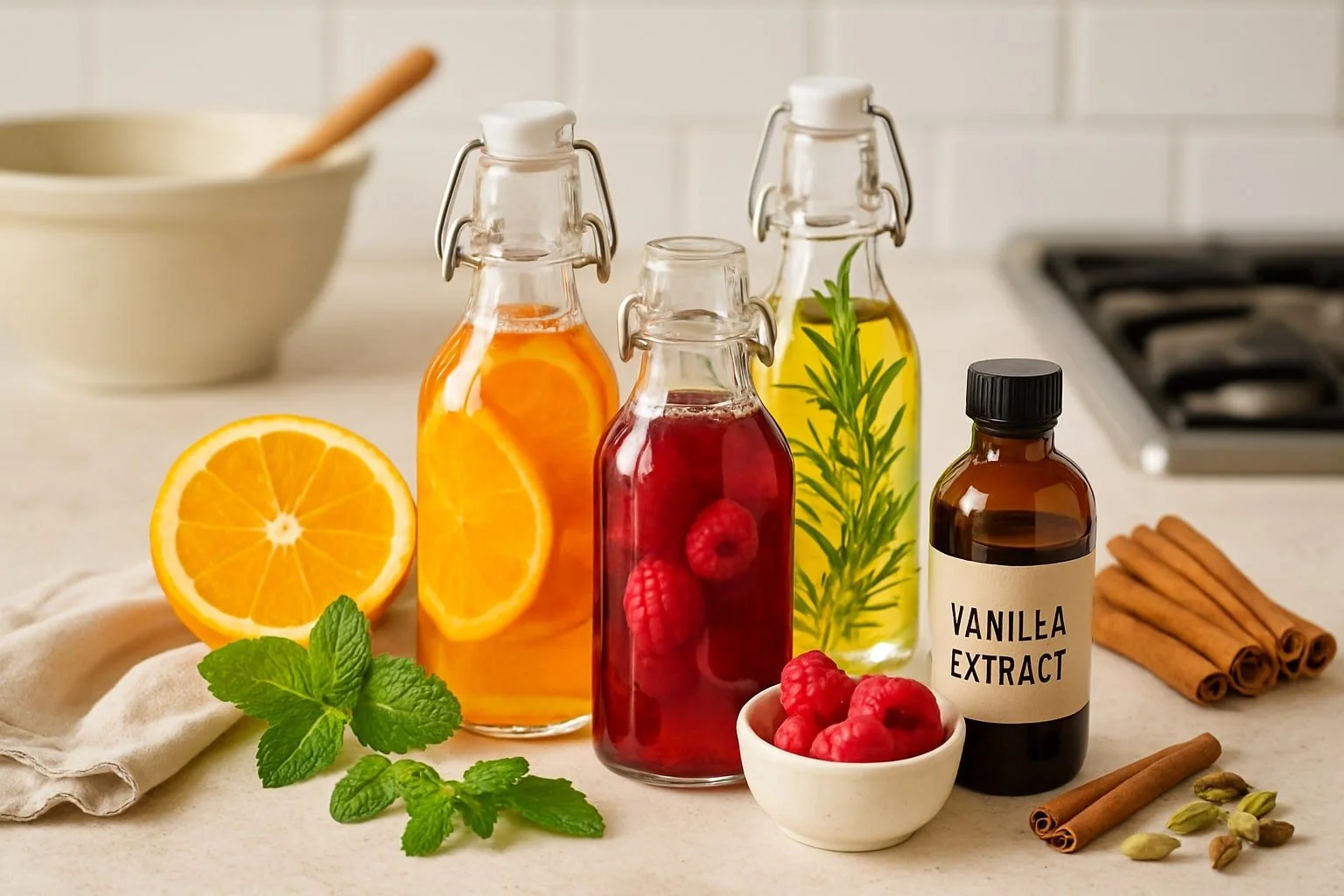
Bold flavors are essential for great results in baking and cooking, but sometimes traditional extracts are unavailable or not preferred. Flavor infusions can effectively substitute for extracts, offering a more natural taste while letting the cook control intensity and ingredients. Common infusions like citrus zests, herb syrups, or spice steeps often provide richer, fresher notes compared to bottled extracts.
Many home cooks make the switch to infusions to avoid artificial additives or to experiment with custom flavor profiles not found in stores. This method allows flexibility; for example, zest or juice can easily replace lemon extract, while vanilla beans or even vanilla-flavored plant-based milks can work in recipes when vanilla extract is missing.
Exploring the world of infusions opens up new possibilities for flavor development and ingredient customization. With attention to technique, nearly any extract can be matched or even surpassed by a homemade infusion.
Understanding Flavor Infusions Versus Extracts
Flavor extracts and infusions both add taste, but they are produced and used differently. Their alcohol content, strength, and method of imparting flavor all influence which to choose for a specific recipe.
What Are Extracts
Extracts are concentrated flavor solutions, typically made by soaking a primary ingredient—like vanilla beans or citrus peel—in a solvent such as alcohol. This process draws out the aromatic and flavorful compounds into the liquid, creating a potent ingredient for cooking and baking.
Common extracts include vanilla, almond, and mint. Extracts are prized for their long shelf life and strong, consistent taste. For commercial use, alcohol is generally the preferred solvent because it dissolves a wide range of flavor compounds and preserves the solution.
Bakers and cooks often use just a few drops to achieve the desired strength, as extracts deliver bold, recognizable profiles.
Defining Flavor Infusions
A flavor infusion is made by steeping ingredients such as herbs, spices, or fruit in a liquid like cream, milk, oil, or water. The process is gentler and does not always rely on alcohol. Infusions allow the essence of solid ingredients to gradually release into the base liquid over time.
Examples include tea steeped in water, rosemary infused in olive oil, or citrus zest steeped in cream. Infusions are often used when a subtle, nuanced, or fresh flavor is preferred.
They are typically prepared just before use and can be customized easily, making them versatile for many recipes.
Differences in Alcohol Content and Carrier
The primary difference between extracts and infusions is the liquid or “carrier” that holds the flavor compounds. Extracts almost always contain alcohol, which is usually 35–45% by volume. This alcohol both dissolves and preserves the concentrated flavor.
In contrast, infusions use water, oils, or dairy as their base. The lack of alcohol means infusions extract a different set of volatile compounds and may not keep as long.
A table summarizing the difference:
Feature Extracts Infusions Common Base Alcohol Water, oil, dairy Alcohol Content 35–45% (typical) Usually none Shelf Life Long Short, must be fresh Preservation Yes No
Flavor Intensity Comparison
Extracts provide a concentrated flavor burst even in small amounts, due to the high ratio of flavor compounds dissolved in alcohol. A teaspoon of vanilla extract, for example, is far more potent than a teaspoon of vanilla-infused milk.
Infusions, on the other hand, yield a milder, subtler effect. The resulting flavor depends on steeping time, ingredient-to-liquid ratio, and temperature, but is usually less intense than what an extract offers.
Extracts are best when a pronounced and lasting taste is needed, while infusions work well for fresh or delicate notes that complement the main recipe.
Those substituting should be aware that the mildness of infusions may require larger quantities and an adjustment to the recipe’s liquid content.
Reasons to Substitute Flavor Infusions for Extracts
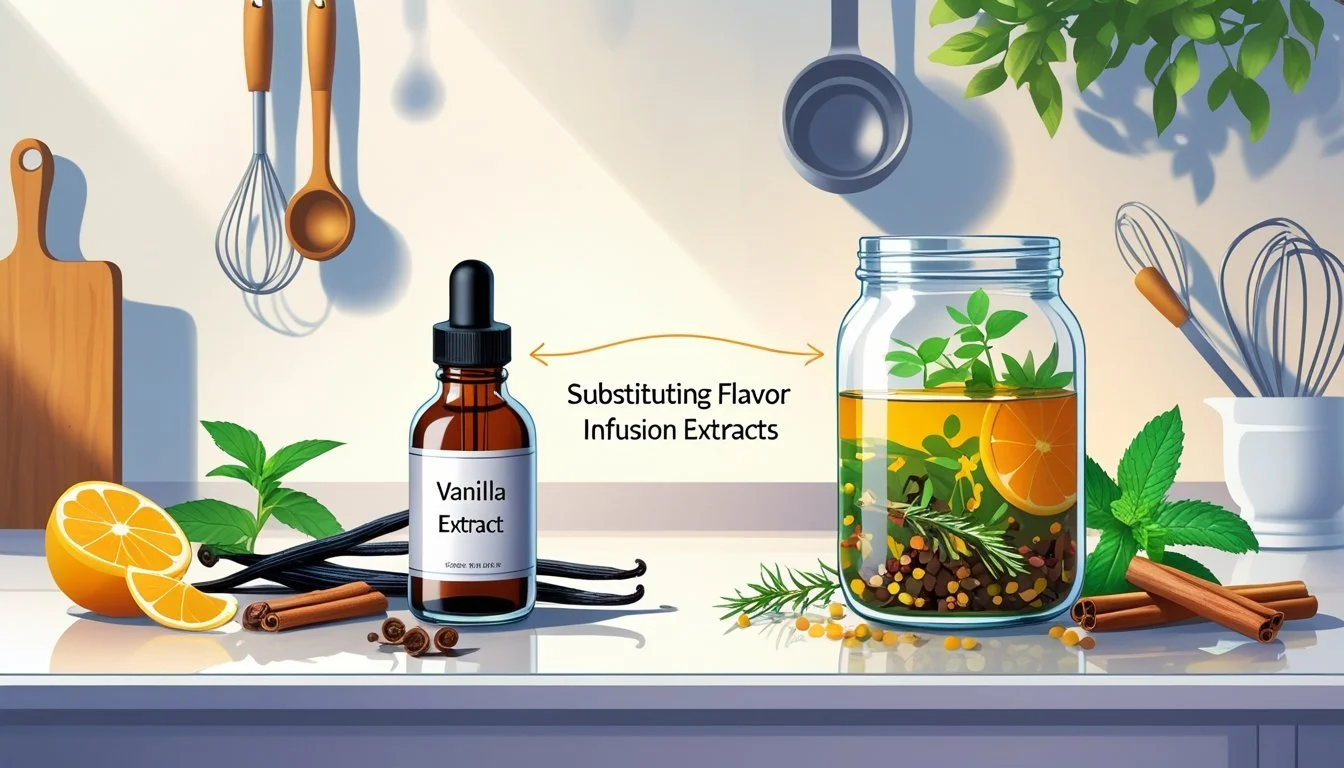
Flavor infusions can offer unique taste profiles, address dietary needs, and sometimes be a practical option when extracts are unavailable or expensive. Each reason to substitute involves different considerations and may require slight adjustments to recipes for best results.
Flavor Preference
Infusions allow for more nuanced and complex flavors compared to standard extracts. Unlike extracts, which tend to be highly concentrated and often alcohol-based, infusions can bring out subtle notes from whole ingredients, such as herbs, fruits, or spices.
Home cooks may create custom blends, tailor the strength of the flavor, or combine multiple ingredients to suit specific taste preferences. For example, a homemade mint infusion may taste fresher and less sharp than peppermint extract.
Some infusions, like a citrus zest steeped in hot water, yield bright, aromatic flavors not always captured by commercial extracts. This flexibility gives more control over the final taste of baked goods, beverages, or sauces.
Availability and Cost
Extracts can sometimes be expensive or hard to find, especially for less common flavors such as rose, cardamom, or certain tropical fruits. Making an infusion at home with dried or fresh ingredients is often cheaper and requires only basic kitchen tools.
Many pantry staples, like herbs, tea leaves, or citrus peels, double as affordable sources for creating simple infusions. In contrast, extracts might require specialty shopping or ordering online, adding to both cost and wait time.
Substituting with an infusion enables cooks to use what's on hand and avoid the expense of a specialty ingredient. This is especially useful for recipes requiring only a small amount of flavoring, reducing waste and unnecessary purchases.
Dietary or Allergy Needs
Flavor extracts frequently contain alcohol, additives, or allergens that may not be suitable for everyone. Some commercial extracts might include artificial coloring or preservatives, which certain individuals try to avoid for health benefits.
Infusions can be made alcohol-free and without unwanted additives, offering a cleaner ingredient list. This is beneficial for those with specific allergies or sensitivities, such as people who must avoid gluten, nuts, or artificial flavors.
Homemade infusions allow complete control over the ingredients used, minimizing exposure to common allergens. This approach also aids in adhering to dietary restrictions or health priorities, such as avoiding processed chemicals or reducing alcohol consumption.
Types of Flavor Infusions Used as Extract Substitutes
Flavor infusions including oils, herbs, citrus zest, and spices offer practical alternatives to commercial extracts. These infusions give control over ingredient quality and adaptability for a wide range of baked goods, sweets, and beverages.
Oils and Herbal Infusions
Oils serve as carriers for herbal and spice flavors, delivering intensity similar to extracts. Common oils used are neutral oils like sunflower or canola, which do not compete with the infused flavors. Olive oil is sometimes chosen for its unique profile.
Herbal infusions like mint, basil, or rosemary involve steeping fresh or dried herbs in oil at gentle heat. This process allows flavors to infuse without bitterness. Peppermint and spearmint oils are popular for candy, desserts, or even cocktails as substitutes for mint extract.
A simple table illustrating examples:
Herb Carrier Oil Typical Use Peppermint Sunflower Chocolates, frostings Rosemary Olive Savory breads, oils Basil Canola Salad dressings
These infusions are especially useful when alcohol-free flavoring is needed or when a fresher herbal note is desired.
Citrus Zest and Oils
Citrus zest—finely grated peel from oranges, lemons, or limes—provides aromatic oils with a bright, authentic flavor. Orange zest, for instance, can stand in for orange extract in cakes, muffins, and glazes. Lemon and lime zest add a concentrated burst of aroma and flavor that artificial extracts often lack.
Citrus oils, which are derived from cold-pressing the peel, offer even more concentrated flavor. A few drops of pure citrus oil can substitute for extract in icings and baked goods. The essential oils from fruit zest deliver floral and bitter notes that round out the sweetness of desserts.
Key tips:
Use only the colored part of the zest; the white pith is bitter.
Dose citrus oils conservatively as they are highly concentrated.
Spice Infusions
Spices such as cinnamon, nutmeg, and cloves can be infused into milk, alcohol, or oils to extract complex flavors. A cinnamon stick simmered in milk or cream imparts pronounced warmth for custards and puddings. Nutmeg grated into warm butter or cream adds nutty, aromatic undertones ideal for eggnog or spice cake.
Peppercorns, cardamom, and allspice may also be used in infusions to echo or replace store-bought extract. Spice oils are another powerful option—pure cinnamon oil, for example, can offer strong, true flavor in small doses in candies or frostings.
These methods work well when the goal is an all-natural ingredient list or a more nuanced spice character over synthetic extracts. Adjust infusion time and spice quantity to balance strength and bitterness.
Homemade Flavor Infusions for Baking and Cooking
Homemade flavor infusions offer versatile ways to add distinctive notes to baked goods and savory dishes. By introducing flavors directly into alcohol, sugars, syrups, or fats, cooks can create custom ingredients that fit specific recipes or preferences.
Infused Vodka and Spirits
Infusing vodka, rum, bourbon, or liqueur with items such as vanilla beans, coffee beans, or citrus peels creates flavorful liquids that mimic extracts. These infusions rely on alcohol to extract and preserve flavors, yielding potent results.
For example, combining vodka with split vanilla beans and letting it sit for 6-8 weeks produces a vanilla extract substitute. Rum or bourbon can infuse with spices or dried fruit for additional depth. A simple guide:
Spirit Base Flavoring Ingredients Suggested Time Vodka Vanilla beans, citrus zest 6-8 weeks Rum Cinnamon sticks, clove 6-8 weeks Bourbon Coffee beans, chocolate 6-8 weeks
Store infusions in glass jars in a dark, cool place. Shake occasionally to help distribute flavors. This method is especially effective for substituting commercial extracts in cakes, cookies, and sauces.
Infused Sugars and Syrups
Infusing sugars and syrups introduces sweetness and flavor at the same time. Vanilla sugar is made by storing granulated sugar with vanilla beans, allowing the aroma to develop over one or two weeks.
Maple syrup, honey, or molasses can also be infused by gently simmering with spices such as cinnamon, cardamom, or dried zest. After cooling, the mixture is strained and stored in airtight containers.
Infused sugars work well for topping muffins or stirring into coffee. Flavored syrups are suited for glazes, marinades, or beverages. A few tablespoons of these ingredients can often replace both sugar and extract in a recipe.
Infusing Dairy and Fats
Flavors can be introduced into dairy and fats by gently heating cream, milk, or butter with items like citrus zest, tea leaves, or herbs. After steeping, the solids are strained out, leaving a subtly flavored base.
For baking, infused butter or cream can be used in place of plain versions in cakes, frostings, or custards. Almond oil can be infused with vanilla or spices for rich, nutty undertones.
Proper straining is crucial to remove any particulate and avoid unwanted textures. Infused dairy and fats are best prepared fresh for immediate use, as their shelf life is shorter than that of spirits or sugars.
How to Replace Extracts with Flavor Infusions in Recipes
Replacing extracts with infusions can enhance the flavor profile of recipes but requires careful adjustments. The approach varies depending on the desired flavor intensity, cooking technique, and whether the recipe is for sweet or savory dishes.
Adjusting Quantities for Flavor Intensity
Flavor infusions are usually less concentrated than extracts, so quantities need to be scaled up. As a general guideline, substituting 1 teaspoon of extract typically requires 1–3 tablespoons of infusion, depending on its strength.
It is best to begin with a smaller amount and taste the mixture, adding more as needed. For baked goods like cakes and cookies, strong infusions—such as vanilla bean milk or citrus zest in cream—can bring depth while avoiding overpowering the other ingredients.
For recipes requiring a pronounced flavor, such as biscotti, increase the infusion amount slightly and monitor the outcome during mixing. Keep in mind that infusions may also add additional liquid, so reduce other liquids slightly to maintain the recipe’s balance.
Timing and Technique in Baking
Timing is crucial when using flavor infusions. Unlike extracts, which are often added at the end, infusions generally work best when incorporated earlier in the process. This allows the flavors more time to permeate the batter or dough.
For cakes and cookies, mix infusions with the wet or dairy ingredients to ensure even distribution. When making custards or puddings, add infused milk or cream while gently heating to unlock subtle aromatic notes.
Infusions made with alcohol or oil can withstand higher temperatures and are suitable for recipes that bake for extended periods. If an infusion is particularly delicate, consider baking at a slightly lower temperature to preserve its distinctive flavors.
Adapting for Sweet Versus Savory Dishes
The method for substituting infusions depends on whether the recipe is sweet or savory. In sweet dishes, such as cakes, cookies, and biscotti, use infusions like vanilla-bean milk or citrus syrups, and adjust sugar or liquids as needed.
For savory cooking, infusions using broth or oil—such as rosemary-infused olive oil—bring subtlety and complexity to dishes. Add these early in cooking for well-developed, rounded notes. Pair the infusion with complementary ingredients to create a cohesive flavor profile.
In both cases, monitor the texture and taste, as flavor infusions impact both intensity and the recipe’s overall composition. Taste testing is essential to avoid overpowering or underwhelming the finished dish.
Popular Extracts and Their Infusion Alternatives
Traditional flavor extracts add concentrated taste to recipes, but infusion alternatives can provide equally distinct results. These options often use whole ingredients or pantry staples to closely match the flavor profile and aroma of common extracts.
Vanilla: Beans, Bean Paste, and Homemade Options
Vanilla extract is made by steeping vanilla beans in alcohol to capture their complex flavor. A direct substitute is a split vanilla bean scraped into recipes, which supplies visible seeds and a potent aroma.
Vanilla bean paste blends vanilla bean seeds with a thickened syrup, creating a rich, concentrated alternative ideal for custards or frostings. Vanilla powder—finely ground whole beans—also works, especially in dry mixes.
Homemade vanilla extract is easy to prepare: soak split vanilla beans in vodka for at least two months. For faster substitutes, maple syrup or honey can mimic the sweet, warm notes of pure vanilla extract, though they alter color and sweetness.
Substitute Typical Use Notes Vanilla beans Custards, ice cream, cakes Potent flavor, visible seeds Bean paste Batters, frostings Intense, syrupy Homemade extract All-purpose Requires 2+ months to steep Vanilla powder Dry mixes, doughs Subtle, less moisture Maple syrup/honey Quick substitute in baking Adds sweetness
Almond: Oils and Other Nut Infusions
Pure almond extract is derived from bitter almond oil and alcohol, creating a strong and unmistakable profile. Imitation almond extract uses synthetic flavors but lacks the depth of the real product.
Almond oil is a practical substitute in recipes that do not require baking. It delivers a mild nuttiness but less intensity. Homemade almond extract can be made by soaking toasted, chopped almonds in vodka for several weeks for a more natural, less synthetic taste.
Other nut infusions—like hazelnut and amaretto liqueur—can replace almond extract and offer unique notes. Frangelico, a hazelnut liqueur, introduces both sweetness and toasted flavors. For baked goods, nut-infused spirits or oils can enhance flavor profiles, especially in cookies and cakes.
Nut Extracts & Infusion Alternatives:
Homemade Almond Extract: Soak almonds in alcohol.
Amaretto: Substitute for almond flavor, slightly sweeter.
Hazelnut Extract/Frangelico: Toasted, nutty flavor for depth.
Citrus: Zest and Fruit-Infused Spirits
Citrus extracts like lemon and orange are valued for their bright, concentrated flavors. Substitutes include citrus zest, which contains essential oils that provide fresh aroma and intense taste.
Grate zest directly into batters to replace commercial extracts. It is especially effective for cakes, frostings, and scones. For additional complexity, infuse vodka or other spirits with orange or lemon zest for several days to create homemade citrus extracts.
Other fruit zests, such as lime or grapefruit, can be swapped for their respective extracts. Fruit-infused spirits enhance glazes, syrups, and baked desserts, delivering pronounced citrus notes without added acidity.
Flavor Infusion Alternative Best Uses Lemon extract Lemon zest, lemon vodka Cakes, curds, scones Orange extract Orange zest, orange liqueur Cookies, biscotti, glazes Fruit zest blends Homemade infused spirits Desserts, drinks, syrups
Tips and Best Practices for Successful Flavor Substitution
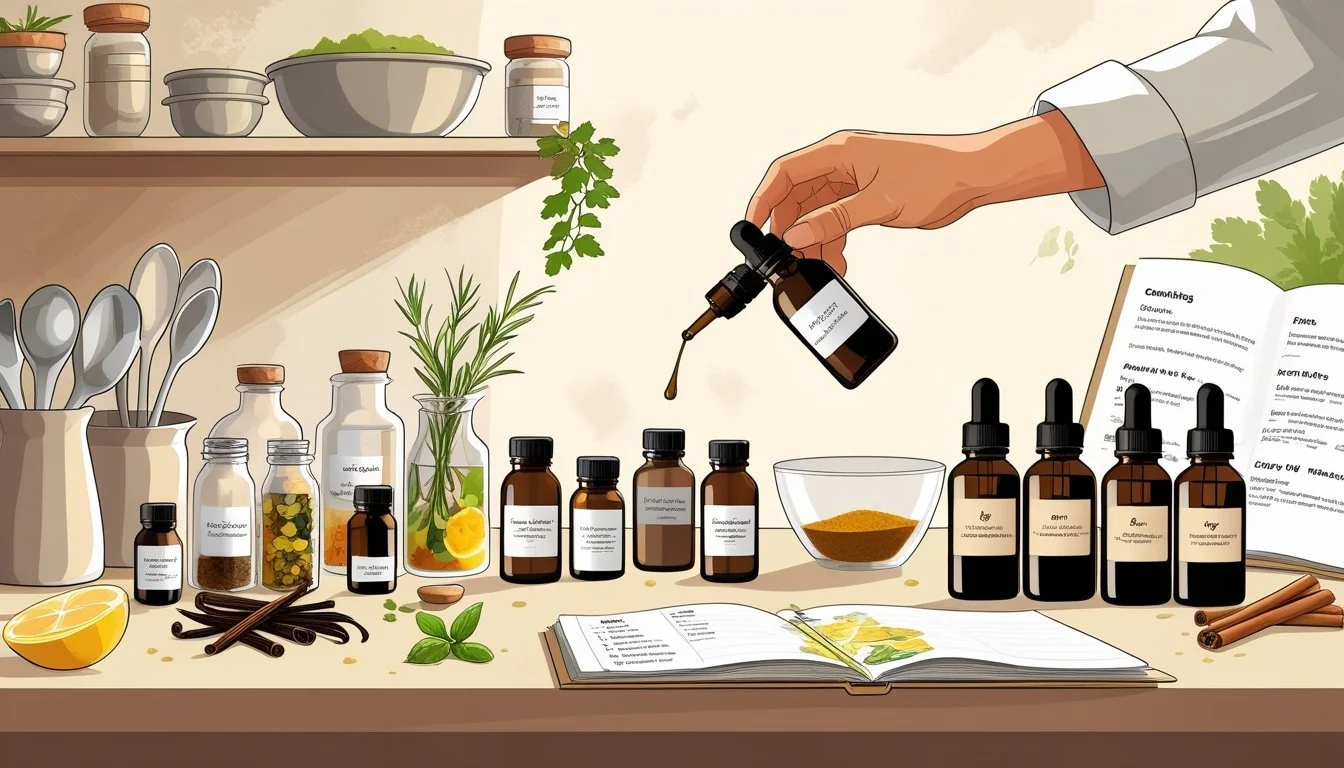
Achieving a balanced flavor profile relies on the careful selection, preservation, and application of homemade infusions as substitutes for traditional extracts. Understanding how different methods and ingredients affect results can help maintain consistency and optimize taste in a broad range of recipes.
Blending Flavors for Unique Profiles
Successfully substituting infusions for extracts starts with precise blending. Consider how base spirits, such as vodka or gin, impact the infusion’s flavor. Vodka provides a neutral base that highlights added ingredients, while gin’s botanical profile enhances herbal and citrus infusions.
Test flavor combinations in small batches before adding them to recipes. Use a table or list to document results when experimenting:
Base Spirit Infused Ingredient Intended Recipe Observed Flavor Notes Vodka Vanilla beans Pound cake Smooth, mellow Gin Lemon zest Sugar cookies Bright, herbal
Balance is key—spices may overpower delicate flavors if not measured carefully. Always taste infusions on their own and adjust ratios to avoid masking subtler ingredients. Combining complementary flavors, such as berries with fresh herbs or citrus with spices, typically yields more complex and enjoyable results.
Preserving Infused Ingredients
The shelf life of homemade infusions depends on storage and alcohol content. Alcohol-based infusions generally last several years, as high proof spirits preserve the ingredients and prevent spoilage. Store them in airtight glass containers away from light or heat to maintain flavor potency.
Despite their stability, homemade infusions can lose intensity over time. Use labels with creation dates and review flavors periodically. For best results, most infusions should be used within 2 to 5 years.
If an infusion develops an off odor or appearance, discard it. Proper preservation not only protects quality but ensures flavor consistency when used as an extract substitute in recipes.
Matching Infusion to Recipe Style
Not all recipes benefit equally from every infusion. It is important to match the character of the infusion to the dish. Delicate desserts—like shortbread or meringue—pair best with subtle infusions such as vanilla or floral notes, while bold recipes—such as fruit cakes or spice cookies—can tolerate more intense or layered infusions.
Consider the overall flavor profile of the finished product. For baked goods that bake for a long time, use infusions with robust flavors since subtle ones may fade during cooking. In beverages or cold applications, lighter infusions work well and maintain nuance.
Always adjust recipe measurements when using infusions as substitutes. Start with a 1:1 ratio by volume, then modify to taste, accounting for the differences in strength and character between infusions and commercial extracts.
Potential Challenges and Considerations
When substituting flavor infusions for extracts, several important factors can affect the outcome, including stability, measurement precision, and how the ingredients behave during cooking or baking. Each aspect can influence flavor intensity, shelf life, and usability in recipes.
Shelf Life and Storage
Flavor infusions typically have a shorter shelf life than concentrated extracts. This is often due to their higher water content and lack of strong preservatives like alcohol.
Infusions stored at room temperature may spoil more quickly, especially if made with fresh ingredients. Storing infusions in airtight jars in the refrigerator can help extend their usability but usually not beyond a week or two.
Extracts, on the other hand, benefit from higher alcohol content, which helps inhibit microbial growth and oxidation. This difference in preservation is key when considering long-term storage or bulk preparation.
Measuring and Consistency
Standardized extracts provide a consistent, concentrated flavor. Recipes often specify extract volumes for predictable results.
Infusions, however, tend to vary in strength depending on steep time, the ratio of flavoring material to liquid, and quality of ingredients. Home preparation introduces even more variability.
Adjustments: When using infusions, cooks may need to use larger amounts to match extract strength. This can alter liquid ratios in a recipe, requiring further modifications.
The table below summarizes considerations:
Factor Extracts Infusions Flavor strength Highly concentrated Mild, variable Measurement Precise, standardized Requires adjustment Volume used Low Higher
Ingredient Interactions in Cooking
The higher water content in infusions can impact certain recipes, particularly baked goods or candies where moisture balance is crucial. This can lead to changes in texture or require compensation elsewhere.
Since infusions lack alcohol’s volatility, flavors may fade more during cooking, requiring post-cooking additions or increased quantities. This can be especially true in applications where the extract’s concentrated flavor and preservation properties are essential.
Interactions with fats, sugars, and acids can also affect the release and perception of flavors from infusions. Careful testing and incremental adjustments are advised for optimal results.

