
Lessons from Food Stylists on Visual Substitutes
Proven Tips for Effective Food Photography
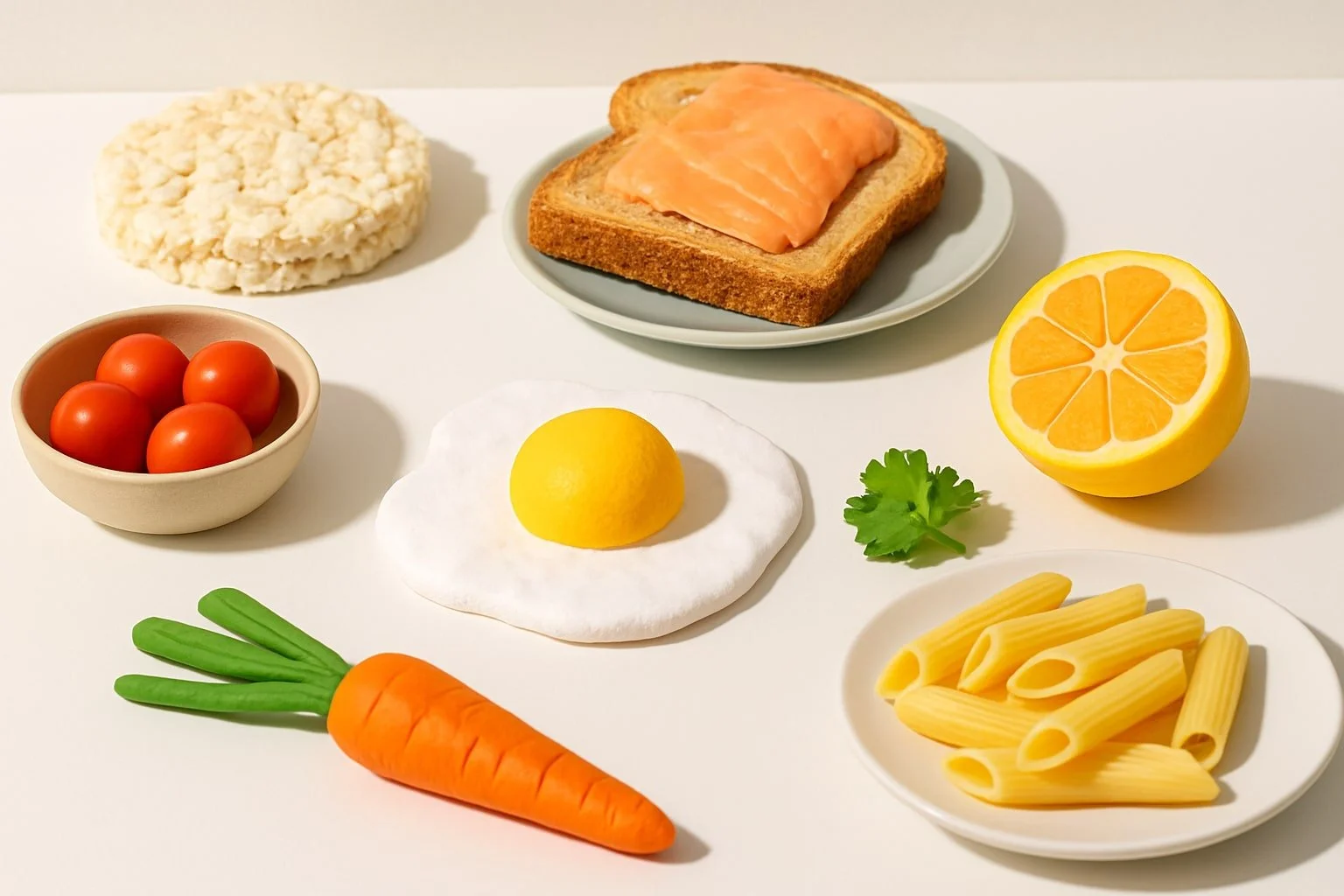
Food stylists are experts at making dishes look their best, even when real ingredients are impractical for long photo shoots. They often use visual substitutes—such as motor oil instead of syrup or glue for milk—to create picture-perfect food that stays fresh-looking on camera. By relying on these clever tricks and swaps, stylists ensure food appears appetizing and vibrant, regardless of the actual conditions.
These techniques involve a blend of artistry, science, and resourcefulness, making food look idealized for advertisements and cookbooks. Anyone interested in creating appealing food images can learn valuable lessons from the creative problem-solving strategies used by professional food stylists.
Understanding Food Styling Fundamentals
Effective food styling blends technical preparation and artistic choices. Professionals create striking images by carefully arranging food, using tailored tools, and making deliberate visual substitutions for better composition and contrast.
The Role of Food Stylists
Food stylists are responsible for preparing and presenting dishes to appear visually appealing for photography and videography. They collaborate with photographers, directors, and chefs to achieve a look that highlights color, texture, and freshness. A strong understanding of how food behaves under studio lighting is essential.
Styling is not just about making food look good; it’s about telling a story. Food stylists must anticipate how ingredients will interact and even substitute inedible or alternative items to maintain shape and color over time. Many stylists have training from culinary school, but practical experience is just as valuable.
Creativity and technical skills are balanced in this role. Using composition techniques such as leading lines or the rule of thirds helps guide the viewer’s eye. The overall presentation must look effortless, even when the process is meticulous.
Principles of Visual Substitution
Visual substitution refers to using alternative materials or ingredients to improve the visual quality of the food being styled. This can involve swapping perishable or hard-to-style items with more durable substitutes that photograph better, such as using mashed potatoes in place of ice cream, which melts quickly under lights.
Contrast in colors or textures is often enhanced through substitutions, guided by color relationships like complementary or analogous tones. Stylists apply these methods to create visual interest without distracting from the main dish. The process ensures that the image remains appetizing and realistic despite the use of substitutions.
A beginner's guide would emphasize practical knowledge—knowing when a substitute is appropriate and how to maintain authenticity. The choice of substitute depends on factors like lighting conditions and the intended style of the composition.
Key Tools and Props
Food stylists use a variety of tools to achieve precise and appealing presentations. Essential items include knives, whisks, tweezers, paintbrushes, and spray bottles. These tools allow stylists to control texture, apply finishing touches, and tweak elements while on set.
Props play a significant role in setting the scene and enhancing the overall composition. Plates, rustic boards, utensils, and linens are chosen to complement the food visually. Careful selection prevents props from overpowering the food but provides context and contrast.
A well-organized kit is crucial. Food stylists must be prepared with backups and cleaning supplies to address unexpected issues. The combination of reliable tools and thoughtfully selected props elevates both the appearance and mood of the final photograph.
Visual Substitutes and Their Impact
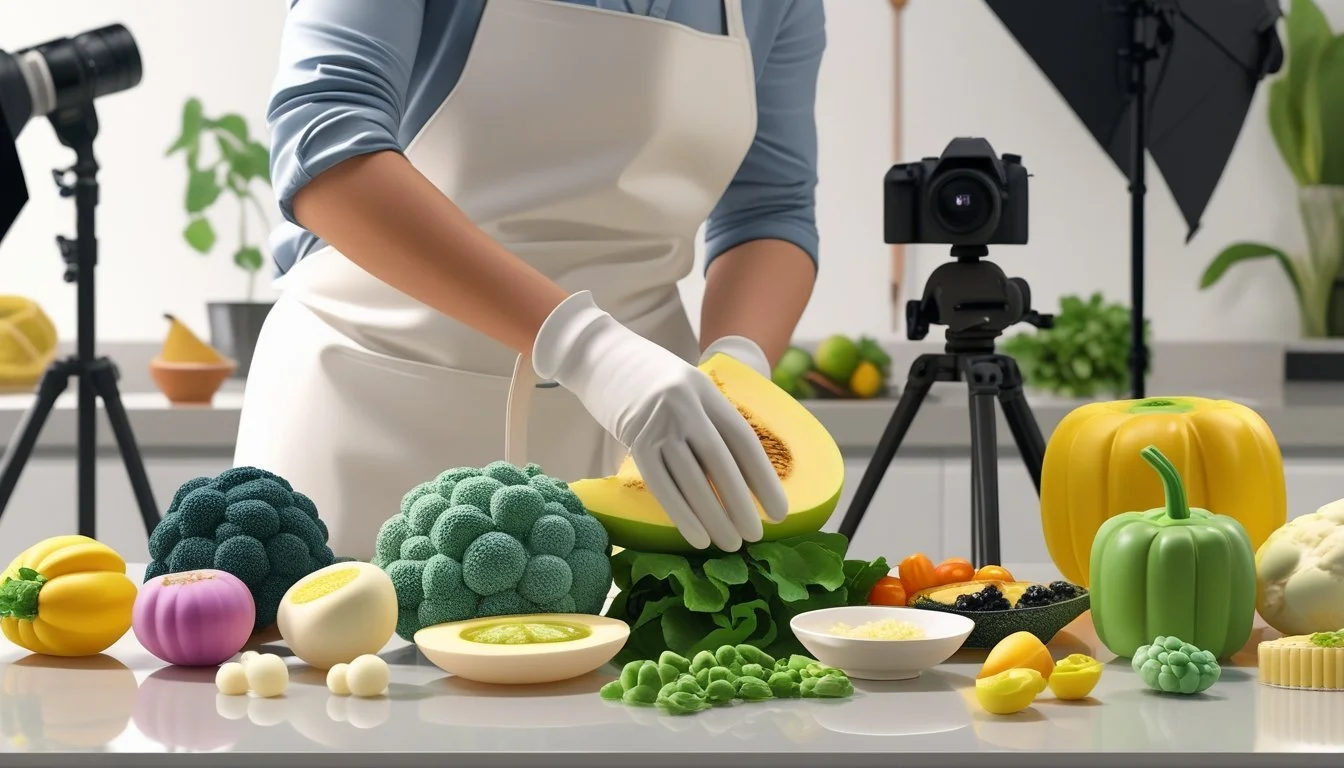
Food stylists often rely on visual substitutes to create dishes that appear fresh and appetizing on camera. These substitutes are chosen specifically to withstand heat, light, and time without sacrificing the integrity of the final image.
Common Visual Substitutes Used by Professionals
Many styling sessions swap out real food for materials that hold up better under studio lights or extended shooting. For instance, mashed potatoes are frequently used in place of ice cream because they keep their shape and don’t melt.
Other examples include:
Motor oil replacing syrup for pancakes to avoid absorption
Shaving cream substituting for whipped cream because it retains its form
White glue often stands in for milk in cereal shots
When garnishing, stylists might use artificial fresh herbs or wax chives, since these alternatives maintain color and texture longer than their real counterparts.
Why Visual Substitutes Matter in Food Presentation
Visual substitutes are crucial for achieving consistent, appealing results across long photo shoots. Consistency is essential because real ingredients often wilt, discolor, or break down after exposure to heat or lights.
The main goal is to maximize visual appeal rather than prepare something edible. Using substitutes gives stylists full control over appearance—ensuring garnishes look vibrant and sauces have the perfect sheen.
Clients expect food presentation to match advertising standards, so stylists must use every tool, including visual substitutes, to meet these expectations. Without these methods, many foods would appear dull or unappetizing on camera.
Selecting Substitutes for Texture and Color
Texture and color are two of the most critical attributes when choosing visual substitutes. For example, stylists select mashed potatoes as a stand-in for ice cream because they mimic the smooth, creamy look and can be tinted with food coloring.
Bright garnishes, like faux fresh herbs or artificial chives, maintain their fresh appearance longer than real ones. Spray oils applied to breads and meats deepen color and add gloss, enhancing the overall visual impression.
A table can clarify the typical choices:
Food Item Common Substitute Reason for Use Ice Cream Mashed Potatoes Holds shape, resists heat Milk in Cereal White Glue Prevents sogginess Whipped Cream Shaving Cream Maintains texture Syrup Motor Oil Doesn’t absorb, stays visible Fresh Herbs Artificial Herbs Don’t wilt, retain color
Techniques for Enhancing Visual Appeal
Food stylists rely on visual tricks to make substitutions look as appetizing as real ingredients. Effective use of lighting, thoughtful composition, and intentional contrast make substitutes convincing and visually compelling.
Manipulating Lighting for Substitutes
Lighting is often the most significant factor when showcasing food substitutes. Using natural light provides a soft, even illumination that mimics daylight. This reduces harsh shadows and helps showcase textures, which is useful for items like faux ice cream or artificial garnishes.
Artificial lighting allows for complete control over the scene. Stylists use diffusers to soften strong lights and avoid overexposing glossy or shiny elements. Adjusting white balance settings helps ensure substitutes maintain true and appealing colors rather than looking too yellow or blue.
Intentional placement of highlights and shadows can add depth, making substitutes look three-dimensional. Editing tools are sometimes used to enhance light effects or correct color imbalances after shooting, but careful setup at the outset remains key for believability.
Optimizing Composition with Substitutes
Composition shapes how the viewer’s eye moves across a photo. Arranging visual substitutes according to the rule of thirds keeps images balanced, while leaving space around the subject lets fake components stand out without looking crowded.
Overhead or flat-lay shots are effective for showing the whole scene, including bowls, plates, and garnishes made from visually convincing substitutes. Side angles can boost realism when substitutes are used for pours, drips, or layered items by highlighting the illusion of depth.
Plating and prop selection play an important role too. Using real tableware and napkins alongside substitutes helps anchor them in a believable environment. Subtle repositioning keeps the scene dynamic and prevents artificial elements from being too obvious.
Achieving the Perfect Contrast
Contrast is crucial for making food photography, especially with substitutes, look lively. Stylists create contrast by pairing light and dark elements—such as a white substitute for cream set against a dark plate—to make colors pop and shapes distinct.
Using complementary colors (for instance, green garnish with red main items) draws attention to the main subject and helps substitutes blend in. Textural contrast—mixing smooth and rough surfaces—adds visual interest and realism, which is particularly helpful when actual textures are absent.
Light editing can further refine contrast after a shoot. Minor adjustments to levels or curves ensure that whites stay bright, shadows are true black, and the overall image remains crisp. Careful control avoids any unnatural appearance, keeping visual substitutes both appealing and authentic.
Photography Tools and Methods
Choosing the right equipment and mastering core camera settings are essential for achieving sharp, visually appealing food photographs. Quality tools and thoughtful adjustments help food stylists present visual substitutes and authentic dishes in the most attractive way.
Selecting Cameras and Lenses
The most common choice in food photography is a DSLR or a mirrorless camera. These cameras offer precise control over image settings and produce high-resolution images, making them ideal for commercial or editorial projects.
A macro lens is especially valuable for capturing close-up details such as grill marks, seeds, or texture of substituted ingredients. Focal lengths like 50mm, 85mm, or 100mm are favorites because they deliver minimal distortion and crisp focus.
Photographers often keep a selection of lenses handy, including both primes and zooms. This flexibility allows them to adapt to different plate sizes and compositions quickly.
Using Depth of Field
Depth of field controls what part of the photo appears sharp and what becomes softly blurred, guiding the viewer’s eye. Food stylists often use a shallow depth of field to focus attention on the main subject and minimize distractions in the background.
This is achieved by using a wide aperture (e.g., f/2.8 or f/4) which creates a soft blur behind the food. It helps highlight key elements such as a glistening glaze or the steam rising off a visual substitute.
Adjusting depth of field can also help make certain foods or props appear more appealing by subtly hiding imperfections. The combination of camera angle, lens type, and distance to the subject all affect how depth of field shapes the final image.
Shutter Speed Adjustments
Shutter speed has a significant impact when photographing food, especially if any element is in motion. For instance, capturing a pour of syrup or a falling garnish requires a fast shutter speed like 1/500 second or above to freeze the action.
For static setups, a slower shutter speed can be used, often with the help of a tripod to maintain image sharpness and reduce blur. Food stylists and photographers often choose shutter speeds based on lighting conditions, sometimes compensating with ISO or supplemental lighting.
Taking multiple shots with varying shutter speeds provides additional options for selecting the perfect balance of motion, clarity, and lighting in the final composition.
Editing and Post-Production Strategies
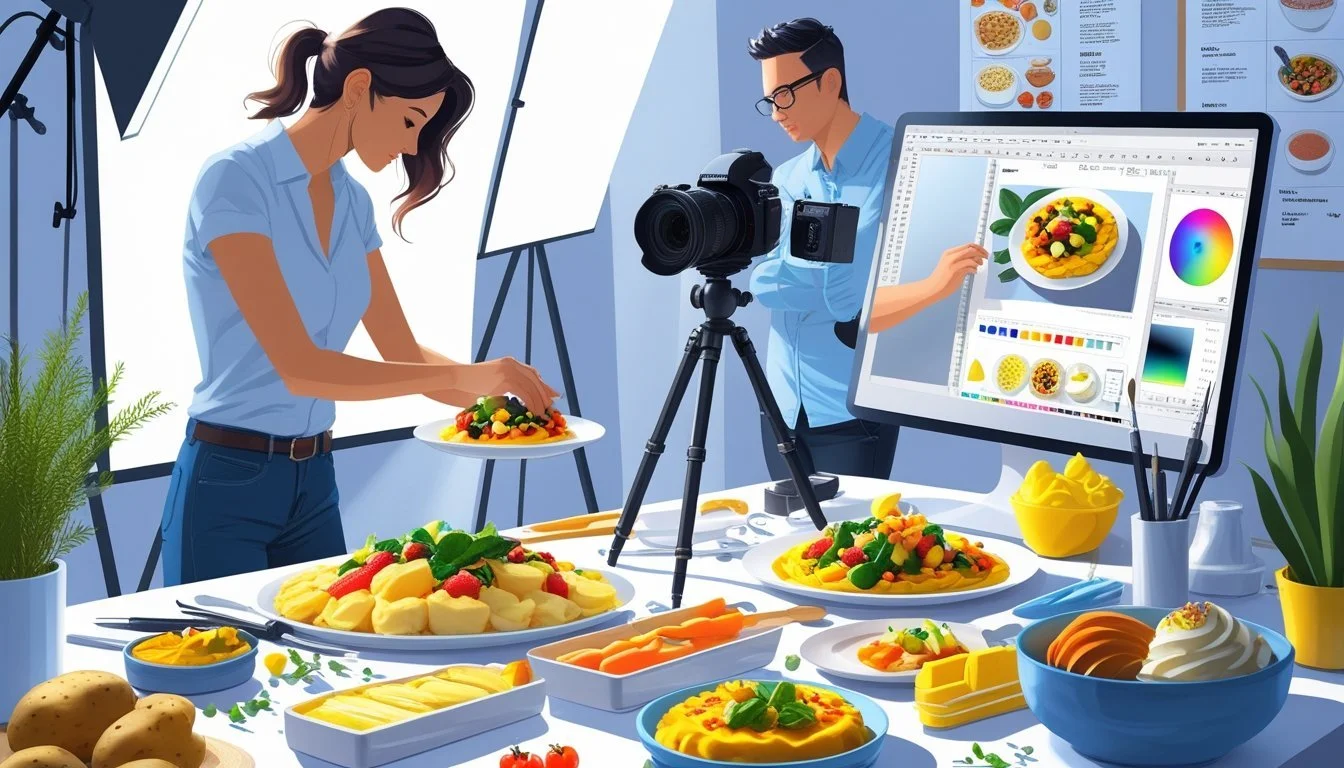
Food photographers and stylists rely on specific editing workflows to present food in the best possible light. Careful control of color, brightness, and detail can make images look more appetizing, natural, and polished for publication or client delivery.
Optimizing White Balance
White balance affects how colors appear in food photography. An incorrect balance can make dishes look unappealing with unnatural color casts, such as blue-ish whites or yellowed highlights.
Professionals recommend evaluating the light temperature in the shooting environment and setting a custom white balance in-camera when possible. In post-production, editors often use sliders to manually adjust temperature and tint for accuracy.
For more precision, tools like Lightroom's eyedropper can select a neutral white or gray area in the image as a reference. This ensures true-to-life tones, especially for foods like dairy, pasta, and bread, where color accuracy matters.
Enhancing Images in Lightroom
Lightroom is a popular tool for food image enhancement due to its intuitive interface and powerful controls. Users often begin by refining exposure, contrast, and clarity. Basic panel adjustments allow for fine-tuning highlights and shadows, which can reveal texture in glossy or matte foods.
Color grading may be used to add vibrance or correct muted tones without oversaturating the image. The use of the HSL (Hue, Saturation, Luminance) panel is common for subtly boosting specific food items, such as deepening greens in herbs or intensifying the red of strawberries.
Presets can streamline edits for series of similar shots, ensuring visual consistency. Cropping and alignment features help focus attention on the hero subject, complementing composition choices made on set.
Retouching Techniques for Food Images
Careful retouching can address minor imperfections without making the image look unnatural. Spot removal tools are effective for cleaning crumbs, smudges, and stray reflections on plates or tabletops.
The clone stamp and healing brush can be used to perfect food textures, such as smoothing frosting or removing burnt spots. Retouchers may also use the dodge and burn technique to add dimension to elements like drizzles or glazes, enhancing visual appeal.
Noise reduction should be applied judiciously, as overuse can erase desirable detail or texture. Sharpening is often applied last, targeting the subject while avoiding over-accentuating out-of-focus areas.
Showcasing Styled Food in the Digital Age
Digital platforms have transformed how food styling is approached, with imagery being carefully crafted for a visually saturated online audience. Visual consistency, trend responsiveness, and details in presentation now play a crucial role in engaging viewers and supporting professional goals.
Social Media Trends and Food Styling
Social media, especially Instagram, has created a demand for food that is visually compelling. Food stylists now prioritize natural lighting, vibrant backgrounds, and minimalist table setups to appeal to scrolling users. Unedited, realistic textures—such as visible crumbs or imperfect sauces—are increasingly favored to evoke authenticity.
Lists of trending styling elements include:
Edible flowers and fresh herbs
Rustic, organic tableware
Overhead photography with symmetry
Short video clips and step-by-step image series are used to meet platform expectations. As a result, food stylists must adapt quickly to new visual formats.
Ensuring Consistency on Instagram
For brands and influencers using Instagram, consistency in food imagery builds recognition and trust. Food stylists maintain a visual brand by using similar color palettes, lighting setups, and props across multiple posts. This approach enables a cohesive feed that strengthens the account’s identity.
Key factors in ensuring consistency:
Repeating specific dishware and background textures
Applying standard photo edits
Scheduling regular content shoots
Consistency also helps with menu planning for restaurants, ensuring visual substitutes in styled images match the final plated dish served to customers.
Influence of Food Trends on Visual Substitutes
Food trends strongly dictate which visual substitutes food stylists use. When certain ingredients or dishes gain popularity, substitutions are carefully chosen to mimic the latest trend. For example, if “plant-based burgers” trend, food stylists might use textured vegetable protein molds for photography if the real patty breaks down easily.
Stylists consider:
Shelf stability
Color retention
Structural integrity
Professional food photography relies on these techniques to keep visuals mouthwatering and relevant, without misleading audiences about the actual menu offerings.
Expert Tips for Beginners
Successful food styling relies on careful observation, practical garnish techniques, and learning directly from experts in the field. Developing these essential skills ensures that even beginners can create visually appealing dishes that stand out.
Developing Your Eye for Details
Attention to detail sets professional food stylists apart. Beginners should focus on color balance, plate composition, and the arrangement of elements on a dish.
Small differences—a speck of sauce or a misplaced garnish—can affect the final image. Noticing these subtleties comes with practice and studying reference photos.
A common approach is to keep backgrounds neutral and let the food remain the focus. Using tools such as tweezers helps position individual ingredients, while brushes can remove crumbs or add a gloss to highlight freshness. Regularly reviewing one’s own work critically and comparing it to expert results sharpens this skill over time.
Sourcing and Maintaining Fresh Garnishes
Freshness is key for garnishing, whether using herbs, chives, or sliced vegetables. Food stylists often keep multiple varieties of garnishes on hand to match the specific needs of a dish.
Maintaining the crisp appearance of herbs like parsley or basil requires storing them in chilled water until ready to plate. Potatoes used as stabilizers or base layers beneath food can help keep dishes positioned for longer photography sessions.
A basic table for herb storage:
Herb Storage Method Shelf Life Basil In water, room temperature 1-2 days Mint In water, refrigerated 3-5 days Chives Damp paper towel, fridge 2-3 days
Careful selection and handling prevent garnishes from wilting or discoloring, ensuring each photo looks fresh from start to finish.
Learning from Professional Food Stylists
Studying the work of experienced professionals provides practical insights which are often not covered in a typical beginner’s guide. Many stylists, such as those with decades in the industry, emphasize the value of hands-on experience, both in personal projects and while observing photoshoots.
Lessons from culinary school can help, but field experience remains crucial. For example, stylists might use red food coloring mixed with water as a visual substitute for wine, saving costs and avoiding issues with shooting real wine.
Aspiring stylists benefit from experimenting with visual substitutes and closely observing professionals’ choices with lighting, props, and plating to develop their own style and efficiency.

