
Simulating Meat Textures in Plant-Based Cooking
Techniques for Realistic Results
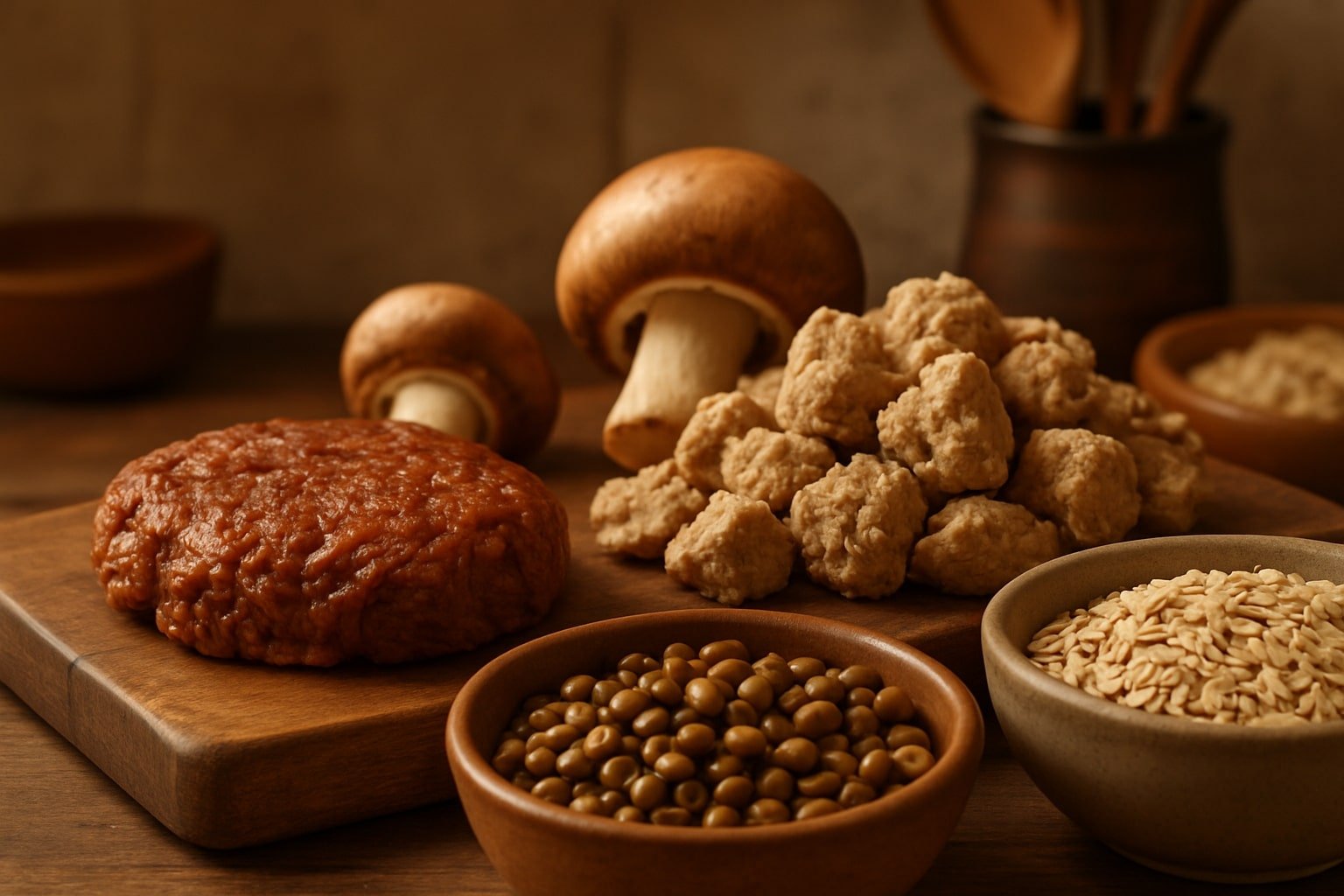
Replicating the texture of meat is one of the biggest challenges in plant-based cooking. Unlike traditional meats, plant proteins have different structures, so food scientists use various techniques such as adjusting temperature, incorporating additives, and specialized processing to achieve a meat-like feel and mouthfeel. Simulating meat textures in plant-based cooking relies on carefully controlling ingredient selection and processing methods to mimic the bite and chew of animal products.
Advancements in technology, like extrusion and the use of natural plant fibers, help create products with familiar juiciness and fibrousness, making the experience closer to what consumers expect from meat. Additional ingredients, including beet extract and leghemoglobin, are sometimes used to imitate the look and color changes meat undergoes while cooking.
With growing demand for high-quality plant-based proteins, ongoing research continues to refine these methods and ingredients. The result is a wider variety of plant-based options that are more convincing in both texture and appearance, appealing to vegans, vegetarians, and meat-eaters who are seeking alternatives.
Understanding Meat Textures
Simulating meat textures in plant-based cooking requires a clear grasp of what defines meat-like qualities. Achieving the desired mouthfeel, chewiness, and structural features involves paying close attention to key sensory and mechanical elements.
Defining Meat-Like Texture
Meat-like texture refers to the specific combination of physical and sensory characteristics that make meat distinct. These include attributes such as hardness, elasticity, fibrousness, and cohesiveness. The unique alignment of muscle fibers in animal meat creates a fibrous texture, offering a layered bite.
Replicating this texture in plant-based products often involves reforming plant proteins to mimic these complex structures. Common techniques include extrusion and the use of shear cell technology to create aligned protein networks. Essential elements for authenticity are visible fiber formation and a balance between firmness and tenderness.
Sensory Qualities and Attributes
The sensory qualities of meat include not only texture but also chewiness, juiciness, and mouthfeel. Chewiness measures resistance while biting, and juiciness refers to the moisture released during chewing. Hardness impacts the initial bite pressure required.
Other important sensory attributes include appearance and cohesiveness. Appearance involves the look of fibers and marbling, which can influence perception before tasting. Cohesiveness describes how well the texture holds together without crumbling. Sensory evaluation panels often assess these attributes to ensure plant-based alternatives closely resemble real meat.
Mechanical and Structural Properties
Meat derives its structural properties from muscle fibers, connective tissue, and fat distribution. The fibrous structure provides mechanical strength and bite resilience. Mechanical properties such as tensile strength, compressibility, and elasticity play a key role in textural perception.
Plant-based developers use combinations of proteins, polysaccharides, and fats to replicate these mechanical properties. Common measurement techniques include instrumental analyses like texture profile analysis (TPA), which quantifies hardness, gumminess, and springiness. Careful formulation and processing are necessary to balance these characteristics and achieve a realistic meat texture in alternatives.
Key Ingredients for Texture Simulation
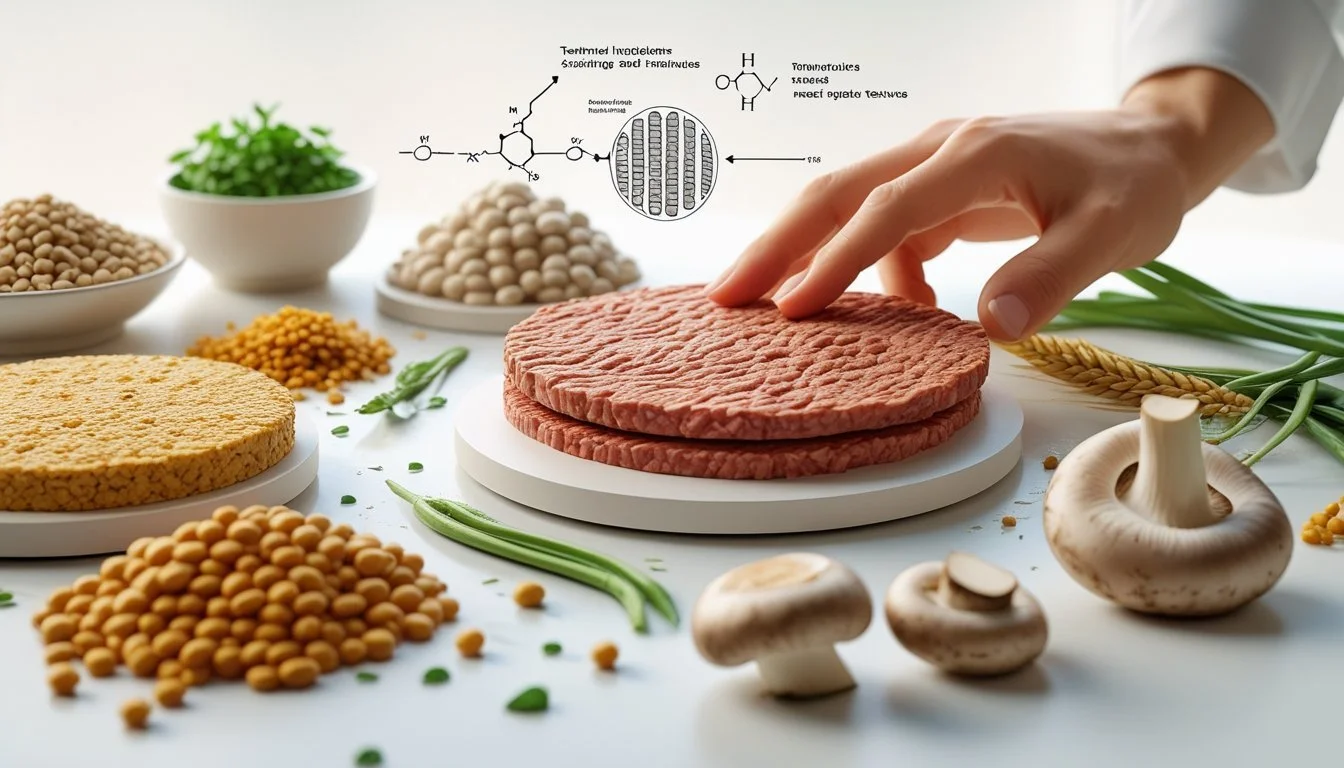
Simulating meat-like textures in plant-based cooking depends on the right combination of protein sources, fats, and specialized texture modifiers. The selection and formulation of these key ingredients directly affect factors such as fiber structure, chewiness, and juiciness.
Role of Plant Proteins
Plant proteins serve as the foundation for texture in meat alternatives. Common sources include soy protein, pea protein, wheat gluten, and mycoprotein. These proteins are selected for their ability to form fibrous structures when processed, helping to mimic the muscle fibers found in animal meat.
Soy protein is widely used because it has good water-holding capacity and forms cohesive gels under heat and pressure. Pea protein offers a neutral flavor and works well for layered or shredded structures. Wheat gluten (also known as seitan) creates a dense, chewy bite due to its high elasticity, making it ideal for steering close to traditional meat textures.
Manufacturers often combine these proteins to achieve preferred bite, density, and juiciness. The processing method—such as twin-screw extrusion—is also essential, as it helps align protein strands and develops a meat-like fiber structure.
Importance of Fat and Moisture
Fat and moisture content are critical to making plant-based meats juicy and tender. Traditional meat relies on animal fat for flavor and mouthfeel, so plant-based products must use plant oils—such as canola, coconut, or sunflower oil—to deliver similar sensations.
Balancing moisture is equally important, as it prevents dryness and promotes the perception of succulence. Some products use emulsions to distribute fat evenly, avoiding overly greasy or dry textures. Fat distribution must be carefully designed to mimic marbling found in real meat.
Keeping the product's moisture content at the right level helps to enhance softness and chew. Too little moisture can lead to toughness, while too much can compromise structure. Technologies like encapsulated oils or structured fat blends help address these challenges.
Polysaccharides and Hydrocolloids
Polysaccharides and hydrocolloids—such as carrageenan, konjac, and locust bean gum—play an essential role in texturizing plant-based meats. These carbohydrate-based ingredients modify water retention, gelation, and elasticity in the final product.
Carrageenan and konjac are frequently used to create a firm, cohesive texture that holds up during cooking and slicing. Locust bean gum stabilizes emulsions and improves mouthfeel, helping to create a smoother bite and preventing separation of ingredients.
Hydrocolloids allow plant proteins to maintain structure even when cooked under high temperatures. They also help bind fat and water, creating a unified texture similar to that found in animal-based meats. Strategically blending these components enables manufacturers to overcome challenges in replicating the uniquely fibrous and juicy feel of meat products.
Processing Techniques to Achieve Meat Textures
Replicating the fibrous, chewy qualities of animal meat relies on advanced equipment and carefully controlled food processing methods. Manufacturers use these techniques to alter the structure of plant-based proteins, creating textures that closely resemble those of real meat.
Extrusion Technology
Extrusion is a leading method for developing meat-like textures in plant-based products. The extrusion process involves pushing a protein-rich mixture—often soy, pea, or wheat—through a heated barrel using a rotating screw system. High-moisture extrusion, in particular, allows proteins to align and form organized fibrous structures. This method produces texturized vegetable protein (TVP) with a layered and elastic texture that mimics the muscle fibers of meat.
Key processing parameters like moisture content, temperature, and screw speed are precisely controlled. Twin-screw extruders are commonly used for their ability to mix, shear, and cook the protein blend uniformly. As the product exits the extruder through dies, it cools and sets, yielding the desired fibrous and chewy consistency.
Parameter Typical Range Role in Texture Moisture Content 50–70% Promotes fiber formation Temperature 120–180°C Denatures proteins Screw Speed 200–450 rpm Controls shearing effect
Shear Cell Methods
Shear cell technology uses controlled deformation to align and structure plant proteins. In a shear cell, protein mixtures are sheared in a confined space under heat. This technique allows proteins and polysaccharides to interact, forming multi-layered, fibrous gels. The resulting textures are more cohesive and closely replicating the bite and pull of muscle tissue.
Shear cell processing offers greater control over the direction and degree of fiber alignment compared to extrusion. This is especially useful for producing large cuts such as plant-based steaks or chicken. Manipulating factors like shearing strength, heating rate, and holding time helps fine-tune the fibrous structure and thermal stability of the final product.
3D Printing Applications
3D printing technology is an emerging tool for crafting complex meat-like textures. Using extrusion-based 3D printers, manufacturers deposit plant-based pastes layer by layer to create intricate structures. The method allows precise control over the spatial arrangement of proteins and other components, enabling designers to replicate specific textures, marbling, and even fat distribution found in animal meats.
Through this technology, it is possible to tailor each layer’s thickness and orientation, resulting in customizable chewiness and juiciness. While 3D printing is less common in large-scale production due to speed and cost constraints, it presents significant potential for specialty products where exact texture replication or novel designs are desired.
Optimizing Ingredient Combinations
Creating meat-like textures in plant-based cooking relies on the precise selection and blending of proteins, fats, and other functional components. Structured combinations of these ingredients help replicate the fibrous, juicy, and firm qualities typically found in animal-based meats.
Plant-Based Blends for Texture
Texture is a result of how plant-derived proteins, such as soy, pea, and wheat gluten, are combined and processed. These proteins offer varying strengths and binding abilities. For example, wheat gluten provides chewiness, while soy and pea proteins contribute firmness and elasticity.
Many modern meat analogs use a blend of these proteins to balance texture. Incorporating other components like starches and hydrocolloids (e.g., methylcellulose or carrageenan) improves water retention and mouthfeel. The inclusion of fibers—such as bamboo, potato, or citrus—can further enhance juiciness and mimic the striated structure of real meat.
Manufacturers often use extrusion technology to align protein structures, closely simulating muscle fibers. Blending different plant-based ingredients and structuring them carefully creates a more convincing meat-like bite.
Balancing Protein and Fat
Protein and fat ratios are critical for mouthfeel, juiciness, and nutritional content. Pea and soy protein isolates typically form the foundation due to their high protein content and neutral flavor. To achieve the desired succulence, plant-based fats like coconut oil, canola oil, or shea butter are included.
Key considerations for balancing protein and fat:
Protein Sources Fat Sources Role Soy protein isolate Coconut oil Provides juiciness and tenderness Pea protein Canola oil Improves mouthfeel Wheat gluten Shea butter Adds richness and flavor
The proportion of fats to proteins affects not only texture but also the product’s visual appeal and cooking behavior. Using structured fats (such as those shaped into small beads or layers) can closely simulate the marbling in animal meats. By adjusting these ratios and selecting appropriate substitutes, developers can target specific meat analogues, from ground beef to poultry.
Flavor and Sensory Considerations
Replicating meat in plant-based cooking relies on more than just texture. To satisfy consumers, both flavor and sensory qualities such as aroma and mouthfeel must be carefully engineered.
Enhancing Taste and Aroma
Plant-based meats depend on a combination of proteins, fats, and flavor compounds to mimic the complex taste of animal meat. Key building blocks include soy, pea protein, and wheat gluten, which provide a neutral base.
Flavor enhancers like yeast extract, mushroom concentrates, and umami-rich ingredients are frequently added to intensify savory notes. Smoky, roasted, and slightly fatty flavors are commonly recreated with liquid smoke, caramelized onions, or natural fat replacements such as coconut oil.
Aroma is as important as taste and is often achieved by using Maillard reaction flavors and spices like garlic, onion powder, or black pepper. Accurate seasoning and proper cooking methods are essential to produce an appealing meat-like aroma.
Matching Sensory Expectations
Meeting consumer sensory expectations requires products to replicate not just taste, but also mouthfeel, juiciness, and bite. Lipids, including plant-based oils, help simulate the soft, juicy texture of cooked meat.
Visual cues also play a role. Colorants from beet juice, paprika, or caramel color are used to mimic the appearance of animal-based products.
In sensory evaluation, both trained panels and consumer feedback are often used to assess if plant-based meats meet the expected standards for flavor and texture. Achieving alignment with these expectations is key to product acceptance and repeat purchases.
Nutritional Implications of Simulated Meat Textures
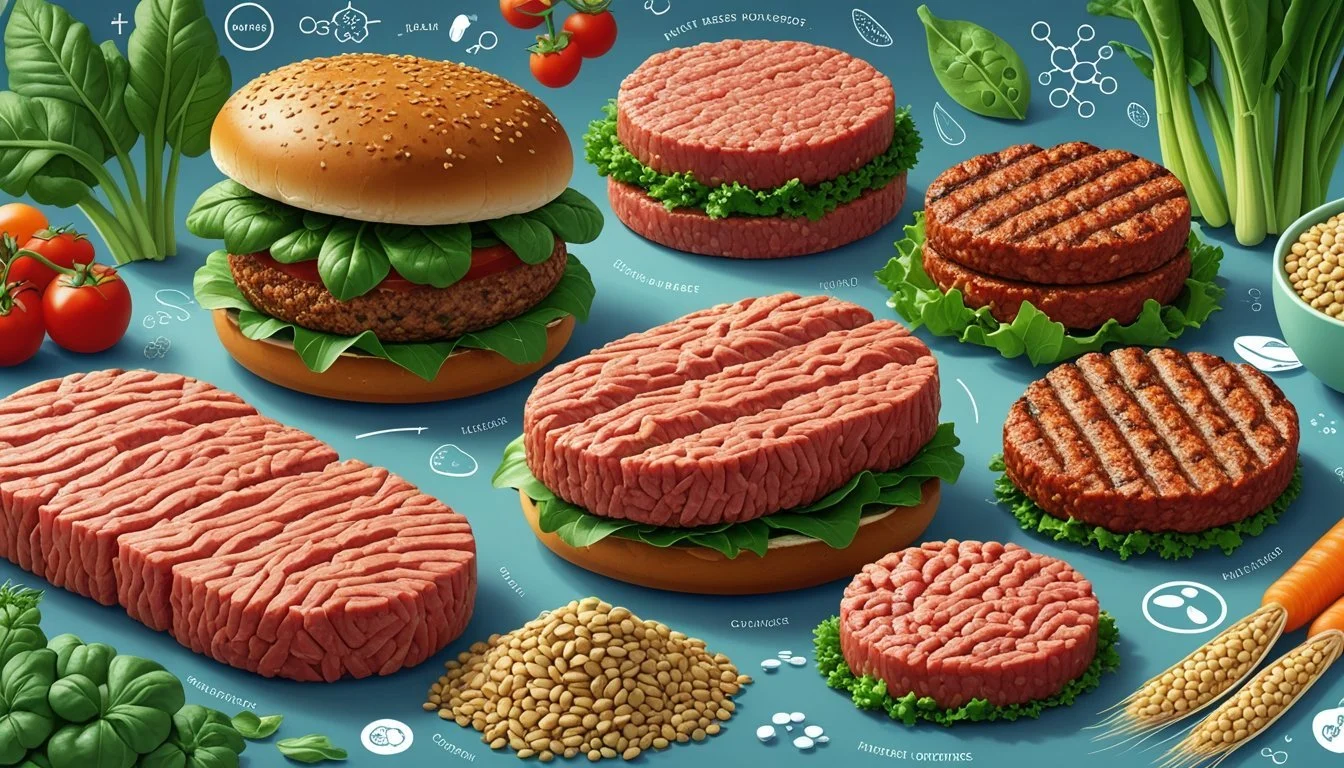
Simulating meat textures in plant-based foods changes not just taste and mouthfeel but also the way nutrients are absorbed and utilized. Differences in protein composition, digestibility, and overall nutritional profiles are important considerations for health-conscious consumers and those considering plant-based meat analogues (PBMAs).
Amino Acid Profiles
Plant-based meat analogues often use soy, wheat, or pea proteins as their primary ingredients. Unlike animal proteins, these plant sources can lack some essential amino acids or have lower levels of them.
Formulators frequently blend multiple plant proteins to improve the overall amino acid profile. For example, combining cereal and legume proteins can create a more balanced spectrum of essential amino acids.
A balanced amino acid profile is important for muscle maintenance, metabolism, and immune function. While modern products have made advances, some PBMAs may still not fully match the amino acid completeness of high-quality animal meats.
Digestibility and Health Aspects
Digestibility refers to how efficiently the body can break down and use nutrients from food. Plant-based proteins often contain antinutritional factors like phytates and fiber, which may reduce protein and mineral absorption compared to animal sources.
Processing steps such as extrusion and fermentation are used in PBMAs to improve protein digestibility and reduce antinutritional factors. These methods help plant-based meat analogues come closer to the digestibility of traditional meat.
There are also health considerations. PBMAs are generally lower in saturated fat and cholesterol, which can be beneficial for heart health. However, sodium levels may be higher in some products, which is an important aspect for consumers watching their salt intake.
Nutritional Value of Meat Analogues
The overall nutritional value of plant-based meat analogues depends on their protein content, micronutrients, and additives. Some PBMAs are fortified with vitamins and minerals—such as B12, iron, and zinc—to make up for nutrients less available or absent in plant sources.
The following table shows how PBMAs often compare with animal meat:
Nutrient Typical PBMA Animal Meat Protein Content Moderate-High High B12 Added Abundant Iron Added (non-heme) Abundant (heme) Saturated Fat Lower Higher Cholesterol None Present Sodium Higher* Lower
*Values vary by brand and product formulation.
Consumers seeking a balanced diet should compare labels and consider how the processed nature of some PBMAs might affect their overall nutrition. Fortification and ingredient sourcing both play roles in the final nutritional profile.
Emerging Technologies and Innovations
Recent advances in food technology are driving the development of plant-based meat analogs that closely mimic the taste, texture, and sensory experience of animal meat. These innovations utilize methods from tissue engineering and biotechnology to improve product realism.
Tissue Engineering Approaches
Tissue engineering is increasingly applied to plant-based meat development. Researchers use scaffolds, often made from plant or algae-based materials, to guide the growth of plant cells into organized, meat-like structures. These scaffolds allow cell adhesion and alignment, contributing to the fibrous texture found in real meat.
Techniques such as 3D printing and electrospinning help achieve complex meat-like architectures. 3D printers can layer plant proteins in specific patterns, while electrospinning creates fine fibers that replicate animal muscle fibers. Both methods allow the creation of products with muscle striations and bite similar to poultry or beef.
Sensory improvements are further enhanced by adjusting moisture levels, fat distribution, and elasticity. Companies are collaborating with material scientists and biotechnologists to refine these properties. Although these products remain plant-based, the tissue engineering framework narrows the gap between meat substitutes and conventional meat.
Lab-Grown and Alternative Proteins
Lab-grown meat, or cultured meat, is produced by culturing animal cells outside of the animal. This method yields real animal tissue without the need for livestock. Lab-grown proteins offer authentic taste and texture since they are biologically identical to traditional meat, but their production currently faces high costs and scale limitations.
Alternative proteins, including insect-derived proteins and precision fermentation products, are entering the market as meat alternatives. Insect-based analogs use processed insects to create products with high protein content and a texture that can be adjusted to imitate ground or whole-muscle meat.
Plant proteins from soy, wheat, and legumes remain prominent, but advances in fermentation are enabling the production of novel proteins with improved mouthfeel and juiciness. Machine learning and artificial intelligence are also being used to optimize the sensory qualities and structure of these proteins, bringing plant-based analogs even closer to their meat counterparts.
Sustainability and Ethical Considerations
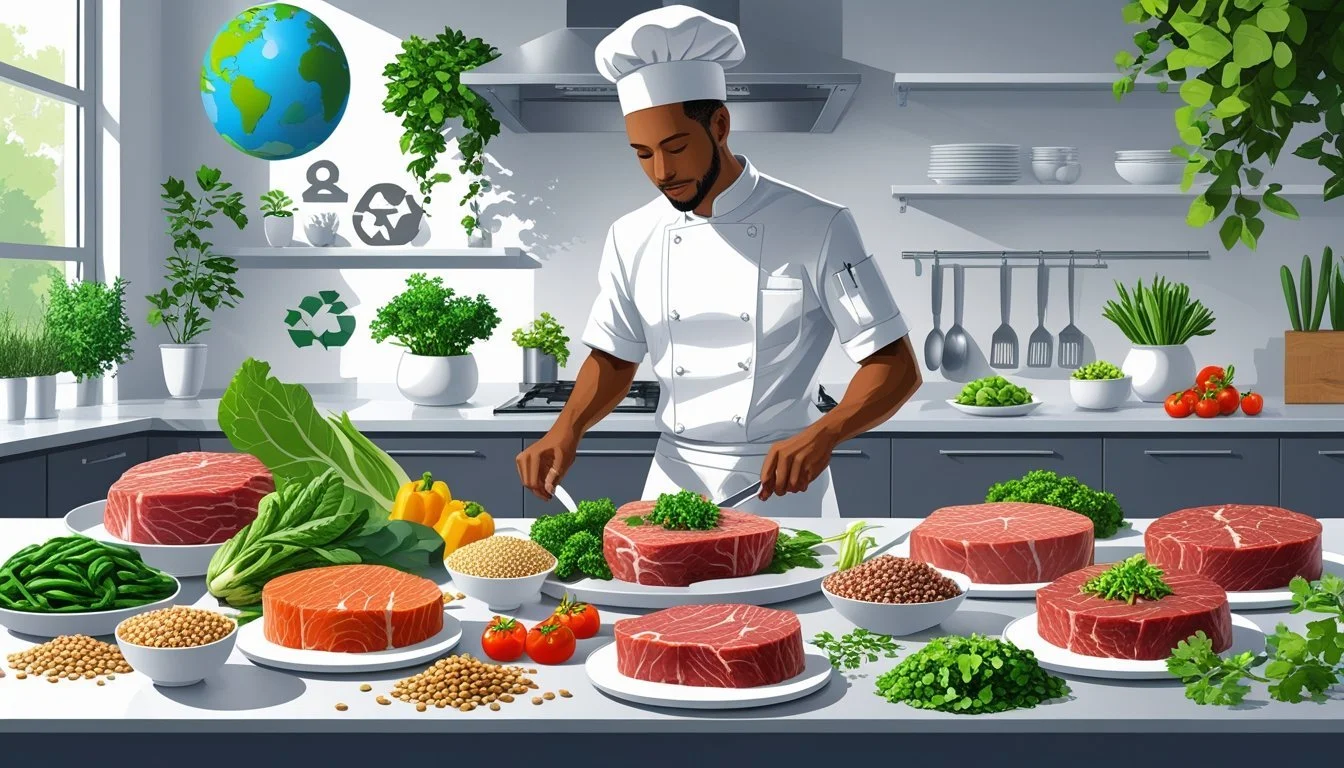
Simulating meat textures in plant-based cooking is closely tied to environmental sustainability and the ethics of food production. Choices in formulation affect both ecological outcomes and animal welfare, shaping the reasons consumers seek plant-based alternatives.
Environmental Impact of Plant-Based Textures
The production of plant-based meat textures generally requires less land, water, and energy compared to traditional animal agriculture. Greenhouse gas emissions associated with plant-based analogs are significantly lower, primarily due to reduced methane output and lower resource intensity.
Key Environmental Metrics
Metric Animal Meat Plant-Based Alternative Land Usage High Moderate to Low Water Usage High Moderate Carbon Emissions High Low to Moderate
These relative reductions address environmental concerns and support more sustainable food systems. However, some processing methods for plant-based meat can be energy-intensive, and sourcing of certain ingredients might add environmental costs if not managed carefully.
Ingredient origin also plays a role. Pea, soy, and wheat proteins usually have lower environmental footprints, while ingredients shipped long distances may offset some benefits. Conscious selection of raw materials further enhances the sustainability profile of plant-based meat textures.
Animal Welfare and Ethical Food Choices
Animal welfare is central to many people’s adoption of plant-based diets. Unlike conventional meat, these alternatives eliminate the need for animal slaughter, reducing direct harm to animals in food production.
Ethical food choices often involve evaluating the impact of diet on sentient creatures. Plant-based analogs offer an option that aligns with the values of consumers prioritizing animal well-being. The move away from industrial livestock farming decreases demand for practices linked to animal suffering.
Consumer awareness of ethical issues has influenced food innovation. The expansion of plant-based texture technologies enables those concerned with animal welfare to access products that closely mirror the sensory experience of meat, without ethical compromise. The availability of these foods enables more people to choose diets aligned with their values in animal protection.
Consumer Acceptance and Market Trends
Research and industry observations show that plant-based meat alternatives (PBMAs) are being designed to closely replicate traditional meat in taste, texture, and appearance. The degree of textural authenticity, as well as consumer attitudes toward nutrition and sensory experience, are shaping purchasing choices and influencing market growth.
Factors Influencing Acceptance
Consumer acceptance of plant-based meats is strongly linked to how well these products mimic the texture of animal-based meat. Consumers often judge quality by mouthfeel, juiciness, and bite, making texture second only to flavor in importance.
Nutritional value also plays a role. Some individuals remain cautious, comparing protein content, ingredient lists, and perceived health benefits with animal-based options.
Visual appeal, such as color and marbling, impacts product acceptance. Products that better imitate raw and cooked meat in appearance tend to be favored.
Other factors include:
Familiarity with plant-based eating
Price sensitivity
Cultural food preferences
Addressing sensory and nutritional gaps is considered essential for wider acceptance, as highlighted in recent studies of consumer preferences.
Market Demand for Simulated Meat Textures
Market data indicate rapid growth in the availability of plant-based meat alternatives. Since 2015, thousands of PBMA products have entered global markets, aiming to deliver authenticity in both flavor and texture.
Consumers are especially responsive to new formulations that provide a satisfying bite and chew, similar to traditional meat products such as burgers, nuggets, and sausages.
Manufacturers invest in:
Technology Purpose Extrusion Cooking Improve fibrous meat-like texture Ingredient Blends Enhance mouthfeel and juiciness
These investments reflect ongoing demand for innovation. Surveys routinely show that sensory characteristics—especially simulated meat textures—remain top priorities for driving product acceptance and repeat purchases among target consumers.

