A Comprehensive Overview

Alcohol laws in Delta County, Texas, are complex and can vary significantly from one region to another within the state. As part of Texas, Delta County adheres to the state-mandated legal drinking age of 21. However, like many counties in Texas, Delta County has specific regulations that govern the sale and consumption of alcoholic beverages within its jurisdiction. These rules reflect the county's approach to controlling the availability of alcohol in an effort to maintain public safety and order.
In unincorporated areas of Delta County, the sale of packaged liquor is not allowed, which underscores the county's stance on limiting the accessibility of stronger alcoholic beverages. Meanwhile, the sale of packaged beer and wine is permitted under certain conditions and within specific hours. The permitted hours for selling these beverages are tailored to balance business operations with community norms and safety concerns. On Sundays, sales begin at noon and go until midnight, while on other days, the hours extend from 7:00 a.m. to midnight or 1:00 a.m., according to the type of establishment and the day of the week.
The regulations within Delta County are a reflection of Texas's strict alcohol laws, which are well-known for their detailed stipulations and the rigorous enforcement of DUI laws. Bars and restaurants in the area abide by these rules and are allowed to sell alcoholic beverages within the state-approved hours of operation. Compliance with these laws is monitored by entities such as the Texas Alcoholic Beverage Commission, which oversees the adherence to regulations and addresses violations accordingly.
Overview of Alcohol Laws in Delta County
The legal landscape for the sale and consumption of alcoholic beverages in Delta County, Texas, is informed by both state and local regulations. The Texas Alcoholic Beverage Commission (TABC) plays a central role in overseeing adherence to the state's alcohol laws, which local entities must also abide by.
In terms of local specifics:
Sales of packaged liquor are not permitted in unincorporated areas of Delta County.
State law allows for the sale of packaged beer and wine in certain locations.
For business owners and patrons alike, understanding these regulations is crucial to ensure compliance. The sale hours are clearly regulated:
Monday to Saturday sales for beer and wine may begin as early at 7 a.m., with closing times depending on the type of permit held by the establishment.
On Sundays, sales start at noon and go until midnight.
The restriction regarding packaged liquor in unincorporated areas of Delta County is particularly noteworthy, as these locales have specific rules prohibiting the sale, making travel to incorporated areas necessary for the purchase of these alcoholic beverages.
Delta County operates under the Texas Alcoholic Beverage Code for the enforcement of alcohol-related laws, including the determination of legal drinking age, the handling of violations, and the administrative hearing process for penalties. Businesses and consumers must adhere to the facets of this code to navigate the consumption and sale of alcohol legally and responsibly.
Licensing and Sales Regulations

In Delta County, Texas, businesses engaged in alcoholic beverage sales must adhere to licensing requirements as per the Texas Alcoholic Beverage Code. Entities such as bars, restaurants, liquor stores, grocery stores, and gas stations are required to obtain specific licenses from the Texas Alcoholic Beverage Commission (TABC) to sell alcohol.
Types of License:
Retailer Permit for stores offering off-premises consumption.
Food and Beverage Certificate for restaurants, coupling with other permits based on the sales volume of alcohol.
Sales Regulations:
Retail Sales: Must comply with state law purchasing parameters and credit laws.
Alcoholic Beverage Sales: On Saturdays, sales can begin at 7 a.m.. However, on Sundays, sales are permitted from noon to midnight (for beer and wine in stores) and can start as early as 10 a.m. if accompanied by food in venues like restaurants and bars.
Special Hours:
Liquor stores may operate from Monday to Saturday, but remain closed on Sundays.
Extended hours to 2 a.m. are available in some areas with a late hours permit.
Note: Local elections can modify these regulations, known as "Local Option Elections". These may restrict or expand sales in designated areas. Businesses must stay updated with potential changes and ensure compliance with current laws to maintain their licensing status.
Age Restrictions and Minor Protection
In Delta County, as throughout Texas, individuals under the age of 21 are considered minors and are subject to the state's Zero Tolerance Law concerning alcohol usage. A minor is legally prohibited from consuming, purchasing, or possessing alcoholic beverages. Adults, including parents and guardians, are equally implicated if they provide alcohol to a minor.
If a minor is caught driving with any detectable amount of alcohol in their system, Texas law enforces strict penalties. A first offense is considered a Class C misdemeanor, which could result in a fine up to $500. Furthermore, the minor may be charged with community service hours and alcohol awareness courses, mandated by the court.
Offender Violation Potential Penalties
Minor Possessing/Consuming Alcohol Fines, Community Service, Education
Adult/Parent Providing Alcohol to Minors Fines up to $4,000, Jail, License Suspension
Moreover, Texas law dictates that an adult parent can be fined up to $4,000, serve up to one year in jail, or face suspension of their driver's license for furnishing alcohol to underage individuals. The law is unambiguous about its Zero Tolerance stance, which indicates that minors found with a Blood Alcohol Concentration (BAC) above 0.00% while operating a motor vehicle will be penalized.
It should be noted that Texas does offer some exceptions under specific circumstances, such as for religious or medical purposes, but these are scrutinized and narrowly applied. Delta County enforces these state laws to protect minors from the dangers associated with underage drinking and to hold accountable those who enable it.
Operating Hours and Day Restrictions
In Delta County, Texas, the sale of alcohol is governed by specific hours and day restrictions that retailers, bars, and restaurants must adhere to. On Mondays through Saturdays, sales of beer and wine in stores are permitted. Contrarily, packaged liquor sales are prohibited in unincorporated areas of the county.
Sunday has distinct regulations: Packaged alcoholic beverages may be sold from noon to midnight. However, on-premises consumption, such as in restaurants or hotel bars, is subject to additional rules. Alcoholic beverages can be sold from 12 a.m. to 1 a.m. and again starting at 10 a.m. for venues like restaurants offering Sunday brunch services, provided they also serve food.
Exceptions are in order for registered guests at hotels, where the serving hours for alcohol may extend beyond the standard prescribed times. These guests can typically order alcoholic beverages through room service or consume them at the hotel bar.
For bars operating outside the unincorporated areas, there might be variations to these rules. Establishments are encouraged to verify their respective allowances and restrictions with the Texas Alcoholic Beverage Commission (TABC), as non-compliance could lead to penalties.
It is imperative for businesses engaging in alcoholic beverage sales to adhere to the TABC's guidelines, ensuring legality and maintaining their license standings.
DUI and Public Safety Concerns

Driving under the influence (DUI) has long been a major public safety issue in the United States. Delta County, Texas, is no exception. A DUI offense indicates that a motor vehicle is operated by an individual with a blood alcohol concentration (BAC) above the legal limit.
Penalties for DUI in Texas are severe, reflecting the seriousness with which the state regards this issue. They are designed to discourage impaired driving and reduce traffic-related fatalities and damages. Offenders may face a range of penalties, including:
Fines that can reach up to $10,000
Suspension of driver's license
Imprisonment
In cases involving aggravated DUI, such as having a child passenger, penalties increase and may even result in criminal charges. Courts can mandate education programs about alcohol to discourage repeat offenses.
Defense and Representation: Those accused of DUI often seek the representation of a defense attorney. The role of the attorney is critical in navigating the court system and ensuring that the accused’s rights are protected throughout the legal process.
Delta County, categorized as either a wet or dry county, has local laws governing the sale and consumption of alcohol which might influence DUI occurrences. However, even in dry counties, where the sale of alcohol is restricted or prohibited, DUI remains a vital concern due to individuals potentially obtaining alcohol from neighboring wet counties.
The state's zero-tolerance policy for drivers under 21 emphasizes Texas's commitment to road safety, swiftly penalizing underage drinking and driving to ensure the safety of all road users.
Legal Consequences for Violations
In Delta County, Texas, the legal framework governing alcohol consumption and distribution is stringent, and any infractions may result in concrete consequences. Violations can range from selling alcohol to a minor or intoxicated individual to the employment of inebriated staff at retail establishments.
For minors, engaging in activities like purchasing, attempting to purchase, possessing, or consuming alcoholic beverages, as well as public intoxication or utilizing false identification to obtain alcohol, can lead to a Class C misdemeanor. The repercussions for a minor may include:
A fine of up to $500
Attendance of an alcohol awareness class
Community service ranging from 8 to 40 hours
Additionally, the adults involved, typically a guardian or parent, carry a certain degree of responsibility and could face criminal charges if they knowingly contribute to the minor's misconduct.
For the general public, the penalties for public intoxication usually manifest as a Class C misdemeanor, with a potential fine of up to $500. This extends beyond financial implications, as a criminal record may ensue.
In more severe cases, penalties can graduate to a Class A misdemeanor, carrying heftier fines and legal repercussions. The law emphasizes the need for businesses, such as bars, restaurants, and retail stores, to comply with the Texas Alcoholic Beverage Code to avoid court actions and potentially significant fines or enforced closures.
Delta County's approach to enforcing these laws reflects a commitment to public health and safety, where both individuals and commercial establishments must observe due diligence in respecting alcohol regulations.
Exceptions and Special Cases
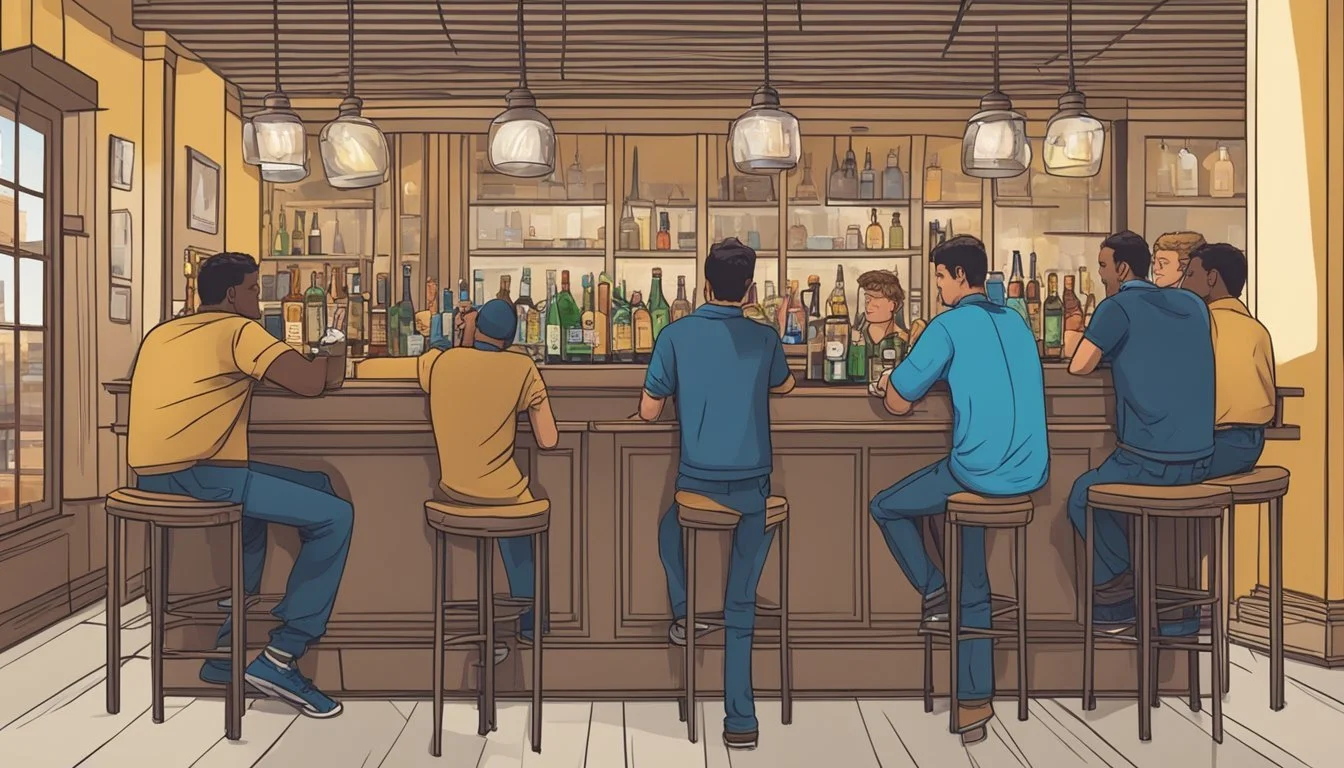
In Delta County, Texas, alcohol laws permit sales under specific circumstances that merit attention. Here are the relevant exceptions and special cases:
Holiday Sales Restrictions: On New Year's Day, Thanksgiving Day, and Christmas Day, there are often adjustments to when alcohol can be sold. These holidays may have restricted hours, so it is advisable to check local county regulations before planning purchases.
Sunday Sales: Typically, alcohol sales are limited on Sundays. For instance, while a recent House Bill allows beer and wine to be purchased as early as 10:00 a.m., liquor sales may still be prohibited.
Dry and Wet Counties: Delta County might vary in alcohol sales permissions based on whether it is a dry or wet county. Votes can determine the status and alter the regulations regarding the sale and distribution of alcohol.
Hotels and Registered Guests: Hotel bars in Texas can serve alcohol to registered guests at any day and time, providing an exception to standard laws. This accommodates travelers and tourists.
Special Permits for Publicly Traded Corporations and Large Retailers: Entities like Walmart or other large, publicly traded corporations may obtain special permits allowing them to circumvent traditional package store regulations. Their lobbying efforts have sometimes resulted in laws that specifically cater to their business model.
Package Stores and Special Permits: Package stores must adhere to strict hours of operation, but with special permits, they can extend these hours in response to community needs and demands.
It is important to note that local city ordinances may further tailor these laws, and interested parties should verify with city regulations. Special permits may also be issued for unique events or circumstances in compliance with state law.
Impact of Alcohol Laws on Local Economy

In Delta County, Texas, alcohol laws play a significant role in shaping the local economy. Retailers, including bars, restaurants, and stores, must comply with state and local regulations, which directly influence their operations. The sales of beer, wine, and liquor contribute to the county's revenue through taxation and thus, are affected by laws pertaining to their distribution and consumption.
Employment opportunities in the hospitality industry are also impacted by alcohol laws. Establishments that sell alcoholic beverages, like bars and restaurants, often rely on these sales as a fundamental aspect of their business. Strict regulations can limit their operating hours or the types of alcohol they can serve, potentially reducing staffing needs.
Laws regulating alcohol availability, for example, influence demand and thus the economic success of local businesses. When local governments implement policies such as increased taxes on alcoholic beverages, studies indicate a decrease in consumption. A reduction in sales can lead to a ripple effect, potentially decreasing the economic input of local alcohol-related businesses.
Conversely, a regulatory environment that is supportive of alcohol sales can augment revenue for local economy through increased employment and higher demand for retail space. A balance between regulation and support for the industry is therefore essential for the economic wellbeing of Delta County.
The outcome of alcohol laws on the local economy stresses the delicate interplay between public health interests and economic benefits that policymakers must navigate.
Role of Parents and Guardians in Alcohol Education

Parents and guardians in Delta County have a significant role in shaping their children's attitudes and behaviors regarding alcohol consumption. As the primary educators, they are responsible for instilling a sense of responsibility and safety in minors when it comes to underage drinking.
Texas law allows minors to consume alcohol for educational purposes under the supervision of an adult parent or guardian on private property. This unique aspect of the law places a high level of trust and responsibility on the parents to ensure the safety and well-being of their children.
Key Responsibilities:
Education: Parents should educate minors about the laws regarding underage drinking and the potential health risks associated with alcohol consumption.
Supervision: It is crucial for a family member over the age of 18, specifically the adult parent or guardian, to be visibly present when a minor is consuming alcohol.
Safety: Ensuring that minors are safe while consuming alcohol under their supervision, including monitoring the amount and effects of alcohol consumption.
Alcohol education by parents and guardians can help establish a foundation of knowledge and respect for the laws regulating underage drinking. This education plays an integral part in preventing alcohol-related incidents among minors and promoting responsible behavior.
Furthermore, collaboration between parents, guardians, schools, and community organizations can enhance the effectiveness of alcohol education, leading to more informed decision-making by minors when faced with choices about drinking.
In summary, parents and guardians are key players in Delta County's efforts to mitigate the risks of underage drinking through vigilant education and supervision.