Alcohol and Drinking Laws in Marion County, Texas
A Comprehensive Guide
Marion County, Texas, adheres to the state's established alcoholic beverage laws, which are overseen by the Texas Alcoholic Beverage Commission (TABC). Understanding these laws is critical for residents and visitors alike to ensure they remain in compliance while enjoying alcoholic beverages within county limits. These regulations cover a wide scope, including the sale, consumption, and distribution of alcohol.
The laws in Texas permit the sale of alcohol during specific hours, with restrictions varying for different types of establishments and days of the week. Bars and restaurants with the appropriate on-premise license may sell alcohol from 7 a.m. to midnight on weekdays, and on Saturdays, service is allowed until 1 a.m. Additionally, recent legislative changes have impacted the sale of alcohol on Sundays, allowing for beer and wine purchases to begin at 10 a.m. rather than the previous noon start time.
It's important to note that Marion County may have specific ordinances that can affect how these state laws are implemented locally. For instance, certain counties in Texas can be designated as "dry," restricting the sale of alcohol altogether, or "wet," where alcohol sales are permitted. It is essential for individuals to verify local regulations, as adherence to these rules is crucial to avoid legal repercussions associated with violations such as driving under the influence (DUI) or the unlawful sale of alcohol to minors.
Historical Context of Alcohol Laws in Marion County, Texas
Marion County's regulatory framework for alcohol has evolved significantly over the years, reflecting broader shifts in Texas state policies.
Origination of Current Alcohol Laws
The foundation of alcohol legislation in Marion County is deeply rooted in the Texas Constitution, which allows local jurisdictions to control the sale of alcoholic beverages. This provision, commonly referred to as the "county-option," authorized counties, including Marion, to decide whether to permit or prohibit alcohol sales. Consequently, Marion County had the autonomy to establish its own alcohol regulations, often informed by prevailing social and political attitudes toward alcohol consumption.
Influence of the 1985 Drinking Law Changes
The year 1985 was pivotal for Texas alcohol laws when the Texas Legislature amended the Texas Alcoholic Beverage Code. This amendment was enforced by the Texas Alcoholic Beverage Commission (TABC), which significantly impacted the way alcohol was sold and consumed in Marion County. The revisions included changes to the legal drinking age, aligning with federal incentives to raise the age to 21. These amendments had long-lasting effects on local businesses and consumers, and the TABC continues to oversee the implementation and compliance of these laws within the county.
Overview of Marion County Alcohol Regulations
Marion County enforces specific alcohol regulations which govern the sale times, licensing requirements, and operations of establishments that sell alcoholic beverages. These rules are designed to manage the sale and consumption of beer, wine, and liquor within the county.
Alcohol Sale Times and Days
Monday-Saturday: Sales of alcoholic beverages are permitted in stores from 10 a.m. to 9 p.m.
Sunday: The sale of packaged liquor is prohibited on Sunday; however, beer and wine can still be sold. Sales hours on Sundays may vary.
Licensing and Permitting Requirements
All establishments that sell alcoholic beverages must obtain the appropriate permits. There is a specific prohibition on establishments selling liquor for off-premises consumption being located within 500 feet of any church, school, or public park, with beer and wine sales exempt from this restriction.
Regulations Specific to Bars and Restaurants
Bars and restaurants must adhere to local laws that may restrict the hours and days when alcoholic beverages can be sold. These establishments require special licensing for on-premises consumption and must comply with all local ordinances.
Liquor Store Operations
Liquor stores must strictly follow the prescribed sale times from 10 a.m. to 9 p.m., Monday through Saturday. They are restricted from selling packaged liquor on Sundays. These stores must ensure they are not situated within 500 feet of churches, schools, or public parks, aligning with the location restrictions for liquor permits.
Legal Drinking Age and Underage Drinking
In Marion County, Texas, the legal drinking framework is clear and aligned with state laws, underscoring a minimum legal drinking age of 21 and implementation of strict penalties for underage drinking.
Age Restrictions on Alcohol Purchase and Consumption
Texas law stipulates it is illegal for anyone under the age of 21 to purchase, attempt to purchase, or consume alcoholic beverages. The following table summarizes the restrictions:
Age Purchase Consumption
Under 21 Prohibited Prohibited
21 and over Allowed Allowed
Certain exceptions exist, such as when a minor is in the visible presence of their adult parent, guardian, or spouse, or for employment purposes under a valid state-issued liquor license.
Enforcement and Penalties for Underage Drinking
Marion County enforces underage drinking laws with possible consequences including fines, community service, and alcohol-awareness classes. Being charged with underage alcohol possession or consumption can lead to:
A fine of up to $500 for a first offense.
A Class A misdemeanor charge for repeat offenders or if the incident involves driving, potentially escalating penalties.
Mandatory community service ranging from 8 to 40 hours for first-time offenders, and up to 60 hours for subsequent violations.
Attendance at an alcohol awareness course approved by the Texas Alcoholic Beverage Commission.
The county's law enforcement agencies actively monitor and penalize underage drinking to ensure the safety and well-being of the community.
Special Provisions and Events

In Marion County, Texas, alcohol laws are tailored to accommodate the surge in festivities during holidays and special events, ensuring safety and legal compliance. Regulations are in place to manage alcohol sales and distribution specifically for these occasions, alongside necessary permits for temporary events.
Alcohol Sales During Holidays and Events
During major holidays such as New Year's Day, Thanksgiving Day, and Christmas Day, alcohol sales are subject to specific provisions that may differ from regular days. The Texas Alcoholic Beverage Commission (TABC) provides guidance on whether alcohol can be sold, when, and for how long. For instance, on New Year's Day, sales might be extended, while on Thanksgiving or Christmas Day, there could be restrictions or a complete halt in alcohol sales.
New Year's Day: Extended hours may be allowed for alcohol sales.
Thanksgiving Day: Sales may be limited or prohibited.
Christmas Day: There could be a prohibition on sales, especially for off-premise consumption.
Temporary Event Permits and Regulations
For special events such as festivals or block parties, organizers must obtain temporary event permits to legally sell or serve alcohol. These permits ensure that consumption is monitored and that the event adheres to local ordinances and state laws.
Temporary Permits: Required for serving alcohol at events.
Regulations: Event staff must remain sober, and post-shift consumption of alcohol must involve the removal of identifying work attire.
Temporary permits typically stipulate the hours during which alcohol may be sold and consumed. Compliance with these regulations helps maintain a safe environment for attendees and the broader community.
Drinking and Driving Laws
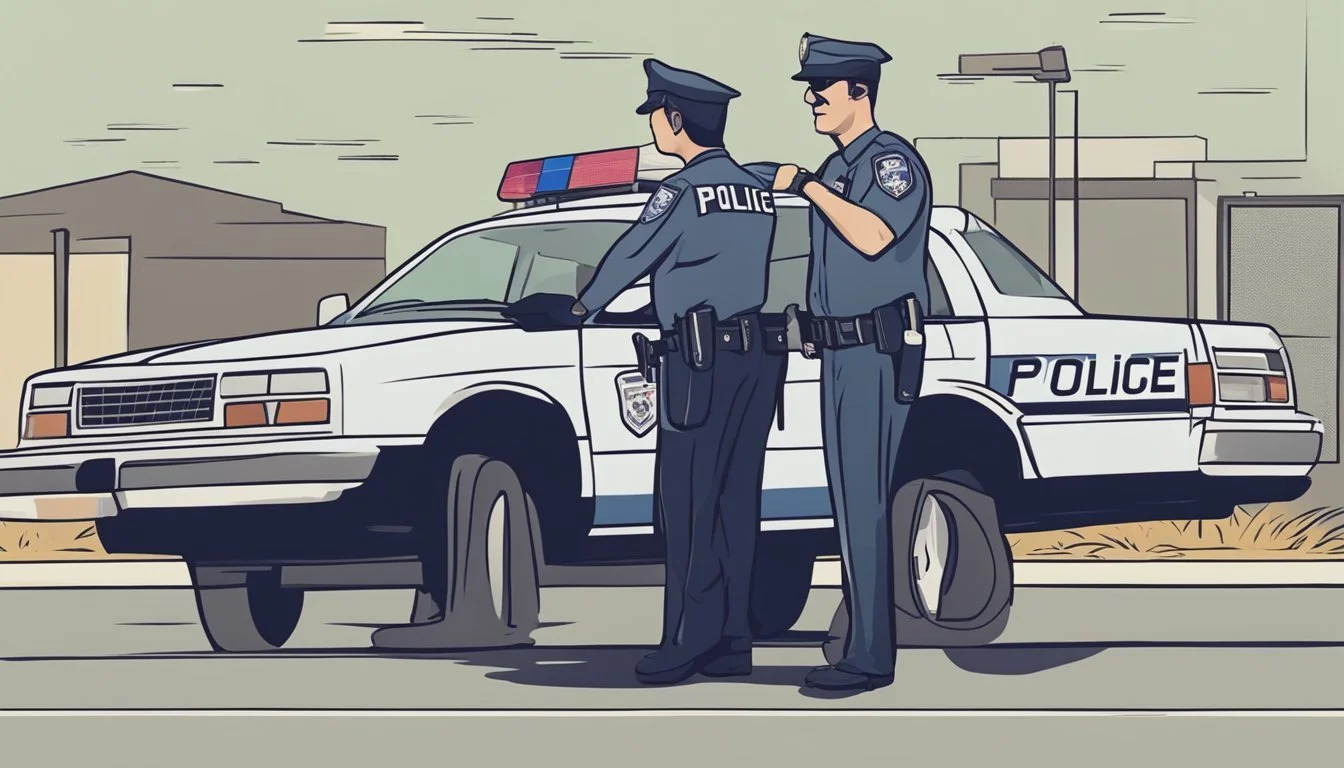
Marion County, Texas enforces strict laws against driving under the influence (DUI) of alcohol, emphasizing the severe consequences for those who violate these regulations. Vehicles are regularly monitored to uphold these laws.
Penalties for Driving Under the Influence
In Texas, individuals are legally intoxicated and may be charged with a DUI if their blood alcohol concentration (BAC) reaches 0.08 percent. However, it's important to note that one's driving ability can be considered impaired with a lower BAC if drugs or alcohol have affected their motor skills. The penalties for DUI offenses are sizable. A first DUI offense can result in:
Fine: Up to $2,000
Jail Time: Up to 180 days, with a minimum of three mandatory days upon conviction
License Suspension: Up to one year
Should a driver be intoxicated with a minor passenger under the age of 15, the charge escalates to a state jail felony, carrying penalties of:
Fine: Up to $10,000
Jail Time: From 180 days to two years
Open Container Regulations in Vehicles
Open container laws in Marion County prohibit the possession of any open bottle or container containing an alcoholic beverage in the passenger area of a motor vehicle, regardless of whether the vehicle is on a public highway. This law applies equally to both drivers and passengers. The passenger area is defined as any area readily accessible to the driver or passengers while in their seated positions, including the glove compartment. Here are the specifics:
Charge: Class C misdemeanor for possession of an open container in a vehicle
Fine: Up to $500
Adherence to these laws ensures safer roadways and reduces the risks associated with impaired driving. Marion County and the State of Texas remain vigilant in deterring such violations through stringent enforcement.
State-Wide and Nationwide Alcohol Law Comparisons
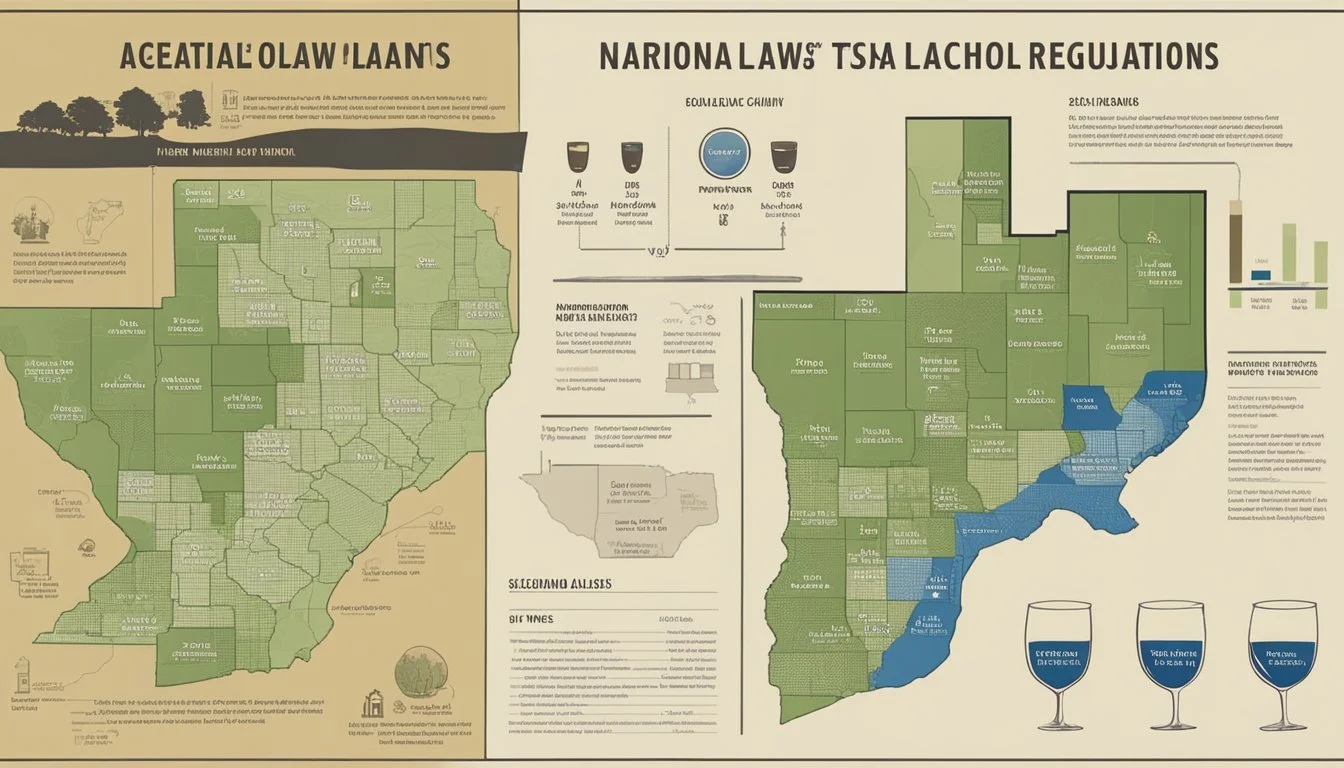
In comparing alcohol laws within Marion County, Texas, to those across the Lone Star State and the nation, it's important to recognize the variation in regulations, from statewide mandates to county-level stipulations.
Comparative Analysis of Texas Alcohol Laws
Texas alcohol laws are known for their complexity, with a significant degree of local control that can result in noticeable differences from one area to another. Statewide, individuals must be 21 years of age to legally consume alcohol; however, minors may consume alcohol in the presence of consenting parents or guardians. The sale of alcohol is regulated by the Texas Alcoholic Beverage Commission (TABC), and there are specific time constraints for sales: no liquor sales on Sundays, and for other alcoholic beverages like beer and wine, sales are prohibited before 12 p.m. on Sundays.
Nationwide, the 21st Amendment allows states to control their own alcohol distribution systems, a right that Texas exercises with its unique set of laws. While federal laws set a national minimum drinking age and regulate the production and distribution of alcohol, it is the state laws that largely govern its sale and consumption. Texas, like many states, follows the Three-Tier System which requires separation between alcohol manufacturers, distributors, and retailers.
Dry Counties and Variations Within Texas
Texas' approach to alcohol legislation exhibits a unique aspect: the existence of dry counties. In these areas, sales of alcoholic beverages are either completely banned or severely restricted. Marion County is one such area, though it allows some sales with limitations.
Within Texas, these local laws have created a patchwork effect, where neighboring counties can have vastly different alcohol regulations—a county may be completely dry, wet (no alcohol restrictions), or moist (some restrictions in place). This local option makes individual county laws within Texas as varied as the statewide laws compared to the nation. Marion County's regulations therefore must be understood within this broader context of state and local variation.
The effects of these regulations are felt in everyday life and include impacts such as economic development within counties and public health considerations. They can also influence social behavior, as some residents might cross into other counties to purchase alcohol.
Consumer Information and Public Awareness

In Marion County, Texas, consumers should be well-informed about where and how they can purchase alcoholic beverages, as well as the public policies governing these activities. This section aims to shed light on the alcohol sales channels available to consumers and the underlying public alcohol policies they should be aware of.
Alcohol Sales Channels and Retail Options
In Marion County, the sale of alcoholic beverages is available through a variety of retail channels. Consumers can purchase alcohol from package stores, which are specialized retail shops that sell alcoholic beverages in sealed containers for off-premises consumption. Grocery stores and Walmart have designated sections where consumers can find a selection of beer and wine. Additionally, gas stations often offer a limited assortment of alcoholic drinks, catering to customers seeking convenience.
Retail Sales Regulations:
Alcohol sales are subject to specific hours of operation.
ID checks are mandatory to prevent underage purchases.
Understanding Public Alcohol Policies
Public alcohol policies in Marion County are designed to regulate the consumption and distribution of alcohol to promote safety and compliance with the state laws. The key components of these policies include:
Alcohol Regulations:
Age limit: The legal drinking age is 21.
Licensing: Retailers require a license to sell alcoholic beverages.
Policy Enforcement:
The Texas Alcoholic Beverage Commission (TABC) governs compliance.
Violations of alcohol laws can result in penalties for both consumers and retailers.
By remaining informed about the alcohol purchase options and adhering to public alcohol policies, consumers can ensure a responsible and lawful experience with alcoholic beverages in Marion County.
Online Presence and Digital Communication
The digital landscape plays a pivotal role in how alcohol laws and awareness are communicated in Marion County, Texas. The Texas Alcoholic Beverage Commission (TABC) leverages various online platforms to ensure the public has access to the latest regulations and laws related to alcohol consumption and sales.
Texas Alcoholic Beverage Commission's Digital Outreach
The TABC has a comprehensive online presence that facilitates the dissemination of information and services related to alcohol laws in Texas. They maintain a robust website that serves as a central hub for resources, including legal documentation, licensing information, and educational materials.
Website Features:
Online Licensing: Businesses can apply for and renew alcohol-related licenses.
Public Queries: Individuals can access legal documents and violation records.
Educational Material: Resources for understanding alcohol laws and regulations.
Email is also used extensively by TABC for direct communication. Stakeholders can subscribe to newsletters and receive updates on regulatory changes and policy implementations. Additionally, individuals can contact TABC through email for enquiries and receive tailored responses.
Social Media and Alcohol Law Awareness
TABC's outreach extends to social media platforms, enabling them to engage with the community effectively. Facebook and Twitter are utilized to alert followers to updates in laws, public notices, and educational content.
Social Media Strategy:
Alerts: Quick updates on changes in alcohol regulations.
Engagement: Interaction with the public on alcohol-related queries.
Awareness: Campaigns to promote responsible drinking behaviors.
Their social media pages allow the TABC to quickly communicate any immediate changes in law to a large audience. In contrast, they also offer a platform for the public to engage with the TABC, helping to increase the overall awareness and understanding of alcohol laws in Marion County.
Business and Corporate Impact on Alcohol Laws

In Marion County, Texas, businesses and corporations play a significant role in shaping alcohol laws, which affects how alcohol is sold and consumed within the community. This impact varies depending on the nature and operation of the entity, be it a publicly traded corporation or a local grocery store.
Implications for Publicly Traded Corporations
Publicly traded corporations in the alcohol industry must navigate a complex landscape of legal regulations that dictate how they can operate. These companies are required to adhere to Texas Alcoholic Beverage Commission (TABC) rules, which influence their business decisions and strategies. Violations of these regulations can result in severe penalties, impacting shareholder value and corporate reputation. Therefore, these entities invest in compliance programs to ensure they meet the current laws on alcohol sales and distribution.
The Role of Local Groceries and Convenience Stores
Local groceries and convenience stores in Marion County are often the primary retail points for alcohol purchases. These retailers must obtain the appropriate permits and follow specific regulations that control the hours of alcohol sales and the types of alcoholic beverages they can offer. They are vital in enforcing legal age limits for alcohol purchase, thus directly affecting consumer behavior. These businesses must balance regulatory compliance with consumer demand, ensuring they maintain profitability while contributing to the community's welfare.
Reform and Future Trends in Alcohol Legislation

The landscape of alcohol regulation in Marion County is undergoing significant changes, reflecting a broader trend seen across many regions of Texas. Legislative efforts aim at modernizing the Texas Alcoholic Beverage Code, with a keen eye on both economic impacts and public health concerns.
Recent Bills and Amendments to Alcohol Laws
The Texas legislature has been active in proposing and enacting bills that reshape the state's approach to alcohol sales and regulation. One such bill, specifically designed to address outdated provisions in the Texas Alcoholic Beverage Code, has introduced reforms that could pave the way for more flexible business operations and improved enforcement of alcohol laws. These efforts often attract strong opinions from various stakeholders, illustrating the complexity intertwined in the act of balancing economic and social interests.
Senate Bill XX: Aimed at expanding sales hours for alcohol, thus catering to consumer demands and business owner interests. The bill has gained traction in the Senate and is under consideration for approval.
House Bill YY: Seeks to tighten restrictions related to alcohol-related violations by increasing penalties for repeat offenders, reinforcing the state's commitment to public health and safety.
Community Movements and Voting on Alcohol Laws
Community engagement has played a pivotal role in directing the future of alcohol legislation in Marion County.
Public Referendums: Several local referendums have empowered residents to vote on whether to maintain the status quo or introduce changes, such as permitting alcohol sales on Sundays or expanding the variety of alcohol licenses available within the county.
Local voting outcomes indicate a trend towards progressive reform of alcohol laws, demonstrating a collective desire for revised policies that still ensure the welfare of the community. This participatory approach suggests a dynamic legislative landscape that is responsive to both the voices of the citizens and the needs of the local economy.
Progress in Marion County is indicative of a state-wide evolution in how alcohol regulation is perceived and implemented, with ongoing discussions and proposals that promise to shape the way Texans interact with alcohol policies.
Appendix
This section provides essential contacts and resources related to the alcohol laws in Marion County, Texas. Readers seeking detailed legal parameters or official procedures can utilize this directory for authoritative guidance.
Contact Information for Marion County Officials
County Judge: Hon. Lex Jones
Office Address: 102 W. Austin St., Room 206, Jefferson, TX 75657
Phone Number: (903) 665-3261
Email Address: judgejones@co.marion.tx.us
District Attorney: Angela Smoak
Office Address: 211 E Lafayette St, Jefferson, TX 75657
Phone Number: (903) 665-3971
Email Address: da@co.marion.tx.us
Note: Readers should contact these officials for specific inquiries regarding the enforcement of alcohol laws in Marion County.
Links to Official Alcohol Law Documents and Resources
Texas Alcoholic Beverage Commission provides resources and documentation regarding the state's alcohol regulations, which are applicable to Marion County:
TABC Code and Rules: Texas Alcoholic Beverage Code
Permit and Licensing Information: TABC Licensing
Temporary Events Guidance: TABC Temporary Events
Disclaimer: Always consult the official Texas Alcoholic Beverage Commission site or contact county officials for the latest and most accurate legal information.
Glossary
Alcoholic Beverage Code: The legislation that regulates the sale, distribution, and consumption of alcohol in Texas. Marion County, as part of Texas, adheres to this state code, which sets forth the legal requirements for alcohol-related activities.
Alcohol: A psychoactive substance found in drinks such as beer, wine, and spirits. Its sale and consumption are regulated by law.
Terms related to Marion County's alcohol laws:
Dry County: A county where the sale of alcoholic beverages is prohibited or restricted. Marion County has areas that may be designated as "dry."
Wet County: In contrast to a dry county, a wet county allows the sale of alcoholic beverages without extensive restrictions.
Entities involved in regulation:
TABC (Texas Alcoholic Beverage Commission): The state agency responsible for enforcing the Alcoholic Beverage Code.
Local Option Election: A vote by local jurisdictions in Texas, including Marion County, which determines the status of alcohol sales in that area.
Types of alcohol sales:
On-Premise Sale: The sale of alcohol for consumption within the establishment, like restaurants or bars.
Off-Premise Sale: The sale of alcohol intended for consumption elsewhere, such as purchases from liquor stores.
Key Concepts:
Legal Drinking Age: In Texas, including Marion County, individuals must be at least 21 years of age to legally consume alcoholic beverages.
DUI Laws: Refers to laws related to driving under the influence of alcohol. Texas enforces strict DUI laws to ensure public safety on the roads.
Understanding these terms and entities is crucial for navigating the regulations surrounding the sale and consumption of alcohol in Marion County, Texas.