How do you eat a fajita?
Mastering the Art of Enjoying This Tex-Mex Favorite
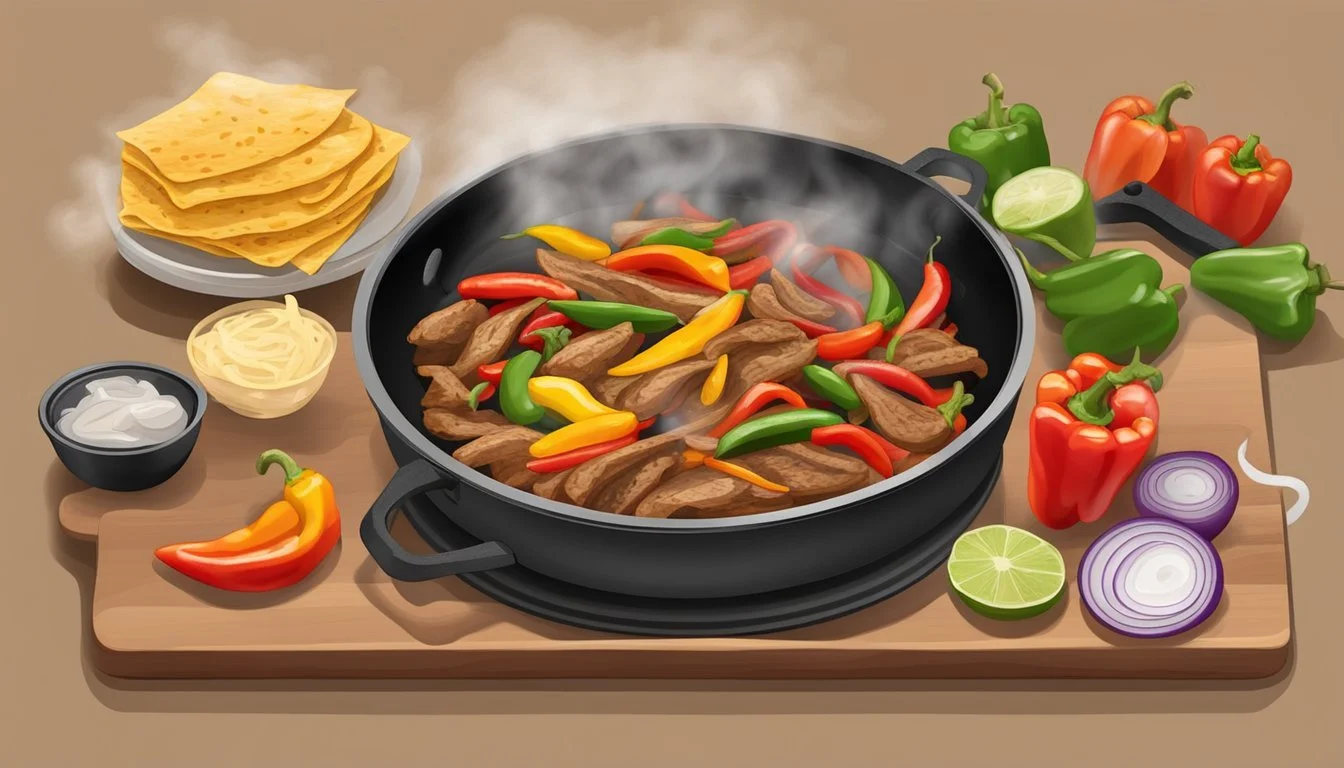
Eating a fajita is an engaging culinary experience that encapsulates the vibrant flavors of Mexican cuisine. A fajita typically consists of grilled meat, often skirt steak or chicken, that is seasoned and cooked with peppers and onions. It is served with a selection of toppings and warm tortillas, allowing diners to create their own personalized combination.
The process begins with a warm tortilla, which acts as the foundation for building the dish. Diners can place the sizzling meat and vegetables down the middle of the tortilla, allowing space at the ends to ensure a tidy fold. The variety of soft fillings, such as guacamole, sour cream, or pico de gallo, can then be added to enhance the flavor and texture.
It's essential for those eating fajitas to balance the fillings with the tortilla, as overloading can make the fajita difficult to eat. The art of assembling a fajita is in the fold; one must roll or fold the tortilla around the fillings to create a form that is easy to hold and eat. Each bite of a well-assembled fajita offers a harmonious mix of seasoned meats, roasted vegetables, and lively toppings.
Essential Ingredients
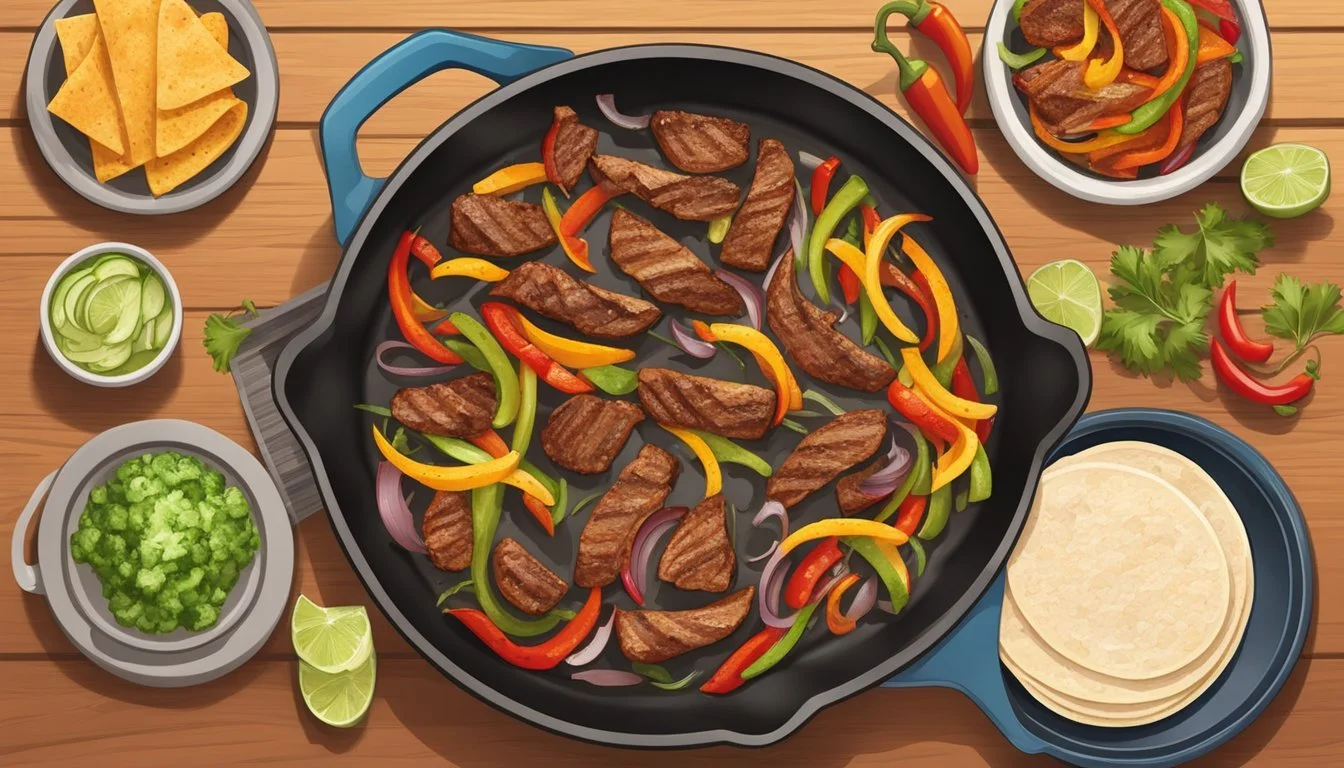
Creating the perfect fajita involves a symphony of flavors and textures, starting with quality proteins and vegetables, moving through tortilla selection, and finishing with a range of condiments and sides for a complete culinary experience.
Choosing Your Protein
The protein serves as the cornerstone of fajitas. Common choices include:
Chicken: Typically chicken breast, sliced and often marinated.
Steak: Skirt steak is preferred for its flavor and tenderness.
Shrimp: A lighter option, usually quick-cooked to maintain tenderness.
Selecting Vegetables
Vegetables add color, texture, and nutrients to fajitas. Essential veggies include:
Onions: Sweet or white, sliced for a savory base.
Bell Peppers: A mix of colors offers a sweet and vibrant component.
Tortillas and Alternatives
Tortillas wrap up the fajita fillings. Both flour tortillas and corn tortillas are popular, with the latter providing a gluten-free option. Always warm the tortillas for pliability.
Flavor Enhancers
The fajita's signature taste comes from its seasoning, with a blend of:
Fajita Seasoning: A combination of cumin, chili powder, garlic powder, and salt.
Lime Juice: Adds a zesty flavor.
Cilantro: For a fresh, herby note.
Additional Accompaniments
Sides such as Mexican rice, beans (black or refried), and salsa complement fajitas, contributing to the meal's heartiness and flavor.
Preparing the Meat
Marinate your chosen protein for at least 30 minutes in a blend that could include lime juice, olive oil, and fajita seasoning to ensure maximum flavor.
Cooking Techniques
Grill or sear the meat on high heat, preferably in a cast iron skillet for a smoky char. Sauté vegetables until they develop a slight caramelization for added sweetness and aroma.
Building Your Fajita
Lay the warm tortilla flat, spoon the protein and vegetables down the center, allowing room at the edges for folding.
Topping Selection
Offer a variety of toppings such as guacamole, shredded cheese, sour cream, and pico de gallo for customized taste.
Serving and Presentation
Serve hot, with the meat and vegetables often presented on a steaming cast iron platter alongside the tortillas and toppings for an engaging experience.
Customization Options
Encourage diners to build their fajitas to personal preference, choosing from the array of proteins, veggies, and toppings at hand.
Nutrition and Dietary Considerations
Consider options like lean meats for protein, an abundance of veggies for vitamins, and whole grain or gluten-free tortillas for dietary needs.
Storing and Reheating Leftovers
Pack leftovers in airtight containers, separating tortillas from fillings. Reheat components individually, ensuring the meat and vegetables regain their texture.
Helpful Eating Tips
Eat fajitas with your hands, rolling the tortilla around the fillings, or alternatively, use a knife and fork if preferred for less mess.
With the right ingredients and techniques, anyone can assemble and enjoy a satisfying fajita feast that caters to diverse tastes and dietary requirements.