
Smart Organization Tips
With the proliferation of digital media, one might assume that cookbooks and recipe cards are relics of the past. However, they remain treasured by many culinary enthusiasts who appreciate the tactile experience and the personal touch they add to the cooking process. As these collections grow, organizing them becomes not just a necessity but also a way to enhance one's cooking experience.
Effective storage solutions for cookbooks and recipe cards can transform cluttered kitchen counters and drawers into functional displays of one's culinary library. Whether one opts for a digital management system or tactile storage methods, the key lies in creating an accessible and systematic arrangement. This maintains the longevity of these culinary resources and ensures recipes are at hand when needed.
For those who collect cookbooks, the challenge is to keep them within easy reach without sacrificing valuable kitchen space. Meanwhile, recipe cards hold sentiments and hand-me-downs that deserve preservation and easy accessibility. From creative use of wall space to multifunctional furniture, there are numerous ways to store these cooking guides efficiently. The aim is to celebrate the collection while keeping it orderly, regardless of its size.
Assessing Your Collection

Before diving into the organization, one must take stock of their cookbook collection and recipe cards. Proper assessment leads to a more functional and enjoyable cooking experience.
Declutter Your Cookbooks
One's cookbook collection can grow over time, with some books rarely used or no longer aligned with their cooking style. Bold action here involves making tough decisions: keep, donate, or sell. A practical approach is to sort books into categories such as frequently used, occasionally used, and never used. Cookbooks that haven't been opened in over a year are potential candidates for donation or sale.
Keep: Essential books that align with current cooking habits.
Donate: Books in good condition but no longer needed.
Sell: Rare or valuable cookbooks that could be appreciated more by collectors.
Categorize Your Recipes
For recipe cards, a thorough categorization system not only preserves the recipes but also makes them more accessible. Recipes can be separated into clear sections:
Appetizers
Main Courses
Desserts
Special Diets
One can employ a recipe keeper or a digital tool to organize these categorized recipes. Digitizing recipes is a modern solution that may save physical space and provide backup. However, for those who appreciate the tangibility of recipe cards, a well-maintained card organizer can be equally efficient.
Using a consistent labeling system is crucial. For each recipe card, clearly indicate the:
Recipe Name
Preparation Time
Cooking Time
Ingredients List
Instructions
By assessing and categorizing one's cookbooks and recipes, the cook ensures ease of access and a more streamlined cooking process.
Creative Cookbook Storage Solutions
Effective cookbook storage marries accessibility with aesthetics, keeping your recipes at arm's reach while complementing your kitchen's design. This section delineates a variety of strategies tailored to accommodate and organize cookbooks and recipe cards, ensuring they're both showcased and shielded from the high-traffic culinary environment.
Utilize Open Shelving
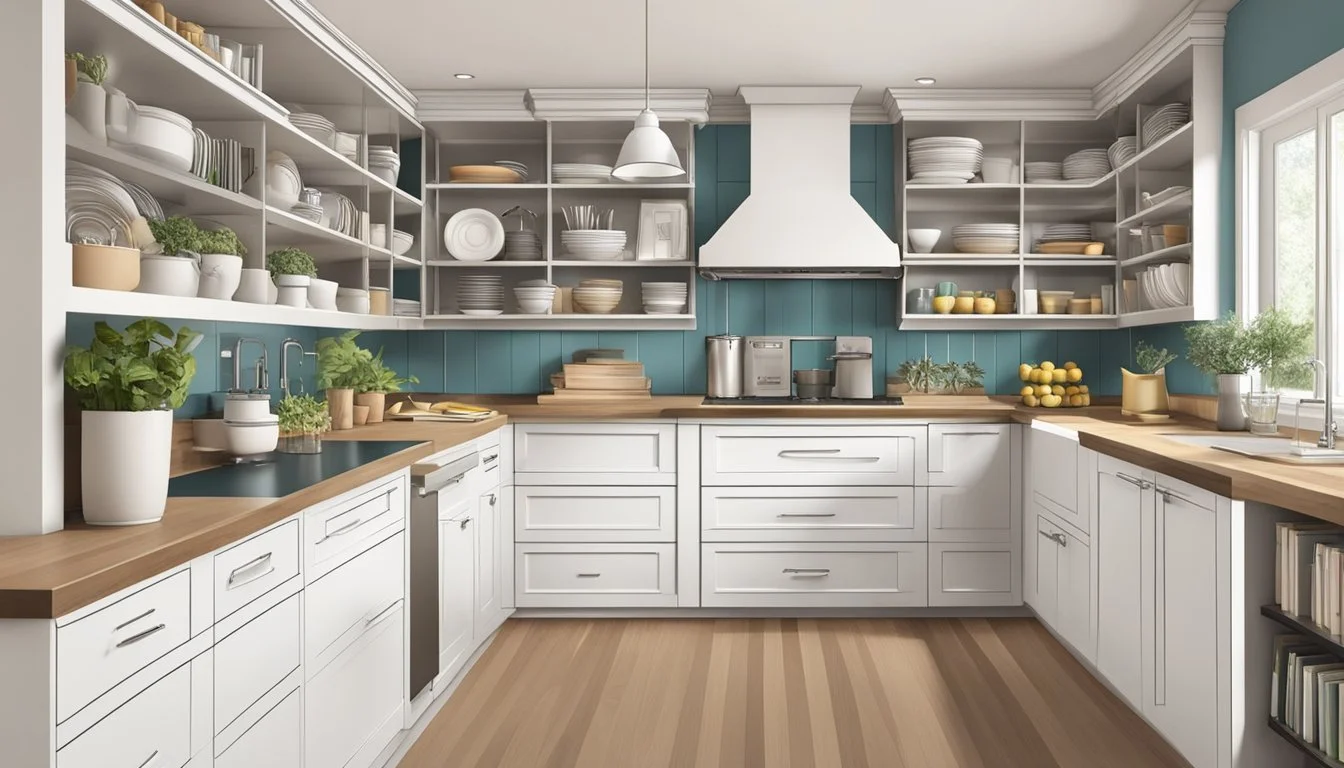
Open shelving is not only a contemporary way to display cookbooks but also allows for ease of access. One can organize books by cuisine or frequency of use, and ensure that their most treasured recipes are always within sight. Food52 suggests adding a bar across recessed racks to prevent cookbooks from falling, capitalizing on every inch of available space.
Repurpose File Folders for Recipe Cards
File folders are an innovative approach to cataloging recipe cards. Alphabetically labeled tabs can help organize recipes by dish type or ingredient, making it straightforward to locate that much-loved family recipe quickly. For added protection, one may consider using plastic sleeves within the folders to safeguard the cards from spills and stains.
Maximize Pantry Storage
Pantries aren't just for food; they can serve as an excellent space for cookbook storage. By adjusting the height of shelves, one can create customized spots for cookbooks of all sizes. If space permits, small bookends can be helpful in keeping everything neatly lined up and easy to grab.
Innovative Use of Narrow Shelving
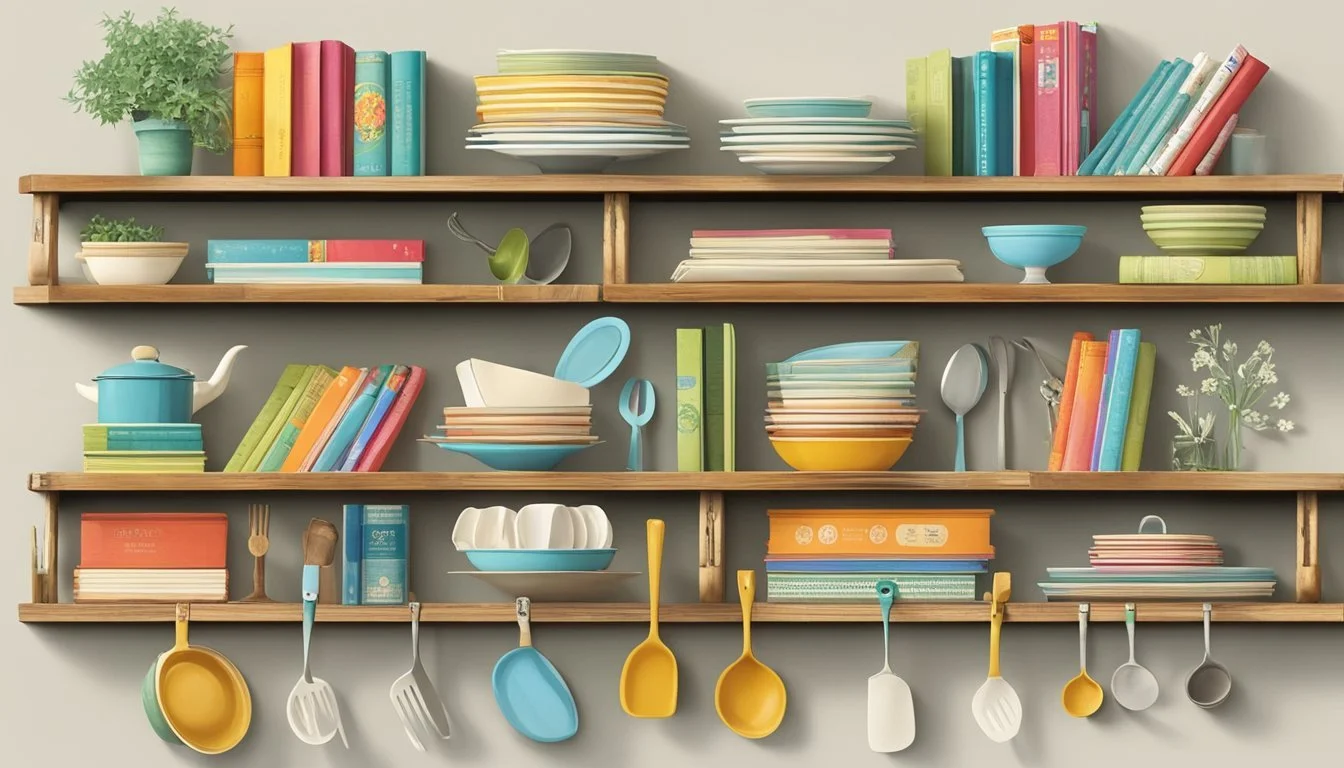
Narrow shelving, like picture ledges, can turn a sliver of wall space into a functional storage area. It's a brilliant solution for small kitchens, enabling the display of beautiful cookbook covers and giving a splash of personality to the space. Additionally, these shelves can keep cookbooks off countertops, leaving more room for food preparation.
Organizational Tools and Supplies
In the culinary world, efficient organization of cookbooks and recipe cards not only saves time but also streamlines the cooking process. Here are essential tools that offer practical storage solutions.
The Versatility of Wire Baskets
Wire baskets serve as an adaptable storage tool, capable of holding cookbooks in various sizes. They can be placed on countertops or mounted on walls to maximize space. A kitchen may feature:
Counter Wire Baskets: For easy access during meal prep.
Wall-Mounted Baskets: To free up counter space and keep cookbooks visible.
Benefits of a Recipe Binder
A recipe binder is a personalized system that protects recipe cards from spills and stains. Binders feature clear sleeves or pockets that make it easy to sort and flip through recipes. Key advantages include:
Customization: Ability to categorize recipes by type or cuisine.
Protection: Durable covers keep recipes in pristine condition.
Three-Ring Binders for Handwritten Recipes
For those with a collection of handwritten recipes, a three-ring binder offers a traditional and customizable way to preserve these culinary treasures. Binders equipped with plastic sheet protectors safeguard the recipes from damage. Key aspects to consider are:
Organization: Tab dividers help in categorizing and finding recipes quickly.
Capacity: They can expand to accommodate growing recipe collections.
Designing Your Kitchen for Cookbook Storage
Crafting a kitchen that elegantly integrates cookbook storage can elevate both the functionality and style of the space. By considering the addition of a designated book rack, creating a cozy nook, or dedicating a section for a cookbook library, one can seamlessly blend these elements with the existing kitchen décor.
Incorporating a Book Rack
A wooden book rack offers both utility and aesthetic appeal. Strategically positioning a book rack in the kitchen not only adds a warm, organic element but also keeps cookbooks within arm's reach. For visual continuity, choose a book rack whose style and color complement the kitchen cabinets and shelving.
Cookbook Nook in Small Spaces
Utilizing small spaces effectively is crucial in a compact kitchen. Transforming an unused corner or a section of the countertop into a cookbook nook optimizes space and provides a convenient spot for recipe retrieval. If there's room for a kitchen island, consider integrating bookshelves into its design to create an island-cum-cookbook station.
Building a Cookbook Library
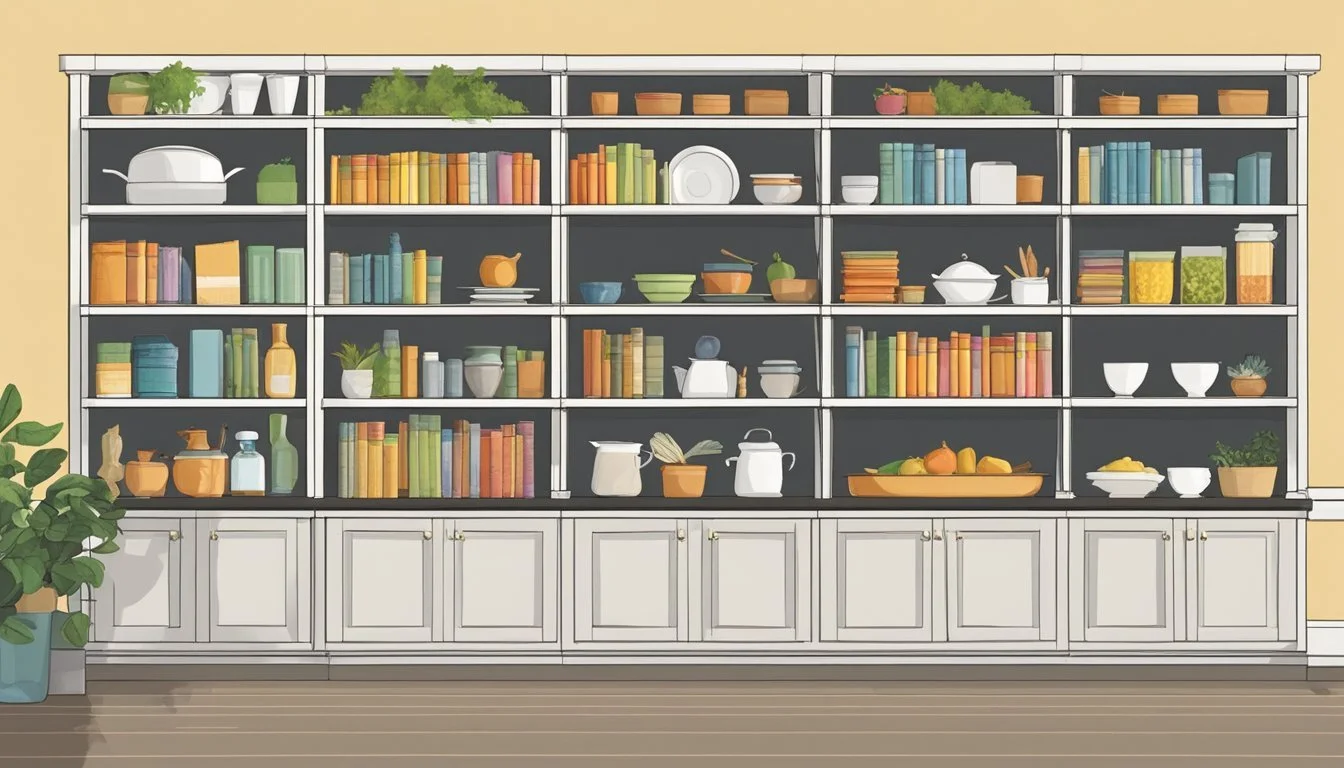
For those with an extensive collection, dedicating a space to build a cookbook library can be a stylish and thoughtful addition. Floor-to-ceiling shelving units or cabinetry can be installed to house beloved tomes, turning a simple collection into a focal point. Ensure the shelving is constructed of materials that complement other wooden elements in the kitchen to maintain a cohesive look.
Digital Recipe Organization
In the age of technology, organizing cookbooks and recipe cards has progressed from cluttered shelves and drawers to digital platforms that offer ease and accessibility. There are several tools available that allow individuals to efficiently organize their loose recipes and cookbooks, aiding in their meal planning and day-to-day kitchen activities.
Harnessing the Power of Pinterest
Pinterest serves as a highly visual digital pinboard and is an excellent way for individuals to organize loose recipes. Users can create separate boards for different categories such as "Desserts," "Healthy Choices," or "Family Dinners." Recipes can easily be found again with a simple search within one's own pins, and the visual component of Pinterest helps users to quickly identify the desired recipe.
Organize by Course/Ingredient: Create boards for specific meal courses (e.g., Appetizers, Main Courses, Desserts) or by main ingredients (e.g., Chicken Recipes, Vegetarian Dishes (What wine goes well with vegetarian dishes?).
Collaborative Boards: Users can share boards and pins with others, making it simple to collaborate on meal planning or collecting recipes from friends.
Organizing with Google Drive
Google Drive allows users to create a structured repository for recipes by utilizing folders and file naming conventions. It's a straightforward way to keep digital copies of scanned recipe cards and cookbook PDFs.
Folders: Create dedicated folders for types of meal (e.g., Breakfast, Lunch, Dinner) or dietary needs (e.g., Gluten-Free, Vegan).
Sharing Documents: Recipes can easily be shared with family and friends through a link, enabling communal access to a family’s treasured dishes.
The Role of Pepperplate in Meal Planning
Pepperplate is an app designed for meal planning and recipe organization. It allows users to consolidate their recipes in one place, plan meals for the week, and generate shopping lists based on the ingredients needed for the planned recipes.
Meal Planner: Integrates recipe selection with a calendar for scheduling meals.
Import Recipes: Users can import recipes from cooking websites or enter their own, making it a comprehensive tool for digital recipe management.
By utilizing digital platforms like Pinterest, Google Drive, and Pepperplate, individuals can streamline the process of managing their recipes, which in turn can simplify meal preparation and enhance their cooking experience.
Display Options for Cookbooks
In the quest to marry functionality with style, the kitchen offers prime real estate for displaying cookbooks. Thoughtful organization can transform these culinary guides into aesthetic accents, all while keeping them easily accessible.
Cookbook Hutch as a Focal Point
A hutch serves not only as a storage solution but also as a statement piece in a kitchen. One can organize cookbooks neatly on its shelves which immediately grabs attention and adds personality to the space. A hutch provides ample room, thus it's suitable for those who own a large collection of cookbooks. This furniture piece can be designed to match the kitchen's decor, ensuring that it both stands out and blends in seamlessly.
Pros:
Enhances kitchen decor
Showcases cookbook collection
Offers extensive storage
Cons:
Requires sufficient space
Potentially higher cost for quality pieces
Strategic Cookbook Display on Kitchen Island
A kitchen island often finds itself at the heart of kitchen activities. Utilizing its sides or under-counter sections for cookbook storage can be both strategic and stylish. One might install custom book racks or stands to hold cookbooks, allowing them to be showcased and doubling as a quick reference during food preparation. It's an ideal location for those who frequently reference recipes while cooking, as it places cookbooks at arm's reach.
Pros:
Central location for easy access
Utilizes unused space effectively
Enhances kitchen functionality
Cons:
Limited space may restrict the number of displayed cookbooks
Can be subject to kitchen spills and stains
Advanced Cookbook Organizing Strategies
In an effort to streamline the culinary workspace, advanced organizing strategies focus on simplifying the search process for recipes and enhancing the accessibility of frequently used cookbooks.
Theme-Based Organization
One might consider categorizing cookbooks and recipes by theme. Chefs and home cooks alike can efficiently locate their desired content by arranging materials according to cuisine, meal type, or dietary restrictions. For example, one could organize a shelf with sections labeled Italian, Vegan, Desserts, or Quick Meals. This system not only simplifies the search for the right cookbook but also helps to declutter the space.
Italian: All Italian cookbooks and recipe cards are grouped together.
Vegan: Separate section dedicated to plant-based diet cookbooks.
Desserts: A sweet section for baking books and dessert recipes.
Quick Meals: Cookbooks that offer recipes under 30 minutes are compiled for easy access.
Accessibility for Go-To Recipes
For those recipes that one finds themselves returning to time and again, having a method for quick access is paramount. Designating a special holder or rack within arm's reach of the cooking area can keep go-to recipes readily available. A wall book rack or a clear folder attached to the inside of a cabinet door can serve as excellent spots to house these favorite recipes. Additionally, employing page markers or tabs on frequently used pages within cookbooks can direct a cook to their beloved recipes with minimal effort.
Page Markers: Use colored tabs to flag favorite recipes in cookbooks.
Special Holder: Install a book rack on the wall near the prep area for easy access.
By applying these advanced organizing strategies, any culinary enthusiast can transform their kitchen into an efficient and user-friendly cooking hub, where every recipe has its place and the most cherished cookbooks are always within reach.
Repurposing and Recycling Old Cookbooks
When a cookbook no longer serves a purpose in one's kitchen, it can find a new life elsewhere. Repurposing or recycling cookbooks helps declutter your space and can benefit others or the environment.
Donate Unused Cookbooks
Individuals often accumulate cookbooks over the years, which can eventually overwhelm kitchen space. Donating these books is a positive way to declutter. Local libraries, schools, and charity shops typically welcome cookbook donations. Additionally, one might consider community centers or culinary schools where aspiring chefs could benefit from the added resources.
Places to donate cookbooks:
Public libraries
Charity shops
Culinary schools
Community centers
Selling Cookbooks You No Longer Need
Selling old cookbooks can be both financially beneficial and an effective way to ensure the books continue to be used. Cookbooks in good condition might fetch a decent price at used bookstores or online marketplaces such as eBay or AbeBooks. When listing cookbooks for sale, one should:
Provide accurate descriptions of the book's condition
Highlight any rare or highly sought-after titles
Specify if the cookbook caters to a particular dietary preference (e.g., vegan, gluten-free) which may attract a specific audience.
Maintaining Your Cookbook Organization
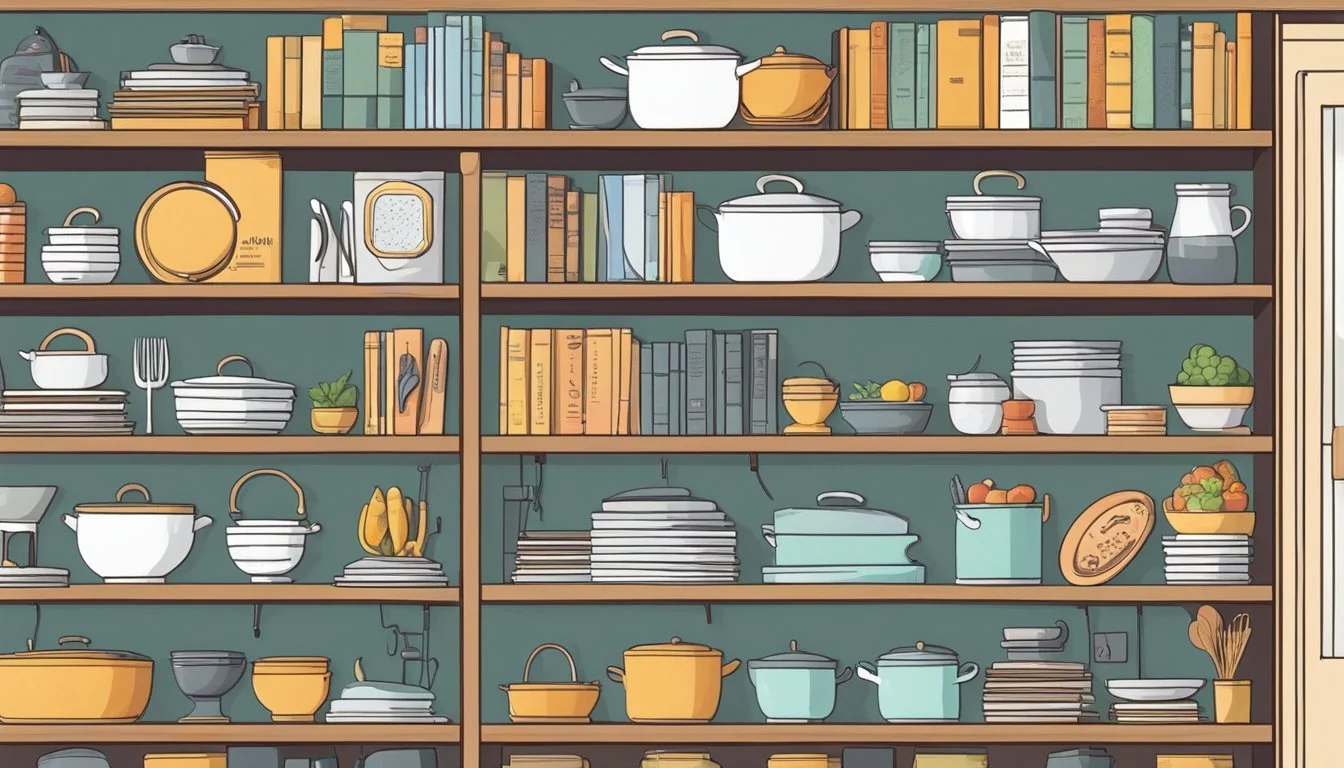
To ensure that your cookbook collection and recipe cards remain both accessible and functional, one must adhere to structured maintenance practices. This includes regular evaluation of how frequently items are used, as well as keeping the content updated with new finds or alterations to existing recipes.
Regular Review of Cookbook Usage
A user should periodically assess their cookbooks to determine which ones they frequently reference and which could be archived or donated.
Frequency: Tackle this task every six months to prevent clutter.
Prioritize: Keep the most-used books within easy reach and store others away.
This method prevents overcrowding of cooking spaces and ensures that only valuable resources occupy prime kitchen real estate.
Consistently Updating Recipe Collections
An organized recipe collection is a living entity; it should evolve as tastes change and new discoveries are made. One should consider the following steps:
Integration: Add new recipes or notes to existing collections; this can be done digitally or by using recipe cards for physical copies.
De-cluttering: Eliminate recipes that are no longer appealing or ingredients that are seldom used.
Cataloging: Systematically categorize recipes by type, such as appetizers, mains, desserts, or by ingredient to simplify the search process.
These practices are key to maintaining a cookbook and recipe card system that is both current and orderly, providing maximum utility to the cook.