The Best Pantry Storage Solutions for Legumes and Beans
Optimal Organization Tips

The proper storage of beans and legumes is essential for maintaining their quality and extending their shelf life. These staples, favored for their health benefits and versatility in a myriad of culinary dishes, have specific requirements to remain fresh and usable over time. A well-organized pantry that employs the best storage solutions can protect legumes and beans from common spoilage factors such as moisture, air, and pests.
Beans and legumes thrive in cool, dry environments, making the pantry an ideal location for long-term storage. Strategies for preserving these staples include utilizing air-tight containers that offer protection from oxygen and humidity. Storing them in a consistent environment, away from direct sunlight and temperature fluctuations, is key to preventing spoilage. Furthermore, incorporating food-grade buckets with tight-fitting lids and the addition of oxygen absorbers can significantly extend the shelf life of beans and legumes, ensuring that they remain a readily available component of a balanced diet.
Understanding Pantry Storage
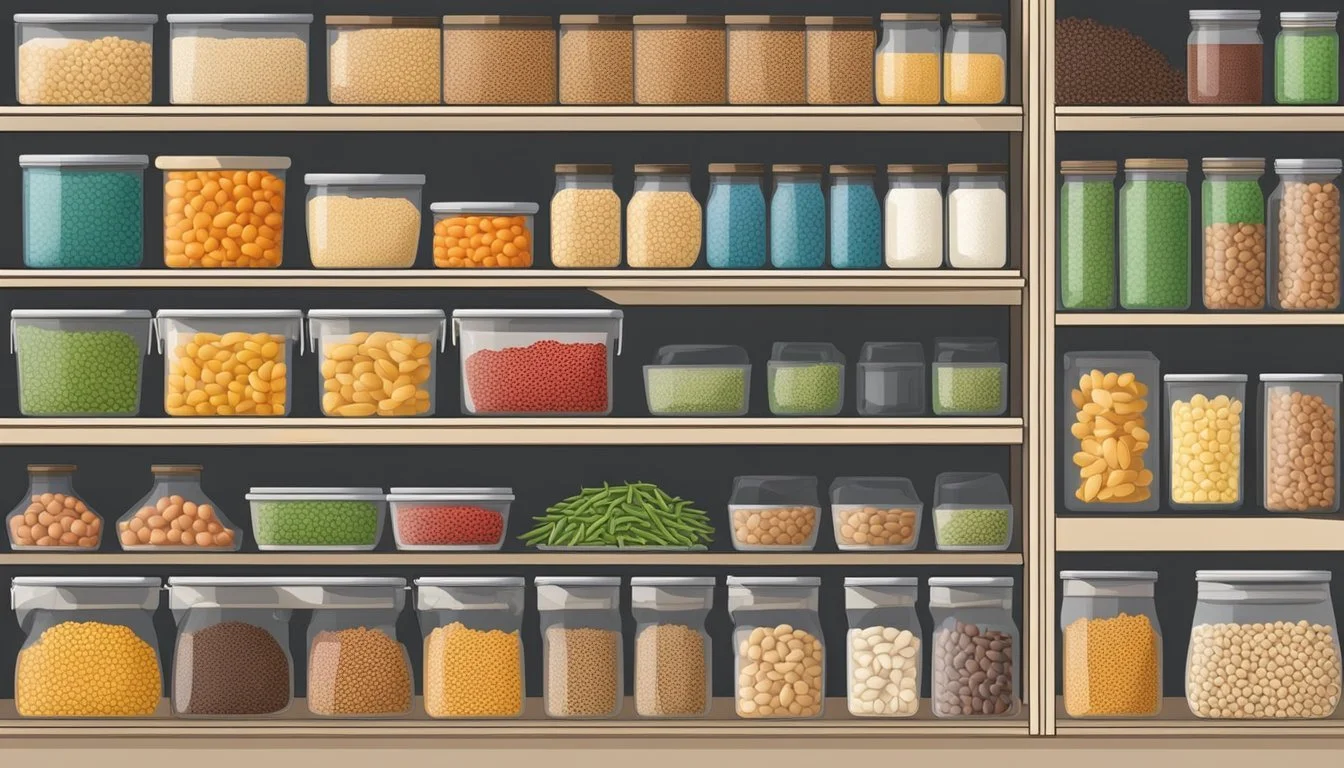
Effective pantry storage can significantly enhance the shelf life and quality of beans and legumes. Here are key insights for appropriate storage techniques.
The Importance of Proper Storage for Legumes and Beans
Proper storage is essential as it protects legumes and beans from pests, moisture, and temperature variations that can lead to spoilage. Beans, when stored correctly, can last for years, retaining their nutritional value and flavor. Oxygen absorbers can be included in storage containers to further extend shelf life.
Differentiating Between Bean and Legume Types for Storage
There is a distinction between the storage needs of various types of legumes and beans. Kidney beans, for example, are particularly resilient and versatile, making them an excellent choice for long-term storage. On the other hand, more delicate beans may require additional care to prevent spoilage.
Types of Beans & Optimal Storage Methods:
Kidney Beans: Airtight containers, cool and dry spaces
Lentils: Moisture-proof containers, away from direct light
Chickpeas: Sealed containers, with temperature control
Assessing Your Pantry's Storage Conditions
Evaluating the conditions of a pantry is key for optimal storage of legumes and beans. It should be a cool, dark place with a steady temperature ideally between 50-70°F (10-20°C). Pantries should also have low moisture levels to prevent bean degradation. Regular checks for signs of pests and spoilage are crucial.
Storage Condition Checklist:
Temperature: 50-70°F (10-20°C)
Moisture: Low humidity environment
Light: Minimal exposure to direct sunlight
Choosing the Right Containers
When selecting the best pantry storage solutions for legumes and beans, it is essential to consider the material and seal quality of the containers, along with their capacity and overall design to ensure longevity and ease of use.
Glass vs. Plastic Containers
Glass Containers:
Pros: They are non-porous and do not absorb odors or stains.
Cons: Glass is heavier and more fragile.
Plastic Containers:
Pros: These are lightweight and less likely to shatter upon impact.
Cons: Some types may absorb odors and can warp or stain.
When storing legumes, one must consider the durability and cleanliness of the container. Glass jars typically offer a longer lifespan and won't absorb smells or colors, but they do require more careful handling due to their breakable nature. Plastic containers provide convenience and resilience against breakage, however, it's crucial to use BPA-free plastics to avoid chemical leaching.
The Benefits of Airtight Containers
Airtight Containers ensure:
The exclusion of moisture and pests, which are critical for storing legumes.
An extended shelf-life by keeping the contents dry and fresh.
Airtight containers are indispensable for preserving the quality and freshness of legumes and beans. An effective seal prevents entry of air, moisture, and pests, all of which can spoil legumes quickly. Glass or plastic containers with secure, airtight lids are the best choices for maintaining the integrity of legumes over time.
Selecting Containers Based on Capacity and Design
Capacity:
Small (up to 1 quart): Ideal for infrequently used legumes.
Medium (1-2 quarts): Suitable for regular family consumption.
Large (over 2 quarts): Best for bulk storage or frequent use.
Design:
Transparent: Allows easy identification of contents.
Stackable: Saves pantry space by allowing vertical storage.
Wide-mouth: Facilitates easy filling and dispensing.
The capacity of storage containers should align with household consumption and the quantity of legumes purchased. For beans that are used daily, larger containers may be more convenient. Additionally, the design features of storage containers matter significantly. Transparent, stackable, and wide-mouth containers streamline pantry organization, ensuring efficient use of space and hassle-free access to legumes.
Optimizing Storage for Preservation
Ensuring the longevity of legumes and beans in the pantry requires attention to detail regarding pest control, moisture management, and systematic rotation. The reader should understand the importance of creating an environment that minimally impacts the natural shelf life of these foods.
Protection Against Pests and Odors
To effectively safeguard legumes and beans from pests such as weevils and moths, one should store them in airtight containers made of glass or heavy-duty plastic. Those containers not only prevent pest infestations but also stop the transfer of odors that can affect the taste and quality of the legumes. Consider adding bay leaves inside the storage containers as a natural deterrent to pests.
Managing Moisture and Temperature for Longevity
Legumes and beans are sensitive to moisture and temperature. To prevent spoilage and mold growth, store them in a cool, dark place where the temperature remains steady between 50-70°F (10-20°C). Avoid areas prone to temperature fluctuations, such as near ovens or refrigerators. Silica gel packets can be placed inside storage containers to help control moisture levels.
Using Date and Rotation Systems to Maintain Freshness
To preserve freshness and prevent spoilage, implement a rotation system based on the date of storage:
First In, First Out (FIFO): Always use the oldest products first.
Labeling: Clearly label containers with the type of legume or bean and the storage date.
Inspection: Regularly check for any signs of spoilage or degradation and remove affected items to preserve the remaining stock.
By following these methods, one will effectively extend the shelf life and maintain the quality of legumes and beans in their pantry storage.
Designing a Pantry Layout
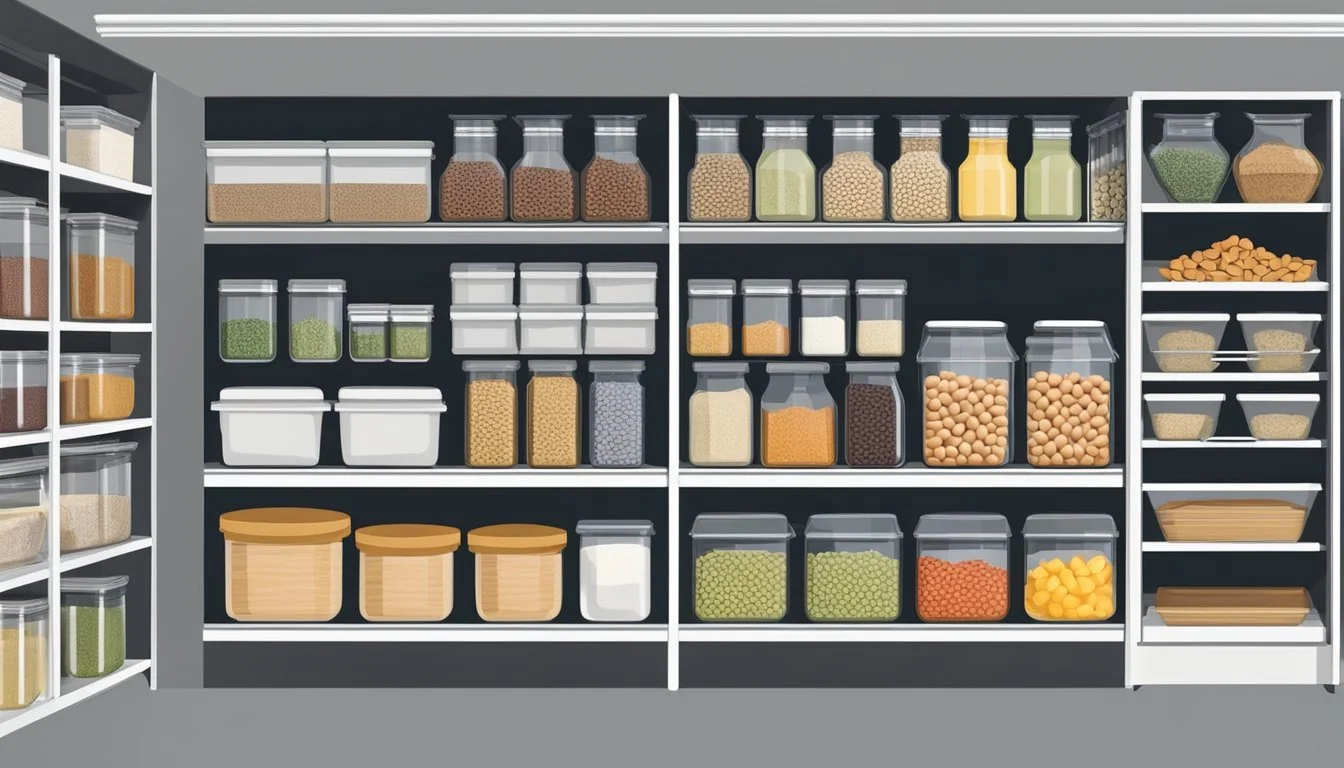
When organizing a pantry for storing legumes and beans, it's crucial to consider aspects such as zoning for different food groups, efficient space utilization with stackable solutions, and ensuring that everything remains accessible and convenient.
Creating Zones for Different Food Groups
Designating specific areas within the pantry allows for separating legumes and beans from other foodstuffs. One can organize zones by:
Grains and Legumes: Shelve rice, quinoa, lentils, chickpeas, and various beans together.
Canned Goods: Group canned vegetables, soups, and ready-made sauces in a separate section.
Baking Supplies: Keep flour, sugar, baking powder, and other baking essentials together.
By implementing this segregation, individuals ensure that each type of ingredient is easy to locate, thus streamlining meal preparation.
Utilizing Space Efficiently with Stackable Solutions
Pantry organization thrives on stackability, especially in limited spaces. Stackable storage solutions, like bins and canisters, allow for the vertical arrangement of items such as dried beans and lentils, maximizing pantry real estate. Consider clear, airtight containers that not only keep legumes fresh but also make it easy to identify contents at a glance. Adjustable shelving can accommodate various container sizes, enhancing stackability and flexibility.
Accessibility and Convenience in Pantry Design
Ensuring that legumes and other pantry items are easily accessible is key to a well-designed pantry. All items should be within reach, with commonly used ingredients like various beans and lentils placed at eye level. Less frequently used items can be stored higher up. For convenience, install pull-out drawers or lazy Susans for corners, making it easy to stack and retrieve items without hassle. Consider the following for optimal pantry design:
Door Storage: Hang racks on the inside of pantry doors for small items like spice jars.
Pull-Out Shelves: Utilize for easy access to the back of shelves, minimizing the need to search or rearrange items.
Special Considerations for Legumes and Beans
Legumes and beans are staples in pantries worldwide due to their nutritional value and versatility. Specific storage solutions can preserve their quality and extend their shelf life. This section outlines the optimal methods for storing legumes and beans, considering different packaging options, environmental factors, and the need to maintain their natural goodness.
Storing Diverse Varieties from Bulk to Pre-Packaged
When storing legumes ranging from organic lentils to assorted beans, it's crucial to consider the container type.
Bulk Storage: For those who purchase legumes in bulk, food-grade buckets paired with mylar bags are recommended. Mylar bags can be lined with oxygen absorbers before filling with beans to prevent spoilage.
Pre-Packaged Legumes: For pre-packaged dry goods, the original packaging can be adequate if unopened. Once opened, transferring the contents to airtight containers can help retain freshness.
The Role of Temperature and Light in Storing Dry Beans
Legumes and dry grains require a controlled climate to maintain their quality.
Ideal Temperature: Store beans in an environment consistently below 75°F (24°C) to prevent moisture buildup.
Light Exposure: Keep containers in a dark place, as light can lead to nutrient degradation and affect the flavor profile of the beans.
Preserving the Nutritional Value and Flavor
Legumes offer significant nutritional benefits and rich flavors that need safeguarding.
Nutritional Value: To retain a high nutritional content, use airtight storage methods that reduce oxidation.
Flavor Preservation: The natural taste of beans is best maintained by preventing exposure to environmental contaminants. Store beans away from strong-smelling substances to avoid aroma absorption.
By adhering to these storage suggestions, one can ensure that beans and legumes remain a tasty and nutritious component of any meal.
Advanced Pantry Storage Techniques
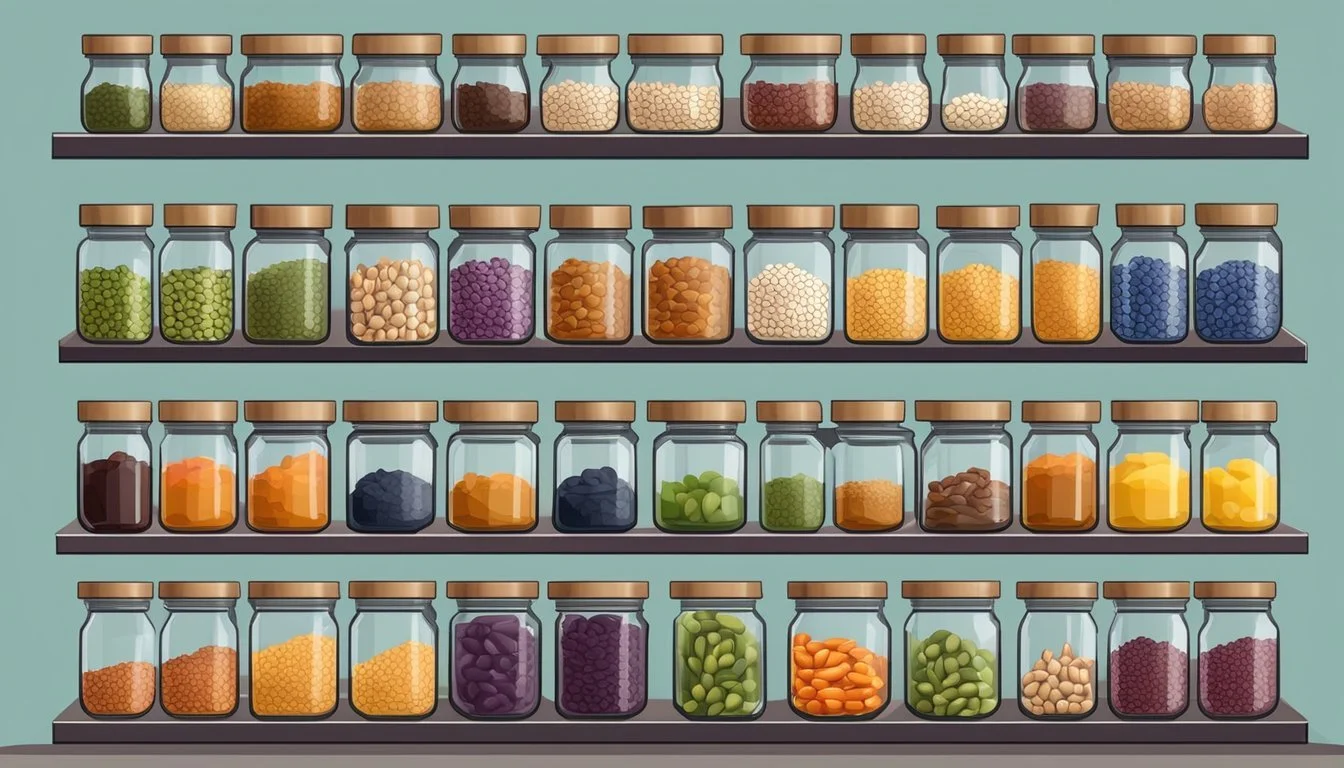
In managing a pantry stocked with legumes and beans, advanced storage techniques can significantly enhance shelf life and ease of use. By implementing vacuum sealing and smart labeling, one ensures freshness, convenience, and a well-organized food supply.
Vacuum Sealing for Extended Shelf Life
Vacuum sealing is an effective method for prolonging the shelf life of legumes and beans. By removing air from the storage bags or containers, one can create an airtight seal that prevents oxidation and moisture ingress, which are primary causes of spoilage. This sealing technique can be particularly beneficial for storing leftovers or bulk purchases. To vacuum seal legumes and beans:
Fill vacuum seal bags with the appropriate amount of legumes or beans, leaving adequate space at the top.
Use a vacuum sealer to extract the air and create an airtight enclosure.
Label the bags with the type of legume or bean and the date of storage.
Vacuum-sealed legumes and beans can last for several years if stored in a cool, dark place.
Smart Labeling for Easier Inventory Management
Effective inventory management in a pantry calls for smart labeling. Labels offer at-a-glance information to simplify rotation, track expiration dates, and streamline the cooking process for enhanced performance and convenience. For systematic labeling:
Clearly label each container with the legume or bean type.
Record the date of storage to facilitate first-in, first-out rotation.
Consider adding cooking instructions or recommended use-by dates.
By implementing these detailed labeling practices, one not only achieves ease of cleaning by avoiding unlabeled or mislabeled containers but also ensures that the oldest stock is used first, maintaining quality and taste.
Maintenance and Upkeep of Pantry Storage
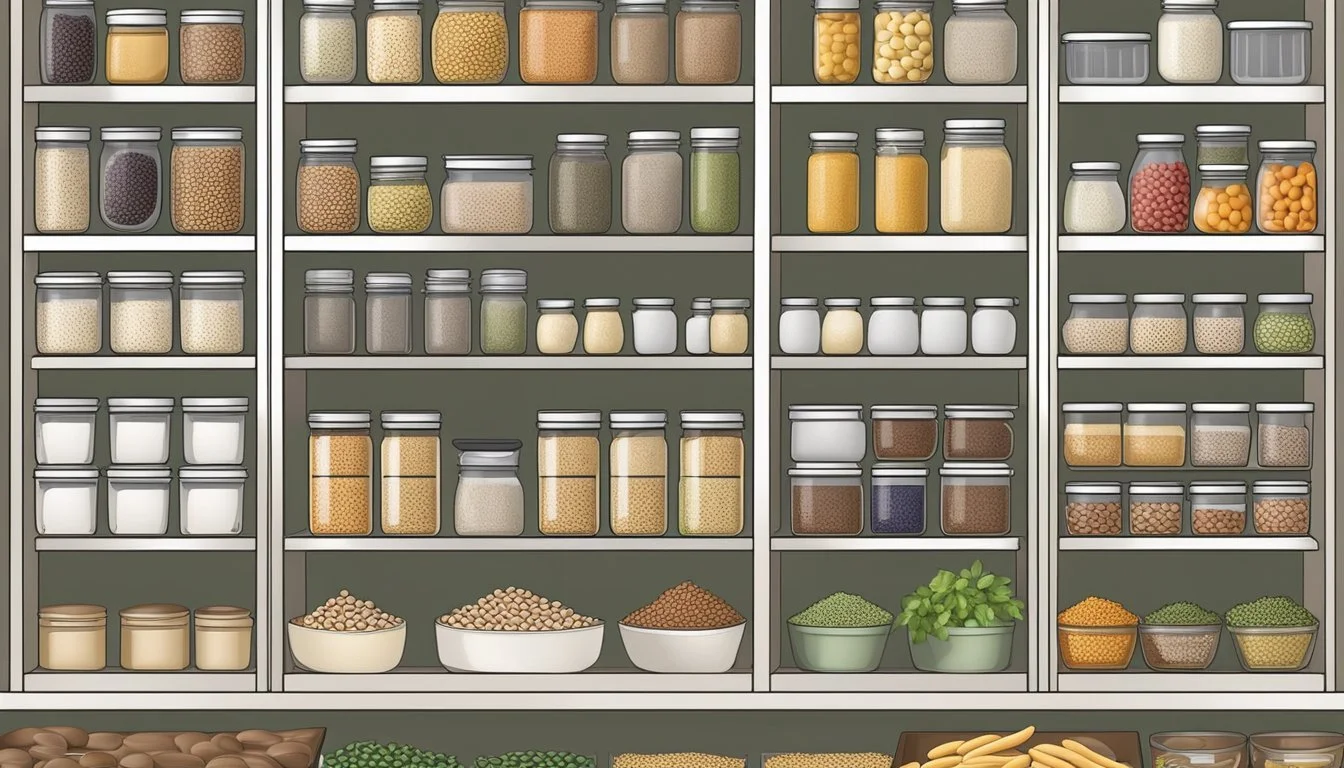
Proper maintenance and upkeep are crucial for extending the life of pantry storage solutions and ensuring legumes and beans stay fresh and free from contaminants. The key to successful pantry storage maintenance lies in routine actions focused on cleanliness, monitoring, and timely updates of storage containers.
Regular Cleaning and Inspection Routines
One should establish a consistent schedule for cleaning and inspecting all pantry storage. It's important to:
Empty containers: Routinely remove legumes and beans to wipe down the interiors with a clean, damp cloth.
Check for integrity: Inspect containers for cracks or seals degradation that may allow air and pests in.
For bamboo lid containers, one should avoid soaking them in water as they are not typically dishwasher safe. Instead, they should be wiped with a mild cleaner and dried immediately.
Dealing with Spillage and Leakages
Spillage should be addressed immediately to prevent attracting insects or rodents. The approach includes:
Quick response: Clean spills using a damp cloth or sponge and dry the area thoroughly.
Seal check: Ensure the containers’ seals are intact to prevent future leakages.
If beans or legumes have spilled within the pantry, they should be picked up promptly, and the area should be vacuumed or swept to remove any remnants.
Replacing and Upgrading Storage Containers Over Time
Storage solutions do not last indefinitely and require occasional replacement or upgrading:
Assess durability: Periodically assess containers for wear and consider replacing those that show significant signs of use.
Consider modern options: Upgrade to airtight containers with clear construction and durable seals to extend the shelf life of legumes and beans.
One might also consider containers that stack efficiently to save space or those with pre-designed labels for ease of identification.
By adhering to these maintenance and upkeep strategies, one can ensure a clean, organized, and efficient pantry that maintains the quality of stored legumes and beans.
Product Recommendations
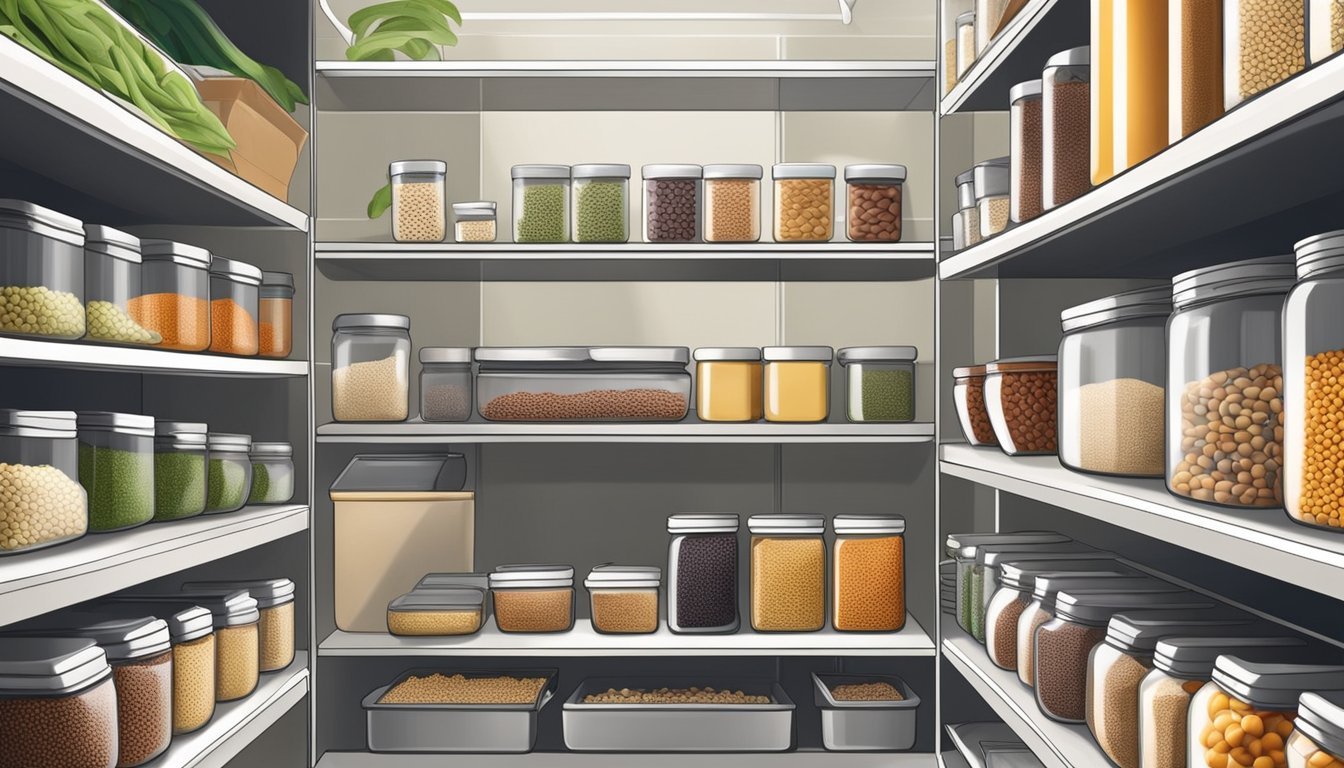
When stocking a pantry with legumes and beans, the right storage solutions can make all the difference. Containers should be airtight to preserve freshness, while space-saving tools can keep even small pantries well-organized.
Top Storage Container Brands for Legumes and Beans
Rubbermaid Brilliance Pantry Food Storage Containers are an excellent choice for legumes and beans. They are airtight, stackable, and clear, allowing for easy visibility. For larger quantities, Vtopmart Large Food Storage Containers provide a generous capacity with a similar level of durability and visibility.
Rubbermaid Brilliance Pantry Food Storage Containers: airtight, clear, durable
Vtopmart Large Food Storage Containers: large capacity, airtight seal, stackable
Accessories for Enhanced Storage Utility
For an organized pantry, implementing cereal dispensers can ease the process of measuring legumes and beans. Furthermore, storage jars and glass canisters with airtight seals not only maintain the freshness of the contents but also add an aesthetic touch to any pantry.
Cereal Dispenser: convenient for dispensing, measuring-made-easy.
Glass Canisters and Storage Jars: airtight, stylish, various sizes available.
Space-Saving Tools for Smaller Pantries
In tighter spaces, efficient use of available area is crucial. A door rack can provide extra storage without taking up shelf space. Stackable bins can turn vertical space into a storage opportunity. For containers, Rubbermaid Brilliance Food Storage Containers, being stackable, are ideal for maximizing space utilization.
Door Rack: utilizes door space, easily installed.
Bins: stackable, flexible placement, increase storage density.