
Why the Inuit Thrive on All-Meat Diets
Exploring Adaptations and Health Insights
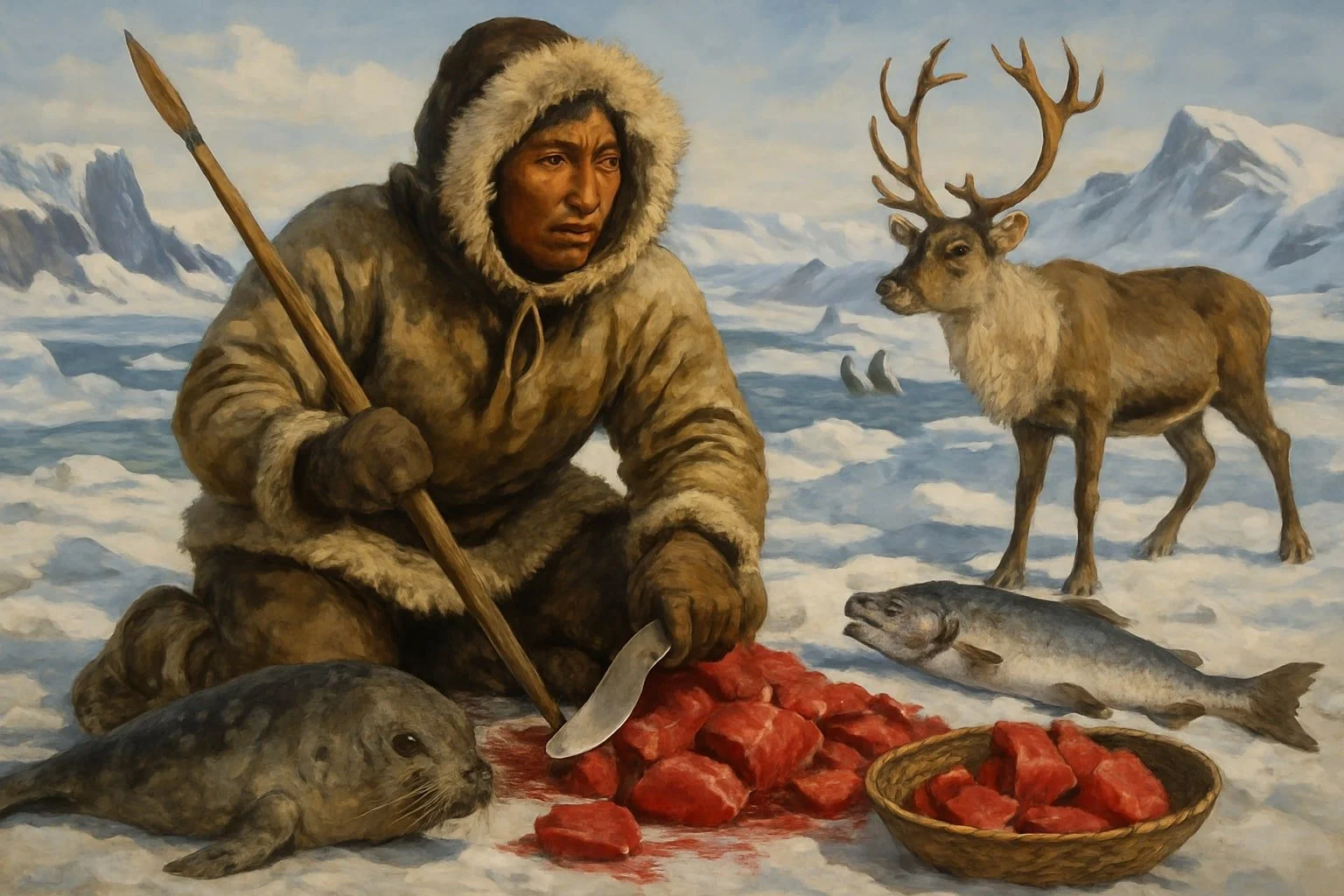
The Inuit have long intrigued scientists and nutritionists with their ability to thrive on diets composed almost entirely of animal foods. For generations, their environment offered little access to plant-based foods, so their meals centered on fish, sea mammals, and land animals. The Inuit have adapted both culturally and genetically to a high-fat, low-carbohydrate diet, allowing them to maintain robust health in one of the harshest climates on earth.
This unique dietary tradition is not simply a result of limited food options, but a complex interaction between environment, biology, and cultural knowledge passed down over millennia. As modern eating patterns shift and dietary guidelines evolve, understanding why the Inuit thrive on all-meat diets offers insight into human adaptability and nutrition beyond conventional advice.
Understanding the Traditional Inuit Diet
The Inuit traditional diet is based almost entirely on animal foods due to the Arctic’s extreme climate and limited plant availability. Components like seal, whale, caribou, and fish dominate their food intake, supporting a mostly carnivorous diet adapted to the environment.
Staple Foods and Key Animal Sources
The majority of the Inuit diet consists of locally available animal products. Seal and whale are common staples, providing vital blubber and organ meats rich in fat and nutrients. Caribou and moose are significant terrestrial sources of protein and are often hunted during specific seasons.
Fish such as salmon, trout, and Arctic char are consumed regularly, as are walrus and other marine mammals. Seafood fills important dietary gaps, especially during the winter when land animals may be scarcer.
Many meals include muktuk (whale skin with blubber), liver, kidneys, and other organ meats. These foods supply essential vitamins like vitamin A, D, and B12, which are less available in muscle meats. Little to no plant food is traditionally eaten, as the Arctic growing season is short and harsh.
Methods of Food Preparation and Preservation
Inuit food preparation focuses on maximizing nutrition and preserving foods throughout the long Arctic winter. Common methods include raw consumption, freezing, drying, and fermenting.
Freshly hunted meat or fish is often eaten raw to preserve nutrients such as vitamin C, which can degrade through cooking. Fish and meat may be air-dried or smoked, creating portable, long-lasting food for travel.
Seal, whale, or fish are sometimes fermented in underground pits, especially during lean months. Fermented foods develop beneficial bacteria and can enhance nutrient availability. By freezing or storing foods in the permafrost, Inuit communities ensure they have enough supplies until the next successful hunt or fishing season.
Traditional Eating Patterns
Traditional eating patterns reflect practical and social factors rather than structured meal times. Food is frequently shared among family or community members as soon as a hunt is successful, with feasting occurring after large kills such as whales or caribou.
Meals usually consist of single animal sources, focusing on one type of meat at a time. Consumption of organ meats is prioritized, often eaten first due to their high nutrient density. There is little emphasis on snacks or multiple courses.
Because of the rigorous hunting and fishing lifestyle in the Canadian Arctic and Greenland, the Inuit predominantly eat when food is available, sometimes fasting unintentionally between kills. The all-meat diet provides sustained energy and resilience in a region with few plant foods.
Nutritional Components of an All-Meat Diet
The nutritional profile of a traditional Inuit diet shows a unique reliance on animal sources for both macronutrients and micronutrients. This approach impacts protein, fat intake, vitamin and mineral consumption, omega-3 availability, and the prevention of deficiency diseases.
Key Macronutrients: Protein and Fat
An all-meat diet provides the majority of calories from protein and fat rather than carbohydrates. Inuit diets typically feature high intakes of animal protein, supplying essential amino acids needed for tissue repair and energy.
Fat, especially from marine mammals like seals and whales, supplies the bulk of daily caloric intake. This fat includes both saturated and unsaturated varieties, which help maintain energy levels and support cellular function. This balance between protein and fat intake is critical in cold climates where energy demands are higher.
Below is a simplified breakdown of energy sources:
Macronutrient Percentage of Daily Calories (Approx.) Protein 30% Fat 65% Carbohydrate <5%
Essential Micronutrients in Animal Products
Animal foods are rich in essential nutrients such as iron, zinc, selenium, and B vitamins. Meats, especially organ meats like liver, are dense sources of vitamin B12 and heme iron, both important for red blood cell formation and neurological health.
Minerals such as zinc and selenium support immune function and antioxidant defenses. Inuit diets also rely on regular consumption of different animal tissues, which helps cover a broad range of micronutrient needs. Many nutrients found in animal products are in bioavailable forms, meaning they are easily absorbed by the body compared to some plant-derived counterparts.
Sources of Omega-3 and Polyunsaturated Fats
Marine foods such as fish, seal, and whale blubber provide abundant omega-3 fatty acids, including EPA and DHA. These long-chain polyunsaturated fatty acids are linked to heart health, cognitive function, and reduced inflammatory processes.
Traditional Inuit diets feature higher intakes of omega-3s and polyunsaturated fats from marine animal oils than most Western diets. This helps counterbalance the cholesterol and saturated fats present in red meat and contributes to healthy blood lipid profiles. Fish oils and blubber remain core sources of these essential fatty acids.
Key omega-3 sources:
Seal blubber
Whale blubber
Fatty fish
Vitamin C and Scurvy Prevention
Despite limited plant foods, Inuit diets include sources of vitamin C that help prevent scurvy. They commonly eat raw or lightly cooked animal tissues, especially organ meats like liver and muktuk (whale skin), which retain more vitamin C than thoroughly cooked meats.
Eating fresh or frozen animal products further preserves vitamin C content. This dietary practice allows the Inuit to avoid vitamin C deficiency even during long winters without access to fruits or vegetables. The absence of carbohydrates and high intake of fresh animal products play a role in reducing vitamin C requirements and supporting collagen synthesis.
Health Impacts of the Inuit All-Meat Diet
The Inuit traditional diet is heavily based on animal products and characterized by high fat and protein content with minimal carbohydrates. This unique dietary pattern, adapted to Arctic environments, has been studied in relation to several health outcomes, with findings that differ from typical Western health trends.
Cardiovascular and Chronic Disease Outcomes
Research on Inuit populations suggests a distinctive pattern in the prevalence of heart and cardiovascular diseases compared to populations consuming typical Western diets. Despite their high-fat intake, Inuit historically exhibited lower rates of atherosclerosis.
Studies indicate that this may be partly due to the types of fats consumed—primarily omega-3 fatty acids from marine sources. These fatty acids are linked to reduced inflammation, which can lower the risk of certain chronic diseases.
Dietary shifts in recent decades toward more processed foods have led to increased risks for chronic diseases among some Inuit. Higher rates of hypertension and metabolic syndrome have been observed where traditional diets are replaced by Western patterns.
Blood Lipid Profiles and Cholesterol
The Inuit all-meat diet results in unique blood lipid profiles. While their total fat intake is very high, much of it comes from fish and marine mammals rich in omega-3s, which can help lower triglycerides and positively influence HDL cholesterol.
LDL cholesterol and overall cholesterol levels among Inuit tend to differ from those seen in high-saturated-fat Western diets. LDL particles may be less atherogenic due to the specific fatty acid composition in their diets.
These cholesterol patterns have contributed to lower rates of arterial plaque buildup in the past.
However, as dietary habits change and the intake of processed foods or non-traditional fats increases, negative shifts in lipid profiles are becoming more apparent.
Risk Factors: Obesity, Diabetes, and Osteoporosis
Obesity and type 2 diabetes were historically rare among Inuit subsisting on all-meat diets, likely due to low carbohydrate intake and high physical activity levels. The traditional diet is naturally low in refined sugars, which can reduce diabetes risk.
With dietary transitions, there has been a documented rise in obesity and diabetes rates. Increased consumption of processed carbohydrates contributes to this trend.
Osteoporosis risk is a complex issue. The all-meat diet results in high protein and sometimes lower intake of calcium-containing foods. Some research suggests that vitamin D and omega-3 fatty acids from marine mammals may partly offset this, but the overall long-term impacts continue to be studied by nutrition scientists.
Genetic Adaptations and Evolutionary Factors
Inuit populations possess distinct genetic adaptations that allow them to efficiently process and thrive on a diet rich in animal fats and proteins. Scientific research has identified specific genetic markers and mutations affecting lipid metabolism, shaped by thousands of years of natural selection in the Arctic.
Unique Inuit Genetic Markers
Researchers have identified unique genetic markers prevalent among Inuit that influence how their bodies process fats. These markers, including specific alleles in genes such as FADS (fatty acid desaturase), play a critical role in regulating the body's fatty acid composition.
Compared to populations with agricultural backgrounds, Inuit individuals are more likely to carry marker variations affecting long-chain polyunsaturated fatty acids (LC-PUFAs) metabolism. This enables them to utilize energy from marine mammal blubber and fish more efficiently.
Studies have also found that Inuit differ significantly from Europeans and East Asians in these gene regions. These differences reflect a long period of adaptation to their traditional diets.
Genetic Mutations and Lipid Metabolism
One notable genetic mutation among Inuit is related to the TBC1D4 gene, which influences insulin sensitivity and glucose uptake. This mutation is found at high frequency in Inuit populations, likely as an adaptation to a diet low in carbohydrates and high in fat.
Inuit exhibit altered lipid profiles due to changes in genes controlling fat digestion and storage. For example:
Gene Effect on Lipid Metabolism Population Frequency (Inuit) FADS cluster Alters LC-PUFA synthesis High TBC1D4 Impacts glucose uptake High
These mutations help minimize the adverse health effects often linked with a high-fat diet in other populations.
Personalised Diets and Genomics
The Inuit example illustrates the importance of considering genetics in dietary recommendations. Their ability to process fats differently from other populations highlights the limitations of one-size-fits-all nutrition guidelines.
Modern genomics can reveal how specific populations, and even individuals, respond uniquely to various diets based on their genetic backgrounds. For the Inuit, personalized genomics has confirmed that traditional animal-based diets are compatible with their genetic makeup.
This area of study is guiding new approaches in personalized nutrition that acknowledge genetic differences as a major factor in optimal health and disease prevention.
Natural Selection in Arctic Environments
Natural selection has strongly influenced the evolution of Inuit genetic traits. For thousands of years, only those individuals with genetic advantages for processing high-fat, low-carbohydrate diets would have been most likely to thrive in Arctic conditions.
Adaptations likely began around 20,000 years ago, when Inuit ancestors inhabited Beringia. Selection pressure from extreme cold and dietary limitations favored genes that supported efficient fat metabolism and energy conservation.
This evolutionary process led to the concentration of beneficial genetic mutations and markers in today's Inuit populations, distinguishing their metabolism from other groups. These adaptations remain crucial for health and survival in their traditional environment.
Historical and Scientific Perspectives
The traditional Inuit diet, consisting largely of animal-based foods, has been the subject of intense research and scrutiny. Arctic explorers, diet researchers, and scientists have each contributed valuable observations and studies about these unique dietary choices.
Arctic Explorers and Ethnographic Insights
Early arctic explorers documented that Inuit populations thrived on diets focused almost entirely on meat, fish, and marine mammals. Explorers such as Roald Amundsen credited Inuit expertise in food selection and preparation for survival in harsh environments.
Ethnographers and visitors observed that Inuit incorporated high-fat foods like seal and whale blubber, rich in fat-soluble vitamins, which played a critical role in their health. These observations dispelled the notion that plant-based foods are a dietary necessity for human survival in all environments.
Interactions with Inuit revealed sophisticated knowledge of food storage, preparation, and seasonality. This enabled them to access nutrient-dense animal foods throughout the year.
Viljhalmur Stefansson and Carnivore Diet Research
Viljhalmur Stefansson, an arctic explorer and anthropologist, is notable for living with Inuit communities and later promoting the effectiveness of all-meat diets. He participated in a controlled carnivore diet experiment at Bellevue Hospital in New York from 1928-1929, consuming only animal foods for one year under medical supervision.
Stefansson reported maintained health and absence of deficiency diseases, challenging early 20th-century nutrition dogma. The outcomes, monitored by physicians, indicated that ketosis and fat adaptation are normal physiological responses for those relying on high-fat, low-carbohydrate diets.
These findings added weight to his assertion that dietary adaptation, rather than strict adherence to conventional dietary guidelines, can sustain long-term health in certain populations.
Anthropologist and Nutrition Science Contributions
Anthropologists have highlighted that the traditional Inuit diet is carefully tailored to local conditions and cultural practices. They recorded the wide variety of dietary choices encompassing marine mammals, fish, game animals, and locally available plant foods such as berries.
Nutrition scientists have analyzed the Arctic diet's macronutrient profile, noting its high proportion of fat and protein with minimal carbohydrates. Modern studies show that Inuit populations display genetic traits, such as specific adaptations in fatty acid metabolism, potentially offering protective benefits against some health risks assumed for high-fat diets.
Both disciplines emphasize that the traditional Inuit diet, combined with genetic and environmental factors, provides an adaptive solution to food availability in the Arctic. This challenges assumptions within the fields of dietetics and nutrition science about optimal human dietary requirements.
Potential Risks and Modern Adaptations
Inuit eating patterns and health outcomes have shifted significantly over time as traditional all-meat and marine diets have been influenced by modern pressures. These changes affect nutrition, the prevalence of chronic illness, and the availability of both traditional and store-bought foods.
Contemporary Changes in Food Consumption
Modern Inuit diets are no longer based solely on wild-caught fish and marine mammals. Increased reliance on store-bought foods means more consumption of carbohydrates, sugars, and processed foods, while the intake of traditional meats and fats has decreased.
Table: Key Dietary Changes Among Inuit
Traditional Foods Modern Foods Fish, seal, whale Bread, pasta, soda Caribou, birds Canned meats Marine mammal fat Sugary snacks
These shifts impact overall nutrition. Traditional diets were nutrient-dense but low in plant foods; new dietary patterns increase access to vitamins from plant sources, but often bring excess refined sugar and salt. Affordability and availability of healthy options, especially in remote communities, remain concerns.
Challenges of Westernization and Chronic Disease
The transition to Western-style eating habits has resulted in higher rates of chronic diseases like type 2 diabetes, cardiovascular disease, and obesity among the Inuit. Processed foods and lower physical activity are significant contributors.
List: Common Chronic Diseases Linked to Western Diets
Heart disease
Type 2 diabetes
Obesity
Hypertension
Traditional marine-based diets, combined with specific genetic adaptations, once protected Inuit health despite high fat intakes. However, these benefits are reduced or lost when animal-based diets are replaced by foods high in refined carbohydrates and sugar.
Health authorities and Inuit organizations now face the challenge of encouraging dietary choices that balance cultural traditions with modern nutrition needs. This includes promoting the sustained use of country foods while increasing awareness about chronic disease prevention and better access to affordable, healthy options.
Infectious Diseases and Food Safety Concerns
Traditional Inuit diets rely heavily on raw and minimally processed animal foods. This way of eating provides vital nutrients but can present significant health risks if food safety practices are not followed.
Toxoplasma gondii and Toxoplasmosis Risks
Toxoplasma gondii is a parasite found worldwide that can infect humans through undercooked or raw meat. The Inuit consumption of raw or dried meats, especially from caribou or marine mammals, increases potential exposure.
Toxoplasmosis, the disease caused by Toxoplasma gondii, often has few symptoms, but can pose severe risks for pregnant women and those with weakened immune systems. Typical prevention methods include freezing meats at sufficiently low temperatures or cooking thoroughly, though some traditional preparation methods—such as drying and fermenting—may not effectively inactivate the parasite.
Recent studies in Arctic communities have shown notable rates of Toxoplasma exposure. Ongoing research monitors these health risks and seeks ways to enhance traditional food safety practices without losing important cultural foods. The challenge remains to balance access to nutrient-rich traditional foods with efforts to reduce infectious disease risks through proper handling and preparation techniques.

