Guide to Food Co-Ops in Richmond, CA
Your Local Access to Community-Sourced Nutrition
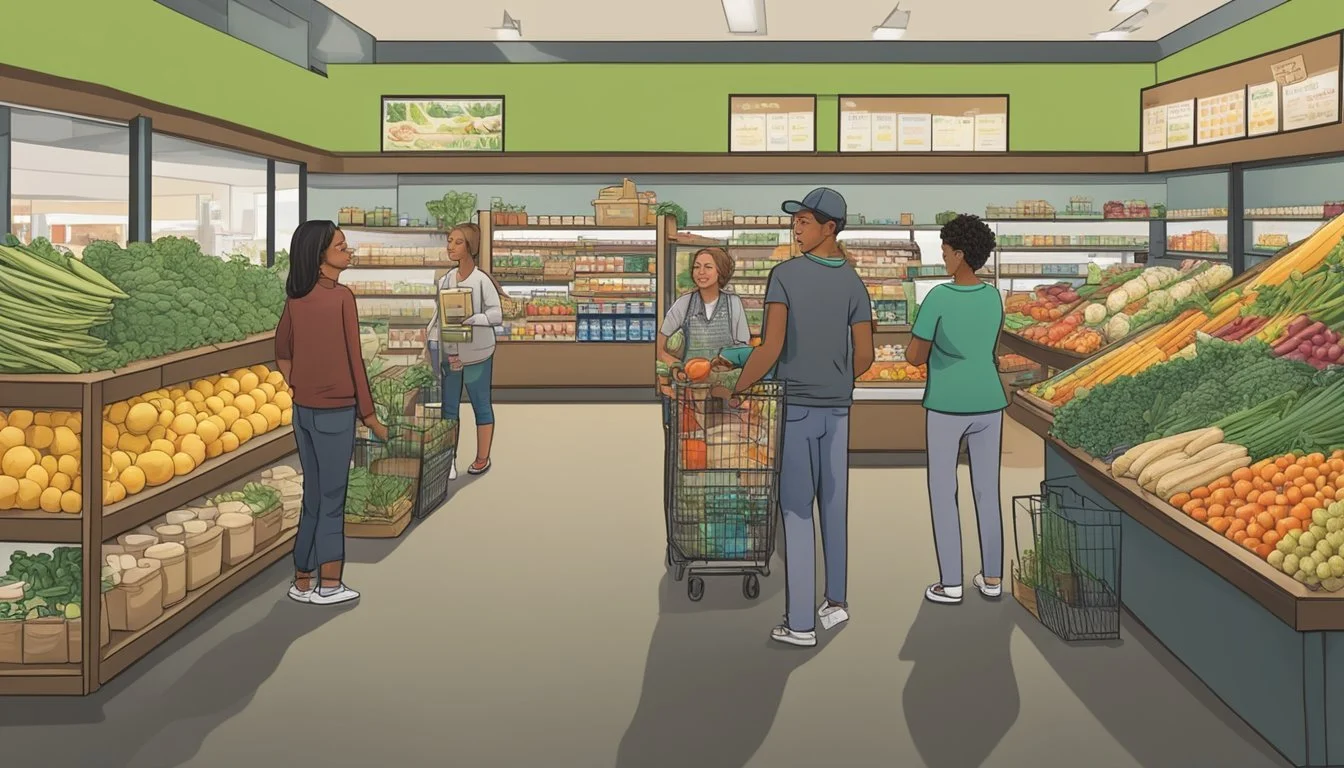
Richmond, California, offers a unique approach to grocery shopping with the presence of food cooperatives or co-ops. These member-owned entities strive to provide an alternative shopping experience, focusing on local, sustainable, and healthy food options. As an answer to the demand for fresh, environmentally responsible produce and goods, food co-ops in Richmond cater to a growing community seeking to support local economies, emphasize nutrition, and foster a deeper connection to their food sources.
The concept of a food co-op typically revolves around collective ownership and active participation by its members, who contribute to the co-op's operations in various capacities. In Richmond, the cooperative model extends beyond providing groceries; it includes educating the community on nutrition and food systems, boosting local agriculture, and encouraging the development of sustainable business practices. These co-ops serve not just as marketplaces but as hubs for community engagement and education about food justice and sovereignty.
For residents and visitors alike, understanding the landscape of Richmond's food co-ops can be the starting point of a more conscious and connected approach to food shopping and consumption. With a commitment to affordability and accessibility, these co-ops work to improve the city's food landscape by making sustainable and organic choices available to a broader demographic, emphasizing the broader goal of a resilient local food system.
What Is a Food Co-Op?
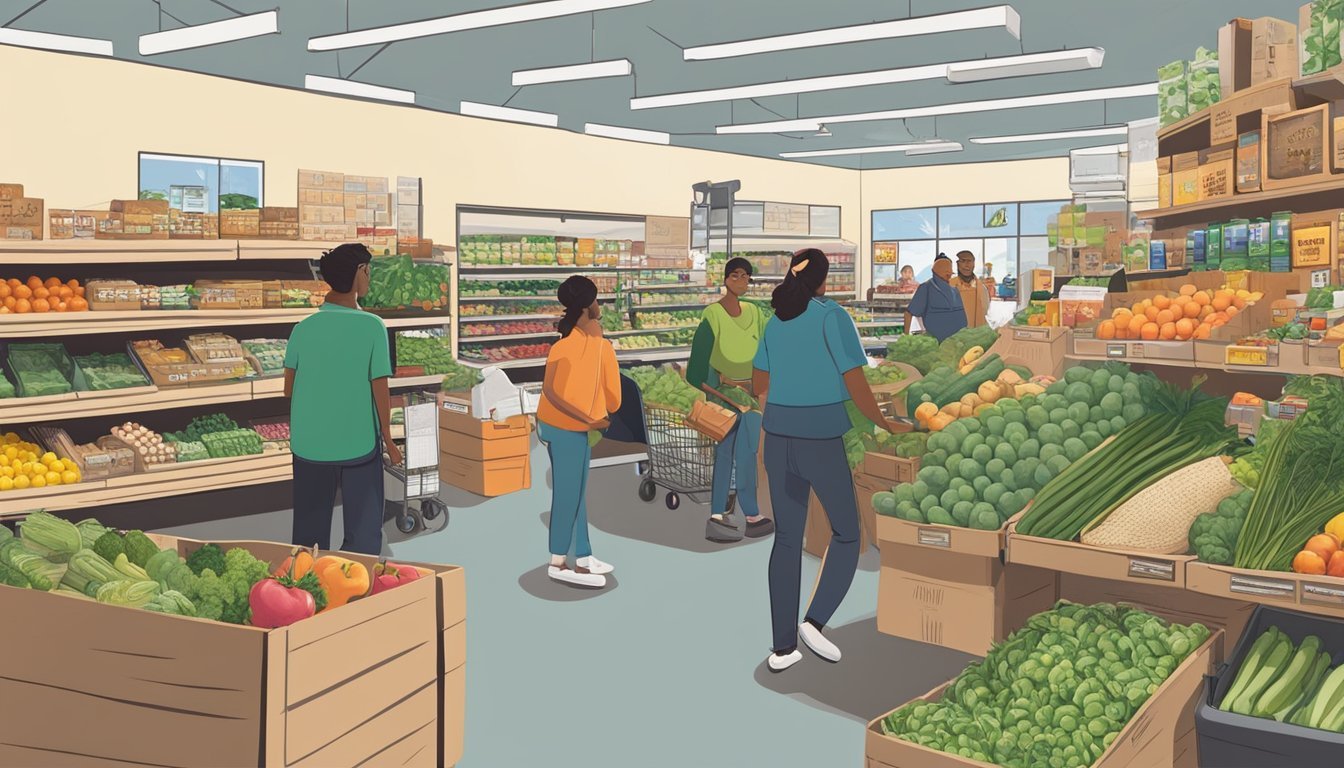
Food co-operatives, or co-ops, are grocery establishments that are collectively owned and operated by their members, differing fundamentally from traditional grocery stores. They focus on providing organic and natural food options while adhering to community-focused values and principles.
Defining Food Co-Operatives
A food co-op is a type of cooperative business where both ownership and control are in the hands of the people who use its services, who are known as members. These entities provide access to high-quality produce, groceries, and other goods, often with an emphasis on organic and locally sourced items. Membership generally involves purchasing a share of the co-op, which comes with certain benefits such as voting rights or dividends based on patronage.
History and Principles of Co-Ops
The history of food co-ops is rooted in the cooperative movement, which began in the 19th century as a response to the economic challenges of the working class. Modern food co-ops continue to uphold the cooperative principles of community benefit, democratic ownership, and education about the value of cooperative business. They emphasize ethical business practices, sustainability, and supporting the local economy.
Co-Op versus Traditional Grocery Stores
Unlike corporate grocery chains, food co-ops are autonomous and prioritize meeting the needs of their community rather than maximizing profits. While traditional stores are typically investor-owned and profit-driven, co-ops function through a democratic process where members have a say in decisions like product selection, sourcing policies, and business practices. This membership model encourages a sense of ownership among shoppers, who are directly invested in the co-op’s success.
Benefits of Joining a Food Co-Op
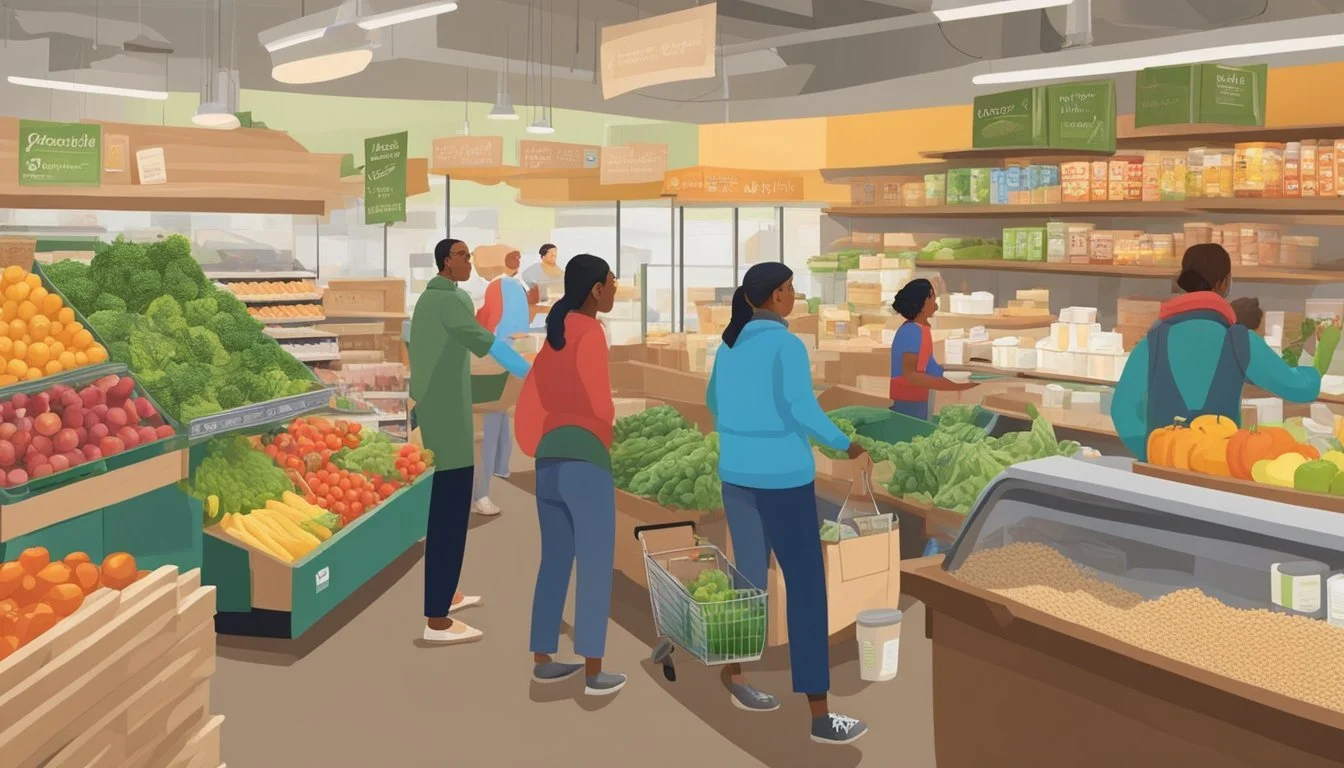
Joining a food co-op in Richmond, CA provides members with a myriad of advantages, from strengthening community bonds to accessing top-tier fresh and organic products. It's an investment in one's health and local economy.
Community and Unity
Food co-ops are more than just grocery stores; they are community hubs that foster a sense of unity and partnership. By becoming a member, individuals directly contribute to a system where every voice matters, and decisions are made collectively. This strengthens the local community, as members work together to support the co-op and its goals.
Access to Fresh and Organic Products
Members typically enjoy access to a wide range of fresh produce, including organic options that are less commonly found in mainstream grocery stores. The emphasis on high-quality, nutritious food ensures that shoppers do not have to compromise on their health and dietary preferences.
Supporting Local Farmers and Economy
Shopping at a food co-op directly benefits local farmers and the local economy. Members' dollars circulate within the region, bolstering small agricultural businesses and creating a market for environmentally sustainable food practices. This local loop not only supports the economy but also reduces the environmental impact associated with long-distance food transportation.
Health and Nutrition
Food co-ops often curate their products to cater to health-conscious consumers, offering items that are both healthy and suit specific nutritional needs. From gluten-free to paleo options, the shelves are stocked to promote a healthy lifestyle, with a clear focus on nutritional value and catering to various dietary requirements.
Guide to Richmond's Food Co-Op Scene

Richmond, California's food co-op landscape offers a unique opportunity for locals to engage with and support their community. Residents find that these co-ops provide not only quality food but also a means to enhance the local economy.
Overview of Food Co-Ops in Richmond
Food co-operatives, or food co-ops, are member-owned marketplaces that focus on providing natural, organic, and locally sourced products to their members. In Richmond, such co-ops play a pivotal role in supporting local farmers and artisans by selling their goods. They operate on principles that prioritize community welfare, making them more than just grocery stores—they are a hub for local engagement and sustainability.
Key Features of Richmond Food Co-Ops:
Member-owned and controlled
Focus on local and organic products
Support for local farmers and producers
Co-ops typically offer various services beyond the sale of groceries. They can provide educational resources about healthy eating and sustainable living, host community events, and even offer cooking classes.
Local Co-Op Directories
For those looking to get involved with Richmond's co-op scene, local directories provide the most up-to-date information on services, addresses, and how to become a member. They often include detailed profiles of each co-op, along with their mission statements and the types of products available. These directories are invaluable resources for anyone seeking to join or shop at a food co-operative.
Resources to Find Food Co-Ops in Richmond:
LocalHarvest's online directory
Community bulletin boards
City-specific resources like the Richmond Food Co-op website
With these tools, residents and visitors of Richmond can discover and take part in the dynamic and flourishing community-oriented marketplace that local food co-operatives create.
How to Become a Member

Joining a food co-op in Richmond, CA involves understanding the membership process, how shares and savings work, and the opportunities available for volunteers and active participation.
Membership Process
To become a member of a food co-op in Richmond, one must typically apply either online or in-person at the local co-op store. Eligibility requirements usually include being a local resident and agreeing to the co-op's principles. Membership fees may vary, so it's essential to inquire directly with the co-op for specific details.
Apply: Submit an application through the desired co-op's platform.
Approval: Await confirmation of membership acceptance.
Fees: Pay any applicable membership fee as directed by the co-op's standards.
Share and Savings Explained
Members of a food co-op are often required to purchase a share in the cooperative. This share represents a member's ownership in the co-op and typically comes with benefits such as savings on purchases.
Ownership Share: A one-time fee that signifies membership and partial ownership.
Savings: Discounts on products as a return on the member's investment.
Volunteer and Participation Opportunities
A food co-op thrives on member participation, offering various volunteer opportunities to its members. These can range from serving on the Board of Directors to assisting in daily operations.
Volunteering: Opportunities may include working shifts in the co-op or participating in events.
Active Participation: Serving on committees or helping with co-op governance can be available roles for members.
Shopping at Food Co-Ops
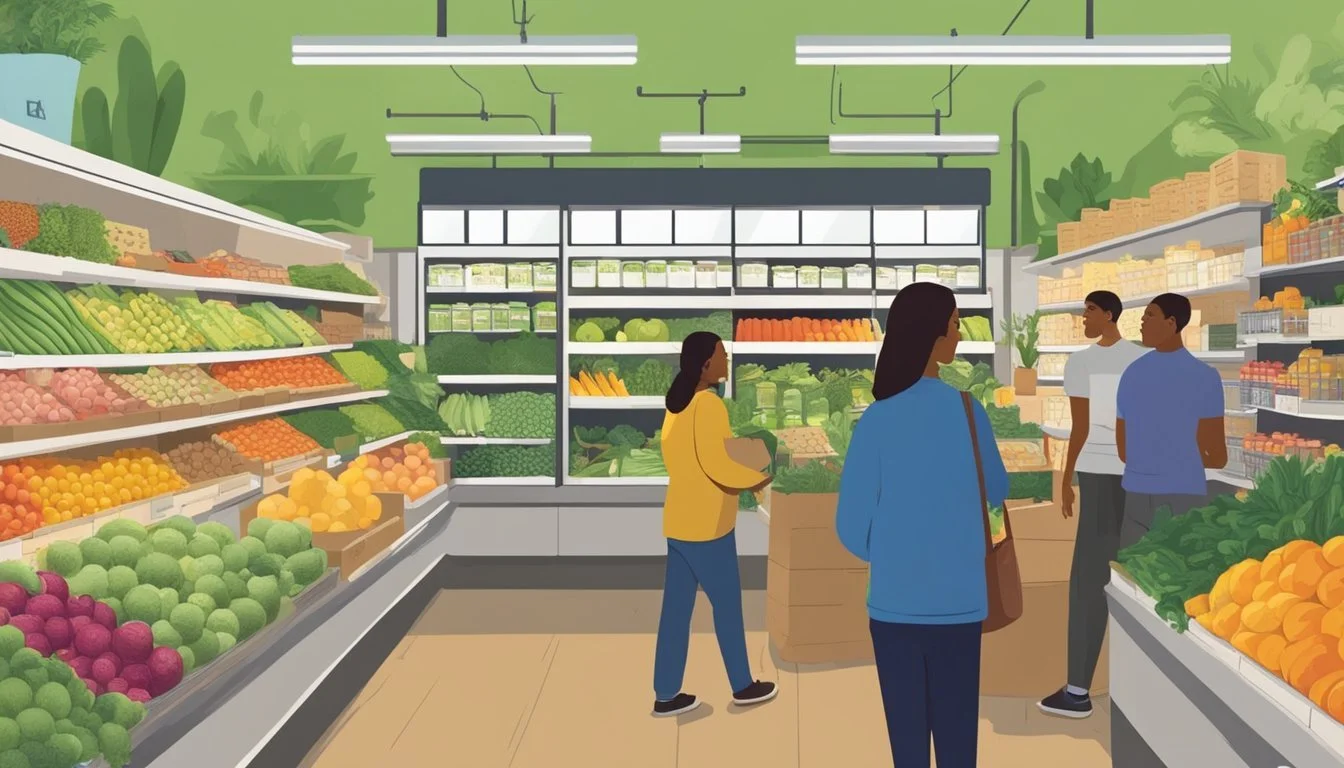
Food co-ops in Richmond, California, offer a unique shopping experience, providing community-centric retail spaces that prioritize organic and sustainable products. These member-owned grocery stores focus on high-quality organic produce, natural labels, and the benefits of bulk purchasing.
Product Selection
Food co-ops are known for an excellent array of products with an emphasis on organic food and locally-sourced items. Shoppers can find a diverse selection of organic produce, specialty vegan and gluten-free foods, as well as artisanal items that might not be available at conventional supermarkets. The variety often extends beyond groceries to include eco-friendly household goods and health products, ensuring a comprehensive shopping experience catering to the conscious consumer.
Understanding Organic and Natural Labels
Navigating the labels on products at a food co-op is paramount for making informed choices. "Organic" refers to goods produced without synthetic pesticides, GMOs, or artificial fertilizers, and are certified by the USDA. "Natural," however, is not strictly regulated and can often be misleading. Shoppers are encouraged to read labels carefully or ask co-op staff for clarification to ensure the items meet their standards for organic and natural products.
Bulk Purchasing and Quantity Discounts
One of the significant advantages of shopping at a food co-op is the availability of bulk foods. This allows individuals to purchase the quantity they need, which can reduce waste and often results in savings. Moreover, some co-ops offer quantity discounts to members, making it cost-effective to stock up on staples like grains, nuts, and spices. Shoppers should be aware of any membership fees which often translate into these discounts, ultimately serving as investment into sustainable shopping habits.
Community Involvement and Services

The landscape of community involvement in Richmond, CA's food co-ops showcases a commitment to education and the fostering of local partnerships. These co-ops serve as catalysts for community projects while also providing a platform for educational outreach.
Educational Events and Workshops
Food co-ops in Richmond place a strong emphasis on educational outreach to the local community. These events range from cooking classes that focus on nutritional value and food preparation to workshops that educate members and non-members alike about sustainable farming practices and the importance of local sourcing. These initiatives not only empower individuals with knowledge but also serve to create an informed consumer base that understands the impact of their buying choices on the community and environment.
Community Projects and Partnerships
The co-ops in Richmond are deeply integrated with community projects and have formed partnerships with various local organizations. For instance, co-ops collaborate with the Bay Area Rescue Mission to provide food for the homeless, thus contributing to a broader social cause. They actively engage with local producers and businesses, which facilitates a tight-knit network that supports the local economy. Building strategic partnerships also enables the co-ops to undertake various environmental and social initiatives, thereby ensuring that their impact extends beyond just being a food provider. These collaborations help to empower new leaders within the community, fostering a sense of shared responsibility and collective action towards common goals.
Economic Aspects of Food Co-Ops
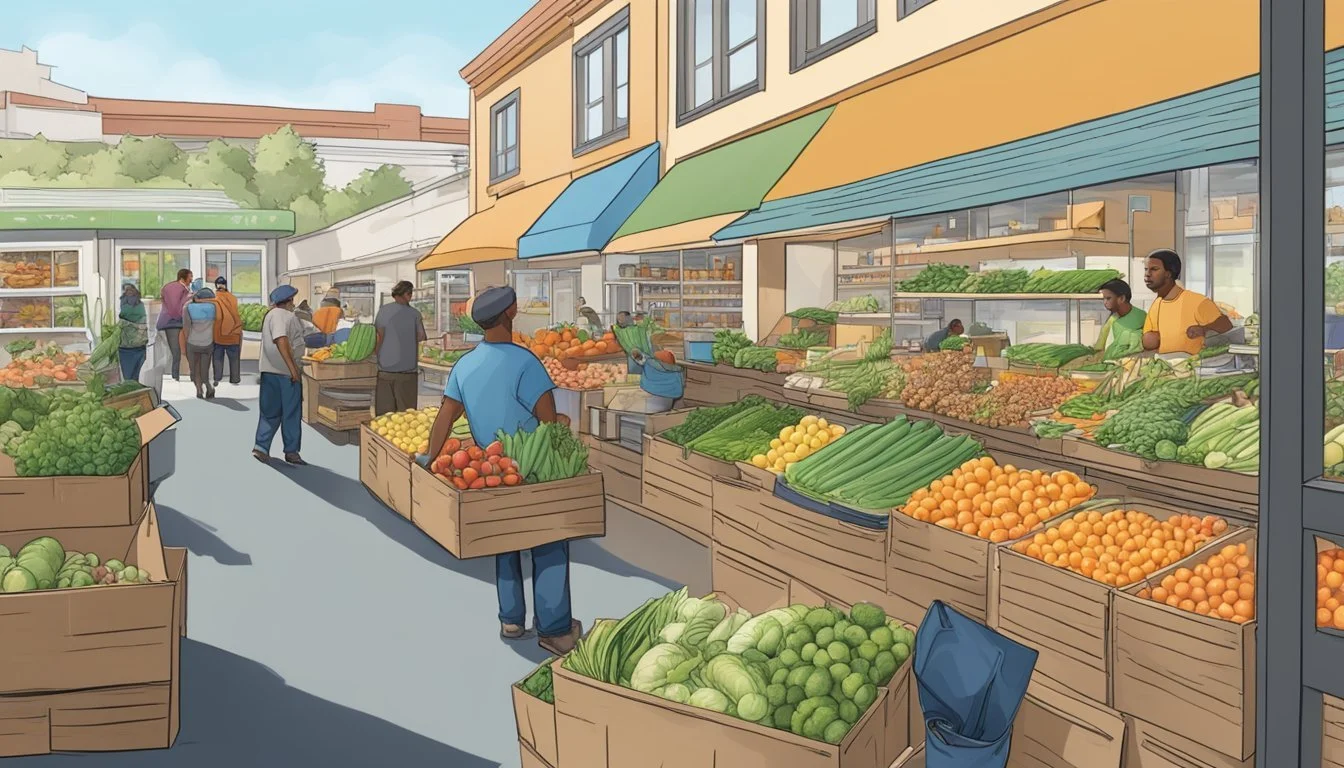
Food co-operatives in Richmond, CA, offer a unique financial structure which contributes to local economic stability and growth. Their operations emphasize sustainable business practices that intertwine with profit distribution and local economic enhancement.
Financial Structure and Profit Distribution
Food co-operatives operate on a member-based model, where profits are commonly reinvested into the co-op or distributed among members. In Richmond, these co-ops are typically structured as non-profit organizations or as for-profit businesses with benefits shared among member-owners. Such distribution aligns with their commitment to equitable economic practices and sustainable business growth, a stark contrast to the profit-maximization model of conventional grocery retailers.
Profit Allocation:
Reinvested into co-op for operational improvements
Distributed to members based on patronage
Financial Features:
Operates on thin margins
Focuses on long-term sustainability instead of short-term gains
Local Economic Impact
The presence of food co-operatives provides significant local economic benefits. Co-ops like those in Richmond source products from local farmers and producers, ensuring income stays within the community. By emphasizing local supply chains, co-ops have a multi-layered economic effect: they support local employment, contribute to the resilience of regional food systems, and stimulate local economies.
Economic Contributions:
Support for small, regional farms
Strengthening of local food producer networks
Economic Benefits:
Job creation within the community
Recirculation of income within the local economy
Co-Op Management and Operations

Effective management and operations are pivotal for the success of food co-operatives in Richmond, CA. Key elements include a clear governance structure, dedicated volunteer involvement, and efficient supply chain systems.
Role of the Board of Directors
The Board of Directors is responsible for the overall governance of a co-op. They ensure that the co-op adheres to its mission and values while steering strategic direction. Responsibilities include:
Setting policies and procedures
Overseeing financial management
Making key operational decisions
It is crucial that the board comprises individuals committed to the co-op principles and the community they serve.
Volunteer Management and Staffing
For many co-ops, volunteers are the backbone of daily operations. Effective volunteer management involves:
Recruitment: Attracting a diverse group of community members.
Training: Ensuring volunteers are well-prepared to provide service.
Retention: Keeping volunteers engaged by recognizing their contributions.
Staffing at co-ops often includes a blend of paid employees and volunteers, with managers providing oversight.
Supply Chain and Distribution Channels
The supply chain and distribution networks are what keep the grocery shelves stocked at co-ops. They must be:
Reliable: Partnerships with dependable suppliers are vital.
Sustainable: Prioritizing local and ethical suppliers aligns with co-op values.
Efficient: Optimizing delivery schedules and storage to maintain product freshness.
Understanding the local context of Richmond and the specific demands of its community helps a co-op maintain a robust supply chain that meets member needs.
Challenges and Considerations
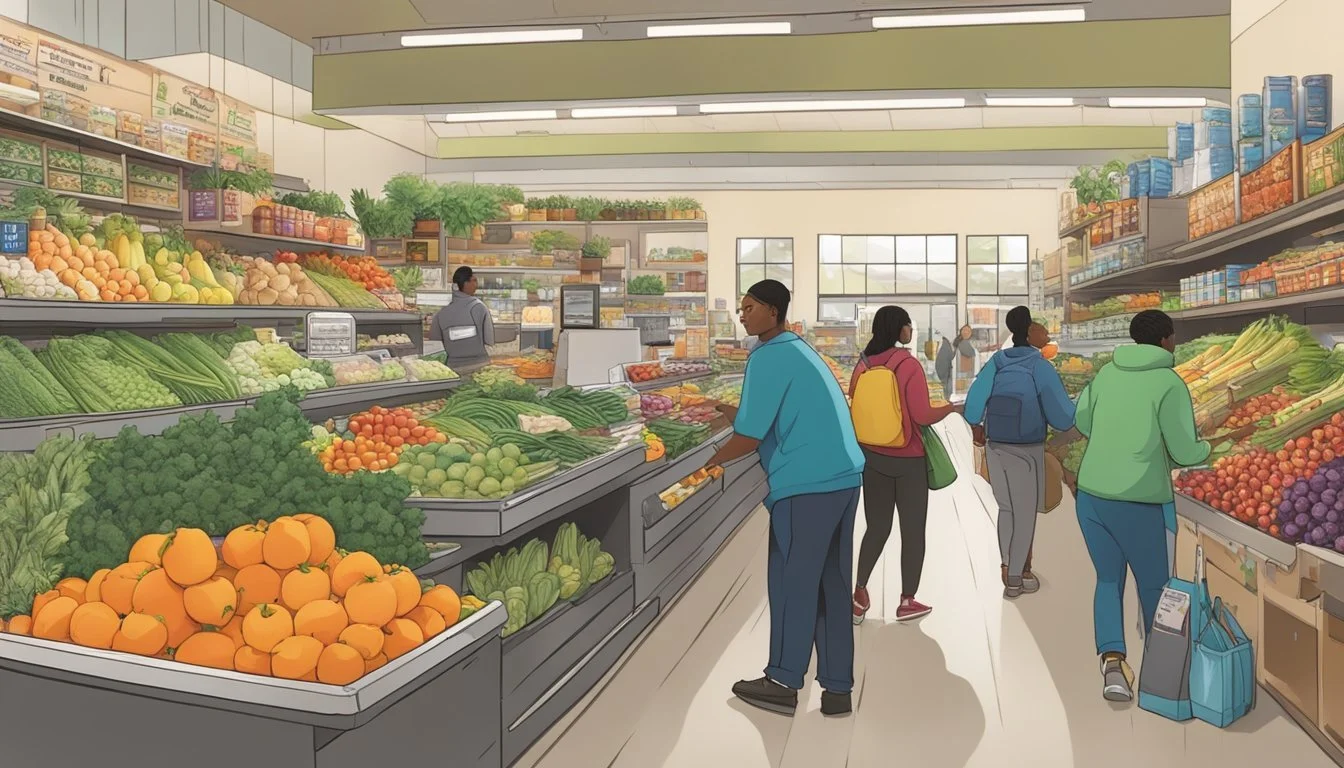
In Richmond, CA, food co-ops face multiple challenges that stem from external competition and internal growth management. These considerations are crucial for ensuring the sustainability and success of co-ops within the community.
Competing with Retail Giants
Richmond's food co-ops operate in a marketplace where retail giants hold significant market power. These large-scale competitors can often offer lower prices due to economies of scale, posing a challenge for co-ops, which may struggle to match these prices. The members of food co-ops prioritize purchasing from co-ops for their commitment to local and ethical sourcing but still remain sensitive to price differences. Navigating this landscape requires strategic planning and clear communication of the value offered by the co-ops.
Managing Growth and Member Expectations
Growth is a double-edged sword for food co-ops. On one hand, expansion is a sign of success and health, but on the other, it brings considerable challenges in terms of maintaining the core values and meeting diverse member expectations. As co-ops grow, they must balance the expectations of members who may have differing visions for the co-op's future. Co-ops need to ensure they continue to meet their commitments to sustainability, local produce, and community enrichment, even as they scale up operations. Effective member engagement and transparent governance are crucial in meeting these expectations without sacrificing the foundational ethos of cooperation.
Local Connections and Beyond
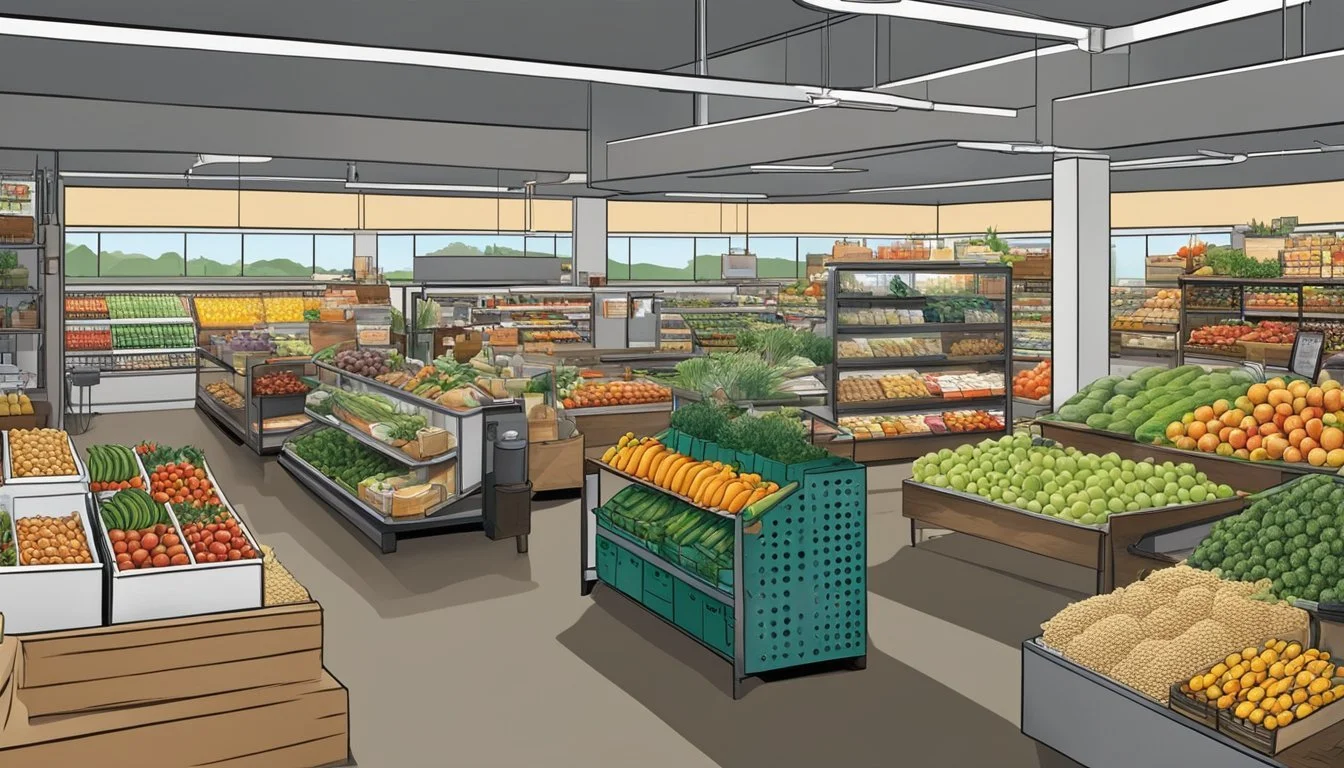
Food Co-Ops in Richmond, CA, establish robust partnerships and networks with neighboring regions, particularly Berkeley, which enrich the local food landscape through shared experiences and resources.
Collaboration with Berkeley Food Scenes
Richmond food co-ops often partner with Berkeley-based entities like the Berkeley Student Food Collective and Monterey Market. These collaborations provide Richmond residents access to a broader array of fresh, organic produce sourced from local farmers. For instance, The Pasta Shop in Berkeley offers premium organic foods that resonate with Richmond's community-supported agriculture ethos.
Networking with Co-Ops in the Bay Area
The scope of networking for Richmond food co-ops extends into the wider Bay Area, facilitating a dynamic exchange of products, ideas, and business models. Cooperative ventures, such as Cooperation Richmond, leverage non-extractive lending, advocating for economic empowerment of marginalized communities. This networking encourages economic resilience by prioritizing local co-ops that serve as community lifelines.
Specialty Products and Offerings

In Richmond, CA, food co-ops provide a gateway to exclusive and locally-sourced products that aren't typical of larger grocery stores. They prioritize freshness, quality, and community support, offering a selection that reflects the unique agricultural and artisanal strengths of the region.
Discovering Unique Food Items
At the heart of Richmond’s food co-ops, one finds an array of specialty products that cater to diverse culinary preferences and dietary needs. Shoppers have access to fresh produce that is often organic and sourced from nearby farms, ensuring peak freshness and flavor. Co-ops also stock unique items like kosher nut butters, which are not only specialized in terms of dietary law compliance but also offer superior taste and quality due to their artisanal production methods.
Supporting Artisans and Local Producers
Food co-ops in Richmond are committed to bolstering the local economy by featuring products from local producers and artisans. This includes a range of handcrafted goods, from olive oil pressed from regionally grown olives to a variety of olives themselves, each with distinct flavors and preparations. By sourcing directly from those who grow and produce these items, co-ops ensure that consumers are receiving the highest quality products while also supporting the sustainability and growth of local businesses.
Food Co-Ops and Environmental Sustainability
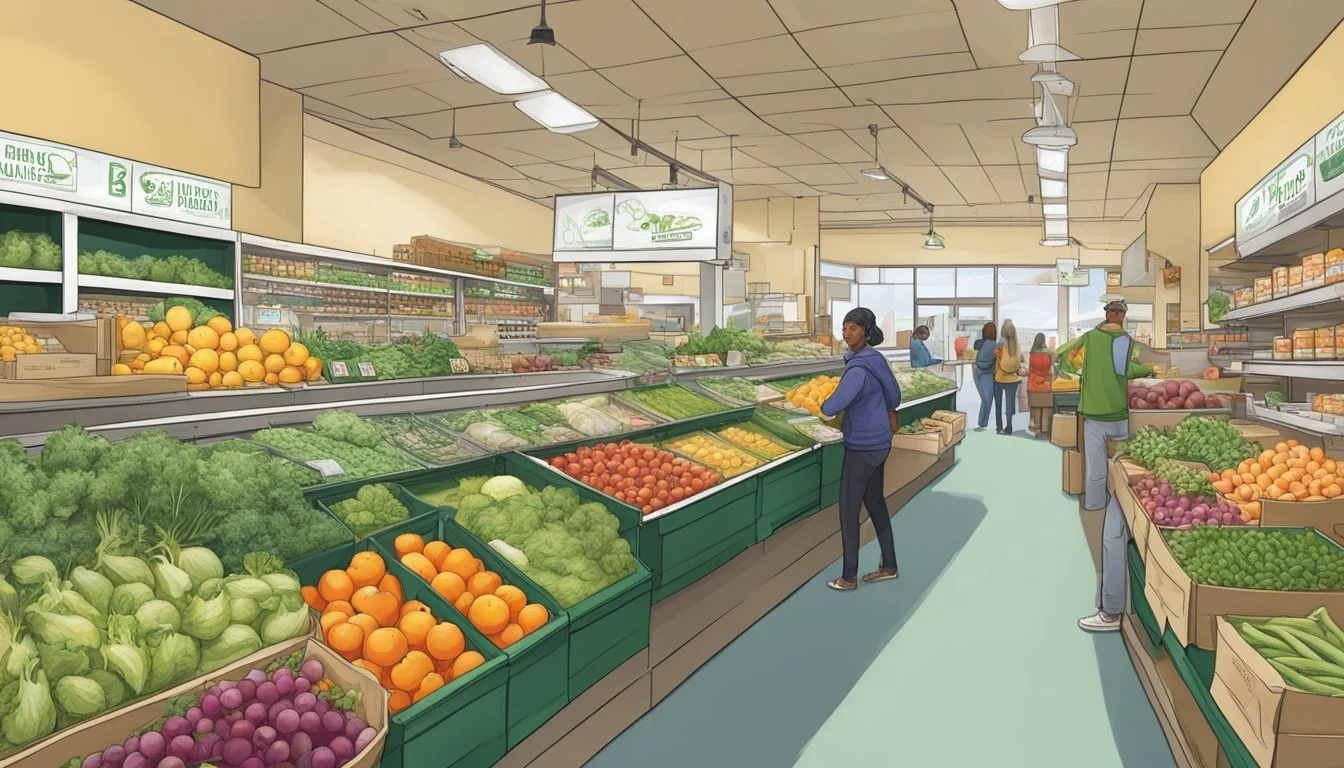
Food co-ops in Richmond, CA, are actively incorporating environmentally sustainable approaches into their operations to contribute to a more sustainable food system.
Sustainable Practices and Products
Food co-ops prioritize the offering of organic foods which lessen the environmental impact associated with chemical pesticides and fertilizers. They often source products from local producers, reducing food miles and the associated carbon footprint. In their everyday operations, they implement measures aimed at energy efficiency, especially in refrigeration, to realize sustainable practices. Food co-ops are recognized for their sustainable business approaches, such as minimal packaging and encouragement of reusable containers, which significantly lower waste generation.
Partnerships for Environmental Goals
To further environmental goals, food co-ops form partnerships with local environmental organizations. These collaborations focus on educating the community about environmentally sustainable food and practices. Together, they work on programs that emphasize soil health, water conservation, and waste reduction. By leveraging these partnerships, food co-ops magnify their impact on the environment well beyond their individual capabilities.
Co-Ops as a Business Model
Food cooperatives in Richmond, CA,are exemplified by their member-owned and democratically controlled business structures which cater to the community's needs, especially in providing access to healthy, sustainable food.
Understanding Worker-Owned Structures
Worker cooperatives are enterprises that are owned and controlled by their workers. In this equity model, the workers of the cooperative are the members who own the business. Here are some key features of worker-owned cooperatives:
Democratic Control: Each member typically has one vote, ensuring equal say in significant decisions regardless of the number of shares owned.
Profit Distribution: Profits are often distributed among members based on their contribution to the cooperative, which could include labor input.
These structures aim to create jobs that offer not just wages but also a share in the company's success and a voice in its operation.
Co-Op Bylaws and Governance
Bylaws are the written rules by which the cooperative operates. They set forth the structure for governance and help ensure that the business remains true to cooperative principles. Here are primary components often found in cooperative bylaws:
Membership Eligibility: Defines who can become a member and the requirements for maintaining membership.
Board of Directors: Outlines the process of electing the cooperative's board and its powers in decision-making.
Meetings and Voting: Details when meetings occur and how votes are counted.
These governance structures support the business model's sustainability by providing a system that promotes engagement and accountability.
Future Directions and Innovations
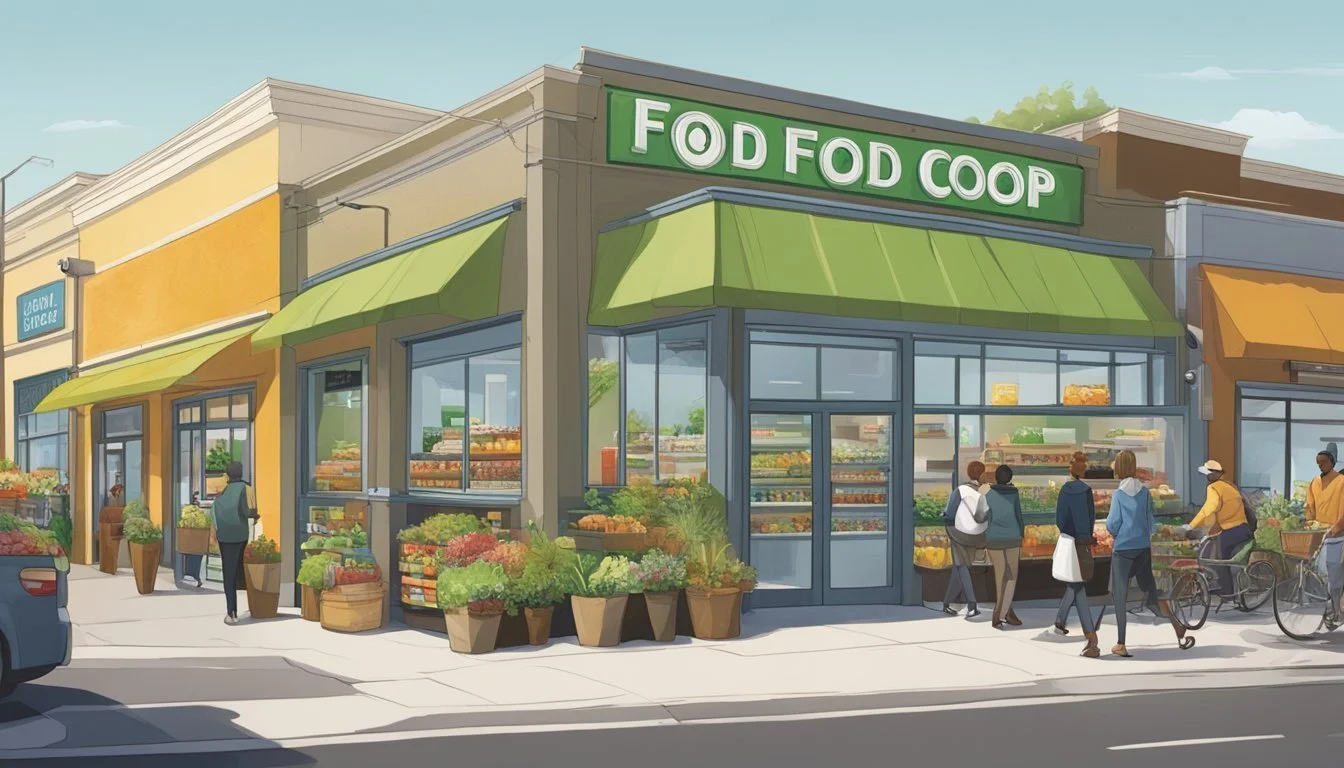
Richmond's food co-ops are at a crossroads, where embracing technological advancements and adapting to consumer trends are key for their future success.
Technological Advances in Food Distribution
Technologies such as blockchain and IoT (Internet of Things) are revolutionizing Richmond's food co-op distribution systems. Blockchain offers a transparent and secure way to track food origins and ensure quality, while IoT devices enable real-time inventory management, reducing waste and increasing efficiency. These innovations lead to a more resilient food system, capable of adapting to challenges and meeting consumer demands.
Emerging Trends in Consumer Habits
Consumers increasingly favor food systems that are sustainable and socially responsible. Richmond's food co-ops are recognizing this shift and responding by integrating regenerative agriculture practices. Such practices not only contribute to climate change mitigation but also appeal to consumers who prioritize environmental impacts in their purchasing decisions. Additionally, consumer demand for local and organic products continues to grow, guiding co-ops to source more from local producers, thus strengthening community-based food systems.
Additional Resources

In this section, readers will find curated materials and contact details for local co-ops that offer valuable insights and direct connection points for individuals interested in food co-ops in Richmond, CA.
Further Reading
For individuals looking to learn more about food co-ops and their role in the community, Vital Vittles in Berkeley serves as an instructive example, and further information on its operations and ethos can be found at the LocalHarvest website. The Food Co-op Initiative provides comprehensive resources for starting a retail food co-op, which can be highly instructive; their materials are accessible at no charge.
Contact Information for Local Co-Ops
Here are the details for getting in touch with food co-ops and related resources around Richmond, CA:
Berkeley Student Food Collective
Address: Berkeley, CA
Focus: Educating about nutrition, food systems, leadership, and sustainable business.Feed More Agency Locator
Hotline: 804-521-2500 (Available Monday-Friday 8am-4pm)
Service: Offers help for finding additional food resources in the Greater Richmond area.Food Co-op Initiative
Service: Phone consultations and technical assistance for new food co-op startups.
Contact: Information available on their official website for reaching out to staff.
Conclusion
In Richmond, California, the community has access to a variety of food co-ops and initiatives that emphasize sustainability, local produce, and food equity. Entities such as the Berkeley Student Food Collective demonstrate a commitment to environmental stewardship alongside providing educational resources on nutrition and food systems. Similarly, initiatives like the UC Global Food Initiative have the potential to partner with localities like Richmond to further the cause of food justice.
Food cooperatives in the area serve as more than just a place to purchase groceries; they are a means to empower residents and cultivate a sense of community involvement. The Davis Food Co-op's preserved history highlights the evolution and impact of such ventures over time, illustrating their longstanding contribution to community development and sustenance.
When considering joining or supporting a cooperative, individuals in Richmond are urged to recognize the broader implications their participation can have on the health, economy, and sustainability of their community. Below are key takeaways for the Richmond community:
Educational Impact: Engaging with local co-ops can provide invaluable education on food systems.
Community Empowerment: Co-ops offer leadership and business management training opportunities.
Sustainable Choices: Local co-ops focus on environmentally sustainable food options.
Food Equity: Initiatives exist to further the goal of equitable food distribution and access.
By supporting these food cooperatives, residents take an active role in a larger movement toward a more equitable and sustainable food system.