Quick Fixes for a Tastier Meal
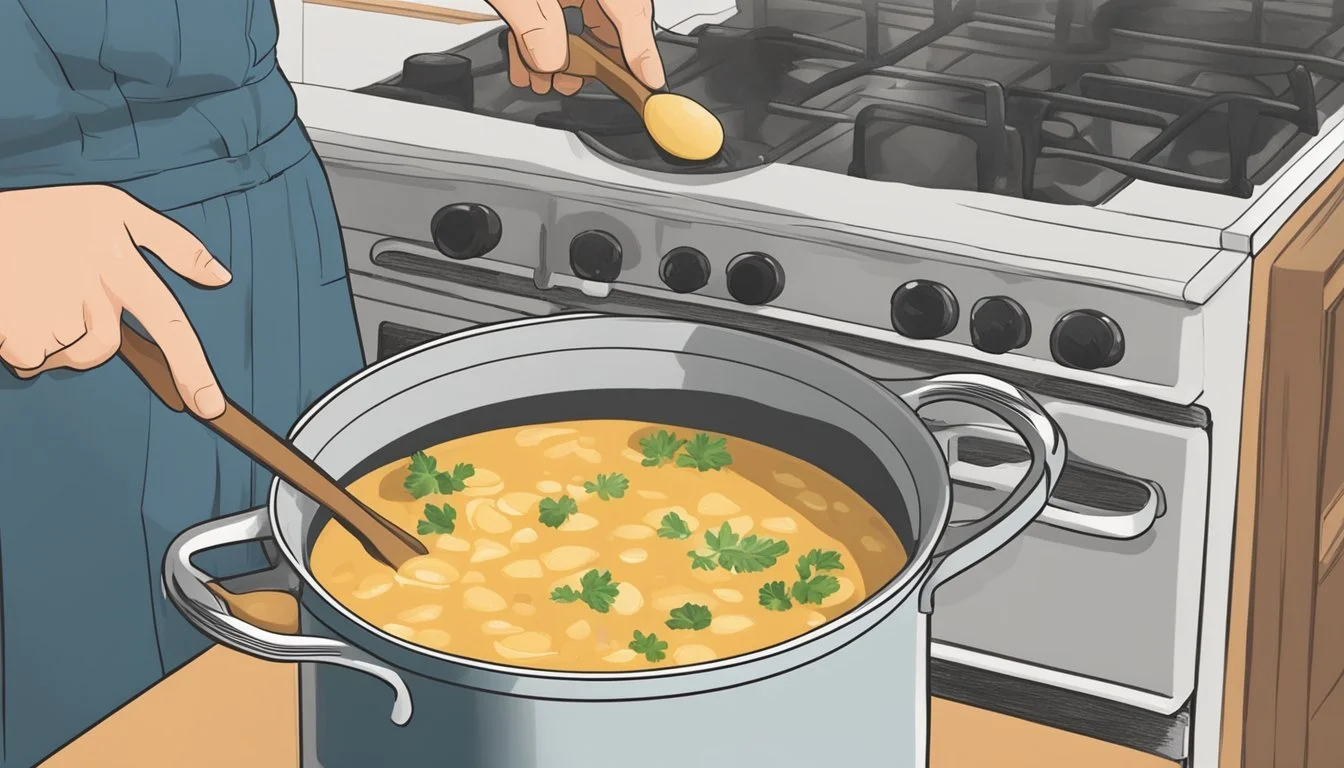
Discovering your soup has turned out too salty can be disheartening, especially after investing time and effort into its preparation. However, this common cooking mishap isn't the end of the road for your culinary creation. There are several effective methods to correct an oversalted soup, returning it to a pleasurable balance of flavors. Reducing the saltiness not only saves the dish but also reinforces a cook's adaptability and problem-solving skills in the kitchen.
Knowledge of how to fix an oversalted soup is an invaluable addition to any cook's repertoire. Whether it's through dilution, ingredient additions, or clever culinary tricks, there are straightforward solutions that can rescue even the saltiest of soups (What wine goes well with soups?). These methods are designed to counteract and absorb excess salt, ensuring that the final dish achieves the desired taste profile. By following these recognized techniques, chefs can confidently tackle the challenge of oversalted soup, ensuring none of their efforts go to waste.
Understanding the Science of Salt in Soups
Salt plays a crucial role in flavor development in soups, but it is easy to tip the balance and end up with an oversalted dish. This section delves into how salt impacts soup flavors and common mistakes that lead to too much saltiness.
How Salt Affects Soup Flavors
Salt is a flavor enhancer; it reduces bitterness while increasing the perception of other taste profiles like sweetness and umami. In soups, salt is key to unlocking the various flavors of the ingredients within the broth. The presence of sodium ions in salt is also known to help release molecules into the air, contributing to the aroma and overall taste experience.
Moderation is key, as salt should never overpower the inherent flavors of the soup's ingredients. A balanced level of salt allows each ingredient to present its unique characteristics, leading to a harmonious flavor profile. Chefs taste as they go, intermittently seasoning during the cooking process to achieve the right balance.
Common Mistakes Leading to Oversalting
Oversalting in soups often occurs due to a few common mistakes during preparation:
Misjudging the reduction: Soups reduce while cooking, intensifying the flavor, including saltiness. Adding too much salt early in the cooking process without considering reduction can lead to an overly salty soup.
Overseasoning with stock and other ingredients: Using already salty stocks or seasonings can accumulate more sodium than intended. It's advisable to use low-sodium or unsalted stocks and season them according to taste.
Not tasting as you go: One of the cardinal rules when cooking, and particularly when seasoning any food, is to taste regularly. This principle helps prevent adding too much salt as one can gradually achieve the desired flavor profile.
In summary, understanding the role of salt in soup and being mindful of its addition at various cooking stages can prevent over-seasoning and ensure a tasty, well-balanced dish.
Preventative Measures Before Fixing
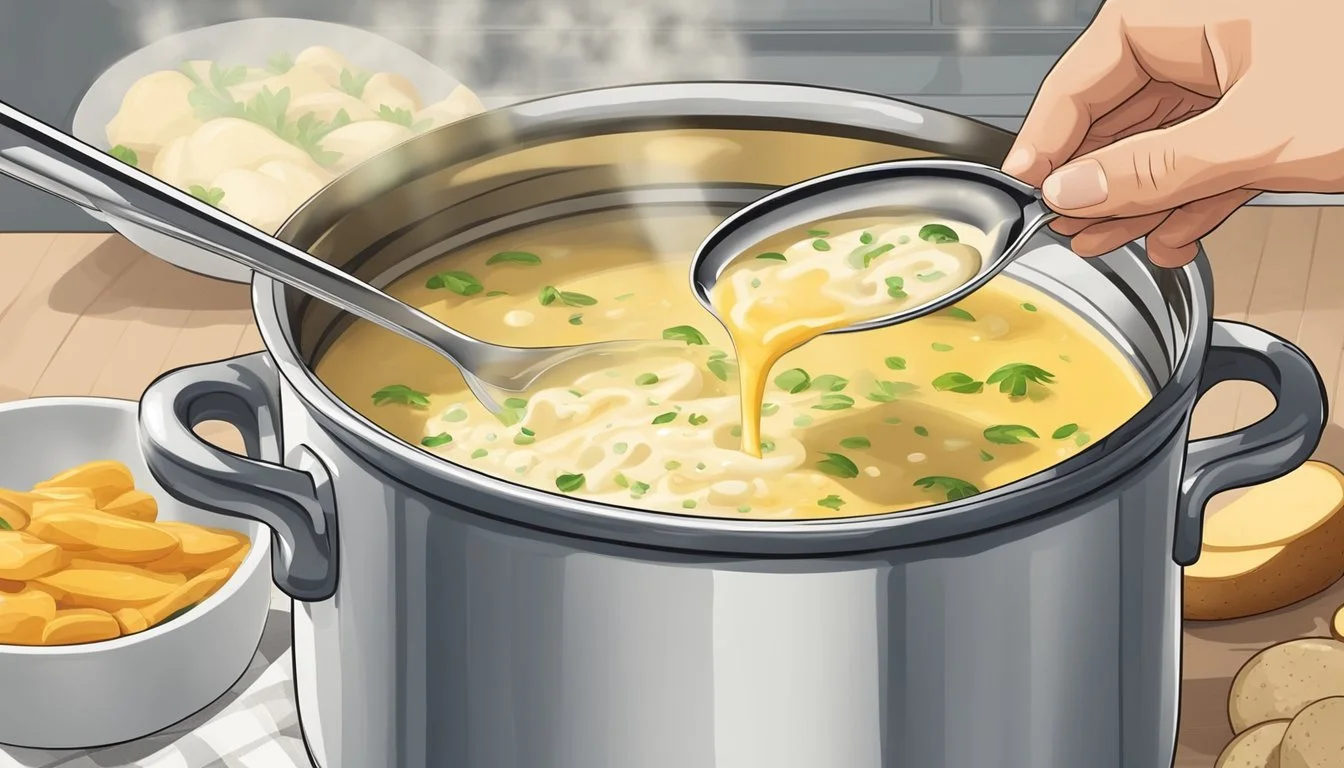
Taking proactive steps can significantly reduce the likelihood of oversalting soup. Two key practices, regular tasting and proper seasoning, can help maintain the balance of flavors during the cooking process.
Importance of Tasting as You Go
Regular tasting is an essential skill every cook should develop. By tasting the soup at different stages of cooking, one can adjust the seasoning incrementally, ensuring that the soup does not become too salty. It's recommended to start with a smaller amount of salt and increase as needed, as it's simpler to add more salt than to correct an oversalted dish.
The Role of Proper Seasoning
Proper seasoning involves more than just salt. It includes the careful selection and addition of herbs, spices, and other aromatics. These ingredients contribute to the overall flavor profile of the soup and can help reduce the need for salt. Key seasoning tips include:
Using a low-sodium stock as the base
Incorporating fresh ingredients like herbs, which impart flavor without increasing the salt content
Relying on umami-rich ingredients such as mushrooms or parmesan rinds, which can also enhance depth of flavor without excess salt
Method 1: Dilution

The dilution method is a reliable way to make a soup less salty. It essentially involves adding more liquid to the existing soup to balance the salt concentration.
Adding Liquid to Balance Saltiness
When a soup is too salty, one can add liquid in small increments, tasting after each addition to achieve the desired flavor profile. The process should be gradual to ensure not to over-dilute the soup, thus compromising its intended flavor and richness.
Choosing the Right Type of Liquid
Selecting an appropriate liquid for dilution is crucial. For water, one needs to use it judiciously, as it could weaken the soup’s flavors if overused. Broth is a preferred choice because it can reinforce the soup's base flavor while correcting saltiness. When using broth, it is essential to choose a low-sodium or unsalted variety to avoid further salting the soup.
Method 2: Absorbing Excess Salt
The principle of this method lies in the ability of certain foods to absorb salt from liquids. This offers a practical approach to mitigating the salinity of a soup.
Using Potatoes or Rice as Natural Absorbents
Potatoes have a reputation for acting like a sponge to soak up excess salt. To utilize potatoes in correcting the salt level of a soup, one would:
Peel and chop a potato into large chunks.
Add the chunks to the soup and let them simmer.
Check after 10-15 minutes; once the potato pieces are soft, they should be removed.
Rice operates on a similar premise:
Measure out approximately 1/4 cup of rice.
Introduce the rice to the salty soup.
Allow the rice to cook through, typically taking about 18-20 minutes, before removing it.
Alternative Starches for Absorption
Other starches besides potatoes and rice can also be effective:
Pasta: Introduce a suitable amount, usually a 1/2 cup, to the soup and let it cook until al dente.
Barley: A hearty grain like barley can be a perfect addition for brothy soups, using about 1/4 cup.
These alternatives also absorb excess liquid, so monitoring the soup's consistency is crucial to avoid over-thickening. After sufficient simmering, the added starches should be discarded, as they will have drawn in the salt and thus can contribute an overly salty flavor if left in the dish.
Method 3: Adding Dairy
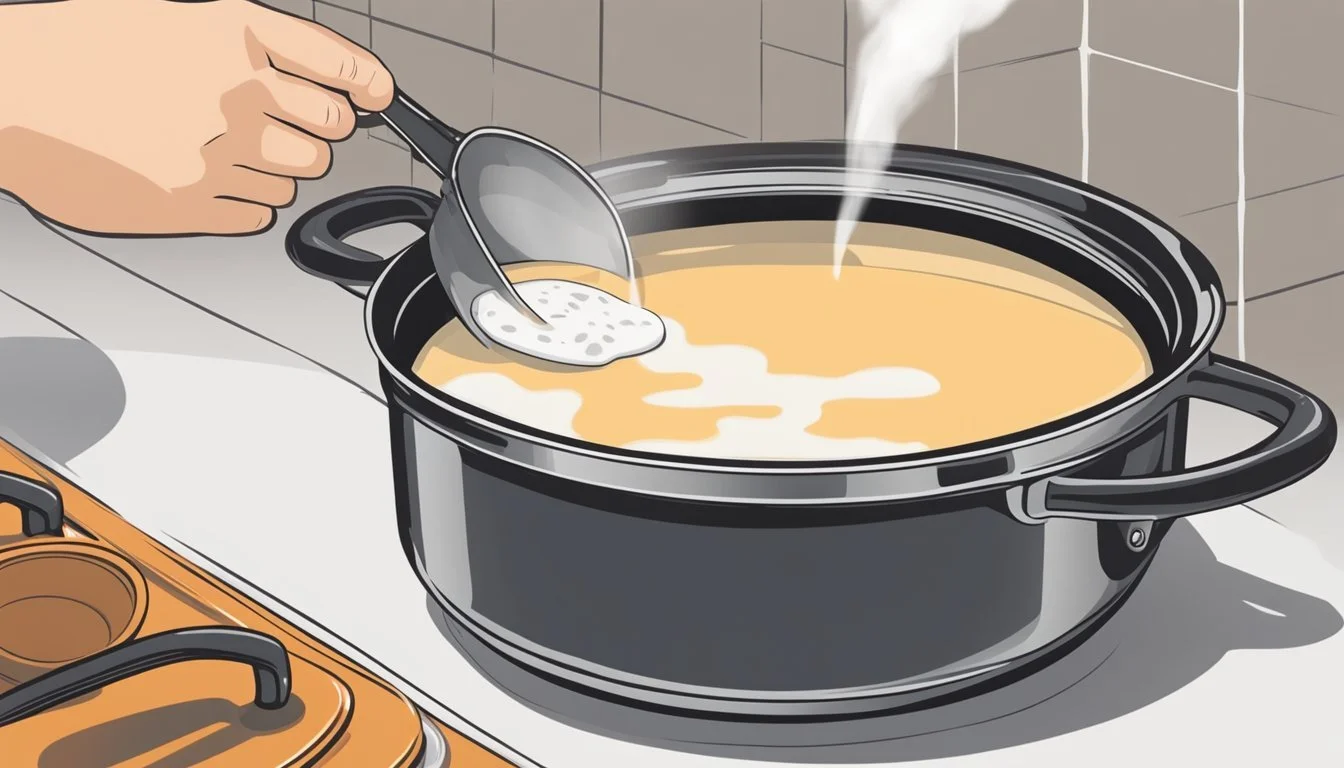
When soup is too salty, incorporating dairy products can balance the flavors. This approach works because the fat content in dairy helps to mellow the saltiness.
The Use of Milk or Cream to Mitigate Saltiness
For a subtle adjustment, milk can be an excellent choice to tone down the salty flavor. Milk's natural sweetness and lower fat content compared to cream can introduce a mild richness without overwhelming the soup's intended profile. On the other hand, heavy cream offers a thicker consistency and a richer taste. It is particularly effective in cream-based soups where its presence feels integral to the dish's final texture and flavor. The key is to add these dairy products in small increments, stirring and tasting to ensure the right balance is achieved.
Using Other Dairy Products Like Yogurt or Sour Cream
Yogurt and sour cream work similarly to milk and cream but bring a tangy note that can complement a wide variety of soups. These are particularly strategic in soups with a bit of acidity or spice, as they provide a cooling effect alongside the dilution of saltiness. The acidity in these products can also add a new dimension to the soup, enhancing overall flavor complexity. Sour cream is denser than yogurt, hence ideal for rich, hearty soups, while yogurt is better suited for lighter broths. One should stir in these products gradually, waiting for them to fully integrate before adding more if necessary.
Method 4: Incorporating Acids and Sweetness

In this method, the strategy involves balancing the saltiness of the soup by adding acids or sweeteners. These ingredients interact with the taste buds and can mitigate the overpowering salt taste.
Utilizing Vinegar, Lemon, or Lime to Adjust Flavor
Vinegar, lemon, or lime juice adds acidity to oversalted soup, which can help to counteract the high salt levels. The sharpness of vinegar or the tang of citrus juices like lemon or lime can provide a new dimension to the flavor profile of the soup.
Vinegar: A tablespoon at a time, taste as you add.
Lemon/Lime Juice: Squeeze in small amounts, tasting frequently to avoid over-acidifying.
How Sweeteners Like Sugar or Honey Can Help
Sweeteners can balance out the flavors by providing a contrast to the saltiness. Agents like sugar, honey, or even maple syrup can be effective in small quantities. The key is to start with a minimal amount and incrementally add more to achieve the desired taste balance without making the soup overly sweet.
Sugar: Begin with 1/2 teaspoon, adjust to taste.
Honey/Maple Syrup: Drizzle in and stir, tasting to get the right balance between sweetness and salt.
Method 5: Enhancing and Diversifying Flavors
When a soup is oversalted, one effective strategy is to expand the flavor profile to minimize the salinity's impact. This method involves the addition of other spices, herbs, or acidic components.
Incorporating More Spices and Fresh Herbs
Adding a variety of spices and fresh herbs can introduce new flavors that distract the palate from the excessive saltiness.
Spices: A pinch of ground pepper or a hint of heat from chili flakes can counterbalance saltiness.
Fresh Herbs: Fresh parsley, basil, or cilantro add a burst of flavor that can make salt less pronounced.
One should consider the type of soup and select herbs and spices that complement the dish's existing flavors.
Using Wine or Tomatoes for Complexity
Integrating wine or tomatoes into a soup can offer depth and complexity, which helps to mask an overly salty base.
Wine: A splash of wine can impart a rich flavor and mild acidity. For instance, a bit of white wine in a seafood chowder or red wine in a tomato-based soup can be transformative.
Tomatoes: Tomatoes bring natural acidity and sweetness, which can alleviate some of the perceived saltiness. They can be added as fresh, canned, or in the form of paste.
It is essential to use wine or tomatoes sparingly and to cook them well within the soup to fully integrate the flavors.
Final Touches After Corrections
Once the oversalted soup has been corrected, it is essential to focus on final tastings and presenting the soup in a manner that ensures the diners enjoy the meal to its fullest potential.
The Importance of Final Tasting and Adjustments
A final tasting is critical as it ensures the correction process has succeeded. An individual's tasting skills are paramount during this phase as it may reveal if further adjustments are necessary. Subtle tweaks at this stage can make a significant difference. One should taste the soup and consider if a tiny pinch of sugar or a few drops of acid is needed to perfect the balance of flavors.
Serving Suggestions for Improved Presentation
Presentation can greatly enhance the dining experience. When serving the renovated soup, attention to detail can convey a sense of care and craftsmanship. Garnishing with fresh herbs or a drizzle of olive oil can visually appeal to diners and add a final layer of flavor. Serving suggestions may include:
For clear broths: A sprinkle of finely chopped parsley or chives.
For creamy soups: A dollop of cream or a swirl of yogurt.
For rustic stews: Some crusty bread on the side or a sprinkling of crispy croutons on top.
Through these adjustments and considerations in presentation, one can serve a dish with confidence, knowing that both the taste and aesthetics have been thoroughly considered.
Troubleshooting Common Challenges
When correcting an oversalted soup, it's essential to maintain the desired consistency and flavor balance. Here's how to address common issues that might arise after attempting to fix a salty mishap.
Fixing Overly Thick Soups After Salt Correction
If a soup becomes too thick after adding ingredients to reduce salinity, one can thin it out by adding water, broth, or stock. For stews or chowders that need to maintain a certain creaminess, a cook should consider adding a low-sodium broth to preserve flavor. To ensure the added liquid does not undershoot or overshoot the intended consistency, it's important to add small amounts gradually, stirring consistently and tasting often.
Dealing with Overcompensated Sweetness or Acidity
In the process of fixing a too salty soup, one might inadvertently add too much sugar or acid. If sweetness becomes overpowering, balancing it out by introducing a small pinch of salt or a splash of acid like lemon juice or vinegar might work—just enough to counterbalance without pushing the scales back towards oversalting. If the soup has become too acidic, the addition of more cream or dairy can help mellow it out. Remember to use a light hand and taste as you make adjustments.
Learning from Experience
Fixing oversalted soup is not just about damage control—it's a chance for cooks to enhance their skills and ensure the same errors are not repeated in future culinary endeavors.
Key Takeaways for Future Soup Making
Identify the Culprit: Knowing which ingredients contribute most to the salinity can help cooks avoid repeating the same mistake. Common culprits include store-bought broths, soy sauce, and misjudged spoonfuls of salt.
Taste As You Go: Consistently tasting soup at different stages of cooking allows one to adjust seasoning incrementally and catch any oversalting early on.
Understand Salt Types: Different salts have varying levels of sodium chloride. For example, table salt is denser than kosher salt, so one needs less of it when seasoning.
Seasoning Alternatives: Exploring herbs, spices, and acid can reduce reliance on salt for flavor and lead to more balanced dishes.
Building Culinary Skills to Prevent Oversalting
Proper Measurement: One should always measure out salt carefully instead of shaking it directly from the container. It's helpful to start with lesser amounts, as salt can always be added but not taken away.
Adjusting to Ingredients: Homemade broths usually have lower sodium levels compared to their store-bought counterparts. A cook needs to adjust salt levels based on other ingredients' salt content.
Mindfulness of Reduction: As soup simmers and reduces, flavors, including saltiness, become more concentrated. One must consider this when initially seasoning the soup.
By paying attention to these facets of soup preparation, any cook can improve their craft and prevent the common mishap of oversalting.
Additional Tips and Resources
In the journey to perfect soup preparation, one may seek additional resources to enhance their skills and knowledge. These resources can come in various forms such as detailed guides, online communities, and seasoned professionals willing to offer advice.
Further Reading and Guides on Soup Preparation
For those seeking to expand their understanding of soup-making, The Kitchn offers a wealth of resources and guides. A reader may find articles on troubleshooting common soup issues, enhancing flavors, and techniques for achieving the perfect consistency. Additionally, there are cookbooks specifically dedicated to soups, ranging from beginners to advanced levels, that provide both recipes and valuable tips for soup craftsmanship.
Community Forums and Expert Advice
Engaging with a community of fellow soup enthusiasts can be a valuable way to gain insight and get personalized advice. Online forums and cooking groups allow for the exchange of experiences and solutions. Experts in these forums often respond to queries about specific problems, such as fixing an oversalted soup, with practical and tested methods. These communities can be found on social media groups, cooking websites, and platforms like Reddit’s r/Cooking or r/Soup.
Conclusion
Fixing an over-salted soup can be straightforward and effective with the right approach. Method One involves adding more liquid, such as water or unsalted broth, to dilute the saltiness. It is best applied in stages; one must simmer the soup after each addition and taste to ensure the flavor balance is achieved.
For Method Two, the incorporation of diced potatoes can absorb excess salt. These should cook in the soup until tender and then be removed if not part of the original recipe.
Method Three recommends the addition of dairy. A swirl of heavy cream or a spoonful of sour cream can mellow the salty taste and add richness without altering the soup's intended flavor profile.
Acidic ingredients, highlighted in **Method Four, such as lemon juice or vinegar, can provide a counterbalance to the salinity. These should be used sparingly, adding just enough to subtly shift the overall flavor.
Lastly, Method Five suggests utilizing rice or uncooked pasta, which, when simmered in the broth, will absorb some of the salt while thickening the soup.
Using these methods, cooks can rescue a batch of over-salted soup and turn it into a palatable meal. They empower chefs of all levels with practical solutions, ensuring that a simple mistake does not lead to waste. The key is to proceed with care, adding corrective ingredients gradually and tasting frequently to avoid overcompensating.
References

Southern Living: Their article details how cooking diced potatoes or adding pasta/rice can reduce the saltiness in soup as they absorb salt while cooking.
The Kitchn: Offers multiple strategies, emphasizing on diluting with water or low-sodium broth, and incorporating dairy products to combat excess salt.
The Kitchn (Separate Article): Suggests adding acid such as vinegar or lemon juice, which can help balance the flavor.
The Washington Post: Focuses on increasing the volume of the soup with additional ingredients like vegetables to spread out the concentration of salt.