
Can Extended Shelf Life Lead to Nutrient Loss?
Understanding the Impact on Food Quality
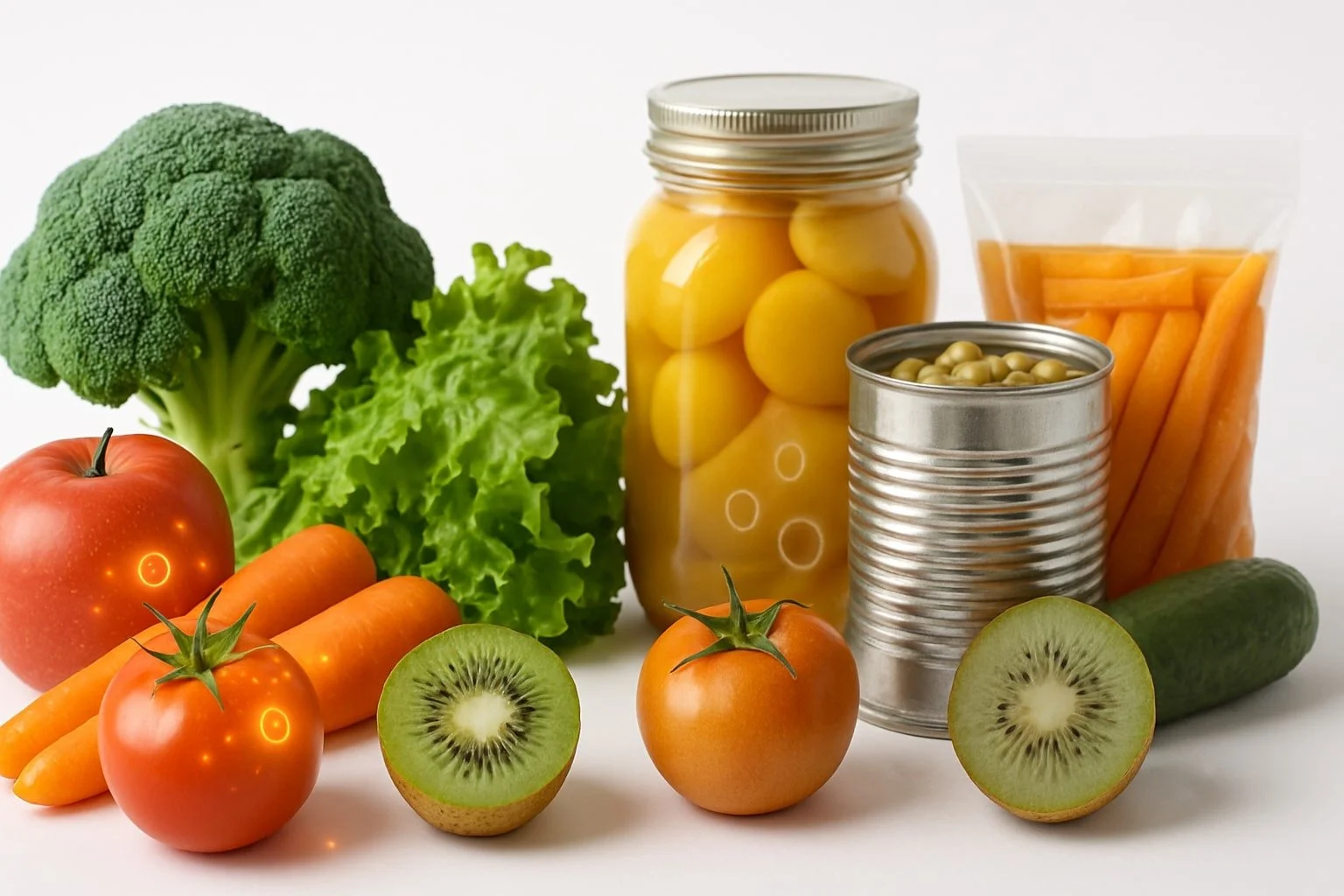
When choosing food with an extended shelf life, many consumers wonder if they are sacrificing nutrition for convenience. Extending the shelf life of foods can sometimes lead to a gradual loss of certain nutrients, particularly vitamins, depending on the storage method and type of food. Some techniques, like refrigeration and freezing, preserve most nutrients, while others—such as irradiation or extended storage at room temperature—can lead to more noticeable declines, especially in sensitive vitamins like A, C, and E.
Understanding how different preservation methods impact nutrient levels helps people make more informed choices about the foods they store and consume. With the growing demand for both convenience and nutrition, it's important to look closer at which foods retain their value over time and which may lose critical nutrients before they reach the table.
Understanding Shelf Life and Nutritional Value
Shelf life influences how long foods keep their quality, safety, and nutrition. The preservation of essential nutrients is an important part of evaluating how products maintain their nutritional value over time.
Defining Shelf Life
Shelf life refers to the period during which a product remains safe to consume and maintains its desired sensory and nutritional qualities. This is affected by factors such as temperature, packaging, moisture content, and exposure to light.
The shelf life can be either a fixed time set by manufacturers or variable, influenced by storage and environmental conditions. For example, chilled foods like dairy have shorter shelf lives than dried grains, which can last for years.
Foods with longer shelf lives tend to reduce waste and help consumers enjoy nutritional quality without frequent shopping. However, extending shelf life often involves methods like drying, canning, or refrigeration, each impacting nutrient stability differently.
Importance of Nutritional Value
Nutritional value reflects the presence and levels of essential nutrients such as vitamins, minerals, proteins, and healthy fats in a food item. Nutrition-focused consumers look for nutrient-dense foods, which offer a high ratio of essential nutrients to calories.
Maintaining nutrient density is crucial because nutrient loss can directly reduce the health benefits of the food. Key nutrients like vitamin C, B vitamins, and some antioxidants are sensitive to processing and storage.
Preserving the nutritional quality of foods during storage is especially important in products designed for long-term use, including emergency supplies and shelf-stable staples. Both food manufacturers and consumers rely on accurate nutritional information to guide dietary choices.
Nutrient Loss and Nutrient Retention
Different food preservation methods can cause varying levels of nutrient loss. Heat treatments, such as pasteurization or canning, can degrade heat-sensitive vitamins. Freezing can help retain most nutrients but may affect texture and some minerals.
For example, dried fruits often retain much of their nutrient content, but water-soluble vitamins like vitamin C may decrease during the drying process. Shelf-stable packaged foods may lose some micronutrients over time, especially when exposed to air or light.
Proper storage—such as keeping foods cool, dry, and protected from light—can maximize nutrient retention. Choosing preservation techniques that limit exposure to oxygen and heat helps maintain both the nutritional value and safety of nutrient-dense foods.
Factors Affecting Nutrient Stability During Extended Shelf Life
Nutrient stability in foods depends on several factors, which influence how vitamins and minerals degrade during storage. Specific conditions such as time, environment, and packaging materials all play a part in nutrient retention.
Impact of Storage Time and Storage Conditions
Extended storage time is a primary factor in nutrient loss, especially for sensitive vitamins like vitamin C and A. The longer a product sits on the shelf, the greater the chance for nutrients to degrade via chemical reactions.
Storage conditions such as relative humidity, pH, and exposure to contaminants also play significant roles. For example, foods stored in high humidity may see increased rates of degradation due to hydrolysis or microbial activity.
Modern packaging can help slow down these processes by acting as a barrier to moisture and microorganisms. However, inadequate packaging or poor storage maintain nutrient losses, even in extended shelf-life products.
Role of Temperature and Moisture
Temperature strongly affects nutrient stability. Elevated storage temperatures accelerate chemical and enzymatic reactions, increasing the rate of nutrient breakdown. For instance, thiamine and folic acid degrade much faster in warm conditions.
Moisture contributes to nutrient loss by promoting microbial growth and catalytic reactions. Water activity in products such as milk powder or cereals leads to faster deterioration of B vitamins and vitamin C.
Both refrigeration and the use of desiccants or modified atmosphere packaging can help slow nutrient degradation. Yet, fluctuations or poor control can negate these benefits, resulting in a shorter effective nutritional shelf life.
Effects of Light and Oxygen Exposure
Light, particularly UV and fluorescent, causes photodegradation in nutrients like riboflavin and vitamin D. Many vitamins lose potency when exposed to direct light over extended periods, even in sealed packaging.
Oxygen exposure promotes oxidative processes, particularly in unsaturated fats and certain vitamins such as vitamin E and C. Oxidation leads to the breakdown of these nutrients and can also affect flavor and color.
Optimized food packaging—such as light-blocking materials and vacuum-sealed or nitrogen-flushed systems—helps protect against these effects. However, improper sealing or clear containers can still allow significant light and oxygen exposure, reducing nutrient stability.
Preservation Methods and Their Effect on Nutrient Content
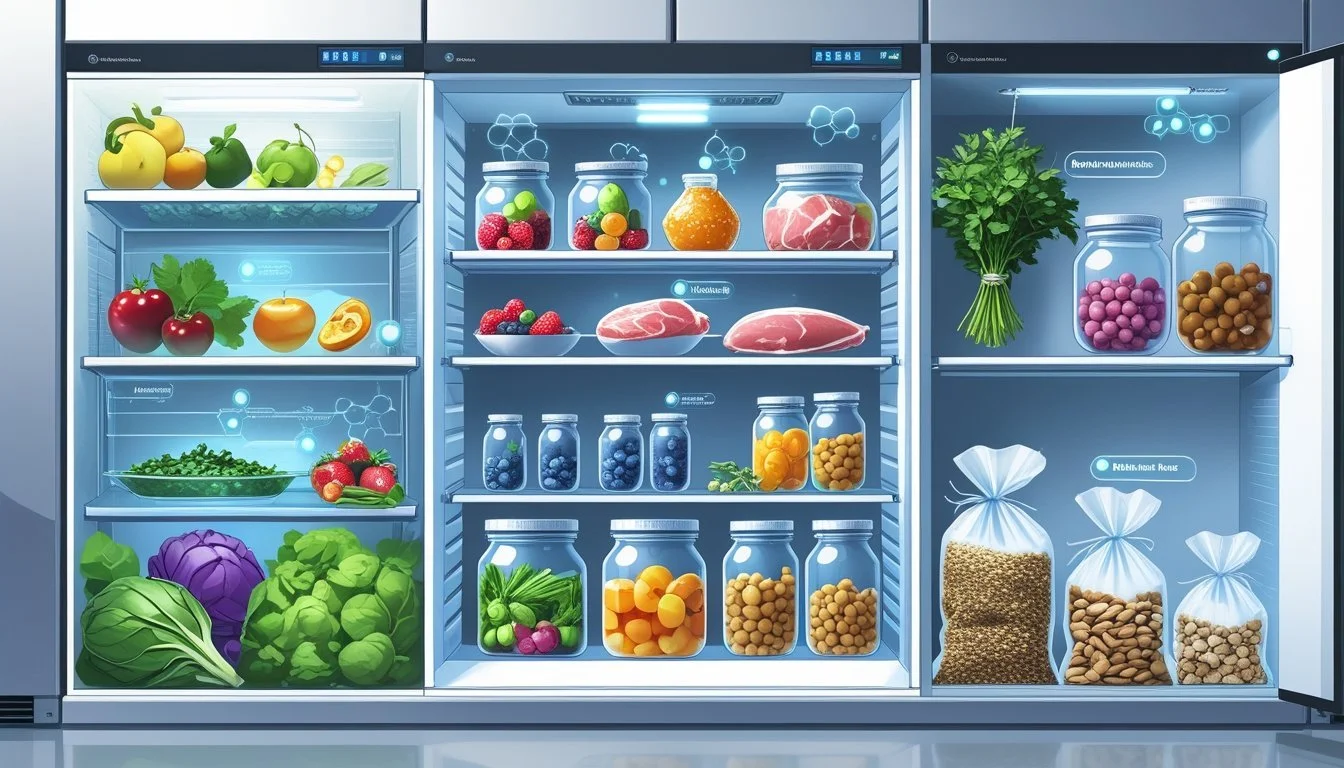
Food preservation methods vary widely in how they impact nutrient levels. Some processes are more likely to protect vitamins and minerals, while others can cause losses, especially with heat or prolonged storage.
Freezing and Refrigeration
Freezing and refrigeration are popular for preserving fresh produce, meats, and prepared meals. Freezing slows down enzymatic activity and microbial growth by lowering temperatures well below zero. This helps keep vitamins such as vitamin C and B group vitamins stable for several months.
Refrigeration, while not as long-lasting as freezing, also preserves much of the nutrient content. However, some water-soluble vitamins may decrease over time, especially if produce is stored for extended periods.
Frozen foods often retain nutrients as they are usually processed and frozen quickly after harvest. Vacuum sealing and airtight containers can further protect food from air exposure and moisture, minimizing vitamin losses.
Drying and Dehydration
Drying and dehydration work by removing moisture, inhibiting microbial growth and enzymatic reactions. This leads to significantly longer shelf life. However, the process can result in losses of heat-sensitive nutrients, primarily vitamin C and some B vitamins.
Minerals and fat-soluble vitamins like A and E tend to be retained. If dehydration is done at low temperatures and with minimal exposure to light and oxygen, nutrient degradation is reduced.
Methods like modified atmosphere packaging help by minimizing oxidative damage during long-term storage of dried foods. Protein, fiber, and most minerals are largely unaffected by drying and dehydration.
Canning and Thermal Processing
Canning and other forms of thermal processing preserve food by using heat to kill microorganisms and inactivate enzymes. While this extends shelf life significantly, the high temperatures can degrade sensitive nutrients, particularly vitamin C and some B vitamins.
Canned foods often have stable amounts of minerals and fat-soluble vitamins, which are less susceptible to heat. Nutrient losses are typically higher in foods processed for longer times or at higher temperatures.
Storing canned food in cool, dark places helps reduce further nutrient loss during long-term storage. Using techniques like airtight containers after opening can prevent spoilage but will not restore heat-sensitive vitamins lost during processing.
Nutrient Degradation and Retention Mechanisms
Extended shelf life methods, such as freezing, canning, and dehydrating, play a significant role in determining how much nutrition is retained in food. The losses tend to be highest for certain vitamins, while other nutrients are more stable during storage and processing.
Water-Soluble Vitamins and Leaching
Water-soluble vitamins, including ascorbic acid (vitamin C), thiamine, riboflavin, niacin, folate, and other B vitamins, are more vulnerable to losses during food processing and storage. These nutrients can dissolve in water, making them especially prone to leaching when foods are boiled or blanched.
Vitamin C and folate are highly sensitive to both heat and light exposure. High-temperature treatments often used for preservation can degrade these vitamins rapidly. In addition, long-term storage—even at low temperatures—may lead to gradual decreases over time due to ongoing chemical reactions.
Rinsing and repeated contact with water can further reduce water-soluble vitamin content. For example, much of the vitamin C in vegetables can be lost if boiling water is discarded. Retaining cooking water when possible helps preserve some nutrients.
Fat-Soluble Vitamins and Oxidation
Fat-soluble vitamins, including vitamin A, vitamin D, vitamin E, and vitamin K, are less likely to be lost through leaching since they do not dissolve in water. However, these nutrients are highly susceptible to oxidation, especially when foods are exposed to air, light, or elevated temperatures for extended periods.
Vitamin A and vitamin E are particularly vulnerable to oxidative degradation. Oxygen and light can break down these vitamins, reducing their availability in foods with long shelf lives. Fat-soluble vitamins can also be lost during repeated heat treatments or lengthy storage if packaging materials offer limited protection from air and light.
Table: Factors Affecting Vitamin Loss During Storage
Vitamin Type Main Loss Mechanism Key Influences Water-Soluble Leaching, heat, light Boiling, blanching, rinsing Fat-Soluble Oxidation, light, heat Air exposure, packaging
Nutrient Loss in Specific Food Groups
Different types of foods experience nutrient loss in various ways as their shelf life is extended. The degree and kind of nutrient degradation depend on food composition, processing, storage conditions, and packaging.
Fruits and Vegetables
Fruits and vegetables are highly sensitive to nutrient loss, especially when stored for extended periods or processed for longer shelf life. Vitamin C is particularly vulnerable, breaking down rapidly with exposure to air, heat, or light.
Fresh produce often maintains higher nutrients if consumed quickly after harvest. During storage, water-soluble vitamins such as B-complex and C diminish more rapidly than minerals.
Freezing generally preserves most vitamins, but some losses still occur during blanching and thawing. Canned vegetables suffer more significant vitamin losses, mainly due to high-heat processing.
Minimizing storage time and using appropriate temperature controls can help retain nutrient levels and preserve nutrient bioavailability in fruits and vegetables.
Processing Method Nutrient Loss Level Fresh/Raw Low (if eaten quickly) Freezing Moderate Canning High
Meats and Proteins
Meats and protein-rich foods generally retain their mineral content better than fruits and vegetables, but can still lose nutrients during preservation and storage. Extended storage leads to oxidation of fats and loss of some vitamins, particularly B vitamins.
Cooking and processing methods like canning, dehydrating, or curing can affect protein bioavailability and vitamin retention. For example, pasteurization and high-heat processing can reduce thiamine and other heat-sensitive nutrients by up to 30%.
Although protein quality is usually well maintained, some amino acids can degrade over time when exposed to heat or air, lowering overall nutrition intake. Refrigeration and vacuum packing slow these changes but do not eliminate them.
Dried Fruits and Dry Goods
Dried fruits and dry goods such as grains, beans, and lentils are designed for extended shelf life, but drying itself can lead to initial nutrient losses. Water-soluble vitamins, especially vitamin C, are mostly destroyed in the dehydration process.
Minerals like iron, magnesium, and calcium are stable under dry conditions and not easily lost during storage. However, prolonged storage can decrease vitamin A content and some antioxidants in dried fruits.
The bioavailability of nutrients from dry goods can also decrease if stored in hot or humid conditions, as these encourage degradation. Proper airtight, cool storage preserves nutrients best, supporting stable nutrition intake over time.
Quick List of Stable vs. Unstable Nutrients in Dry Goods:
Stable: Iron, magnesium, protein
Unstable: Vitamin C, some antioxidants, vitamin A
Convenience Foods
Convenience foods, including ready-to-eat meals and snacks, are often heavily processed to ensure longer shelf life. Key nutrients are frequently reduced during manufacturing, particularly vitamins sensitive to heat and oxygen.
High-temperature cooking, irradiation, and preservatives can all lower the levels of vitamins B and C, while minerals are less affected. Processing may also add salt, fat, or sugar, altering the nutritional profile and potentially impacting nutrition intake.
Nutrient bioavailability can decline in these products as certain preservatives or food additives bind micronutrients, making them harder for the body to absorb. Nutrient labels may not always reflect these losses over time, so consumers should check storage recommendations and expiration dates to maximize remaining nutrients.
Impact on Specific Nutrients
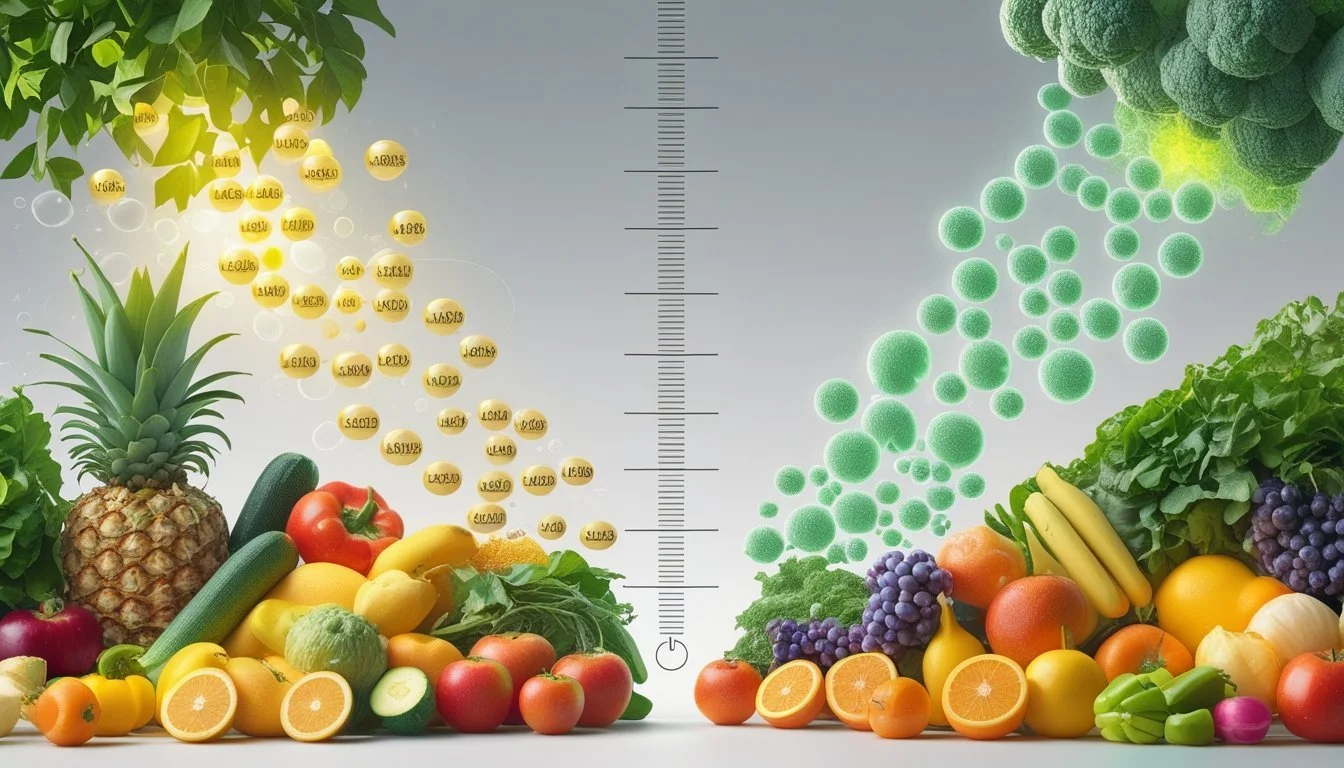
Extended shelf life can affect a range of nutrients in food, particularly sensitive vitamins and bioactive compounds. Processing methods and storage conditions are critical factors that influence nutrient stability and retention.
Vitamin C, Vitamin A, and Carotenoids
Vitamin C is highly sensitive to heat, light, and oxygen. Methods like blanching, boiling, and high-temperature processing can reduce its levels significantly, sometimes by over 50%. Freezing can help retain more vitamin C, but loss still occurs over time due to enzymatic degradation.
Vitamin A and carotenoids are more stable compared to vitamin C but still experience losses. High heat and direct exposure to light during processing or storage can lead to oxidative breakdown of these nutrients, reducing their bioavailability. However, some techniques, like steaming or canning with minimal exposure to air, can help minimize the reduction of vitamin A and carotenoids.
Table: Relative Sensitivity of Key Vitamins in Processing
Nutrient Sensitivity to Processing Typical Retention (after heat) Vitamin C Very high 20–70% Vitamin A Moderate 50–90% Carotenoids Moderate 60–90%
Mineral Content: Iron, Calcium, and Potassium
Minerals such as iron, calcium, and potassium are generally more stable than most vitamins during processing and extended storage. However, they are prone to leaching when foods are boiled or blanched in water, leading to moderate mineral losses.
Refining or milling of grains can remove significant proportions of minerals, especially if the bran and germ are discarded. Potassium is particularly susceptible to leaching in water, while iron and calcium are better retained unless processing involves removal of the husk or outer layers in plant foods.
Key Considerations:
Boiling: Loss of up to 30% potassium from vegetables.
Milling: Reduction of iron and calcium in grains due to removal of nutrient-dense parts.
Dietary Fiber and Bioactive Compounds
Dietary fiber is resistant to most heat-based preservation processes and usually remains stable during extended storage. Mechanical processes like milling and refining remove significant fiber content, especially from cereals and seeds.
Bioactive compounds, including phenolic compounds and phytochemicals, can be more sensitive. Irradiation, blanching, and long-term storage can lower their concentrations. Losses tend to depend on both the compound’s chemical structure and the processing conditions.
Strategies such as gentle cooking, reduced exposure to oxygen, and storage in airtight containers help retain both dietary fiber and key phytochemicals in preserved foods.
Influence of Food Processing and Cooking Methods
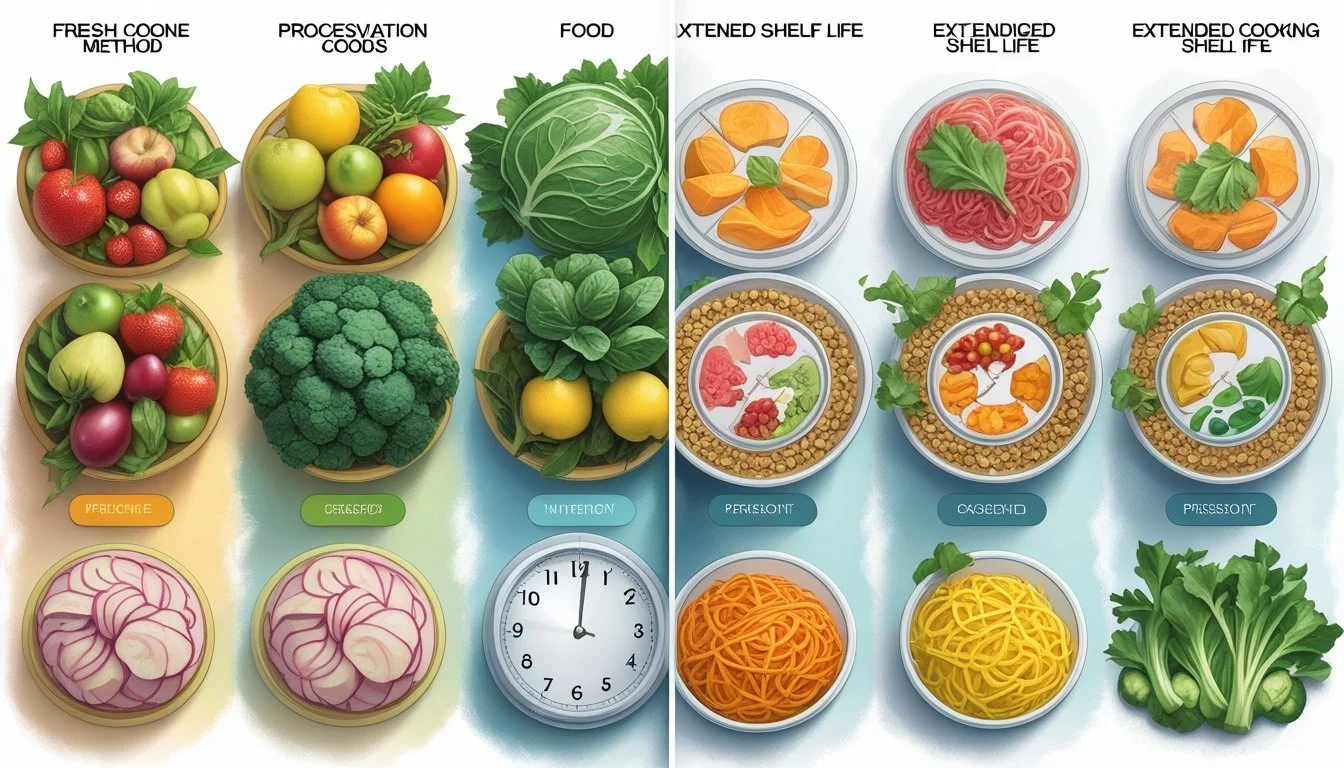
Methods used for processing and cooking foods can influence the retention of nutrients, affecting both the health benefits and shelf life of products. Water-soluble vitamins are especially susceptible to losses depending on technique and time.
Blanching and Heat Treatment
Blanching uses hot water or steam to deactivate enzymes, slowing spoilage and preserving color in vegetables. However, exposure to heat and water can lead to losses in nutrients like vitamins B and C, which are water-soluble and heat-sensitive.
High-temperature treatments, including pasteurization and sterilization, further reduce microbial growth but can degrade certain nutrients. Heat can affect palatability and digestibility, sometimes making food softer and easier to chew or absorb. While heat lowers the risk of foodborne illness, repeated or intense heating increases nutrient loss.
The time and temperature used in blanching or heat processing directly impact nutrient retention. Shorter heating times and lower temperatures are preferred for maintaining vitamin content.
Baking, Milling, and Rancidity
Baking applies dry heat, often at high temperatures, which can break down some vitamins and sensitive nutrients. For example, vitamin C and some B vitamins may be lost during extended or high-heat baking. However, palatability improves, and baked goods are easier to digest.
Milling removes the bran and germ from grains, resulting in loss of fiber, minerals, and some vitamins. Refined flours keep longer but are less nutritious compared to whole grain flours.
Rancidity, the oxidation of fats, can occur when milled flours or baked goods are stored for extended periods. Rancidity not only reduces shelf life but can also impact taste and quality. Proper packaging and storage conditions help minimize this risk.
Shelf Life Extension, Food Quality, and Safety
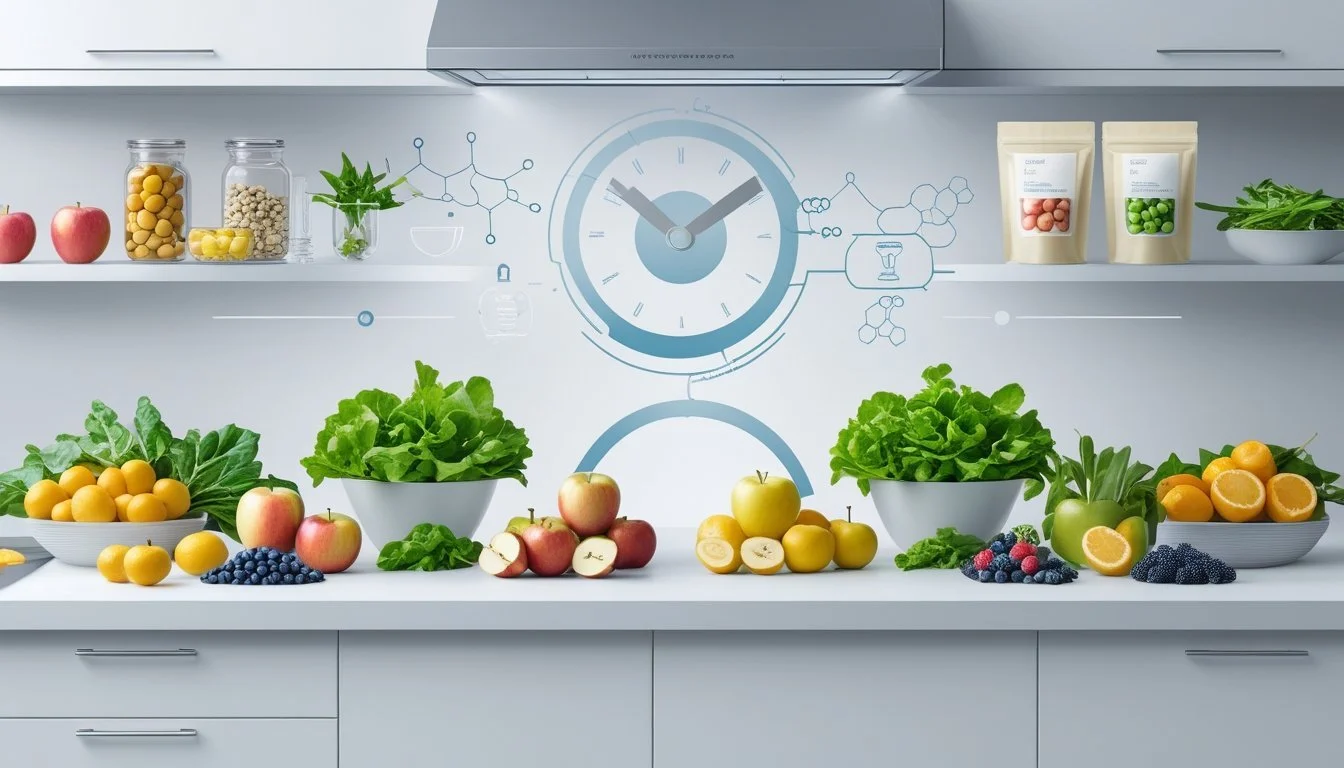
Extending the shelf life of food impacts product safety, microbial activity, and the reduction of waste. Methods used to increase shelf life must balance food quality and minimize the risk of both spoilage and nutrient degradation.
Food Spoilage and Microbial Growth
Food spoilage is often a direct result of microbial growth, including bacteria, molds, and yeasts. When shelf life extension strategies are applied, such as refrigeration, modified atmosphere packaging, or preservatives, these microbes can be controlled effectively.
However, improper or excessive shelf life extension may obscure signs of spoilage. For instance, foods might appear safe but could contain harmful organisms if not properly processed or stored. Monitoring growth parameters like temperature and humidity remains critical.
Perishable foods—like dairy, meats, and fresh fruits—are most vulnerable to spoilage. Safe extension techniques need to halt microbial activity without compromising the texture or flavor.
Food Safety and Expiration Dates
Expiration dates are meant to give consumers guidance on quality and safety. There are different date labels, such as "use by," "best before," and "sell by." These indicate either the last recommended date for consumption or when the product is expected to lose its best qualities.
Properly extended shelf life relies on established food safety standards. Regulatory bodies such as the FDA set guidelines for testing and labeling to reduce risks from pathogens or spoilage organisms. Active and intelligent packaging technologies now offer real-time indicators of freshness, alerting consumers to possible safety issues even before the printed expiration date.
Consumers should still handle products according to storage instructions and not rely solely on visual appearance or label dates.
Environmental Impact and Food Waste
Longer shelf life directly impacts the environment by reducing food waste. Spoilage is one of the leading causes of discarded food, especially for perishable foods, which can be prevented with advanced preservation methods.
Key environmental benefits of shelf life extension include:
Benefit Example Reduced landfill waste Less spoiled food is discarded Lower resource use Fewer raw materials needed for produce Decreased emissions Less transportation for replacement
Food waste reduction also conserves resources and energy spent in production, packaging, and distribution. Extending shelf life without compromising safety or nutrition can help meet sustainability goals and lower the overall environmental footprint of the food system.
Long-Term Health Implications of Nutrient Loss
Extended shelf life can alter the nutritional profile of foods, reducing the content or effectiveness of key vitamins and minerals. Changes in nutrient availability may influence health outcomes, dietary quality, and the prevention or development of chronic diseases.
Effects on Nutrient Intake and Bioavailability
When foods are stored for long periods, there can be a measurable decline in vital nutrients such as vitamin C, certain B vitamins, and some minerals. This nutrient loss may reduce overall nutrient intake, especially for populations relying on processed or long-lasting foods rather than fresh produce.
Bioavailability, the degree to which nutrients can be absorbed and used by the body, is also affected by the methods used to preserve shelf life. Some preservation techniques, like high heat or certain additives, can make nutrients less accessible. Lower bioavailability can limit the body's ability to obtain recommended nutrient levels, potentially leading to deficiencies over time.
Health Benefits and Chronic Diseases
Reductions in nutritional quality due to extended shelf life have direct effects on long-term health. Insufficient intake of vitamins and minerals increases the risk of chronic conditions such as heart disease, osteoporosis, and certain types of cancer.
Consistent nutrient deficiencies can lead to cognitive impairment, impaired immune response, and lower resistance to infections. Specifically, undernutrition affects brain function and development, making nutrient-rich foods critical for maintaining health throughout the lifespan.
Glycemic Index and Nutrient-Dense Diets
Prolonged storage often means higher reliance on refined or processed foods, many of which have a higher glycemic index compared to fresh options. Foods with a high glycemic index can cause rapid spikes in blood sugar, increasing the risk of type 2 diabetes and related metabolic issues.
Choosing nutrient-dense foods—those minimally altered and rich in essential nutrients—helps regulate blood sugar and supports optimal dietary patterns. Emphasis on fresh vegetables, whole grains, and minimally processed options can preserve nutritional quality and promote better health outcomes.
Optimizing Home Food Storage for Nutrient Preservation
Nutrient loss in food can occur during storage due to factors like exposure to air, temperature changes, and light. Following specific storage methods can help minimize these losses and maintain food quality.
Best Practices for Food Storage
Proper food storage starts with controlling environmental factors. Fresh produce should be stored in clean, dry areas or refrigerated promptly to reduce spoilage. Refrigeration slows the breakdown of vitamins such as vitamin C, and using low temperatures prevents premature nutrient degradation in most fruits and vegetables.
Minimizing light and oxygen exposure is important. Foods stored in opaque containers or wrapped tightly experience lower rates of nutrient loss, especially sensitive nutrients like vitamin A and some B vitamins. Regular meal planning can also help reduce waste by ensuring perishable items are used before nutrients degrade.
For dry goods such as grains or cereals, a cool, dark pantry extends shelf life. Always keep these items off the floor to avoid moisture and pests.
Choosing Storage Containers and Packaging
Airtight containers are essential for preserving nutrients. They limit oxygen, which helps slow down the oxidation of fats and vitamins. Glass jars, BPA-free plastic, or metal tins with secure seals are effective for a range of foods, including leftover meals, baked goods, and fresh produce.
Vacuum-sealed bags and containers further reduce air exposure. These are especially useful for items intended for longer storage or freezing. When possible, use food-grade materials, as they are designed not to leach chemicals or alter food quality.
Table: Common Container Choices
Container Type Best For Advantages Glass Sauces, grains Non-reactive, reusable BPA-free Plastic Cut produce, snacks Lightweight, affordable Metal Tins Coffee, tea Protects from light and moisture
Avoiding Freezer Burn and Maintaining Freshness
Proper packaging is critical for freezing foods without loss of quality. Freezer burn results when food is exposed to air in the freezer, leading to dehydration and off-flavors. Using airtight, freezer-safe bags or rigid containers helps prevent this.
Wrap foods tightly in plastic wrap or foil before placing them in storage bags for added protection. For fresh produce, blanching before freezing helps lock in color and nutrients by halting enzyme activity that can cause nutrient loss.
Keep the freezer at or below 0°F (-18°C) to preserve texture and nutritional content. Clearly label and date all items, using older products first to minimize waste and nutrient decline over time.

