
Interplay Between Texture and Perceived Freshness in Food Quality Assessment
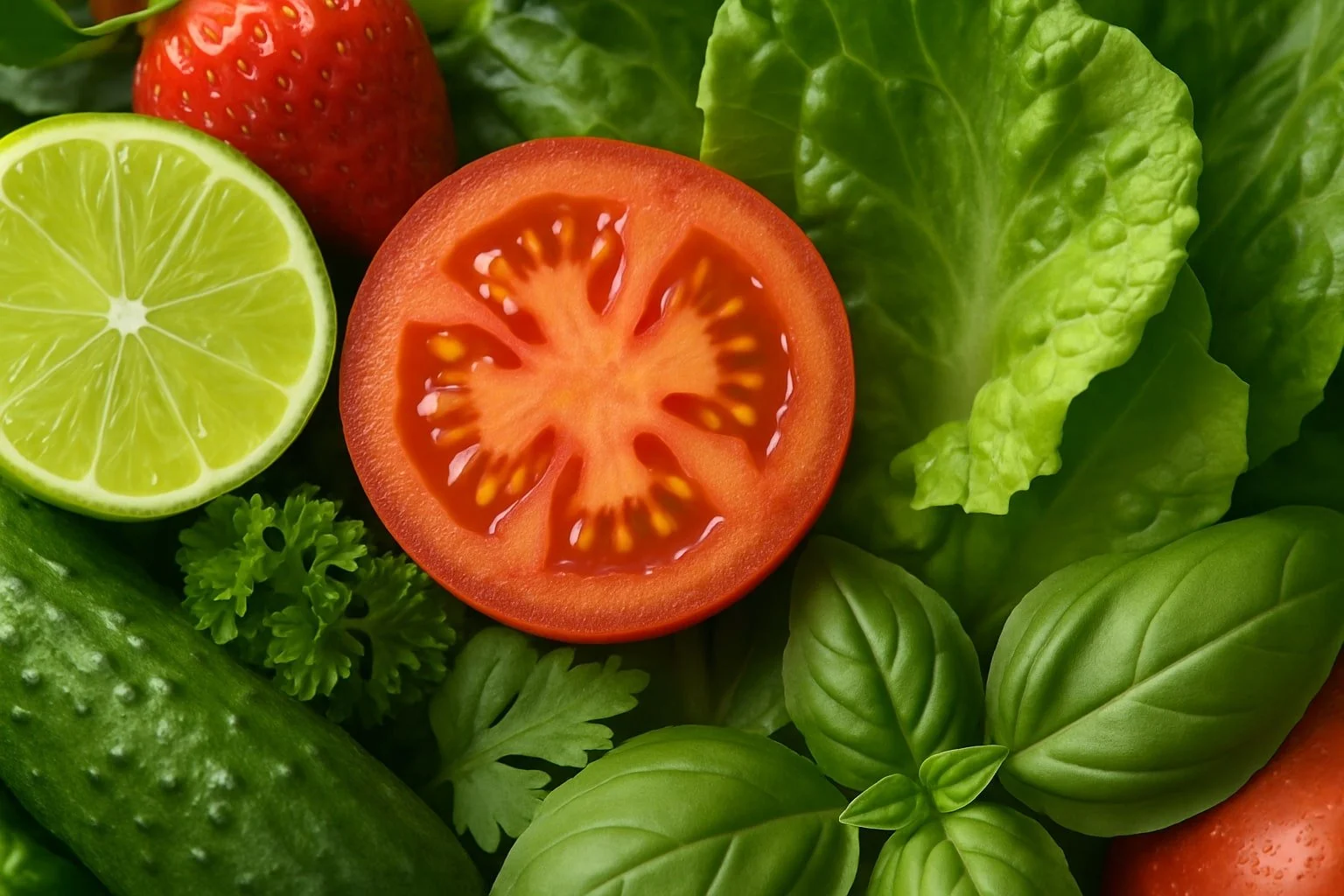
Texture acts as a key indicator of perceived freshness, directly influencing whether people judge food to be crisp, ripe, or stale. When biting into a firm apple or hearing the crunch of a fresh vegetable, the mind interprets these textures as evidence of quality and flavor. This link between texture and freshness shapes food choices and expectations in both everyday meals and special dining experiences.
Researchers have found that people rely heavily on texture to assess the freshness of everything from fruit to baked goods. Smoothness, crispness, and crunchiness can instantly signal a product’s ripeness or shelf-life, while sogginess or mushiness often leads to rejection. The sensory feedback from texture goes beyond simple enjoyment—it's how individuals unconsciously decide if food is worth eating.
Defining Texture and Perceived Freshness
Texture is a fundamental sensory property in food perception, and it significantly affects how consumers judge freshness and overall food quality. Understanding how these elements interact helps producers and researchers create foods that meet expectations for sensory appeal and enjoyment.
Texture as an Essential Component
Texture refers to the physical qualities of food that are detected by touch, mouthfeel, and sometimes hearing. These include attributes such as crispness, hardness, smoothness, chewiness, and graininess.
The sensory experience of texture relies on the interaction between the food’s structural properties and physiological responses, including the movement of teeth, tongue, and saliva. For example, a crisp apple or a crunchy cracker delivers immediate tactile signals that the food is fresh and has been well-preserved.
Texture is often measured by sensory analysis and instrumental tests to ensure consistency and meet consumer expectations. A product’s textural profile can be just as critical as its flavor or aroma in determining its perceived quality.
What Is Perceived Freshness?
Perceived freshness is how consumers interpret the sensory cues of a food product—such as appearance, smell, and texture—to judge its quality and edibility. It is shaped by both direct sensory information and learned associations.
Key signals for freshness include bright color, characteristic aroma, moisture content, and a firm or crisp texture. The absence or decline of these sensory markers often leads to an impression of staleness or spoilage.
Perceived freshness impacts not only the willingness to purchase but also the overall eating experience. It is an essential component of food acceptance and satisfaction.
Relation Between Texture and Food Quality
Texture is closely linked to food quality in both a sensory and functional sense. It provides immediate feedback about a product's condition, such as whether bread is stale or a fruit is overripe.
Consumers often equate certain textures with high quality—bread should be soft and springy, chips should snap audibly, and vegetables should be crisp. Deviations from these expected textures frequently signal reduced freshness or poor storage.
Quality assurance practices in the food industry routinely monitor textural attributes to maintain desirable standards. The interplay between texture and other quality markers, like flavor and aroma, is crucial for accurate food perception and consumer satisfaction.
The Role of Texture in Sensory Experience
Texture plays a direct role in how food is experienced and evaluated. Specific textural properties such as mouthfeel, chewiness, and the physical sensations of crunchy or creamy foods help shape both enjoyment and perceived quality.
Mouthfeel and Physical Sensations
Mouthfeel refers to the range of sensations experienced as food moves around the mouth. These sensations include smoothness, dryness, moisture, viscosity, and astringency. The way food texture interacts with saliva, teeth, and oral surfaces determines how individuals perceive freshness and quality.
A crisp, moist texture often signals freshness, while a dry or soggy sensation may reduce perceived appeal. Physical sensations in the mouth can trigger immediate judgments about a food’s age or storage, making mouthfeel critical in first impressions. Foods like fresh vegetables, which maintain a snap or firmness, are commonly associated with high-quality and recent preparation.
Chewiness and Cohesiveness
Chewiness describes the degree of resistance food gives when bitten and chewed, while cohesiveness measures how well a food holds together during this process. These factors greatly affect the sensory experience, particularly in foods like meats, breads, or candies.
For example, bread that is too chewy may seem stale, while a tender, cohesive piece of cooked meat implies careful cooking and freshness. Cohesive textures help prevent foods from crumbling or falling apart, contributing to satisfaction and ease of eating. When chewiness and cohesiveness are balanced, foods are often considered more enjoyable and of higher quality.
Crunchy, Creamy, and Chewy Textures
Different textures—such as crunchy, creamy, and chewy—deliver unique sensory signals.
Crunchy texture is typically associated with freshly prepared foods like raw apples, toasted nuts, and snack chips. A pronounced crunch can indicate crispness and freshness.
Creamy texture is identified by smoothness and uniformity, often found in dairy products, desserts, or sauces. This texture creates rich physical sensations and signals a well-emulsified or properly blended product.
Chewy texture implies a longer-lasting eating experience, requiring repeat bites and jaw action. Chewy candies, breads, or dried fruits often provide satisfaction through prolonged mouth engagement.
The contrast or combination of these textures in a single dish can enhance sensory complexity and enjoyment. This interplay not only heightens pleasure but also affects perceived quality and freshness.
Flavor, Aroma, and Taste Interactions
Flavor perception depends on a complex mix of taste, smell, and texture. Interactions between these senses—especially involving volatile compounds, olfactory receptors, and the physical structure of food—shape expectations and the experience of freshness.
Taste, Smell, and Aroma in Perceived Freshness
Freshness is recognized not by taste alone, but through a combination of taste, smell, and aroma signals. Taste buds detect basic taste qualities—sweet, salty, bitter, sour, and umami—while smell is processed by olfactory receptors in the nasal cavity.
Aroma compounds often signal freshness. For example, the scent of cut herbs, crisp vegetables, or newly baked bread is strongly associated with fresh food. These aroma signals, in coordination with taste inputs, can enhance or diminish the sense of freshness in the mouth.
Studies show that when taste and aroma cues are combined, the perception of food’s freshness and palatability is often heightened compared to single-sense stimulation. The brain fuses these signals, leading to a stronger recognition of fresh flavor qualities.
Volatile Compounds and Olfactory Receptors
Volatile compounds—small molecules that can easily become airborne—are critical for aroma detection. As foods are chewed or broken apart, these volatiles are released and travel to olfactory receptors at the top of the nasal cavity.
Different foods emit unique profiles of volatile compounds. Citrus fruits, for example, release a burst of specific terpenes recognized immediately as “fresh” by olfactory receptors.
The interaction between these compounds and the receptor sites helps the brain interpret specific aromas that signal freshness or staleness. In some cases, a single volatile compound can markedly shift the perceived flavor profile toward a fresher or more appealing note.
Influence of Texture on Flavour Release
Texture plays an important role in the timing and amount of flavor and aroma released during chewing. Softer or more porous textures often allow for quicker liberation of volatile compounds, intensifying aroma and flavor sensations early in eating.
Crunchy, crisp, and juicy textures are often linked with increased freshness because they release flavor components rapidly. In contrast, dense or dry textures may slow down this release, leading to a muted or delayed flavor and aroma perception.
Recent findings show that perceived freshness can be affected by both the physical properties of a food and the way these properties influence the release of tastants and aromas. Consumers typically rate foods with immediate, intense flavour release and lively textures as fresher.
Food Product Quality and Consumer Perception
The perception of food quality is shaped by sensory cues such as appearance and texture, along with psychological and cultural factors. Each of these elements contributes to how individuals assess freshness and develop preferences for certain food products.
Appearance and Food Preferences
Visual appearance plays a crucial role in shaping initial food preferences. Bright, vibrant colors, uniform shape, and visible moisture often signal freshness and high quality. For example, consumers commonly associate crisp, unblemished lettuce or glossy fruit skins with freshness.
Defects, discoloration, or signs of wilting can immediately reduce perceived quality, even before tasting. In many cases, appearance acts as a gatekeeper—foods failing to meet visual expectations may be rejected outright. This highlights the strong connection between what consumers see and their willingness to try or purchase a food product.
Packaging also influences perception. Transparent packaging or clear windows allow consumers to visually assess the texture and appearance of the contents, reinforcing trust and affecting emotional responses. Studies indicate that shoppers use appearance-based cues more than ingredient lists when making quick decisions.
Psychological Association with Freshness
Texture is closely linked to psychological associations with freshness. A crisp apple or crunchy vegetable generates positive emotional responses and confirms the expectation of freshness formed by appearance. Softness, sogginess, or lack of resilience can trigger negative impressions, suggesting staleness or spoilage.
Consumers often make rapid evaluations based on tactile input. The feel of firmness in a bread crust or the snap of a carrot builds trust that the product is fresh. This interplay between tactile and visual sensations creates a feedback loop, where texture either confirms or undermines the impression given by appearance.
Personal preferences, previous experiences, and trust in brands all contribute. Some individuals may view softer textures as acceptable if associated with ripeness or specific preparation methods, while others equate any loss of texture with declining quality.
Individual and Cultural Differences
Individual and cultural preferences play a significant role in food perception and acceptance. Within some cultures, certain textures (e.g., chewy or fibrous foods) are highly valued and seen as indicators of authenticity and freshness. In other contexts, those same textures may be perceived as unpleasant.
Personal history influences perception of food quality. For instance, if someone grew up eating soft fruits, they may associate softness with better flavor or ripeness, rather than spoilage.
Table: Examples of Texture Preferences by Region
Region Preferred Texture Association with Freshness East Asia Crisp, crunchy Indicates recently harvested Southern Europe Juicy, tender Suggests peak ripeness North America Firm, snappy Perceived as fresh and unspoiled
Food manufacturers must consider these variations when designing products, as a one-size-fits-all approach can lead to missed expectations and reduced consumer satisfaction.
Textural Properties Influencing Freshness
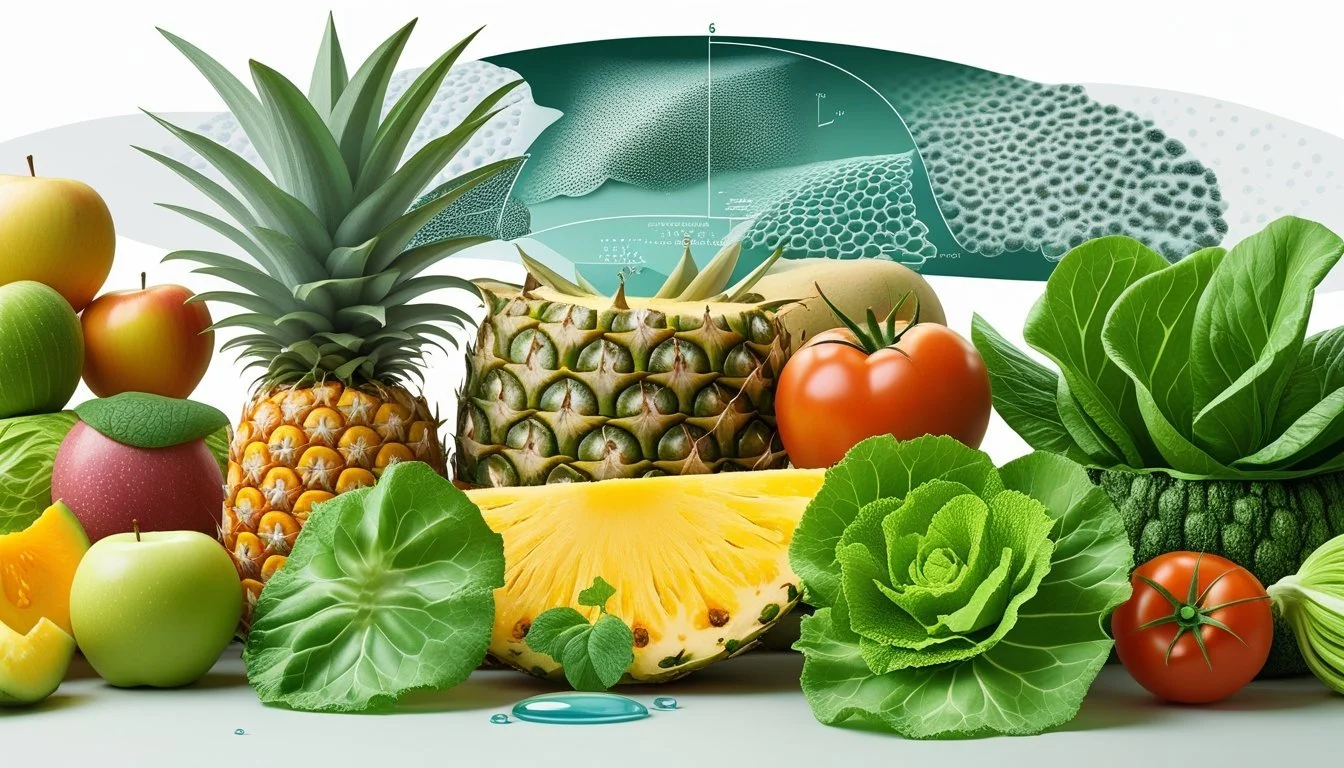
Texture plays a significant role in how consumers judge freshness. Certain structural and mechanical attributes directly shape the sensory experience and acceptance of food.
Hardness, Elasticity, and Stickiness
Hardness measures the force needed to bite or compress a product. In fruits and vegetables, increased hardness often signals recent harvest and proper storage, while softness suggests spoilage or over-ripeness.
Elasticity describes how well a food item returns to its original shape after being deformed. For bread and cheeses, higher elasticity is linked to premium freshness. Loss of elasticity can make products seem stale or aged.
Stickiness affects perceived freshness, especially in confections and baked goods. Foods with lower stickiness are typically considered fresher, as excess stickiness might indicate moisture migration, microbial activity, or sugar breakdown.
Property Fresh Example Non-fresh Example Hardness Crisp apple Mealy apple Elasticity Springy mozzarella Rubbery mozzarella Stickiness Dry biscuit Moist, sticky biscuit
Crispy and Crunchy Textures
Crispy and crunchy textures are key freshness indicators for many favorites, such as chips, crackers, and fresh vegetables. The distinction is subtle: crispy foods break easily with a sharp sound, while crunchy ones require more pressure, producing a coarser noise.
Consumers often use these textures to decide how “fresh” a product is without seeing or smelling it. Loss of crispiness and crunchiness, such as limp lettuce or soggy crackers, is closely associated with staleness and product age.
To preserve these qualities, food manufacturers control factors like packaging and moisture exposure. Sensory panels evaluating freshness frequently cite crisp or crunchy attributes as central to positive judgments.
Role of Water Content
Water content profoundly impacts texture and perceived freshness across many foods. High water content contributes to juiciness and firmness in fruits, vegetables, and meats, signaling recent harvest, ripeness, or proper processing.
Loss or gain of water alters texture noticeably. For example, slight dehydration leads to limp celery or shriveled grapes, while excess moisture in baked goods can cause sogginess and rapid staling.
Producers often monitor water activity to maintain texture and shelf life. Balancing water content is essential for retaining the firmness, bite, and juiciness that communicate product freshness to consumers.
Measuring and Analyzing Texture
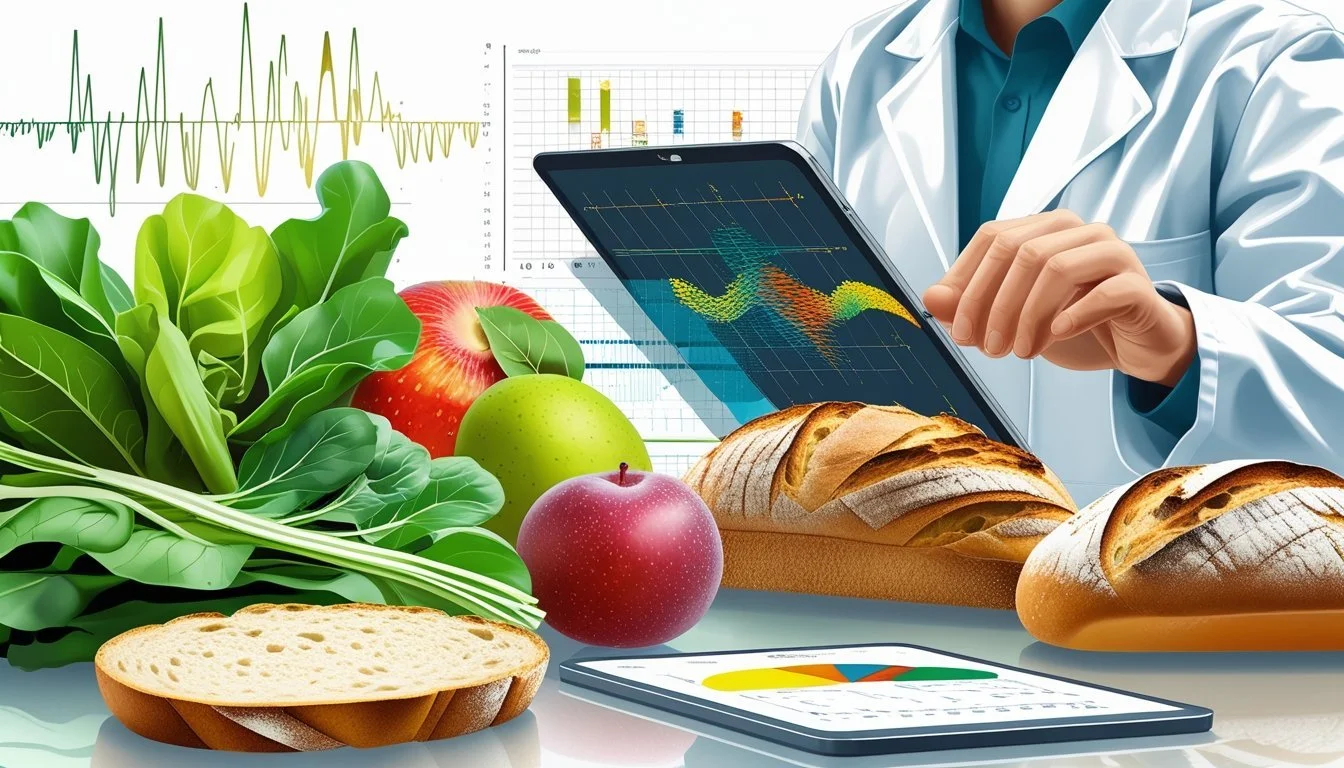
Accurate texture analysis is central to understanding food quality and how consumers perceive freshness. Reliable measurement combines both instrumental techniques and evaluations of sensory response.
Texture Analysis Techniques
Texture in food is assessed through both sensory evaluation and instrumental methods. Sensory evaluation uses panelists who rate attributes like hardness, crispness, and juiciness by tasting, touching, or chewing. This approach gives insight into how people actually experience texture.
Instrumental analysis relies on devices such as texture analyzers, penetrometers, or viscometers. These tools measure properties like force, deformation, and viscosity under controlled conditions. Results from these methods—such as shear force or apparent viscosity—are often used to predict sensory perceptions, ensuring consistency in food quality.
A combination of both methods is commonly used in research and industry. By comparing instrumental data with human sensory panel results, manufacturers can refine their products to match consumer preferences. This also allows for standardization and quality control in food production.
Quantifying Freshness in Food
Freshness is frequently linked to specific textural attributes. For example, a crisp apple or a tender piece of fish signals freshness, while impressions of staleness often arise from increased toughness, sogginess, or loss of bite. Sensory panels often evaluate freshness by scoring textural qualities such as springiness, brittleness, and cohesiveness.
Instrumental tests provide objective quantification. Measured changes in parameters like firmness, elasticity, or moisture content can signal freshness loss. For instance, a reduction in bread firmness or a drop in fruit juiciness are indicators of staling or deterioration.
Key textural parameters and their link to freshness can be summarized:
Attribute Indicates Freshness Instrumental Example Firmness High Compression force Crispness High Acoustic-crispness test Springiness High Rebound measurement Juiciness High Moisture analysis
Monitoring these metrics helps maintain food quality and meet consumer expectations.
Impacts of Food Processing and Innovation
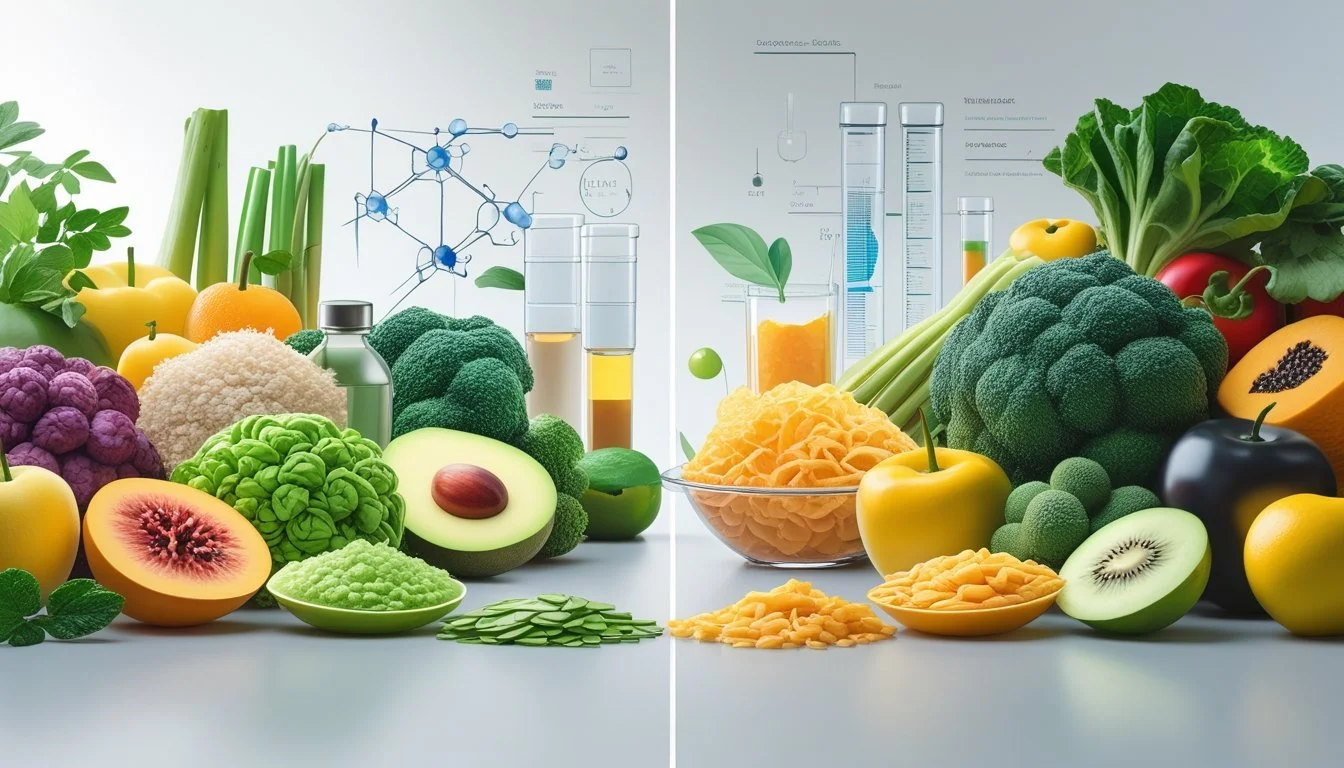
Food texture is altered by production methods, directly impacting how freshness is perceived. Modern innovations provide ways for food developers to fine-tune texture and enhance the eating experience.
Effects of Food Processing on Texture
Food processing alters moisture, structure, and surface qualities, noticeably changing texture. Techniques such as pasteurization, freezing, and drying can make foods softer or firmer, and affect crumbliness or smoothness.
Heat treatments like blanching or sterilization often soften vegetables, affecting crispness and perceived freshness. Freezing can cause ice crystal formation, leading to cell rupture and a mushier texture when thawed, which may feel less fresh to consumers.
Emulsification and extrusion are used to achieve particular mouthfeels and maintain uniformity. However, over-processing may create textures perceived as artificial or unappealing, leading to negative judgments about freshness.
Innovative Approaches in Food Development
Food innovation focuses on balancing processing needs and preservation of desirable texture. Developers increasingly use advanced hydrocolloids, enzymes, and high-pressure processing to retain natural structure and bite.
High-pressure processing (HPP) can inactivate microbes while maintaining firm, crisp textures in fruits and vegetables. Encapsulation and microstructural engineering help create layers or controlled release, enhancing perceived juiciness or crunch.
Plant-based products are engineered to replicate the fibrous, juicy characteristics of fresh meat. Use of 3D printing in food development enables precise control over texture and mouthfeel, accommodating a broad range of consumer preferences for freshness.
Nutritional Perspectives on Texture and Freshness
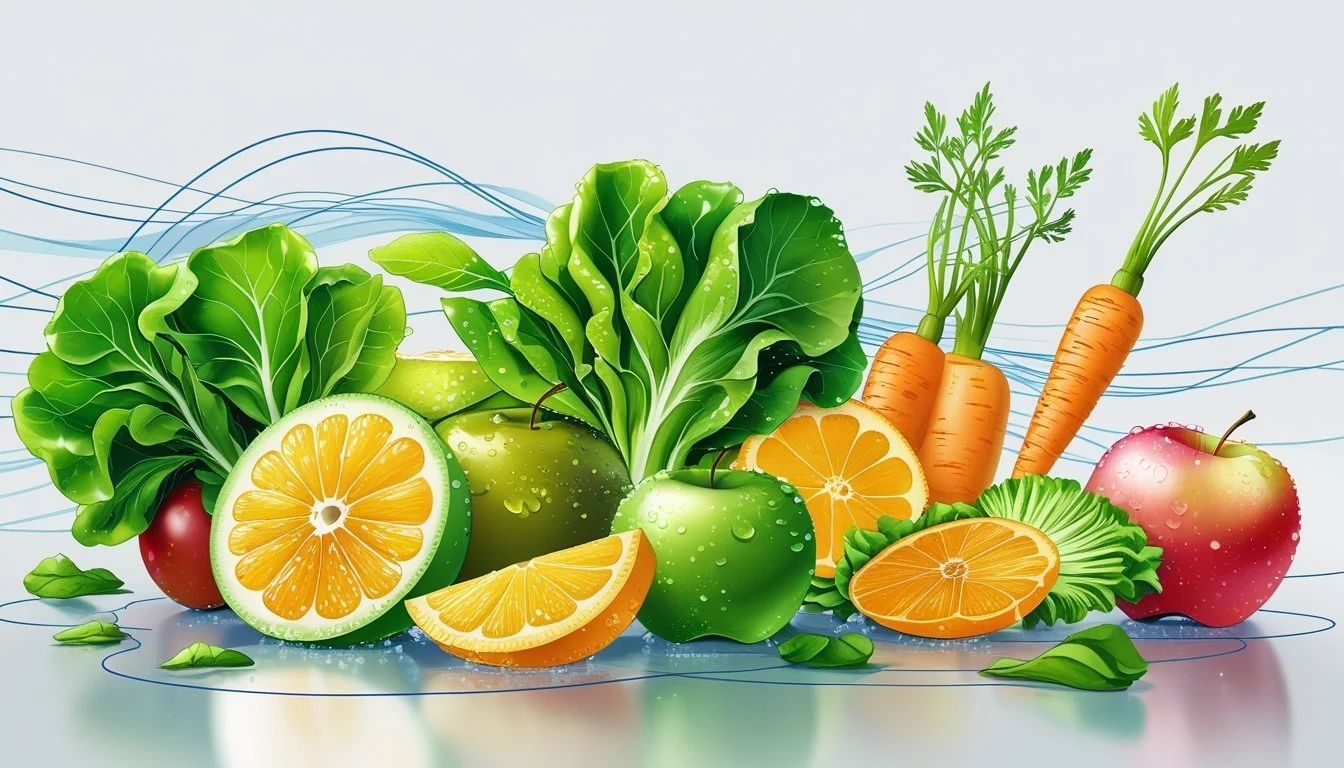
Texture and freshness are often associated with nutritional quality and healthiness. Their relationship affects consumer expectations and actual dietary choices, making them important factors in understanding food intake.
Nutritional Value and Healthfulness
Consumers often associate certain textures with higher nutritional quality. For example, crispness in vegetables and fruits is frequently considered a reliable sign of freshness and, by extension, optimal levels of vitamins, minerals, and antioxidants.
Research indicates that foods with firm or crunchy textures—such as raw produce—are often judged as more "natural" or "wholesome." In contrast, sogginess or mushiness in similar foods tends to signal loss of nutrients to many people. This perception may influence preference even before considering the actual nutritional profile.
Many health guidelines promote consuming foods in their less-processed forms, which usually retain firmer textures. The table below highlights texture-related cues and possible health associations:
Texture Attribute Common Health Perception Crispy/Firm Fresh, nutrient-rich Soggy/Soft Older, nutrient loss Smooth/Pureed Easier digestion, possibly processed
Influence of Nutritional Content
Nutritional content can directly impact both texture and the perception of freshness. For instance, high water content in produce not only contributes to juiciness and crunch but also signals the presence of essential micronutrients. Loss of water, often due to degradation, directly reduces both perceived freshness and nutritional value.
Fat and protein composition also play a role. For example, whole dairy products have a creamier texture than their lower-fat counterparts. This affects expectations of satiation and richness, which some consumers may equate with higher or lower healthfulness depending on their dietary priorities.
Enzymatic and oxidative changes, frequently associated with nutrient breakdown, often lead to texture deterioration. As a result, visible textural changes serve as practical indicators of diminishing nutritional quality to most consumers.
Cultural and Product-Specific Examples

Texture plays a decisive role in the way people assess freshness and quality across global food products. Cultural norms and product expectations influence how consumers react to qualities like crunchiness, firmness, and texture variation.
Crunchy Snacks and Potato Chips
Crunchy snacks such as potato chips are popular worldwide, but the sensation of crunch is closely linked to perceptions of freshness in Western markets. Consumers often equate a loud, distinct crunch with a recently-made or unspoiled product.
Manufacturers carry out regular quality checks to verify that chips retain their crispness from production to consumption. Tools like texture analyzers are used to measure break force and maintain a consistent mouthfeel.
A lack of crunch—such as when chips become stale—often leads to immediate rejection. Packaging innovations like nitrogen flushing help preserve crunch, making freshness directly observable and measurable for consumers.
Texture Preferences in Asian Cuisine
Asian cuisine presents a range of texture preferences that can differ notably from Western standards. Foods such as tempura, fried wontons, and panko-breaded items showcase a deliberate focus on crisp and light textures.
In Japanese and Korean cooking, ingredients are selected and methods applied to achieve textural balance—such as pairing crisp pickles with soft rice. Chinese hot pot includes items that become pleasantly chewy or maintain a satisfying crunch even after brief cooking.
These culinary traditions show the importance of texture contrasts in signifying freshness and maintaining sensory interest throughout a meal.
Role of Crunchy Foods in Eating Experience
Crunchy foods contribute to an engaging eating experience by stimulating multiple senses. The audible crunch provides important cues about both texture and perceived quality, signaling to consumers that the food is fresh.
List of sensory cues linked to crunchiness:
Sound: A sharp crack or snap
Mouthfeel: Firm resistance followed by fragmentation
Visual cues: Intact, smooth surfaces without visible sogginess
Chefs and food producers often introduce crispy garnishes or toppings to elevate a dish and reinforce the sensation of freshness. This helps keep diners engaged, as texture variation can renew interest and boost overall satisfaction with the eating experience.

