
Understanding Shelf Life Drift in Warehouse Storage
Key Factors and Management Strategies
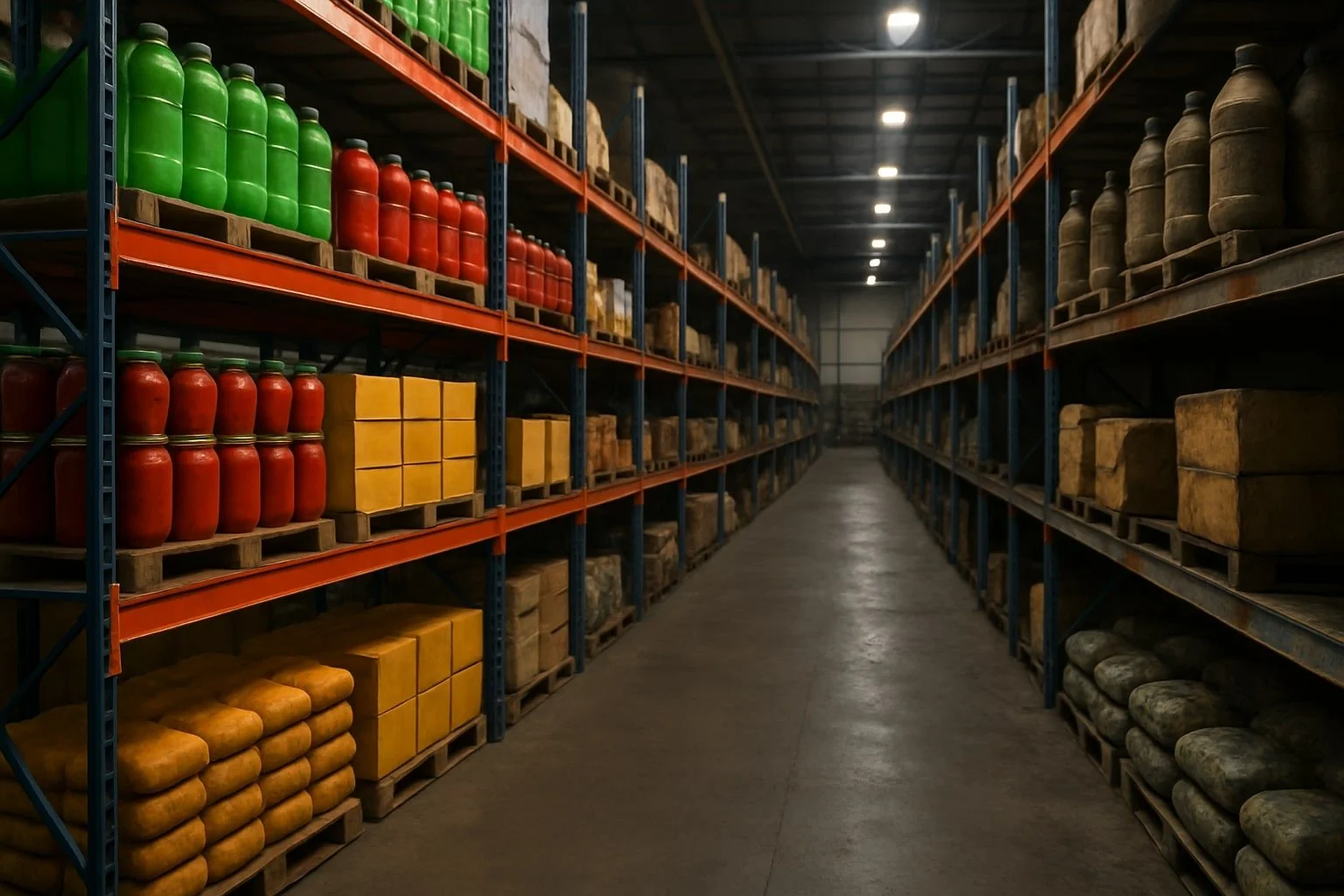
Shelf life drift refers to the gradual change—typically a reduction—in the expected shelf life of products stored in warehouses. This phenomenon can occur due to a combination of factors such as fluctuating storage conditions, inconsistent inventory practices, or errors in stock rotation.
Understanding shelf life drift is crucial for warehouse managers who need to maintain product quality and safety. Even small deviations in temperature, humidity, or handling procedures can accelerate the rate at which products lose their freshness and usability.
By learning how shelf life drift affects inventory, businesses can take proactive steps to minimize losses and ensure products remain within their optimal usage period. This insight not only protects profitability but also helps maintain compliance with industry regulations.
Defining Shelf Life Drift

Shelf life drift refers to gradual changes in a product’s effective expiration or usability date while in storage. This concept is distinct from the initially assigned shelf life and plays a key role in inventory management and quality assurance.
Core Concepts and Terminology
Shelf life drift is the phenomenon where storage conditions, handling, or environmental factors affect a product’s shelf life after it has entered the warehouse. Unlike static shelf life, drift captures the variability introduced by real-life warehousing scenarios.
Key factors influencing drift include:
Temperature fluctuations
Humidity variation
Light exposure
Product rotation practices
Drift may be documented using data logs or by monitoring batches for changes in quality indicators. Tracking shelf life drift helps prevent stock losses, supports compliance, and enhances the reliability of expiration data.
Common terms associated with shelf life drift:
Term Meaning Nominal Shelf Life The shelf life determined at manufacturing Actual Shelf Life The shelf life as observed during storage Drift Margin The difference between nominal and actual shelf life
Shelf Life Drift Versus Shelf Life
Shelf life is the period a product is expected to remain usable under specified conditions, set by manufacturers through controlled tests. It assumes optimal and consistent storage.
Shelf life drift, by contrast, acknowledges that real warehouse conditions often deviate from those assumptions. When temperature or humidity varies, products may become unusable sooner—or sometimes retain quality longer—than their nominal shelf life suggests.
Understanding this difference is crucial for inventory planning and loss prevention. Businesses may adjust their practices by implementing real-time monitoring or adaptive rotation to account for shelf life drift, reducing the risk of both spoilage and unnecessary disposal.
Primary Causes of Shelf Life Drift

Shelf life drift in warehouse storage results mainly from variations in storage conditions, handling practices, and the physical state of packaging materials. Each factor can cause products to expire sooner or later than originally intended, creating both operational and financial challenges.
Environmental Factors in Warehousing
Temperature, humidity, and light exposure are primary environmental influences that directly impact product shelf life. For example, storage areas that do not maintain consistent temperatures may cause products such as food, pharmaceuticals, or chemicals to degrade faster.
Excess humidity can lead to mold growth or rust, while very dry conditions may cause brittleness in packaging or in certain goods. Fluctuating conditions can increase the rate of quality loss, resulting in unpredictable shelf life drift.
Facilities that use well-calibrated climate control systems tend to minimize these issues. However, inadequate monitoring or poor ventilation layouts can make even controlled environments susceptible to localized temperature or humidity variations.
Inventory Handling and Rotation Practices
Improper stock rotation is a crucial driver of shelf life drift. If older inventory is not moved forward or used first, newer products may be distributed or consumed before those closer to their expiration date.
Manual errors, like mislabeling or neglecting to scan items correctly into inventory systems, can disrupt the accuracy of shelf life tracking. Automated systems help reduce these issues but are dependent on consistent protocol adherence by staff.
Infrequent or unscheduled stock audits further contribute to drift. Discrepancies can occur if products are relocated within the warehouse without appropriate updates to inventory records, making tracking actual shelf life difficult.
Packaging and Material Integrity
Shelf life is compromised when packaging loses its barrier properties. Physical damage—such as punctures, tears, or crushed boxes—allows moisture, contaminants, or oxygen to enter.
Material choice matters as well. For example, thin plastics may be less resistant to humidity or UV light than multilayer or opaque packaging. This can cause products inside to degrade more quickly or become contaminated.
Poor sealing, faulty closures, or substandard adhesives may go unnoticed until after products are stored. Regular inspection protocols and quality checks can detect weaknesses in packaging before large quantities of goods are affected. Trained staff and automated monitoring can further limit risks related to packaging failures.
Detection and Measurement Techniques

Accurate detection and measurement of shelf life drift require both technology and hands-on evaluation. Fast, reliable systems help organizations minimize losses and respond to quality issues quickly.
Tracking Systems and Data Analytics
Modern warehouses depend heavily on inventory tracking systems such as barcode scanners, RFID tags, and warehouse management software (WMS). These tools continuously record product location, manufacturing dates, batch numbers, and expiration dates.
Data analytics platforms process this information, identifying patterns that may indicate shelf life drift, such as products exceeding intended storage times. Automated alerts can notify staff of goods approaching expiration or those that have not moved as expected.
A sample data report may include:
Product ID Received Date Expiry Date Days in Storage Status 100234 2025-03-20 2026-03-19 91 Approaching Expiry 100567 2025-05-10 2026-05-09 40 Within Safe Limits
This approach reduces manual tracking errors and provides a foundation for proactive stock rotation.
Inspections and Quality Control
Physical inspections remain a critical component of detection. Trained personnel check products for signs of deterioration, labeling errors, or temperature abuse that automated systems may miss.
Standard inspection protocols often use checklists tailored for each product type. Quality control staff may test samples for compliance with established shelf life standards, especially for perishables, pharmaceuticals, or volatile chemicals.
Frequent inspection intervals can catch anomalies before they escalate. Immediate action—such as quarantining questionable stock or documenting incidents—helps maintain accurate records and ensure product integrity.
Key Performance Indicators for Monitoring
Warehouses rely on key performance indicators (KPIs) to monitor shelf life management. Common KPIs include average days in inventory, percentage of expired products, and time-to-move for slow stock.
Sample KPI table:
Indicator Target Current Value Average Days Stored < 90 days 85 days Expired Stock Rate < 1% 0.8% Slow-Moving Items < 5% 4.5%
Consistent monitoring of these indicators helps management adjust storage practices, optimize rotation, and quickly address shelf life drift when it is detected. Integrating KPIs with dashboard tools provides ongoing visibility and drives decision-making at all operational levels.
Impacts on Inventory Management

Shelf life drift affects operational costs and inventory control by altering product freshness and distribution patterns. It also challenges warehouse teams in keeping stock available and meeting order fulfillment targets.
Cost Implications
Shelf life drift leads to increased inventory holding costs as older products may remain longer in storage. This often results in higher rates of write-offs due to expired or unsellable goods. Companies may also face greater inspection and quality control expenses to monitor shifting expiration dates.
Short shelf lives increase the likelihood of unsellable or returned stock, requiring additional processing and disposal costs. Procurement schedules may need to be adjusted to minimize obsolete inventory. Below is a sample of typical cost impacts:
Impact Type Description Stock Write-offs Losses from expired goods Additional Labor Extra checks and sorting Disposal/Processing Fees Costs to remove spoiled inventory
Accurate tracking systems and dynamic stock rotation are necessary to reduce these inflated costs and manage risk.
Product Availability and Fulfillment
Shelf life drift can shorten the window for distributing goods, which can lead to inconsistent product availability. Fast-moving items may suddenly become hard to locate if older batches take precedence, disrupting order picking workflow.
Warehouses may need to update first-expired, first-out (FEFO) picking practices to keep up with changing expiration dates. This can slow down fulfillment rates if systems are not responsive.
Customers could receive products with shorter remaining shelf life, reducing satisfaction and increasing returns. Maintaining visibility into product aging and automating allocation helps ensure timely, reliable shipments.
Strategies for Reducing Shelf Life Drift

Minimizing shelf life drift is essential to reduce product waste and maximize profitability. Effective strategies include maintaining optimal storage conditions and implementing robust inventory management practices.
Optimizing Storage Conditions
Proper temperature and humidity control in the warehouse preserves product integrity. Using automated monitoring systems such as data loggers and alarms ensures immediate detection and correction of environmental deviations.
It's important to segregate sensitive items and store them according to their specific requirements. For example, perishable goods should be kept at recommended temperatures at all times to prevent accelerated spoilage.
Establishing clear storage procedures helps staff maintain consistent conditions. Regular calibration and maintenance of refrigeration or climate control systems further reduce risks related to environmental fluctuations.
Enhanced Inventory Turnover Policies
Utilizing the First-Expired, First-Out (FEFO) method ensures products with the shortest remaining shelf life are distributed first. This policy directly addresses shelf life drift by preventing older stock from lingering in storage.
Barcode scanning and warehouse management software streamline tracking of expiry dates and product locations. Regular cycle counts and audits help identify discrepancies and expired inventory before it affects operations.
Staff training in inventory handling and rotation processes supports the consistent application of turnover rules, reducing human error and product losses. Accurate record-keeping supports ongoing analysis and improvement of inventory strategies.
Technological Solutions in Modern Warehousing

Modern warehousing uses advanced technologies to improve efficiency and minimize errors in shelf life management. Automated systems and sensor networks enable real-time control and precise tracking of inventory conditions.
Implementation of Automated Tracking
Automated tracking systems, such as barcode and RFID scanners, have largely replaced manual inventory methods. These systems update inventory records instantly, minimizing human error and improving accuracy in stock rotation.
Key features of automated tracking:
Real-time inventory updates
Immediate alerts when shelf life limits are near
Integration with warehouse management software
Barcodes and RFID tags are attached to pallets or individual items. When products move in or out, scanning devices send data directly to centralized databases. This reduces labor costs and ensures that outdated products are identified and removed promptly, supporting compliance with food and pharmaceutical standards.
Integration of IoT and Sensor Networks
IoT devices and sensor networks monitor environmental factors like temperature, humidity, and light exposure. These systems are especially useful for goods sensitive to storage conditions, such as perishables and chemicals.
Examples of IoT sensor applications:
Sensor Type Function Typical Use Temperature Detects real-time fluctuations Cold storage rooms Humidity Monitors moisture levels Pharmaceutical storage Light Senses exposure durations Light-sensitive products
Automated alerts can be configured if conditions fall outside safe ranges, allowing for rapid adjustments. Data from these systems creates a detailed log, assisting compliance audits and optimizing shelf life management by reducing risk of spoilage or loss.
Industry-Specific Considerations

Shelf life drift creates distinct risks and operational challenges depending on the product category, especially in sectors with regulated expiration periods. Different industries must tailor their storage strategies and monitoring methods to ensure safety, compliance, and product quality.
Food and Beverage Storage Challenges
Food and beverage warehouses face strict regulations on temperature, humidity, and traceability. Shelf life drift can occur when pallets are moved, rearranged, or exposed to fluctuating environmental conditions, causing deviations from labeled expiration dates. Perishable items, such as dairy, meat, and fresh produce, are particularly sensitive.
Common issues include improper stock rotation and inconsistent environmental control, which can accelerate spoilage. To minimize drift:
Use FIFO (First In, First Out) systems.
Implement automated tracking systems for pallets and lots.
Monitor storage conditions regularly with sensors.
Conduct routine audits to verify date accuracy.
Table: Common Food Storage Risks
Risk Example Products Control Methods Temperature drift Frozen vegetables Temperature logging, real-time alerts Humidity fluctuations Dried goods Dehumidifiers, sealed packaging Poor stock rotation Packaged foods Barcode scanning, lot tracking
Pharmaceuticals and Healthcare Products
Pharmaceuticals have non-negotiable shelf life requirements due to patient safety and regulatory compliance. Shelf life drift in this sector can result from:
Incomplete or inaccurate electronic records.
Misplaced inventory during stock adjustments or transfers.
Variations in storage temperature or lighting.
Key practices to prevent shelf life drift:
Deploy validated environmental monitoring systems with alerts for policy deviations.
Train staff on Good Distribution Practice (GDP) to maintain product integrity.
Use serialization and lot-level traceability for full inventory visibility.
Strict documentation and audits ensure that expired or compromised medicines are not distributed. Deviation from these controls can lead to regulatory violations and product recalls, underscoring the critical importance of minimizing shelf life drift in pharmaceutical environments.
Regulatory and Compliance Factors

Warehouse operations are subject to clear rules regarding the management of shelf life. Several compliance obligations tie directly to how items are labelled, tracked, and managed under law.
Labelling and Traceability Requirements
Products with a defined shelf life must display accurate expiry dates and batch numbers on packaging. Labels must be readable and placed consistently, following both national and regional regulations.
Government guidelines, such as those from the FDA (Food and Drug Administration) or EU regulation (EC) No 1169/2011, specify what details must be present. These include:
Expiry or "use by" date
Production or batch code
Storage conditions (when relevant)
Modern warehouse systems use barcodes and RFID tags to support traceability. These technologies track movement and shelf life changes, helping to prevent expired goods from reaching consumers.
Inaccurate labelling or missing information can result in recalls, fines, or product holds. Regular checks and staff training are essential to maintain compliance and data accuracy.
Legal Responsibilities for Shelf Life Management
Warehouses and distributors are legally responsible for ensuring products remain within their shelf life until sold or shipped. If a product is distributed past its expiry date, it may expose the operator to penalties, contractual disputes, or claims of negligence.
Laws often require routine stock rotation practices, such as FIFO (First In, First Out), to prevent older inventory from remaining overlooked. Documentation should record when products arrive, ship, and expire.
If shelf life drift is detected, corrective actions—such as quarantining or removing affected stock—must be documented and reported in accordance with regulatory procedures.
Non-compliance can lead to enforcement actions, civil liabilities, or loss of trading licenses. Legal obligations also extend to maintaining accessible records, sometimes for years after a product’s distribution.
Future Trends in Shelf Life Drift Mitigation

Efforts to reduce shelf life drift are likely to expand with the adoption of advanced sensor technology. Modern sensors can monitor temperature, humidity, and volatile compounds in real-time, providing early warnings about changing storage conditions.
Data analytics and artificial intelligence play a growing role. Machine learning models can predict shelf life drift based on historical data and environmental trends, helping facilities adjust practices before problems arise.
Smart packaging systems are becoming more common. These can include embedded indicators or RFID tags that track product age and storage history automatically.
Key trends include:
Adoption of continuous monitoring tools
Integration of predictive analytics
Use of automated alert systems for deviations
Incorporation of non-invasive testing for product integrity
A comparison of traditional and emerging methods:
Approach Traditional Emerging Monitoring Manual inspections Automated sensor-based systems Data analysis Visual records, spreadsheets AI-driven predictive analytics Inventory control FIFO/LIFO rotation Smart packaging & RFID tracking
New chemical and material advances may also reduce shelf life drift, such as improved packaging barriers and formulations less susceptible to environmental effects.
As storage facilities adopt these methods, they will be able to respond faster and more precisely to potential shelf life issues. This can limit waste and increase inventory reliability.

