
Industrial Food Shelf Life vs Home-Prepared Foods
Key Factors and Differences
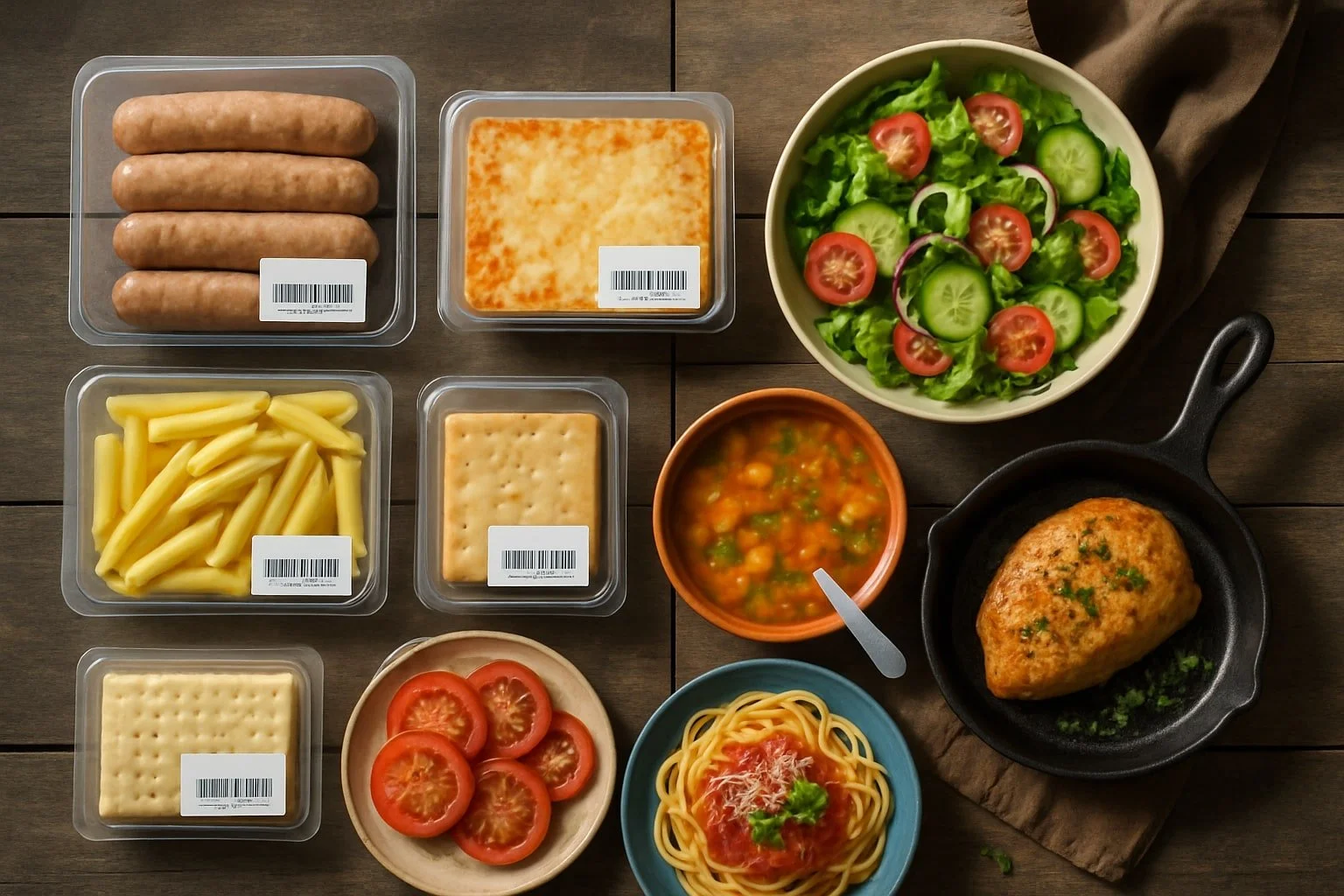
When choosing between industrially processed foods and home-prepared meals, shelf life becomes a practical concern in every kitchen. Industrially processed foods typically last much longer than home-prepared dishes, due to the use of preservatives, specialized packaging, and controlled production environments. In contrast, home-cooked foods generally need to be eaten within a few days even when refrigerated, and often cannot be safely stored at room temperature for very long.
This difference means that processed foods are often favored for convenience and longer storage, while freshly made meals offer control over ingredients and taste but require more frequent preparation. Understanding these shelf life distinctions can help consumers make informed choices about meal planning, food safety, and minimizing waste.
Defining Shelf Life: Industrial vs Home-Prepared Foods
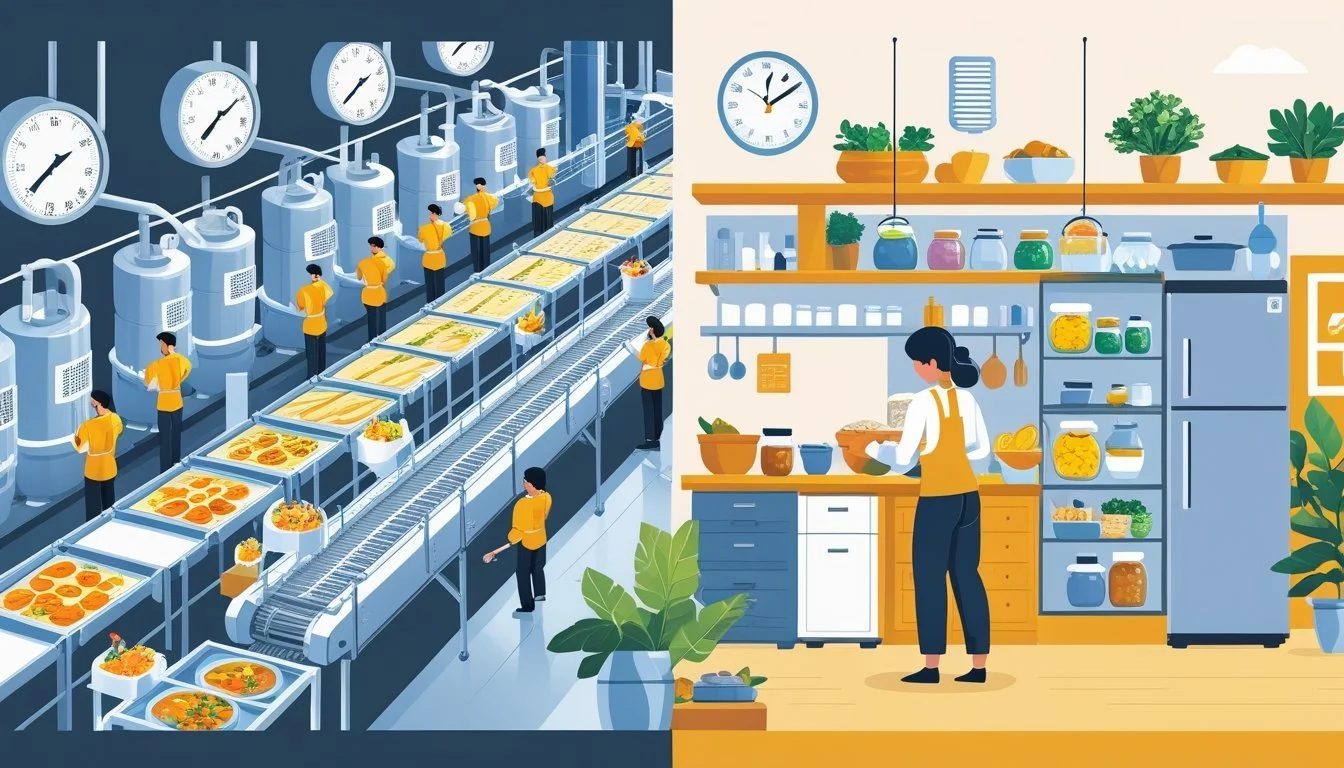
Shelf life is a critical aspect of both industrial and home-prepared foods. Understanding what shelf life means, the factors that shape it, and why there is a difference between commercial and homemade dishes helps consumers make safer, informed choices about food consumption.
What Is Shelf Life?
Shelf life refers to how long a food product retains its safety, quality, and palatability under specified storage conditions. For industrial foods, shelf life is often determined through standardized testing that measures microbial growth, chemical changes, and texture or flavor degradation.
Homemade dishes usually lack formal shelf life testing. Instead, their longevity is estimated using guidelines or experience, considering visible spoilage or changes in taste, smell, and appearance.
The definition of shelf life extends beyond spoilage; a product may remain safe to eat but lose its intended sensory qualities before contamination becomes noticeable.
Factors Influencing Shelf Life
Several variables affect the shelf life of both industrial and home-prepared foods. Key factors include temperature, moisture content, packaging, and the use of preservatives or additives.
Industrial food processing uses methods like pasteurization, canning, or dehydration, which extend shelf life by controlling microbial growth and enzyme activity. Protective packaging such as vacuum sealing or modified atmosphere also reduces exposure to air and contaminants.
At home, foods are usually prepared with fewer preservatives and less sophisticated packaging. Temperature control may not be as precise, and cross-contamination risks can be higher. These differences quickly impact the shelf stability of home-prepared dishes.
Differences in Shelf Stability
Industrial foods are designed for long shelf life. Many pantry staples, such as canned goods and packaged snacks, are shelf-stable and remain safe at room temperature for months or years.
A table highlighting differences:
Industrial Foods Home-Prepared Foods Preservation Advanced (pasteurization, canning) Basic (refrigeration, freezing) Packaging Airtight, specialized Simple, often not airtight Additives Common, for safety & quality Rare or absent Shelf Life Weeks to years Hours to days
Prepared dishes made at home, by contrast, typically last only a few days in the refrigerator and require immediate consumption or freezing for longer storage. The absence of commercial preservation and packaging technologies leads to a much shorter shelf life than for most industrial foods.
Food Preservation Methods in Industrial Production
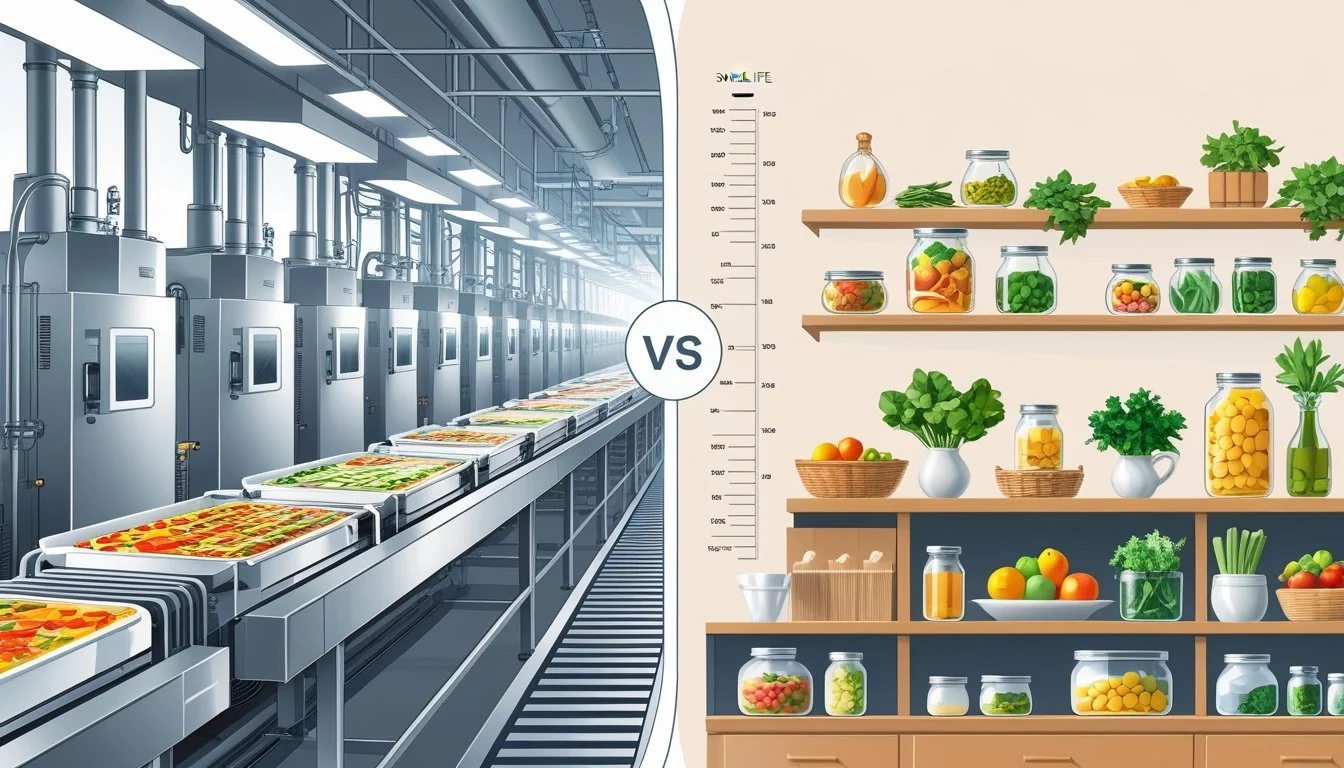
Industrial foods rely on several methods to increase shelf life and maintain food safety. Approaches such as chemical preservatives, advanced packaging, and thermal or cold treatments are chosen to prevent spoilage, destroy pathogens, and slow degradation.
Chemical Preservatives in Packaged Foods
Chemical preservatives are widely used in industrial food processing to extend shelf life and minimize spoilage. Common examples include sodium benzoate, potassium sorbate, and calcium propionate. These substances inhibit the growth of bacteria, yeast, and molds, supporting product safety during storage and distribution.
Ready-to-eat food products, such as baked goods, soft drinks, and sauces, often contain these chemical agents. Each preservative is selected based on the specific microorganisms most likely to threaten the product. For example, sodium nitrite is added to cured meats to prevent the growth of Clostridium botulinum.
Regulatory agencies set maximum allowable limits to ensure consumer safety. Ingredient lists on food packaging must disclose these additives.
Table: Common Chemical Preservatives and Uses
Preservative Typical Use Sodium benzoate Beverages, condiments Potassium sorbate Dairy, baked goods Calcium propionate Bread, baked products Sodium nitrite Cured meats
Modified Atmosphere Packaging
Modified Atmosphere Packaging (MAP) is a technique that replaces the air surrounding food in a package with a carefully controlled gas mixture. This method is common for fresh produce, meat, and ready-to-eat food products. The main gases used are carbon dioxide, nitrogen, and, less commonly, oxygen.
MAP slows the growth of spoilage organisms and oxidation processes. For example, reducing oxygen and increasing carbon dioxide can delay the browning of fresh-cut vegetables or inhibit mold on bakery items. This results in a longer shelf life and preserved texture and flavor.
Industries use specialized equipment to flush and seal packages in the desired atmosphere. MAP is often combined with refrigeration to further maximize shelf life.
Pasteurization and Freezing
Pasteurization and freezing are physical preservation methods central to industrial food processing. Pasteurization uses controlled heat to destroy pathogens and spoilage organisms in products like milk, fruit juice, and ready-to-eat meals. High-temperature short-time (HTST) and ultra-high temperature (UHT) are two common approaches.
Freezing rapidly reduces food temperature below -18°C, which stops microbial growth and slows chemical changes. Industrial freezing can employ quick-freezing techniques for items like vegetables, seafood, and pre-cooked meals. This maintains product quality, texture, and nutritional value.
Both processes require precise controls to ensure food is safe for extended storage periods. Packaging compatible with low temperatures or heat processing is essential for maintaining food safety after treatment.
Traditional and Home-Based Preservation Techniques
Traditional preservation methods rely on natural processes and simple equipment found in most kitchens. These techniques allow individuals to extend the shelf life of home meal preparations without the need for industrial additives.
Fermentation and Dehydration
Fermentation uses beneficial bacteria and yeasts to convert sugars and starches into acids, alcohol, and gases. This creates an environment unsuitable for spoilage organisms. Sauerkraut, kimchi, and yogurt are common at-home examples. Fermented foods often develop complex flavors and offer some probiotics.
Dehydration removes moisture from food, limiting the growth of bacteria, yeast, and mold. Common tools include ovens, air dryers, or specialized dehydrators. Dried fruits, vegetables, and jerky remain shelf-stable when stored properly in airtight containers.
Comparison Table: Fermentation vs Dehydration
Method Key Equipment Examples Main Benefit Fermentation Jars, crocks Sauerkraut, pickles Adds probiotics, flavor Dehydration Oven, dehydrator Dried fruit, jerky Light, portable snacks
Salting
Salting draws moisture out of food through osmosis, making it inhospitable to many microbes. Salt prevents the growth of spoilage bacteria and delays food decay. It is common for preserving fish, meats, and some vegetables.
Dry salting involves coating food with coarse salt, while brining uses a saltwater solution. Both techniques are accessible with basic kitchen appliances and require airtight storage to keep salted foods safe.
Salted products like cured meats and pickled vegetables can be stored for weeks or months in cool, dry conditions. Salt concentration and storage temperature significantly influence effectiveness.
Home Freezing
Home freezing is an accessible preservation method using standard freezers. It slows the metabolic processes of microbes, preventing spoilage. Most household freezers reach -18°C (0°F), which is adequate for long-term storage of fruits, vegetables, meats, and prepared meals.
Proper packaging—such as vacuum-sealing or airtight bags—prevents freezer burn and moisture loss. Blanching vegetables before freezing halts enzyme activity and helps maintain texture and color.
Freezing preserves nutritional value and fresh taste more effectively than some traditional methods. It allows for convenient meal preparation with minimal loss of quality over several months.
Nutritional Value: Impact of Processing and Preservation
Industrial processing alters the nutritional content, energy density, and sensory qualities of food in distinct ways. Preservation methods and ingredient choices have direct impacts on the dietary quality of home-prepared and industrial foods.
Nutritional Decline in Ultra-Processed Foods
Ultra-processed foods often contain highly refined grains, added sugars, and synthetic additives for shelf stability and palatability. These processes can strip away important nutrients such as fiber, vitamins, and trace minerals.
Micronutrients that degrade during processing include vitamin C, B-vitamins, and antioxidants. High-temperature treatments or long storage times further reduce nutritional value. A typical ultra-processed snack or meal usually has more sodium and added sugars than its home-prepared counterpart.
Table: Nutritional Changes in Ultra-Processed Foods
Component Loss/Change Fiber Often reduced Vitamins B & C Sensitive to heat Sodium/Sugar Often increased
Dietary Quality in Home-Prepared Meals
Home-prepared meals typically use fewer preservatives, less salt, and an emphasis on fresh or minimally processed ingredients. This helps retain natural fiber and micronutrients that may be lost during commercial processing.
Home cooking gives control over the amount of oil, sugar, and salt used, allowing for better dietary quality. Fresh vegetables and whole grains are easier to incorporate, leading to higher intakes of key nutrients like potassium, magnesium, and antioxidants.
Using raw or lightly cooked ingredients preserves nutritional content and minimizes synthetic additives. This results in a healthier nutrient profile with less energy from sugars and fats.
Energy Density and Sensory Quality
Industrial foods are often more energy-dense because of added fats and sugars designed to enhance taste and texture. These foods commonly appeal to sensory preferences for sweetness, crunch, and saltiness, which can lead to overeating.
In contrast, home-prepared foods generally have lower energy density and a broader variety of textures and flavors that reflect ingredient quality rather than added enhancers. The reliance on natural flavors and traditional cooking methods contributes to a more balanced sensory experience.
Ultra-processed options may offer intense flavors but do so at the expense of nutritional density. Home meals, while sometimes less intensely flavored, provide greater diversity in nutrients and are often more filling due to higher fiber and protein content.
Food Safety Considerations
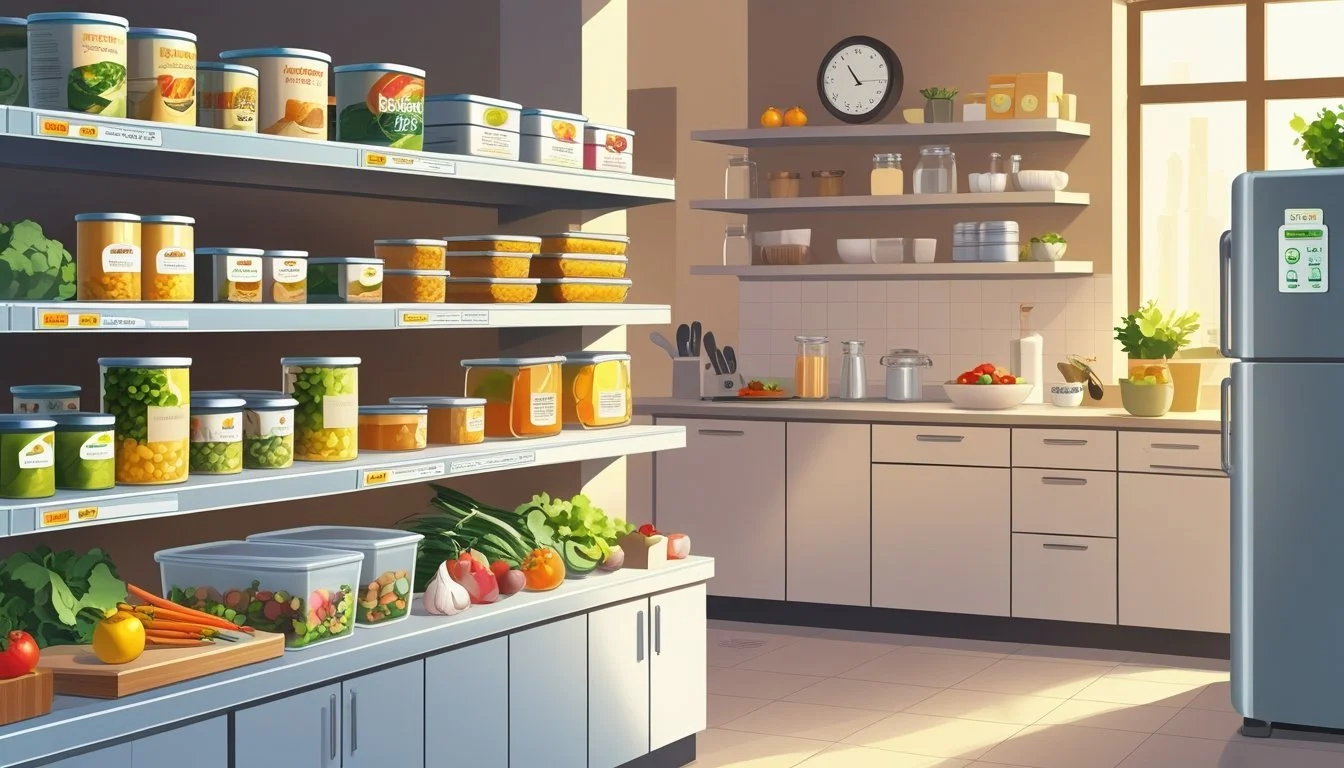
Food safety is central to shelf life, with risks varying between industrially produced and home-prepared foods. How food is handled, stored, and exposed to spoilage organisms directly impacts quality and potential hazards.
Spoilage and Contamination Risks
Industrially processed foods typically undergo strict controls to limit microbial contamination. Commercial packaging such as vacuum sealing, canning, or modified atmosphere packaging reduces oxygen and motility of spoilage organisms. Supermarkets and major food retailers enforce continuous refrigeration and rotation of stock to slow spoilage.
In contrast, home-prepared foods rely on the household’s ability to maintain hygiene and optimal storage conditions. Improper cooling, insufficient cooking, or cross-contamination from surfaces increases the risk of spoilage and foodborne illness. High-risk foods—meats, dairy products, or cooked grains—can support rapid growth of bacteria like Salmonella or Listeria if mishandled.
Signs such as off-odors, discoloration, or swelling in containers indicate potential contamination. Foods past recommended storage times are at higher risk and may be unsafe, even if they appear normal. Safe food practices help minimize these dangers.
Differences in Storage and Handling
Industrial foods are labeled with clear expiration or “best by” dates determined through extensive shelf life testing and regulatory standards. Food retailers store products at controlled temperatures and humidity, which slows spoilage and preserves quality.
Home storage often varies, with refrigeration temperatures fluctuating and limited monitoring of storage conditions. Homemade foods usually lack preservatives, making them more susceptible to rapid spoilage. Common household mistakes—storing leftovers in loosely covered containers or leaving food at room temperature—can dramatically increase safety risks.
The use of bulk packaging or repackaging at home may introduce contaminants if equipment is not properly sanitized. Industrial foods, especially canned or aseptically packaged products, are less vulnerable to such direct contamination because of their production methods and packaging integrity. Following label guidelines and practicing safe food handling are essential for both store-bought and homemade goods.
Cost and Accessibility of Industrial vs Home-Prepared Foods

Industrial and home-prepared foods differ significantly in terms of cost structure, time investment, and consumer accessibility. Factors like supply chain scale, shelf life, and evolving shopping habits influence how people select and purchase foods.
Economic Factors and Time Cost
Industrial foods benefit from economies of scale due to mass production, centralized sourcing, and automation. This allows major food companies to offer processed or convenience foods at lower prices per serving compared to many fresh items. For example, supermarkets often feature ready-to-eat meals and canned products at competitive prices.
Natural and minimally processed foods—especially those prepared at home—frequently involve higher direct costs. Fresh ingredients may be less subsidized, less shelf-stable, and more labor-intensive to source and prepare.
Another component is time cost. Preparing food at home typically requires shopping, planning, and cooking, translating to several hours each week. In contrast, buying pre-made foods saves time, an important economic factor for working individuals or families.
Food Type Price Per Serving Time Required Industrial (Ready-to-Eat) Low–Moderate Minimal Home-Prepared Moderate–High Significant
Consumer Demand and Convenience
Consumer demand for convenience foods is partly driven by changing lifestyles, including increases in dual-income households and urban living. This shift means that accessibility—the ease of obtaining and preparing food—is a major influence on purchasing decisions.
Food retailers and supermarkets dedicate significant shelf space to processed products that require little preparation and have extended shelf life. Busy consumers frequently select these options because they reduce daily decision fatigue and streamline grocery shopping.
Industrial foods are designed with longer shelf lives, making storage and use more flexible. In contrast, home-prepared meals often require perishable ingredients, frequent shopping trips, and dedicated time each day for meal preparation. The result is that convenience frequently outweighs other factors for a large segment of modern consumers.
Health Consequences of Shelf Life Differences
Differences in shelf life between industrial foods and home-prepared foods influence the nutritional content and safety of what people eat. These differences can contribute to varying health outcomes related to disease risk and public health.
Public Health Outcomes
Industrial foods generally achieve longer shelf life using preservatives, advanced packaging, and additives. This can help prevent foodborne illness and spoilage, supporting reliable food supply in large populations.
However, the widespread consumption of processed and ultra-processed foods with prolonged shelf lives is linked to less favorable health outcomes. Such foods often contain higher levels of sodium, sugars, saturated fats, and synthetic ingredients compared to home-prepared foods.
Consistent intake of these components raises the risk of overweight, high blood pressure, and metabolic syndrome. Public health agencies have observed correlations between increased processed food intake and rising rates of chronic diseases in many populations.
Despite this, improved shelf stability reduces waste and increases access to safe food, which is especially important in food insecure regions. The trade-off lies in nutritional quality and potential health risks over time.
Associations With Chronic Diseases
Long shelf-life foods from industrial sources are often associated with higher consumption of additives, stabilizers, and preservatives. While many additives are considered safe by regulatory agencies, habitual intake of highly processed foods has been epidemiologically linked to increased rates of obesity, type 2 diabetes, and cardiovascular diseases.
A diet high in processed foods is also associated with increased cancer risk, particularly due to certain preservatives and high levels of refined ingredients. For example, nitrites used in preserved meats have been classified as probable human carcinogens by health organizations.
On the other hand, home-prepared foods typically have a shorter shelf life and fewer added chemicals. This limits exposure to certain food additives, but home-prepared foods require careful handling to avoid spoilage and foodborne illness.
Maintaining a balance between food safety, shelf life, and chronic disease risk is a continuing challenge for both public health policy and personal nutrition choices.
Dietary Guidelines and Best Practices
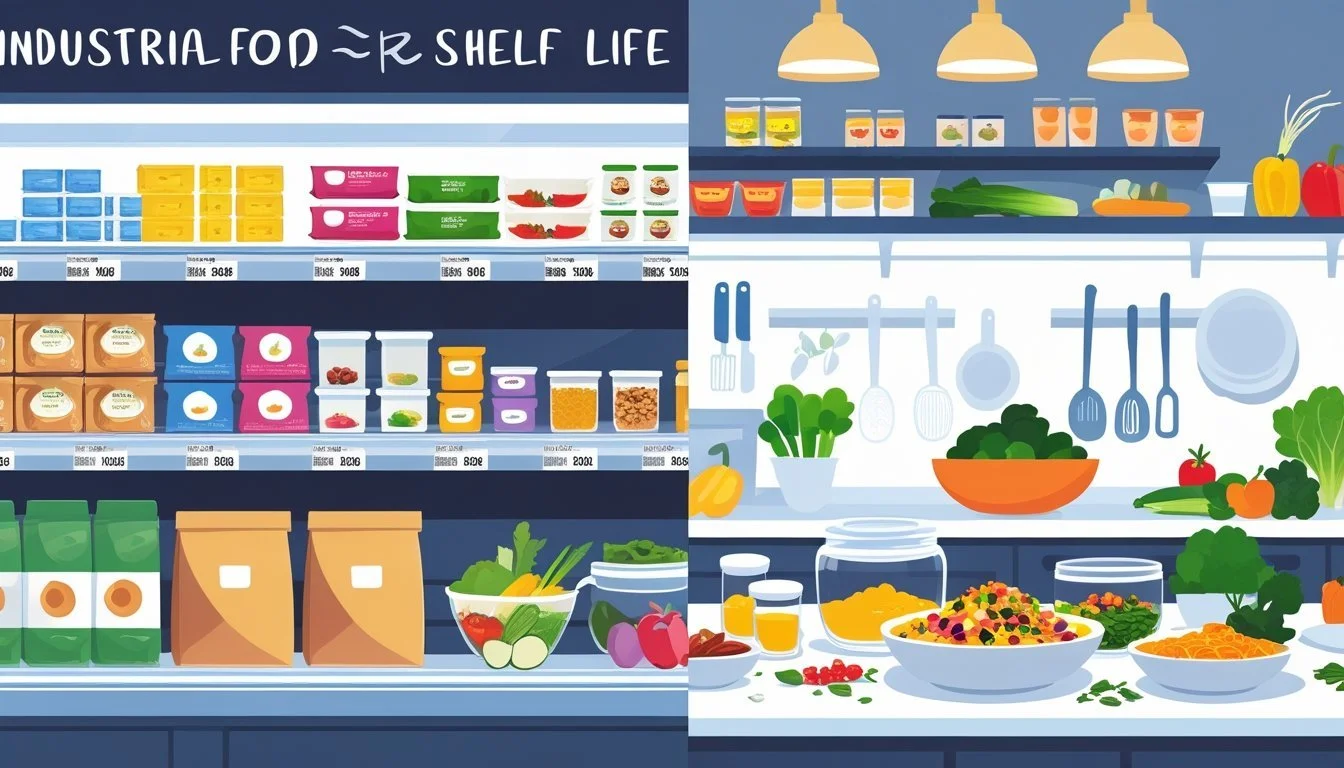
Guidelines recommend that individuals choose a variety of foods from different groups, maintain safe storage practices, and consider both nutritional quality and preparation time. Dietary habits are shaped by available resources, personal preferences, and cooking skills.
Balancing Processed and Home-Prepared Meals
National dietary guidelines, including those in Canada and the United States, recommend prioritizing whole, minimally processed foods as part of a balanced diet. Home-prepared meals often provide greater control over ingredients, nutrition, and portion sizes compared to industrially processed options.
Processed foods, however, offer the advantage of extended shelf stability. They are often heat-treated or dried to reduce spoilage and contamination, allowing for longer storage without refrigeration. The convenience of shelf-stable foods can reduce food waste and save time.
A practical approach includes balancing convenience with nutritional value:
Preparing simple home-cooked meals when possible.
Using processed items such as canned vegetables or shelf-stable soups in moderation.
Checking labels for sodium, sugars, and preservatives.
Table: Key Differences
Factor Processed Foods Home-Prepared Meals Shelf Life Weeks to years Days to a week (refrigerated) Control Lower (pre-set ingredients) Higher (personal choice) Convenience High Varies (time-intensive) Nutrition Variable Potentially higher
Role of Socioeconomic Status and Cooking Skills
Socioeconomic status affects food choices through access to fresh ingredients, kitchen equipment, and time for meal preparation. Those with higher incomes may have more resources for frequent home cooking, while others may rely more on processed foods due to cost or convenience.
Cooking skills are also important. Limited experience can discourage individuals from preparing fresh foods, increasing dependence on ready-to-eat or packaged items. Community programs and nutrition education can support skill development, promoting healthier food choices.
Budget-friendly tips include:
Planning meals ahead to minimize costs.
Learning basic cooking techniques to prepare affordable staples.
Seeking community resources, such as food banks or cooking classes, when needed.
Dietary guidelines highlight the importance of practical food choices, recommending gradual adjustments to improve both health outcomes and daily routines.
Evolving Food Consumption Habits
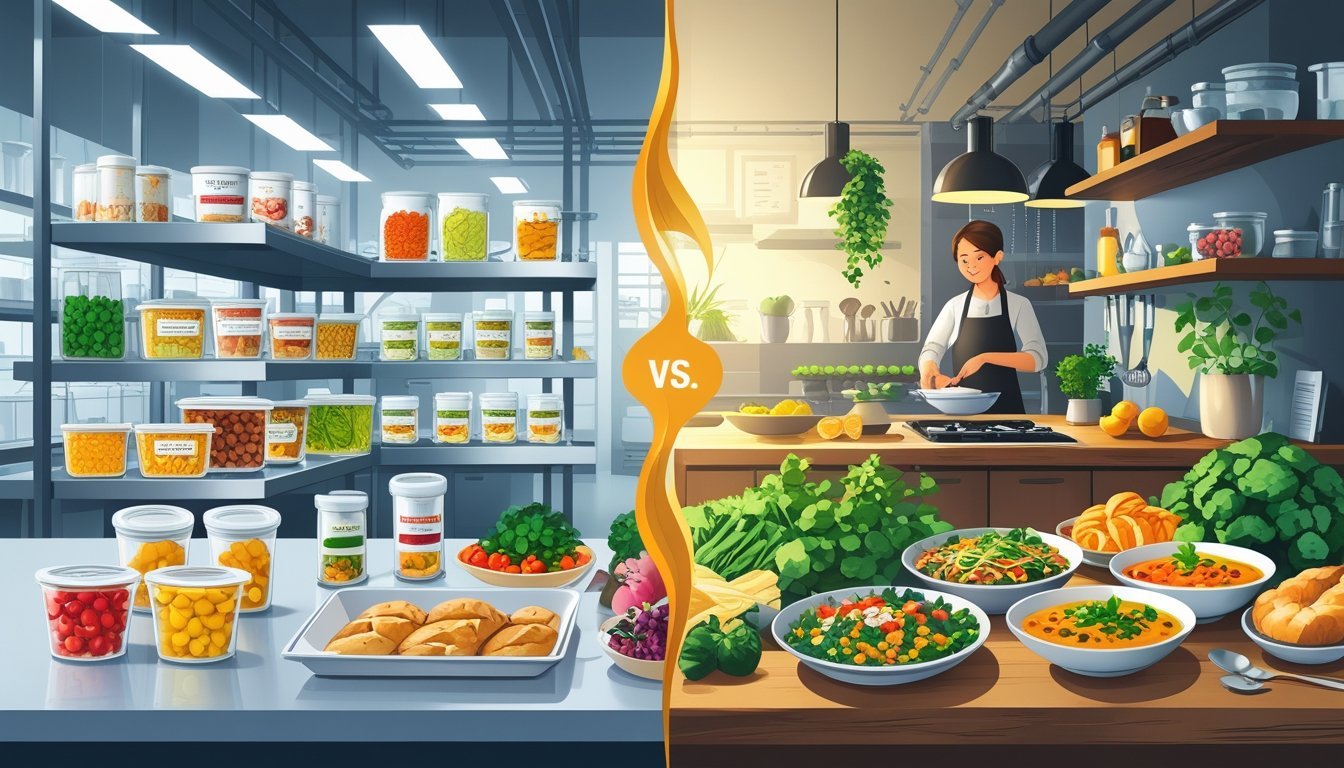
In recent years, food consumption habits have shifted significantly as households adapt to new routines and lifestyle demands. Consumers are now balancing convenience with nutrition, often changing how they approach meal preparation and time spent in the kitchen.
Trends in Home Meal Preparation
More people are purchasing ready-made or semi-prepared foods instead of preparing meals entirely from scratch. This trend links closely to the availability of industrially processed products, which are often perceived as quick, consistent, and affordable.
Urbanization and busier schedules have reduced the frequency of home-cooked meals in many regions. Home-prepared meals are now often reserved for weekends or special occasions, while weekday dinners might rely on pre-assembled ingredients or take-out.
Table: Changes in Meal Preparation Methods
Method Common Frequency Main Reason Home-prepared (scratch) Less frequent Time constraints Ready-to-eat meals More frequent Convenience Meal kits Increasing use Simplicity, variety
Dietary patterns now reflect a blend between traditional home-cooking and industrial convenience, with many households seeking to combine the benefits of both approaches.
Influence of Time Spent Cooking
There is a measurable decline in the average time spent on cooking and meal preparation. Time constraints caused by work, commuting, and family responsibilities have contributed, leading to an increased reliance on foods with short preparation times.
Fast food, frozen meals, and pre-cut ingredients reduce the daily time spent in the kitchen. Studies show that the less time people have available, the more they tend to choose processed options.
Cultural shifts and demographic changes—such as more dual-income families—are driving this trend as well. Time-saving foods help minimize stress and food waste, but may affect diet variety and nutritional intake over time.
Key factors affecting cooking time:
Work and lifestyle demands
Access to processed options
Skills and confidence in cooking

