
What Regulators Don’t Tell You About Expiry Dates
Uncovering Industry Practices

Most food expiration dates are not required by federal law in the United States and are set by manufacturers as guidelines for quality, not safety. Many consumers believe these dates are strict rules about when food becomes unsafe, but regulators typically do not mandate them, except for specific products like infant formula. The majority of expiration dates serve as a benchmark for when food is expected to be at its best flavor or freshness.
This widespread misunderstanding often leads to unnecessary food waste as people throw out products that are still safe to eat. State laws may influence how dates appear on certain products, such as eggs, but in most cases, reading and interpreting these labels correctly relies more on informed judgment than regulatory enforcement.
Understanding Expiry Dates: What They Really Mean
Most food packaging carries printed date labels, but what these dates signify often causes confusion. Understanding the distinctions among various date markings and the agencies involved can help make safer and more informed choices.
Types of Date Labels
Date labeling includes multiple terms—each with specific meanings and implications:
Sell-By: Guidance for retailers to determine how long a product should be displayed for sale. After this date, quality may decrease, but products are not automatically unsafe.
Use-By: Indicates the last recommended date for peak quality as determined by the manufacturer. This is not the same as a safety deadline, except for infant formula.
Best Before/Best By: Refers to the date by which the product is expected to retain its best flavor or quality. It is not a safety-related label.
Freeze-By: Suggests when to freeze a product to maintain best quality.
MMDDYY or Julian Date Codes: Some packaging uses numeric codes to represent packing or best by dates. This can be confusing for consumers unfamiliar with the format.
These distinctions matter. Sell-by dates mainly serve retailers, while use-by and best before dates focus on quality rather than safety.
The Origin and Purpose of Expiry Dates
The concept of expiration dates on food packaging became more common in the late 20th century due to industrial food processing and the demand for standardized shelf life information. Manufacturers introduced date labeling to help stores rotate stock and provide consumers with simple quality guidance.
Originally, these dates aligned closely with inventory management, not consumer health. Except for a few products like infant formula, most expiration dates are set by food producers to indicate optimal taste or freshness, not safety.
This has led to widespread confusion. Many discard food as soon as it reaches a labeled date, even though most items are still safe if stored properly and handled correctly. Only a few foodborne illness risks, such as for deli meats or dairy, require more precise attention to dates.
Who Regulates Expiry Dates?
In the United States, oversight of expiration dates is divided. The Food and Drug Administration (FDA) and the U.S. Department of Agriculture (USDA) both play roles, but neither uniformly requires date labeling for most foods.
The USDA regulates date labels on meat, poultry, and eggs. “Use-by” dates are required only for infant formula.
The FDA oversees most other foods and does not mandate the use of expiration dates for products like snacks or canned goods.
States may introduce their own rules, resulting in inconsistent standards nationwide. This patchwork approach means manufacturers create their own labeling, adding to consumer misunderstanding. For clarity, it's important to check storage instructions and rely on sensory cues—smell, texture, appearance—when evaluating food beyond a printed date.
How Expiry Dates Are Determined
Expiry dates are established using scientific methods, storage tests, and regulatory guidelines. Manufacturers analyze how products maintain safety, potency, or quality over time, with results strongly influenced by product type, packaging, and storage conditions.
Factors Affecting Shelf Life
Shelf life depends on multiple factors that influence how long a product maintains its quality and safety. Temperature, humidity, and exposure to light or air all play a role. For food, potential for microbial growth, chemical changes (such as rancidity or oxidation), and packaging integrity directly impact expiration dates.
Pharmaceuticals also depend on active ingredient stability and sensitivity to environmental factors. For packaged foods, the type of material (such as glass, metal, or plastic) affects how well a product is shielded from outside elements.
Unexpected storage conditions at the consumer or distribution level can shorten effective shelf life, even when labels remain unchanged.
Industry Practices for Setting Dates
Manufacturers follow regulatory requirements and conduct stability studies to set expiry dates. These tests assess how a product performs under different storage conditions, both normal and accelerated, to estimate the period it will remain safe and effective. Typical protocols involve monitoring physical, chemical, and biological properties at scheduled intervals.
Pharmaceutical companies use detailed protocols, guided by standards such as 21 CFR 211.166, while the food industry often combines lab analysis with sensory testing. A table showing some common methods:
Product Type Expiry Determination Methods Pharmaceuticals Stability testing, potency assays Packaged Foods Microbial testing, sensory panels Dairy and Fresh Challenge studies, storage trials
Dates set are typically conservative to account for variable real-world handling.
Variations Across Product Types
The process to determine an expiry date differs by category. Pharmaceuticals require a precise demonstration that active ingredients will meet defined standards until the printed date. For food products, the focus is usually on food safety, sensory quality, and nutritional levels.
Perishable items (like dairy or meat) receive shorter shelf lives due to higher spoilage risk. Canned foods and shelf-stable products get longer dates because their packaging minimizes contamination.
Food labels often include terms such as "use by," "best before," or "sell by," each with a distinct regulatory meaning. These terms can lead to confusion and waste if misunderstood by consumers.
Common Misconceptions About Expiry Dates
Many people believe food expiry dates are strict indicators of safety and freshness, but there are widespread misunderstandings about what these dates actually mean. Misconceptions can lead to unnecessary food waste and confusion about when food is safe to eat.
Expiry Dates and Food Safety
Expiry dates are often thought to be federally required safety indicators. In reality, most are set by manufacturers for peak quality, not safety, and are not required at the federal level except for infant formula in the United States.
"Best by" and "sell by" do not mean food is unsafe after the date passes. Instead, these labels estimate when a product is at its best flavor or texture. Food safety relies more on storage conditions, temperature control, and handling practices.
Many foods remain safe well after these dates if there are no signs of spoilage. Recognizing symptoms like off smells, unusual texture, mold, or color change is more critical for foodborne illness prevention than relying solely on dates.
Can Foods Be Eaten Past Their Expiry Date?
Many foods can be consumed after the expiry date if they show no signs of spoilage. For example, milk might last up to a week beyond the printed date if stored properly in the coldest part of the refrigerator.
Eggs can remain safe for three to five weeks past their packing date when kept refrigerated. Dry and canned goods often stay edible months past their labelled expiry, provided packaging is intact and contents have not spoiled.
Key spoilage signs include a sour odor, mold, sliminess, or bulging packaging. If these are absent, food is generally safe to eat. Consumers should rely on a combination of their senses and safe food handling practices, rather than the date alone, to decide on food consumption.
What Regulators Don’t Tell You
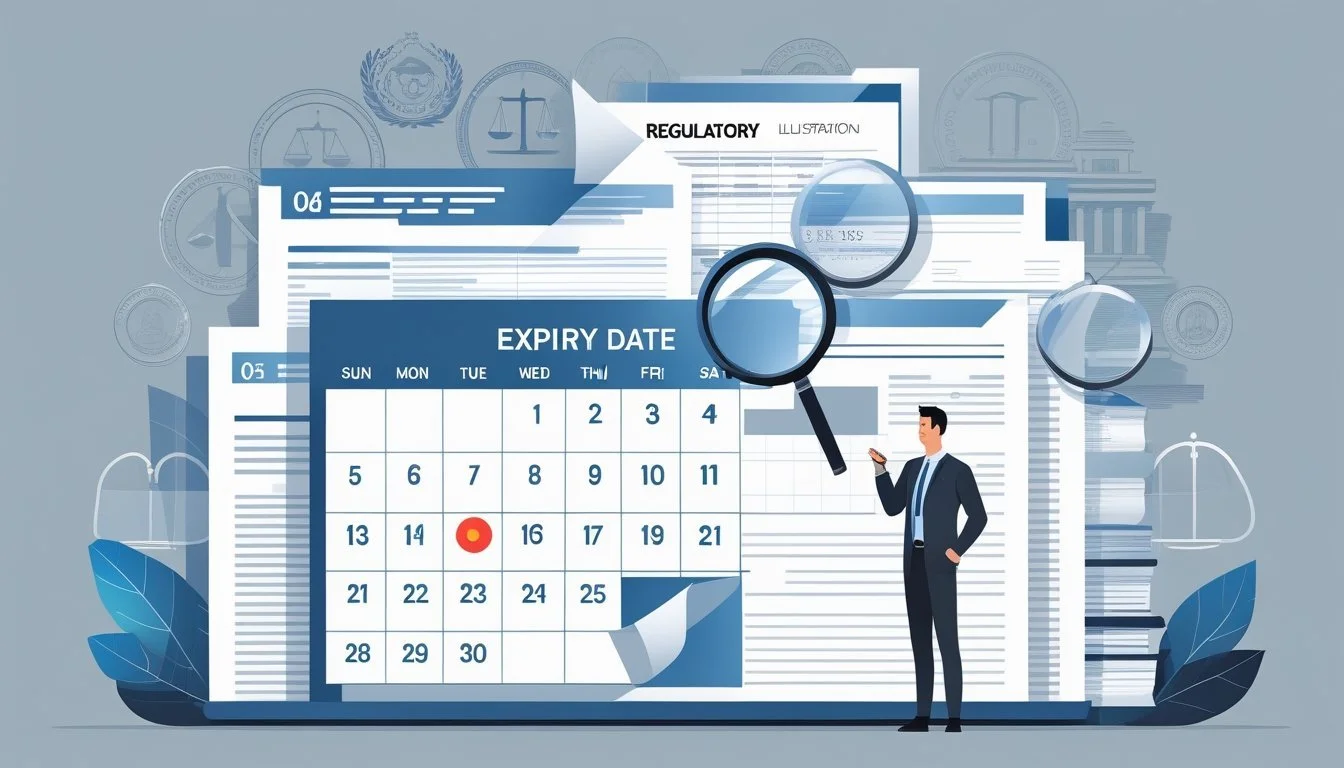
Many consumers assume date labels are strictly regulated and standardized across the food industry. In reality, there are important gaps and inconsistencies in how expiry dates are set, regulated, and enforced throughout the United States.
Lack of Uniform Standards
The terms “sell-by,” “best if used by,” and “expiration date” appear commonly on packaging, but there is no single, national standard for how these dates are determined. The FDA and USDA do not require most foods to carry any specific expiration dates outside infant formula, leaving manufacturers to set their own labels.
For example, “best if used by” usually refers to quality rather than safety, but this isn’t made clear to buyers. Different producers may use varying factors—such as taste, appearance, or texture—to select these dates, even for the same type of product. States sometimes create their own rules, mostly affecting items like eggs and dairy, but there is no consistent approach nationwide.
Consumers may not be able to distinguish between labels that indicate spoilage risk and those for peak freshness. The Natural Resources Defense Council has called for clearer, uniform terminology, but federal policy has changed little over the past decade.
Label Type What It Means Sell-By Tells stores how long to display product Best If Used By Recommends when product has best flavor/quality Expiration Date Indicates last date of recommended use (rarely safety-related)
Gaps in Regulation and Enforcement
Federal oversight for expiry dates is generally limited. The FDA oversees most food labelling but requires expiration dates only for infant formula and certain pharmaceuticals. The USDA monitors products like meat and poultry, but date labeling is generally voluntary.
This regulatory gap means manufacturers largely decide for themselves which dates to print and how to communicate them. States may impose specific rules, particularly for items like eggs, but enforcement is inconsistent.
Limited surveillance and inspection can lead to labels that do not accurately reflect actual shelf life or safety. The lack of mandatory regulation creates confusion for retailers and shoppers, sometimes resulting in safe food being thrown away. Federal agencies recommend consumers use their judgment in many cases, but the precise meaning and reliability of date labels remain unclear for most foods.
Impact on Food Waste and the Environment
Food expiration labels are a significant driver behind food waste, creating confusion for both retailers and consumers. Large-scale food waste carries notable environmental consequences, contributing to greenhouse gas emissions and resource depletion.
Food Waste Driven by Expiry Date Confusion
Confusion over expiry dates leads people to dispose of perfectly edible food. Many consumers mistakenly interpret "sell by," "best by," or "use by" labels as safety deadlines, even when the food remains safe and of good quality beyond those dates.
A report co-authored by the Natural Resources Defense Council and the Harvard Food Law and Policy Clinic points out that inconsistent date labeling increases unnecessary waste. For example, differing rules for milk in states like Idaho and Montana show there is no standard science behind date marks; it is often based on retailer or state policy.
Key figures:
Up to 8-10% of global greenhouse gas emissions come from food waste.
If food waste were a country, it would rank third in emissions globally.
Clearer and standardized expiration labeling would help reduce consumer confusion and decrease the volume of food discarded due to misunderstandings.
Environmental Consequences of Unnecessary Waste
When edible food is thrown away, resources used in production—such as water, energy, and land—are also wasted. Landfills full of discarded food generate methane, a potent greenhouse gas.
Reducing food waste lessens strain on natural resources and mitigates the need for increased agricultural production. A United Nations estimate states that by 2050, a world population increase will require more than a 50% rise in food production. Decreasing avoidable waste is a direct way to help meet this need.
Policy efforts and improved date labeling could play a practical role in shrinking the environmental footprint associated with food waste.
Spotting Safe Versus Spoiled Foods
Best before and expiry dates are not always reliable indicators of food safety. Identifying the signs of spoilage and using the senses can help consumers determine if foods remain safe and fresh.
Signs of Spoilage in Common Food Products
Spoilage often involves visible or sensory changes caused by bacteria, yeast, or mold. In dairy products, sour odors, curdling, or mold growth are frequent spoilage indicators. Bread and bakery items show spoilage through fuzzy mold spots or an off, musty smell.
For packaged meats and fish, look for a slimy surface, grayish color, or foul odor. Vegetables often wilt, develop dark or mushy spots, or emit a sour or rotten smell. Canned goods with bulging lids, rust, or leaking should not be opened or consumed.
The following table outlines typical spoilage signs:
Food Type Common Spoilage Signs Dairy Sour smell, separation, mold Bread/Bakery Visible mold, stale odor Meat/Fish Slimy texture, sour or bad smell Produce Soft spots, off odors, mushiness Canned Goods Bulging lid, leaks, rust
How to Use Senses for Freshness Checks
Using sight, smell, and touch can provide crucial information about food freshness and safety. Foods that look discolored, have visible mold, or show odd textures usually should not be consumed. Smelling food helps to detect sour, rancid, or off odors that suggest spoilage bacteria are present.
Touch can reveal sliminess or an unnatural softness, particularly in meats and cut produce, both of which indicate degradation. For eggs, submerging in water is a common test—fresh eggs sink, while spoiled ones float. These methods can supplement date labels and offer practical guidance when deciding if a product is still safe to eat.
Product-Specific Guidance on Expiry Dates
Regulatory agencies set expiry date guidelines based on factors like storage conditions, handling, and contamination risks tied to specific food categories. Consumers need to understand the differences in regulations and labeling practices for various products due to the distinct safety concerns each presents.
Dairy and Eggs
Dairy products such as milk, cheese, and yogurt are highly perishable and can support rapid bacterial growth if not stored correctly. Expiry or “use by” dates are set considering risks from organisms like Salmonella and E. coli. Pasteurized dairy is less risky than raw, but all dairy can become unsafe quickly after the date—especially if temperature controls are poor.
Eggs typically carry “sell by” or “use by” dates, but regulations differ by state. The FDA and some state laws require egg dates if the product crosses state lines. Eggs may still be safe for a short time after the date if properly refrigerated, but the risk of Salmonella infection rises as eggs age or if storage is inconsistent. Regulatory guidance assumes continuous refrigeration.
Table: Key Dairy & Egg Expiry Considerations
Product Required Date? Main Risks After-Date Guidance Fluid milk Yes Bacterial growth Discard after expiry, especially if warm Cheese Sometimes Mold, bacteria Hard cheeses last longer than soft Eggs Varies Salmonella Use promptly after date, refrigerate
Meat, Poultry, and Seafood
For raw meat and poultry, expiry dates—often called “use by” or “sell by”—focus on controlling spoilage and pathogenic bacteria such as E. coli and Salmonella. The USDA strongly advises discarding meat products that are past their expiry date even if they still look or smell normal, as spoilage bacteria may not always be detectable. Vacuum-sealed meats can have longer shelf lives, but once opened, they are as perishable as fresh products.
Seafood is extremely sensitive to time and temperature. Expiry dates for shellfish, fresh and frozen fish are strict, with a focus on preventing bacterial growth like Vibrio or Listeria. Improper storage can make these expiry dates meaningless. Regulations require strict temperature monitoring and labeling, but real-world handling often introduces risk points not reflected on the label.
List: Safety Tips for Meat, Poultry & Seafood
Always refrigerate or freeze promptly after purchase.
Never eat raw or undercooked products past their “use by” date.
Watch for changes in texture, odor, or color as additional spoilage indicators.
Adhere to safe thawing and cooking practices to reduce bacterial risk.
Shelf-Stable and Pantry Staples
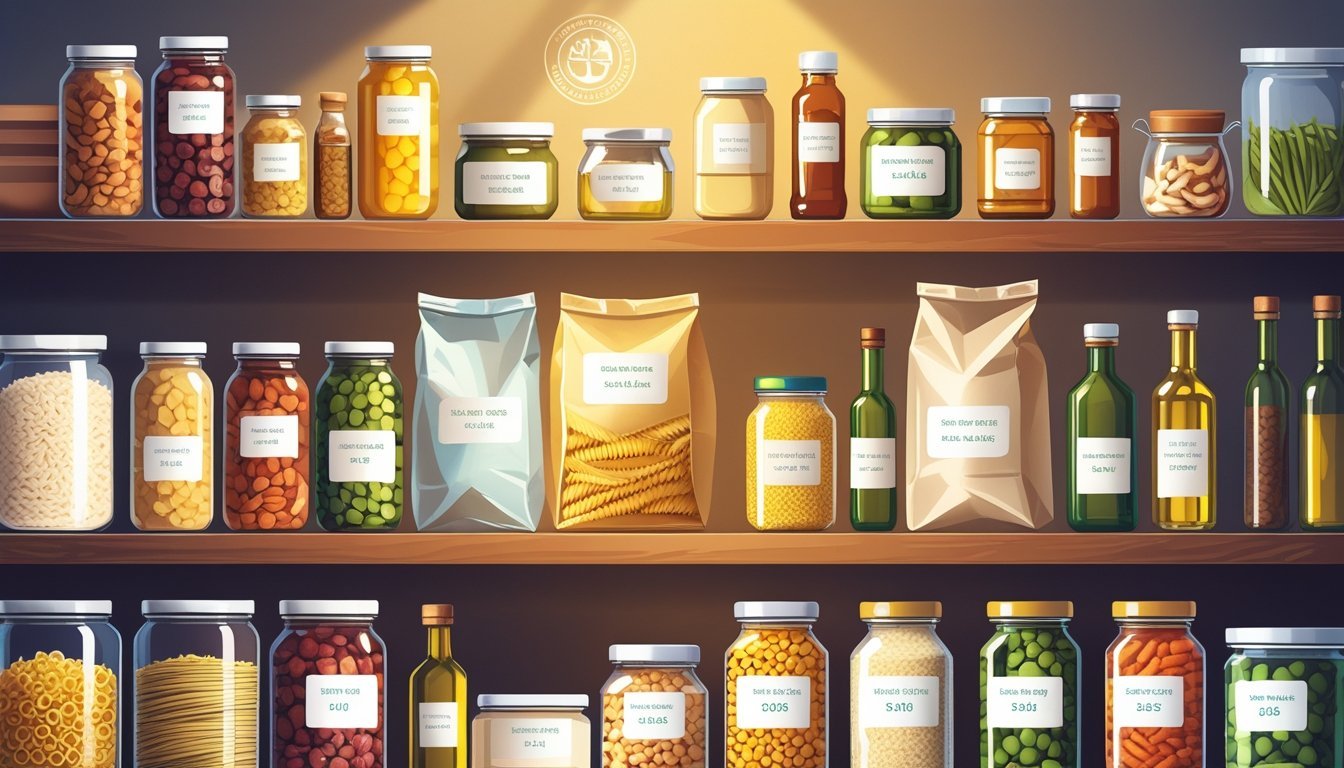
Shelf-stable foods like canned goods, bread, and hard cheeses can stay safe and edible long after printed dates. Storage conditions and food handling are more important factors than expiry dates for these staples.
Canned Goods
Canned goods are designed for extended storage through heat treatment and airtight sealing. They remain safe for years if the can is intact—free from bulging, rust, leaking, or deep dents. The “best by” dates on cans generally reflect quality rather than safety.
Low-acid foods like vegetables and meats can last 2–5 years past the printed date. High-acid canned foods such as tomatoes and fruits are typically best within 12–18 months. Cans should always be stored in a cool, dry place and inspected before use. Mold, off-odors, or any sign of spoilage means the food should be discarded immediately.
Safety Checklist for Canned Goods:
Store at temperatures below 85°F (29°C)
Avoid cans with any swelling or severe damage
Do not consume foods from cans with spurting or strange smells
Bread and Hard Cheeses
Bread is not shelf-stable for long, but types with preservatives or vacuum packaging last longer than fresh, bakery loaves. Bread stored at room temperature typically keeps for up to a week. Refrigeration can slow mold but often leads to staling.
Hard cheeses like Parmesan or aged Cheddar can last weeks to months in a refrigerator, even after their “best by” date. These cheeses are less prone to spoilage due to low moisture content. If only a small spot of mold appears, it is generally accepted to cut at least one inch around and below the affected area, keeping the rest.
Bread & Hard Cheese Quick Facts:
Keep bread in a cool, dry area; freeze for longer storage
Store hard cheeses well-wrapped in the refrigerator
Discard bread with visible mold; for hard cheese, cut away moldy sections unless the cheese is soft
Proper storage and visual inspection are key for extending the life of these everyday staples beyond what expiry dates might suggest.
Maximizing Shelf Life at Home

Proper food storage and an accurate understanding of packaging dates can significantly reduce food waste. Each factor directly influences how long foods remain safe and high quality in the home.
Best Practices for Storage
Location and temperature matter. Foods that require refrigeration, like dairy, leftovers, and meats, should be stored at or below 4°C (40°F). Pantry items, such as grains and canned goods, should be kept in cool, dry areas away from direct sunlight.
Organizing by date helps use older products first. Position items with the earliest expiration dates in front to ensure they are used before newer purchases. This "first in, first out" method is especially effective for perishable goods.
Moisture control extends shelf life. Store leafy greens and vegetables in breathable bags or containers. Avoid washing produce before storage unless the item requires it. For items like bread, use air-tight packaging or freeze portions to prevent mold and staleness.
Below is a table outlining optimal storage for common items:
Food Type Storage Location Special Tip Milk & Dairy Refrigerator (4°C) Place in main compartment Bread Room temp/Freezer Freeze for longer shelf life Canned Goods Pantry, dry and cool Check for damaged cans Fresh Greens Refrigerator Crisper Store dry
Understanding Food Packaging Dates
Food packaging dates can be confusing; it's important to distinguish between them.
Best Before: Indicates peak quality but food may still be safe after this date if stored properly.
Use By: Refers to safety; after this date, consumption is not recommended, especially for perishable items.
Packed On/Baked On: Shows when the product was made or packaged, often used for bakery and deli products.
Regulators do not always clarify that foods are often safe beyond dates if they show no signs of spoilage. Canned foods, as long as the seal is intact and the can is undamaged, can last years past any printed date.
Consumer tip: Learn the difference between these dates to avoid unnecessary waste. For shelf-stable foods, rely on appearance, smell, and texture in addition to date labels. Do not consume foods from swollen or rusted cans, regardless of the date.
Nutritional Quality Beyond Expiry Dates
Foods kept past their expiry dates may not be unsafe, but their nutritional content and quality can change. How long food remains nutritious depends on its type, ingredients, and storage conditions.
Does Nutritional Value Change Over Time?
Nutritional value often decreases after the expiry date, especially for products high in vitamins. For example, vitamin C in juices or fortified cereals can break down gradually. This means eating them after the date may provide fewer essential nutrients than when first produced.
Shelf-stable foods such as canned vegetables keep most minerals and macronutrients, but some vitamins—like vitamin A, D, and B vitamins—are more sensitive. Exposure to light, air, and temperature shifts can speed up this loss. For best results, proper storage in cool, dark conditions helps slow nutrient decline.
Food quality also impacts taste and texture. Stale crackers or faded spices might still be edible but may not offer the intended flavor or nutritional punch. Checking for off smells, colors, or textures helps gauge if the product is worth eating.

