
Consumer Education as a Shelf Life Solution for Reducing Food Waste

Many consumers struggle to understand shelf life, leading to unnecessary food waste and potential safety concerns. Misinterpreting expiration labels, overlooking storage advice, and not knowing how to assess edibility can cause families and businesses to throw away products that are often still safe to use.
Effective consumer education helps people make better decisions about food storage, date labeling, and product use, directly reducing waste and saving money. By improving public understanding and providing clear guidance, educational initiatives empower individuals to confidently extend the usable life of their groceries. As packaging innovation and storage technology advance, the value of well-informed consumers increases across the entire food supply chain.
Understanding Shelf Life
Shelf life determines how long a product maintains its quality, safety, and usefulness during normal storage. Knowing what influences shelf life helps consumers make informed choices and reduces unnecessary food waste.
Definition and Importance
Shelf life is the period a product remains safe and retains its desired qualities under recommended conditions. It applies to a wide range of items, including food, cosmetics, and pharmaceuticals.
The importance of shelf life centers on both safety and quality. For food, it helps prevent consumption of spoiled or unsafe products. For non-food items, it ensures the product works as intended without risk.
Understanding shelf life also supports better inventory management and helps avoid unnecessary disposal. This awareness benefits consumers, retailers, and producers by protecting health, improving satisfaction, and reducing costs.
Key Factors Affecting Shelf Life
Several factors influence how long a product stays suitable for use. Product composition—including ingredients, preservatives, and moisture content—directly impacts stability.
Packaging plays a critical role. Protective packaging can block light, moisture, and oxygen, helping to extend shelf life. Storage conditions, such as temperature and humidity, also affect how quickly a product degrades.
Other important aspects include exposure to air, microbiological contamination, and handling practices. Each factor can weaken the product's safety or compromise quality before the expected shelf life ends.
Shelf Life vs. Product Quality
Shelf life and product quality are closely related but not the same. Shelf life marks the timeframe a product remains safe and acceptable, while product quality refers to characteristics like taste, texture, appearance, and functionality.
A product may still be safe after its shelf life, but its food quality or effectiveness could decline. For example, crackers past their shelf life might taste stale even if they're not unsafe to eat.
Product safety is highest within the established shelf life. Not all quality changes make a product unsafe, but noticeable drops in taste or texture often signal diminished value. Consumers should weigh both shelf life and quality when deciding whether to use or discard a product.
The Role of Consumer Education in Shelf Life
Consumer education directly influences how long food remains safe and high-quality. By understanding correct storage, distinguishing between spoilage and expiry, and taking active steps to reduce food waste, individuals can extend shelf life and minimize unnecessary loss.
Educating Consumers About Storage Conditions
Proper storage is essential for maximizing the shelf life of food products. Consumers often store items in ways that accelerate spoilage without realizing it. Education can clarify the best storage temperatures for categories like dairy, meat, fruits, and vegetables.
For example, storing eggs in their original carton maintains moisture and quality better than a loose arrangement. Fruits like tomatoes ripen too quickly in the fridge, while leafy greens last longer with high humidity and minimal airflow.
Clear charts, infographics, and product labeling can guide consumers on where and how to store various foods. Routine reminders and point-of-sale tips help reinforce these habits and make correct storage easy to follow.
Recognizing Spoilage Versus Expiry
A common source of food waste is confusion between spoilage and expiry dates. Many throw out items that are still safe because they misinterpret "best before" and "use by" labels.
Consumer education initiatives explain key differences:
Best Before: relates to quality; food may still be safe after this date.
Use By: relates to safety; food should not be consumed past this point.
Consumers can also learn visual and sensory checks for spoilage, such as off odors, texture changes, or discoloration. Creating educational campaigns, fridge magnets with signs of spoilage, or simple checklists helps reduce unnecessary disposal.
Impact on Food Waste Reduction
Informing consumers about storage and accurate spoilage detection creates measurable reductions in food waste. When people know how to extend shelf life and use judgment beyond labels, less food is discarded prematurely.
Techniques like freezing leftovers, repurposing ingredients, and meal planning all contribute to waste reduction. Educational campaigns that include demonstrations, workshops, or short videos make these practices accessible.
Retailers supporting these efforts by providing on-shelf guidance, reminders at checkout, or digital alerts amplify the effects. These strategies not only save money but are critical for sustainability and efficient food systems.
Packaging Innovations and Shelf Life Extension
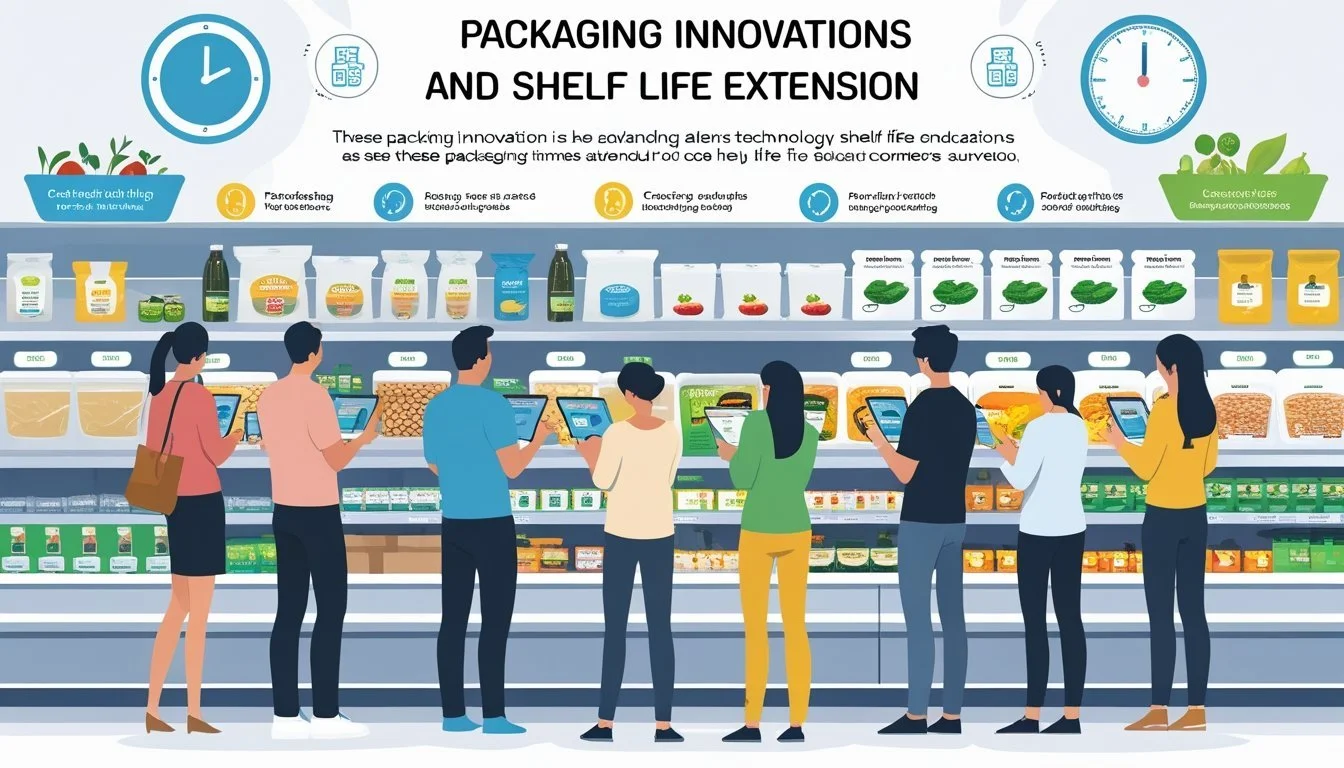
Advances in packaging technologies now play a direct role in extending food product freshness, improving stability, and addressing sustainability. Key approaches include atmosphere management, ingredient-embedded packaging, environmentally friendly materials, and smart monitoring solutions.
Modified Atmosphere Packaging (MAP)
Modified Atmosphere Packaging (MAP) replaces the air inside a package with a specific gas mix, usually lowering oxygen levels and increasing carbon dioxide or nitrogen. This significantly slows oxidation and microbial growth, extending shelf life for a range of foods, such as meats, produce, and baked goods.
Producers can select gas combinations based on product needs. For example, high CO₂ levels prevent bacterial spoilage in meats, while low oxygen maintains color and texture in fresh produce.
MAP reduces the need for chemical preservatives, supporting cleaner label trends. Its effectiveness depends on packaging materials that provide high barrier properties, which prevent gas exchange and maintain the modified environment. Proper consumer education is vital, as mishandling post-opening can negate MAP’s benefits.
Active and Intelligent Packaging
Active packaging includes components like oxygen scavengers, moisture absorbers, or antimicrobial agents. These features interact with the product or environment to preserve quality and delay spoilage. For instance, sachets inside a beef package can absorb residual oxygen, greatly reducing the risk of rancidity.
Intelligent packaging uses sensors or indicators to inform consumers or retailers about the product’s condition. Examples include time-temperature indicators and freshness sensors that change color if food approaches unsafe temperatures or spoiling.
Such technologies improve traceability, safety, and reduce food waste by providing clearer signals of freshness than best-before dates. Consumer understanding of these systems helps maximize their advantages.
Vacuum and Compostable Packaging
Vacuum packaging removes air entirely from the package, which delays spoilage by minimizing oxygen-dependent microbial growth and oxidation. This method is widely used for deli meats, fish, and cheese. Vacuum packaging can extend product shelf life without additives but requires refrigerated storage for most perishable foods.
Compostable packaging addresses environmental impact by using plant-based or biodegradable materials instead of conventional plastics. Innovations in this area now focus on matching the barrier and strength properties of traditional materials. Proper compostable solutions can reduce landfill waste while supporting food preservation, though shelf life may vary based on material choices and product type.
Nanotechnology and Advanced Packaging Technologies
Nanotechnology incorporates nanoscale materials to enhance packaging function. Nanosilver or zinc oxide particles can be embedded for antimicrobial effects, preventing spoilage and pathogen growth. Some nanomaterials create high-barrier films that reduce moisture loss and oxygen ingress, which helps maintain product freshness.
Advanced packaging technologies also include smart coatings that respond to environmental changes or packaging that releases protective gases on demand. These innovations address challenges like food stability and environmental impact. As nanotechnology advances, careful risk assessment and consumer education remain important to ensure safety and acceptance.
Consumer Education and Food Preservation Techniques
Educating consumers on food preservation can directly impact product safety and the reduction of waste. Clear understanding of methods, mechanisms, and substances used in preservation is essential in extending shelf life effectively.
Use of Preservatives and Natural Antimicrobial Agents
Consumers often encounter both synthetic preservatives and natural antimicrobial agents when selecting and storing foods. Chemical preservatives, like sodium benzoate or potassium sorbate, are commonly used to slow microbial growth and enhance shelf life.
Natural antimicrobial agents, such as rosemary extract or vinegar, are frequently found in minimally processed products. These agents provide an alternative for those seeking fewer synthetic additives. Consumer education helps individuals weigh the benefits and risks of each type.
A comparison of key properties:
Preservative Type Example Usage Common Application Synthetic Preservative Potassium Sorbate Antifungal Baked goods, cheese Natural Antimicrobial Lemon juice, Vinegar Acidification Pickles, sauces
Understanding when and why these substances are used can empower consumers to make safer, more informed choices.
Proper Application of Preservation Methods
Knowledge of preservation methods is crucial for maintaining food safety at home. Freezing, canning, dehydration, and fermentation each require proper technique and specific conditions to be effective.
Incorrect application—such as improper sterilization in canning or inadequate dehydration—can result in reduced shelf life or increased risk of spoilage. It is important that consumers follow established guidelines, such as U.S. Department of Agriculture (USDA) or local food safety authority recommendations.
A checklist can help ensure safe application:
Sanitize all equipment before processing food.
Use accurate temperature and time controls for each method.
Store preserved food in recommended environments (e.g., cool, dry, or frozen).
By following precise steps, households can reduce waste and minimize health risks.
Understanding Enzymatic Reactions and Spoilage
Many foods spoil due to natural enzymatic reactions that continue after harvest or slaughter. Enzymes can cause browning, texture changes, and flavor loss in fruits, vegetables, and meats if not properly managed.
Education on basic enzymatic processes, like polyphenol oxidase activity in apples, helps consumers recognize spoilage early. Techniques such as blanching vegetables before freezing deactivate these enzymes and help preserve quality.
Spoilage can manifest as:
Color changes (e.g., browning of cut fruit)
Off-odors or flavors
Unusual textures
Awareness of these signs allows consumers to respond quickly and use appropriate preservation technologies to extend shelf life. Recognizing the early markers of enzymatic spoilage leads to better food safety practices in the home.
Minimally Processed Foods and Product Stability
Minimally processed foods focus on retaining natural qualities while extending shelf life. Proper stability is essential for maintaining safety, appearance, and sensory attributes in products such as baked goods, dairy, and wine.
Shelf Life Challenges in Baked Goods and Bread
Baked goods and bread encounter significant stability issues due to their sensitivity to moisture loss, microbial growth, and staling. The main concerns include mold formation and texture changes, especially as shelf life lengthens without artificial preservatives.
Minimally processed options may use modified atmosphere packaging or natural anti-fungal agents. These methods help balance freshness with clean-label demands. Storage temperature and humidity are also critical—bread stored in cool, dry conditions sees slower staling but may dry out faster.
Sensory evaluation, such as measuring aroma, crumb softness, and external appearance, can help determine optimal product lifespan. Maintaining quality relies on monitoring these sensory indicators systematically.
Dairy Products and Their Requirements
Dairy products require strict control of temperature and contamination to ensure both safety and stability. Pasteurization and refrigeration are standard, but natural fermentation or minimal processing means shorter shelf lives for items like milk, yogurt, and cheese.
Stability is threatened by spoilage organisms and enzymatic changes that rapidly degrade flavor and texture. Regular sensory analysis of parameters like odor, consistency, and taste helps to ensure products remain appealing and safe.
Innovative packaging and rapid cooling after processing are commonly used to increase dairy stability. Effective labeling and consumer education on storage and consumption timing further support product quality.
Wine: Unique Shelf Life Considerations
Wine presents unique variables in shelf life, including oxidation, microbial spoilage, and sensory shifts over time. Minimal handling intends to preserve natural flavors and aromas, making storage and container choice—such as glass bottles with appropriate closures—critical.
Temperature swings and light exposure accelerate degradation, causing loss of aroma, color changes, and off-flavors. Sensory evaluation is essential, tracking changes in bouquet, mouthfeel, and visual clarity to guide recommendations for peak consumption.
Education on correct storage—horizontal bottle positioning, stable temperatures, and avoiding sunlight—can help consumers maintain wine quality. Stability relies on both production discipline and informed use after purchase.
Packaging, Sustainability, and Environmental Concerns
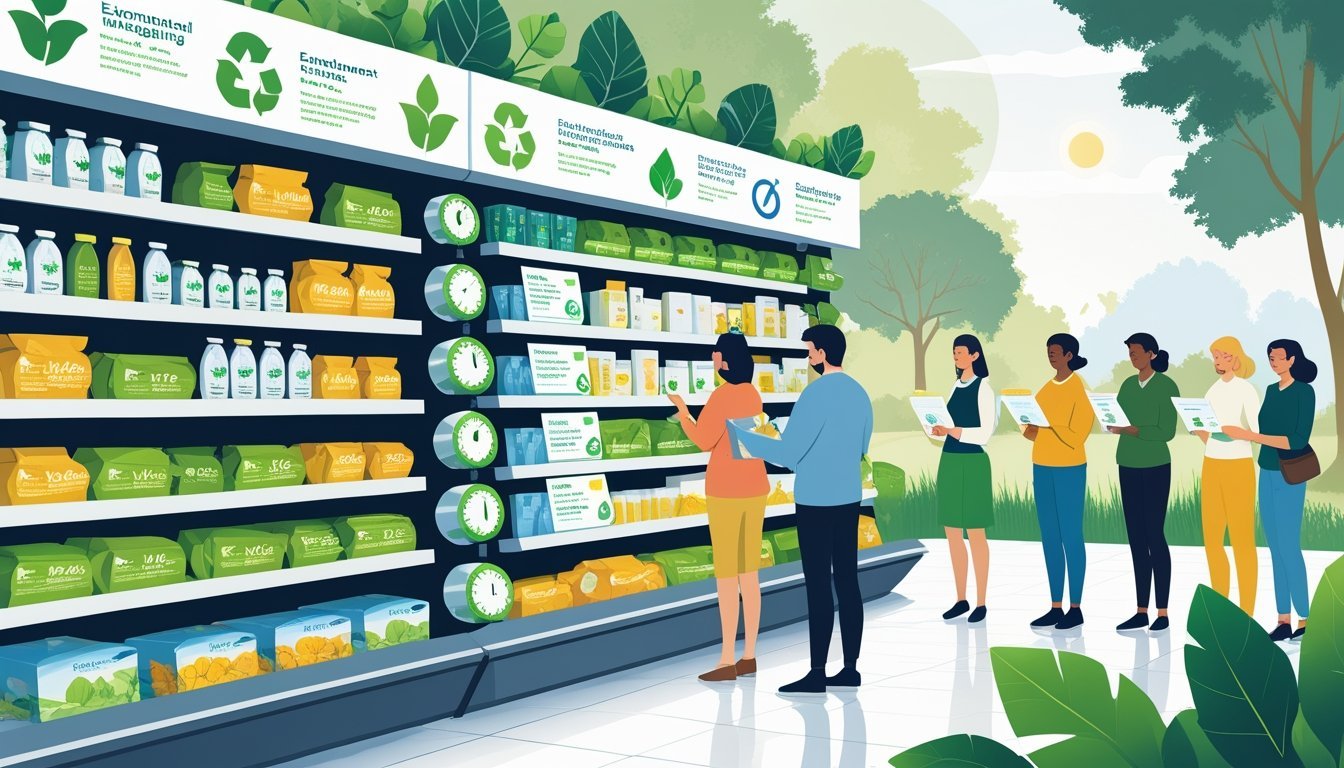
Packaging decisions affect sustainability targets and directly contribute to environmental outcomes. Materials, production processes, and disposal methods all play a role in limiting water usage, reducing greenhouse gas emissions, and addressing climate change.
Sustainable Packaging Practices
Sustainable packaging practices prioritize reducing resource consumption. Many companies now use recyclable, compostable, or biodegradable materials to limit waste at end-of-life. The focus is on materials with a lower environmental footprint, like paper, cardboard, or plant-based plastics, which break down more easily compared to traditional options.
Key elements include:
Material sourcing from renewable or recycled inputs.
Minimizing packaging size to reduce material use and transport energy.
Designs promoting reuse or easy recycling by consumers.
Industry standards and eco-label certifications help signal sustainability achievements. Clear information on labels supports consumer education, making it easier for people to adopt sustainable behaviors.
Reducing Environmental Impact and Climate Change Effects
Packaging design impacts water usage and greenhouse gas emissions throughout its life cycle, from production to disposal. Manufacturing conventional plastics typically uses fossil fuels and emits more greenhouse gases, while alternatives like recycled content or bio-based polymers tend to have lower emissions.
Reducing packaging thickness and shifting to lighter materials cuts energy demand in shipping and storage. Companies assess environmental impact using life cycle assessments (LCA), considering factors like:
Resource extraction
Water consumption
End-of-life disposal methods
Increased consumer awareness and pressure encourage manufacturers to implement solutions that align with sustainable development goals and respond to ongoing environmental concerns.
Supply Chain Optimization for Longer Shelf Life

Extending product shelf life depends greatly on optimizing the supply chain at every stage. Improved inventory management, careful control of storage conditions, and streamlined logistics all reduce waste and preserve product quality.
Inventory Management and Turnover
Effective inventory management is essential for minimizing product aging and spoilage. Using systems like FEFO (First Expired, First Out), facilities ensure that products with the shortest shelf life are distributed first. This strategy helps maintain product freshness and reduces the volume of expired items.
Accurate demand forecasting supports better purchasing and production decisions, which prevents overstocking and unnecessary carrying costs. Automated tracking systems, such as barcodes and RFID tags, streamline item movement and make it easier to monitor remaining shelf life in real time. A balanced approach between inventory turnover and stock availability is critical, as slow turnover often leads to greater waste in food systems.
Supply Chain Efficiency and Optimization
Maximizing efficiency throughout the supply chain limits exposure to conditions that shorten shelf life. By optimizing routes, reducing transfer times, and aligning production schedules with actual demand, organizations can deliver fresher goods more quickly.
Supply chain optimization involves close coordination between suppliers, manufacturers, and retailers. Tools like integrated management software allow companies to adjust distribution strategies based on real-time data, which balances supply with consumer demand. Reducing bottlenecks and unnecessary steps can both speed up delivery and prevent spoilage, bringing economic benefits while also reducing food waste.
Cold Chain and Storage Logistics
Proper storage conditions are foundational to preserving shelf life, especially for perishable goods. The cold chain—a temperature-controlled supply chain—ensures items remain within optimal ranges during transportation and storage. Small deviations in temperature can significantly reduce product quality and usable days.
Regular equipment maintenance and monitoring are necessary to avoid failures that could compromise food safety. Data loggers and temperature sensors offer continuous visibility, allowing for rapid response in case of fluctuating storage environments. Investing in reliable cold chain infrastructure helps maintain the quality of products from production through retail display, safeguarding both safety and consumer trust.
Technology and Data-Driven Consumer Engagement

Digital technologies are transforming how consumers interact with products and make decisions about shelf life. Advances in sensors, data analysis, and transparent records are creating new ways to maximize product freshness and reduce waste.
Internet of Things in Shelf Life Tracking
The Internet of Things (IoT) enables real-time monitoring of products across the supply chain. IoT devices, such as smart sensors and RFID tags, collect data on temperature, humidity, and light exposure. This information helps track the exact storage conditions every product experiences.
Retailers and consumers benefit from time-temperature indicators displayed on packaging. These indicators, powered by IoT, alert users if a product has been exposed to unsafe conditions, providing a clearer understanding of actual shelf life.
Retailers can use this data to adjust display protocols or pricing. Consumers can use the information to make informed choices, choosing items with the freshest conditions. This approach supports both reduced food waste and improved food safety.
Artificial Intelligence and Demand Prediction
Artificial intelligence (AI) is used to analyze purchasing trends, predict demand, and optimize inventory. Machine learning models evaluate factors such as sales history, local weather, and promotional activity to forecast product needs.
AI systems can support dynamic shelf-life (DSL) management. For example, by integrating data from IoT sensors, AI can recommend when to discount products or remove them from shelves, preventing unnecessary waste.
In marketing strategies, AI enables personalized recommendations for consumers. By matching purchase history to product shelf life, retailers can suggest suitable products and offer timely reminders or discounts. AI tools also aid research and development by identifying opportunities for extending shelf life during product formulation.
Blockchain for Product Traceability
Blockchain technology creates a secure, unalterable record of each product’s journey through the supply chain. Stakeholders can log data about manufacturing, storage, shipping, and retail handling, making this information accessible to consumers.
A blockchain ledger can show detailed timelines for temperature control compliance. This transparency can encourage safer food handling and support accelerated aging tests by tracking experimental products in diverse conditions.
Consumers who scan a QR code or use a mobile app can view the product’s entire history. This builds confidence in shelf life claims and allows for rapid responses if any safety issues are detected. Blockchain also streamlines auditing for regulatory compliance in food technology sectors.
Regulatory Compliance and Industry Standards

Clear and enforceable standards are essential for ensuring product quality, consumer trust, and food safety. Regulatory compliance, sensory validation, and consumer protection measures guide the food industry in maintaining the shelf life of products.
Labeling Requirements and Regulatory Guidelines
Food producers must follow national and international regulations when labeling shelf life information. Standards from authorities such as the U.S. Food and Drug Administration (FDA), European Food Safety Authority (EFSA), and Codex Alimentarius set specific rules for expiration and best-before dates.
Proper labeling helps consumers make informed choices and reduces the risk of consuming expired or unsafe products. Labels should clearly state use-by, best-before, or expiration dates, and must comply with language, format, and placement requirements.
Regulatory bodies often perform audits to ensure these labeling guidelines are met. Non-compliance may result in recalls, fines, or reputation damage for food companies. Consistent communication and training on evolving standards are critical for manufacturers and retailers.
Sensory Evaluation for Shelf Life Validation
Sensory evaluation involves trained panels or consumer testers assessing a product’s taste, texture, aroma, and appearance over time. This process supports shelf life determination by providing real-time feedback on when a product no longer meets quality expectations.
A typical sensory evaluation plan may include:
Controlled storage of food samples
Regular testing intervals (e.g., weekly, monthly)
Scoring sheets for each quality attribute
These results supplement chemical and microbiological tests, giving a comprehensive picture of shelf life. Consistent sensory assessment ensures that products align with both regulatory definitions and consumer expectations for freshness and safety.
Product Safety and Consumer Protections
Strict product safety standards safeguard public health throughout a product’s shelf life. Regulations may require companies to conduct stability studies, microbial challenge tests, and hazard analyses under real-world conditions.
Producers are obligated to trace and document every batch, enabling rapid recalls if issues arise. Public reporting and communication protocols support consumer trust during safety events.
Organizations like the World Health Organization (WHO) and national authorities set minimum safety thresholds and best practices internationally. Adhering to these standards is necessary not only for compliance, but for maintaining confidence in the food industry’s ability to deliver safe, reliable products.
Financial and Profitability Perspectives
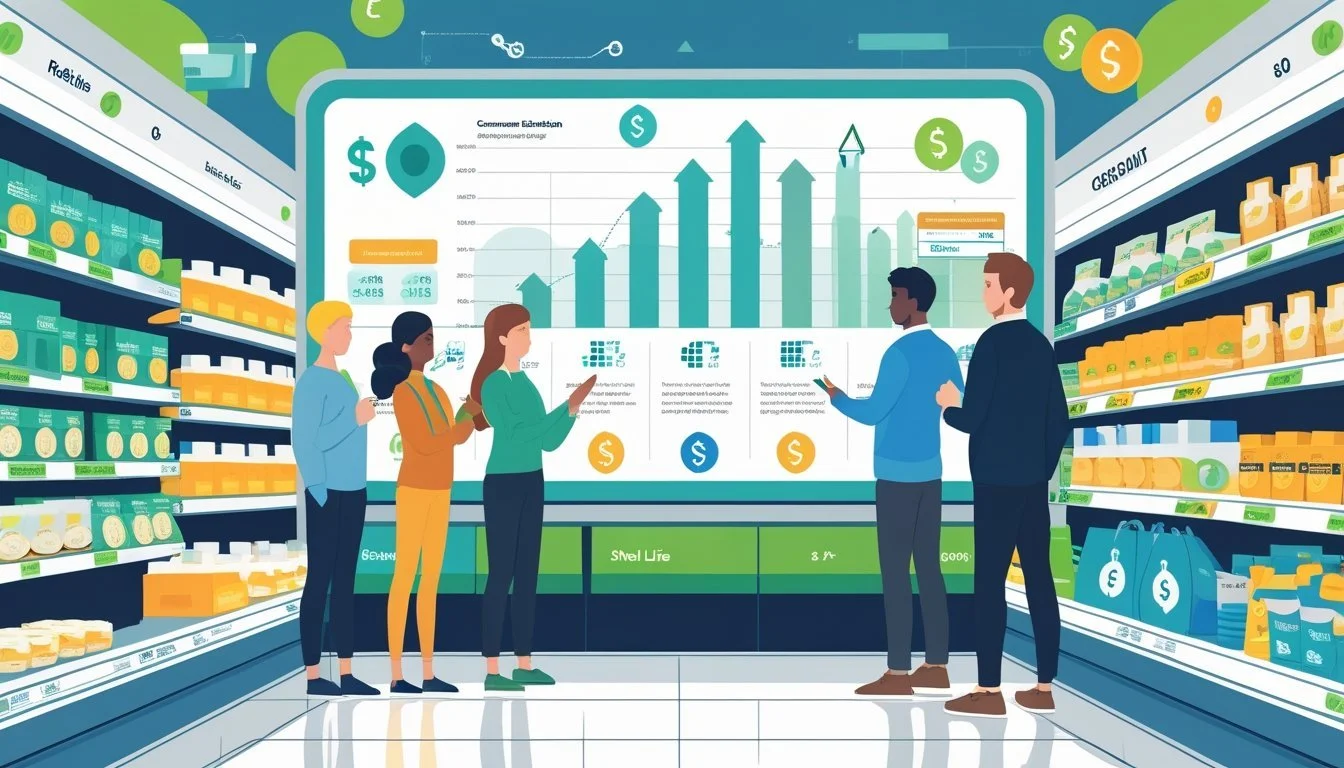
Consumer education directly impacts financial outcomes by influencing both waste reduction and cost management in inventory. Empowered consumers can make choices that improve the bottom line for businesses and help limit unnecessary food loss.
Profitability Through Waste Reduction
Reducing waste is a direct path to improved profitability. When consumers are informed about the meaning of shelf life labels, like "best by" or "use by," more products are used before they expire.
This reduction in discard rates lowers the volume of unsellable goods. Less waste also means fewer losses from unsold inventory and less money spent disposing of expired items.
Food retailers and manufacturers see measurable savings with effective consumer education. Reports link better financial outcomes to transparent information and educational campaigns, helping to align consumption patterns with actual sell-by dates.
Key factors impacted:
Decreased disposal costs
Extended sell-through periods
Lower markdown requirements
Cost Management in Inventory
Inventory management relies on balancing stock levels with demand to avoid overstock and spoilage. Consumer education minimizes inventory carrying costs by improving turnover rates.
When customers understand product lifespan, they are less likely to return unwanted items or demand refunds for perceived spoilage. This reduces the administrative and logistical costs tied to returns.
Accurate knowledge among consumers also helps businesses forecast demand more precisely. Fewer products linger unused on shelves, which cuts storage, refrigeration, and insurance expenses.
Expense Type Impact of Consumer Education Carrying Costs Lower due to faster turnover Warehousing Reduced storage space needs Wasted Inventory Lower spoilage and related costs
Consumer Preferences and Acceptance

Understanding how consumers perceive and accept shelf life solutions helps guide marketing strategies and product labeling. Product freshness and the way shelf life information is communicated directly impact purchasing decisions and the level of trust consumers place in food brands.
Communicating Product Freshness and Stability
Consumers consistently value clear and accurate information about product freshness and shelf life. Studies indicate that approximately 95% of consumers read shelf-life dates when shopping, showing shelf life labels are a key factor in buying decisions.
Effective communication involves more than just expiration dates. Labels that highlight freshness indicators or methods used to ensure product stability—such as vacuum sealing or natural preservatives—can improve consumer acceptance. When consumers trust these claims, they are more likely to choose products with extended or innovative shelf life solutions.
However, knowing that a product is close to its expiration does not always affect acceptability, as some consumers will try an expired product before discarding it. This suggests that trust and past experience with brands play a role in how shelf life labels are interpreted.
Market Trends in Consumer Education
Consumer education initiatives have become more targeted. Brands use infographics, in-store signage, and digital content to explain shelf life, storage conditions, and product stability.
Recent trends show that consumers are drawn to "natural" and "local" claims, especially for products like juices. These perceptions are often linked to higher quality and freshness, influencing what shoppers are willing to pay.
Table: Key Consumer Preferences Impacting Acceptance
Preference Influence on Acceptance Natural Ingredients Positive Local Production Positive Clear Shelf Life Info Positive Unfamiliar Tech Terms Negative or Neutral
Brands that align educational messaging with these preferences see greater consumer trust and higher acceptance of new shelf life solutions.